The next Nissan GT-R is still more idea than confirmed product, but one design clue has already sharpened the conversation.
Matthew Weaver, Nissan’s Head of Global Design, has suggested that if an R36 GT-R happens, it would look back to one of the nameplate’s earliest visual signatures.
For a car whose identity has always balanced technology with heritage, the possibility of round headlights is a small detail with real symbolic weight.
At a glance
- Nissan’s global design chief has indicated that a potential R36 GT-R would use round headlights.
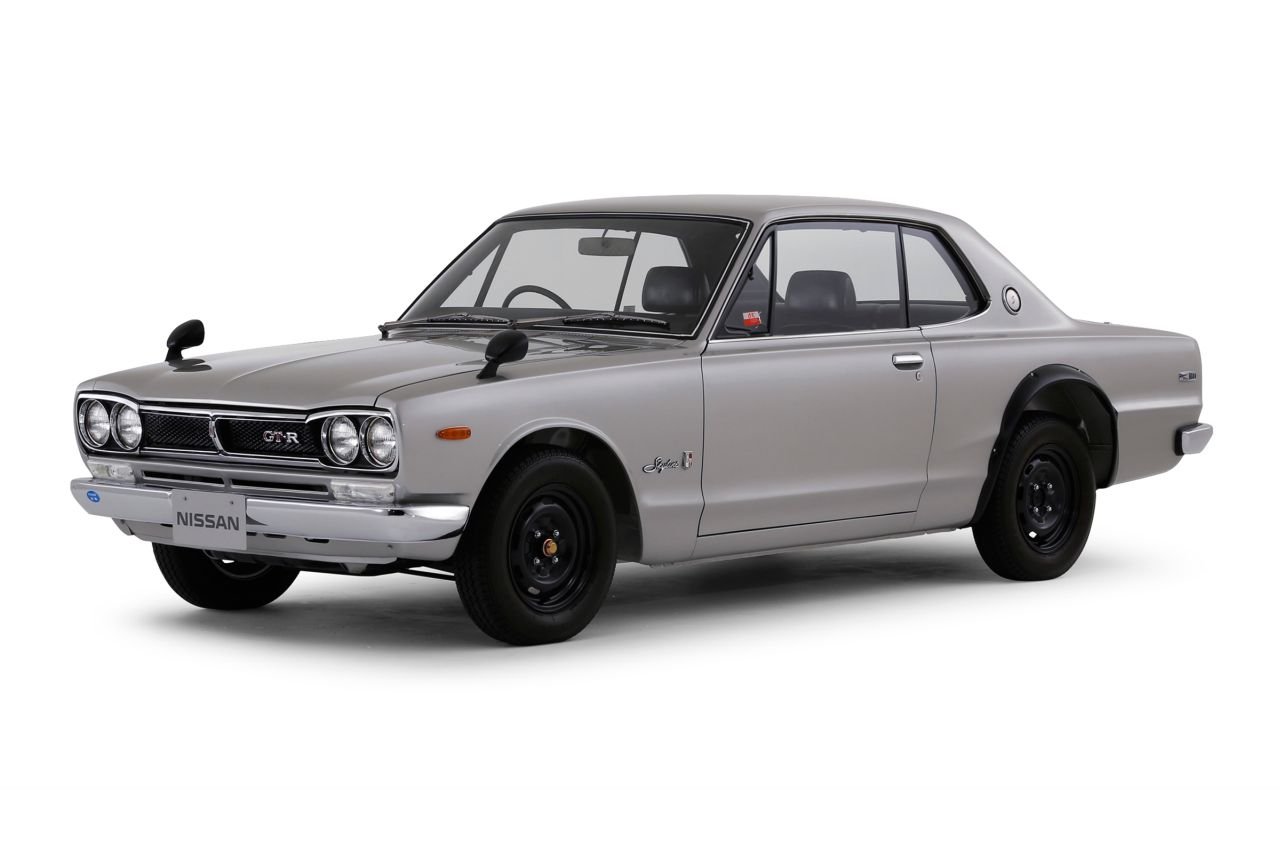
- The cue would echo the original Skyline GT-R C10 and the second-generation Kenmeri Skyline.
- No confirmed timing, development stage, technical specification or production plan has been disclosed.
A heritage cue with real GT-R weight
“If we were to make an R36, it would have round headlights. That’s all I can say right now,” Weaver told Best Car.
It’s a brief comment, but a carefully chosen one.
The GT-R has never relied on retro design in the usual sense, yet its strongest shapes have always been easy to recognise from a distance.

Round headlights would be a direct nod to the earliest Skyline GT-R models, before the car became globally known through the R32, R33, R34 and ultimately the long-running R35.
For enthusiasts, the idea matters because the GT-R’s visual language has often been as coded as its engineering reputation.
From C10 and Kenmeri to the R34 and R35
The first two generations of GT-R are closely associated with four round headlights.
That look appeared on the original Skyline GT-R C10 and continued with the second-generation model, commonly known as the Kenmeri Skyline.
Nissan then moved away from that formula with the R32 and R33, both of which used rectangular headlamps.
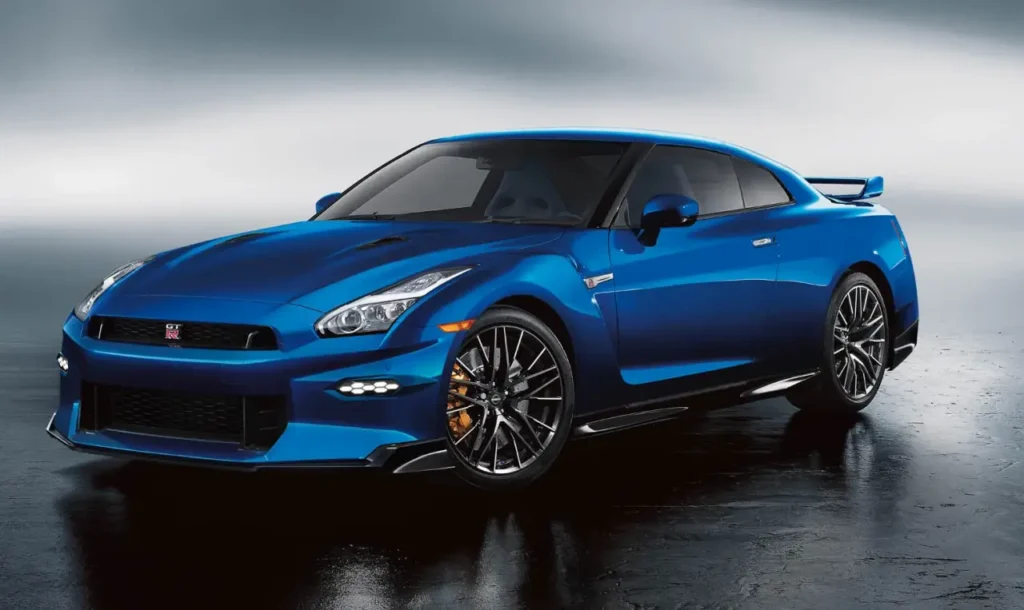
The R34 brought a more aggressive face with revised sweptback units, helping define one of the most recognisable Japanese performance cars of its era.
The R35 took the GT-R into a different design language again, though it preserved one of the family’s most famous signatures at the rear with quad circular taillights.
That continuity is part of why the headlight comment stands out.
If the next GT-R does adopt round lamps, it wouldn’t simply be nostalgia for nostalgia’s sake, but a way to reconnect the car’s face with the earliest chapters of its lineage.
What Nissan hasn’t confirmed yet
The important caveat is that the next-generation GT-R remains undefined in public.
Weaver did not provide details on where the project stands, and there are no confirmed specifications, timing, production plans or pricing attached to the R36 name.
That makes the design hint interesting rather than definitive.
It suggests that Nissan’s design team is thinking seriously about how a future GT-R should reference its past, but it doesn’t reveal what kind of performance car the eventual model may become.
The R35’s long life has only increased expectations around its successor, particularly because the GT-R name carries several different identities at once.
It’s a motorsport-bred Skyline icon, a PlayStation-era hero, a tuning culture staple and, in R35 form, a technology-led supercar disruptor.
Why the headlight detail matters
Design cues can be easy to dismiss until they belong to a car with this much history.
On a GT-R, round headlights would immediately separate the R36 from the R35 while giving it an older emotional reference point than the R32 or R34.
That could appeal to collectors and longtime Nissan enthusiasts who see the GT-R not as a single model, but as a chain of related performance eras.
It could also give a future GT-R a clearer visual identity at a time when many high-performance cars are becoming more aerodynamically and technologically complex.
For now, the next GT-R remains a car of hints rather than hard facts.
Still, the possibility of round headlights is enough to show that Nissan understands how much visual memory is tied up in the badge, and how carefully the R36 will need to balance progress with recognition.