Nine years after Elon Musk first revealed the prototype, the next-generation Tesla Roadster has reappeared with the sort of claims that make even modern hypercars sound restrained.
The headline is not subtle. Tesla says the new Roadster can use SpaceX-derived thrusters to lift off the ground, a capability shown during a livestream demonstration.
At a glance
- Tesla has revealed the next-generation Roadster with SpaceX-derived thrusters and production planned for 2028.
- The company claims 0–60 mph in 0.8 seconds, along with fan-assisted downforce and a 2 G cornering target.
- The design features a minimal cabin, yoke-style steering wheel, central touchscreen and an active rear spoiler that sits flush with the bodywork.
SpaceX Thrusters Move From Tease to Demonstration
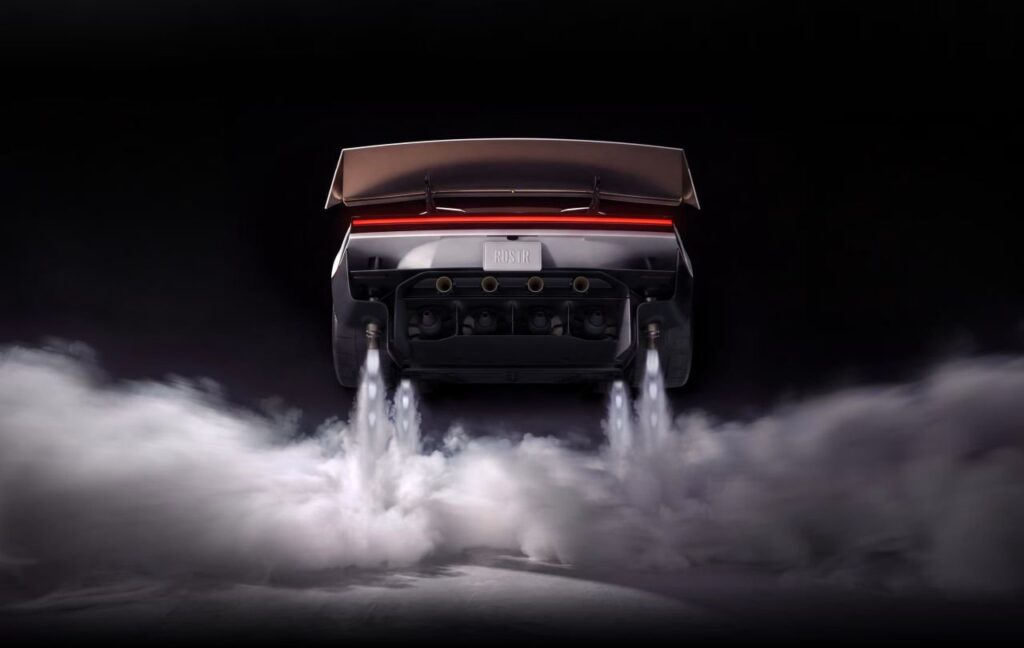
The most striking update is the Roadster’s use of actual thrusters linked to SpaceX technology.
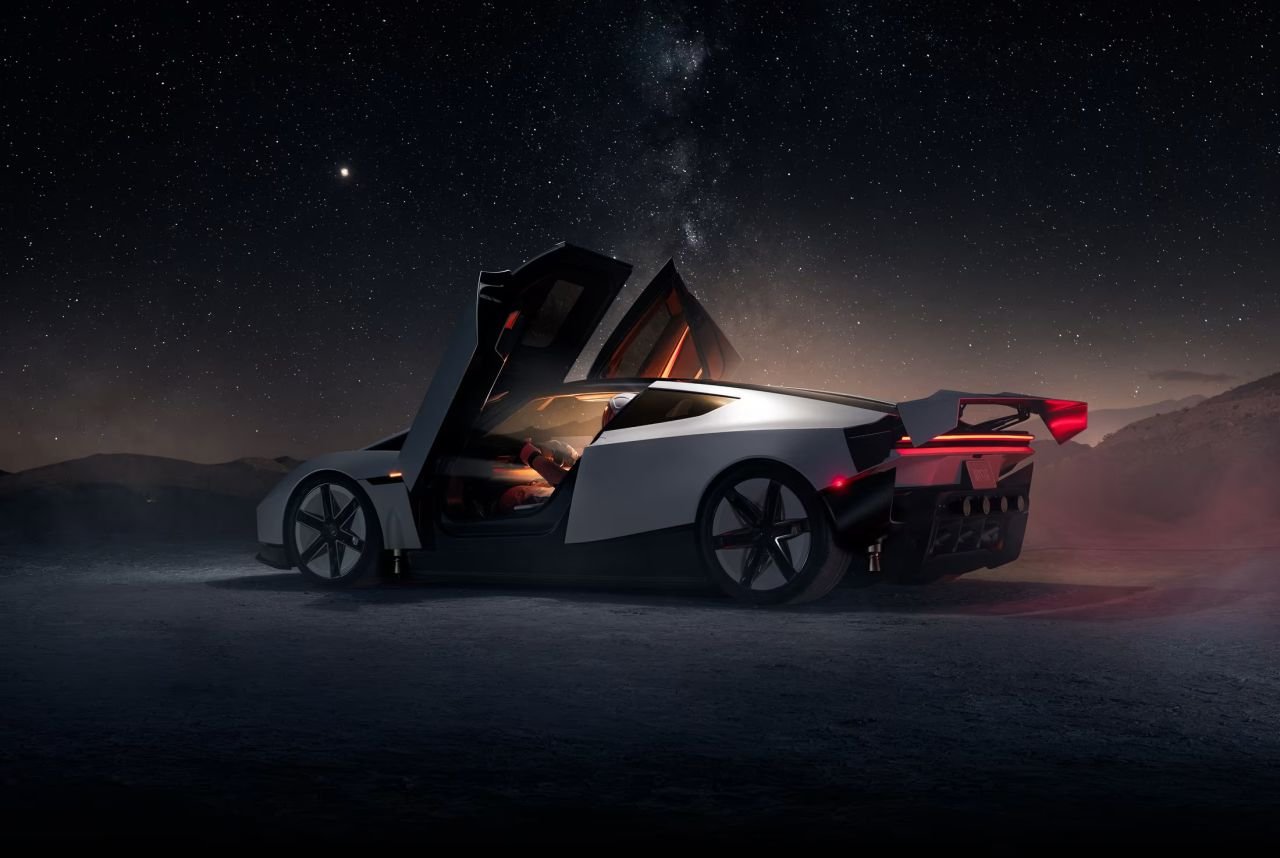
Tesla says the system uses ultra-high-pressure air stored in 600-litre onboard tanks, allowing the car to launch off the ground rather than merely squat hard under acceleration.
It’s an extraordinary direction for a road car, and one that pushes the Roadster beyond the usual electric performance playbook of larger battery packs, more powerful motors and increasingly complex torque control.
Details of the electric motors have not been disclosed, but Tesla’s claimed 0–60 mph time is 0.8 seconds.
Fan-Assisted Grip and Active Aerodynamics
The new Roadster also uses a fan suction system designed to pull the car toward the road surface during high-speed cornering.
Tesla claims the setup enables the car to generate 2 Gs in corners, placing the Roadster in the rarefied territory of machines using active aero and unconventional downforce systems to reshape what an EV can do dynamically.
The concept naturally recalls the McMurtry Spéirling, which has made fan-assisted downforce a central part of its performance identity.
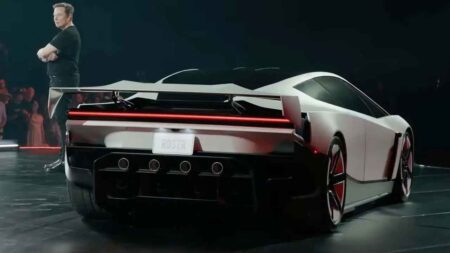
At the rear, an active spoiler sits flush with the bodywork when stowed and deploys automatically when required.
A Sharper Roadster With a Sparse Cabin
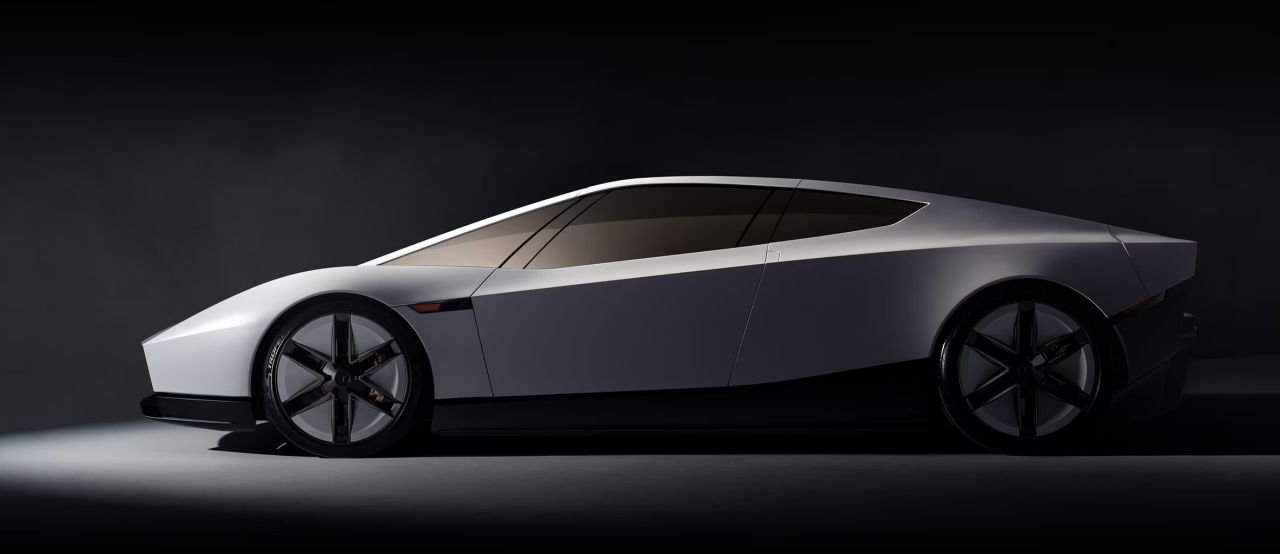
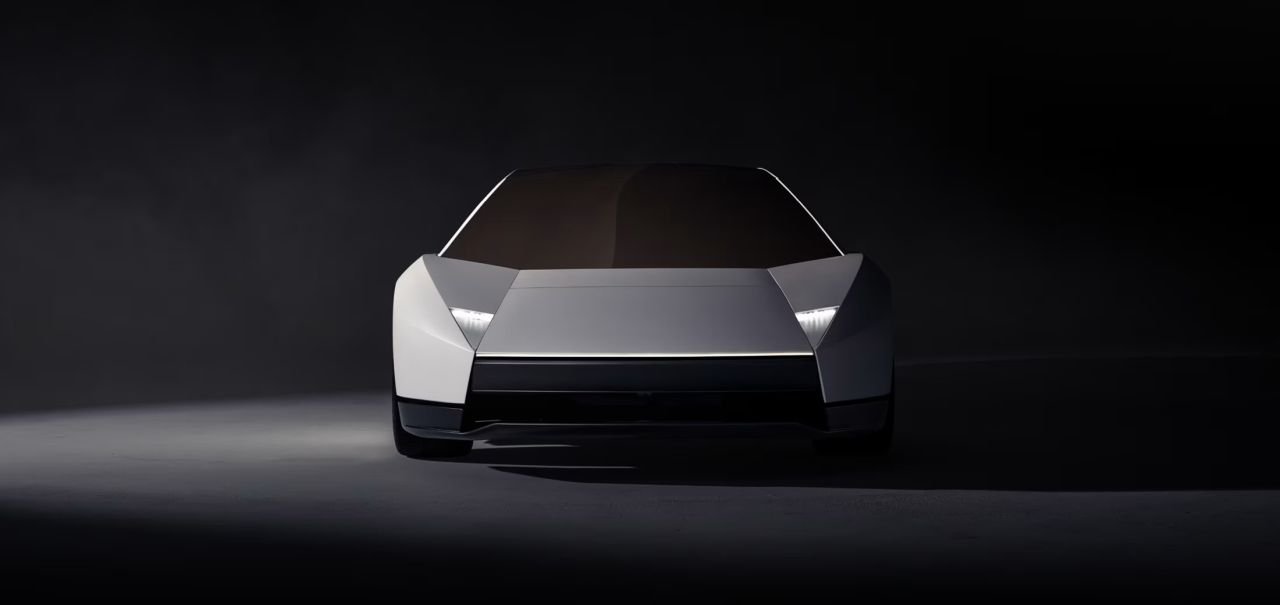
The exterior moves away from the softer look of the earlier prototype and into a more angular vocabulary.
Up front, the Roadster has a flat nose and triangular headlights, while the rear uses a slim rectangular fascia, a light bar and a large diffuser area that houses the thrusters.
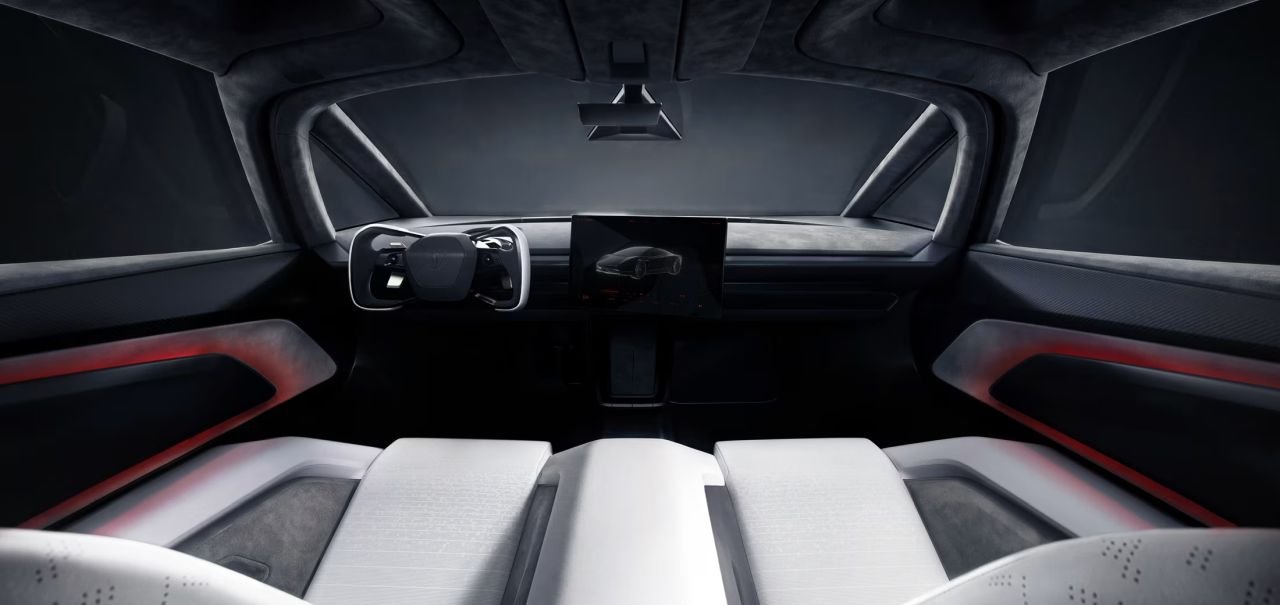
Inside, the cabin follows Tesla’s minimalist approach with a yoke-style steering wheel and a large central touchscreen.
The Roadster also uses steer-by-wire, brake-by-wire and throttle-by-wire technology, further distancing it from conventional performance-car hardware.
Details & Specifications
| Brand | Tesla |
|---|---|
| Model | Roadster |
| Claimed acceleration | 0–60 mph in 0.8 seconds |
| Thruster system | SpaceX-derived thrusters using ultra-high-pressure air |
| Onboard air storage | 600-litre tanks |
| Aerodynamics | Fan suction system and automatically deploying active rear spoiler |
| Claimed cornering force | 2 Gs |
| Drive controls | Steer-by-wire, brake-by-wire and throttle-by-wire |
| Interior | Yoke-style steering wheel and large central touchscreen |
| Production timing | Planned for 2028 |
The Roadster has always been Tesla’s most theatrical promise, but this latest version shifts the conversation from quick EV to something stranger and more experimental.
If Tesla can bring the car to production with these systems intact, it won’t simply be another acceleration benchmark; it’ll be one of the most unconventional performance cars attempted by a mainstream EV maker.