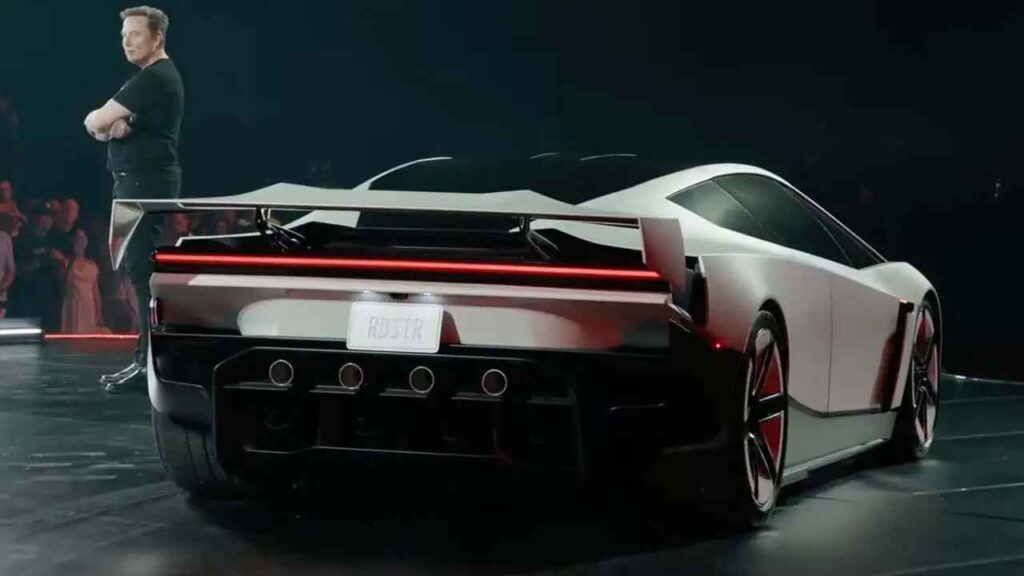
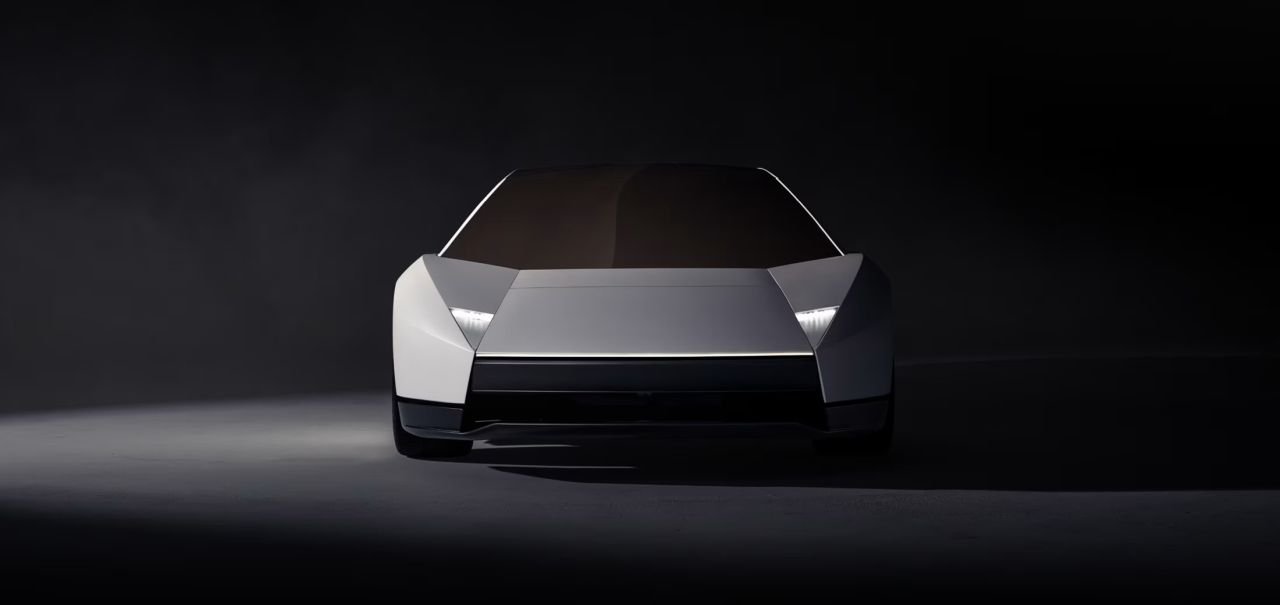
The new Tesla Roadster is being framed as more than another high-performance electric car.
Elon Musk has suggested it could become the outlier in Tesla’s future lineup, a car kept for human drivers while the rest of the brand moves deeper into autonomy.
If Tesla delivers on even part of what’s been promised, the Roadster won’t just be fast. It’ll be one of the strangest production-intent performance cars of its time.
At a glance
- Elon Musk says the new Tesla Roadster may eventually be the only Tesla designed for manual human driving.
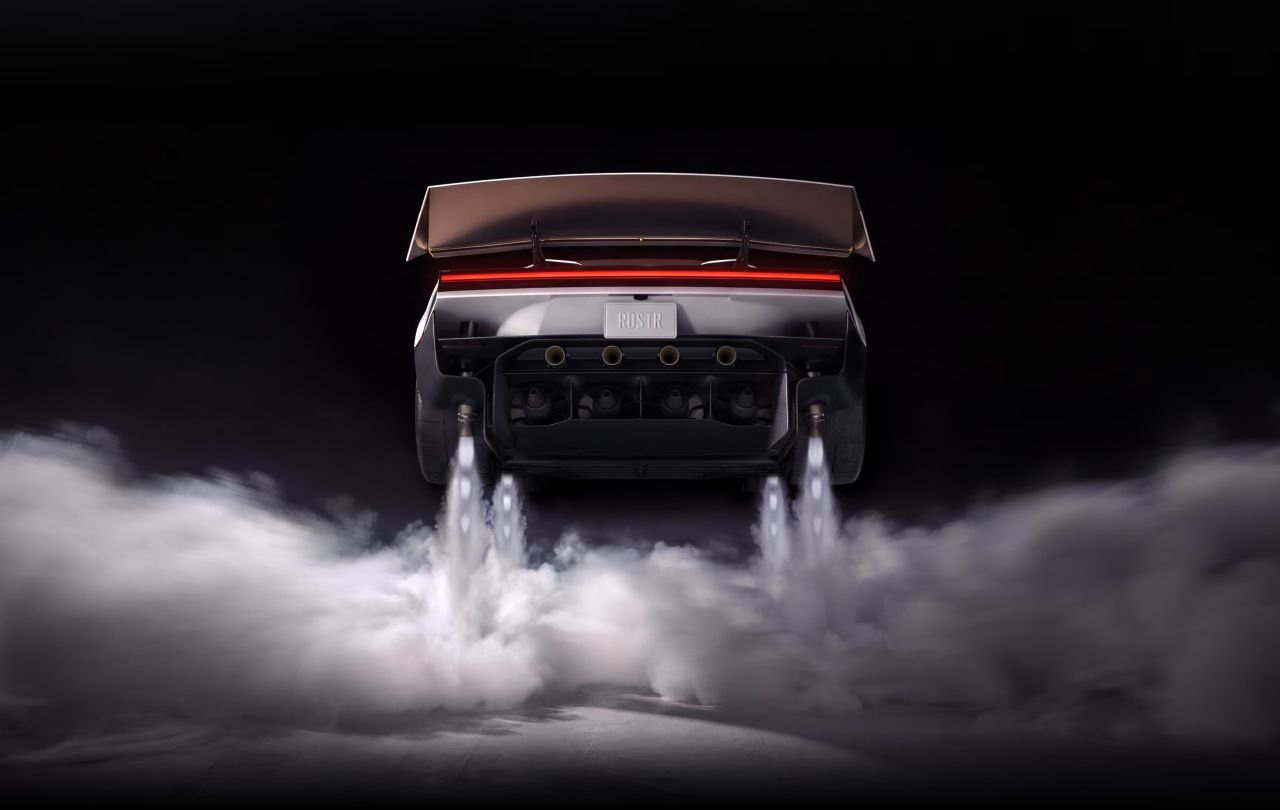
- Tesla claims 0 to 60 mph in 0.8 seconds, with a fan-based suction system and SpaceX-derived thrusters.
- Production is planned for 2028, though key electric motor details haven’t been revealed.
A Roadster for the autonomy era
At the Roadster’s debut, Musk said, “This will actually be long term the only manually driven car that Tesla makes… So if it’s going to be the only manually driven car, let’s take it to the limits and beyond the limits.”
That comment gives the Roadster a different kind of relevance from the usual supercar conversation.
It isn’t only about acceleration or spectacle, although there appears to be plenty of both.
The more interesting idea is that Tesla’s most extreme car could become its most old-fashioned in one important respect, because it’s being positioned around a human at the controls.
For a company so closely associated with autonomy, that makes the Roadster feel almost like a mechanical bookmark for an era Tesla expects to leave behind.
The 0.8-second claim changes the conversation
Tesla claims the Roadster will accelerate from 0 to 60 mph in 0.8 seconds.
That figure is extraordinary enough to dominate the discussion, but the company hasn’t disclosed the electric motor details behind it.
Until those specifications are made public, the Roadster remains a car defined by claims rather than a complete technical picture.
Even so, the number indicates the level of ambition Tesla wants attached to the model.
This isn’t being pitched as a quicker version of an existing EV formula. It’s being presented as something that pushes beyond the normal boundaries of road-car performance.
Fans, suction and SpaceX hardware
The Roadster’s most unconventional engineering promise sits underneath the car.
Tesla says it will use a fan-based suction system designed to generate as much as 2 g of additional cornering force.
That kind of system points to a car that’s not relying only on battery power and straight-line speed to make its statement.
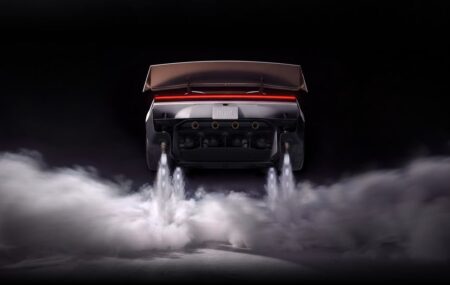
Then there are the SpaceX-derived thrusters, which Tesla says can lift the Roadster off the ground.
It’s the detail that makes the whole project feel closer to experimental transport than a typical electric sports car.
Whether buyers view that as genius, theatre or something in between will depend heavily on how much of the concept reaches production.
Details & Specifications
| Brand | Tesla |
|---|---|
| Model | Roadster |
| Vehicle type | Electric performance car |
| Claimed 0 to 60 mph | 0.8 seconds |
| Cornering system | Fan-based suction system underneath the car |
| Claimed cornering support | Up to 2 g of additional cornering force |
| Thruster system | SpaceX-derived thrusters described as capable of lifting the car off the ground |
| Production timing | Planned for 2028 |
The Roadster’s appeal is likely to be strongest among drivers who still want the act of driving to matter, even as performance cars become faster, more digital and more automated.
If Tesla’s future is increasingly autonomous, this Roadster could become its most rebellious product simply by leaving room for a person behind the wheel.