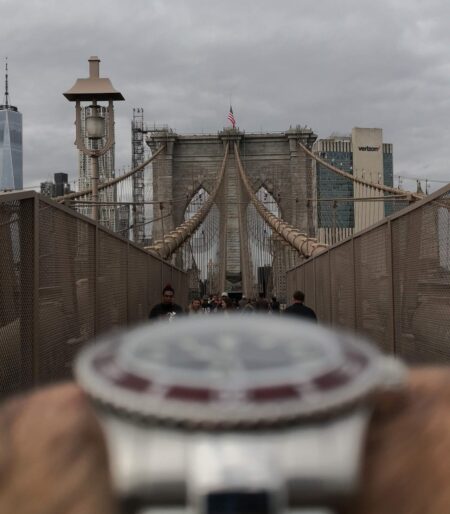
Rolex is taking the centenary of the Oyster case beyond the display tray and into a large-scale exhibition in Shanghai.
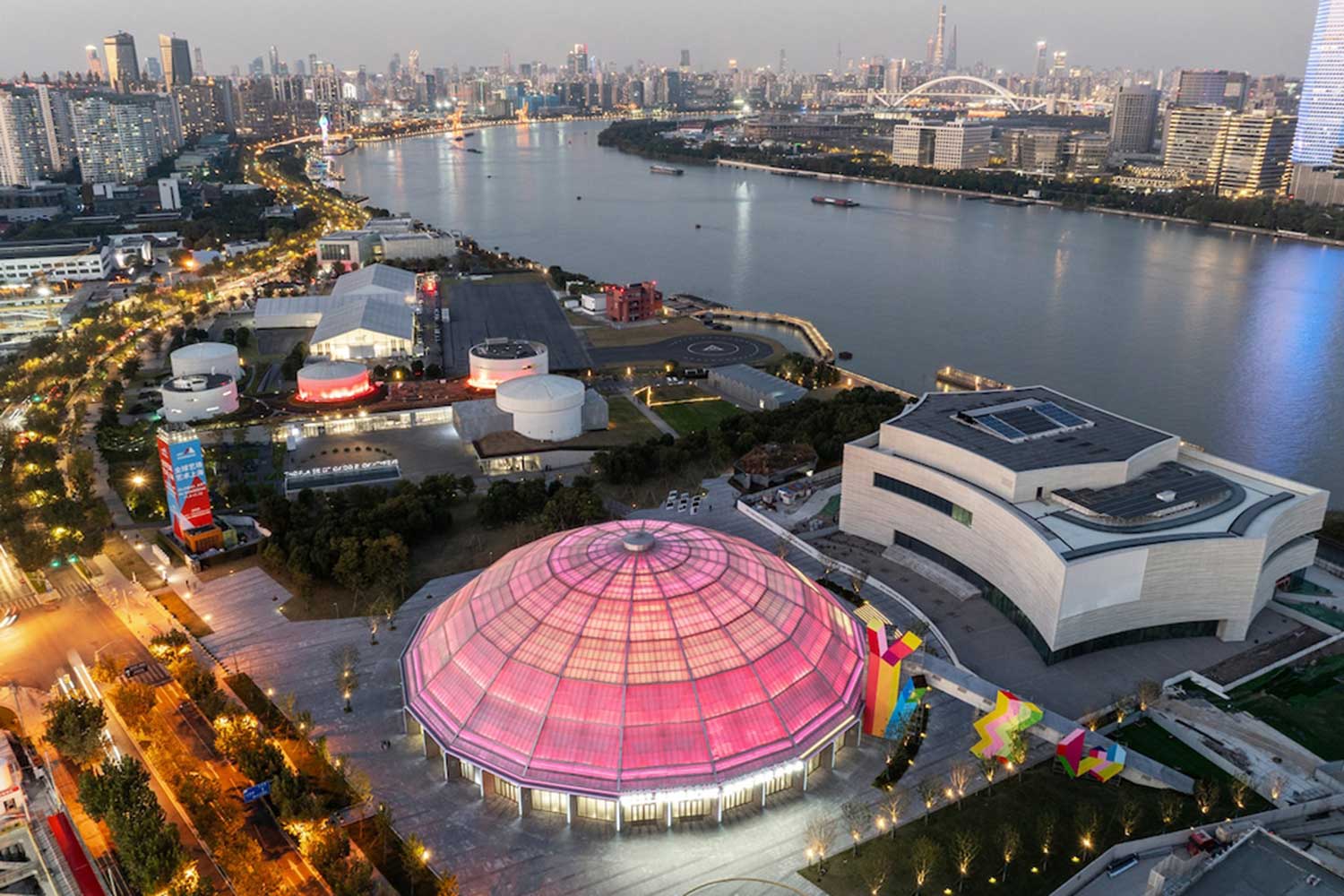
Staged at the West Bund Dome from June 10 to 28, Oyster Story looks at the invention that helped define the modern waterproof wristwatch and, in many ways, the public image of Rolex itself.
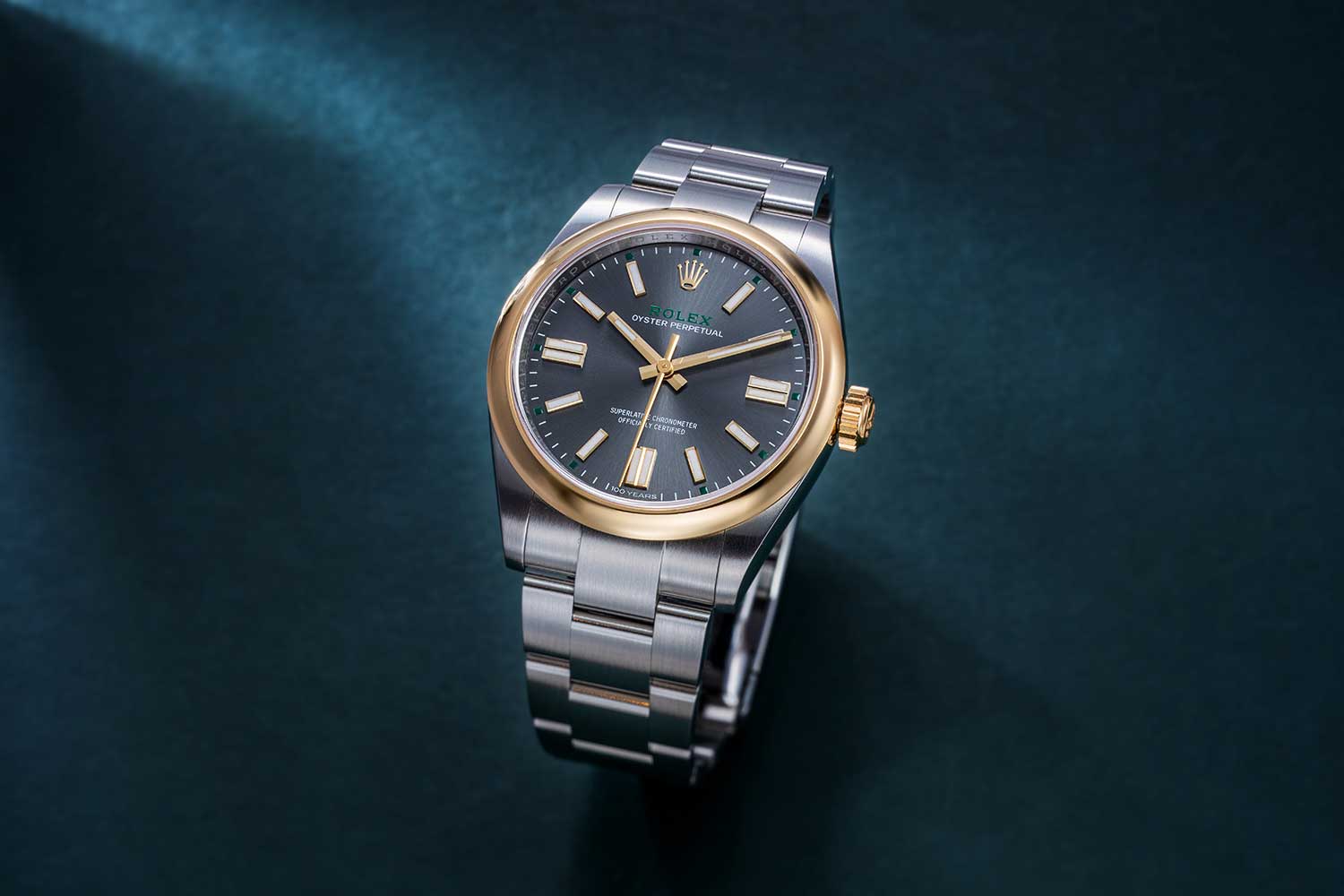
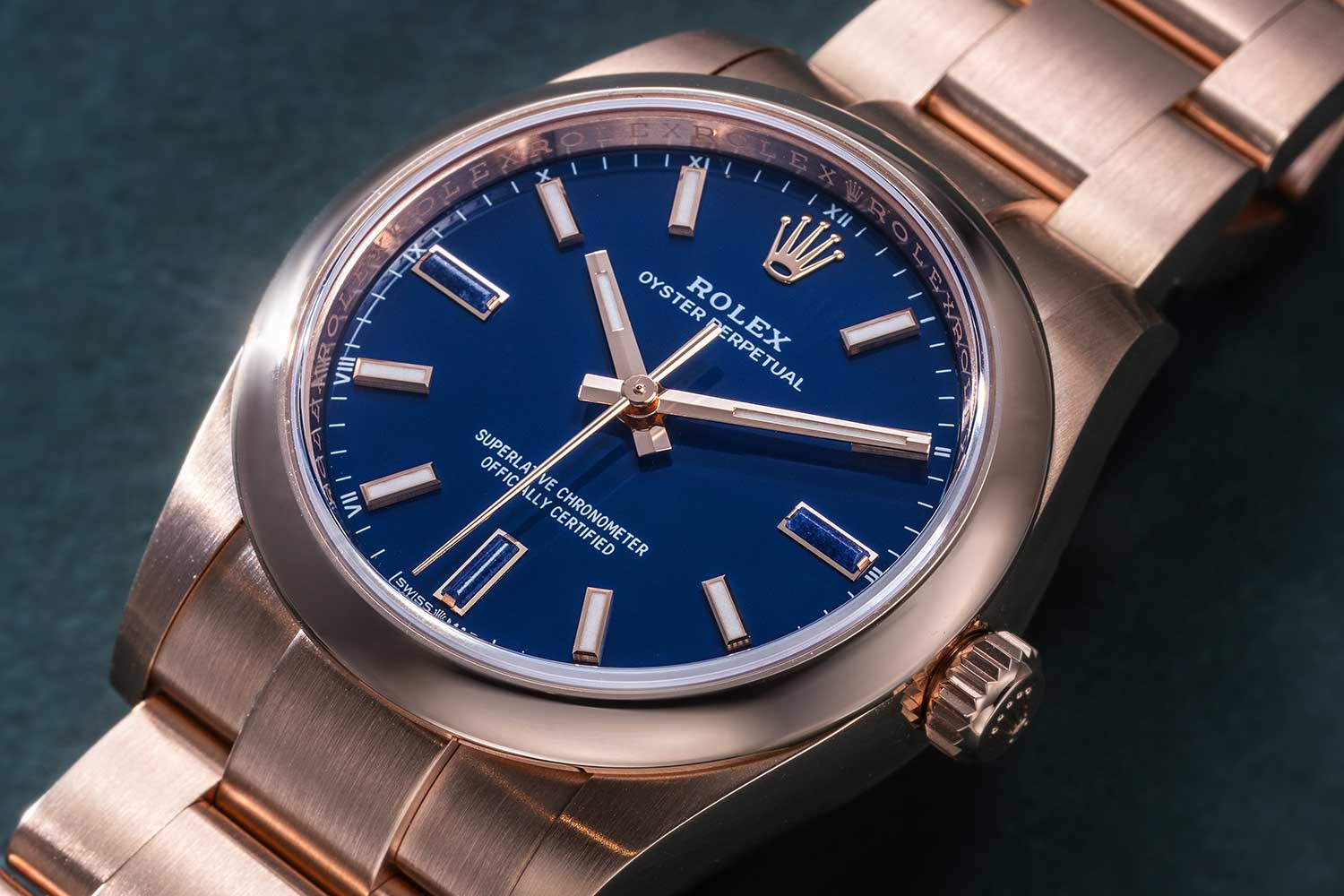
It arrives in a year already shaped by Oyster Perpetual releases, including a commemorative model in a new Rolesor configuration, but the exhibition is less about novelty than continuity.
At a glance
- Rolex is presenting Oyster Story at Shanghai’s West Bund Dome to mark 100 years of the Oyster case.
- The exhibition explores the 1926 waterproof case construction, historic watches, Rolex wearers and the brand’s Superlative Chronometer standards.
- Open from June 10 to 28, the show connects the Oyster’s early engineering with modern Rolex watchmaking and cultural storytelling.
A centenary staged on Shanghai’s West Bund
The West Bund Dome gives Rolex room to treat the Oyster case as both an engineering achievement and a cultural object.
The exhibition moves through the history of the case, the people who wore it and the technical systems that have kept the concept relevant for a century.
On the first floor, visitors encounter 100 portraits of notable Rolex wearers, positioned alongside heritage and contemporary watches.
Some of the timepieces come from private collections, adding a collector-level dimension to a brand story that is often told through production milestones and famous expeditions.
The cast of Rolex-linked figures ranges from Sir Jackie Stewart and Roger Federer to Hannah Mills, alongside environmental advocates such as Titouan Bernicot and the Coral Gardeners team supported through the Rolex Perpetual Planet Initiative.
That breadth matters because the Oyster has never been marketed only as a sealed case.

It became a way for Rolex to connect precision, endurance and public achievement, whether on a racing circuit, a tennis court, the open sea or a coral reef.
The 1926 Oyster case and its waterproof breakthrough
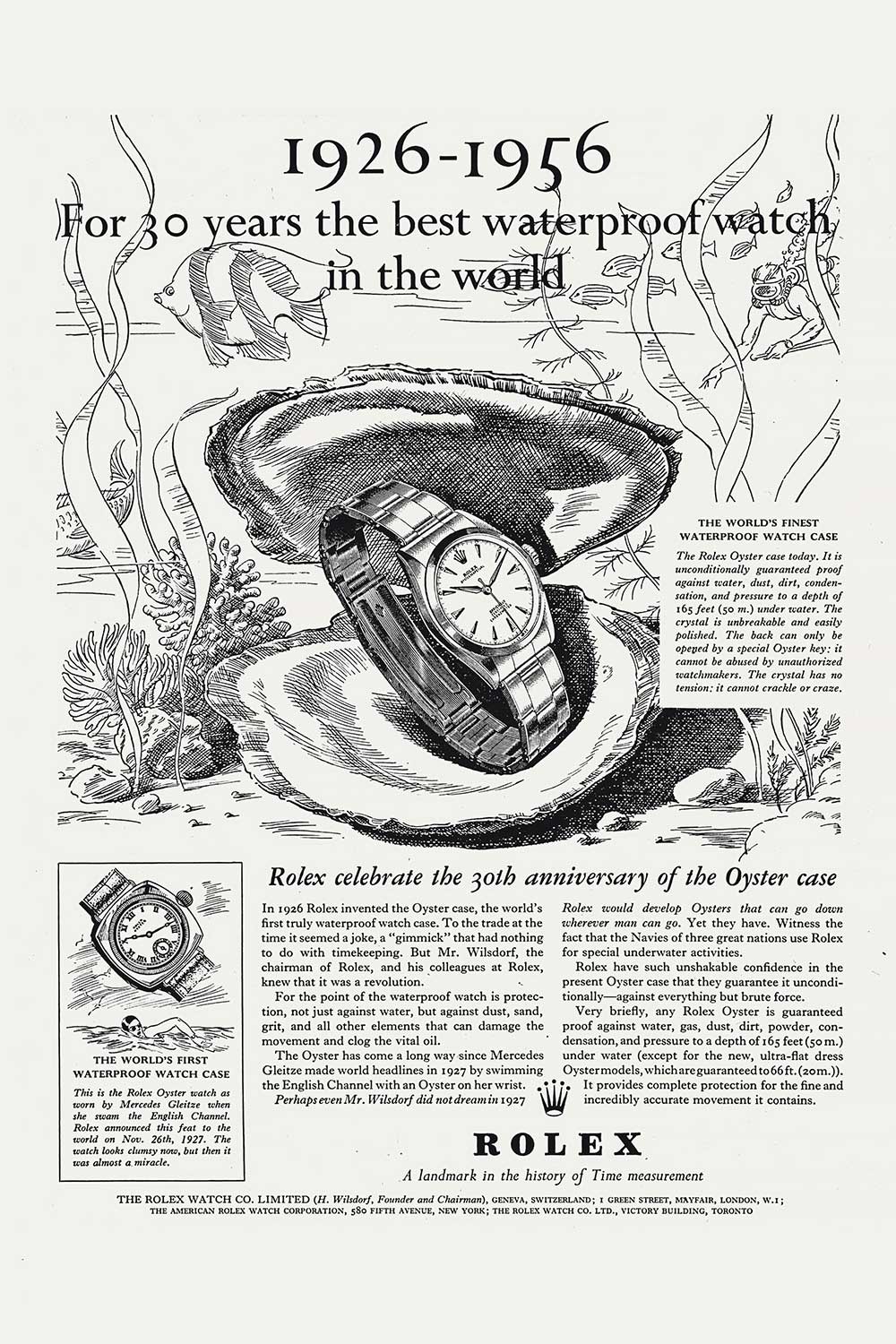
The central chapter begins in 1926, when Rolex, under Hans Wilsdorf, introduced the Oyster case.
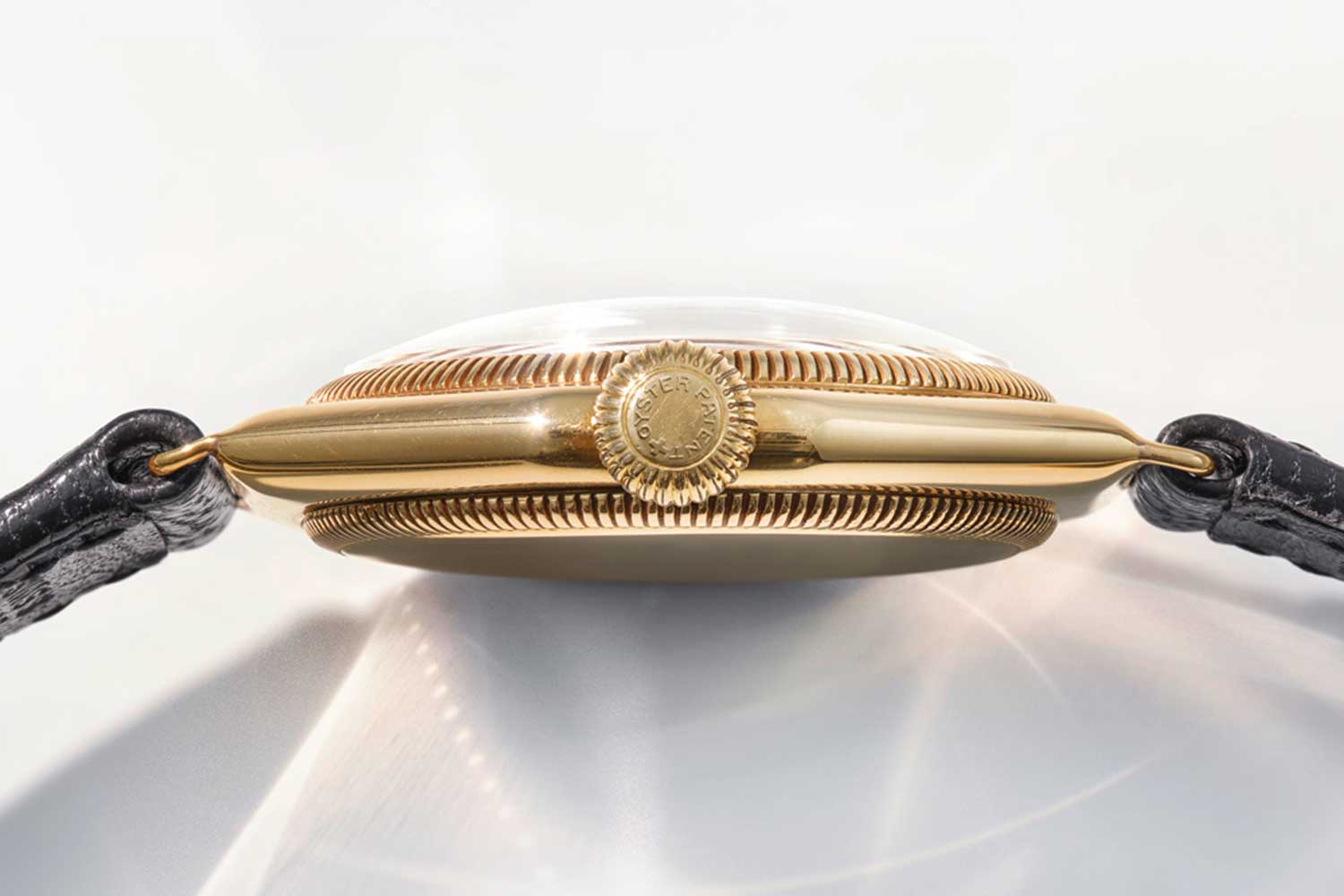
Its significance came from a straightforward but highly effective construction, with the bezel, case back and crown screwed into the case middle to create a sealed watch.

That architecture made the Oyster Rolex’s first waterproof watch and gave the brand a technical foundation that still underpins much of its identity.
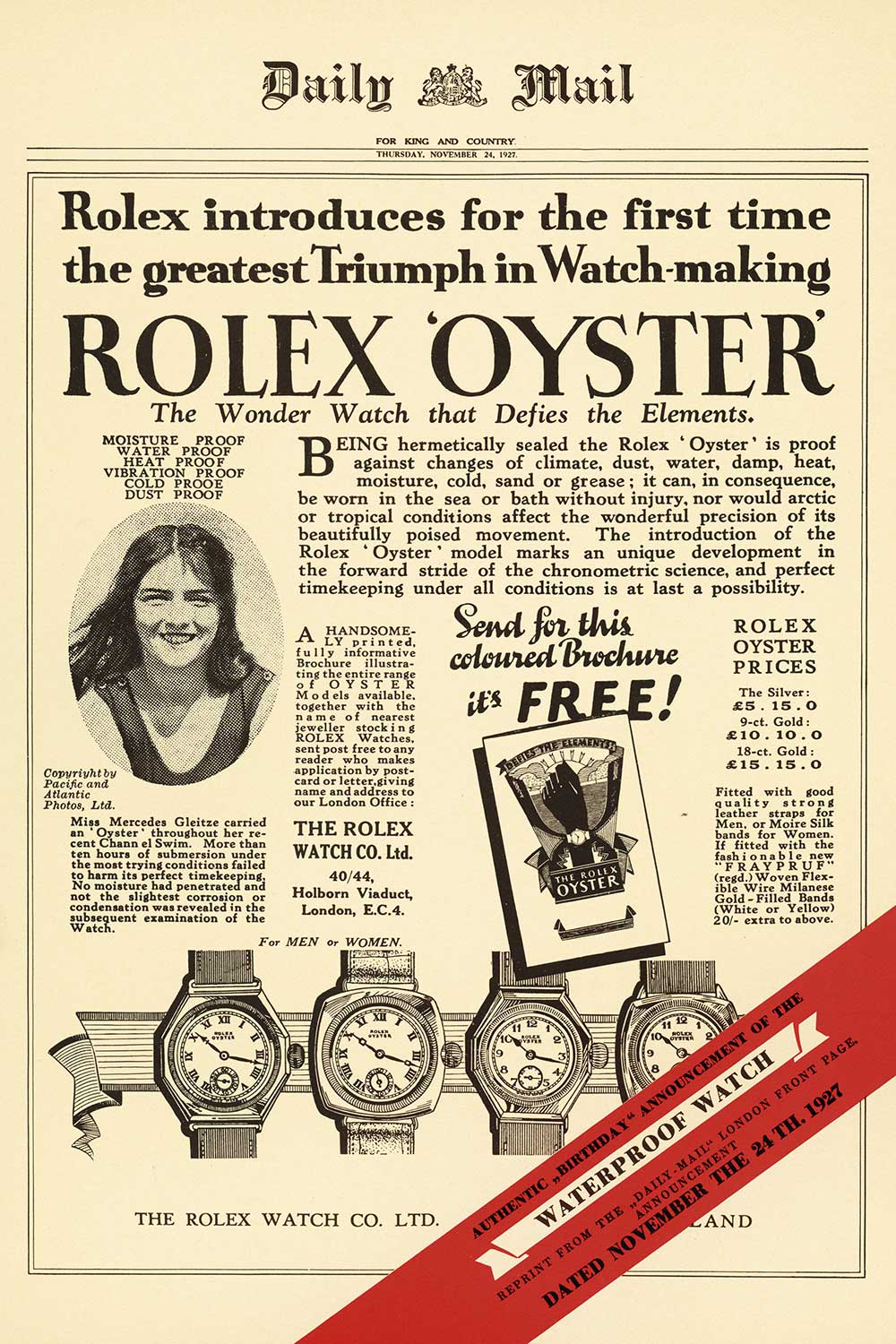
The following year, Mercedes Gleitze helped turn the case from an invention into a public legend.
During her English Channel crossing, an Oyster-cased watch worn around her neck continued running after the swim, giving Rolex a dramatic real-world demonstration at a time when wristwatches still needed to prove their toughness.

From that point, the Oyster case became more than a clever solution to moisture and dust.
It became the starting point for Rolex watches built to survive increasingly demanding environments, from high mountains to deep water and even space.
Historic watches and the people who tested them
Oyster Story brings together watches associated with adventurers, explorers and pioneers, placing the case within a broader tradition of field-tested watchmaking.

These pieces are not presented as isolated museum objects.
They sit inside a narrative about pressure, altitude, water, movement and the human appetite for difficult places.
That is where the Oyster case remains unusually effective as a subject for exhibition.
Its basic principle is easy to understand, yet its consequences shaped how modern tool watches were conceived, sold and trusted.
The show also includes a library lounge and a cinema room, giving visitors quieter ways to absorb the history of the Oyster and the personalities connected to it.
For Rolex enthusiasts, those spaces are likely to be as valuable as the headline displays because they slow the story down and make room for context.
Rolex’s Superlative pavilion brings the focus back to watchmaking
The exhibition’s Superlative pavilion shifts the emphasis from historical adventure to contemporary manufacture.
Here, Rolex lays out the components and disciplines that sit behind its watches, including cases, bezels, bracelets, dials and movements.
The pavilion also examines the brand’s Superlative Chronometer Certification, the standard Rolex applies after casing the movement.

It’s a reminder that the Oyster case is only one part of a wider system, even if it remains the most recognisable physical expression of Rolex reliability.
One of the more technical inclusions is an optical atomic clock developed by Rolex as a benchmark instrument.
Using laser-stimulated rubidium atoms to define the second with extreme accuracy, it gives the exhibition a link between mechanical watchmaking culture and high-precision time measurement.
That contrast is useful.
Rolex’s public language often centres on endurance and achievement, but its authority depends just as much on measurement, testing and repeatable manufacturing control.
Oyster Story should appeal to collectors who already understand the importance of the Oyster case, but it’s also designed for visitors who know Rolex primarily as a name rather than a piece of engineering history.
At its best, the exhibition shows why a century-old case idea still has currency, not because it has remained frozen in time, but because Rolex has continued to refine a simple proposition into one of watchmaking’s most durable signatures.