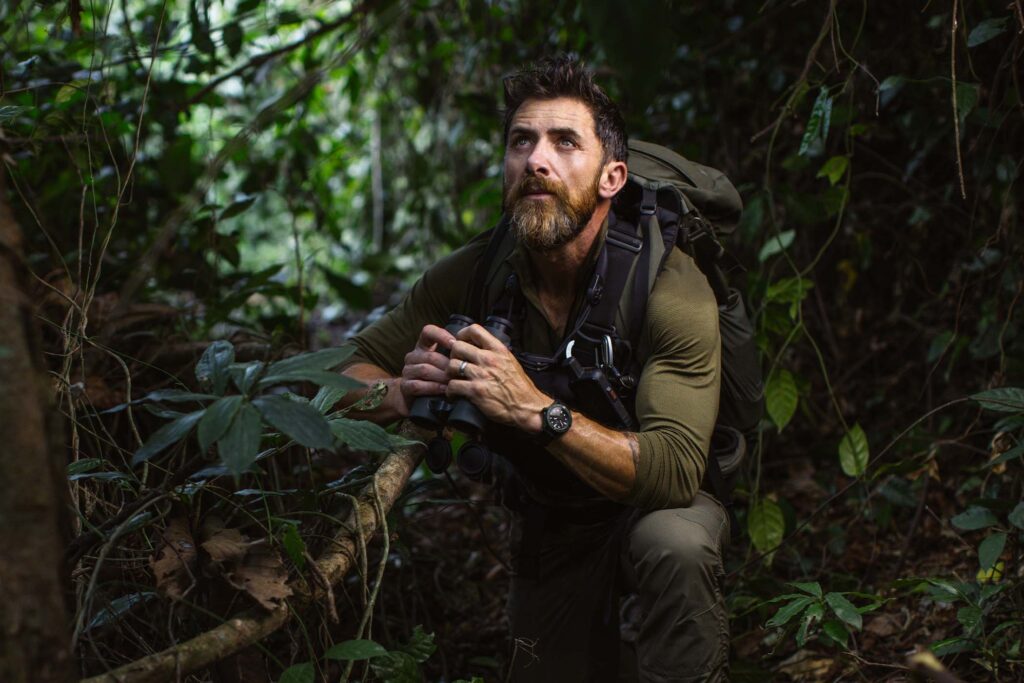
Aldo Kane’s relationship with Bremont wasn’t built around boardrooms or polished launch language.
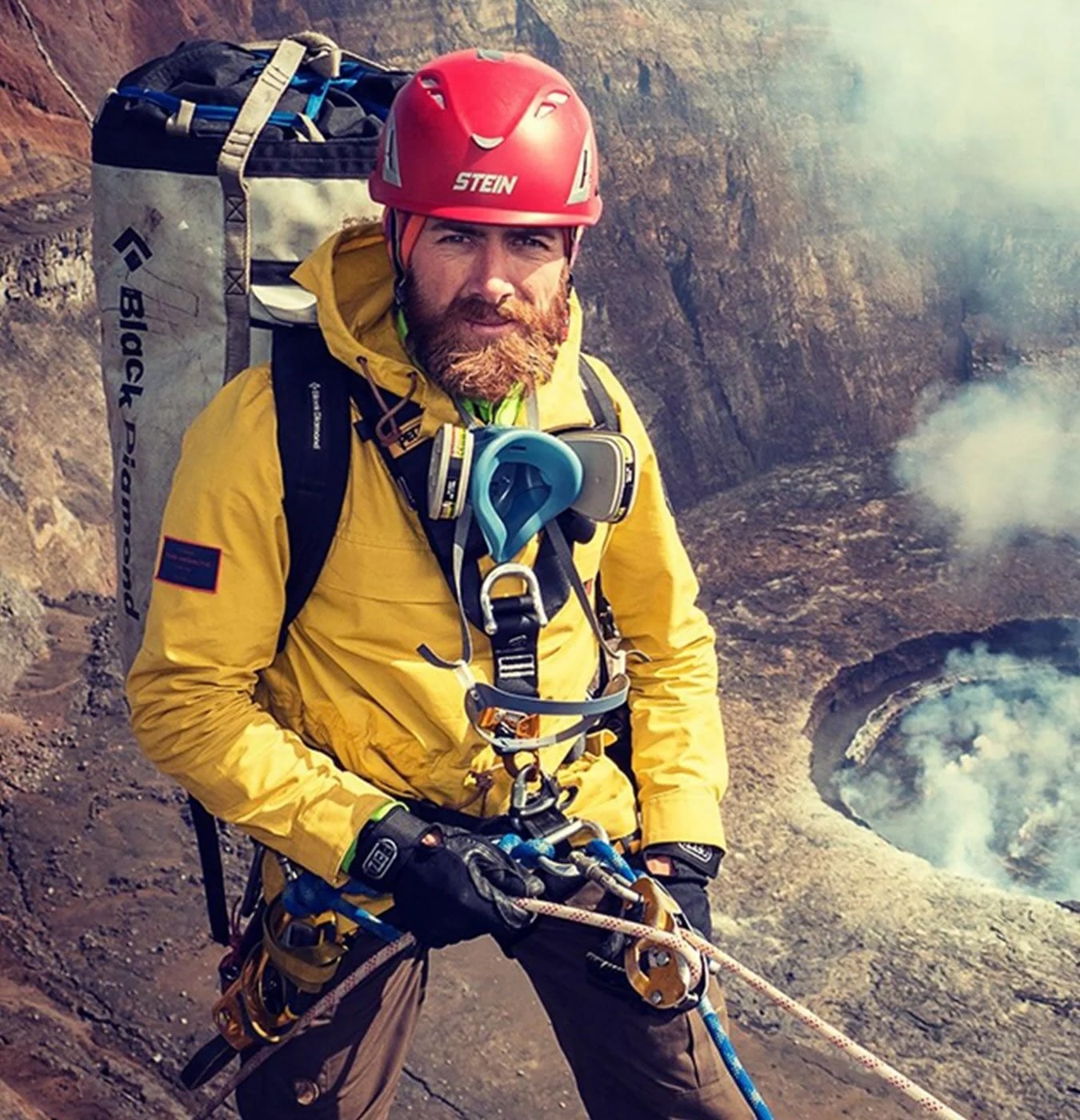
The former Royal Marines sniper, expedition leader and television adventurer first put the British watch brand into his world by taking a Martin-Baker III inside an active volcano in 2017.
Since then, Kane says Bremont watches have followed him through jungles, mountains, oceans, deserts and long filming assignments where reliability matters more than novelty.
At a glance
- Aldo Kane has worked with Bremont since 2017 and has been an official ambassador since 2018.
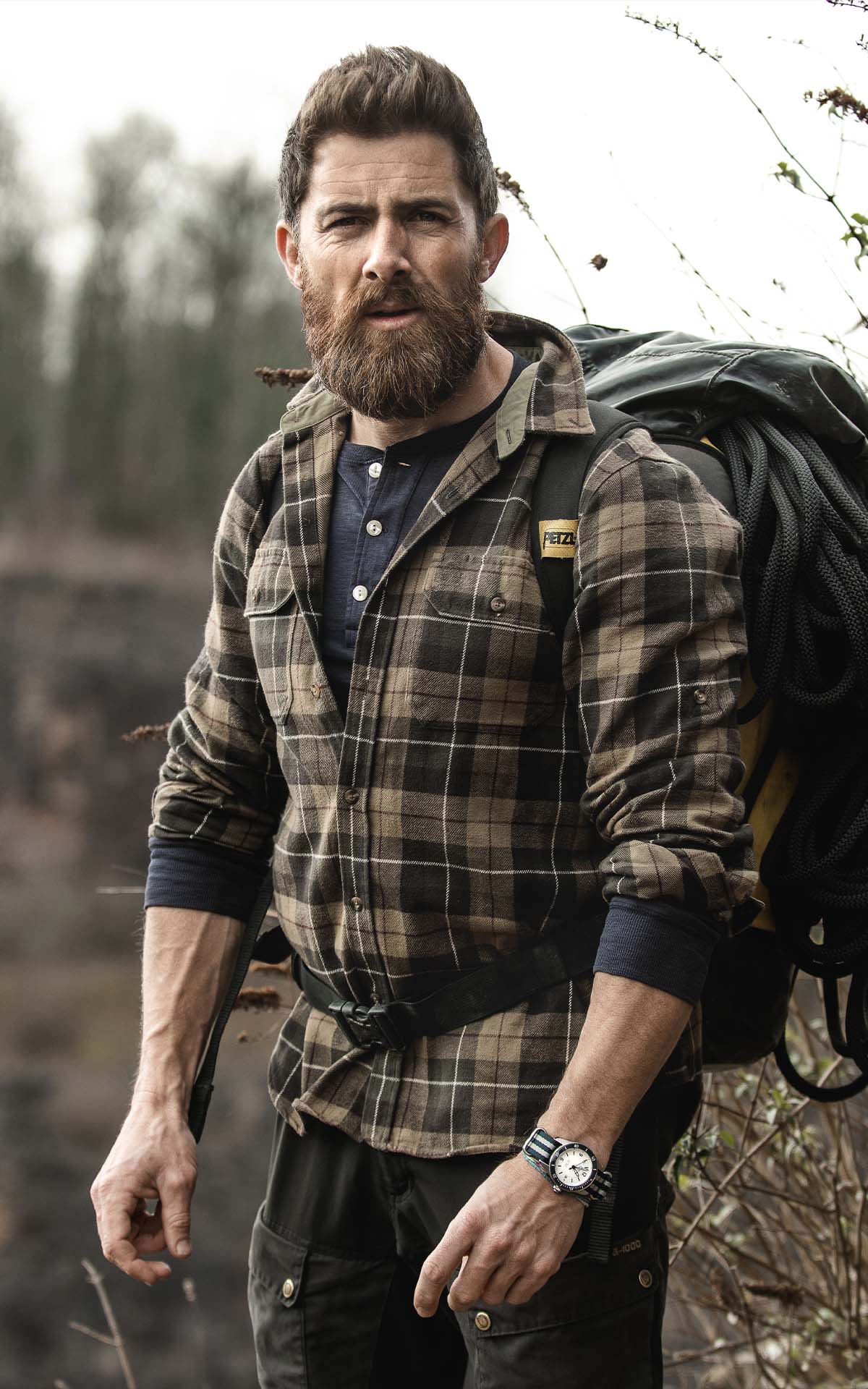
- He has worn Bremont watches including the Martin-Baker III, Supermarine S502, Supermarine Full Ceramic and Terra Nova Bronze on demanding expeditions.
- Kane values mechanical watches for their simplicity, legibility and lack of battery dependence in remote environments.
How Bremont entered Kane’s expedition world
Kane first became aware of Bremont through a friend involved in base jumping, but the connection became serious after he met Nick and Giles English at a Bremont event.
At the time, Kane was preparing to go inside an active volcano and offered to take one of the brand’s watches with him.
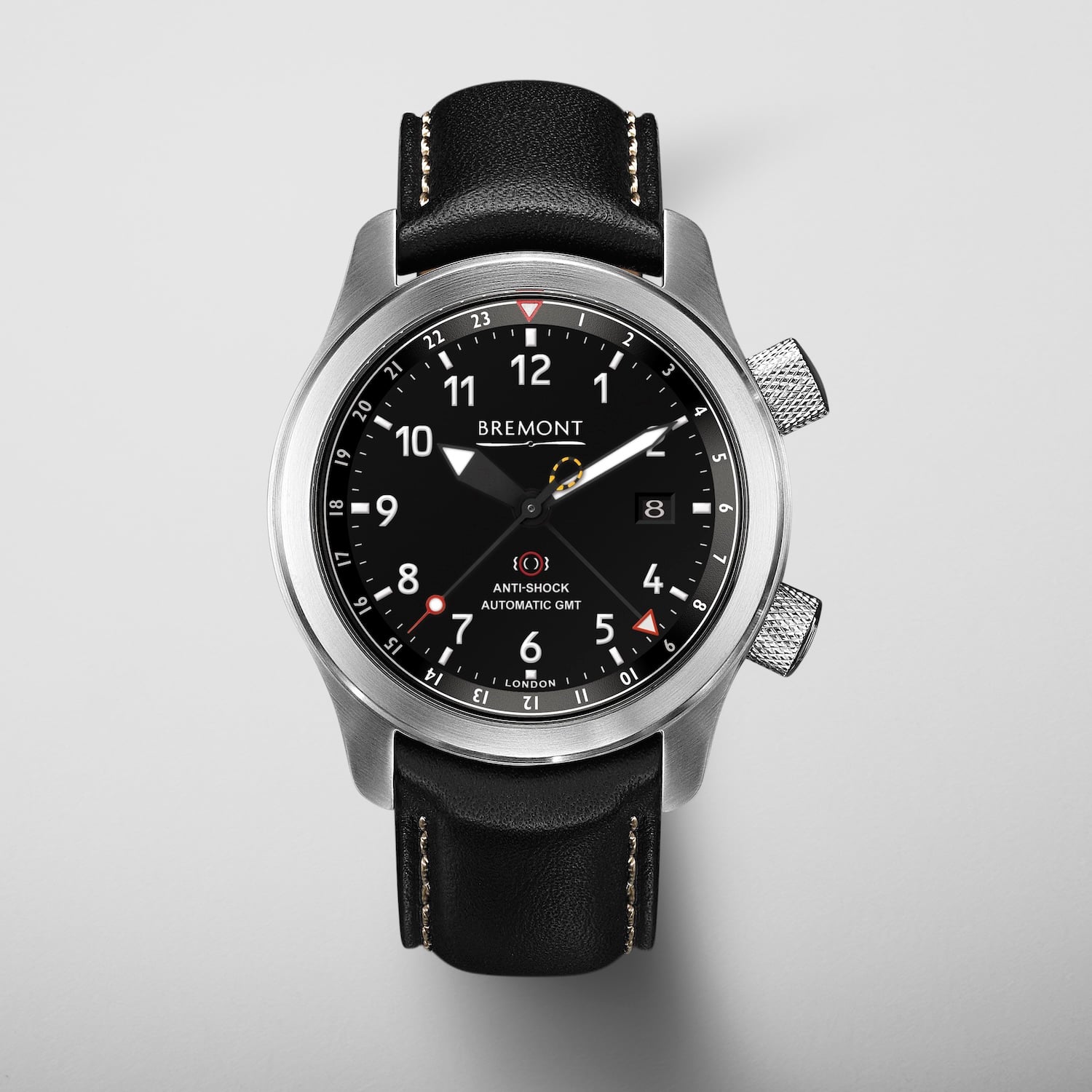
The watch was a Bremont Martin-Baker III, and the setting was as unforgiving as any brand could reasonably ask for.
Kane describes the volcano environment as intensely corrosive, with sulfur gas and rain creating conditions that could degrade ladders, carabiners, ropes and even clothing stitching within weeks.
He says he wore the watch fully exposed while working long days in heat, ash, sweat, dust and corrosive air.
The Martin-Baker III survived, and the experience became the starting point for a relationship that moved from informal testing to an official ambassador role in 2018.
A mechanical watch in a world of screens
Kane had previously relied on digital watches with functions such as altitude and temperature, but he says expedition life pushed him toward something simpler.
His argument isn’t nostalgic so much as practical.
A mechanical watch tells the time at a glance, doesn’t need charging every day or two, and doesn’t add another screen or notification to an already crowded kit list.
That matters in the jungle, where Kane says he might be lying in a hammock under canopy for weeks and still needs to read the time without lighting up his wrist.
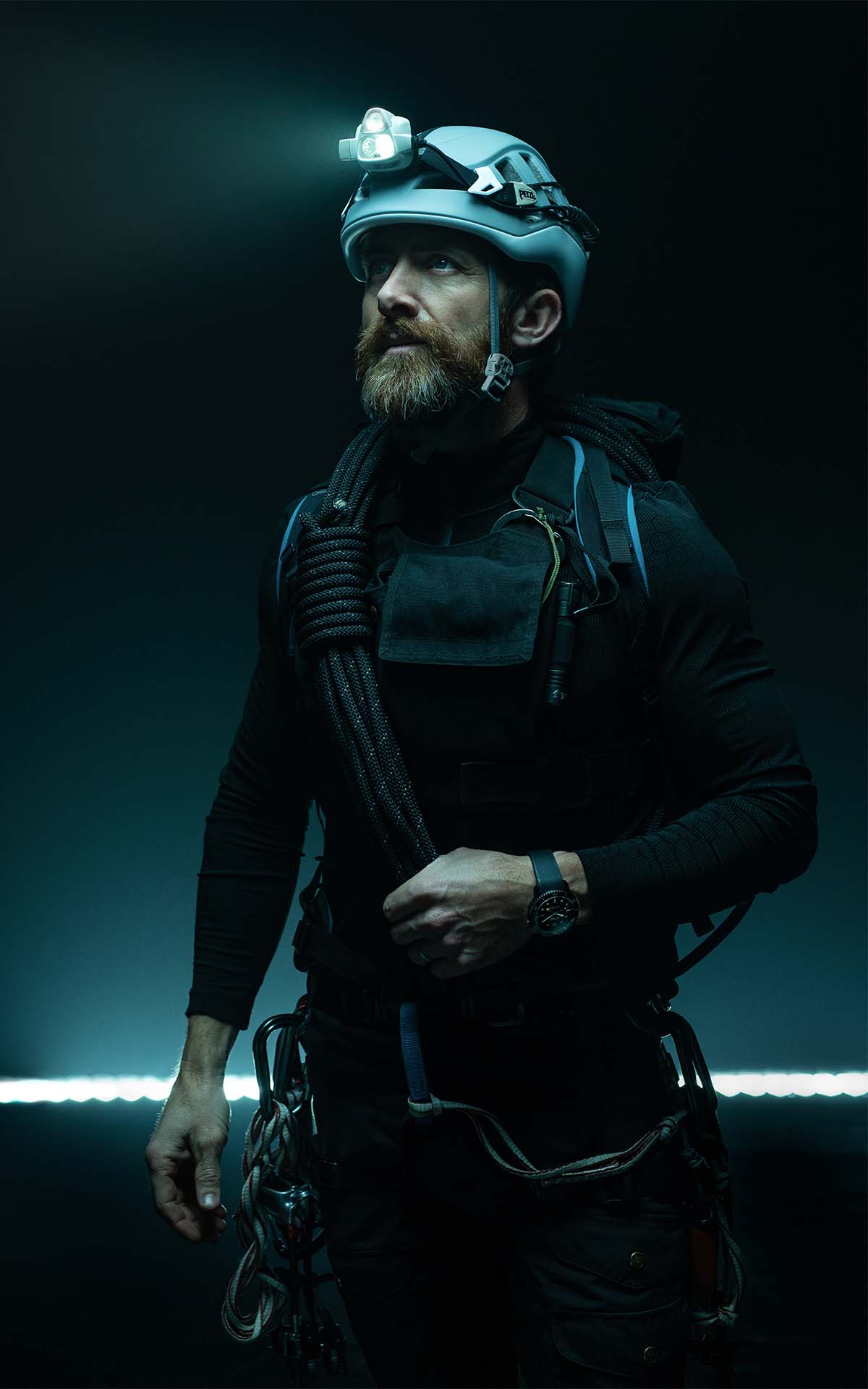
It also matters in military-style fieldcraft, where an illuminated digital display can compromise position in darkness.
Kane compares the logic to map and compass work, where electronic tools are useful until the battery dies, the app fails or the signal disappears.
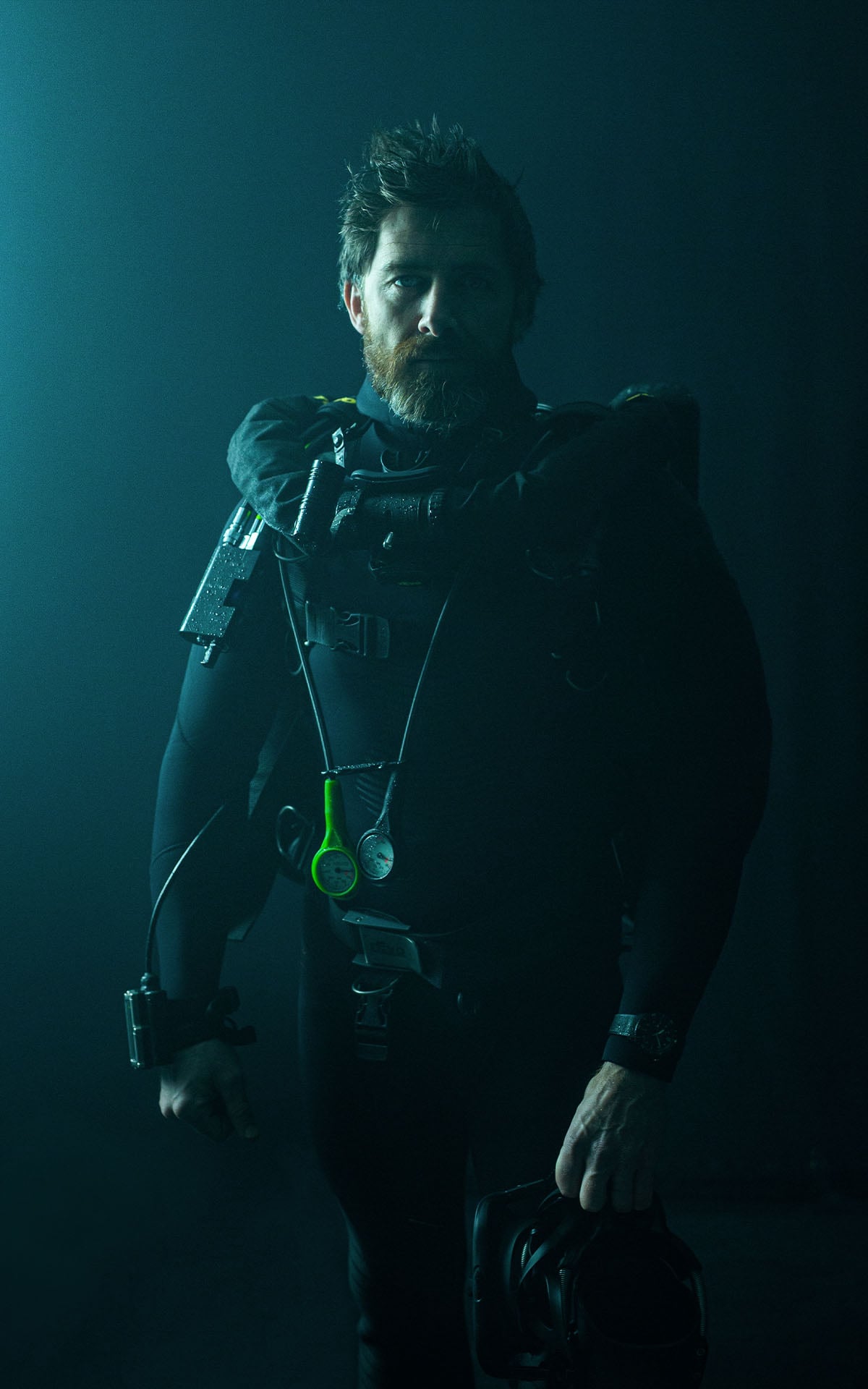
For diving, he applies the same redundancy principle, with a mechanical watch serving as an analogue backup to more complex dive computers.
The watches that carry the stories
After the Martin-Baker III, Kane says the Supermarine S502 became his main watch across a major period of expedition work.
That included a run of world-first expeditions with naturalist Steve Backshall, with projects across Papua New Guinea, Venezuela, Mexico, Oman, Suriname, Borneo and the Arctic around Greenland.
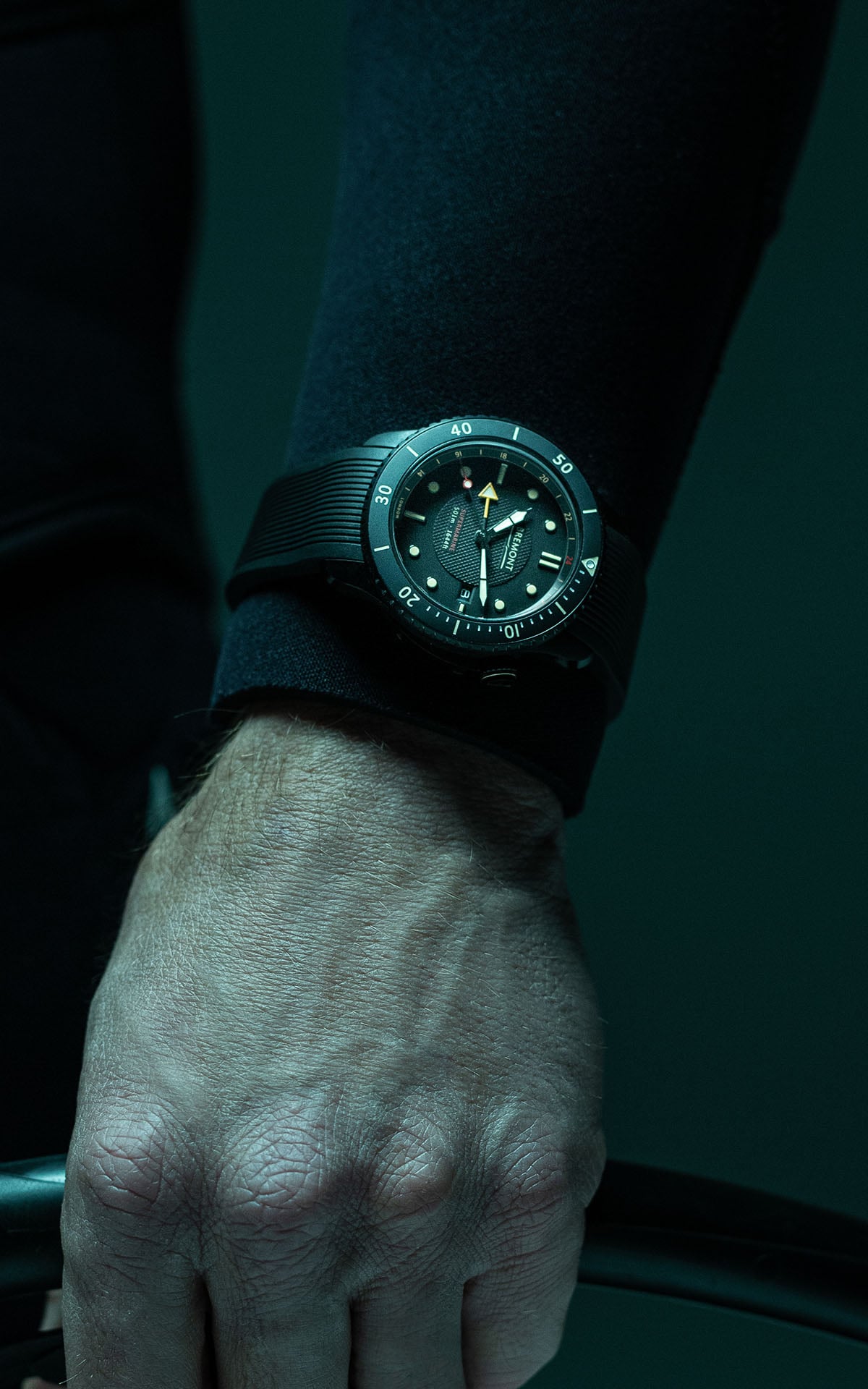
Kane recalls the Supermarine S502 staying with him through much of that period, over roughly two to three years.
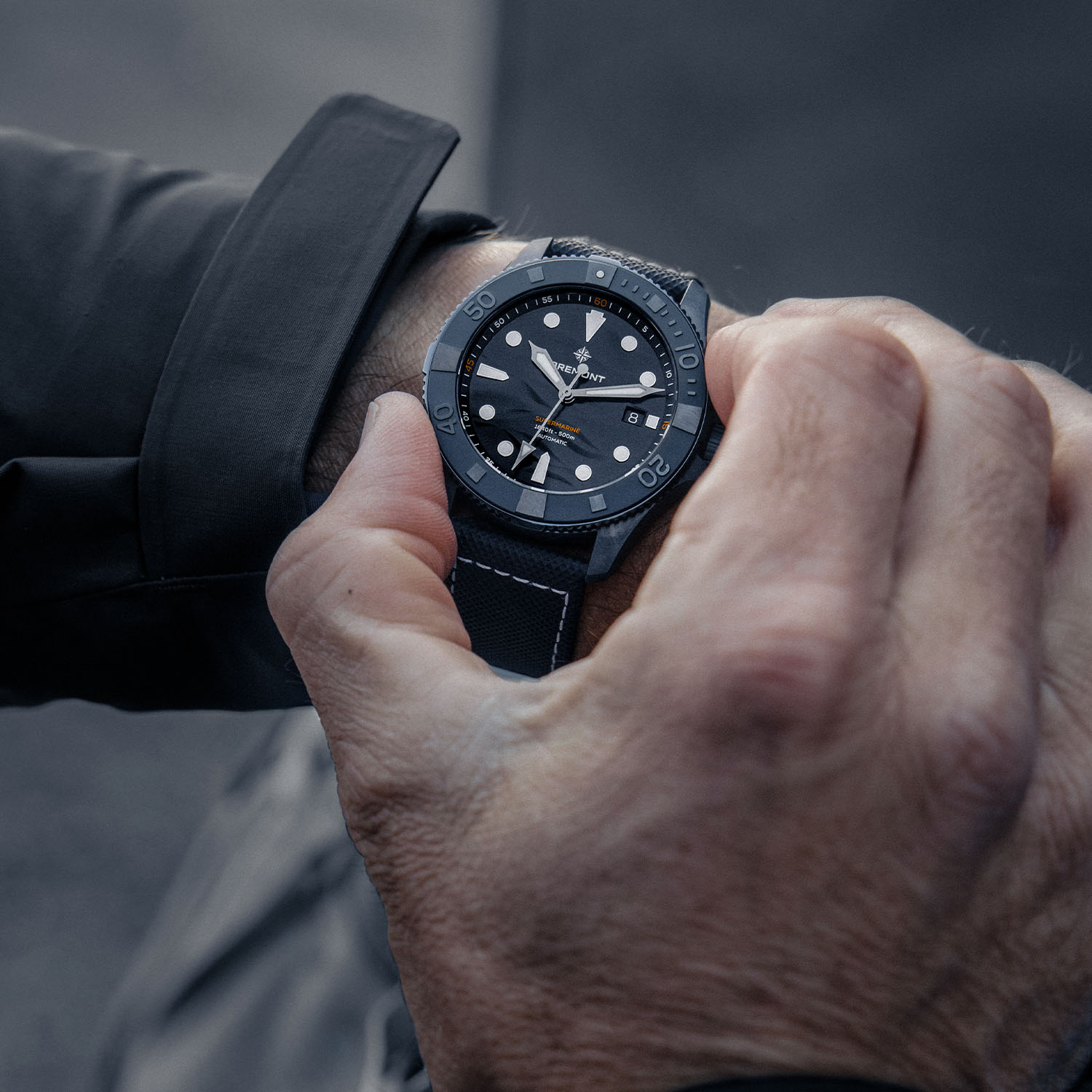
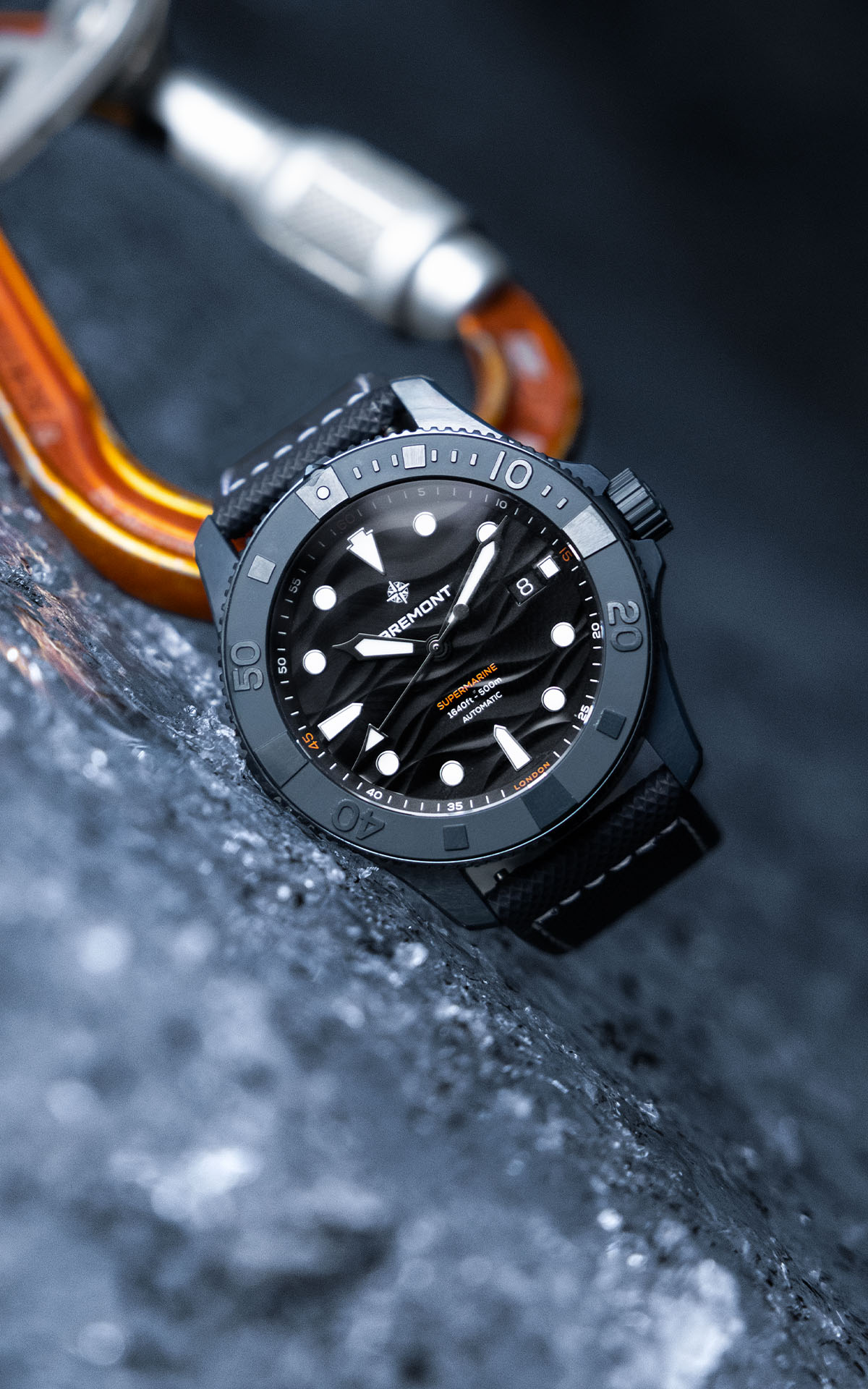
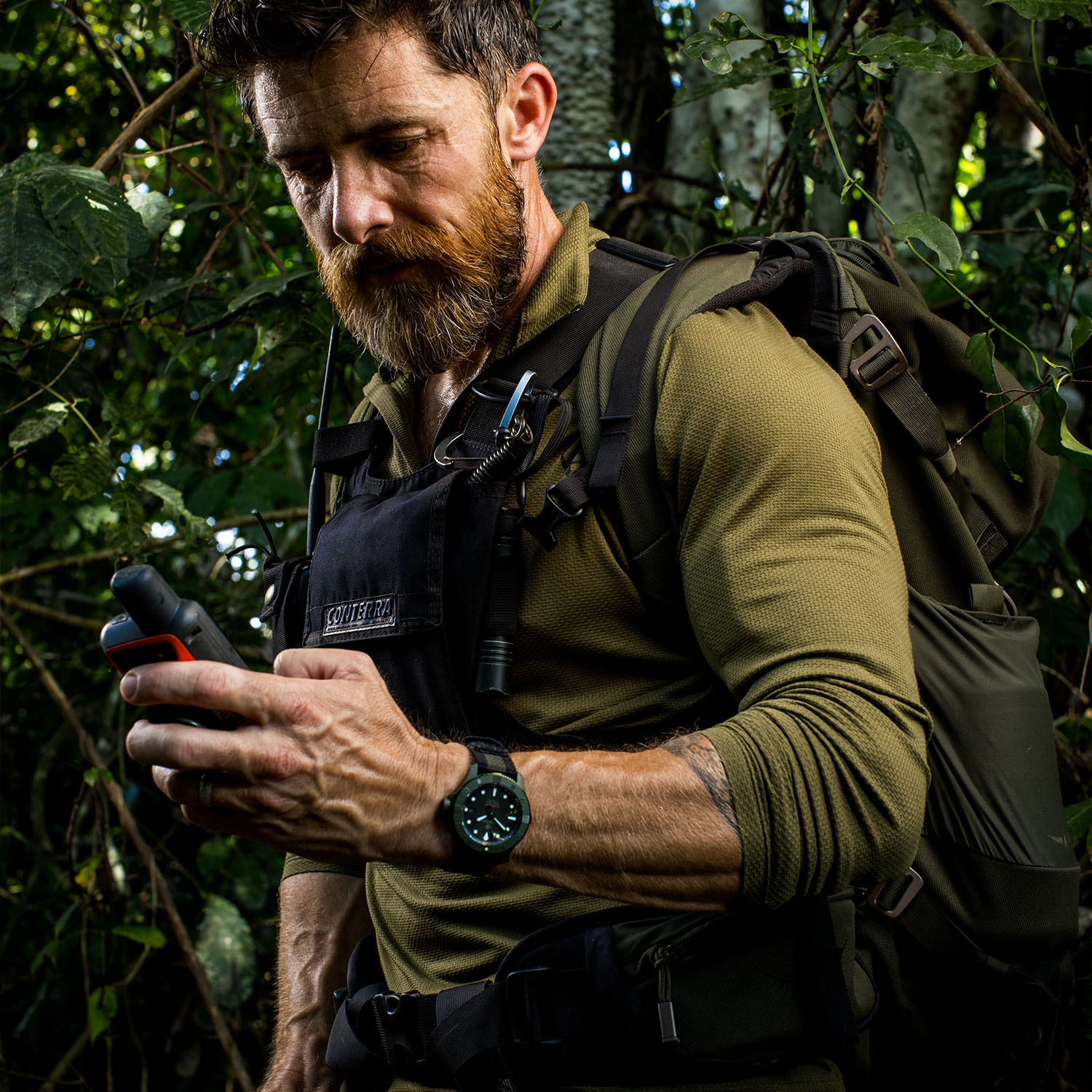
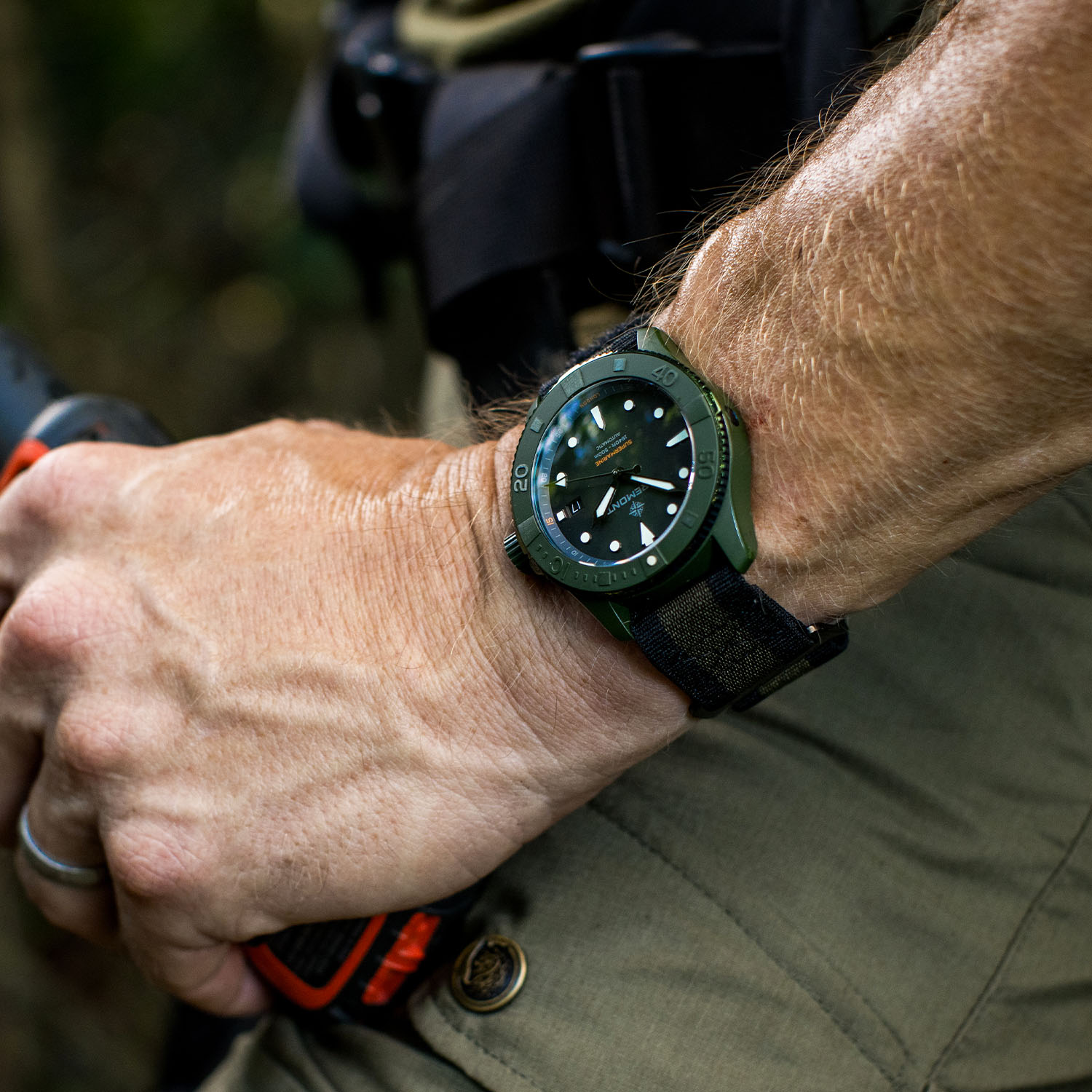
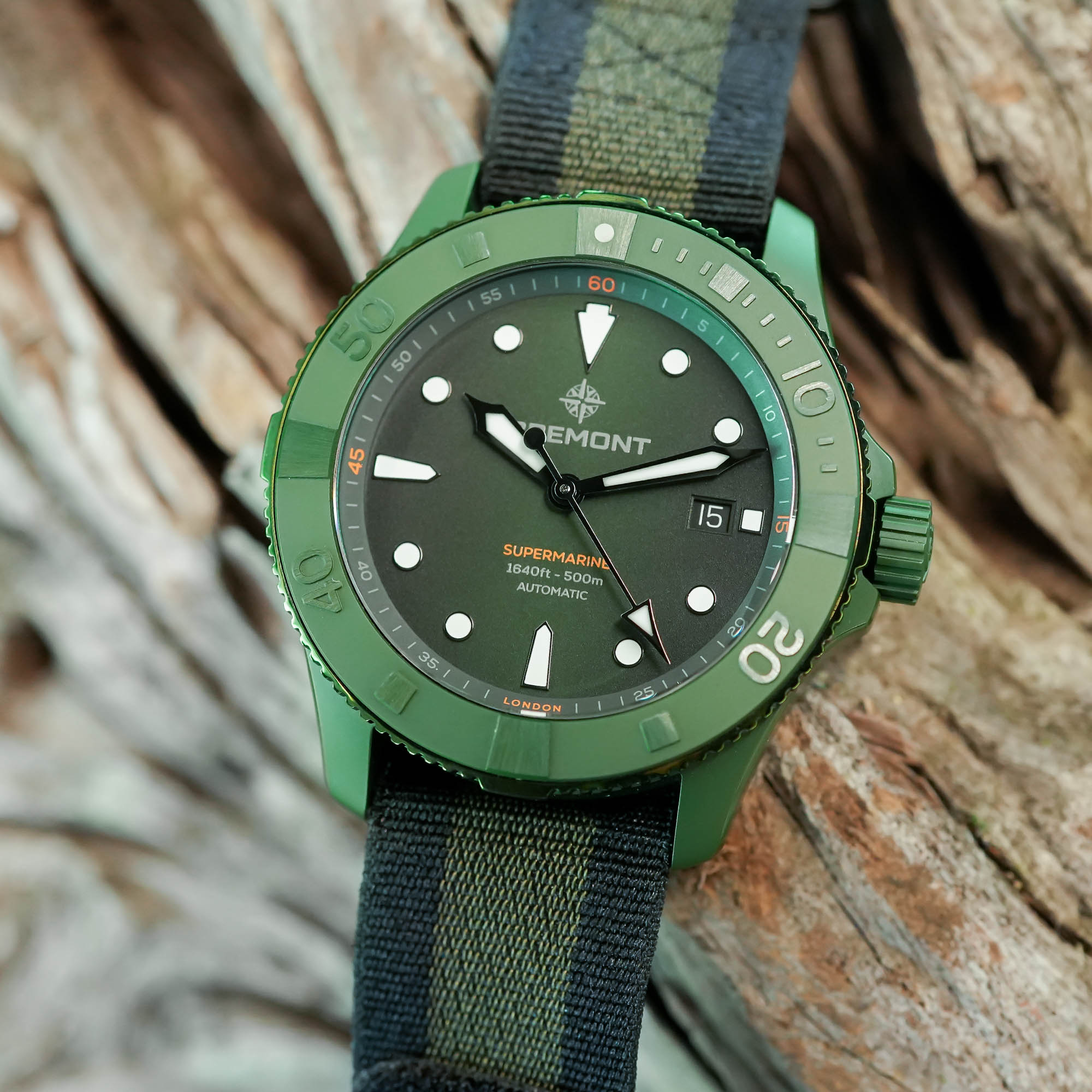
More recently, he wore the jungle-green Supermarine Full Ceramic while filming the Apple TV series The Wild Ones, which followed attempts to find and film six of the rarest animals on Earth.
He says that watch spent well over 100 nights with him in jungle conditions across extended filming blocks.
The Terra Nova Bronze has played a different role.
Kane says he has worn it for about a year and a half, including desert filming in the UAE, and that it has become his go-to watch at home.
He describes it as the closest thing he has to a dress watch, while still being robust enough that he wouldn’t hesitate to take it on expedition.
| Watch | How Kane used it |
|---|---|
| Bremont Martin-Baker III | Taken inside an active volcano in 2017 during the early stage of his relationship with Bremont. |
| Bremont Supermarine S502 | Worn through much of a multi-year period of expedition work, including projects with Steve Backshall. |
| Bremont Supermarine Full Ceramic | Tested during extended jungle filming connected to The Wild Ones. |
| Bremont Terra Nova Bronze | Worn for around a year and a half, including desert filming in the UAE, and now used by Kane at home. |
Reliability when timing shapes the day
Kane is clear that expedition timing is not decorative detail.
He says planning can take around a year before a project reaches the field, but once there, schedules are often governed by daylight, weather and the amount of ground that can realistically be covered.
In equatorial jungle, he notes, darkness can arrive around six or six-fifteen every evening with striking consistency.
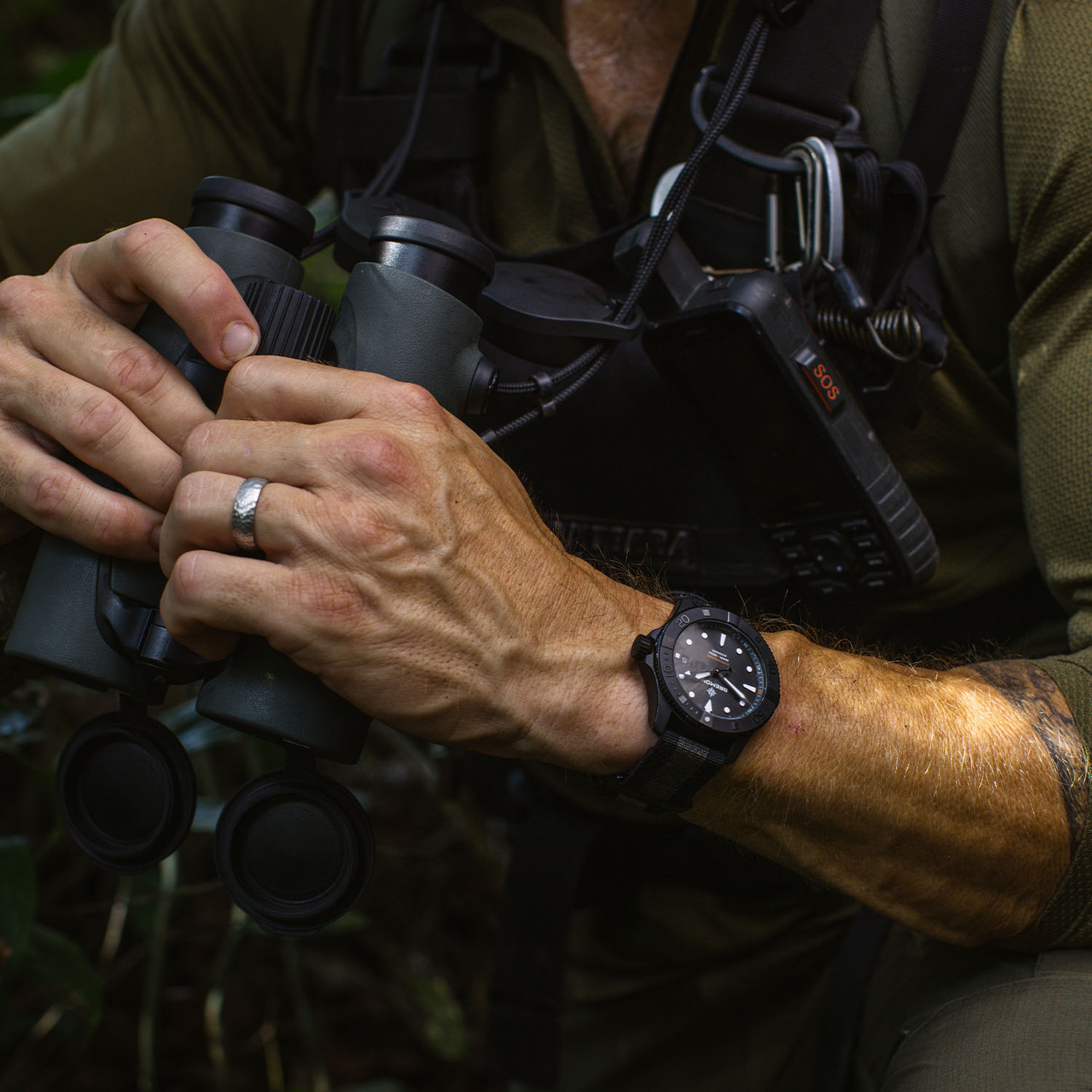
That gives teams a defined working window, and a watch becomes part of the working toolkit rather than an accessory.
Kane says he rarely removes a watch on expedition except to clean it, which keeps an automatic mechanical movement in motion through three- or four-week blocks.
He also says he hasn’t personally needed to reset his Bremont watches during those expedition periods.
For collectors, that kind of use gives the watches a story beyond the spec sheet.
For Kane, the appeal is more direct: a good expedition watch should function first, look good second, and survive the places its wearer is willing to go.