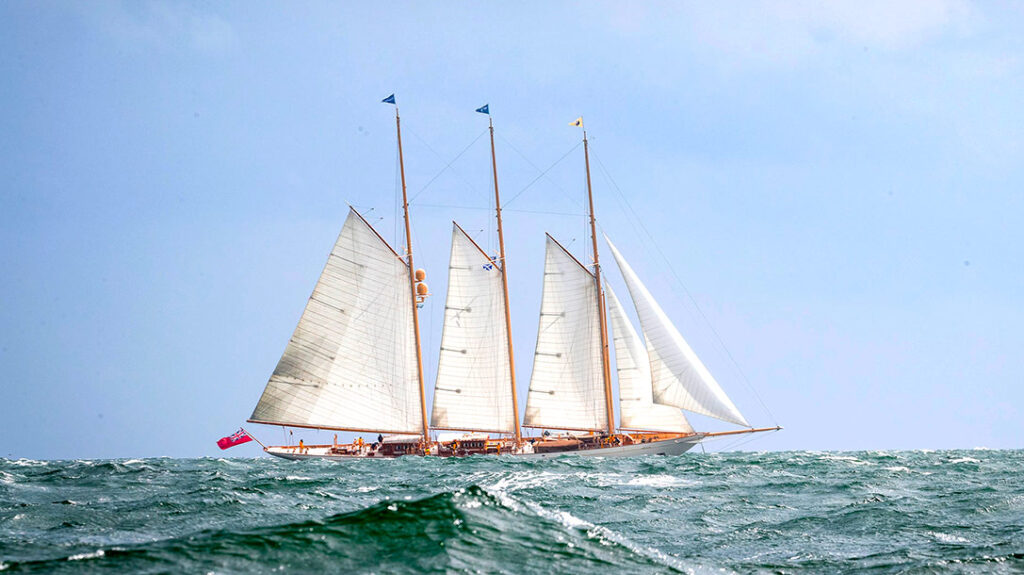
Richard Mille will take its namesake classic yacht regatta to Scotland’s Clyde from 15 to 25 June 2026, setting an eight-race programme against one of sailing’s most storied coastlines.
For a watch brand so closely associated with advanced materials and contemporary performance, the Richard Mille Cup is a different kind of statement, built around preservation, seamanship and historic engineering.
Classic yachts on a historic Scottish course
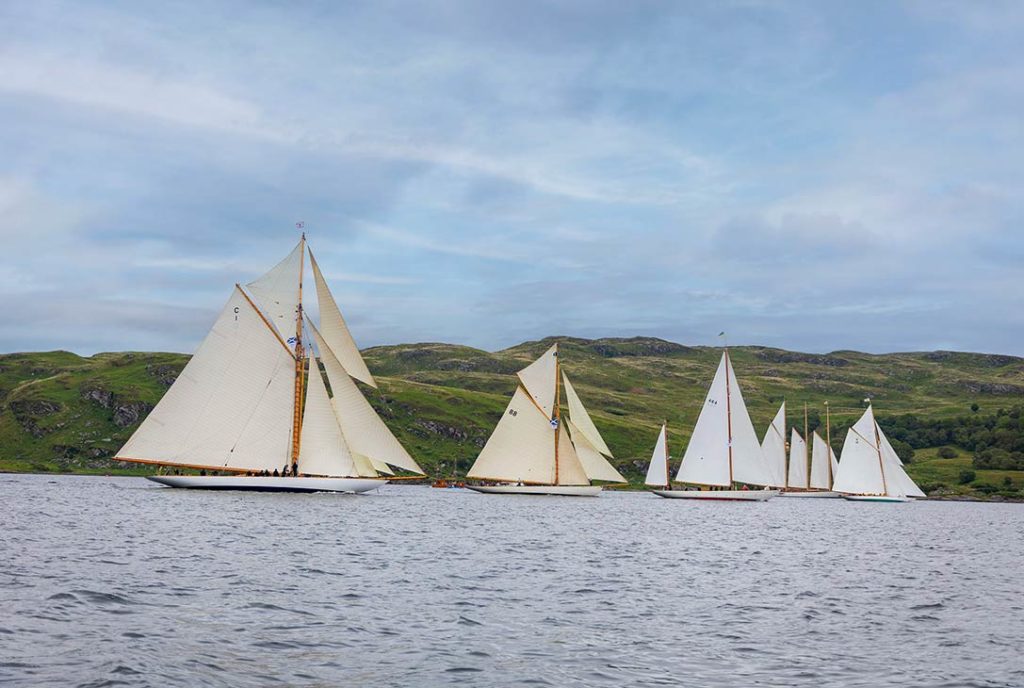
The Clyde has been a sailing playground for two centuries, and the 2026 event places the fleet on waters tied closely to the golden age of yacht racing.
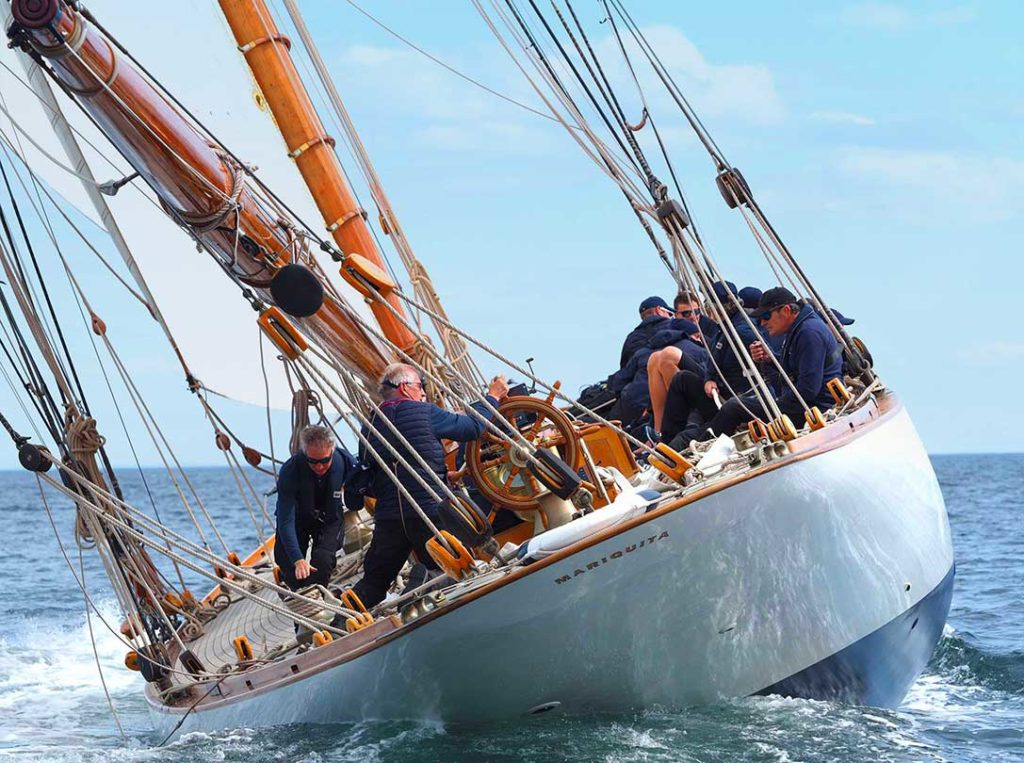
The fleet will range from imposing three-masted schooners to smaller but equally significant classic yachts, with many boats more than 100 years old and maintained in exceptional condition.
Eight races and the Ailsa Craig challenge
The racing format will be tailored to suit a varied fleet rather than forcing every yacht into the same rhythm, with long courses making full use of the Firth of Clyde.
One of the key tests will be a race around Ailsa Craig, a route with deep resonance in classic yacht history and a meaningful challenge for crews handling these vessels under sail.
A Garrard trophy for the winning yacht
The winner will receive the Richard Mille Cup, a metre-high trophy created by Garrard, the British crown jeweller whose involvement gives the event a suitably ceremonial finish.
The regatta will follow shortly after the Richard Mille Fife Regatta, creating a concentrated period of classic yacht activity in Scotland and bringing celebrated boats back to waters connected with their early histories.
Richard Mille’s sportier heritage play
After two editions on the South Coast of England, the move to the Clyde gives the Cup a stronger historical setting and a more dramatic natural arena, with protected waters framed by the coastline and the peaks of Arran.
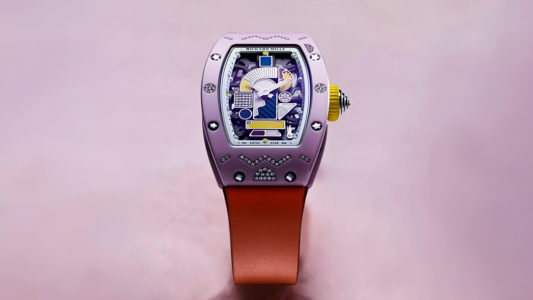
For collectors who follow Richard Mille beyond the wrist, the 2026 Cup will be worth watching as a refined expression of the brand’s sporting interests, where rare machines, technical skill and old-world craft all share the same course.