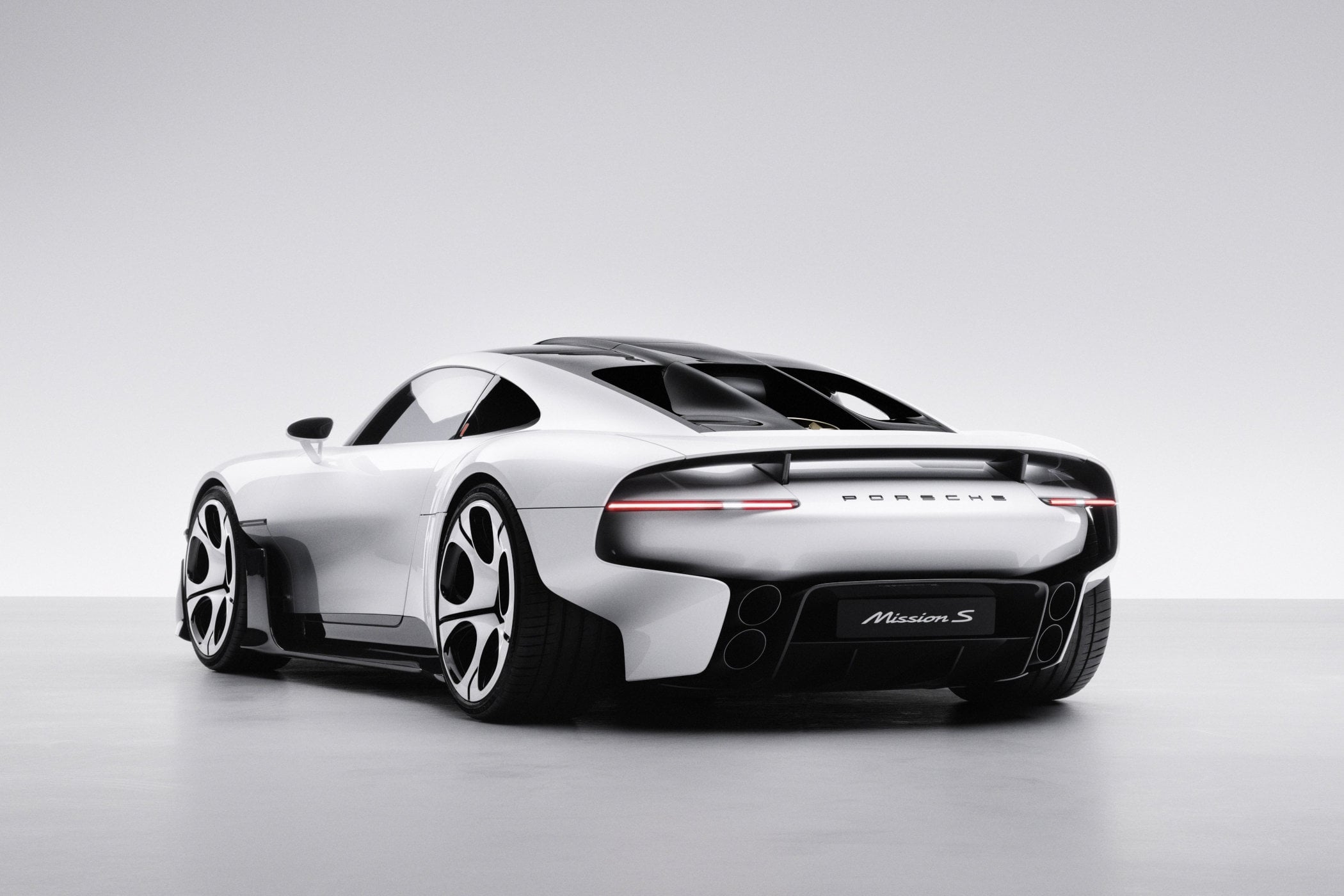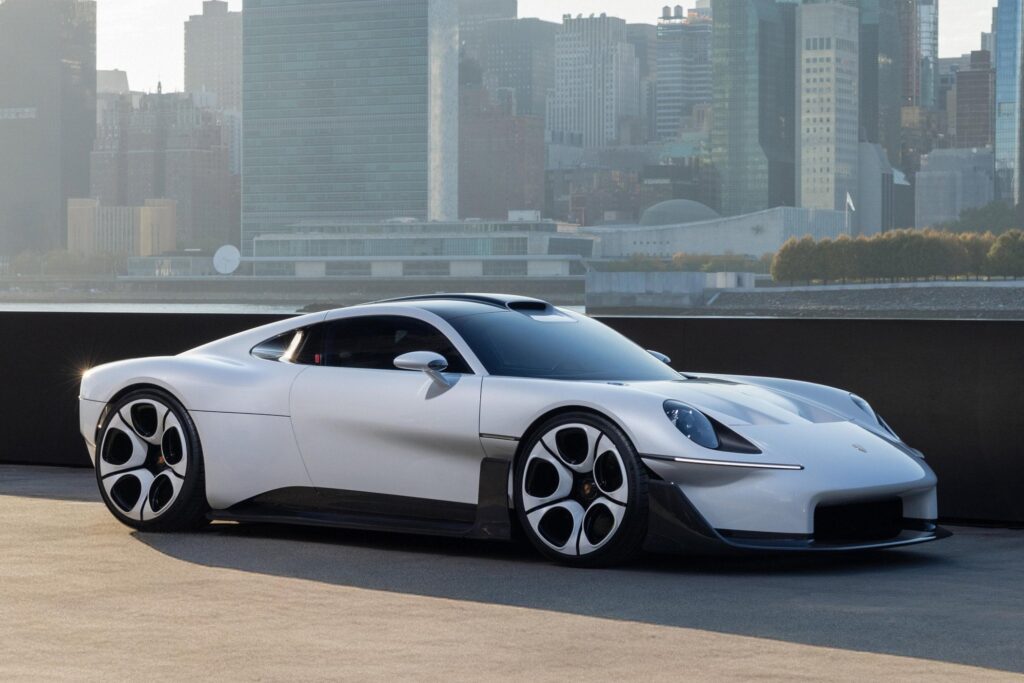
Porsche has revealed the Mission S, a running-and-driving conceptual design study that sketches out what its next car above the 911 could become.
It arrives with the weight of history behind it, from the 550 RS Spyder to the 918 Spyder, but the point is not nostalgia for its own sake.
The Mission S matters because Porsche is openly exploring a permanent mid-engined super sports car platform, a space the 911 was never really built to occupy.
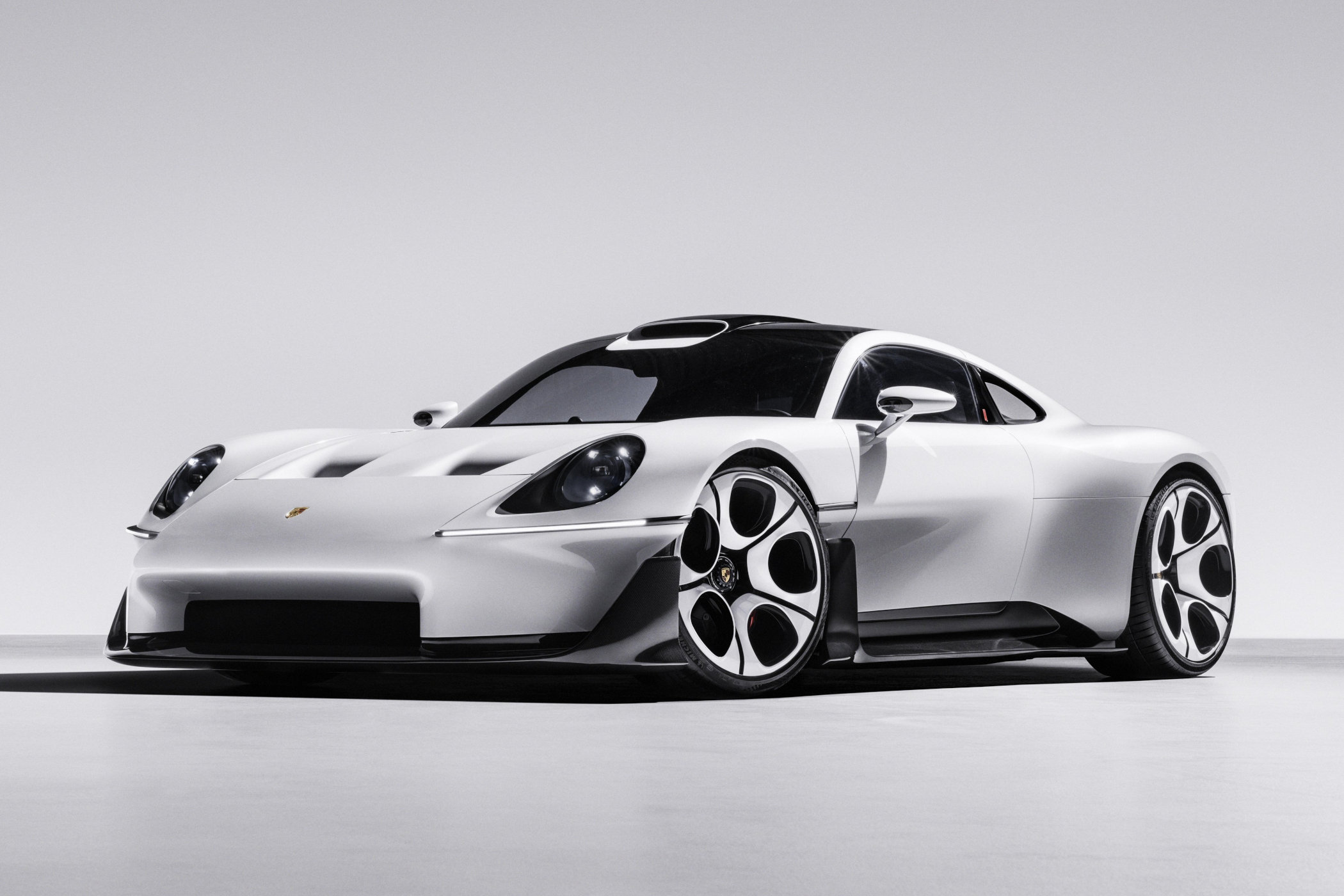
At a glance
- Porsche has unveiled the Mission S as a running-and-driving concept for a super sports car positioned above the 911.
- The design references past Porsche halo cars, with details inspired by models including the 917, 959, Carrera GT, 911 GT1 and 918 Spyder.
- Porsche has not confirmed pricing, launch timing or powertrain specifications.
A mid-engined Porsche with halo-car intent
The Mission S was shown in New York at the same Queens pier where Porsche once presented the 550 RS Spyder, a fitting backdrop for a car built around the idea of Porsche’s mid-engined lineage.
Porsche describes the Mission S as representing a mid-engined super sports car platform positioned above the 911, not as a one-off hypercar but as a more permanent and versatile addition to its customer offering.
That distinction matters.
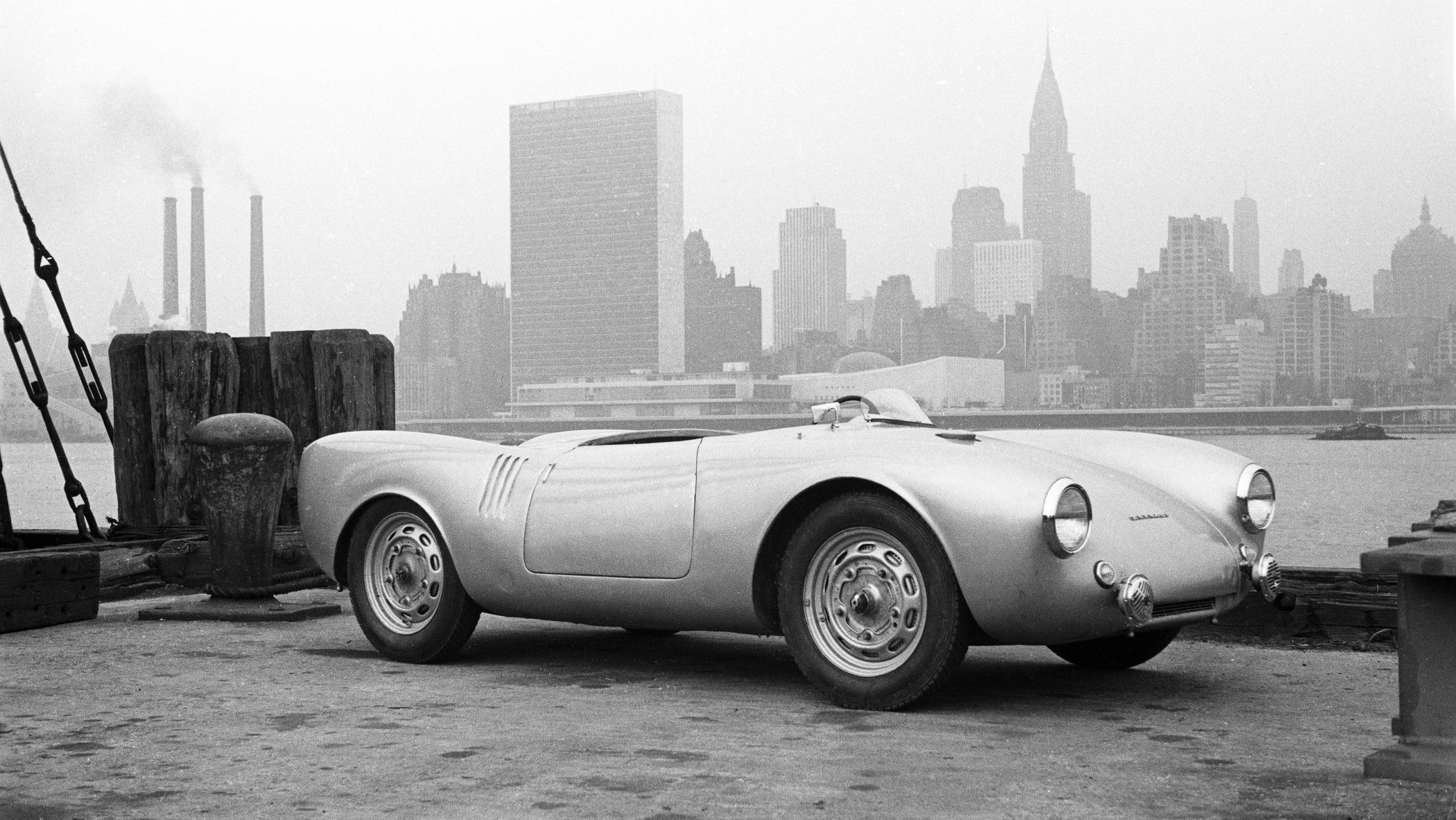
The 911 remains Porsche’s defining sports car, but the Mission S is aimed at a different brief, one that calls for a purpose-built mid-engined layout rather than the rear-engined architecture that gives the 911 so much of its character.
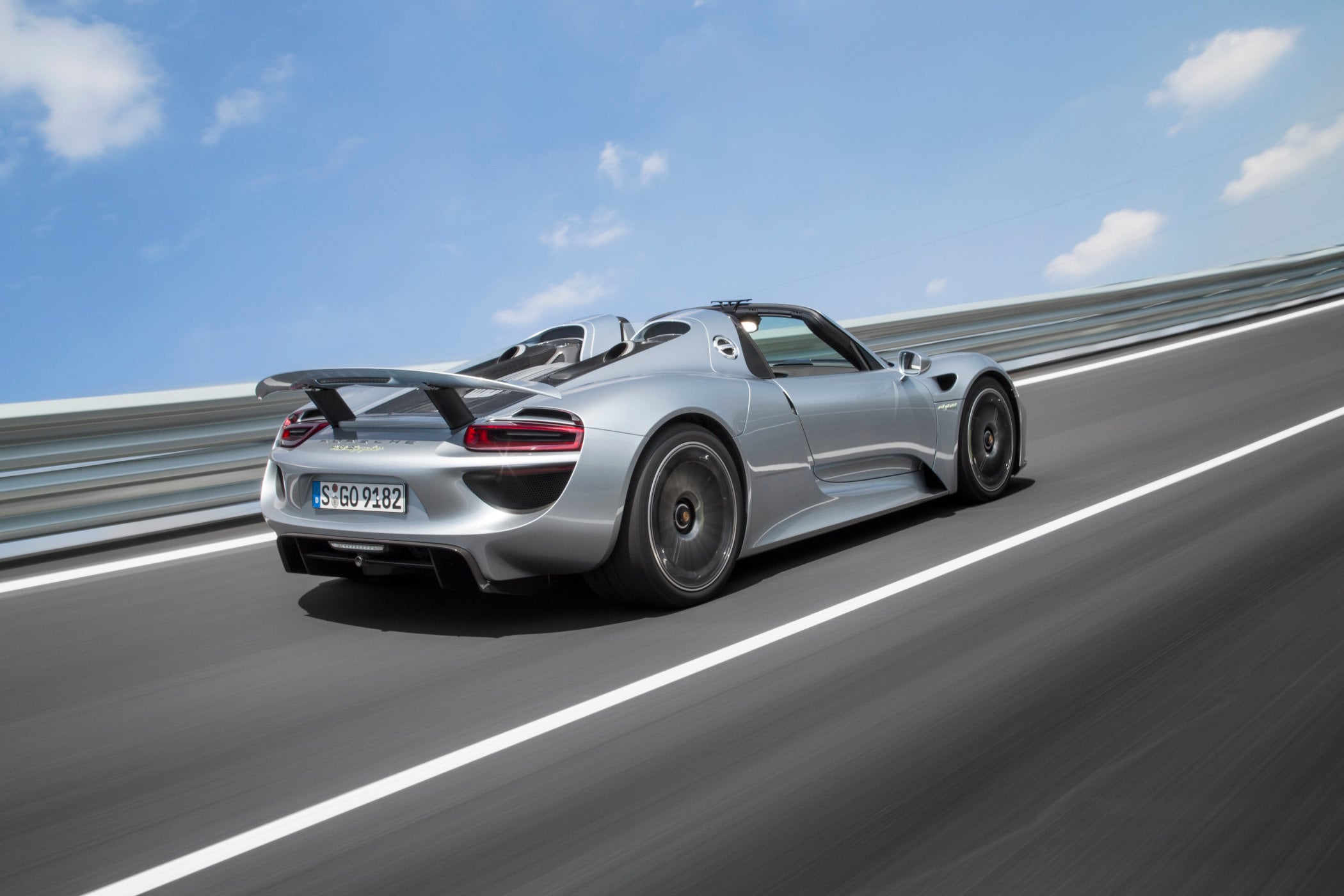
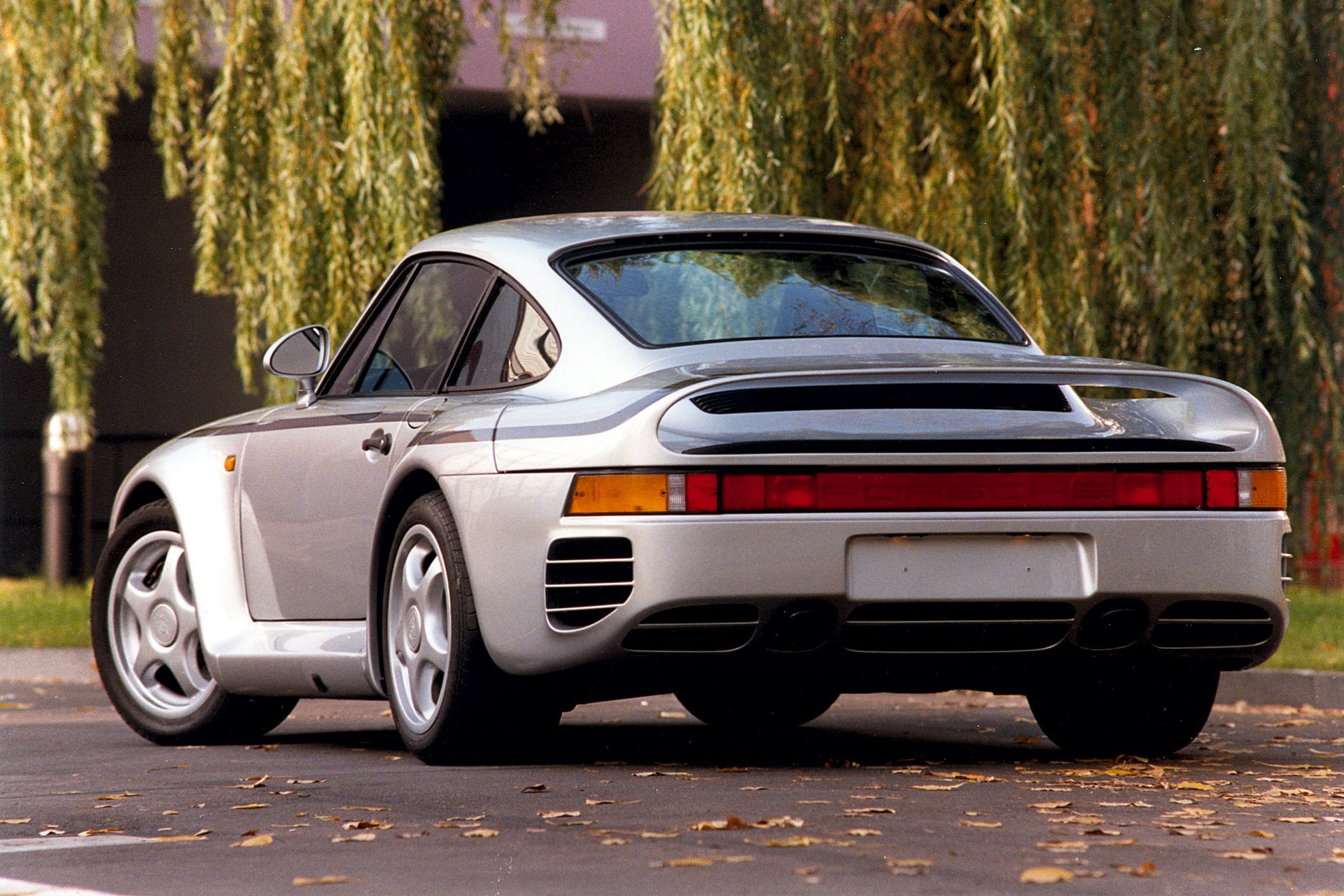
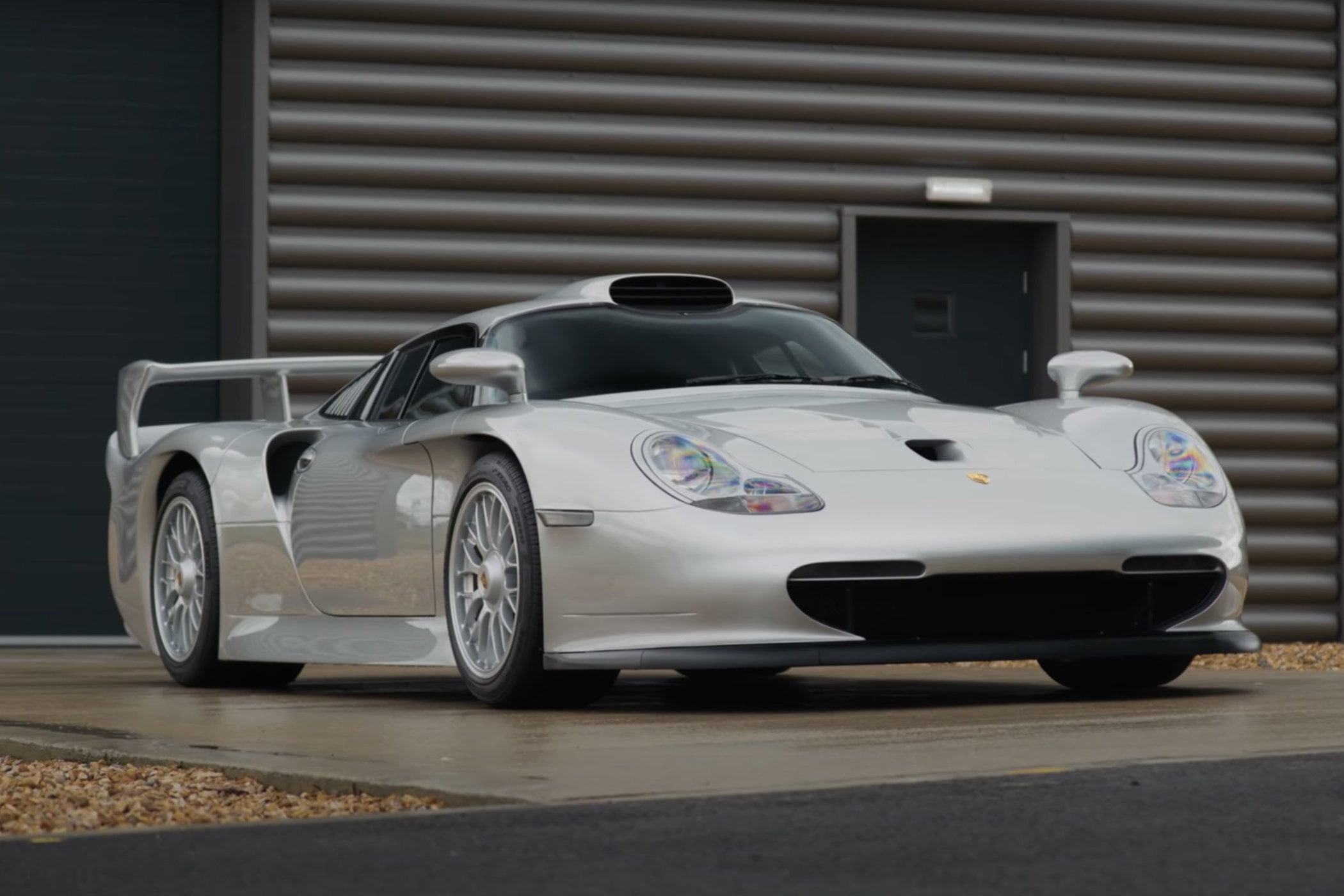
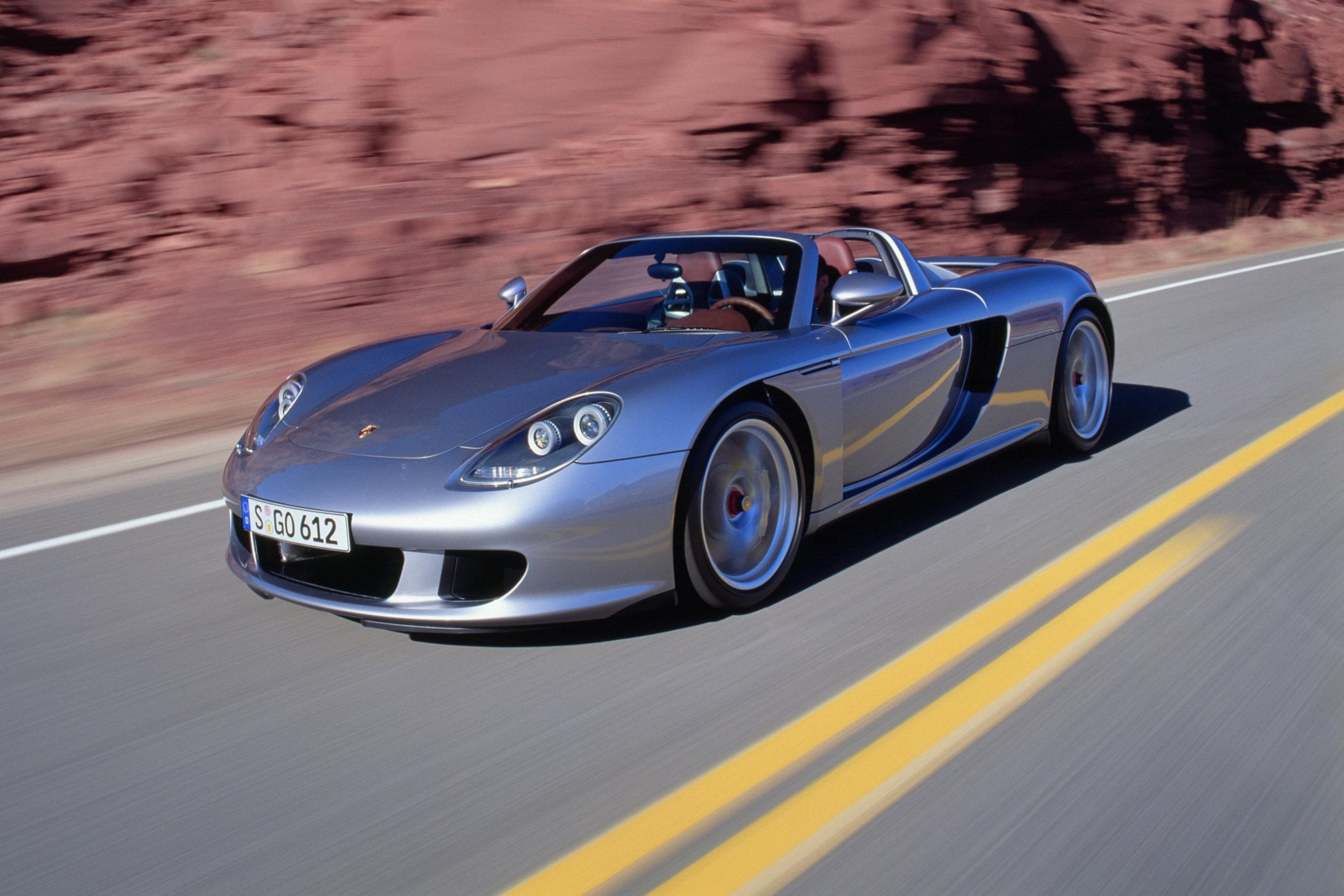
In spirit, it sits in the family tree of the 959, 911 GT1 Straßenversion, Carrera GT and 918 Spyder, all cars that stretched Porsche beyond its core production formula.
Design references without turning into pastiche
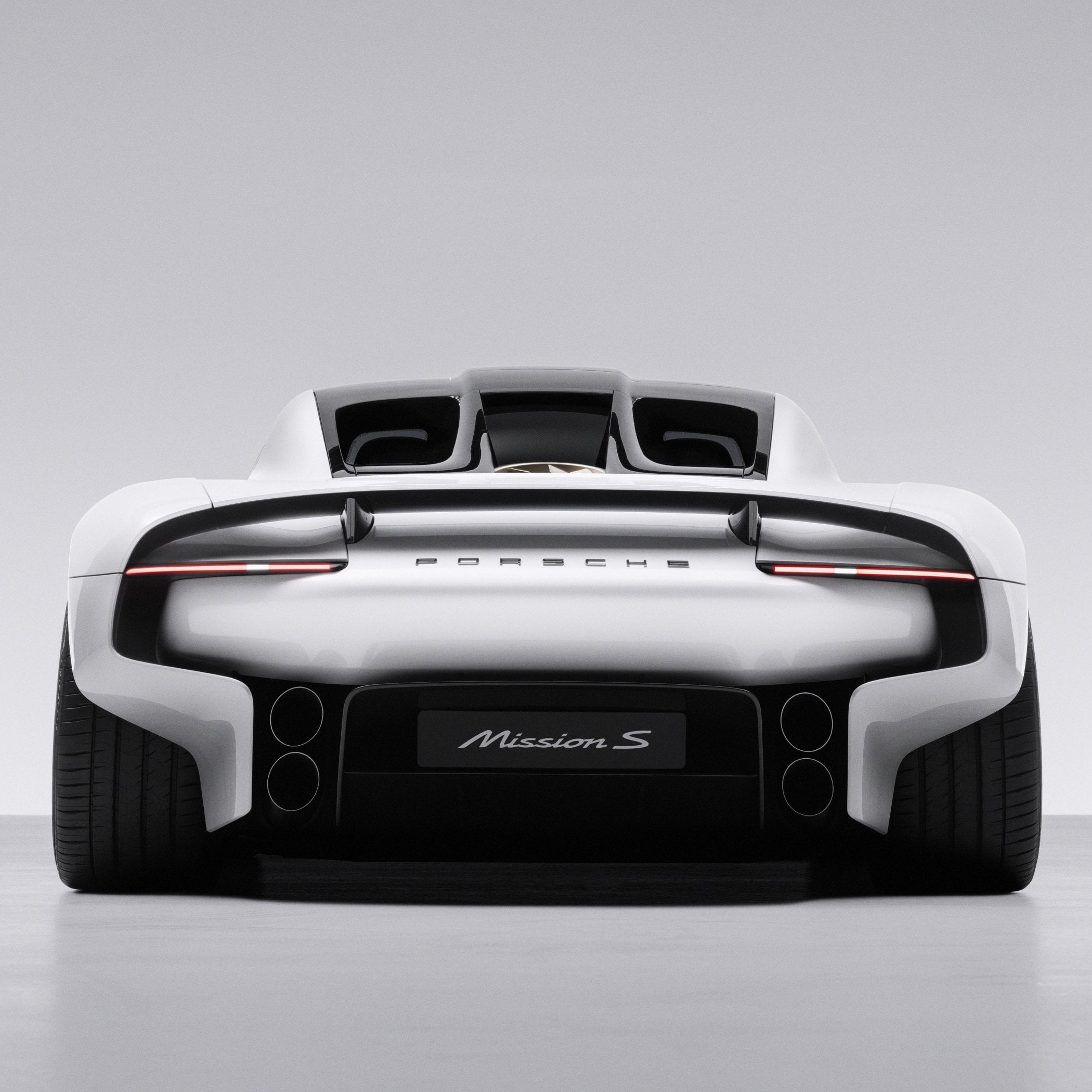
The Mission S carries plenty of historical cues, but its appeal is in how those references are worked into a single, cohesive shape.
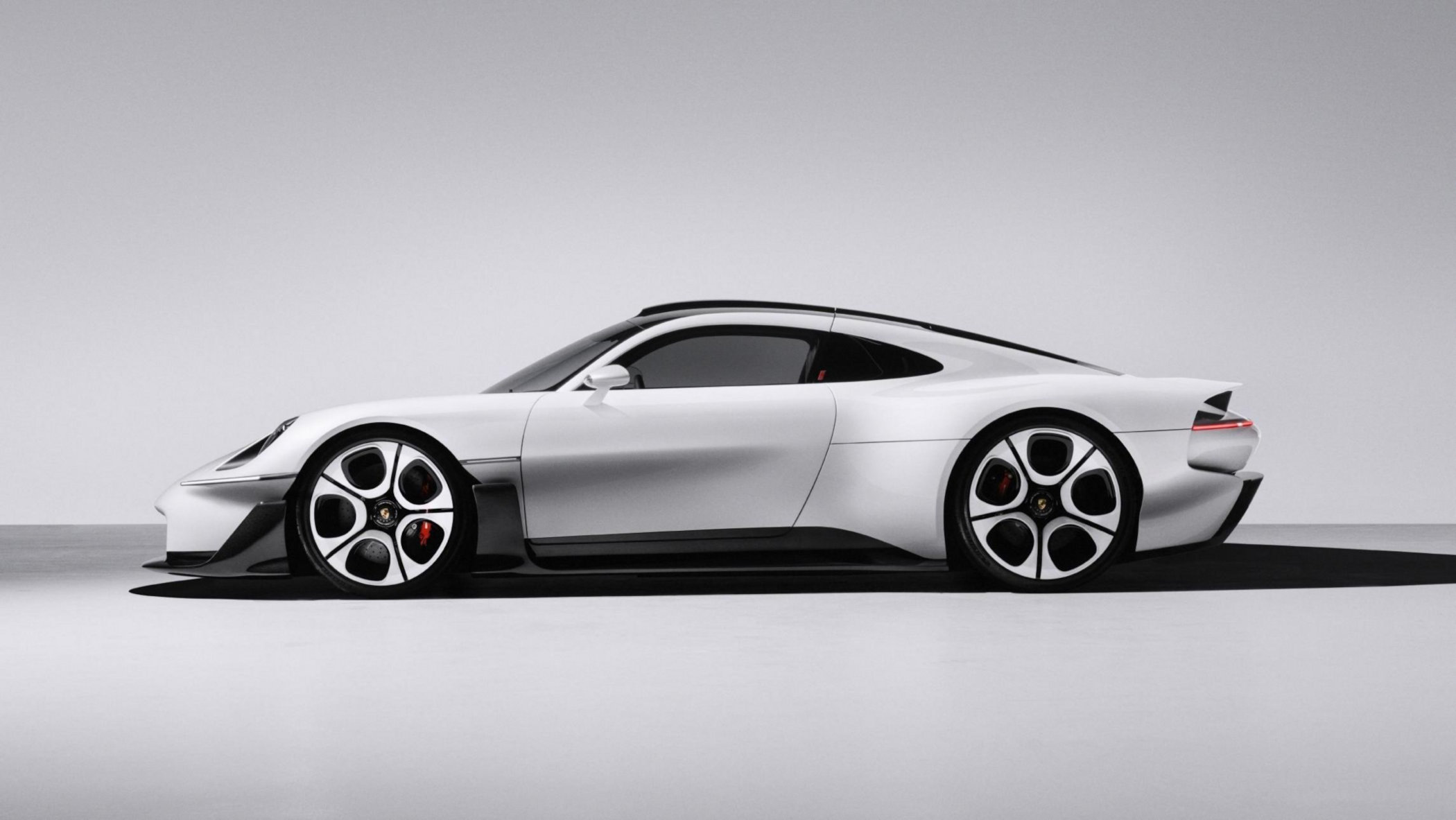
The exposed rear fan nods clearly to the Porsche 917, while the low nose and front intake recall the 911 GT1.
Along the side, there are echoes of the Carrera GT around the front wheel section, and the rear brings together ideas linked to the 959’s integrated wing and the layered “car-in-car” effect associated with the 918 Spyder and 911 GT1.
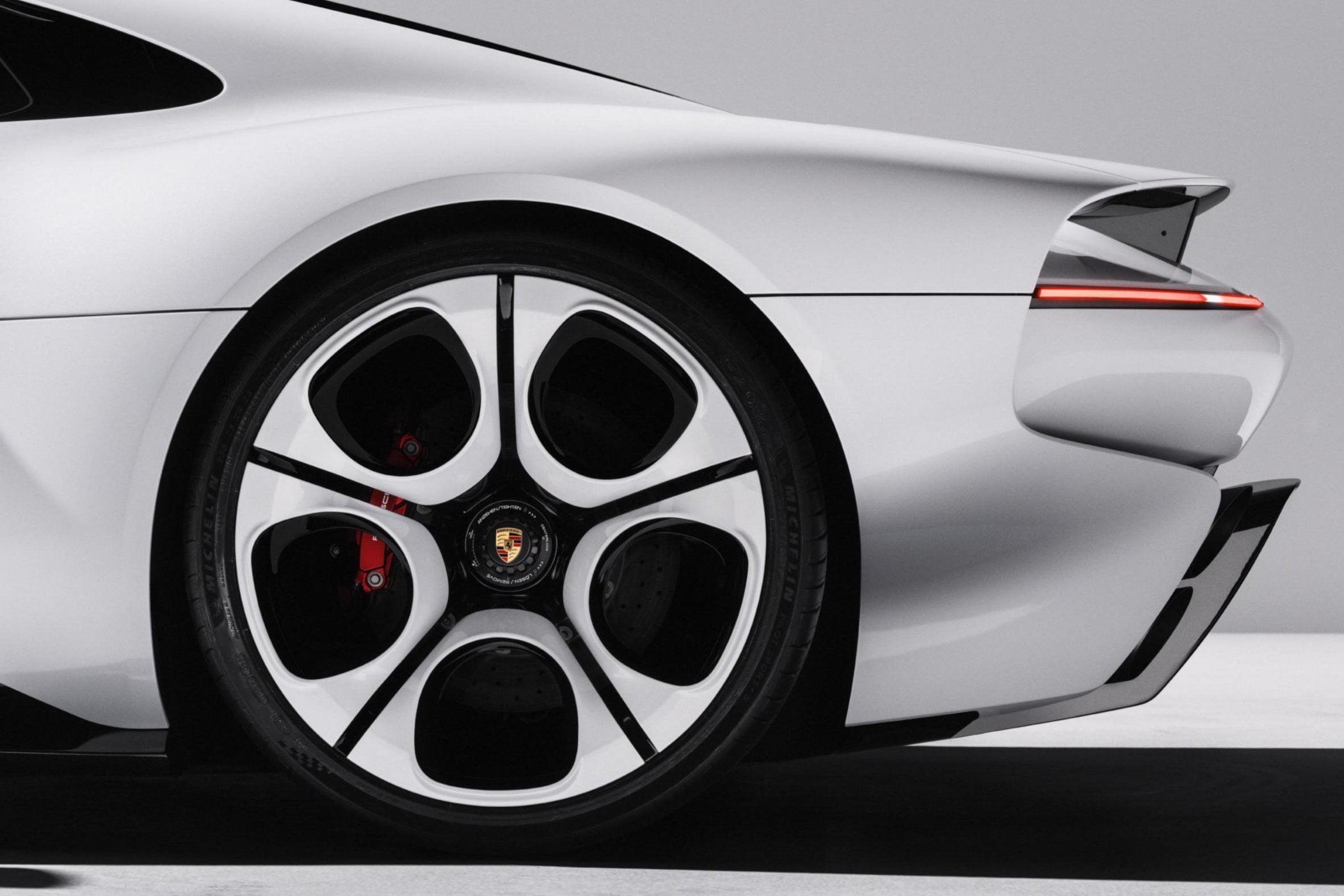
The wheels reinterpret the dial-style design associated with the 928, while the mirrors draw from the Carrera GT.
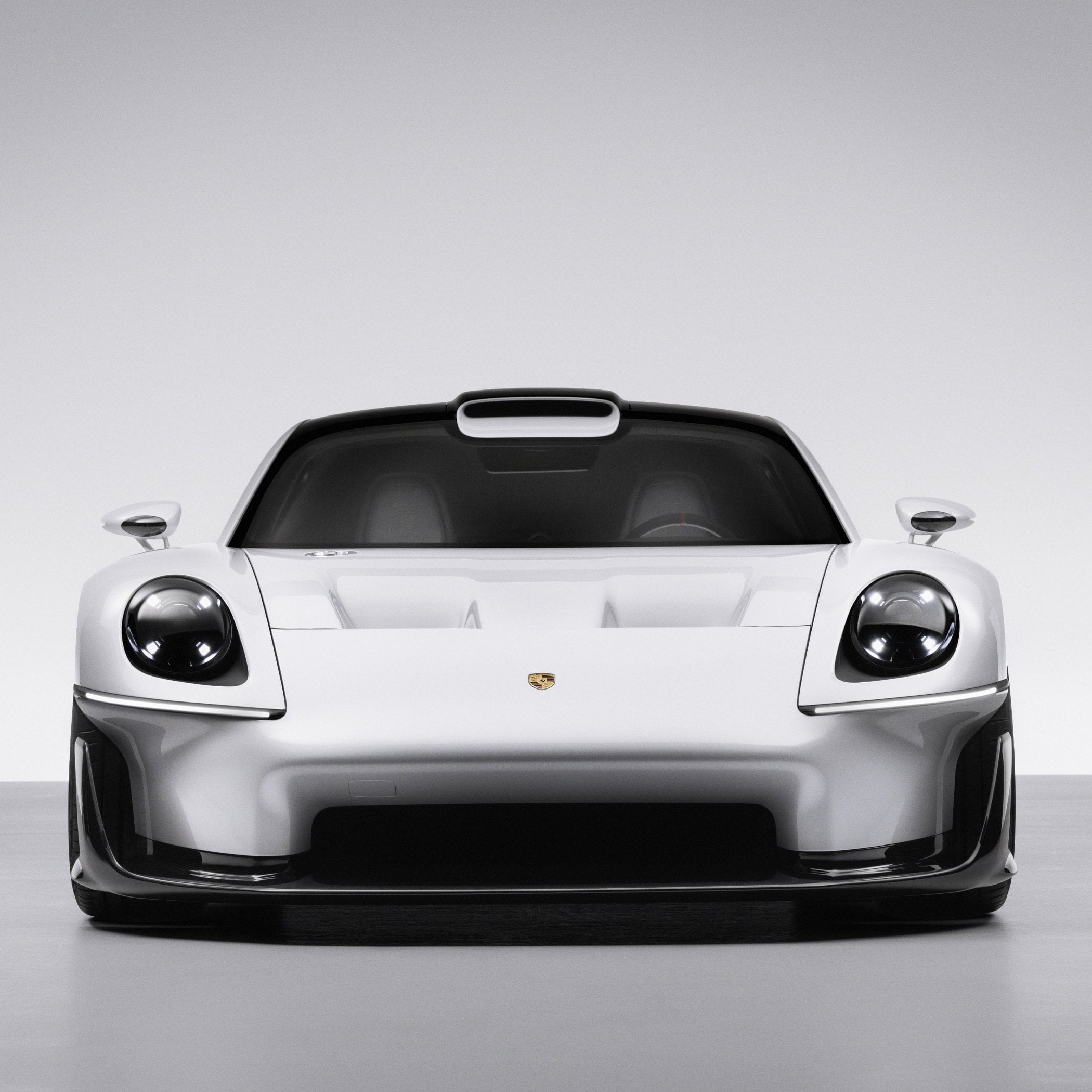
A strong line runs from the daytime running lights beneath the headlights, around the front wheel covers, through the doors and into the rear arches before resolving into the horizontal taillights.
At the back, the fenders cut inward behind the rear wheels, framing stacked twin exhaust outlets and a large central diffuser.
A roof scoop runs from the top of the windscreen toward the rear, while Porsche says the 917-style fan helps with cooling.
A cabin built around fewer distractions
The most interesting part of the Mission S may be its refusal to make the cabin a wall of screens.
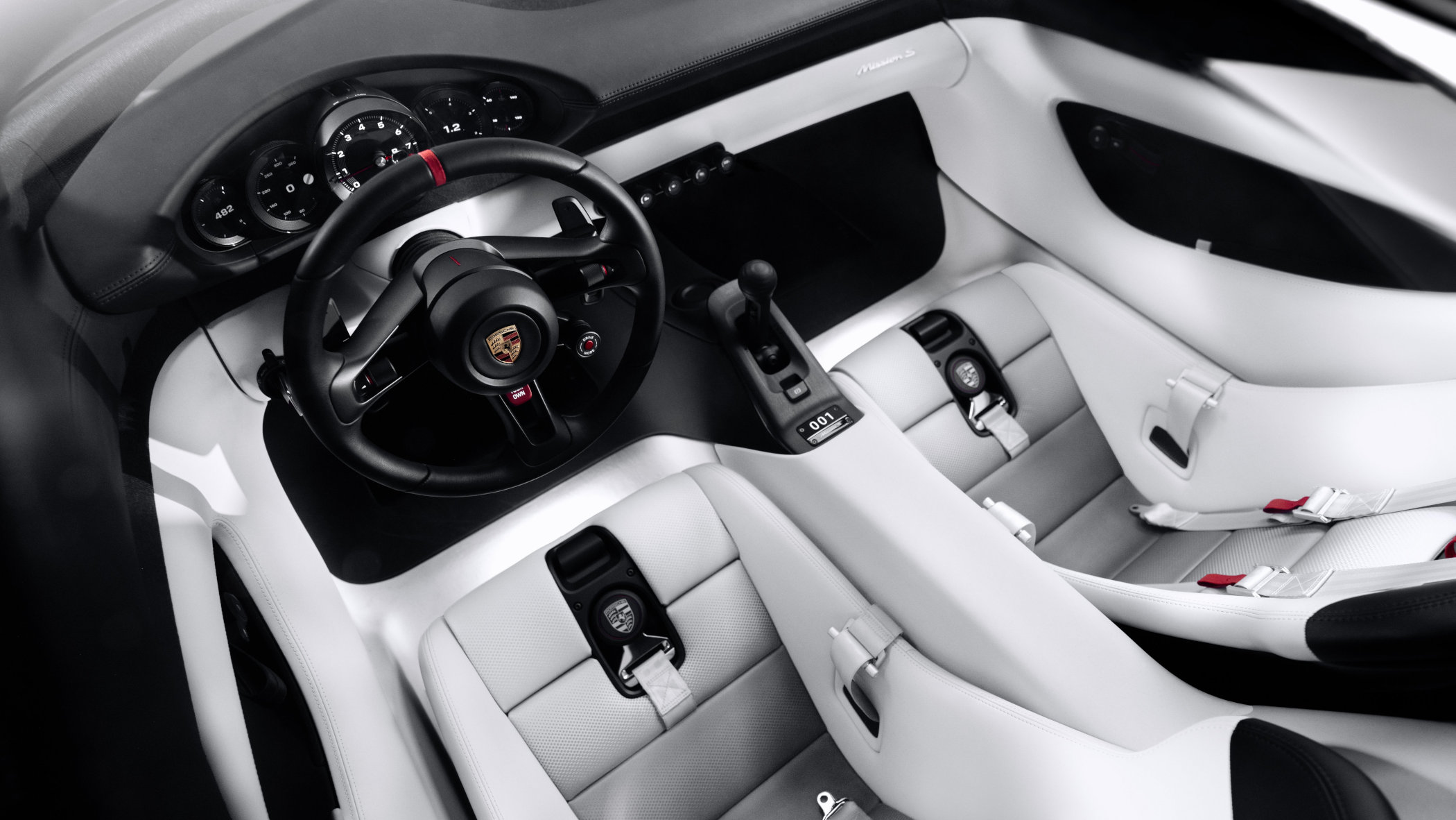
Instead, Porsche has shown a pared-back interior with physical controls and a clear emphasis on the driving experience.
One of the boldest details is a bright red steering-wheel button marked “On Your Own,” which Porsche says deactivates the driving aids and puts control back in the driver’s hands.
The gear selector looks like it hints at a manual, though it is connected to a PDK transmission.
Its top appears to reference the Carrera GT’s balsa wood gear knob, and Porsche has shown that the selector height can be adjusted to suit the driver’s position.
The instrument cluster reworks Porsche’s familiar five-gauge layout in a configurable form.
The rev counter remains central, while changes in driving mode alter the display, bringing it closer to the driver and allowing the outer gauges to tuck inward for a more focused layout.
What Porsche has left unsaid
For now, Porsche has not published performance figures, engine details, production timing or pricing for the Mission S.
That restraint leaves the concept doing most of its talking through proportion, layout and intent.
What is clear is that Porsche is looking beyond the 911 for its next flagship performance statement, and it is doing so with a car that treats heritage as a working design language rather than a museum brief.
Details & Specifications
| Brand | Porsche |
|---|---|
| Model | Mission S |
| Vehicle type | Running-and-driving conceptual design study |
| Layout | Mid-engined super sports car platform |
| Positioning | Above the 911 |
| Transmission | PDK gearbox |
| Interior focus | Physical controls, configurable five-gauge instrument layout |
| Debut location | Queens, New York |
| Pricing | Not confirmed |
| Availability | Not confirmed |
The Mission S is compelling because it doesn’t try to make the 911 something it isn’t.
Instead, it gives Porsche room for a different kind of flagship, one with a mid-engined layout, a more focused cabin and enough visual memory to feel unmistakably tied to Zuffenhausen.