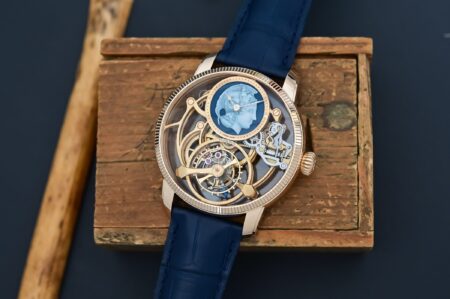
Peter Speake has never treated watchmaking as a simple exercise in miniature engineering.
For the veteran independent watchmaker and the mind behind PS Horology, watches are most compelling when they carry evidence of human judgement, discipline and time spent at the bench.
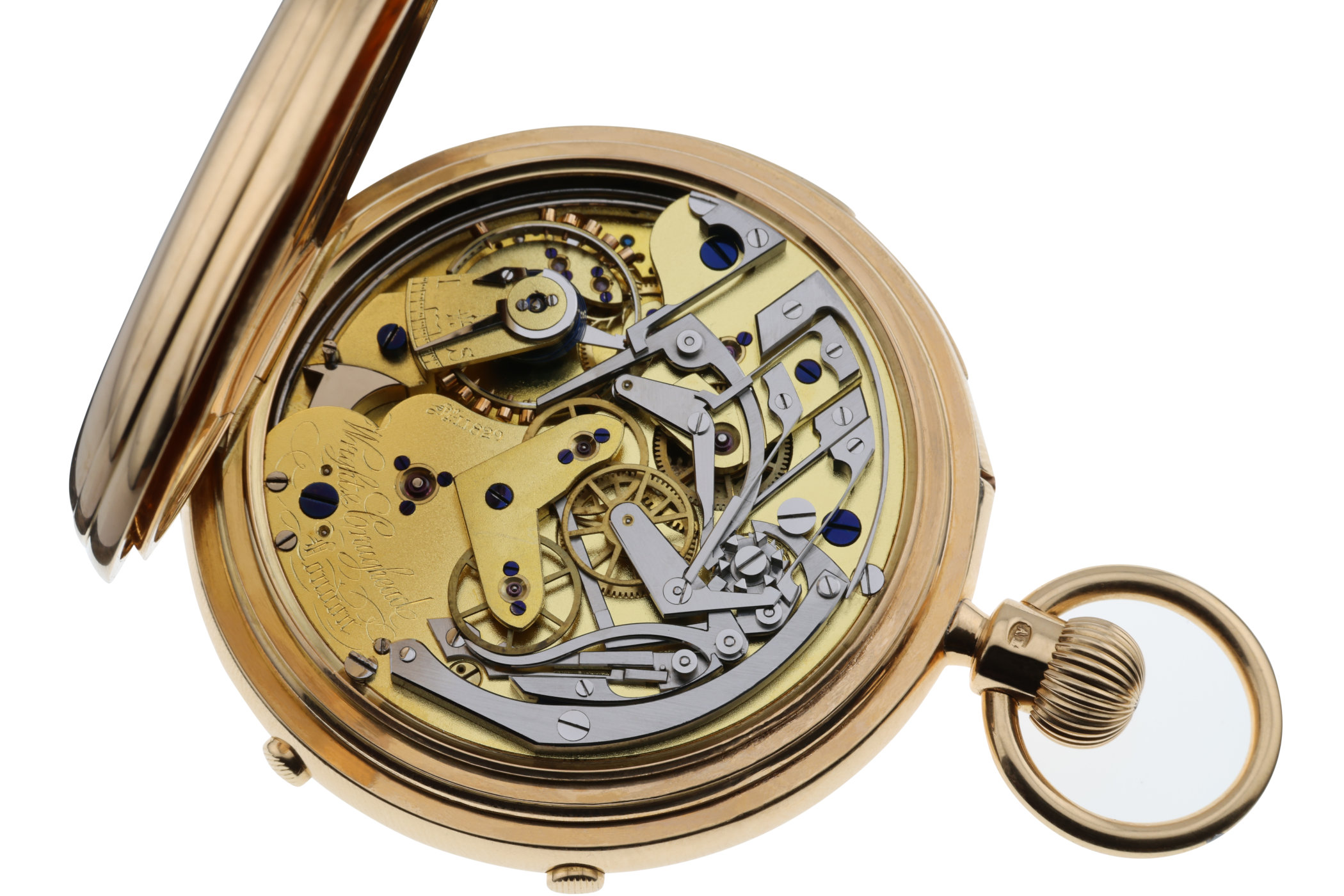
In Twelve on Time, Speake’s answers draw a line from antique pocket watches and nineteenth-century movement architecture to the future challenge of speaking honestly to younger collectors.
At a glance
- Peter Speake reflects on the ideas, makers and experiences that shaped his understanding of watches.
- He places particular value on handwork, coherence of design and the human time embedded in a watch.
- His advice to younger collectors is to consider long-term relevance and genuine daily satisfaction before buying.
Piccadilly, restoration and the widening of a watchmaker’s eye
For Speake, the turning point wasn’t a single watch but a period spent restoring antique and vintage pieces in Piccadilly.
After servicing modern watches, that work opened up the full historical sweep of the craft, from centuries of technical development to a breadth of aesthetic thinking he hadn’t previously encountered.
That exposure changed watchmaking from a profession into something larger.
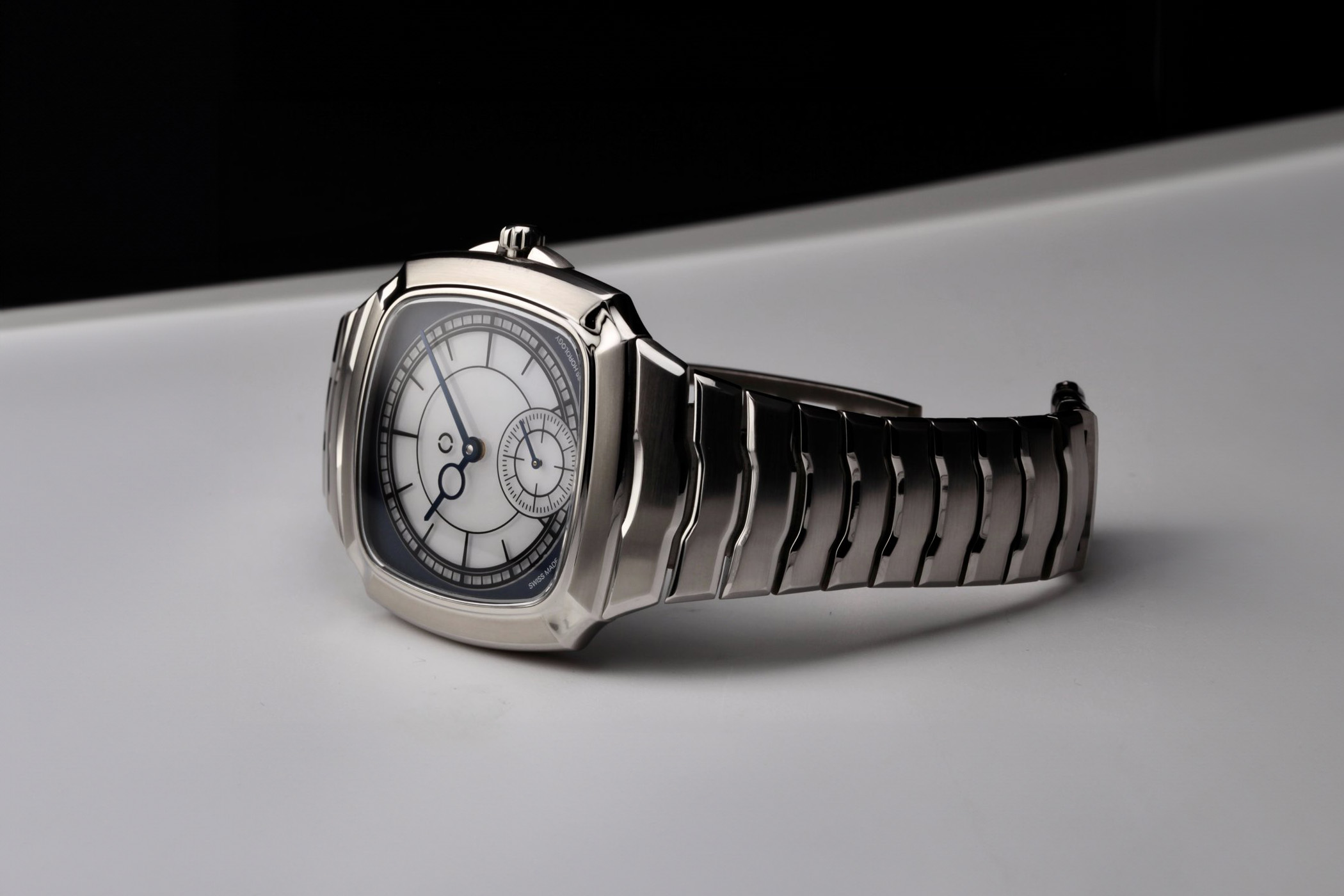
It also explains why Speake speaks about watches less as isolated products and more as objects connected to a long chain of makers, tools, habits and decisions.
The names he reaches for are telling.
Thomas Tompion and Charles Frodsham represent more than historic prestige in his view; they stand for a kind of accumulated human effort that can still be felt in an object long after its maker has gone.
He sees a similar spirit in early Cartier case makers in New York, London and Paris, whose hand-built work helped define a design legacy without the machinery now taken for granted in modern production.
The human hours inside the object
Speake’s most valued quality in a watch is what he calls the human time inside it.
That idea goes beyond finishing for its own sake.
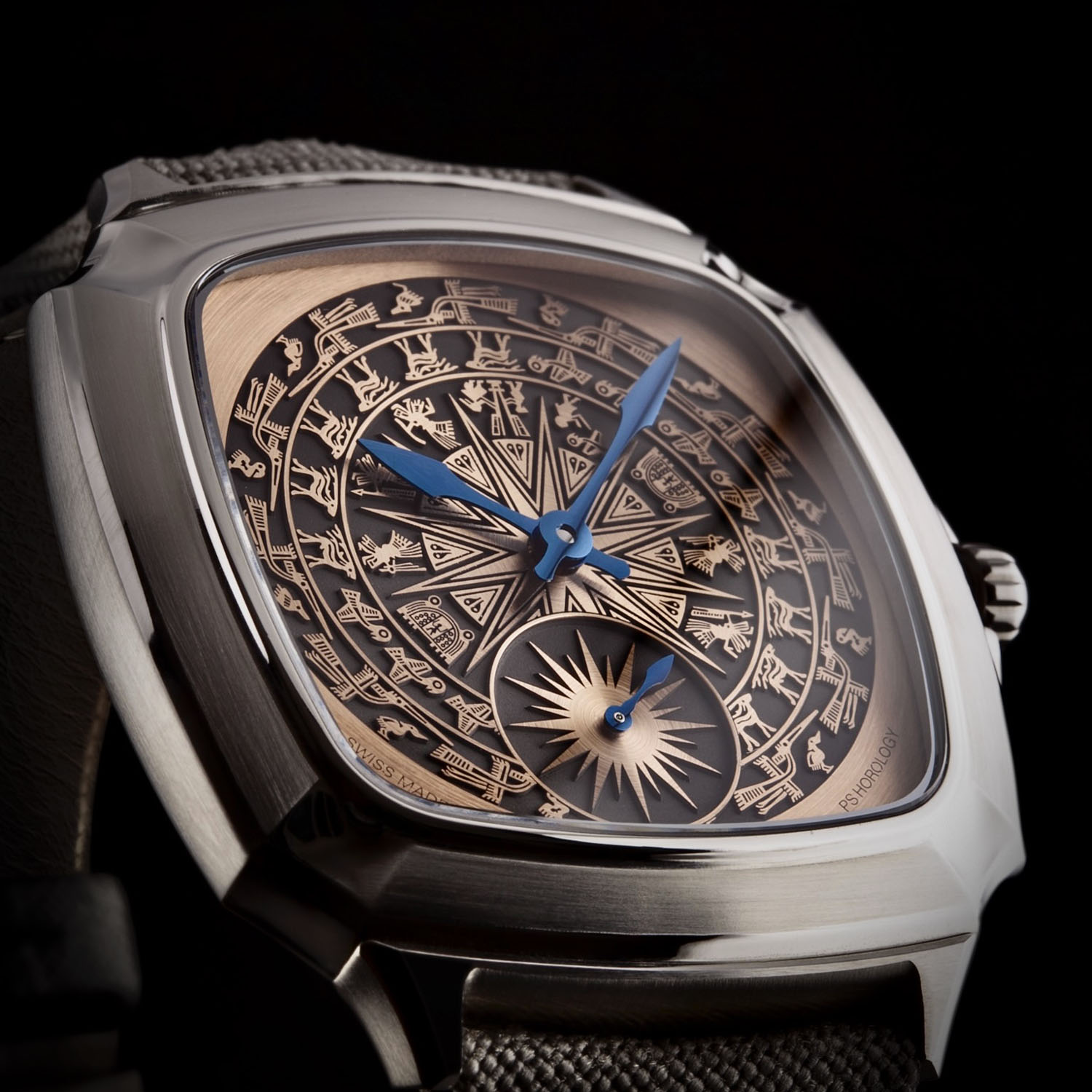
It’s about the accumulated evidence of people thinking, shaping, cutting, decorating and refining with their hands, rather than allowing process to disappear entirely into automation.
He doesn’t romanticise this as something limited to the past.
One of his more optimistic observations is that both independent and mainstream watchmaking have seen a renewed interest in real handwork, from makers and decorators to the allied trades that give a watch its character.
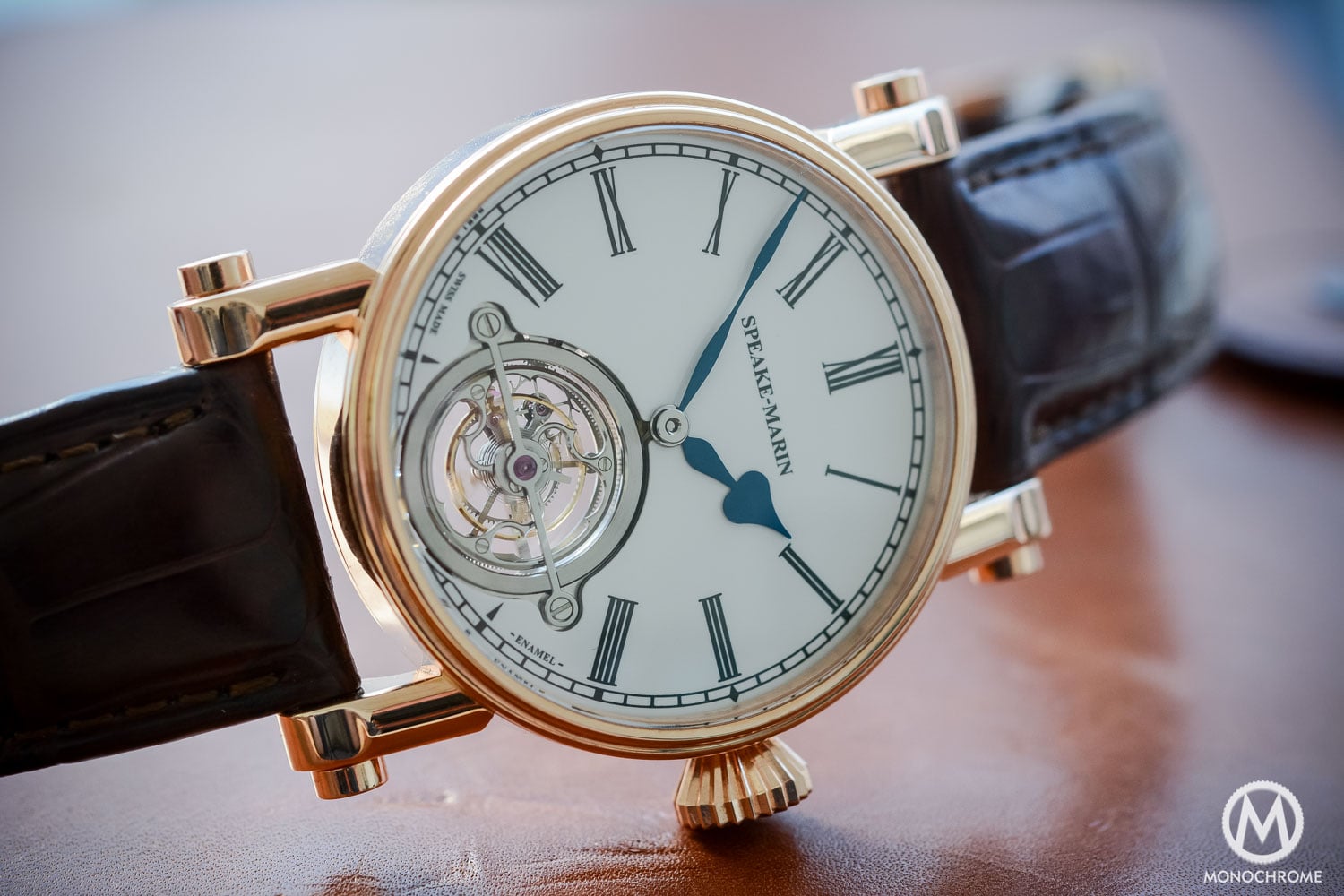
Care, for Speake, can’t be reduced to one flawless bevel, one polished screw head or one expensive material.
What matters is coherence.
A carefully made watch is one where the choices appear to support one another, where the object has a point of view rather than a list of decorative gestures.

That standard also allows him to separate cost from quality of thought.
Expensive watches can feel empty if they lack intent, while modest watches can show a surprising degree of discipline when every decision has been made with purpose.
His favourite complication fits the same philosophy.
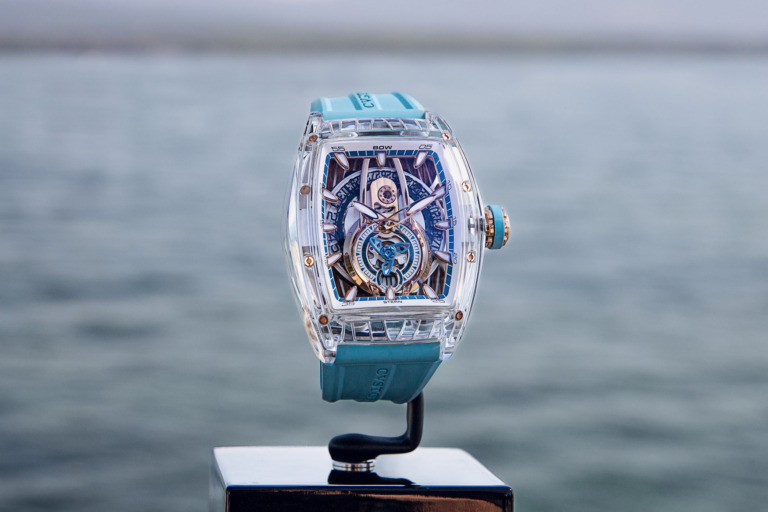
The tourbillon appeals to him not as a status symbol but as a visible animation of time passing, a mechanical display that makes the abstract feel physical.
Industry change and the cost of scale
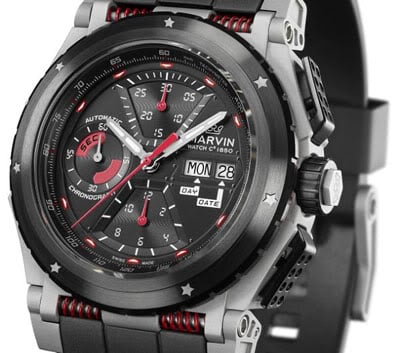
Asked to identify the moment that most shaped modern watchmaking, Speake points to the industrialisation of manufacture around the turn of the twentieth century.
That shift moved watchmaking away from individual makers producing complete watches and toward factory systems built around divided labour, interchangeable parts and repeatability.
The benefits were obvious.
Production became more consistent, more scalable and more commercially viable.
But Speake is interested in what changed underneath that progress.
Knowledge once held in the hands of individual makers increasingly moved into machines, tolerances, written specifications and production systems.
In his reading, independent watchmaking over the past three decades is partly an attempt to recover some of what was lost in that transition.
That doesn’t mean rejecting modern tools outright.
It means asking where judgement, authorship and responsibility sit when a watch is made, and whether the final object still feels connected to a maker’s mind.
This is also why he doesn’t spend much energy on broad market trends.
Sports watches, dress-watch revivals and vintage-inspired designs may define buying cycles, but Speake’s view is that real progress tends to happen away from the centre of fashion.
Japan, Nielsen and the collector’s twenty-year question
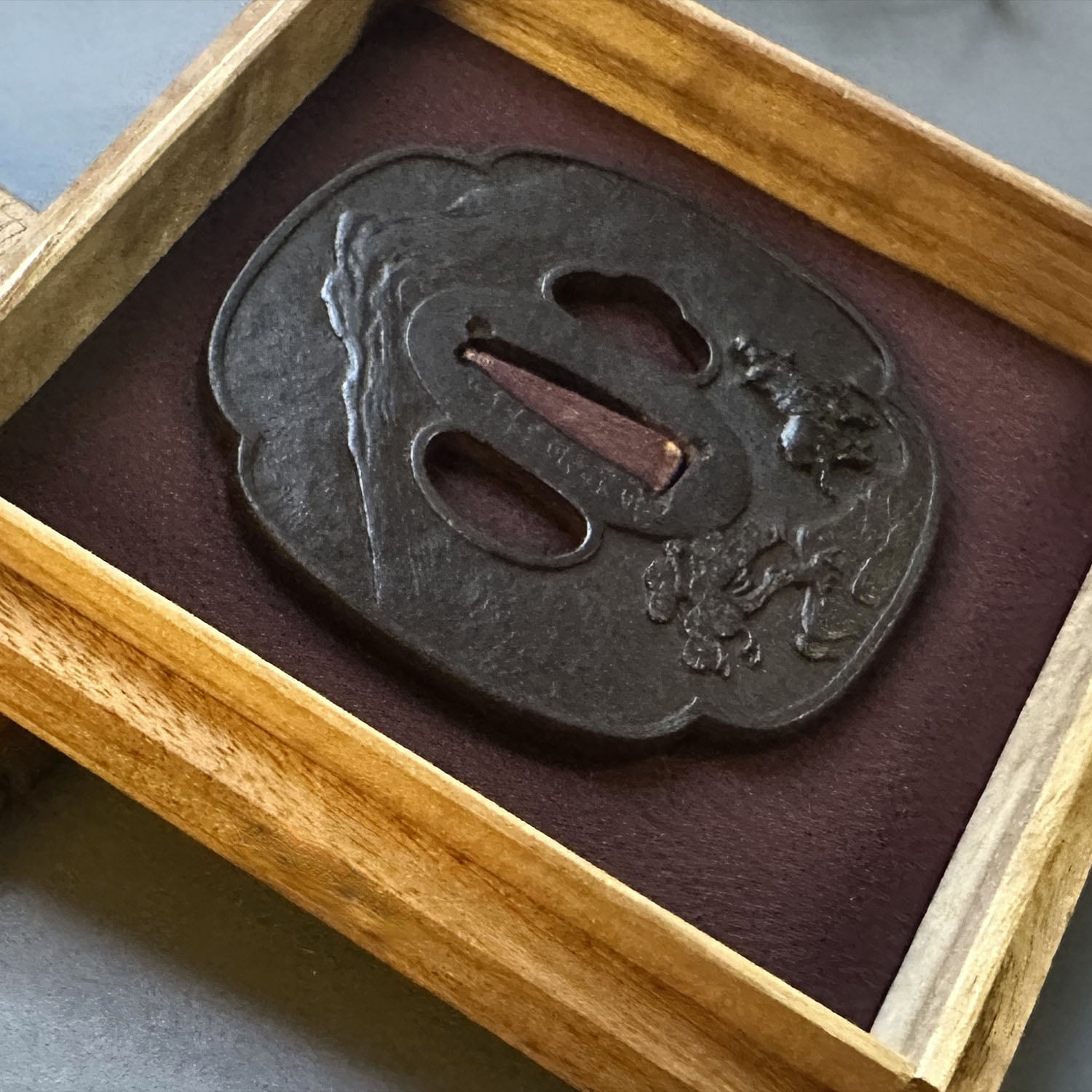
Speake’s thinking is strongly influenced by Japan, particularly by the cultural seriousness given to detail across food, metalwork, packaging and textiles.
The Japanese idea of shokunin resonates with him because it treats mastery as a moral position as much as a technical achievement.
That mindset sits close to his understanding of watchmaking at its best, where refinement is not merely decorative but ethical in its commitment to doing the thing properly.
Among historical figures, Nicole Nielsen occupies a special place in Speake’s imagination.
Nielsen left little biographical trace, yet the design language visible in movements made for Dent, Smith and Frodsham through the nineteenth century reveals a remarkably consistent hand.
Speake is drawn to the angularity, bridge geometry and proportional judgement in that work.
In an era when individual attribution was not the commercial driver it often is today, that consistency feels especially powerful.
His advice to younger collectors is direct and useful.
Before buying, ask whether the watch will still feel relevant in twenty years.
That question shifts attention away from immediate desire and toward design coherence, execution and clarity of purpose.
Speake adds a second test that’s just as important.
A watch should bring satisfaction in daily life, not merely pride of ownership.
If it passes the long-term relevance test but never makes it onto the wrist, something essential has still been missed.
That may be the clearest expression of Speake’s relationship with watches.
He respects history, craft and mechanical intelligence, but he keeps returning to the same human measure: whether the object carries real thought, whether it rewards time, and whether it remains meaningful after the initial desire has faded.