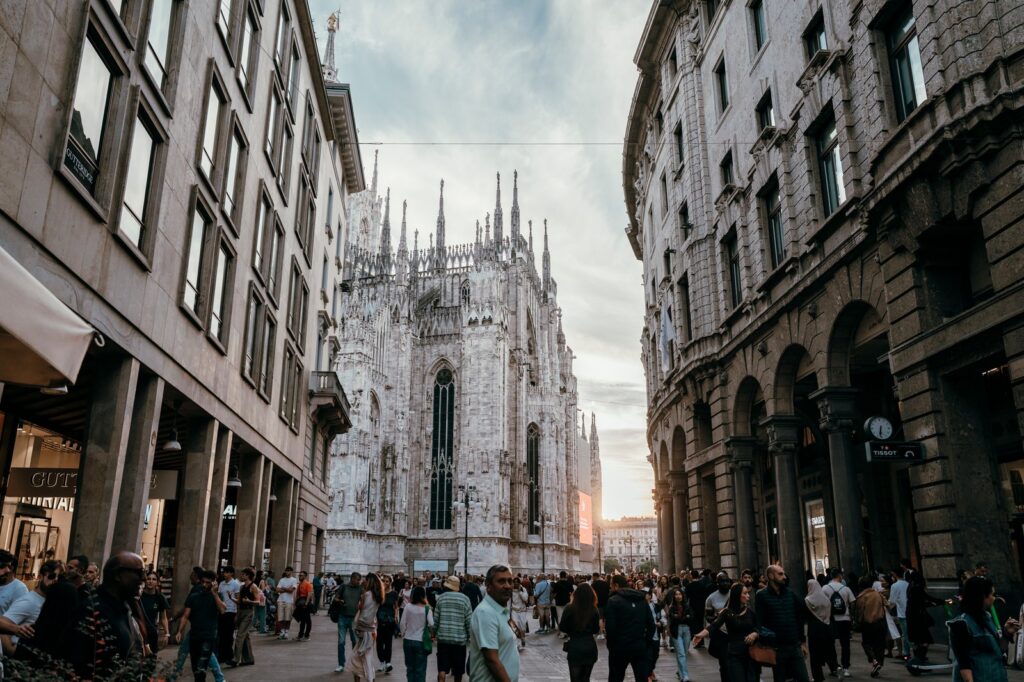
Milan has always known how to make a gathering feel stylish, but its growing watch calendar now has substance to match the setting.
Milano Watch Week, held from October 2 to 4, brought together a broad mix of established maisons, independent watchmakers and emerging names, while Patek Philippe’s Watch Art Grand Exhibition gave collectors another major reason to be in town.
The result was a weekend that felt less like a trade appointment and more like a proper collector’s trip.
At a glance
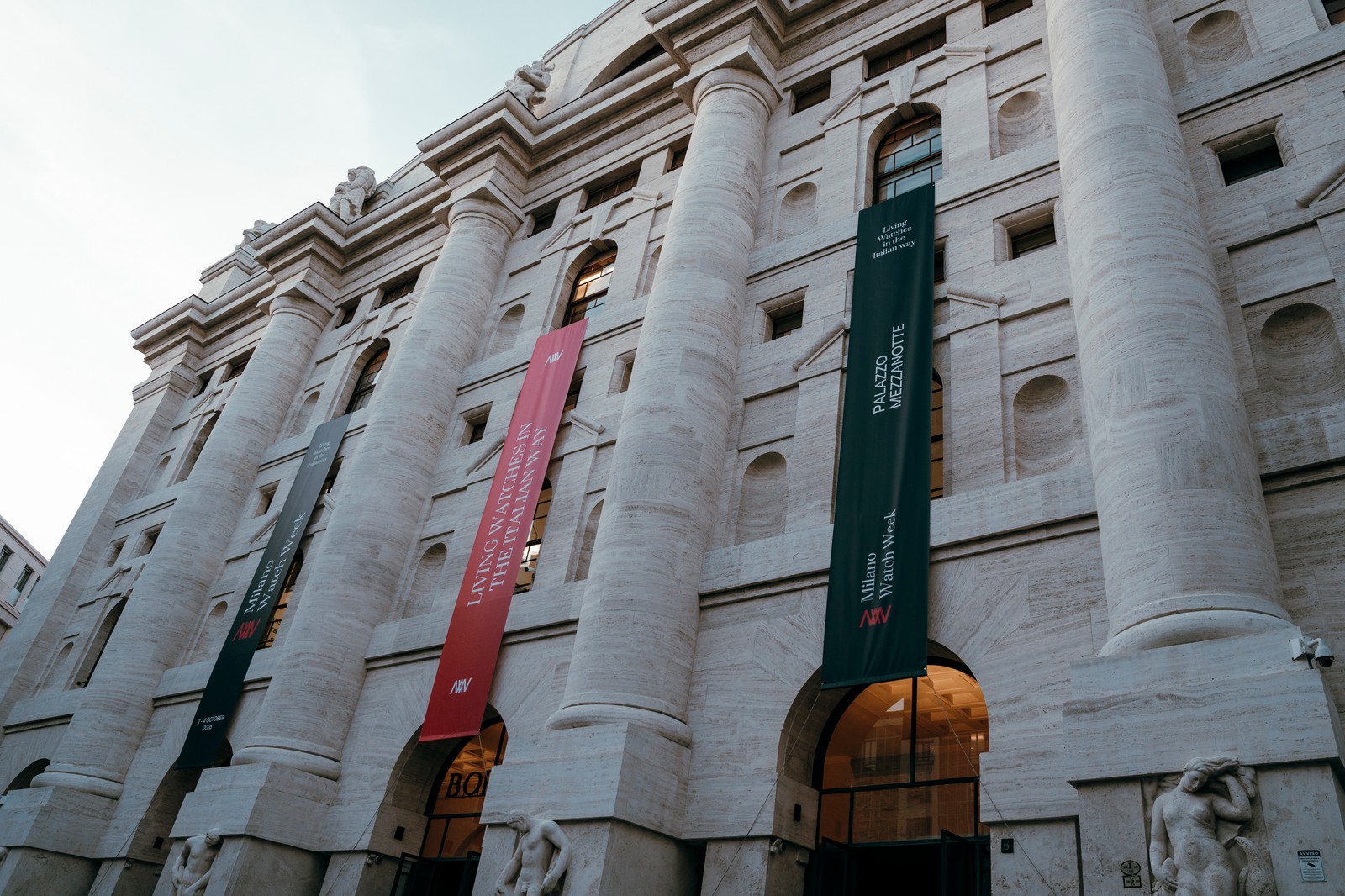
- Milano Watch Week returned to Palazzo Mezzanotte with 55 brands across established and emerging exhibitors.
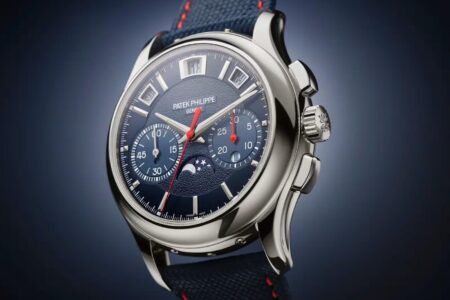
- Patek Philippe’s Watch Art Grand Exhibition added museum pieces, current references and special creations across town at CityOval.
- For collectors in Milan before October 18, the Patek Philippe exhibition is free to attend with advance booking required.
A young show with a stronger identity
Milano Watch Week is still a young event, but that works in its favour more than you might expect.
It doesn’t yet carry the weight or rigid choreography of the largest Swiss fairs, which gives the Milan format a looser, more conversational energy.
This year’s edition combined the main Milano Watch Week format with After Time, the smaller-brand showcase that had previously existed as its own platform.
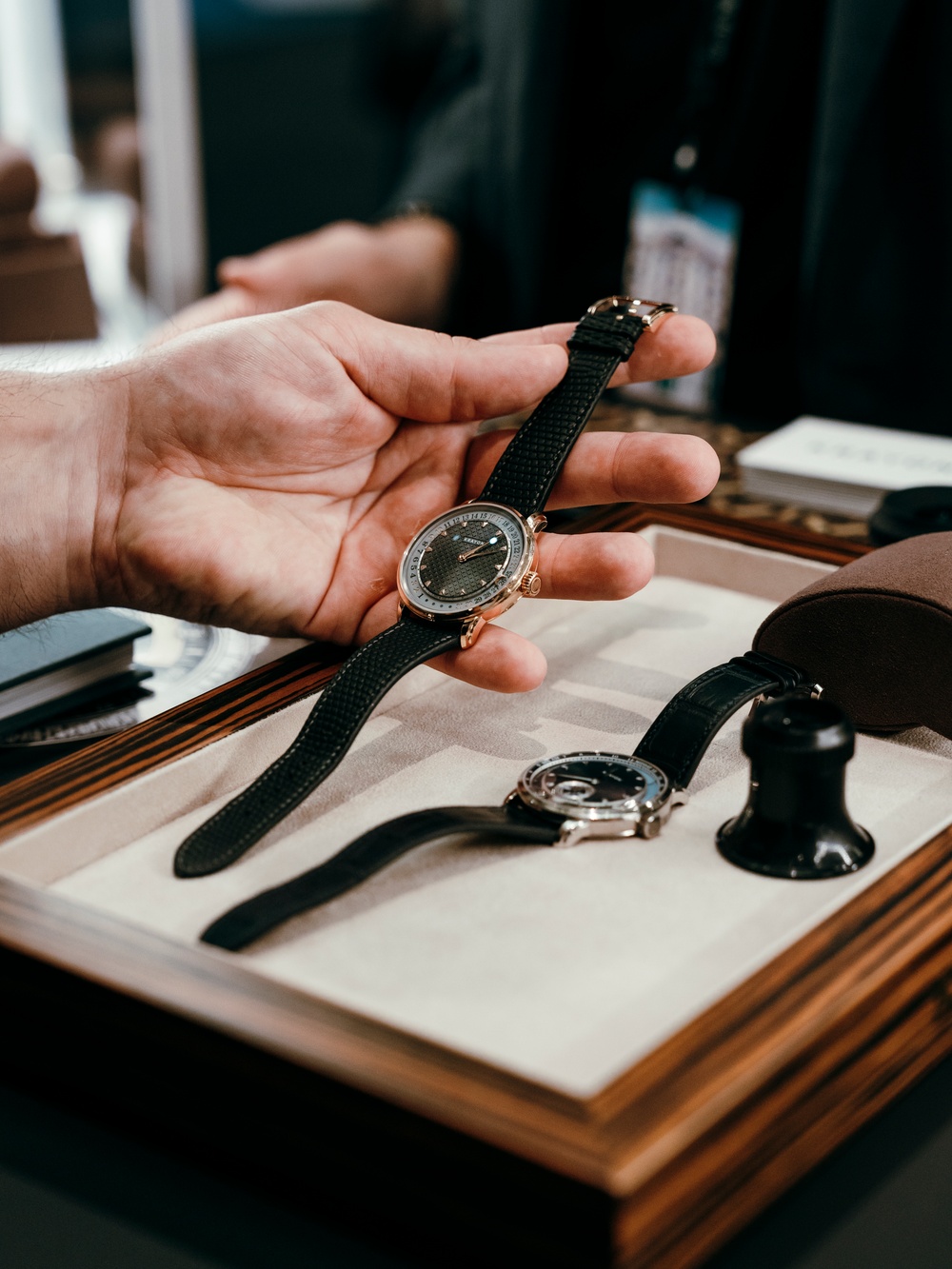
The layout made sense, with more established and heavyweight exhibitors downstairs at Palazzo Mezzanotte and younger, more accessible or up-and-coming brands upstairs.
Across both floors, 55 brands gave the event enough density to justify the trip without making it feel exhausting.
The presence of Pisa, the Milanese retailer, helped give several booths a more substantial feel, including brands such as Greubel Forsey and Krayon.
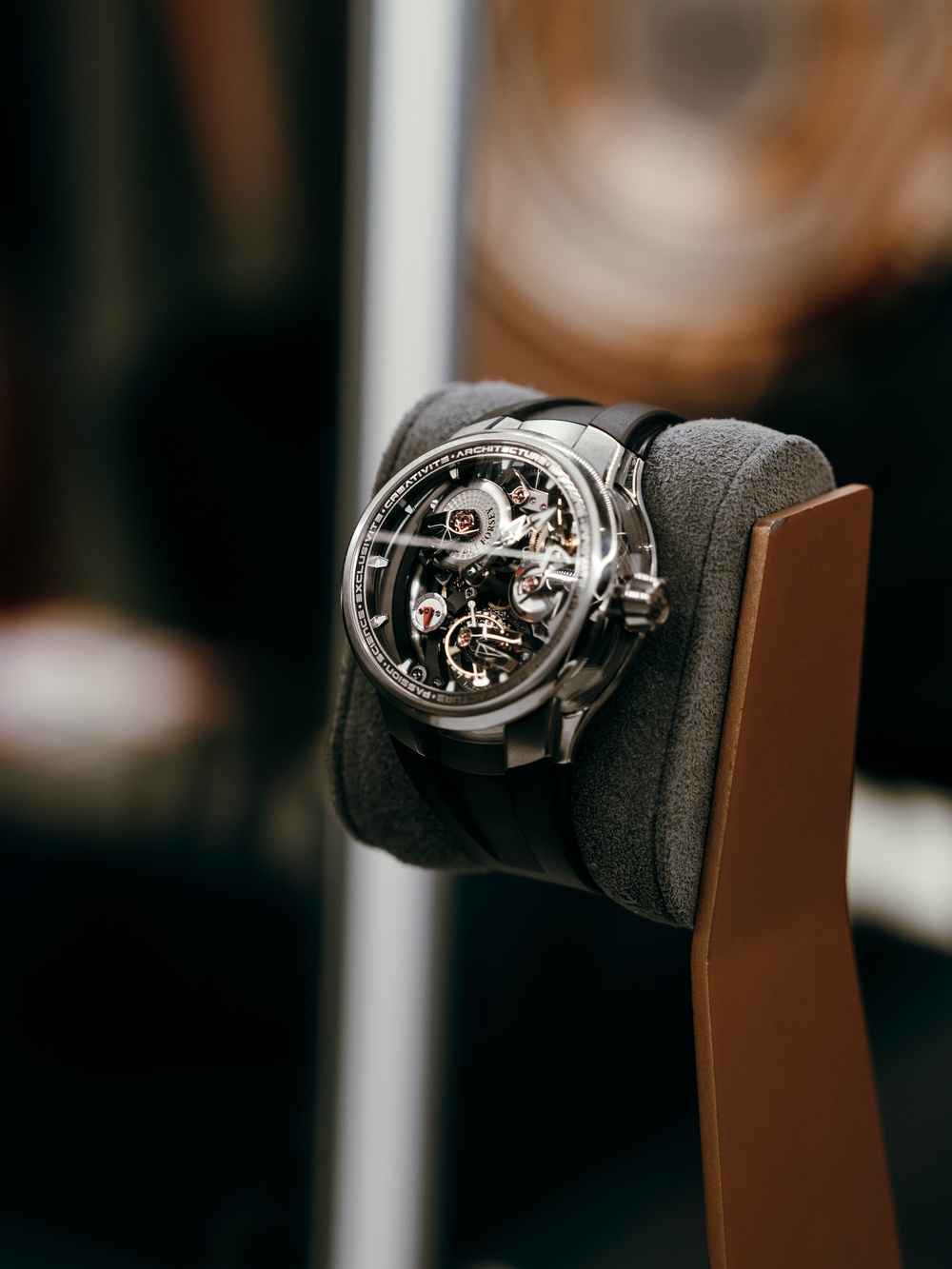
Importantly, the atmosphere didn’t become overly transactional, even with retail support in the room.
The brands made the trip worthwhile
The strongest argument for attending was the mix of watches in the metal.
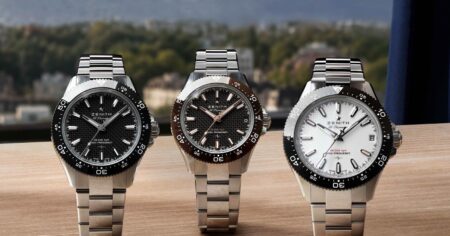
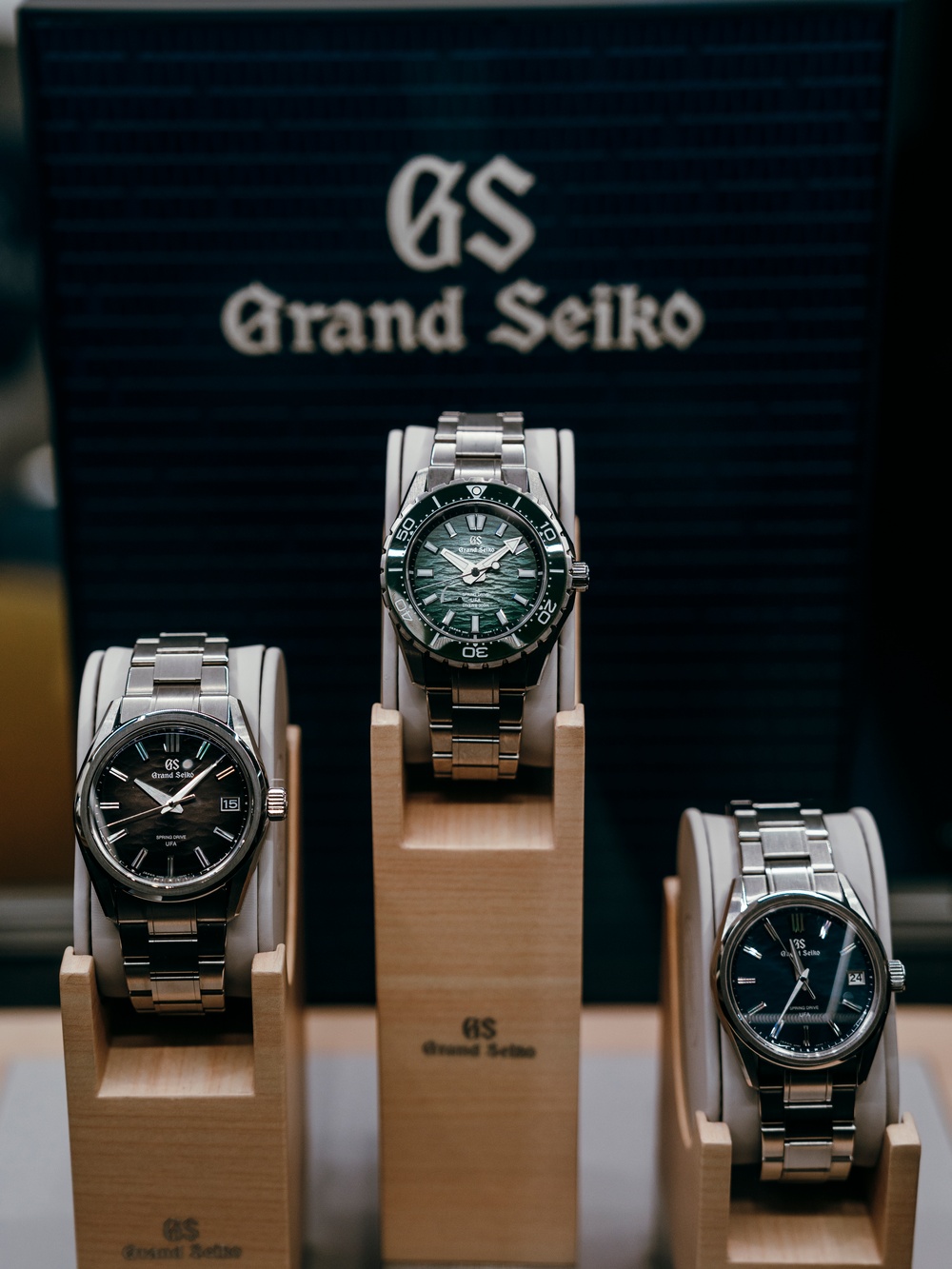
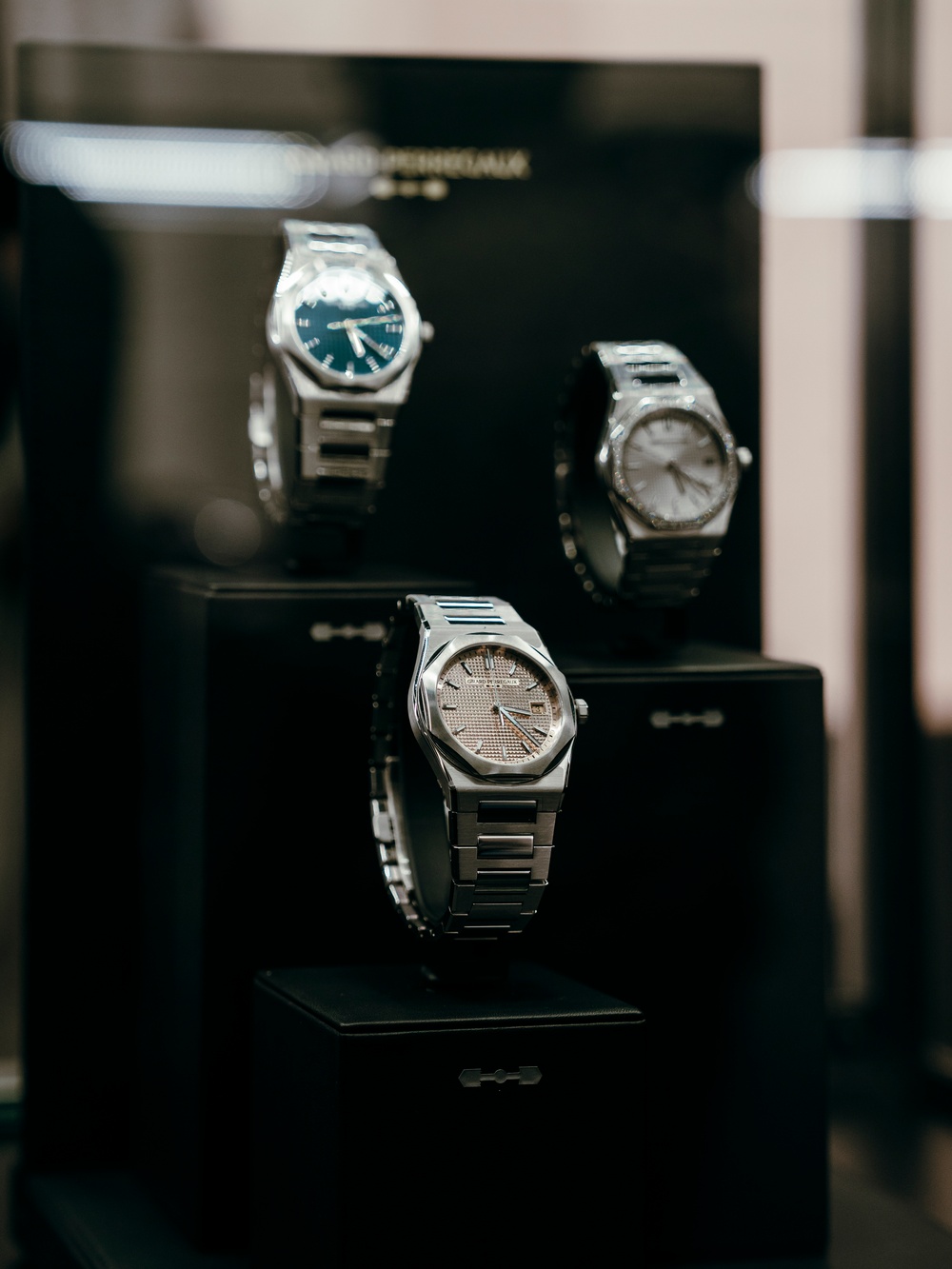
Grand Seiko, Zenith, Girard-Perregaux and Ulysse Nardin gave the show recognisable names with genuine horological weight, while Laurent Ferrier, Franck Muller and Greubel Forsey added independent firepower.
The upstairs section gave the event another layer, with smaller makers and specialist projects offering the kind of direct conversations that often get lost at larger fairs.
Those conversations are the real currency of a show like this.
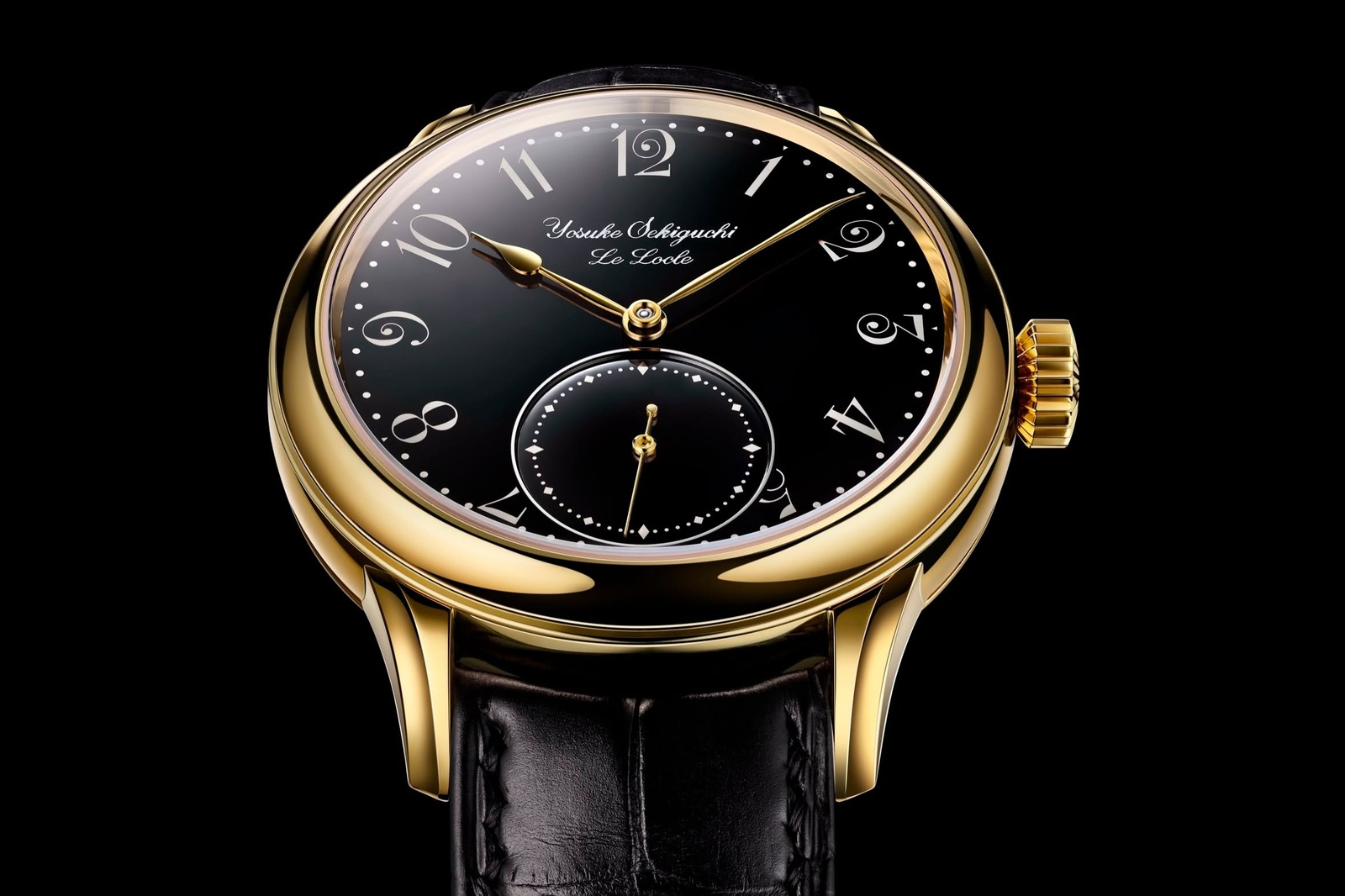
One of the most compelling moments came through the work of Yosuke Sekiguchi, whose watches are made in extremely small numbers and by hand, without a staff behind him.
Seeing that kind of watchmaking up close changes the discussion from specification to touch, patience and intent.
Luca Soprana’s work also stood out, particularly the Derek Pratt and Luca Soprana pieces connected to the DP07 remontoir.
The appeal there is not just mechanical interest, but the sense of devotion behind finishing and completing a complex idea with unusual care.
L.Leroy’s relaunched presence was another highlight, especially the Vox Temporis, inspired by a Leroy montre à tact from 1810.
Its current scale won’t suit every wrist, but the watch has enough character and craft to make the brand worth watching closely.
Patek Philippe turned the city into a watch destination
Milano Watch Week would have been worth attention on its own, but Patek Philippe’s Watch Art Grand Exhibition made Milan feel like a proper horological destination.
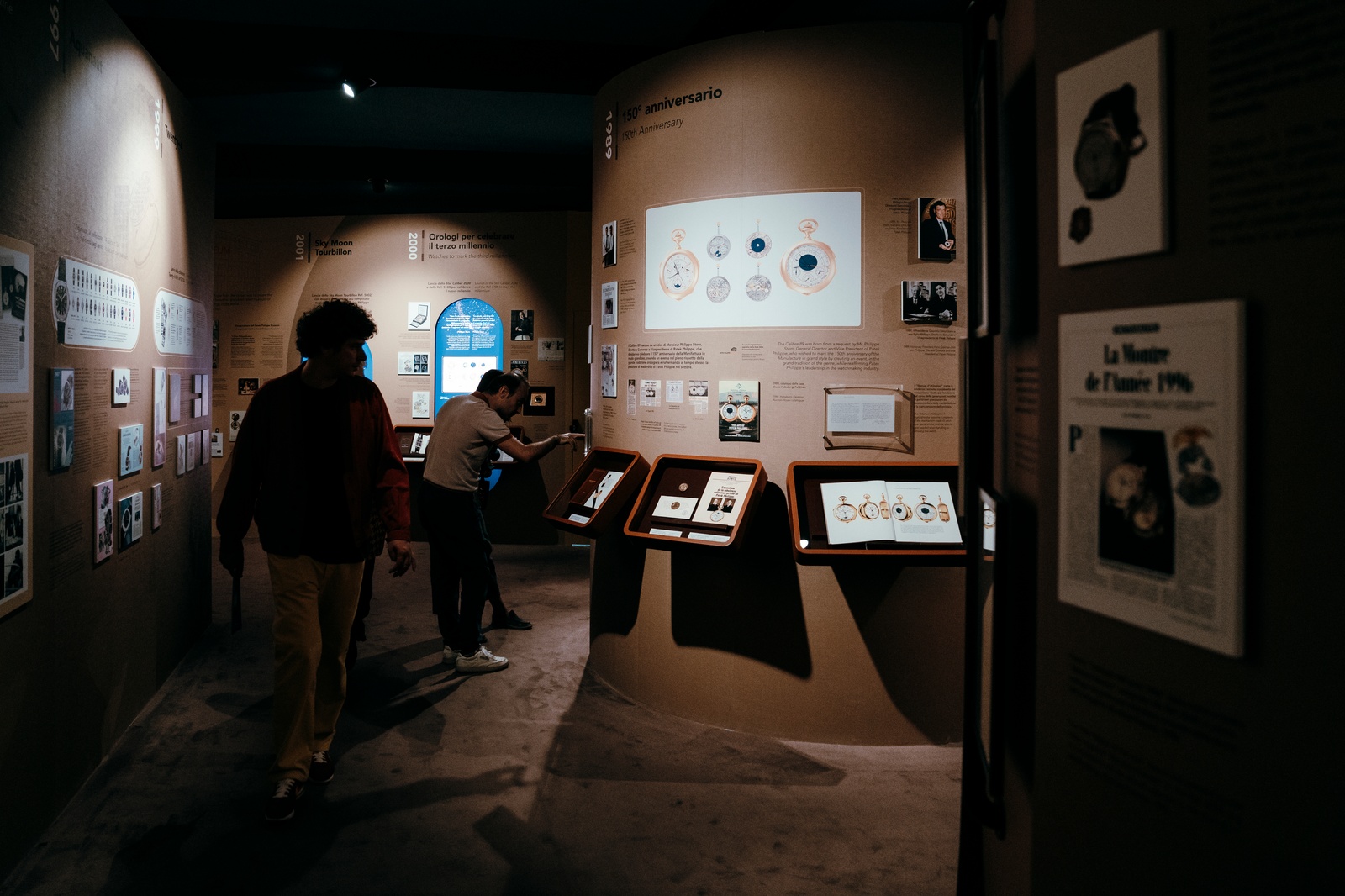
Held at CityOval, the exhibition brought together museum pieces from Geneva, current catalogue watches, Métiers d’Art creations and special pieces made for the show and the Italian market.
For anyone interested in Patek Philippe beyond current waitlists and auction headlines, this was the more meaningful side of the brand.
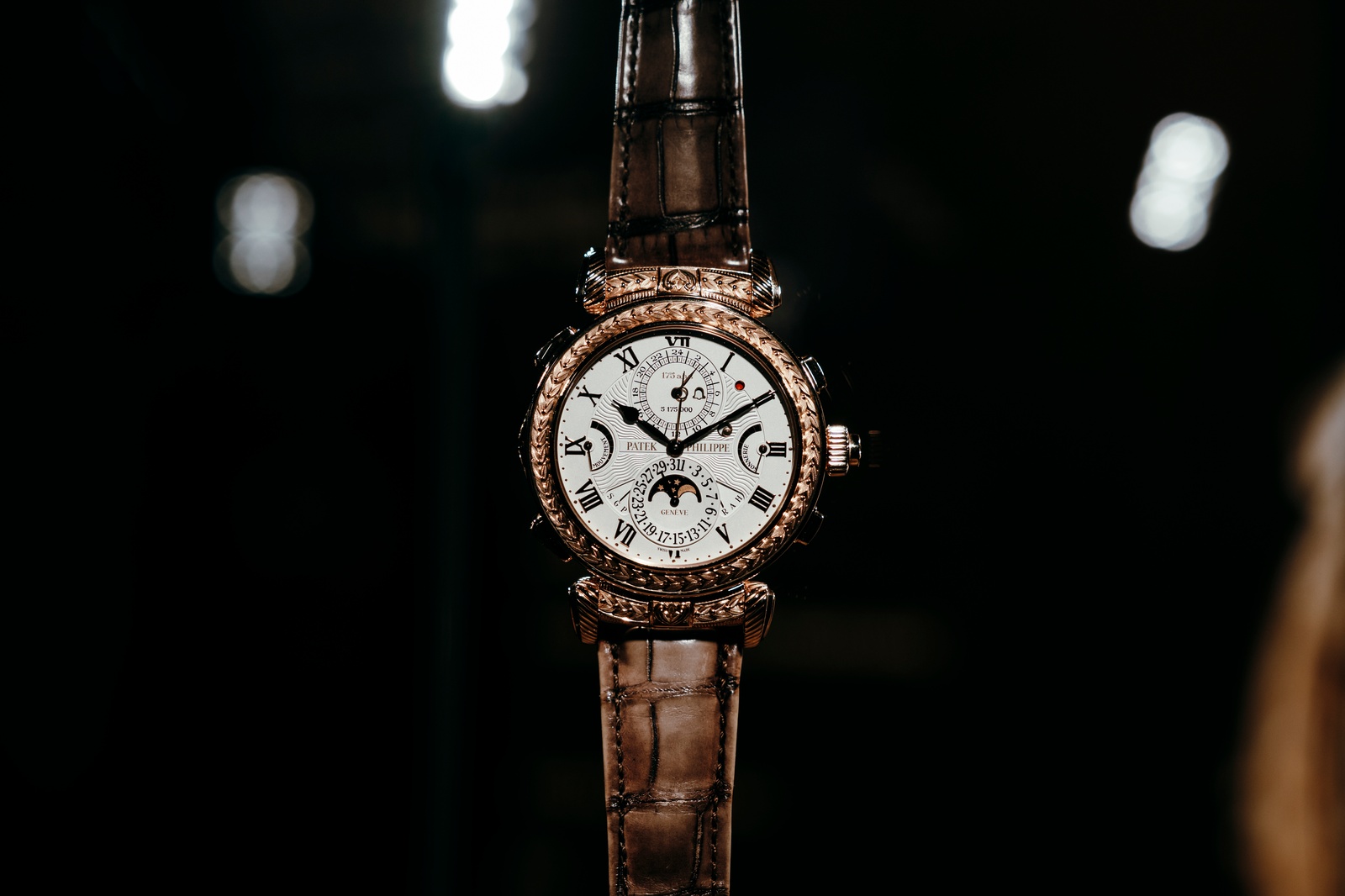
The historical pieces gave context, while the enamel, engraving and decorative craft showed why Patek Philippe remains so important to collectors who care about more than scarcity.
The exhibition runs for 17 days and continues until October 18.
Entry is free, though visitors need to book a ticket in advance.
Even without Milano Watch Week, it would be worth setting aside time for.

The collector scene mattered as much as the watches
The weekend’s rhythm was exactly what you want from a good watch trip.
There were stand visits, longer conversations, brand dinners, drinks, wristshots and the occasional late breakfast after a longer-than-planned night.
Vesta in Brera added a useful social hub through a collaboration between Milano Watch Week and Dubai Watch Week, bringing the Off the Clock format to Milan.
It functioned as a club room for the industry and invited guests, with drinks, seated conversations and a little distance from the fair floor.
The Saturday event there had the right kind of chaos, including a speed-dating-style format with watchmakers and a chance to win tickets to Dubai Watch Week, flights included.
That sort of programming matters because watch enthusiasm is unusually dependent on personal exchange.
You can read specifications anywhere, but it’s harder to replace the experience of sitting with collectors, makers and brand people who are willing to go deep on a calibre, a dial or a half-forgotten historical reference.
So, is it worth attending Milano Watch Week when paired with the Patek Philippe Watch Art Grand Exhibition?
Yes, especially for collectors who enjoy independent watchmaking, want a less corporate alternative to the biggest fairs and value the social side of the hobby as much as the watches themselves.
Milan now has the makings of a serious autumn watch weekend, and if the event keeps its energy while tightening its identity, it could become one of the more enjoyable stops on the collector calendar.