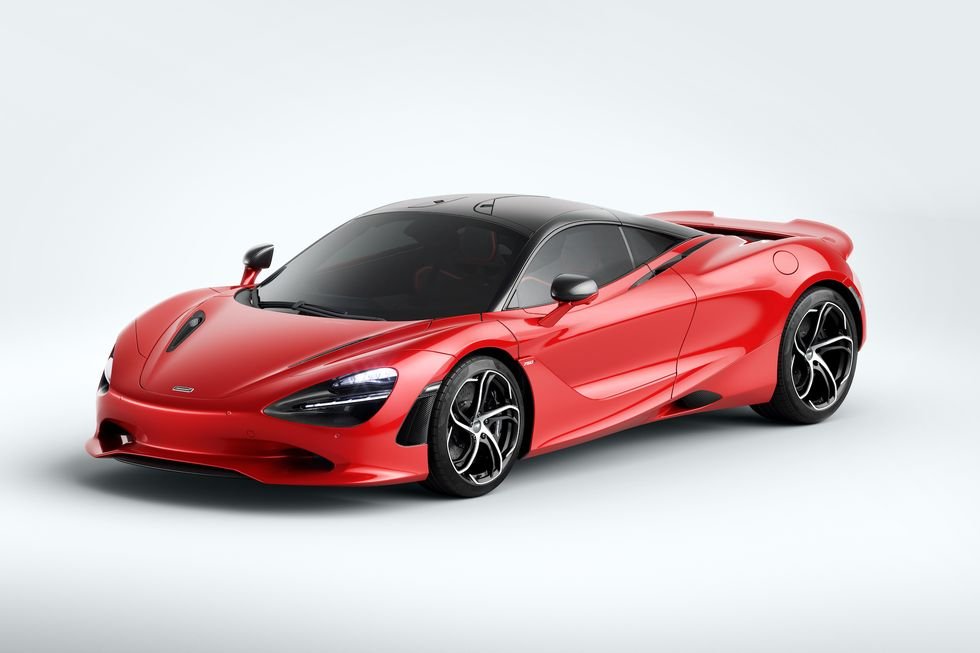
McLaren is preparing to close the book on the 750S, with production now confirmed to end in 2027.
Final orders are open, giving buyers one last opportunity to commission the British marque’s current V8 supercar before it leaves the catalogue.
It’s a significant moment for McLaren, because the 750S is more than a late-cycle update. It represents the most polished expression of a platform that helped define the brand’s modern road-car identity.

At a glance
- McLaren 750S production will end in 2027, with final customer orders now open.
- The 750S uses a 4.0-litre twin-turbocharged V8 producing 740 hp, with revisions over the 720S to suspension, aerodynamics, transmission calibration and cabin focus.
- The model closes an important chapter that began with the 720S in 2017 and also led to the 765LT and 788HS.
The last stretch for McLaren’s core V8 supercar
The 750S arrived as the successor to the 720S, carrying forward a lineage that began in 2017.
That matters because the 720S was not just another fast McLaren. It reset expectations around the brand’s blend of visibility, lightness, aerodynamic thinking and huge turbocharged performance.
The 750S took that formula and sharpened it rather than reinventing it.
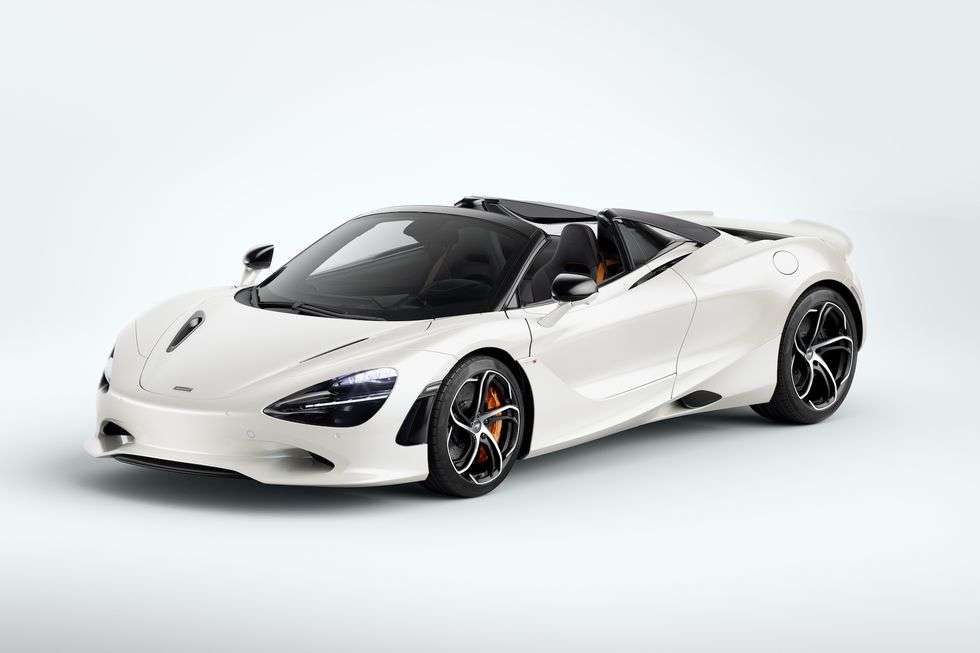
Power comes from a 4.0-litre twin-turbocharged V8 producing 740 hp, while McLaren refined the suspension, aerodynamics and transmission calibration to create a more responsive and focused car.
The cabin also moved in a more driver-centred direction, which fits the 750S’s role as a supercar intended to be deeply engaging rather than merely quick in a straight line.
Henrik Wilhelmsmeyer, McLaren’s Chief Commercial Officer, described the 750S as representing “everything that defines a McLaren supercar,” citing benchmark performance, driver engagement, technical innovation, expressive design and personalisation.

A platform with a broader legacy
The 750S sits within one of McLaren’s most productive modern families.
The same technical foundation also gave rise to the track-focused 765LT, a car that pushed the platform toward a more aggressive, circuit-biased character.
More recently, the 788HS has extended the story again, showing how much development headroom remained in the architecture.
That is part of what makes the 750S noteworthy as it approaches the end of production.
It isn’t simply the final run of a single model, but the closing phase of a generation that has shaped McLaren’s road-car reputation across standard, longtail and highly specialised derivatives.
What final orders mean for buyers
With final orders now open, the 750S enters the part of its life cycle that tends to matter to collectors and keen drivers alike.

For buyers, this is the practical moment to secure a build slot before McLaren winds down production in 2027.
The appeal will likely be strongest for customers who want a pure internal-combustion McLaren with the development maturity of a late-generation model.
It’s also a car that carries a clear identity within the brand’s catalogue.

The 750S is not positioned as a stripped-back special in the manner of the 765LT, but it incorporates meaningful technical gains over the 720S while retaining the usability expected of McLaren’s core supercar line.
Details & Specifications
| Brand | McLaren |
|---|---|
| Model | 750S |
| Engine | 4.0-litre twin-turbocharged V8 |
| Power | 740 hp |
| Predecessor | McLaren 720S |
| Related models | 765LT, 788HS |
| Production end | 2027 |
| Availability | Final orders now open |
The end of 750S production will mark a natural turning point for McLaren’s supercar range.
For now, it gives the model a sharper sense of occasion, not because it needs artificial scarcity to be interesting, but because it already stands as one of the clearest expressions of what McLaren does best.