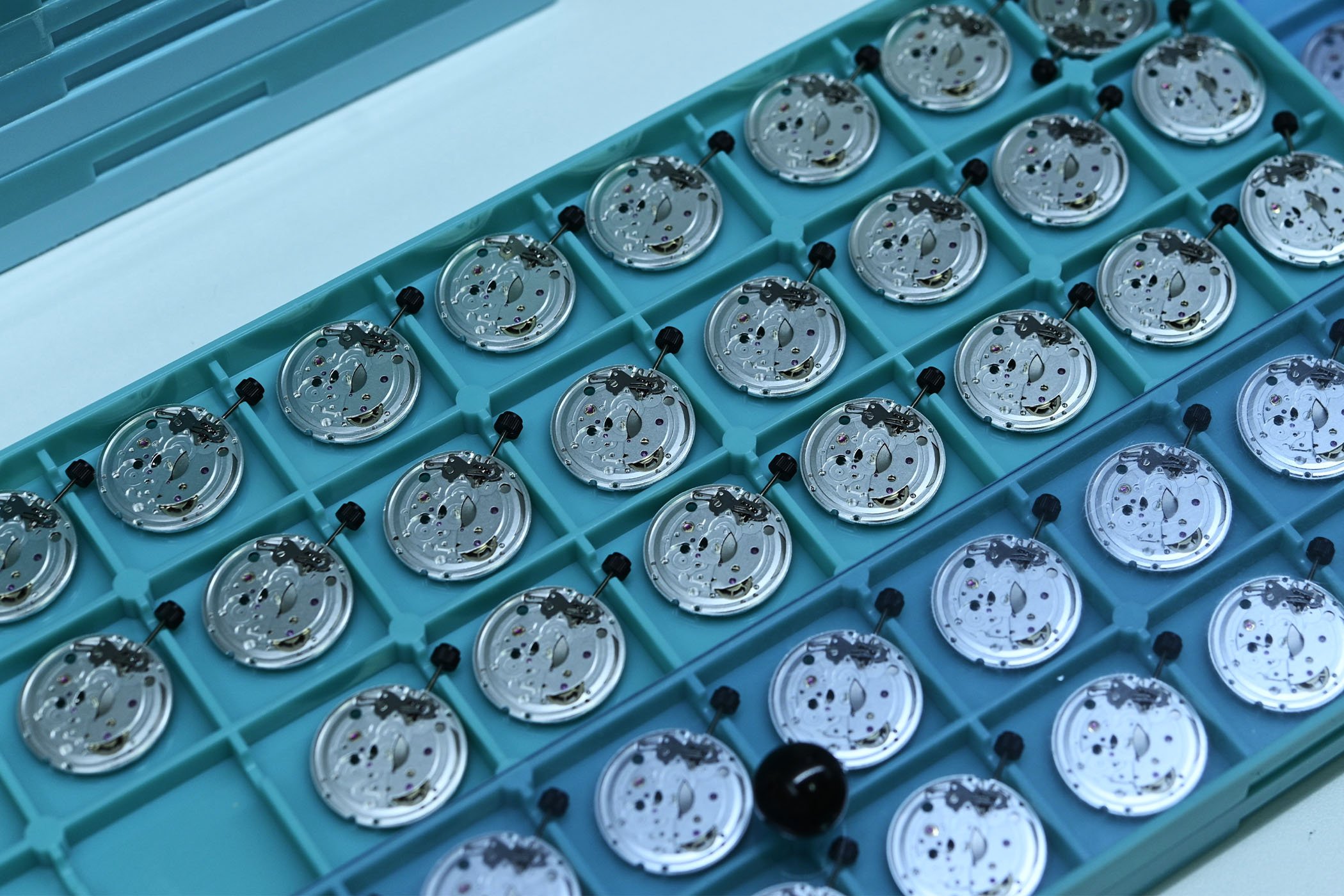
Manufacture AMT is one of those names that sits quietly behind a surprising amount of modern Swiss watchmaking.
The company operates alongside Sellita, but its role is more specialised, building higher-grade mechanical movements for brands that want more than a standard shared calibre.
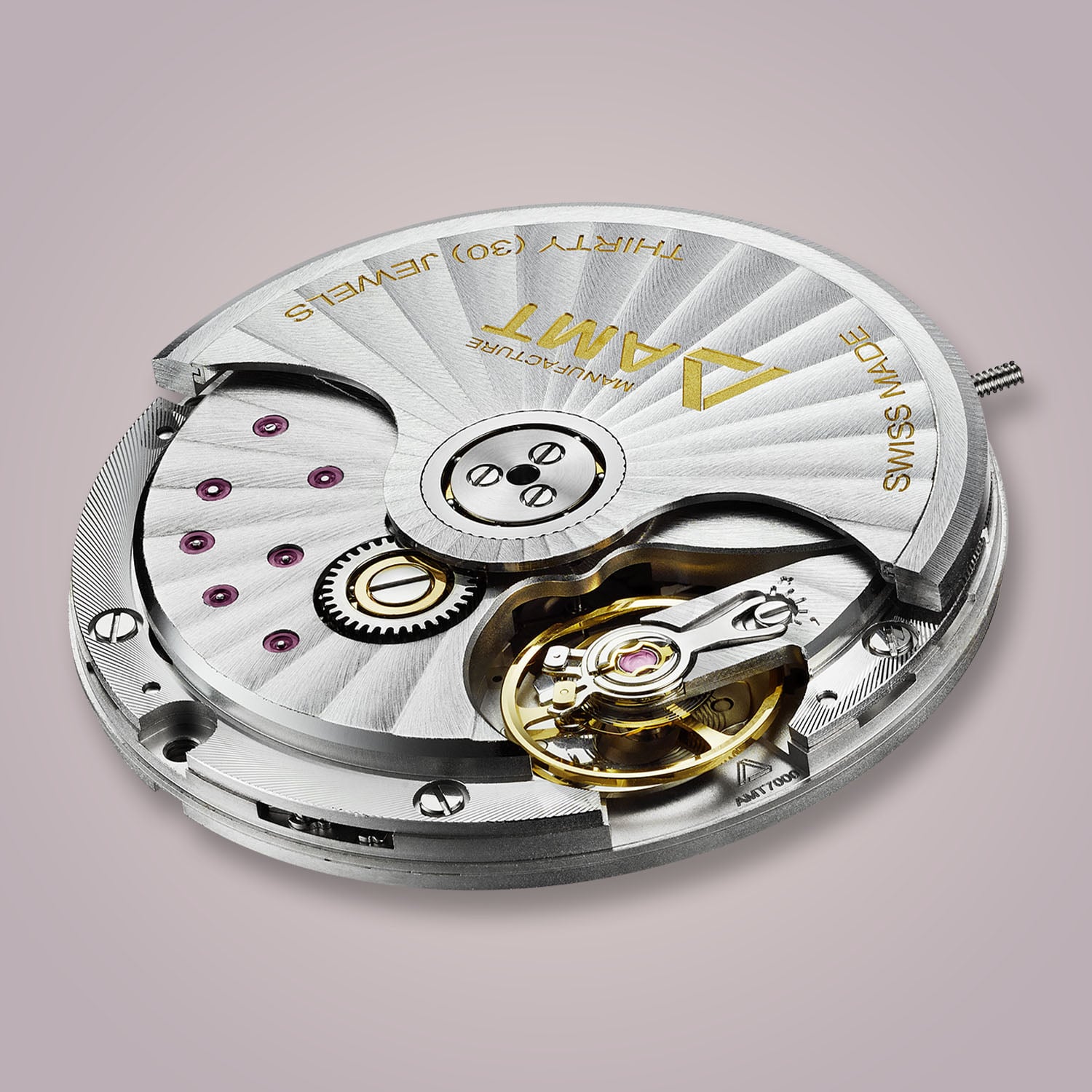
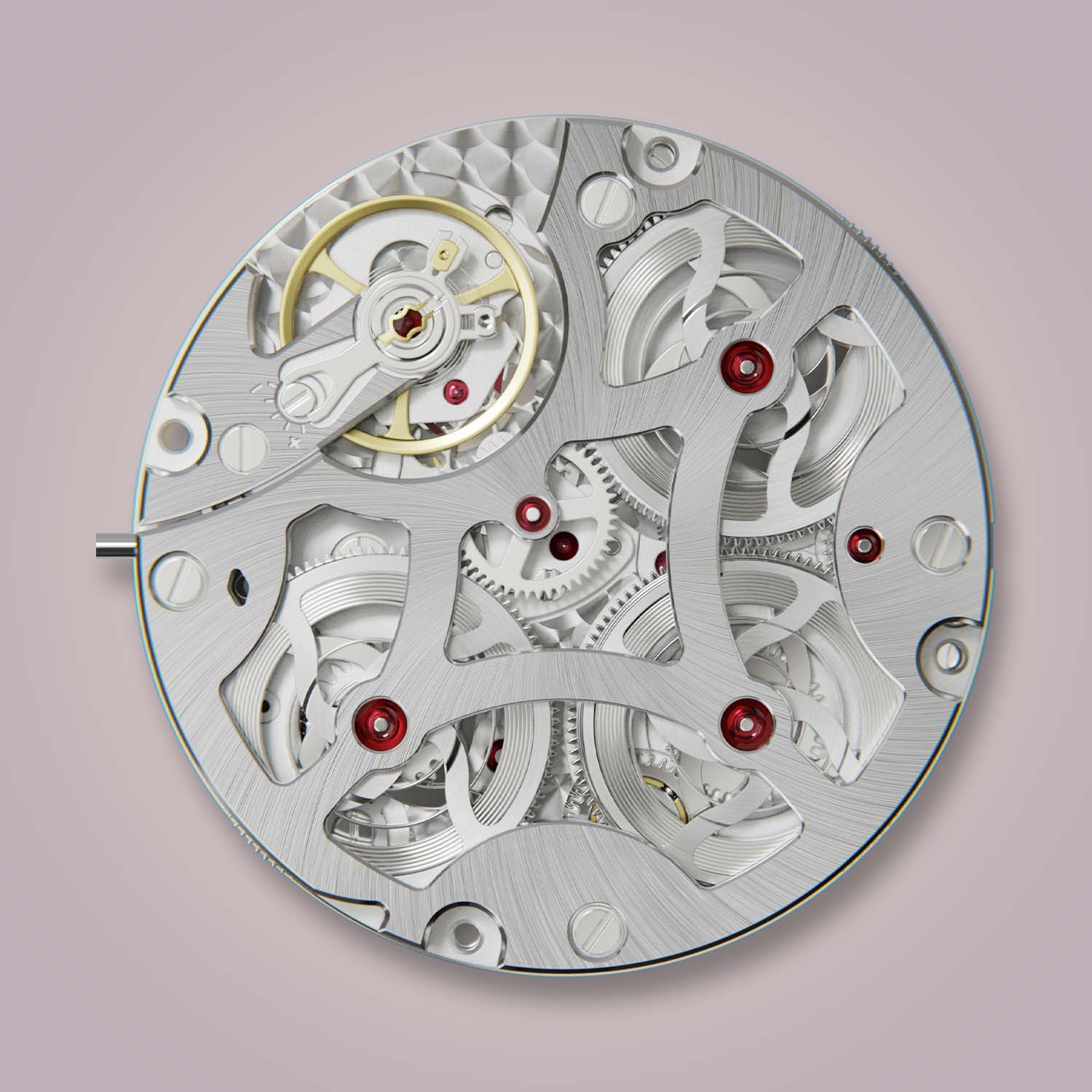
With the arrival of the new AMT 7000 and AMT 8000 families, it’s giving the industry a rare look at the kind of platform development that usually stays behind closed doors.
At a glance
- Manufacture AMT has introduced two new movement families, the AMT 7000 and AMT 8000, for partner watch brands.
- The AMT 7000 is engineered around durability, with a targeted ten-year interval before its first service.
- Deliveries to partner brands are expected to begin in early 2027, with customisation available for qualifying clients.
The quieter side of Sellita’s movement empire
Sellita’s rise is closely tied to one of the major shifts in modern Swiss watchmaking.
When ETA began reducing deliveries of ébauches to brands outside the Swatch Group orbit in the early 2000s, the market needed dependable alternatives at scale.
Sellita became one of the essential answers, offering robust automatic and chronograph calibres such as the SW200, SW300 and SW500 to a wide spread of watch brands.
Under Miguel García, who acquired Sellita in 2003 after having joined the company years earlier in production, the business grew into a fully integrated manufacturer with serious industrial reach.
That scale matters because reliable movement production isn’t just a question of clever design.
It requires repeatability, parts availability, after-sales support and the ability to make critical components consistently, including escapements and ball bearings.
Where Manufacture AMT fits into the market
Manufacture AMT, short for Advanced Mechanical Technology, was created to answer a different brief.
Rather than focusing on broadly used off-the-shelf calibres, AMT develops, industrialises and manufactures more exclusive movements for brands seeking proprietary specifications or a more distinctive mechanical identity.
That distinction has become increasingly important as brands look for ways to separate higher-positioned watches from more accessible models using widely available engines.
AMT sits in the same broad conversation as specialist manufacturers such as La Joux-Perret, Concepto, Kenissi and Vaucher Manufacture Fleurier, but it has the added advantage of Sellita’s manufacturing depth behind it.
Its work is often discreet by design.
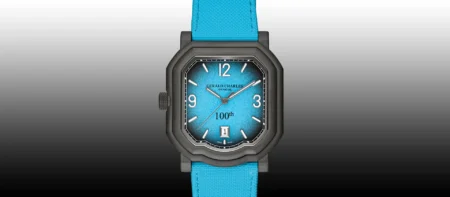
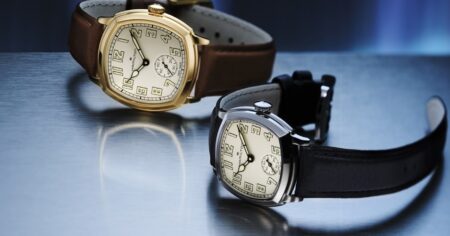
Many brands either present the resulting calibres under their own naming architecture or keep manufacturing partnerships out of the spotlight, especially when custom development is involved.
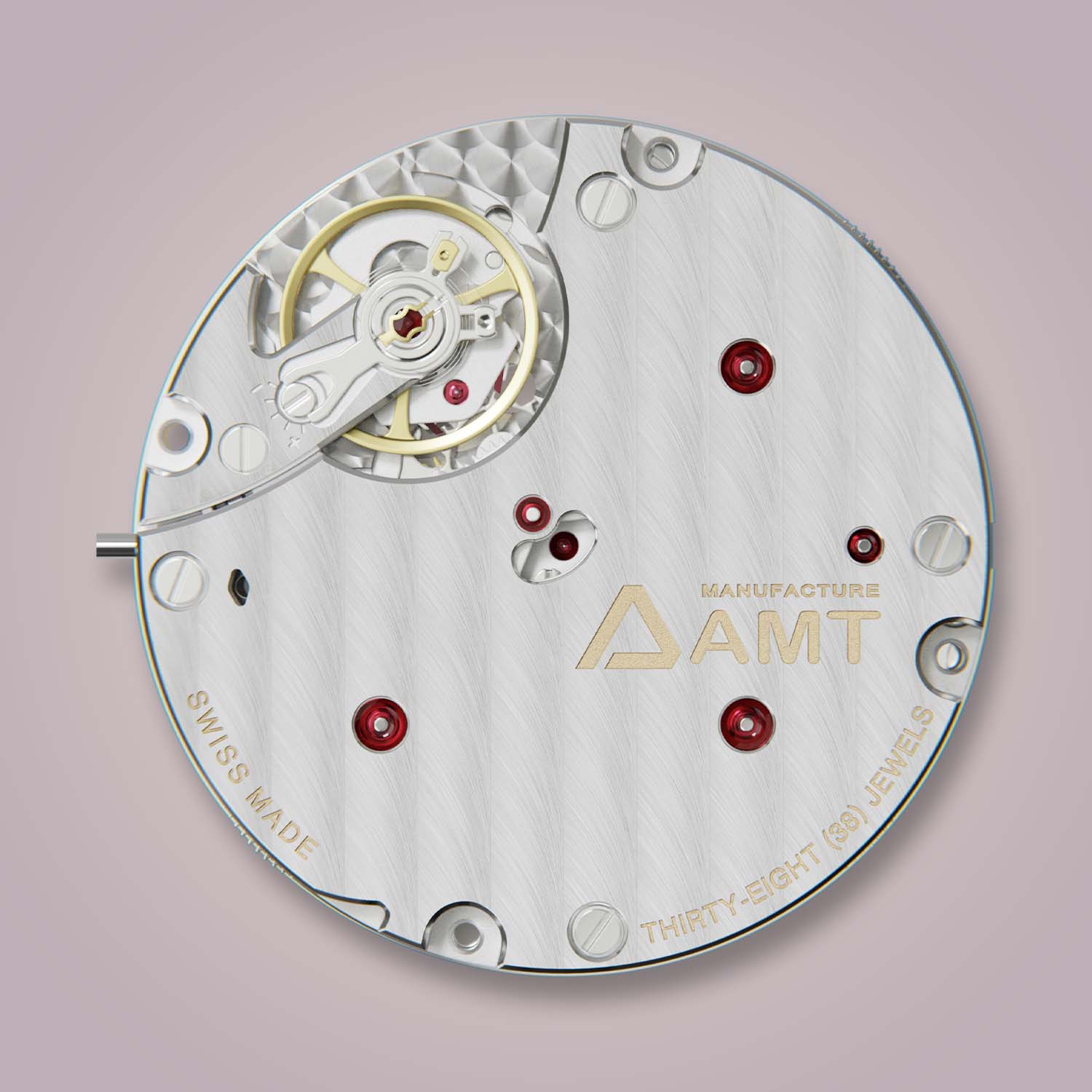
AMT’s catalogue is not public, and access is limited to clients ordering at meaningful scale, typically around 1,000 pieces.
That threshold makes sense for an operation built around industrialised calibre production rather than one-off boutique experimentation.
The AMT 7000 puts longevity first
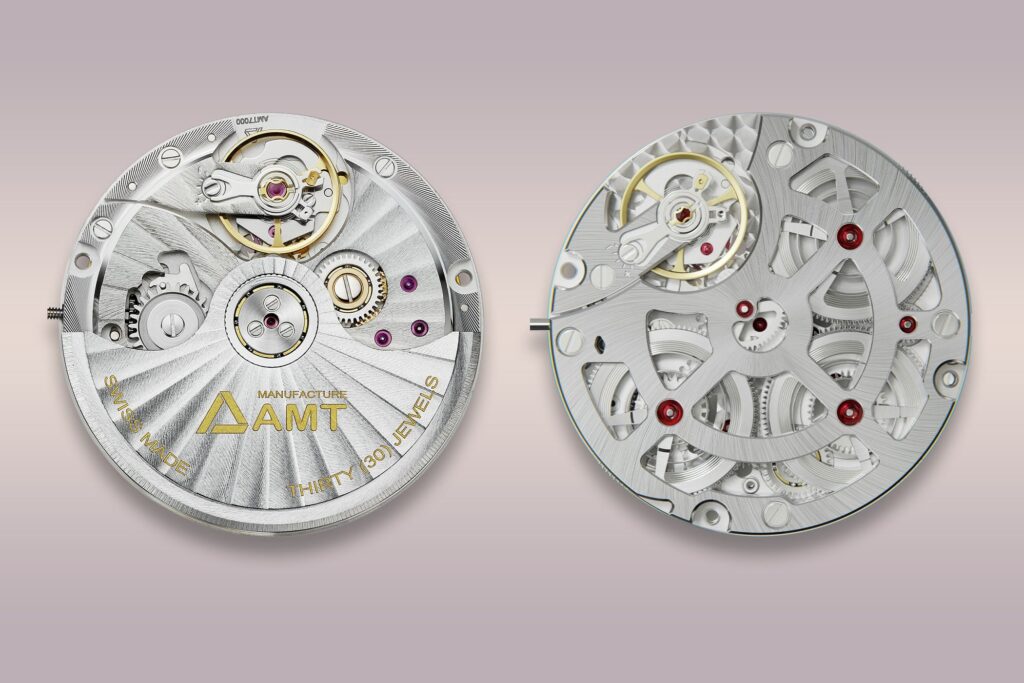
The AMT 7000 is the clearer technical statement of the two newly announced families.
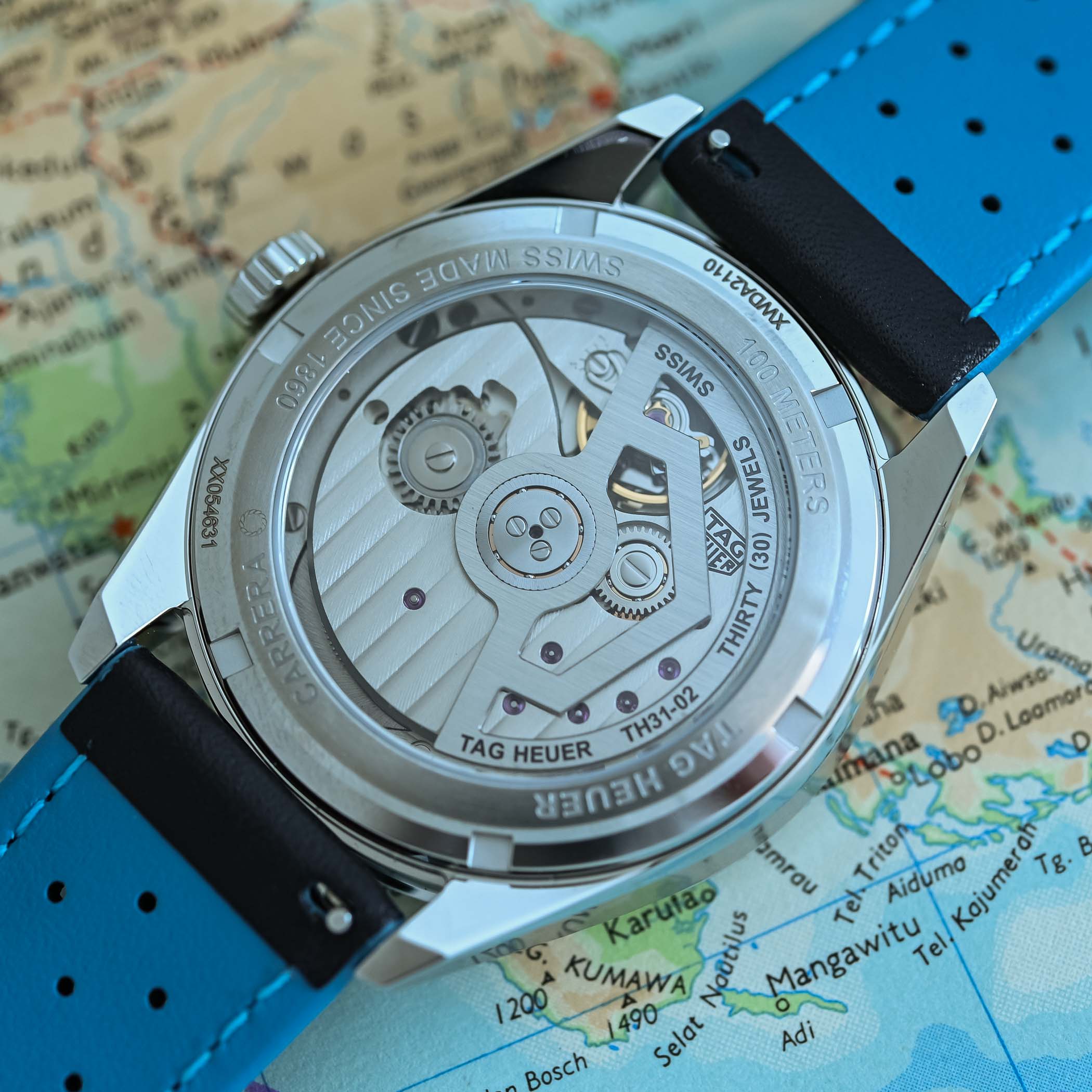
It has been developed with a target of ten years before its first service, placing long-term durability at the centre of the design brief.
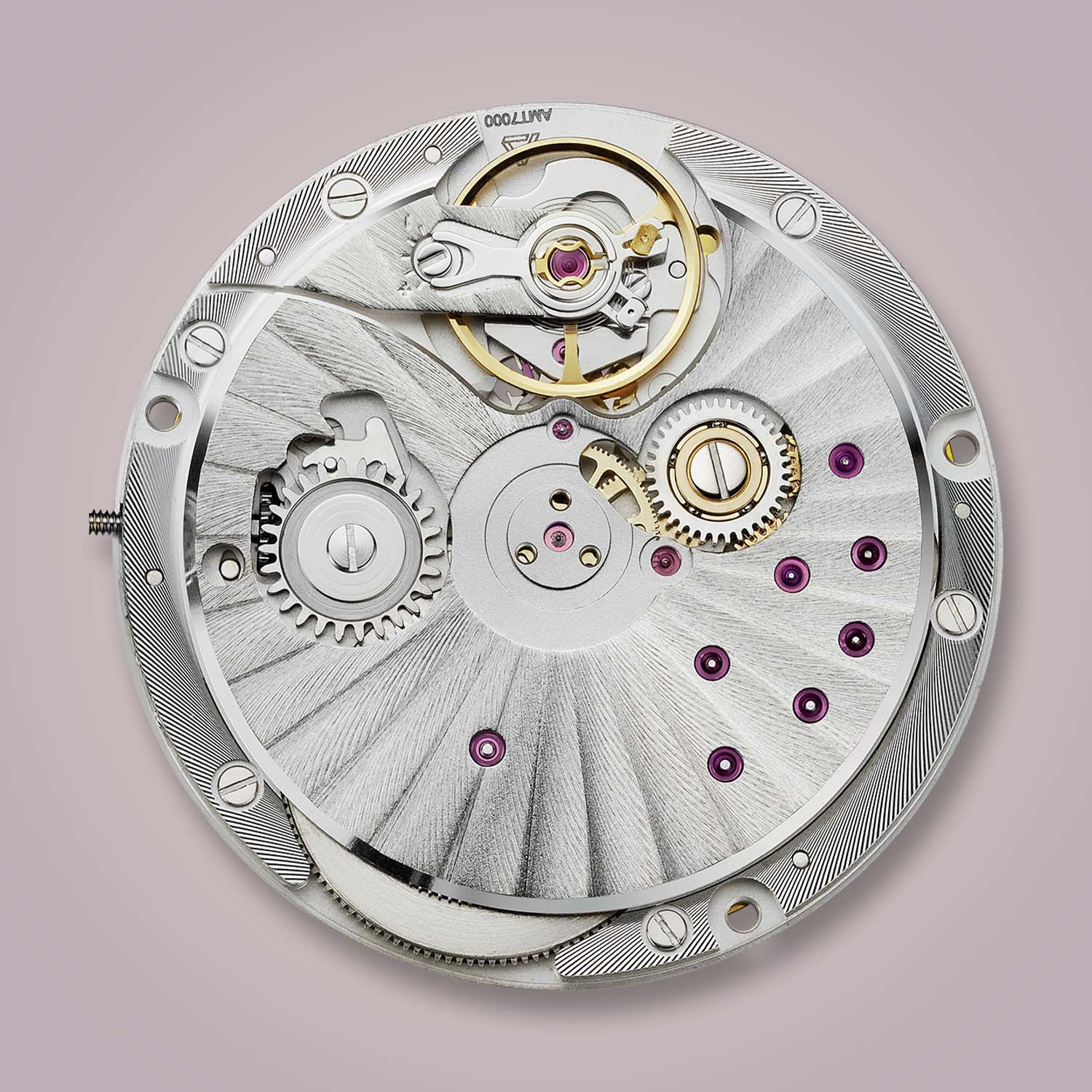
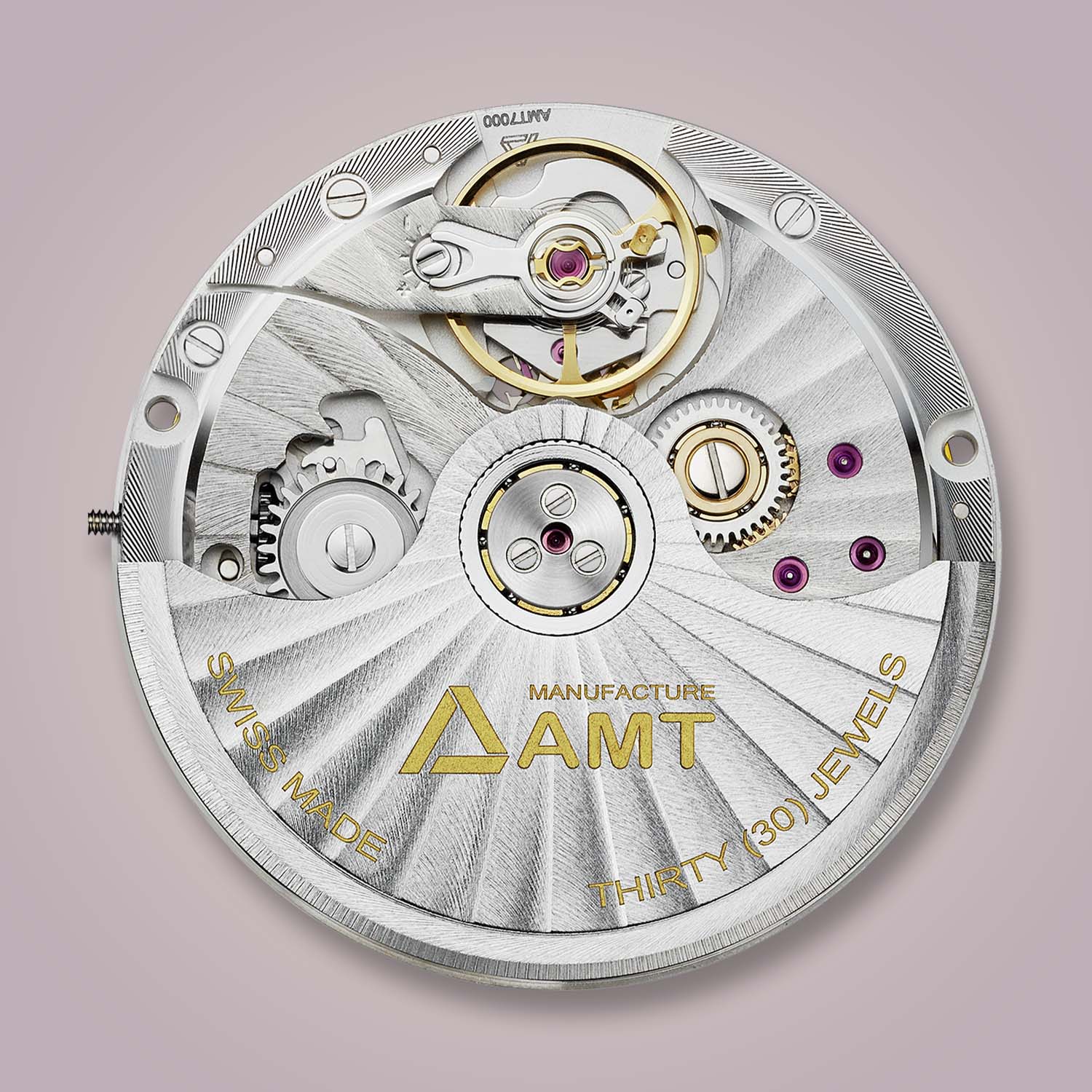
The calibre measures 30mm in diameter and 4.60mm thick, dimensions that should make it broadly adaptable for contemporary automatic watches without forcing oversized cases.
Every wheel is jewel-mounted, bringing the total jewel count to 30 rubies.

The movement also uses two ball bearings and two clutches, including a dedicated clutch for manual winding.
That detail is more than a comfort feature.
When the watch is wound by hand, the manual-winding system does not engage the automatic winding mechanism, which helps reduce unnecessary strain while keeping the action smooth.
The balance wheel has an inertia of 8 mg·cm², a specification intended to provide enough stability for chronometer-level performance and COSC certification.
Custom platforms for a more selective client list
The AMT 7000 and AMT 8000 are not being presented as consumer-facing watch launches.
They are movement families designed for brands, with deliveries expected to begin in early 2027.

High levels of customisation are possible, which is central to AMT’s appeal for companies that want a calibre architecture tailored to their design language, technical positioning or price segment.
This is also why AMT occupies such an interesting place in the watch industry.
The company offers a route between using a familiar mass-market calibre and building an entirely internal movement operation from scratch.

For many brands, that middle ground may be the most realistic way to create something meaningfully differentiated without sacrificing reliability or serviceability.
Details & Specifications
| Label | Value |
|---|---|
| Manufacturer | Manufacture AMT |
| Movement family | AMT 7000 |
| Movement type | Automatic mechanical calibre |
| Diameter | 30mm |
| Thickness | 4.60mm |
| Jewels | 30 rubies |
| Durability target | Ten-year interval before first service |
| Winding architecture | Two ball bearings and two clutches, including a dedicated clutch for manual winding |
| Balance inertia | 8 mg·cm² |
| Certification target | Designed with stability suitable for chronometer and COSC certification |
| Expected deliveries | Early 2027 for partner brands |
For collectors, the important point is not simply the name printed on a rotor, but the growing sophistication of the movement infrastructure beneath many modern watches.
Manufacture AMT’s new families show how the next generation of Swiss calibres may increasingly come from specialised partners working just out of public view.