Kubili House has always occupied a compelling position in the Greater Kruger ecosystem, sitting deep inside Thornybush Private Game Reserve with the privacy of a standalone bush estate.
Now the exclusive-use retreat is being carefully reshaped under new ownership, with a December reopening planned and a brief that appears more precise than cosmetic.
The aim is to preserve the lodge’s raw, tactile character while making the experience smoother, quieter and more personal for families and private groups.
At a glance
- Kubili House is being renewed under new ownership ahead of a planned December reopening in Thornybush Private Game Reserve.
- The exclusive-use estate offers eight bedrooms across seven luxury suites, with seven pools and a growing list of private leisure spaces.
- New upgrades include solar power, water recycling, a spa, gym, wine room, cinema, games room and a more active approach to safari guiding.
A private safari estate with room to disappear
Kubili House isn’t arranged like a conventional lodge, and that remains one of its defining strengths.
Guests take the entire property, rather than booking individual rooms, which gives the place the rhythm of a private residence rather than a hotel.
That matters in the bush, where the best days often unfold without a strict clock.
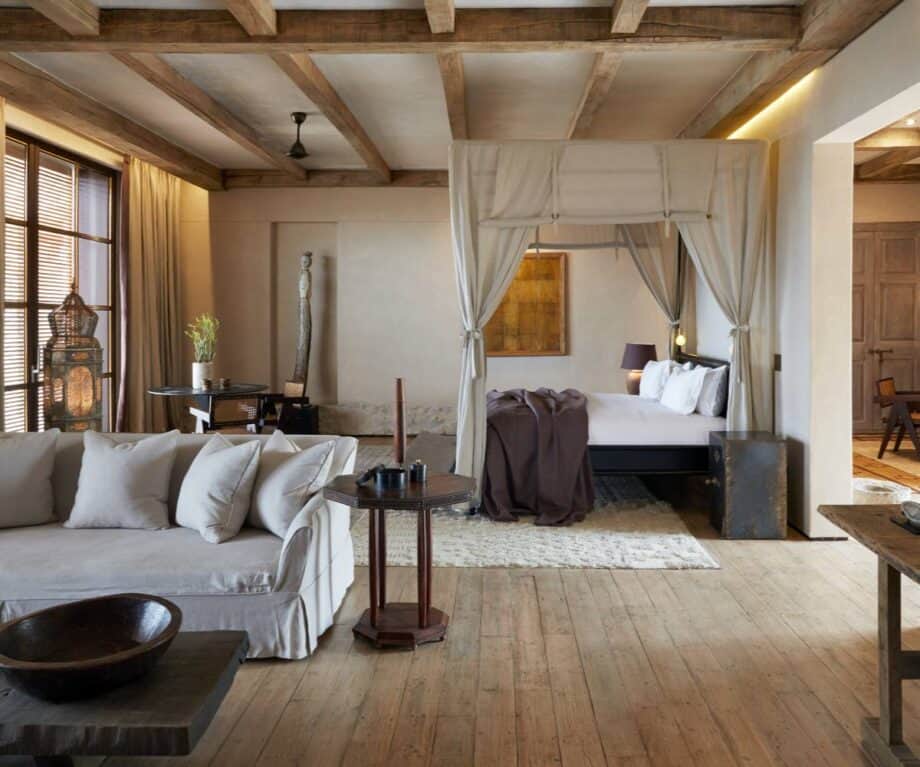
The estate has eight bedrooms spread across seven separate luxury suites, a layout that suits multigenerational families, close friends and groups who want shared time without surrendering personal space.
Seven pools are positioned across private decks and communal areas, giving guests options throughout the day rather than concentrating everyone around a single swimming spot.
In the heat of the afternoon, that privacy becomes more than an indulgence.
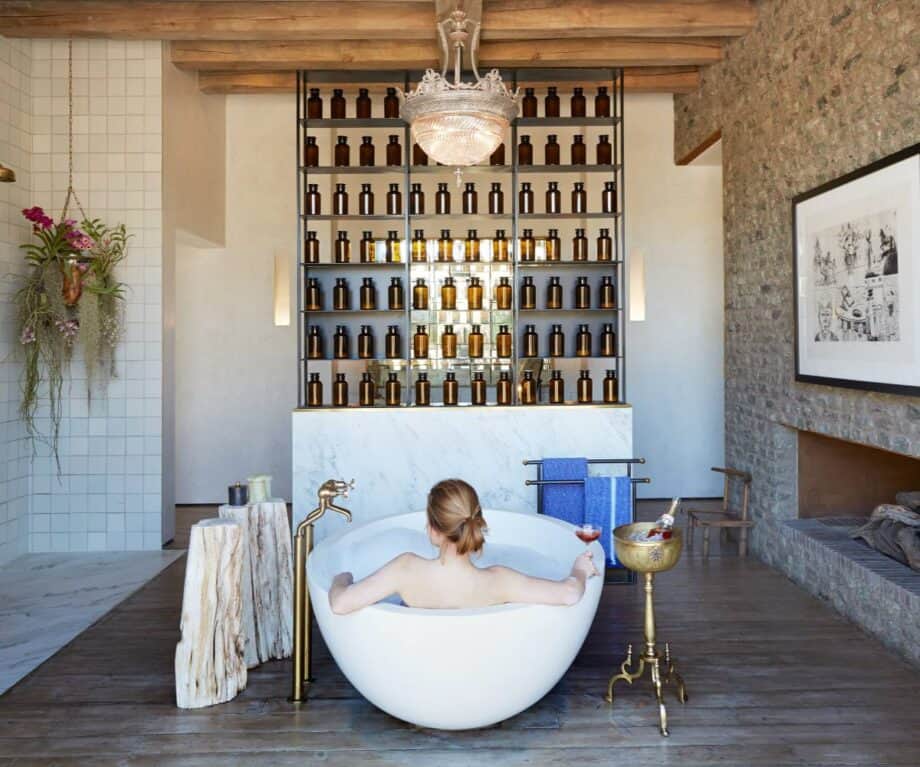
It allows someone to read quietly, another guest to cool off after a game drive, and the rest of the group to gather elsewhere without the property ever feeling crowded.
The renovation keeps the texture but raises the finish
The current work at Kubili House is being handled by a dedicated team of architects, interior designers and landscapers.
The brief is not to scrub away the personality of the property, but to refine the details that shape comfort over a longer stay.
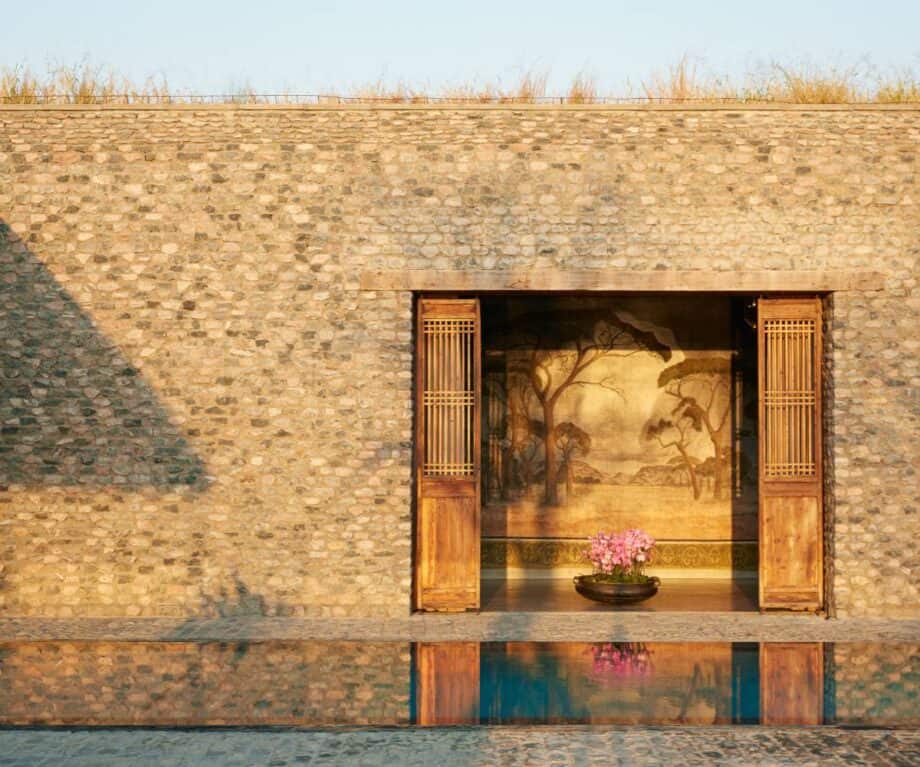
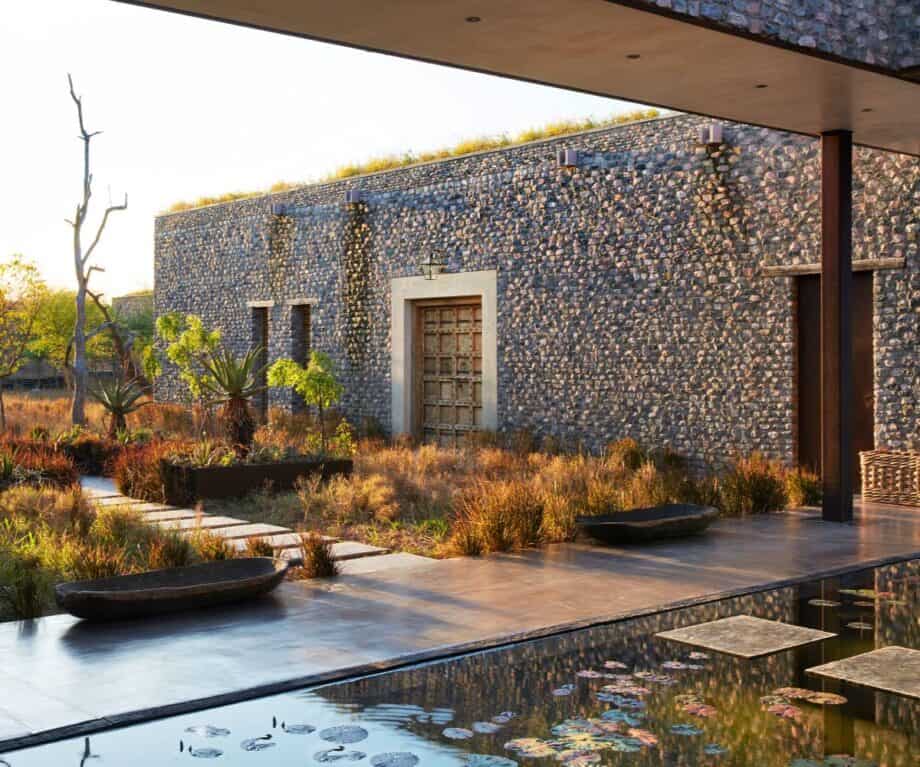
That means improved finishes, better insulation and upgraded bedding, while retaining the organic materials and earthy textures that give the villa its sense of place.
The upgrades extend beyond the suites and main living areas.
A golf simulator is being introduced for downtime between drives, while a games room and private cinema should prove especially useful for families during the hottest part of the day.

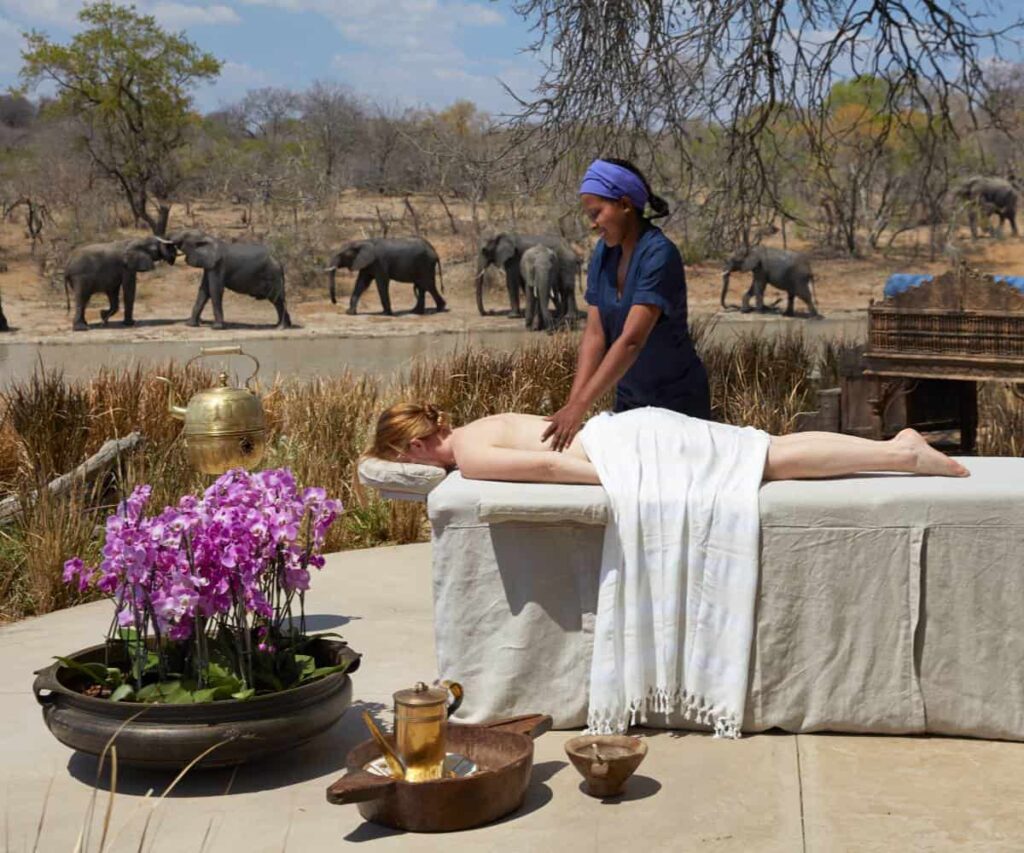
A dedicated spa and gym are also being worked into the layout, giving guests the option of a massage or training session without leaving the estate.
The new wine room adds a distinctly South African layer to the hospitality programme, with space created to showcase local vintages alongside the kitchen’s changing menus.
Lower-impact luxury in a fragile ecosystem
Luxury safari properties are increasingly judged not just by comfort, but by how they behave in the landscape they sell as an experience.
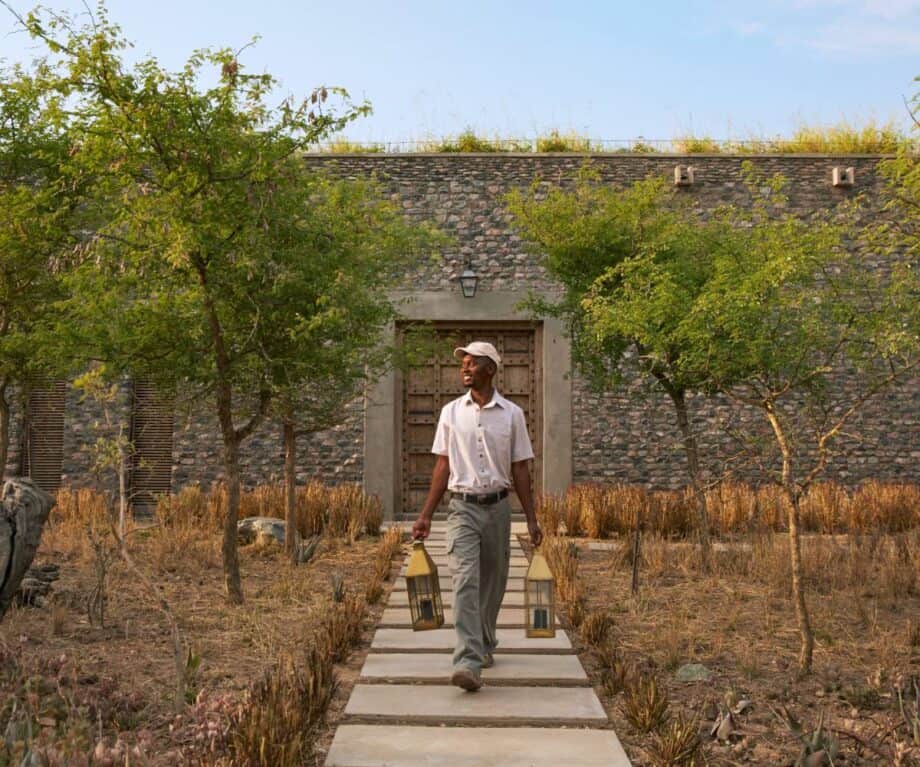
At Kubili House, the environmental direction is being built into the physical and operational upgrades.
Heavy-duty solar arrays and advanced water recycling systems are part of the refreshed infrastructure.
Local building materials are being used where possible, while the landscaping is being limited to indigenous planting.
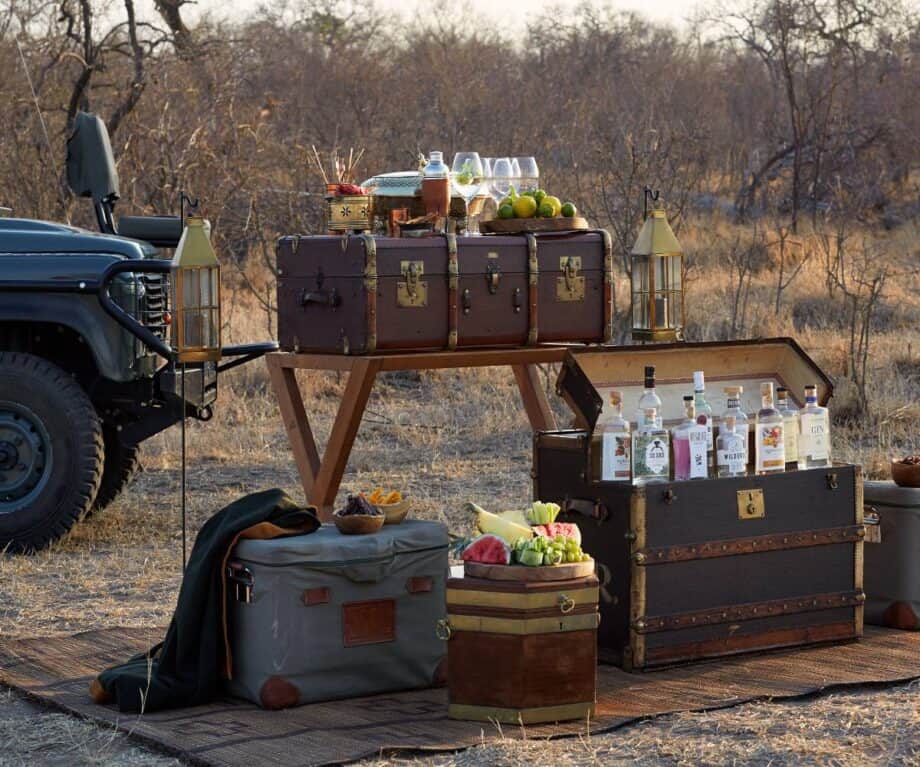
That restraint is important in Thornybush, where the surrounding environment is not decoration but the reason guests travel there in the first place.
The strongest safari properties don’t try to compete with the bush.
They understand when to soften their own presence and let the setting do the work.
Tracking becomes the centre of the safari
The most interesting shift may not be inside the house at all.
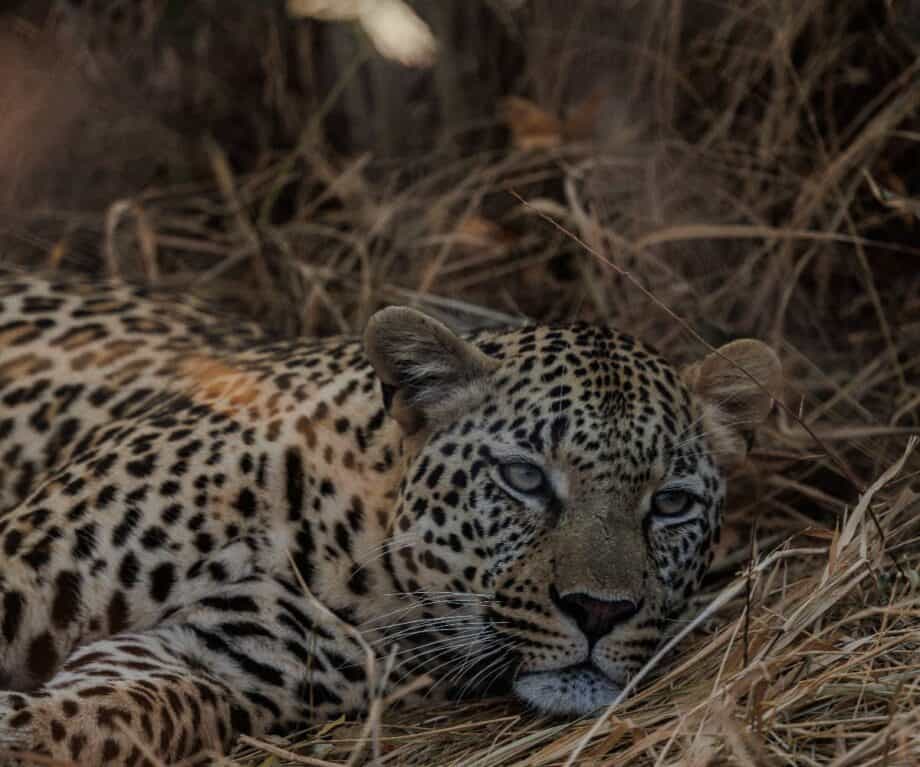
Kubili House is placing greater emphasis on active tracking, moving the safari experience away from a passive drive-and-wait model.
The guiding team is expected to focus on the small signs that reveal how wildlife is moving through the reserve.
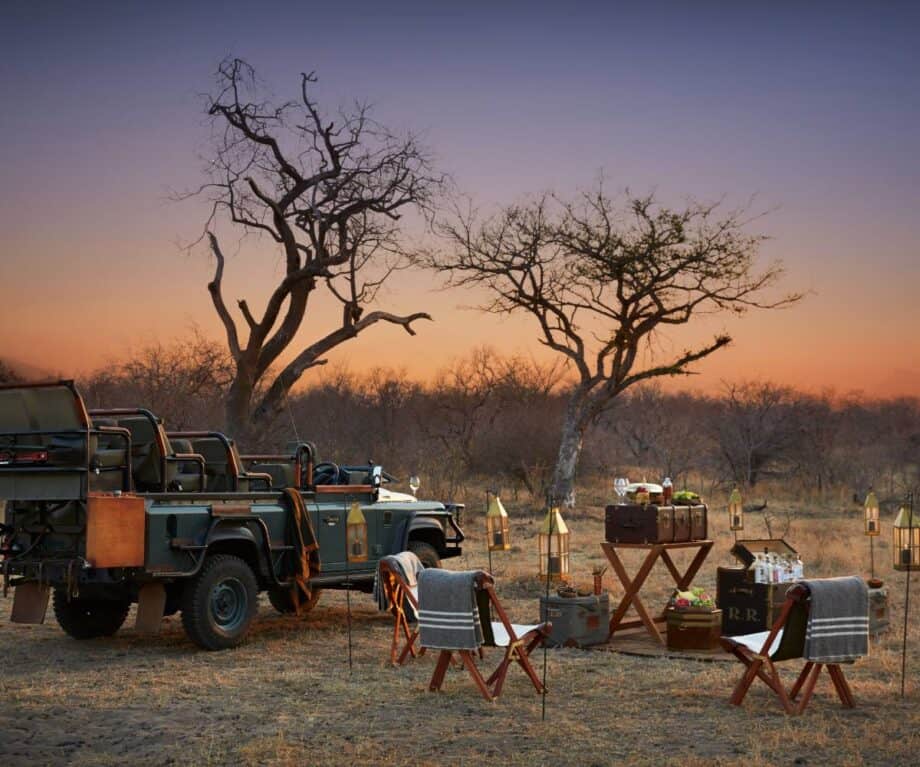
That might mean a fresh mark in the dust, an alarm call, a change in the behaviour of antelope, or the tense stillness that suggests a predator is nearby.
For guests, this changes the tone of a game drive.
Rather than simply sitting in a vehicle and hoping for a sighting, the experience becomes more participatory and more educational.
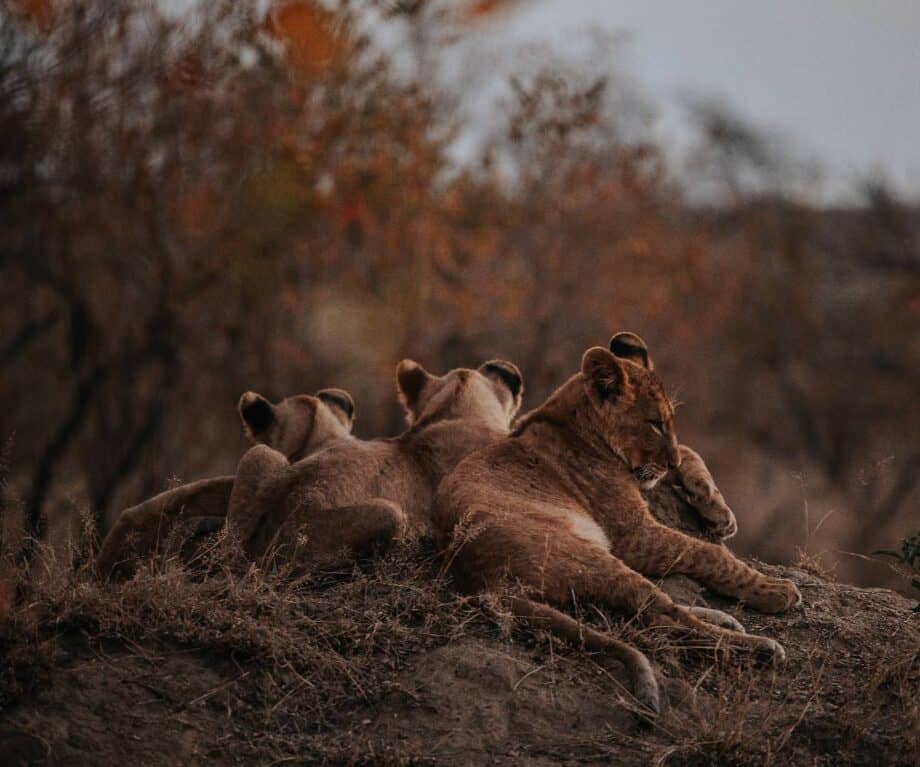
It also suits travellers who have done several safaris before and want a deeper sense of fieldcraft, not just another checklist of animals seen before breakfast.
Kubili House’s next chapter looks most convincing where it resists excess for its own sake.
The reopening brings more polish, more privacy and more to do on property, but its real appeal lies in pairing that comfort with a sharper understanding of the bush around it.