Otsuka Lotec has become one of the more intriguing names in contemporary independent watchmaking, partly because it still carries the aura of a Japan-only discovery.
Behind the brand’s instrument-like cases and mechanical displays is Jiro Katayama, a founder who didn’t come through a traditional watchmaking path and still approaches the craft with the instincts of an industrial designer.
His story matters because Otsuka Lotec doesn’t feel like a watch brand reverse-engineered from market demand; it feels like the result of one person learning how to make the objects he wanted to see exist.
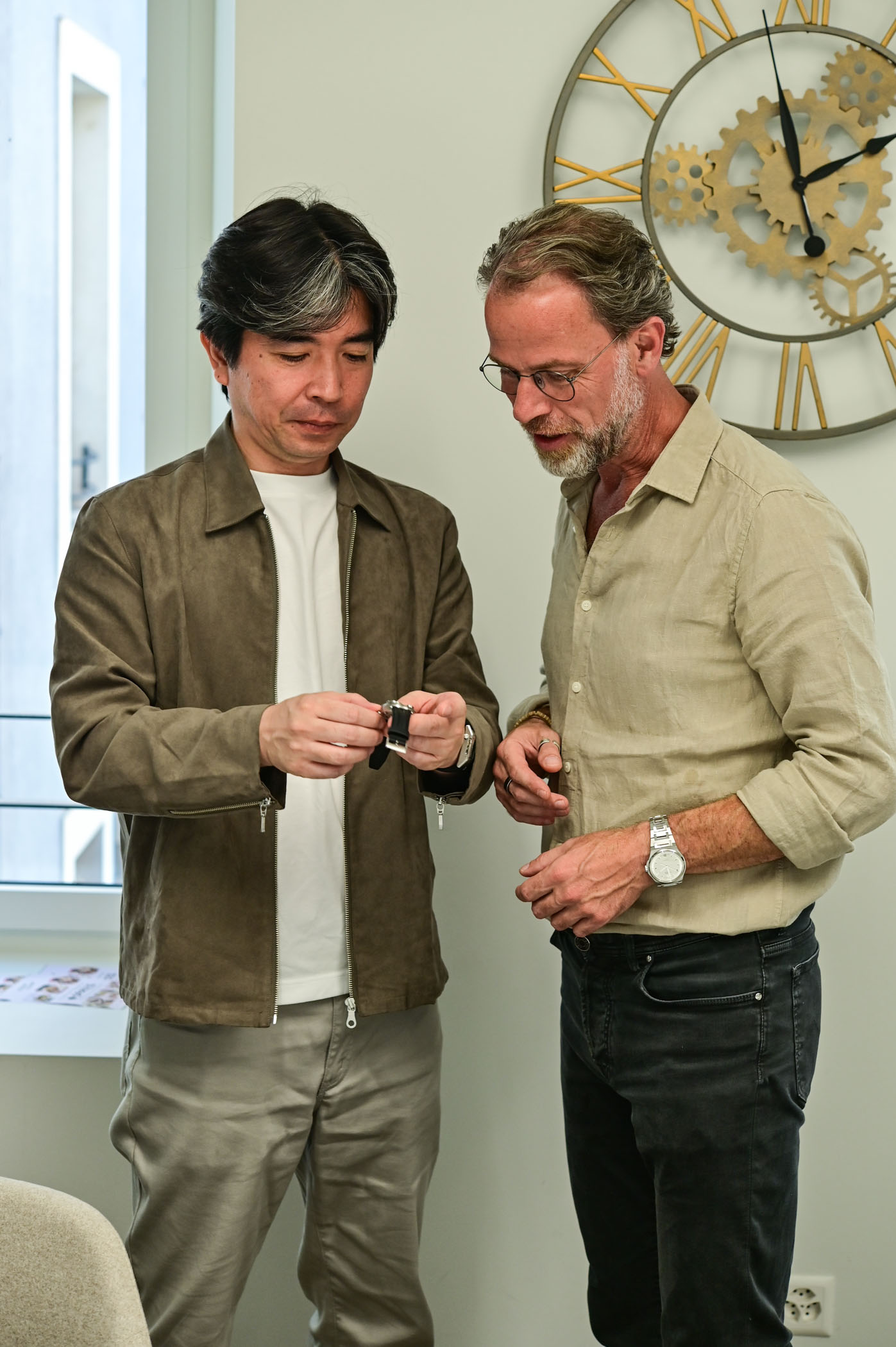
At a glance
- Otsuka Lotec founder Jiro Katayama has built a distinctive Japanese independent watch brand from a non-traditional watchmaking background.
- The watches draw from vintage cameras, industrial gauges, machinery and mechanical display systems, with design and prototyping still led by Katayama.
- The brand remains Japan-focused for now, with domestic infrastructure and growing production taking priority before any possible overseas expansion.
From a small lathe to a watch brand
Katayama’s route into watchmaking began around 2008, when he impulse-bought a small lathe through an online auction while working as a product designer.
He has said the original intention wasn’t to launch a brand, but to practise machining by making a watch case, because the scale seemed manageable on compact equipment.
That experiment led to his first piece, known as “No. 1,” for which he machined only the brass case to his own design.

The finish was crude by his own account, but the project taught him about material behaviour and the importance of designing with assembly in mind.
Katayama didn’t train formally as a watchmaker.
He learned largely through online research, studying images of disassembled movements and videos of watchmakers, then building, testing and revising through trial and error.
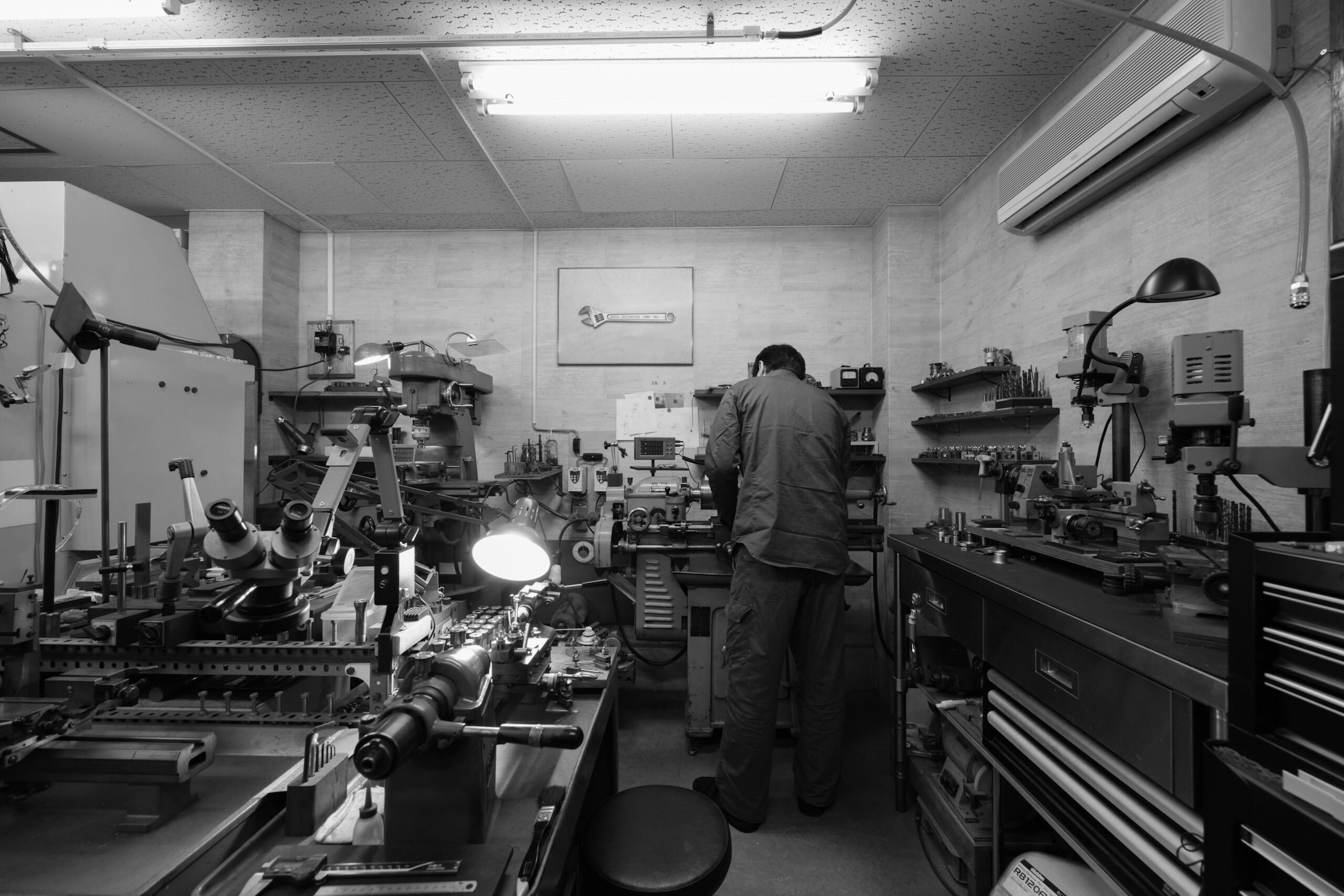
That self-directed process is central to understanding why Otsuka Lotec looks and feels different from more conventional independent watchmaking.
An industrial language shaped by machinery
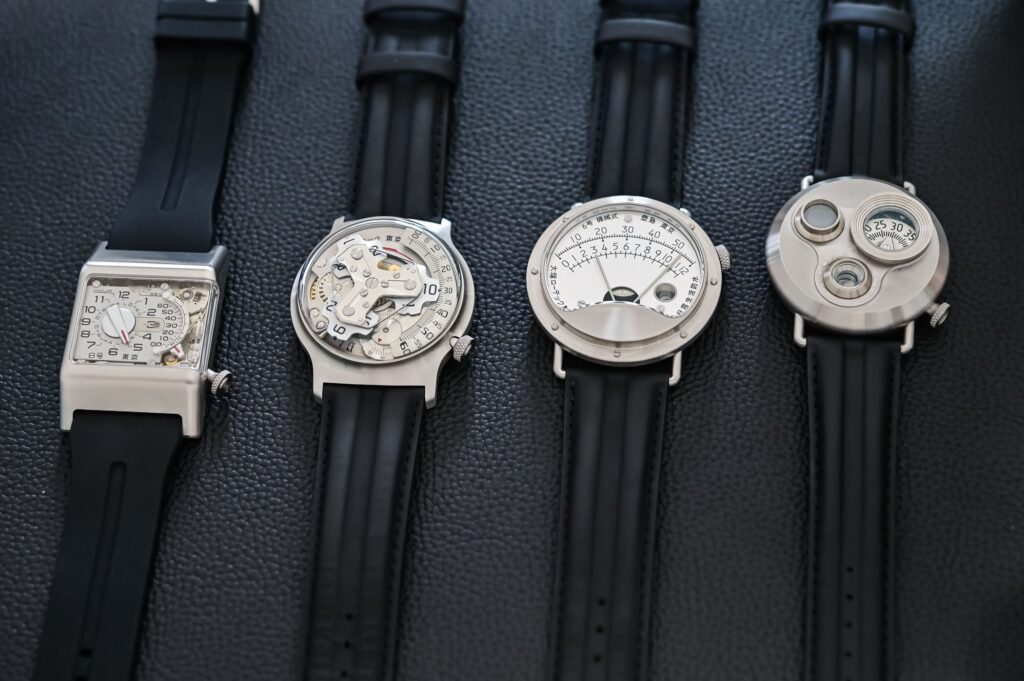
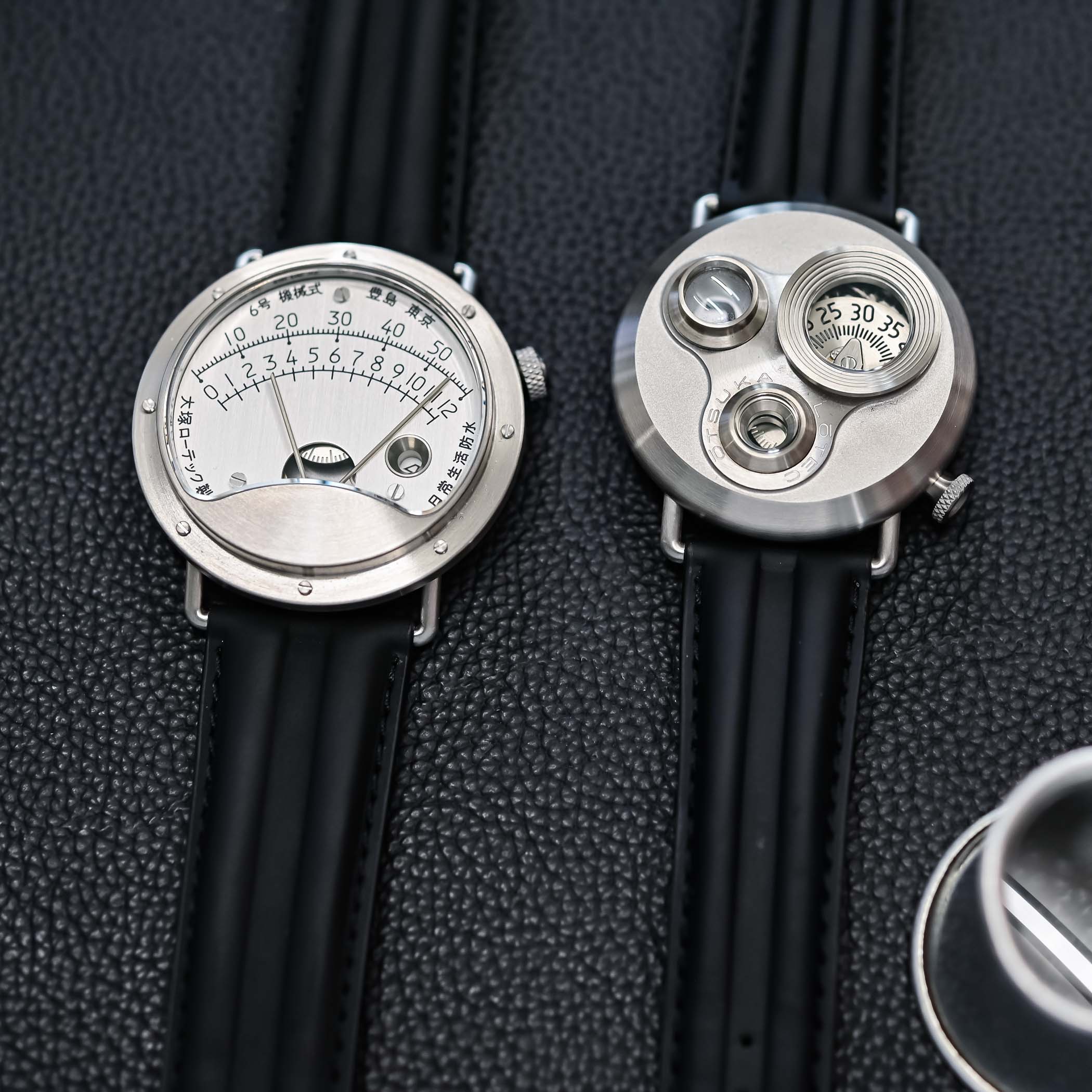
Otsuka Lotec’s watches are often described through the language of vintage cameras, gauges, instruments and machinery, and Katayama has acknowledged those references as accurate.
His attraction is not simply nostalgic.
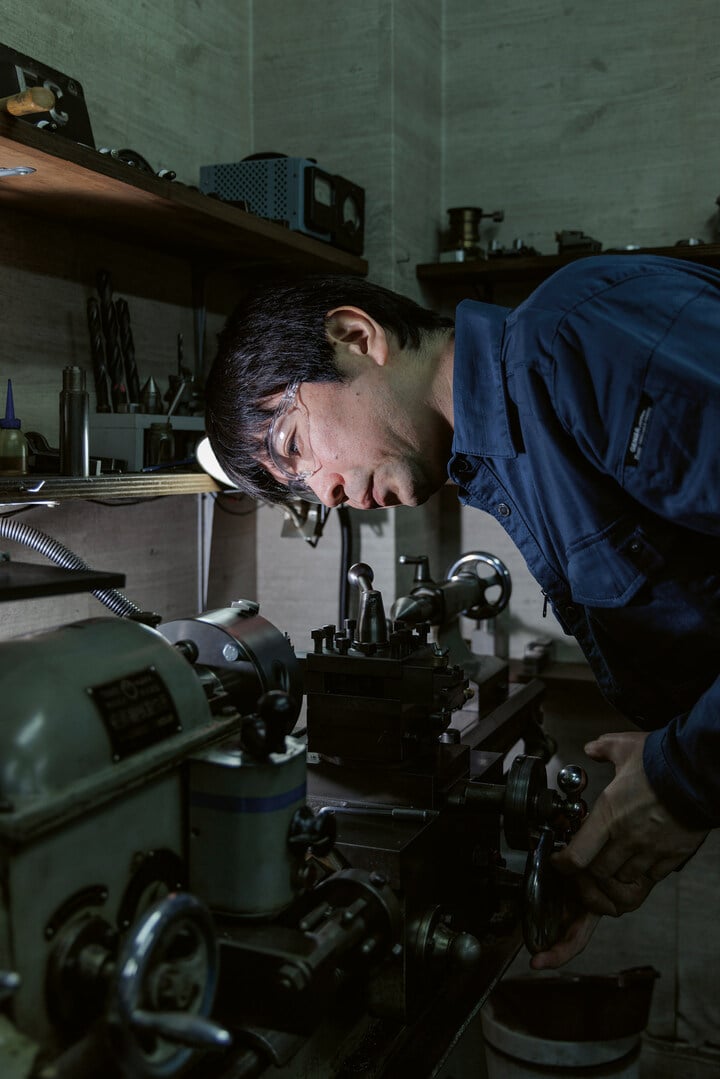
He has pointed to older industrial products as objects where the individuality of their creators feels more visible than in many contemporary, highly specialised products.
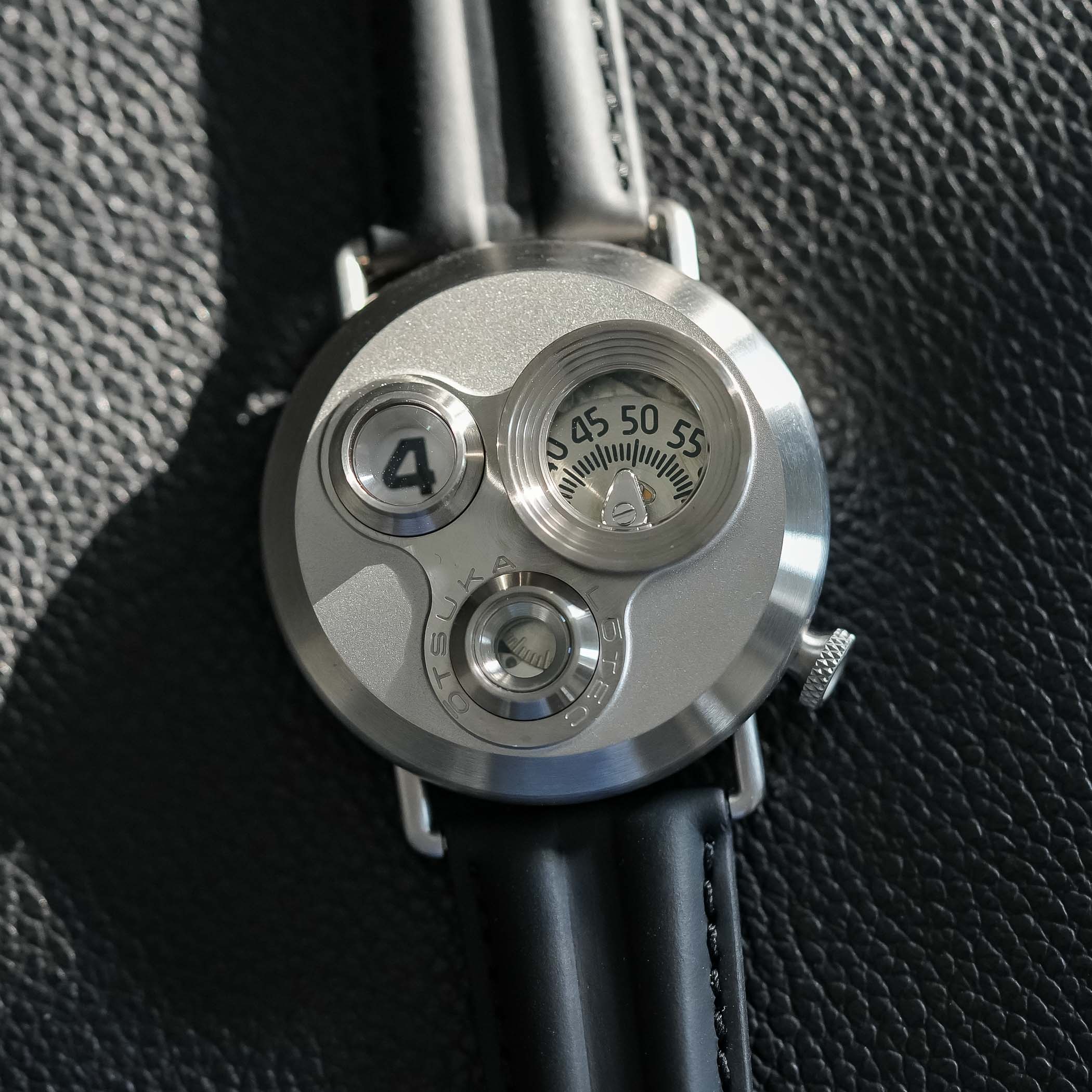
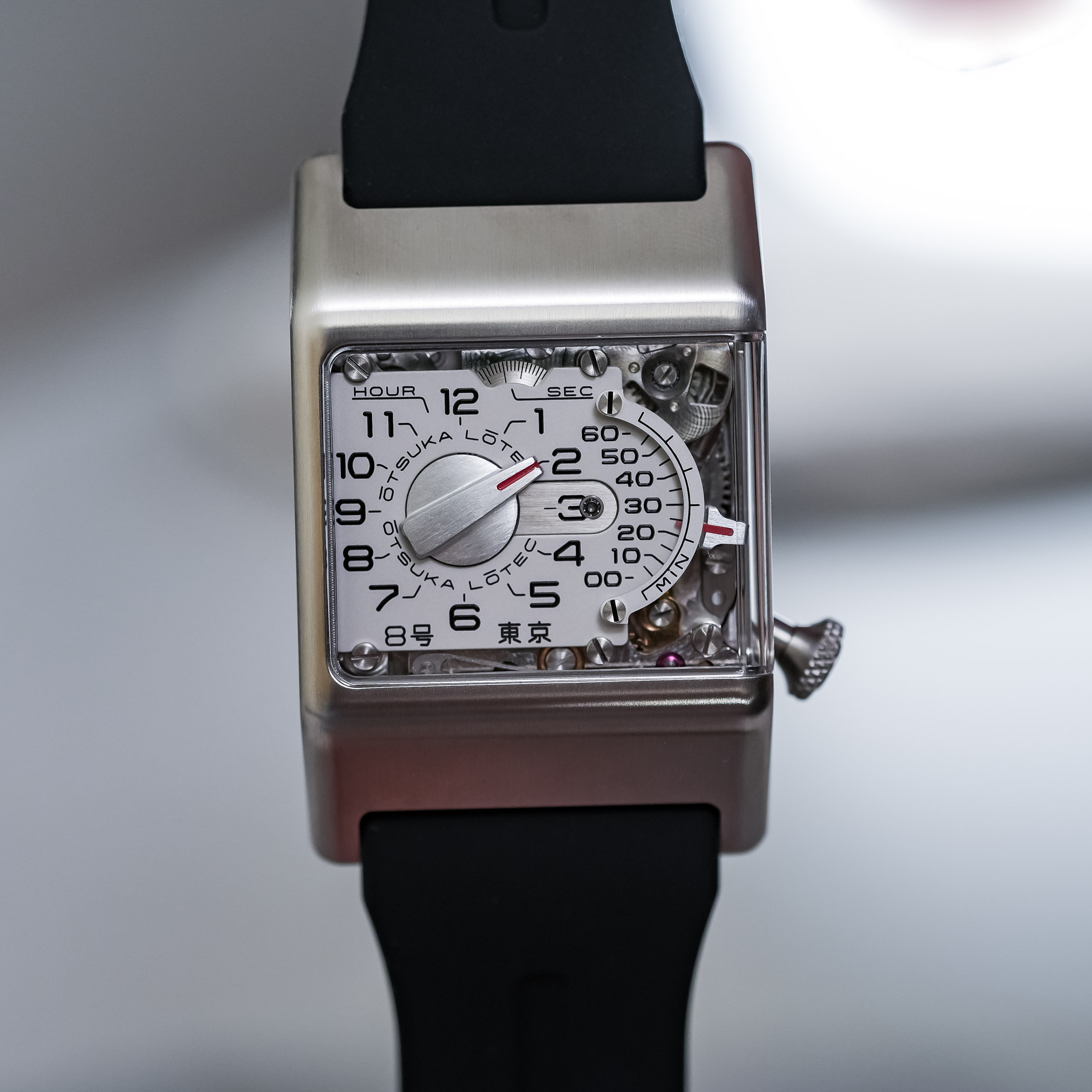
That influence shows in watches that can appear more constructed than decorated, with dials, indicators, cases and mechanical displays arranged like working apparatus.
Katayama designs in 3D CAD and pays close attention to how mechanical components create depth, overlap and shadow.
He also varies textures across different elements, which helps give the watches their layered, tool-like presence rather than a flat dial-and-case composition.
His background in automotive and product design still plays an important role.
He has described watchmaking as operating at a much finer level of detail than the products he previously worked on, but the skills of proportion, layout and surface composition remain directly useful.
A home-workshop mindset at a larger scale
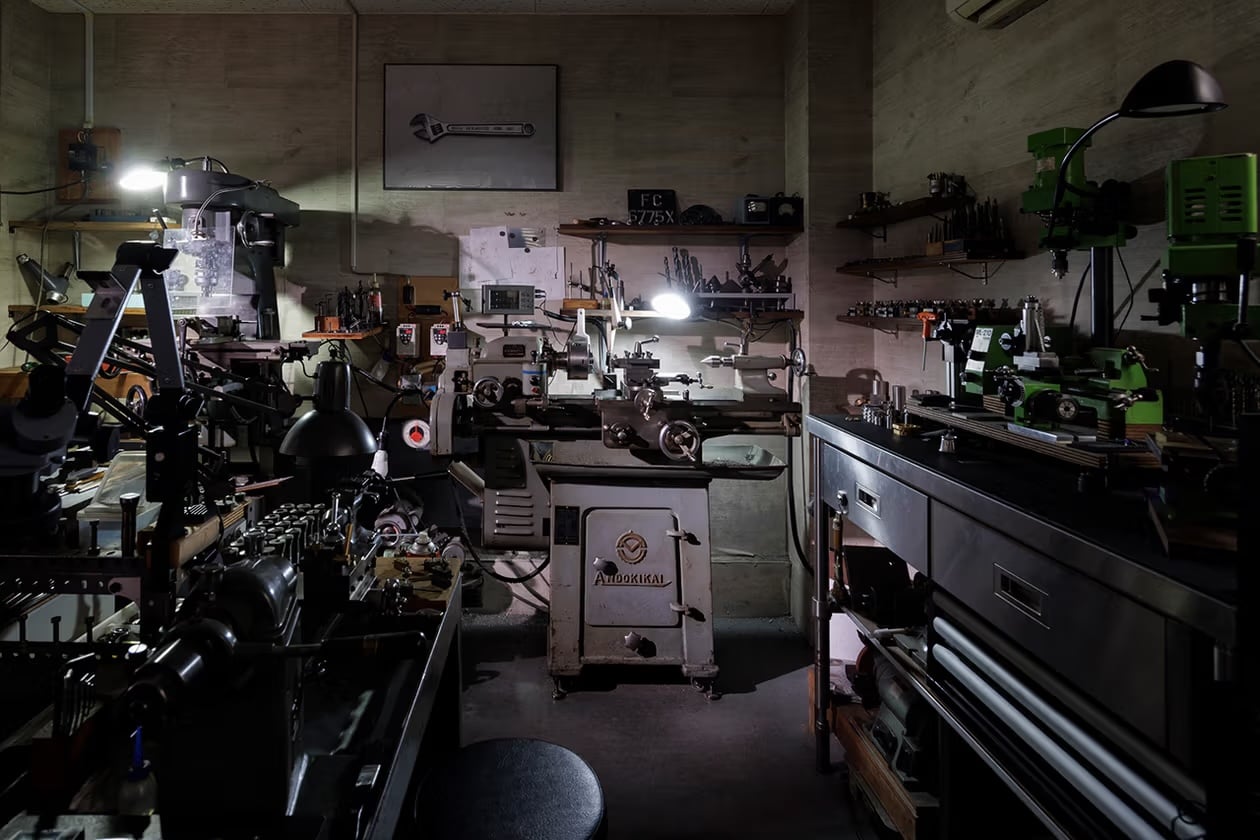
In the earliest period, Katayama had no established supplier network and made components at home using tools and materials he could source as a regular consumer.
That extended beyond cases, as he has described turning glass and lenses from raw sheets and rods, and using items from model hobby shops and stationery stores when they helped him realise an idea.
The brand’s development has since involved Hajime Asaoka and Precision Watch Tokyo, but Katayama says the creative process itself has not fundamentally changed.
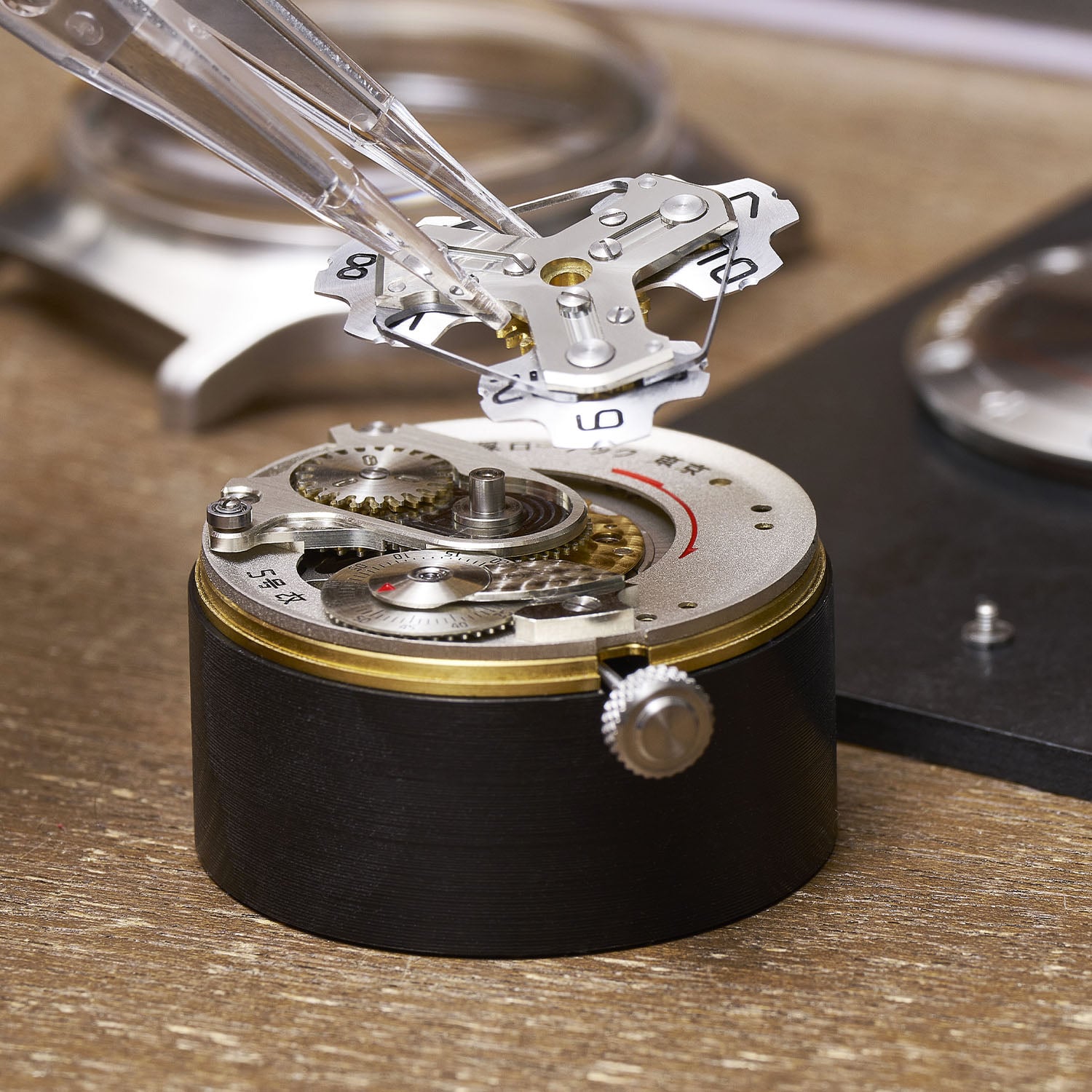
He still handles design, engineering and prototyping in his home workshop.
What has changed is the room to pursue more complex work, with improved product quality and greater technical ambition expanding what Otsuka Lotec can attempt.
Even so, Katayama frames the brand’s identity in direct terms: making the wristwatches he personally wants.

Japan first, with overseas demand waiting
Otsuka Lotec’s international following has grown despite the watches being notably difficult to buy outside Japan.
That scarcity has undoubtedly added to the brand’s appeal, but Katayama’s position is more practical than strategic mystique.
He considers the brand’s Japanese origin important, while also acknowledging that the small team cannot yet fully meet demand.
For now, the priority is building domestic infrastructure and increasing production volume.
Overseas expansion is being considered, but Katayama has indicated that any move beyond Japan will be taken gradually.
That restraint suits the brand.
Otsuka Lotec’s appeal lies in the specificity of its world, from its industrial references to its home-workshop logic, and rapid scaling would risk sanding down the very character that made collectors notice it in the first place.
Katayama’s fascination with mechanical watches remains rooted in their ability to keep time through a mainspring while carrying complex mechanisms on the wrist.
For collectors drawn to independent watchmaking with a strong authorial voice, Otsuka Lotec is compelling because it still feels close to the bench, close to the sketch, and close to the person making the decisions.