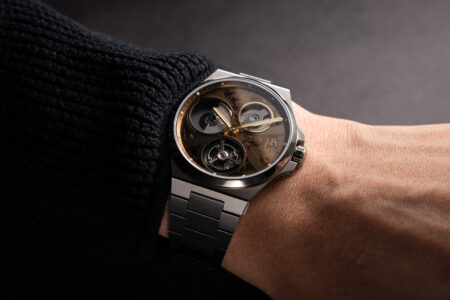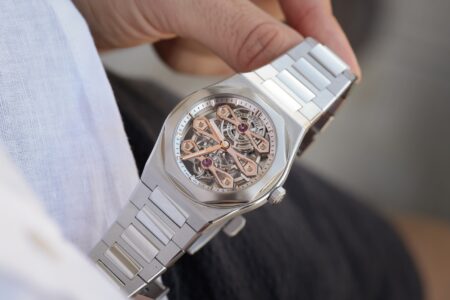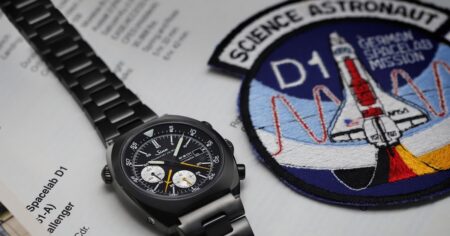
Choosing a movement is one of the earliest decisions that can define a young watch brand, especially when the dial is designed to reveal the mechanics underneath.
For Tektora founder Alex I., the answer was the Miyota 90S5, not simply because it fit the brief, but because it made the watch’s open-heart concept possible in the way he wanted it.
The more interesting part is what that decision forced elsewhere, from the 6 o’clock aperture to an offset crown at 4 o’clock.
At a glance
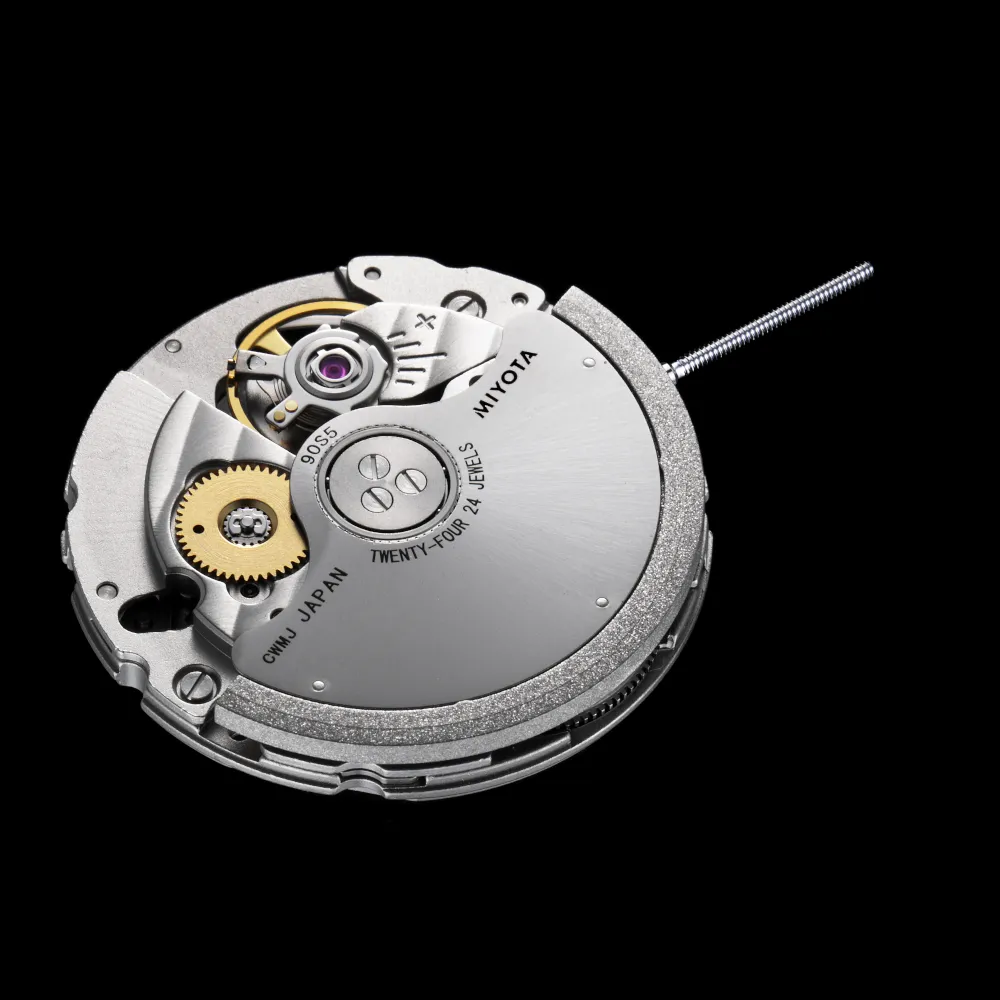
- Tektora selected the Miyota 90S5 for its thin profile, high-beat rate and gilt-decorated bridges.
- The desired 6 o’clock open-heart placement required the movement to be rotated, shifting the crown to 4 o’clock.
- The watch is built around a 38mm 316L stainless steel case, an 11mm height and a 32mm dial opening.
Why the Miyota 90S5 made the cut
Alex considered three movement options before settling on the Miyota 90S5.
The Seiko NH35 had the familiar advantages of reliability, affordability and broad use across the microbrand landscape, but its thickness of more than 5mm and its 21,600 bph beat rate worked against the brief.
In a 38mm watch with a multi-layer dial, that extra height mattered.
The Sellita SW200 offered a Swiss alternative, but Alex says it would have raised the price point significantly and was arguably harder to source for a 100-piece run.
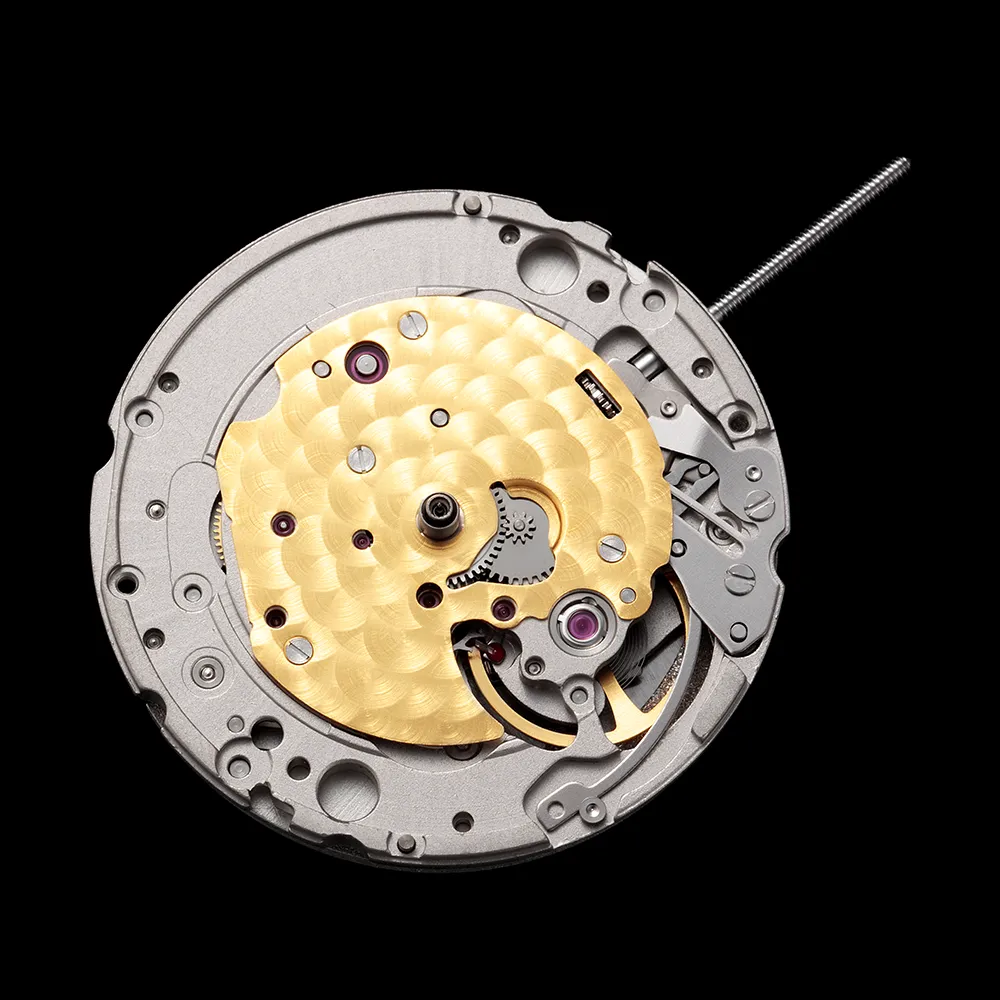
Just as important for this watch, it didn’t provide the same gilt decoration that makes the 90S5 visually useful through an open-heart aperture.
The Miyota 90S5 brought together the practical and aesthetic requirements.
It measures 3.90mm thick, runs at 28,800 bph and uses 24 jewels, while its gilt-decorated bridges and gold-toned rotor were designed to be seen rather than hidden.
For a watch built around a meteorite dial and a visible balance, that matters more than it might on a closed-dial design.
The engineering behind the 6 o’clock aperture
The standard open-heart position of the Miyota 90S5 is at 5 o’clock, which is where many brands would leave it.
Alex wanted the aperture at 6 o’clock instead.
That single decision changed the architecture of the watch.
To move the visible balance to 6 o’clock, the entire movement had to be rotated inside the case, which meant the crown could no longer sit in the conventional 3 o’clock position.
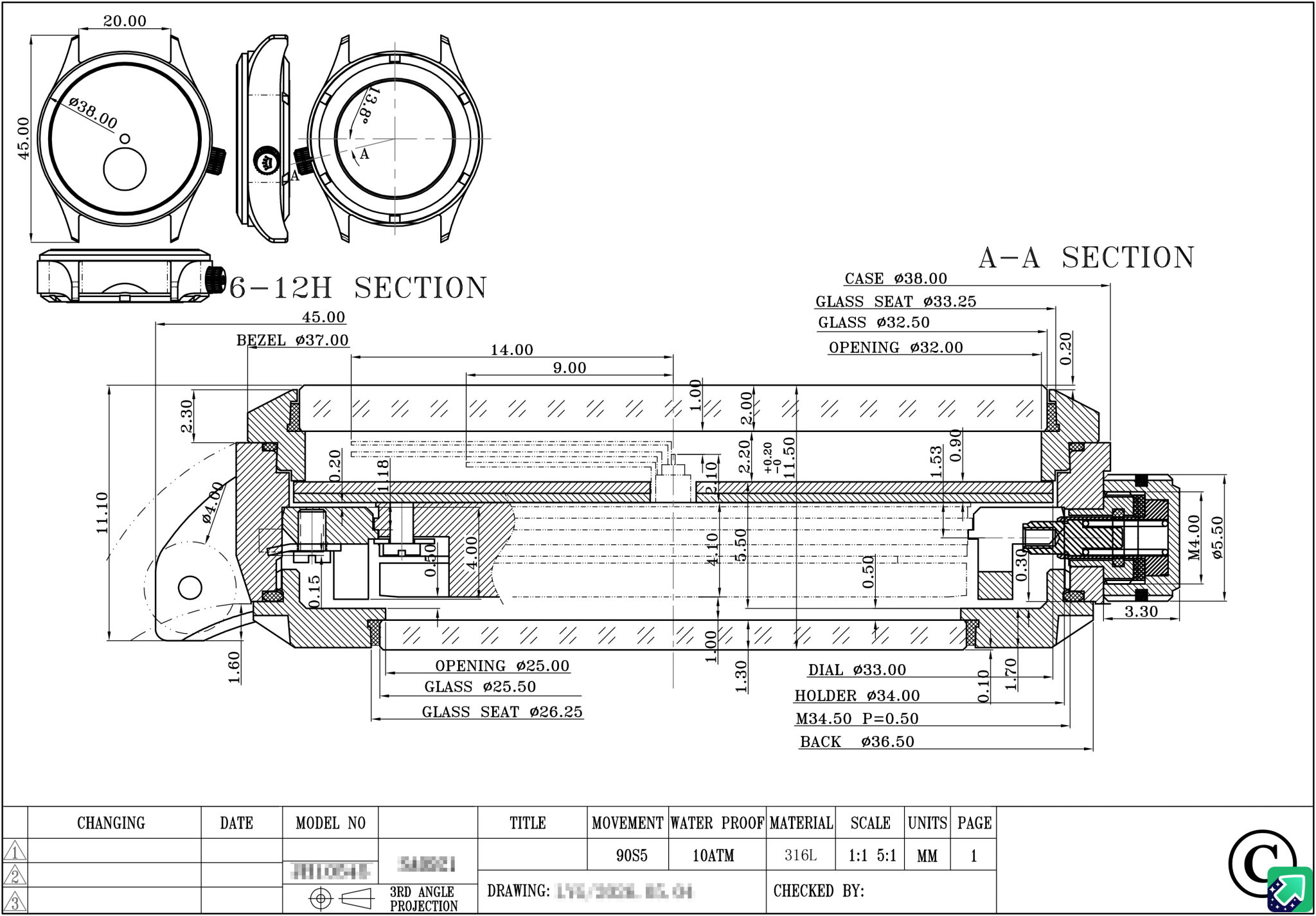
The crown is instead positioned at 4 o’clock, creating a small but telling asymmetry on the case flank.
Alex says several production partners questioned whether the change was worth the added work for a 100-piece run.
The point was not novelty for its own sake, but dial balance.

At 6 o’clock, the open heart anchors the lower half of the watch and visually answers the applied Breguet numerals at 12.
It also creates a cleaner vertical axis across a dial that already has strong material contrast, with grey meteorite, guilloche detailing and the warm gold of the balance.
An open heart designed to be divisive
Open-heart watches remain one of the more polarising choices in enthusiast circles.
Alex acknowledges the criticism, particularly when the aperture feels like a factory shortcut rather than a considered design decision.
The common complaint is easy to understand.
A low-beat movement, undecorated plates and a hole placed wherever the template allows can make the feature feel superficial.

Tektora’s approach is more deliberate.
The movement was chosen partly because its visible components are decorated, and the aperture was moved because the intended dial composition required it.
The result is still unlikely to convert collectors who dislike open hearts on principle.
But for buyers drawn to visible mechanics, meteorite texture and unconventional symmetry, the decision gives the watch a clearer identity.
That may be the more useful lesson for a microbrand than trying to make a watch that offends no one.
Case proportions and dial presence
The case is made from 316L stainless steel and measures 38mm in diameter, with a height of 11mm and a 45mm lug-to-lug measurement.
Those proportions are central to the project because the watch has to carry a multi-layer meteorite dial without becoming bulky.
The 90S5’s 3.90mm movement thickness helps keep the case slim enough to sit under a cuff.
The dial opening measures 32mm, larger than the 28mm to 30mm opening Alex identifies as typical at this price level.
That gives the watch more visual spread on the wrist while preserving the compact 38mm case diameter.
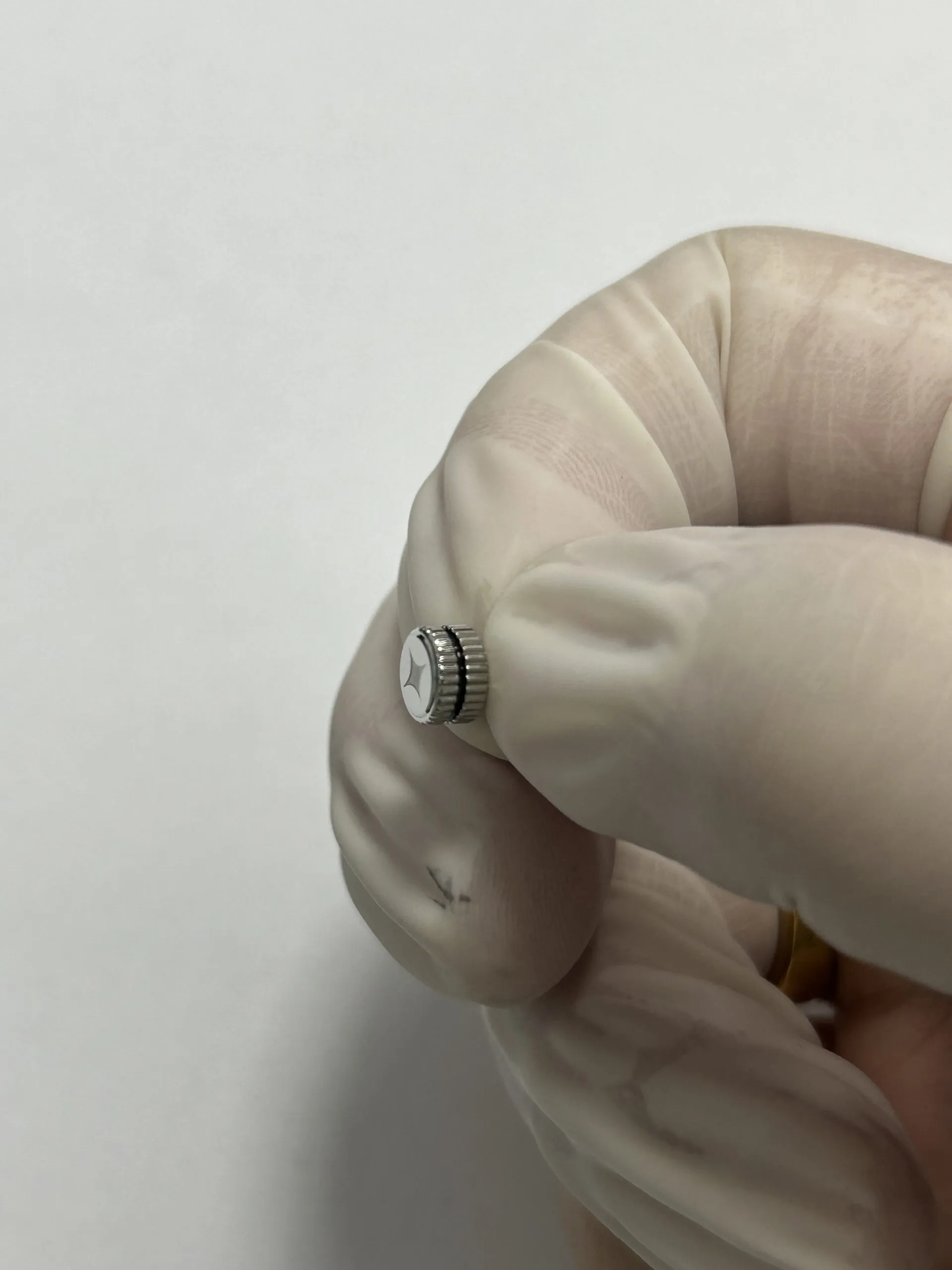
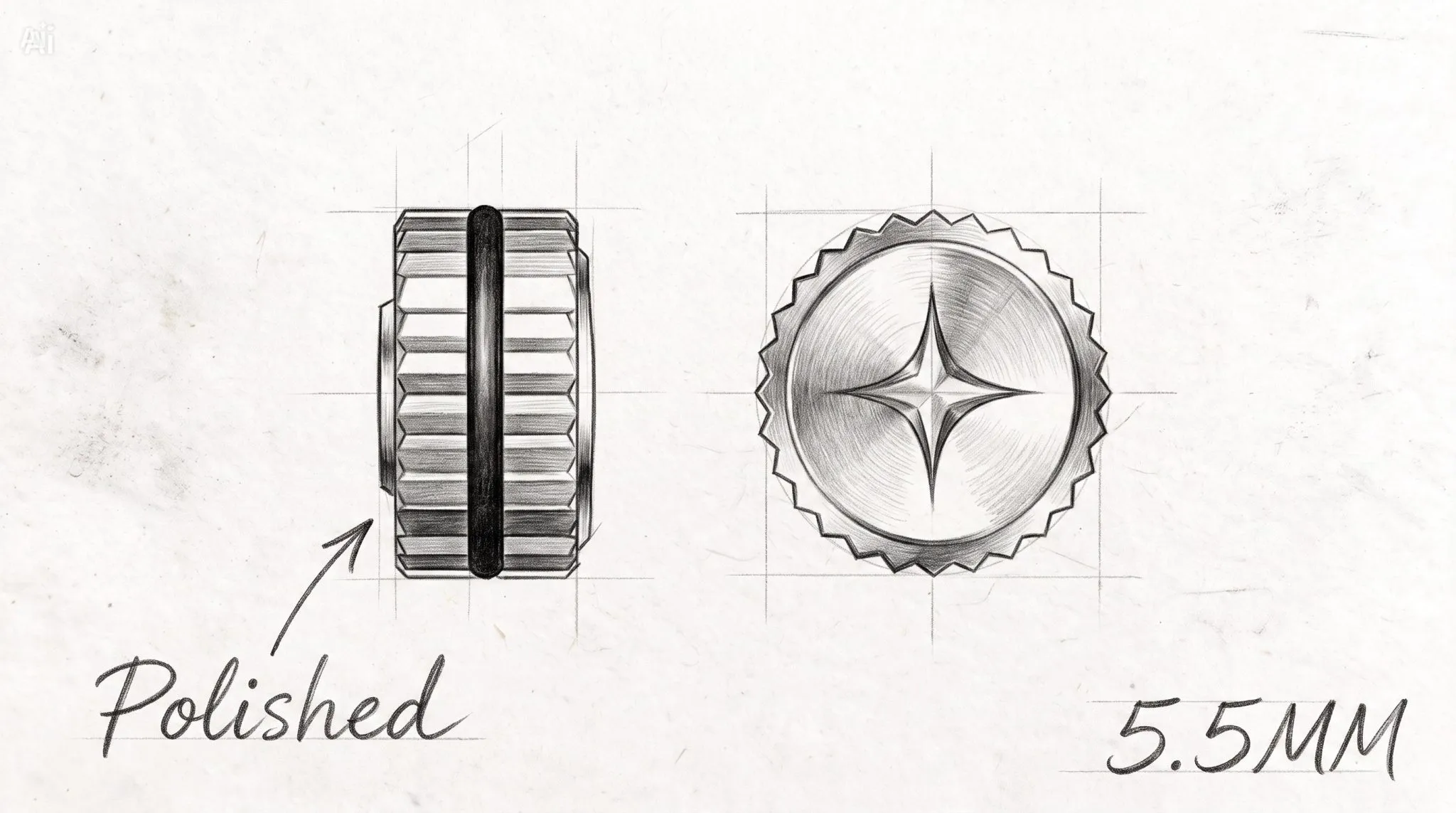
Finishing is split between brushed lugs and case top, with polished bezel and case sides.
Alex describes the transitions as intentionally sharp rather than softly blended, using mixed finishing as a way to give the case more definition.
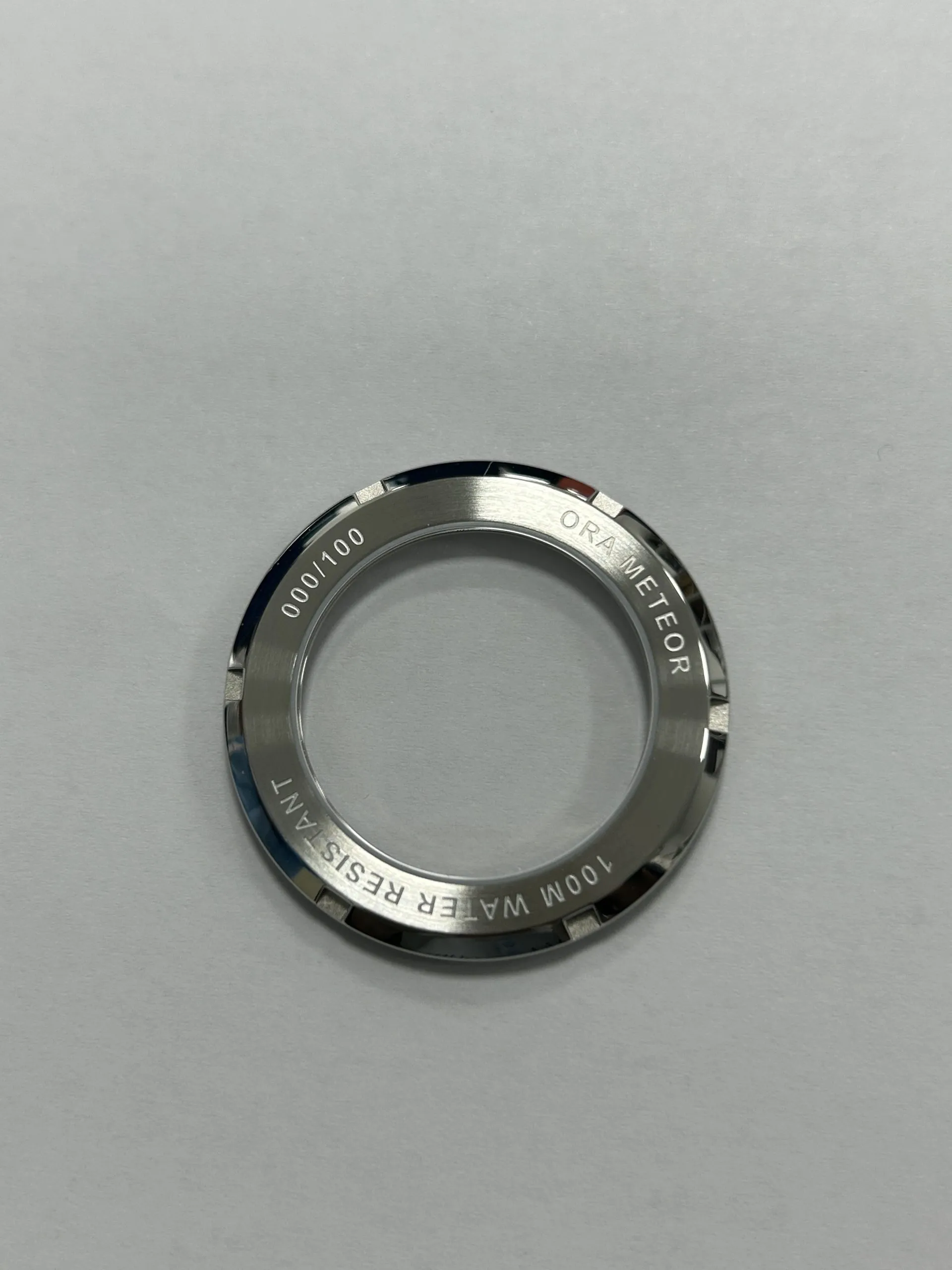
The caseback ring is brushed and includes model engraving and edition numbering.
For the crystal treatment, transparent sapphire was chosen over a blue anti-reflective coating to maximise clarity.
Regulation and testing
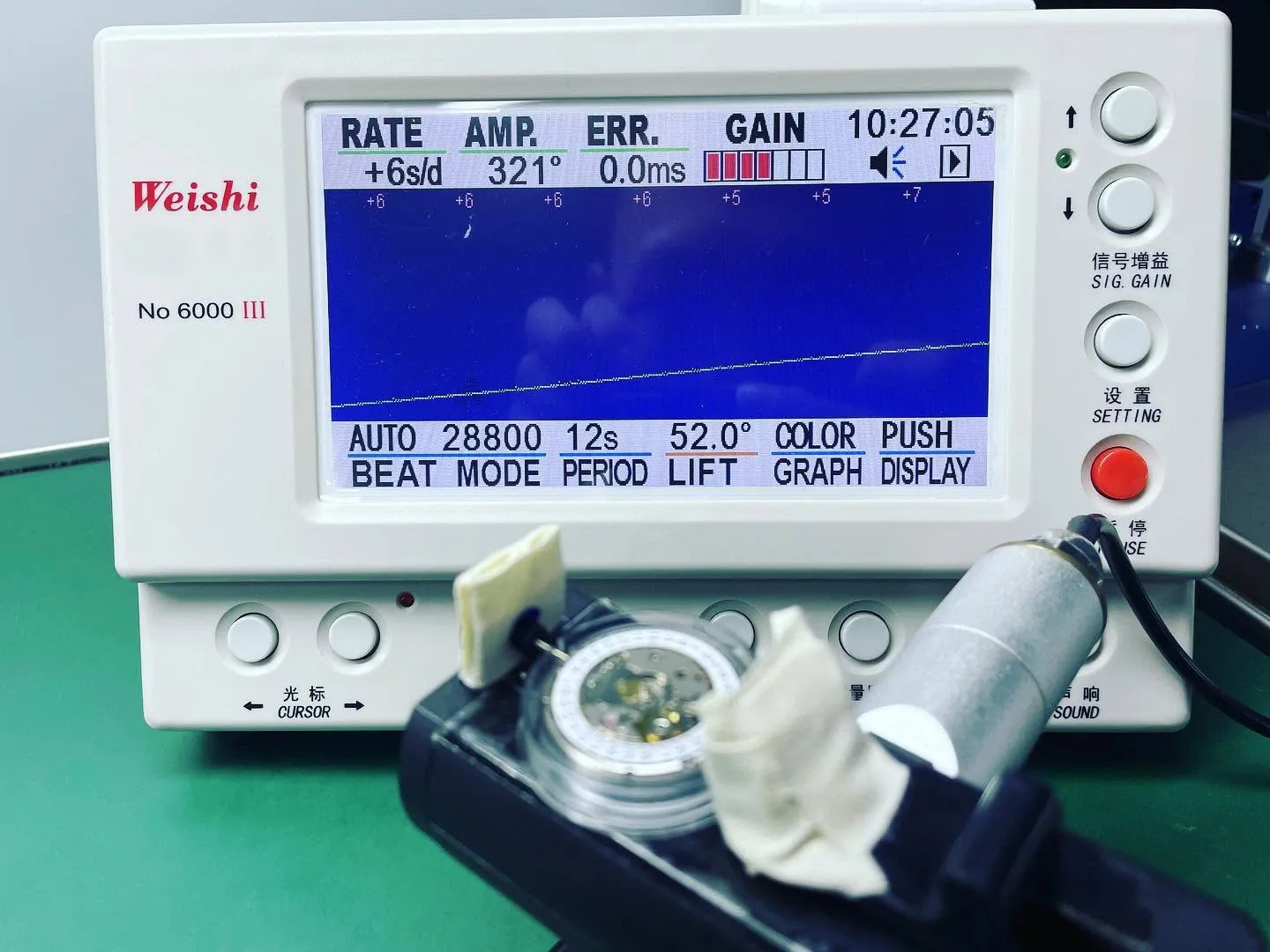
Each Miyota 90S5 is individually regulated and tested before assembly.
Alex says the workshop standard is -10 to +15 seconds per day, tighter than Miyota’s factory specification of -10 to +30 seconds per day.
The stated goal is not chronometer certification.
It is to ensure each watch leaves the workshop operating within a window that respects the movement and the expectations of the customer.
Details & Specifications
| Brand | Tektora |
|---|---|
| Movement | Miyota 90S5 |
| Movement thickness | 3.90mm |
| Beat rate | 28,800 bph |
| Jewels | 24 |
| Visible finishing | Gilt-decorated bridges and gold-toned rotor |
| Complication or display feature | Open heart at 6 o’clock |
| Case size | 38mm |
| Case material | 316L stainless steel |
| Case height | 11mm |
| Lug-to-lug | 45mm |
| Dial opening | 32mm |
| Crown position | 4 o’clock |
| Case finishing | Brushed lugs and case top, polished bezel and sides |
| Regulation standard | -10 to +15 seconds per day |
What stands out is not simply that Tektora chose an open heart, but that the entire watch had to be arranged around making that open heart land in the right place.
For a small run, that’s a demanding way to build, but it also shows how quickly a movement decision becomes a case, dial and identity decision for a microbrand.