Switzerland may dominate the modern watch conversation, but the story of portable time doesn’t begin there.
Germany, and especially Nuremberg, Pforzheim, the Black Forest and Glashütte, helped define how clocks became watches, how workshops became industries and how restrained design became a horological language of its own.
It’s a history shaped by invention, education, war, loss and revival, with names such as Peter Henlein, Ferdinand Adolph Lange and Moritz Grossmann still central to the identity of German watchmaking today.
At a glance
- German watchmaking traces a direct line from early 16th-century Nuremberg portable timepieces to today’s Glashütte manufacture culture.
- Key milestones include the mainspring-driven Nuremberg Egg, Black Forest cuckoo clocks, Pforzheim’s vocational training model and Glashütte’s three-quarter plate tradition.
- The modern era was transformed after 1990, when historic names including A. Lange & Söhne returned to international prominence.
Nuremberg and the birth of portable time
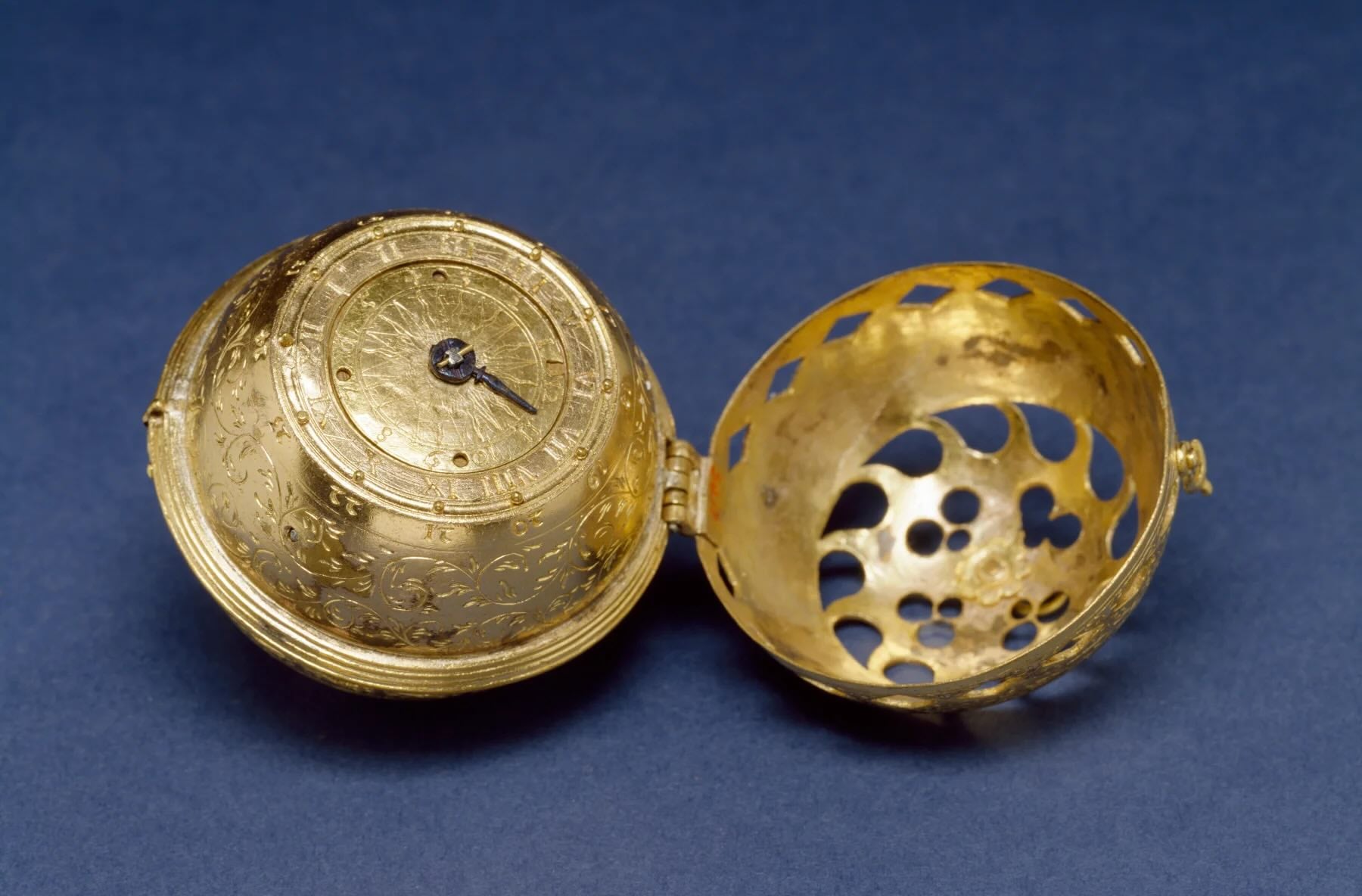
The watch on the wrist has roots in early 16th-century Nuremberg, where locksmith and clockmaker Peter Henlein helped make portable timekeeping possible.
His early spring-driven portable clocks became known as Nuremberg Eggs, a name tied to the rounded, bulbous cases of many examples.
They weren’t pocket watches in the later sense.

These were larger objects, closer to miniature clocks, often worn around the neck and owned by wealthy patrons and royalty.
The crucial development was the use of the mainspring, which allowed a timekeeper to run without hanging weights.
Henlein didn’t invent the mainspring itself, but his application of spring power to portable time helped set European watchmaking on a new course.

Early performance was crude by modern standards, with uneven force from the unwinding mainspring and accuracy that could drift by hours per day.
The fusee and chain later helped regulate that weakening power, with the cone-shaped fusee largely credited to Leonardo da Vinci and the chain associated with Gruet of Geneva in 1664.
Accuracy took another major step only after the balance spring appeared in the late 17th century.
From the Black Forest to Pforzheim
After Nuremberg’s early role, France and Switzerland became major horological centres through the 16th and 17th centuries, while German clockmaking developed its own regional strengths.
The Black Forest became an important clockmaking area in the 1600s, initially known for wood-beam clocks with wooden gears and stone weights.
The cuckoo clock arrived later, with Franz Anton Ketterer credited with introducing the first examples in the 1730s.
By the 19th century, Black Forest clockmaking had become more structured, including a dedicated school established in 1850 by the Duke of Baden.
Production later moved from hand-crafted methods toward factory organisation, and by the 20th century cuckoo clocks were being produced in the millions annually.
Pforzheim’s story is different, and more closely tied to watches and jewellery.
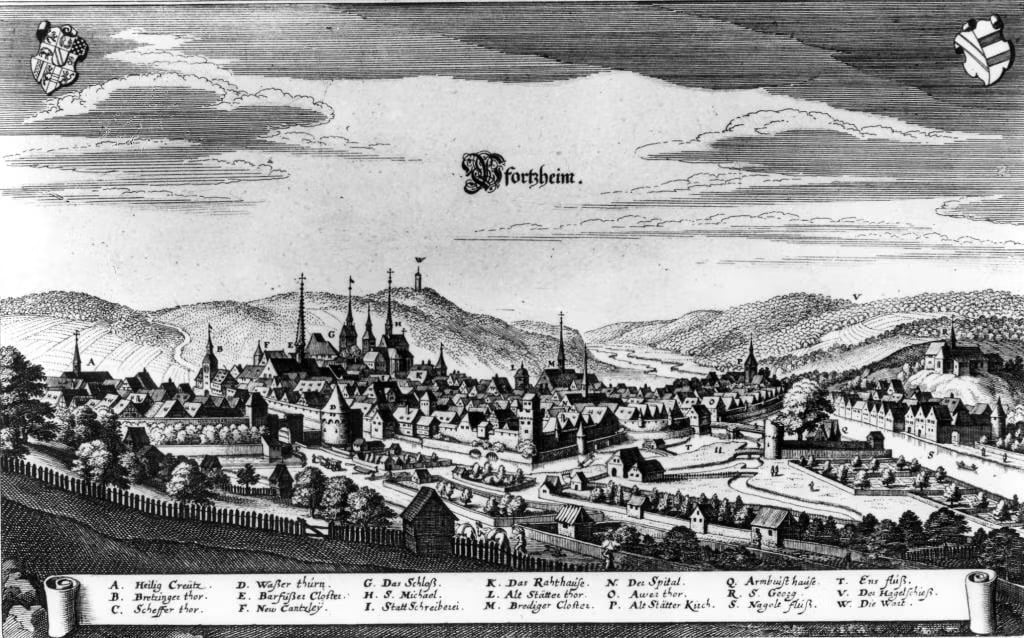
In 1767, Margrave Karl Friedrich established a watchmaking factory and training centre in an orphanage with Jean-François Autran, a watchmaker with Swiss and French roots.
The idea was practical and social at once, teaching orphans a trade while creating a skilled base for regional production.
Pforzheim became known as the Golden City and also earned the nickname Little Geneva for the scale and quality of its pocket watch and jewellery production.
The original factory expanded into jewellery in 1768, but mismanagement and bankruptcies affected the venture in the mid-1770s, and the factory closed in 1821.
Glashütte and the Saxon school of precision
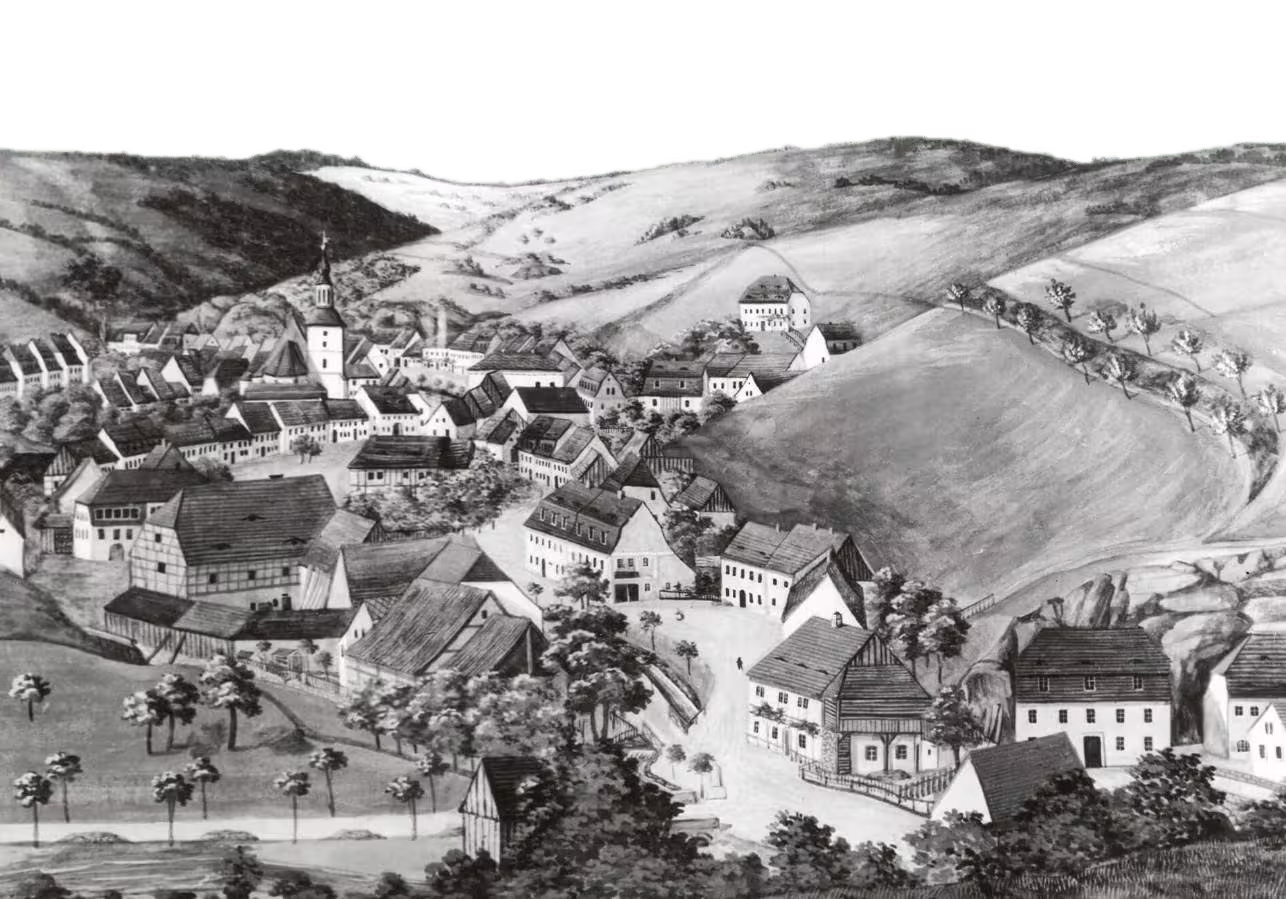
Glashütte became the centre of German high watchmaking in the 19th century, beginning from unlikely circumstances.
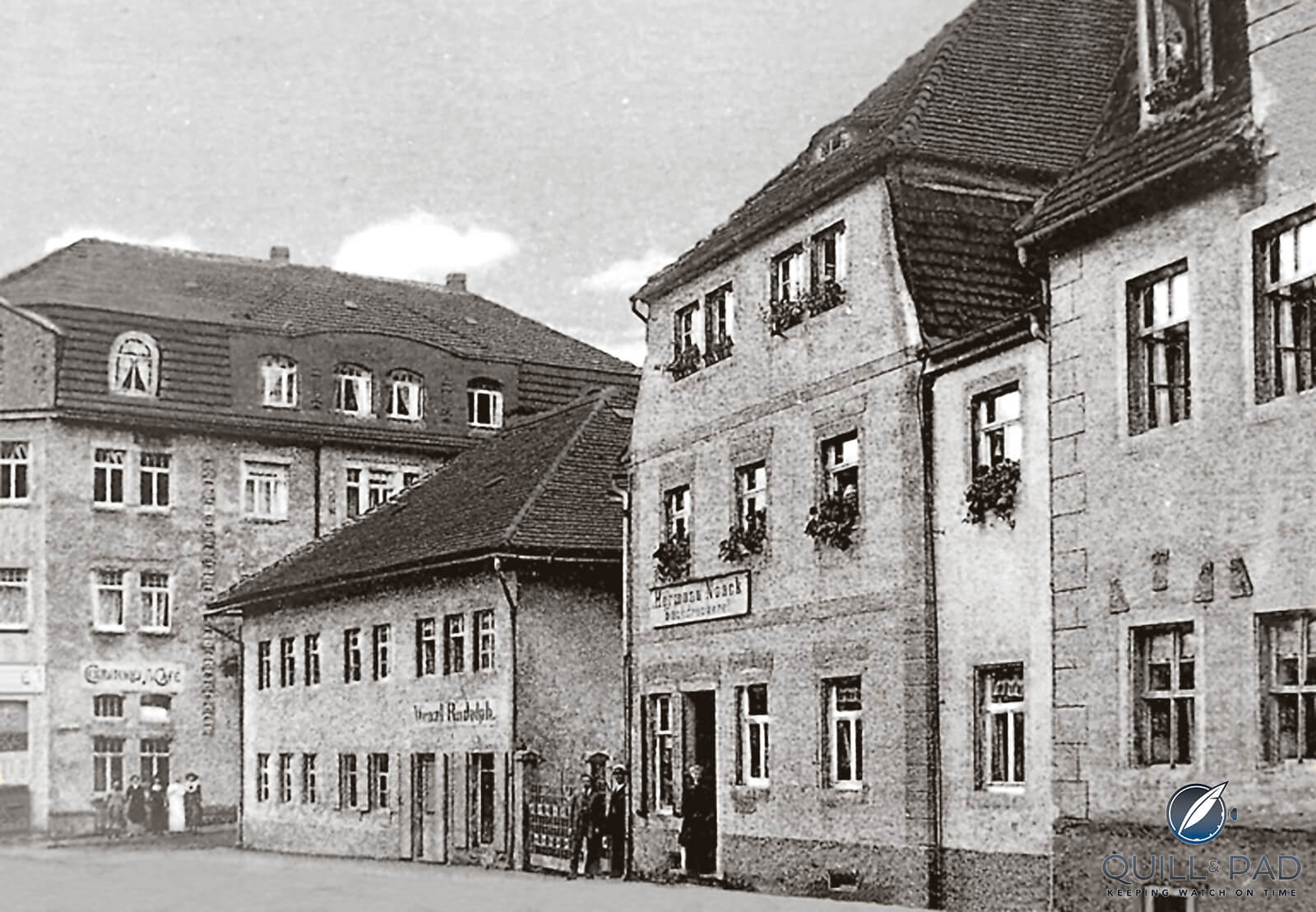
In 1845, the Saxon town was a struggling mining community when Ferdinand Adolph Lange established a workshop there with support from a loan from the King of Saxony.

Lange’s influence went beyond founding a company.
He helped give Glashütte a technical identity through elements such as the three-quarter plate, a broad movement plate that improved stability by supporting much of the gear train.
The concept drew from older English pocket watches, but in Glashütte it became a defining German signature.

Lange also adopted the metric system ahead of wider Saxon use and developed a specialised dial micrometre capable of measuring to 1,000th of a millimetre.
Glashütte ribbing, comparable in appearance to Swiss Côtes de Genève, became another recognisable finish, both decorative and useful for trapping dust particles away from regulating components.
Moritz Grossmann added a second major force to Glashütte after opening his atelier in 1854, encouraged by his friend Lange.

Grossmann was known for high-end pocket watches, marine chronometers, technical writing and a deep commitment to education.
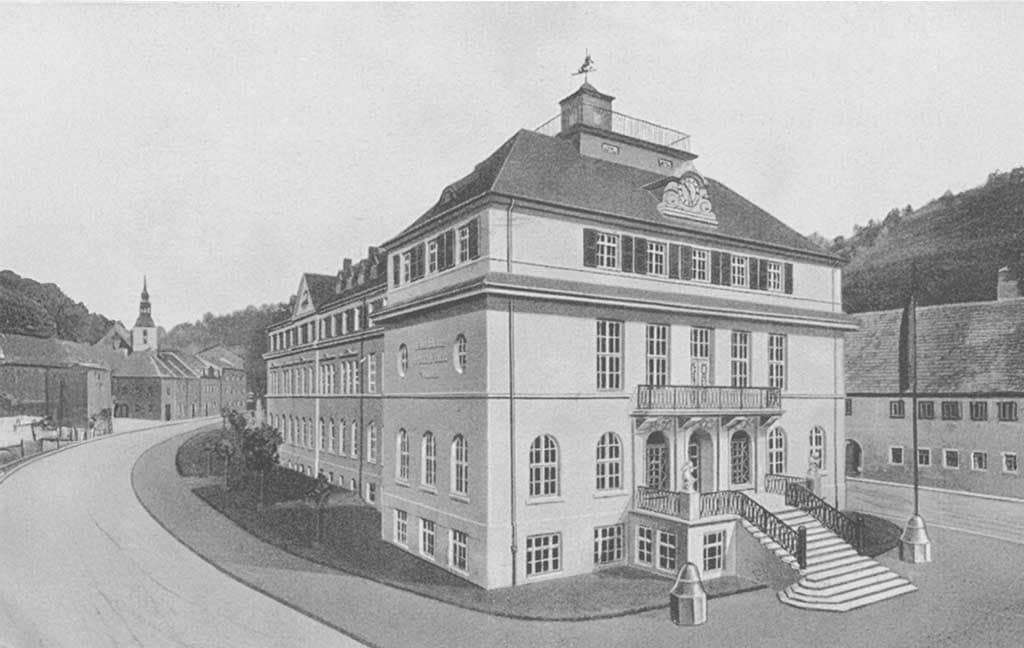
In 1878, he founded the German School of Watchmaking, which helped train talent for the growing Saxon watchmaking district.
| Period | Place | Milestone |
|---|---|---|
| Early 16th century | Nuremberg | Peter Henlein helped pioneer portable spring-driven timekeepers known as Nuremberg Eggs. |
| 1730s | Black Forest | Franz Anton Ketterer is credited with introducing the first cuckoo clocks. |
| 1767 | Pforzheim | Margrave Karl Friedrich established a watchmaking factory and training centre in an orphanage. |
| 1845 | Glashütte | Ferdinand Adolph Lange founded his Glashütte workshop. |
| 1878 | Glashütte | Moritz Grossmann founded the German School of Watchmaking. |
| 1990 | Glashütte | A. Lange & Söhne was registered again after the fall of the Berlin Wall. |
Bauhaus dials, military watches and postwar loss
The 20th century added another German influence that still shapes watch design today.
Walter Gropius founded the Bauhaus movement in 1919, and its preference for clarity and function found a natural home on watch dials.
In watchmaking, Bauhaus-style dials appeared in 1937 through Weber & Baral, a Pforzheim-based dial maker founded in 1927.
The company helped establish the long, thin numeral style associated with German functional design, supplying dials to names including A. Lange & Söhne and Stowa.
Junghans later carried that spirit through the Max Bill series, introduced in 1961, while NOMOS brought a contemporary version to the Tangente in 1992.
Pforzheim’s second wave also included Laco and Stowa, founded in 1925 and 1927 respectively.
Both became connected to one of the most recognisable German military watch forms, the B-Uhr observation watch.
Commissioned by the Reich Ministry for Aviation for the Luftwaffe, the B-Uhr used standardised specifications including a 55mm case, oversized crown, central hacking seconds, anti-magnetic soft iron cage and matte black radium-lumed dial.
Two principal dial layouts appeared, with Type A arriving in 1940 and Type B following in 1941 with a more navigation-focused minute display.
The five manufacturers commissioned for the B-Uhr were A. Lange & Söhne, Stowa, Laco, Wempe and IWC.
Germany’s defeat in 1945 brought devastation to its watchmaking centres.
A. Lange & Söhne’s workshops were destroyed, assets in Glashütte were seized by the Soviets, and Pforzheim suffered severe destruction, with more than 80 percent of the city levelled by Allied bombing.
Some brands relocated and continued, including Stowa under founder Walter Storz, while others disappeared or were absorbed into state-owned structures in East Germany.
The modern revival of German watchmaking
The 1990s marked a decisive return for German watchmaking on the international stage.
After the fall of the Berlin Wall, Walter Lange, the great-grandson of Ferdinand Adolph Lange, returned with industry veteran Günter Blümlein and registered A. Lange & Söhne again in December 1990.
The Lange 1 followed in October 1994, bringing together a German silver three-quarter plate, asymmetrical dial and oversized date.
It remains one of the signature modern German watches.
A. Lange & Söhne became part of Richemont in 2000 while continuing to manufacture in Glashütte.
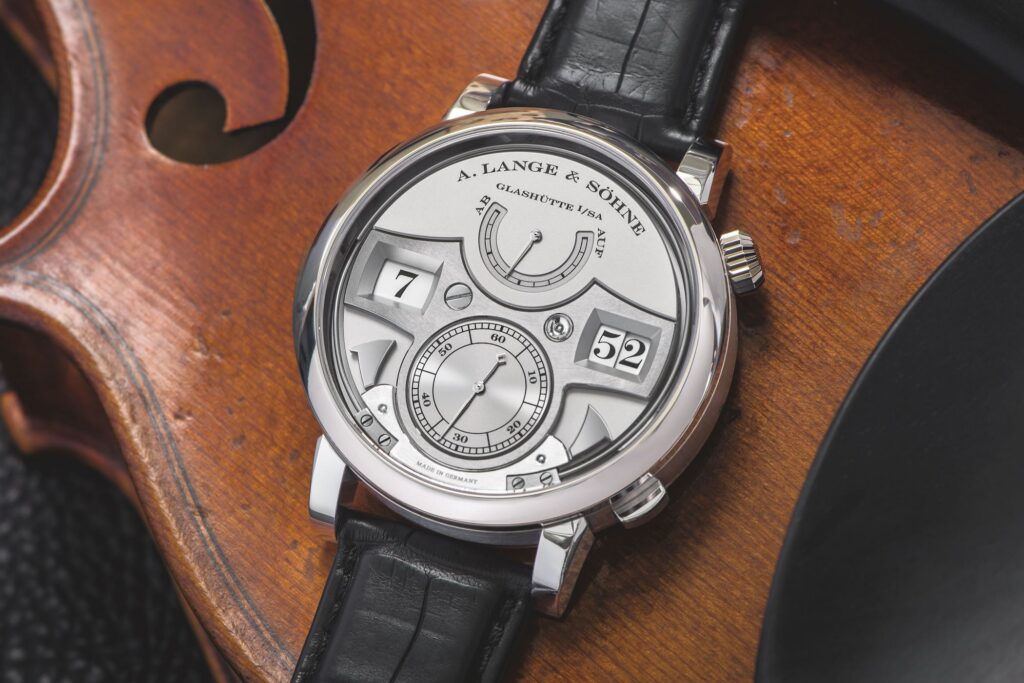
Its modern identity spans the Zeitwerk, the Datograph, the 1815 family and the steel Odysseus, launched in 2019.
Moritz Grossmann returned later, after Christine Hutter secured the rights to the name in 2008.
Following a year in Dresden, the revived company relocated to Glashütte, reconnecting the name with the town where Grossmann had built his 19th-century reputation.
Today, German watchmaking appeals to collectors who care about architecture as much as ornament.
Its signatures are visible in movement construction, disciplined dial design, technical schooling and the particular restraint of Glashütte finishing.
That’s what makes the German story so compelling.
It isn’t simply an alternative to Swiss watchmaking, but a parallel tradition with its own inventions, scars and unmistakable sense of order.