World Cups don’t end when the final whistle goes, and the work of understanding their long-term value is becoming a discipline of its own.
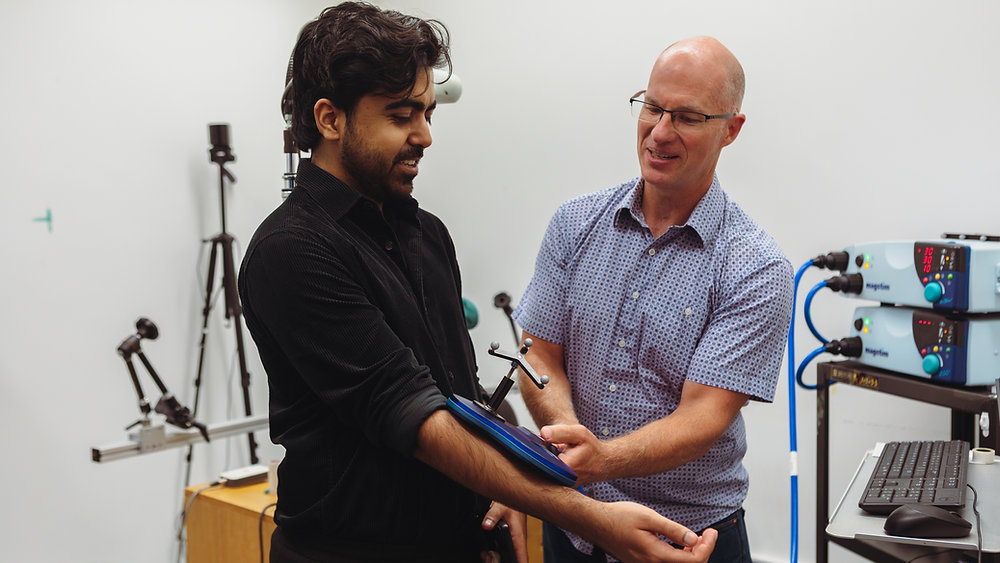
Graduate students from Hamad Bin Khalifa University’s School of Economics and Management have completed a ten-day academic exchange in Canada, using sport as a lens for policy, education, community development and institutional legacy.
The programme connected Qatar’s FIFA World Cup Qatar 2022 experience with Canada’s fresh perspective after hosting FIFA World Cup 2026 matches, creating a timely academic bridge between two countries now linked through the Qatar Canada and Mexico 2026 Year of Culture.

At a glance
- HBKU graduate students completed a ten-day academic exchange in Canada focused on sport legacy and social impact.
- The programme included sessions at the University of Toronto and Western University, alongside visits to sport venues and community sport initiatives.
- Held under the Qatar Canada and Mexico 2026 Year of Culture, the exchange aimed to strengthen academic mobility and long-term collaboration.
A World Cup legacy dialogue across two host nations
The participants came from HBKU’s Master of Science in Sport and Entertainment Management programme, where major events are studied not only as spectacles but as instruments of strategy, public value and long-term planning.
That framing gave the Canada visit particular relevance.
Qatar has spent the years since 2022 examining the legacy of the first FIFA World Cup held in the Middle East, while Canada is now moving through its own post-tournament moment after staging matches in 2026.

Rather than treating those experiences as separate national stories, the exchange placed them in conversation.
Students examined how governments, universities, sport bodies and communities can measure what remains after major events, from infrastructure and skills development to inclusion, youth engagement and institutional knowledge.
University of Toronto and Western University set the academic frame
The Canadian programme brought HBKU students into direct contact with faculty members, graduate researchers and specialists working across sport policy, Olympic studies, sport-for-development and social impact measurement.

At the University of Toronto, the delegation joined presentations and discussions on current sport management research, while also exploring the university’s sport and recreation facilities.
The visit also included time at MLSE LaunchPad, a Toronto facility focused on using sport to support youth development, inclusion and wider community outcomes.
For students studying the economics and management of sport, that kind of setting matters because it moves the conversation beyond stadiums and headline events.

It shows how sport can be designed as a practical social tool, especially when programmes are built with clear goals and measurable community benefit.
Dr. Simon Darnell, Professor of Sport for Development and Peace and Director of the Centre for Sport Policy Studies at the University of Toronto, described the visit as a positive academic exchange, noting the students’ strong interest in kinesiology and their collegial approach to the discussions.
Toronto’s sporting culture became part of the classroom
The exchange was not limited to seminar rooms.

In Toronto, students attended a Blue Jays game, toured Rogers Centre and visited the Hockey Hall of Fame, gaining a closer look at how sport is embedded in Canadian public life.
Those experiences added a cultural layer to the academic work.
Baseball and hockey occupy a different place in Canada than football does in Qatar, but the underlying questions are familiar.

How does a sport become part of a city’s identity, how do venues serve fans and communities, and how can institutions preserve memory while still investing in the next generation?
At Western University, the programme shifted toward Olympic history, archival study and discussions on the social impact of the FIFA World Cup 2026.
Participants also explored possible future collaboration between HBKU and Canadian partners, including research links with Western’s sport and social impact community.

Dr. Adam Ali, Assistant Professor in Western University’s School of Kinesiology, highlighted the value of comparing the global impacts of sport mega-events in Qatar and Canada, pointing to the potential for deeper cooperation between the programmes in the years ahead.
Years of Culture gives the exchange a broader purpose
The ten-day visit sat within the Qatar Canada and Mexico 2026 Year of Culture, an initiative designed to turn cultural engagement into lasting professional and academic relationships.
Sport was a natural channel for that ambition because it carries civic, economic and educational weight at once.

Dr. Kamilla Swart, Associate Professor and Director of HBKU’s Master of Science in Sport and Entertainment Management programme, said the exchange created opportunities for emerging sport professionals from Qatar to compare experience with Canadian institutions and researchers.
Her point is central to the value of the programme.
For Qatar, the conversation around sport legacy remains tied to national development, education and the growth of a specialised sport sector.

For Canada, the 2026 tournament has opened a new phase of reflection around event hosting, community benefit and policy design.
Bringing students into that dialogue makes the relationship more than ceremonial.
It gives future sport leaders a shared vocabulary for the questions that now define major events, from social return and accessibility to research collaboration and long-term institutional memory.

The exchange leaves behind something quieter than a tournament but potentially more durable: a network of students, academics and practitioners thinking together about what sport can build after the crowds have gone home.