H. Moser & Cie. has turned one of watchmaking’s most theatrical gestures into a family trait.
The brand’s 30-second retrograde seconds display, first seen in the Pioneer Retrograde Seconds, now appears across three distinct steel models, spanning a skeletonised sports watch, an integrated-bracelet Streamliner and a more restrained Endeavour dress piece.
It’s a clever move because the complication isn’t just decorative. By snapping back twice every minute, it gives Moser’s typically minimal dials a mechanical pulse without abandoning the brand’s taste for restraint.
At a glance
- H. Moser & Cie. introduces three 40mm steel watches with a 30-second retrograde seconds display.
- The display uses an Agenhor-developed module mounted on Moser automatic calibres with a three-day power reserve.
- The new models span the Pioneer, Streamliner and Endeavour collections, with prices from CHF 30,160 to CHF 37,726.
A twice-per-minute retrograde with real dial theatre
Retrograde displays have a long history, but Moser’s take feels more animated than most because the seconds hand doesn’t complete a full minute before resetting.
Instead, it sweeps across a 30-second arc and then jumps back to zero, repeating the action twice per minute.
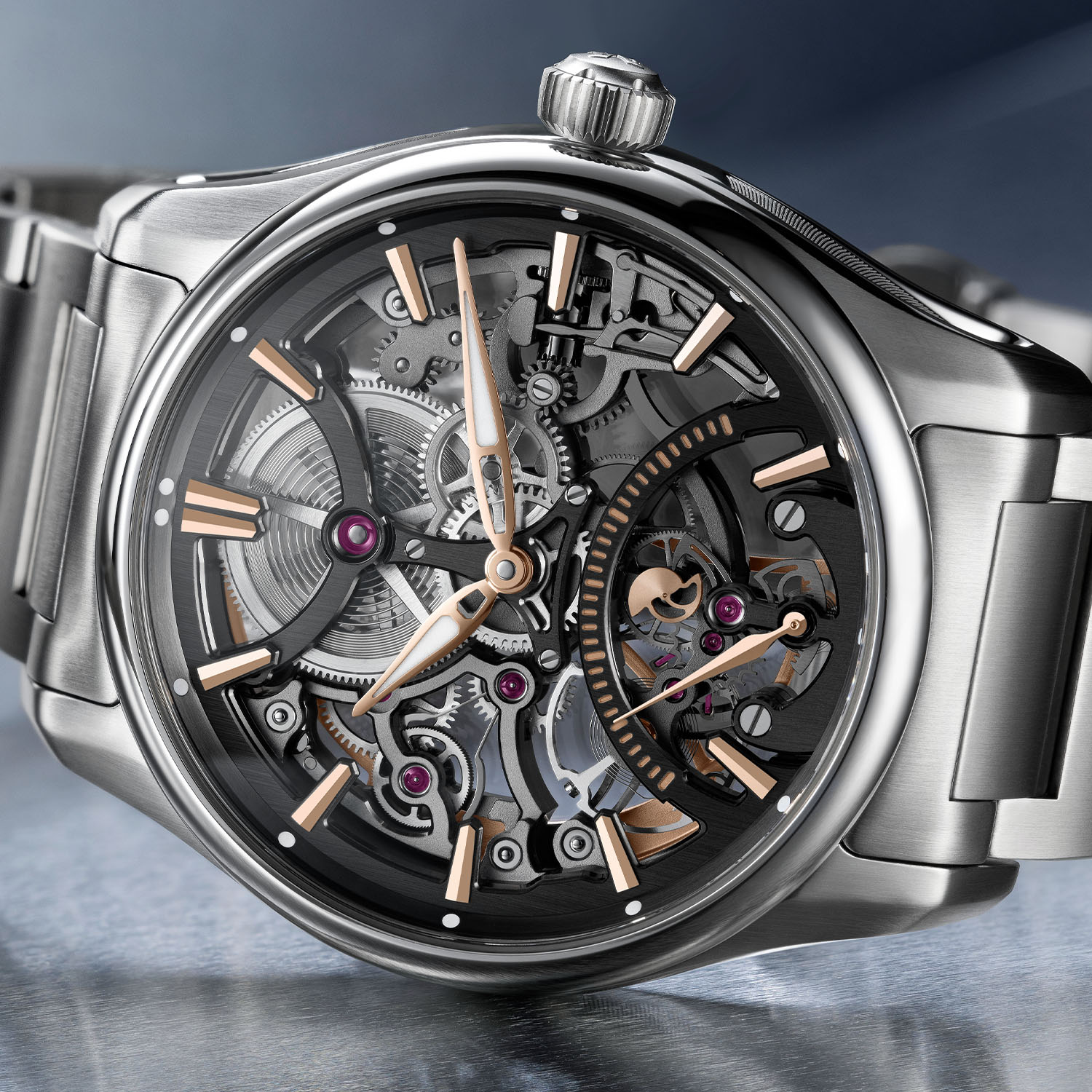
The result is closer to a dashboard instrument than a traditional small seconds display, particularly with the arc positioned low on the dial between roughly 5 and 7 o’clock.
That layout gives the watches a subtle sense of motion even when the rest of the design language remains unmistakably Moser.
The Agenhor mechanism behind the jump
The retrograde module was developed by Agenhor SA and sits on top of Moser’s automatic base calibres.
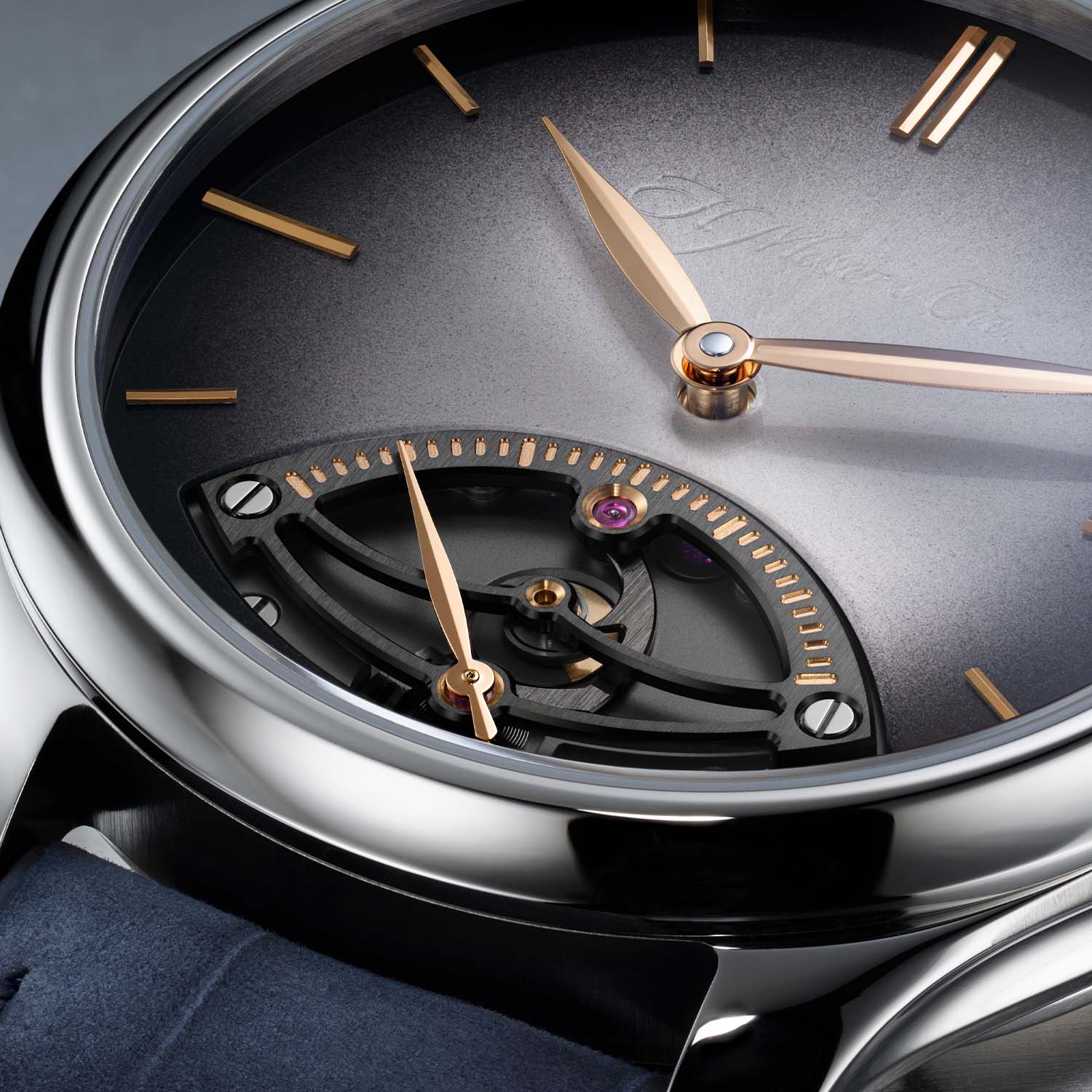
Its exposed double snail-cam mechanism is part of the visual appeal, especially because the system is designed to store and release enough energy for a crisp return every 30 seconds.
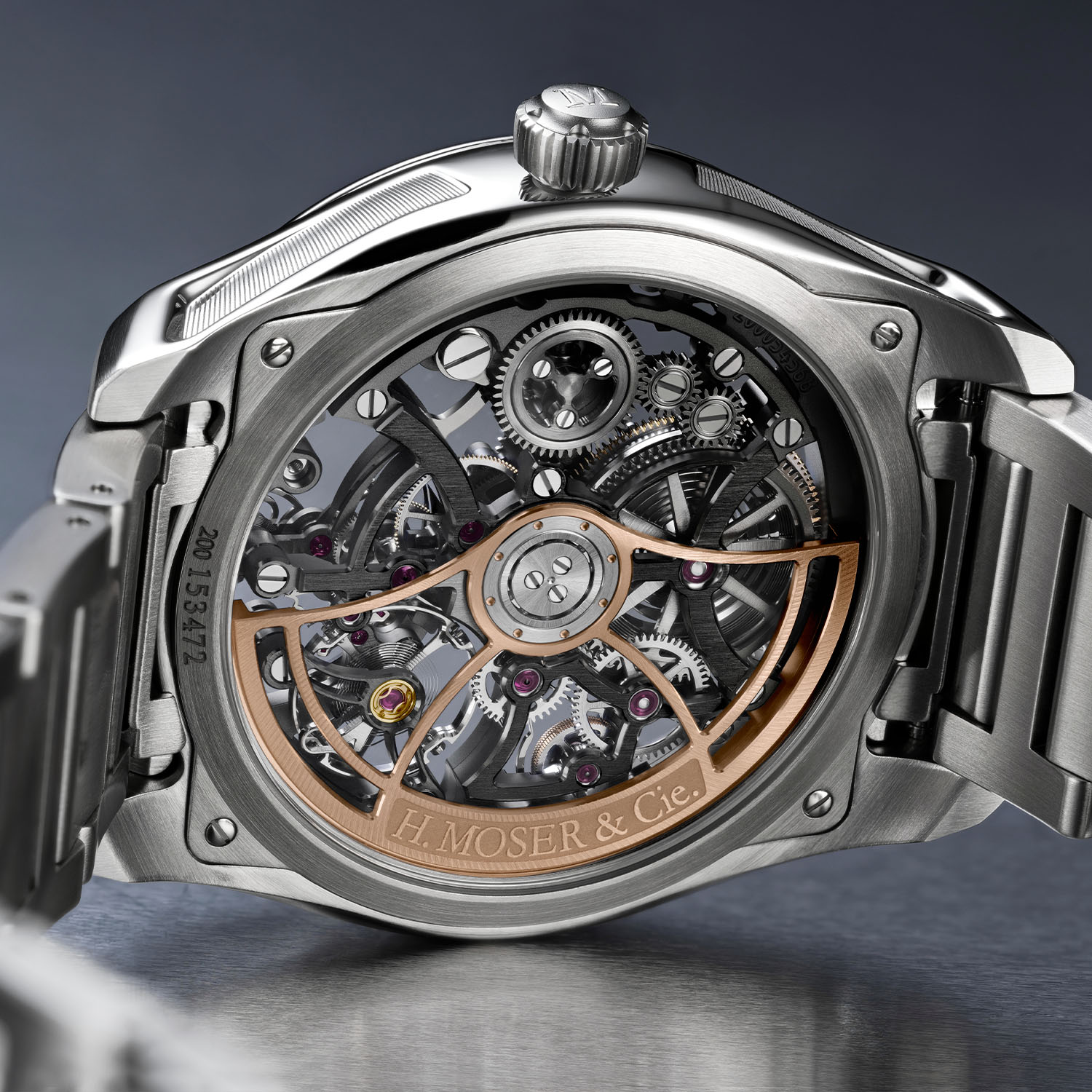
A snail cam remains in contact with a finger, while a visible rack positions the seconds hand along the track before releasing the stored energy in one clean jump.
A two-tone disc beneath the snail indicates whether the watch is running through the first or second 30-second cycle of the minute.
It’s the sort of mechanical detail that rewards close looking, and it suits Moser’s habit of making complications feel contemporary rather than nostalgic.
Three personalities in steel
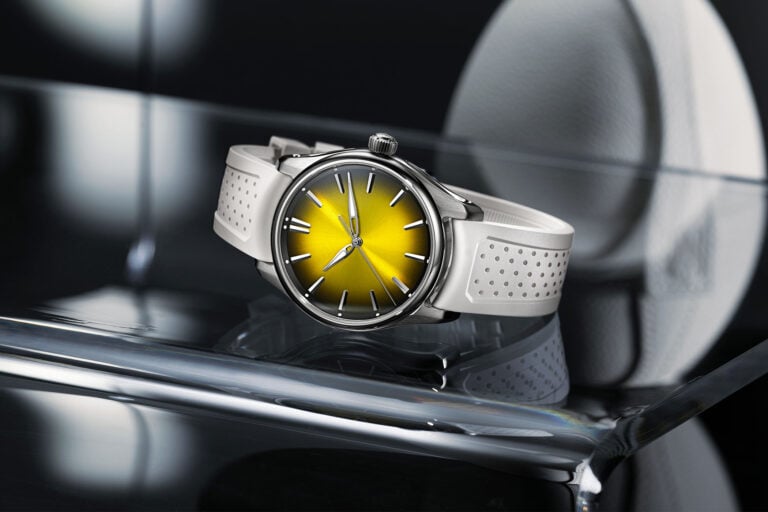
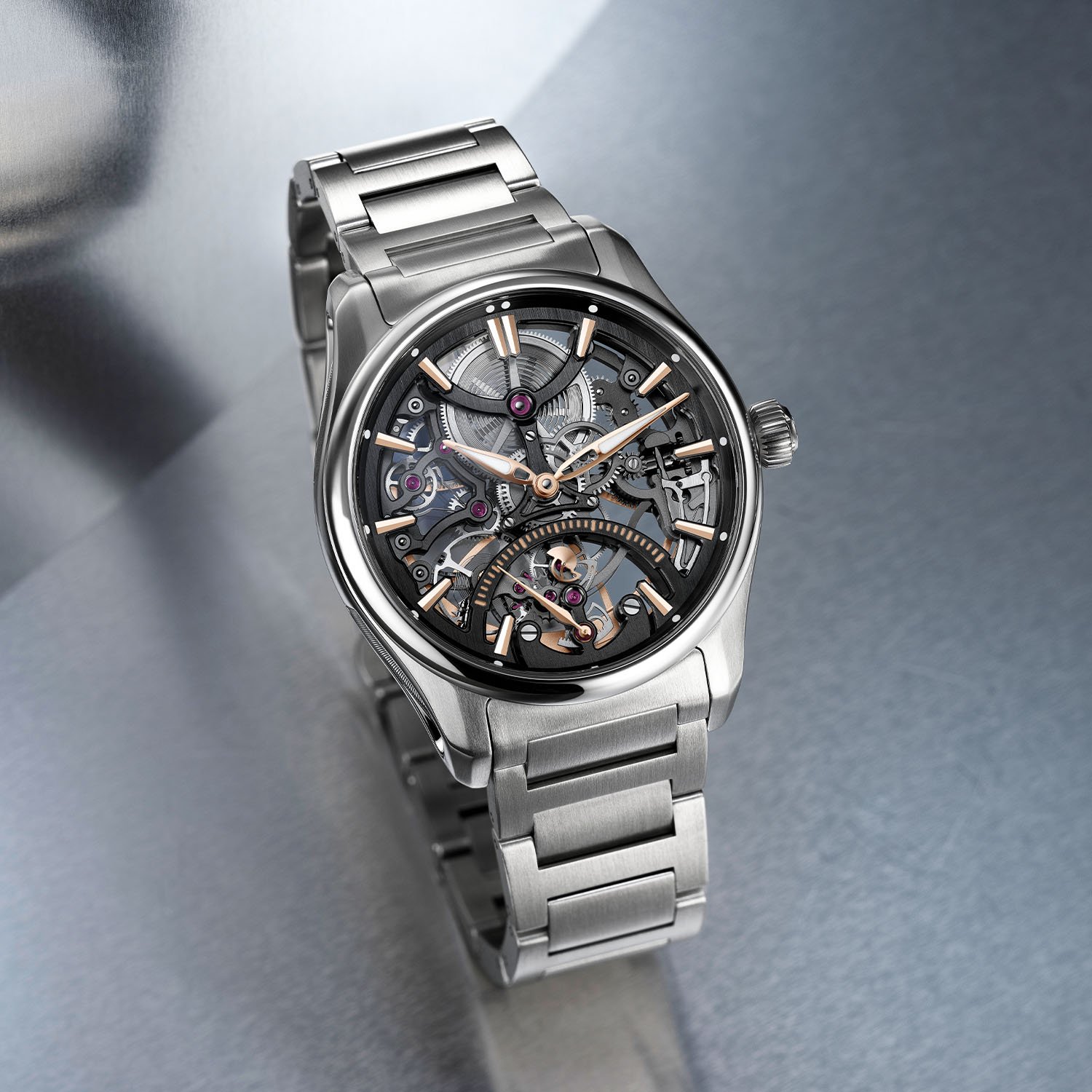
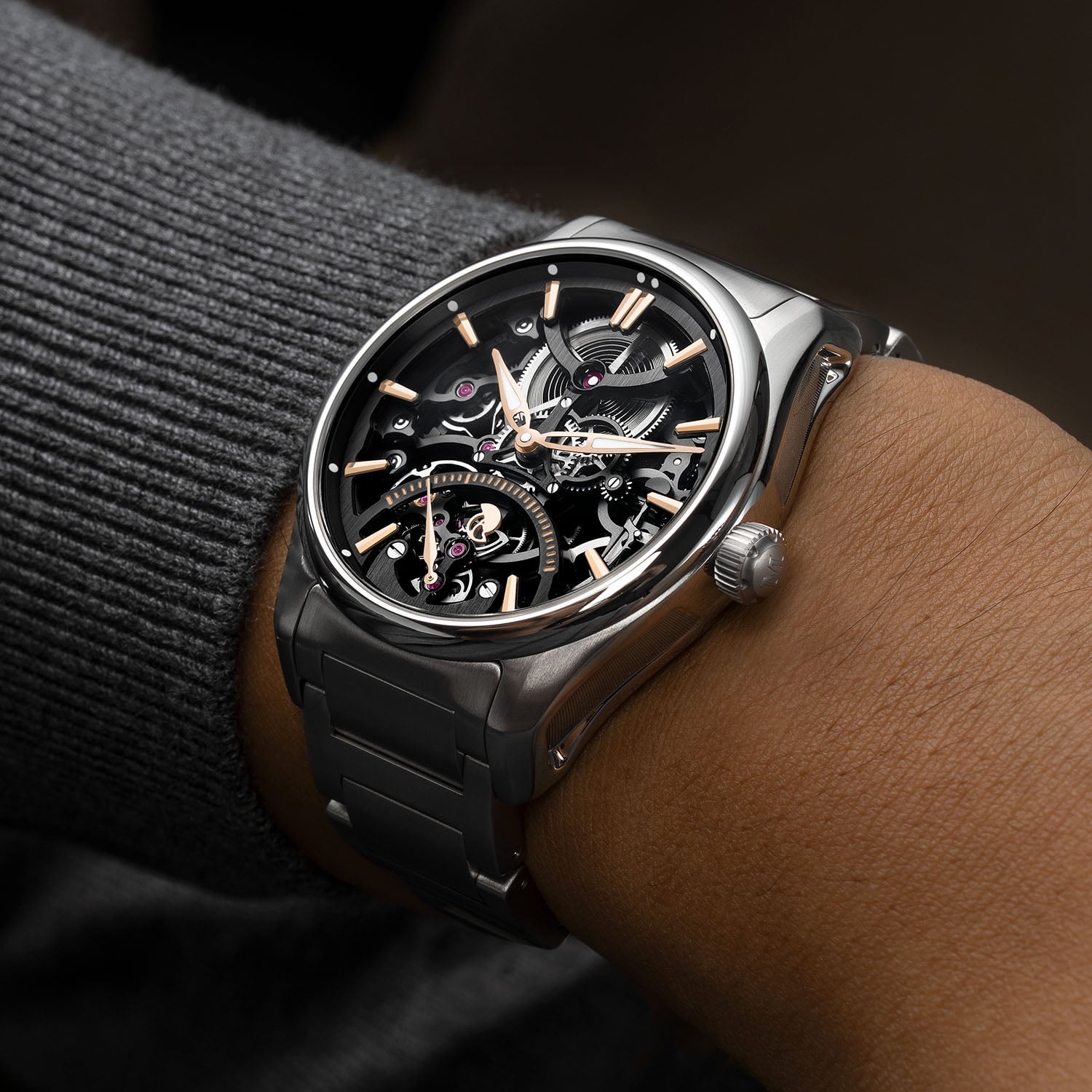
The Pioneer Skeleton Retrograde Seconds is the most overtly technical of the trio.
Its 40mm stainless steel case keeps the Pioneer’s practical character with 120 metres of water resistance, while the fully skeletonised display opens up the movement architecture beneath anthracite bridges.
Gold indices and leaf-shaped hands sit over the mechanism, with a golden 30-second arc, snail cam and skeletonised rotor adding warmth to the openworked layout.
Super-LumiNova appears on the hour plots along the flange and on the tips of the openworked hour and minute hands, which keeps the watch aligned with the Pioneer’s all-purpose brief.
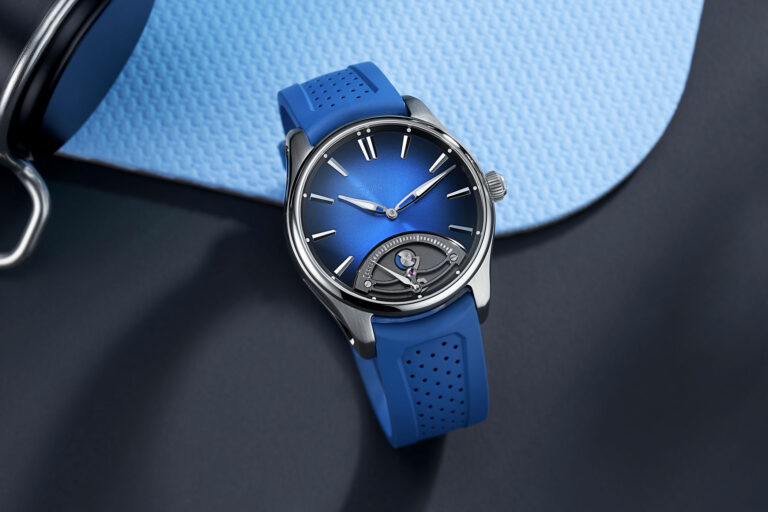
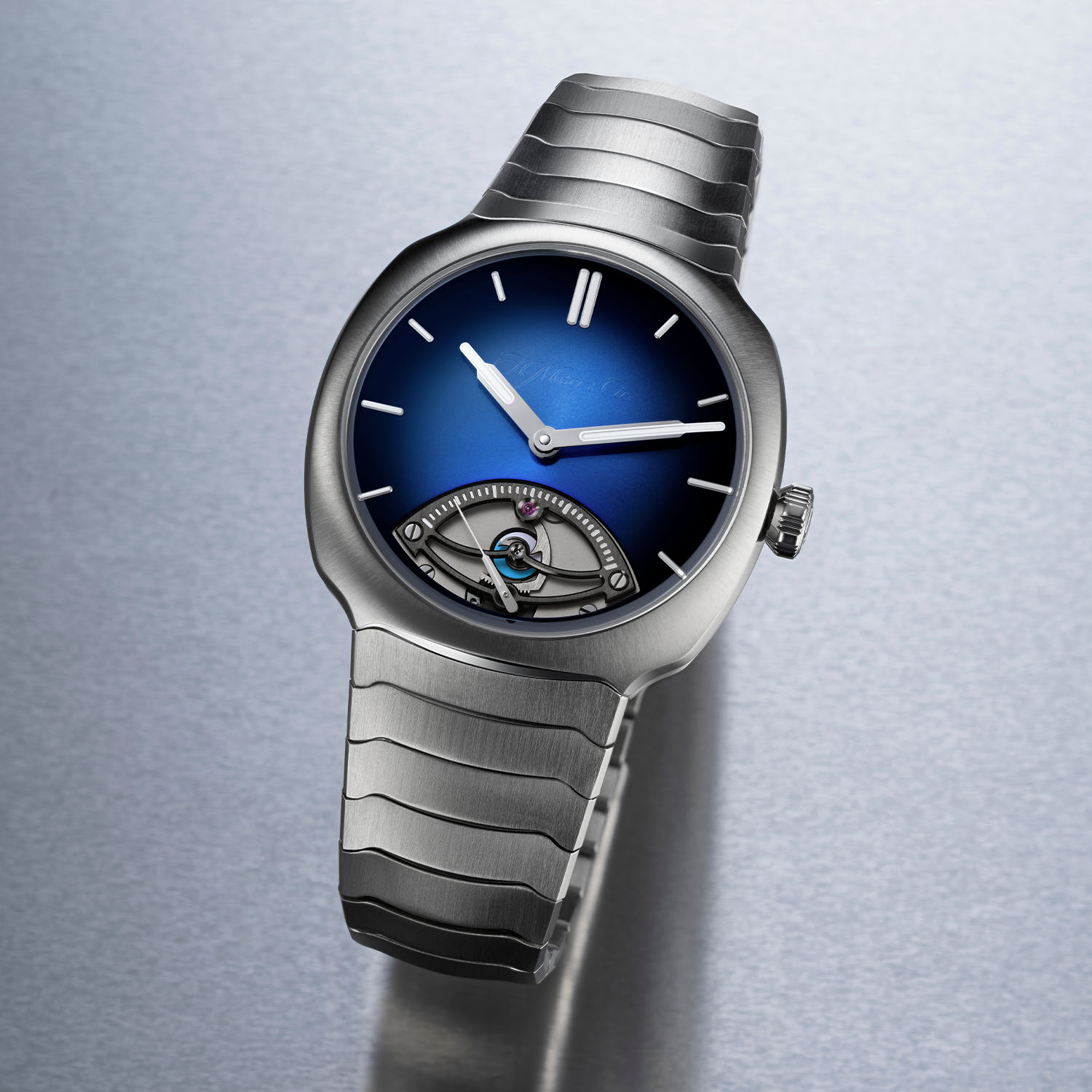
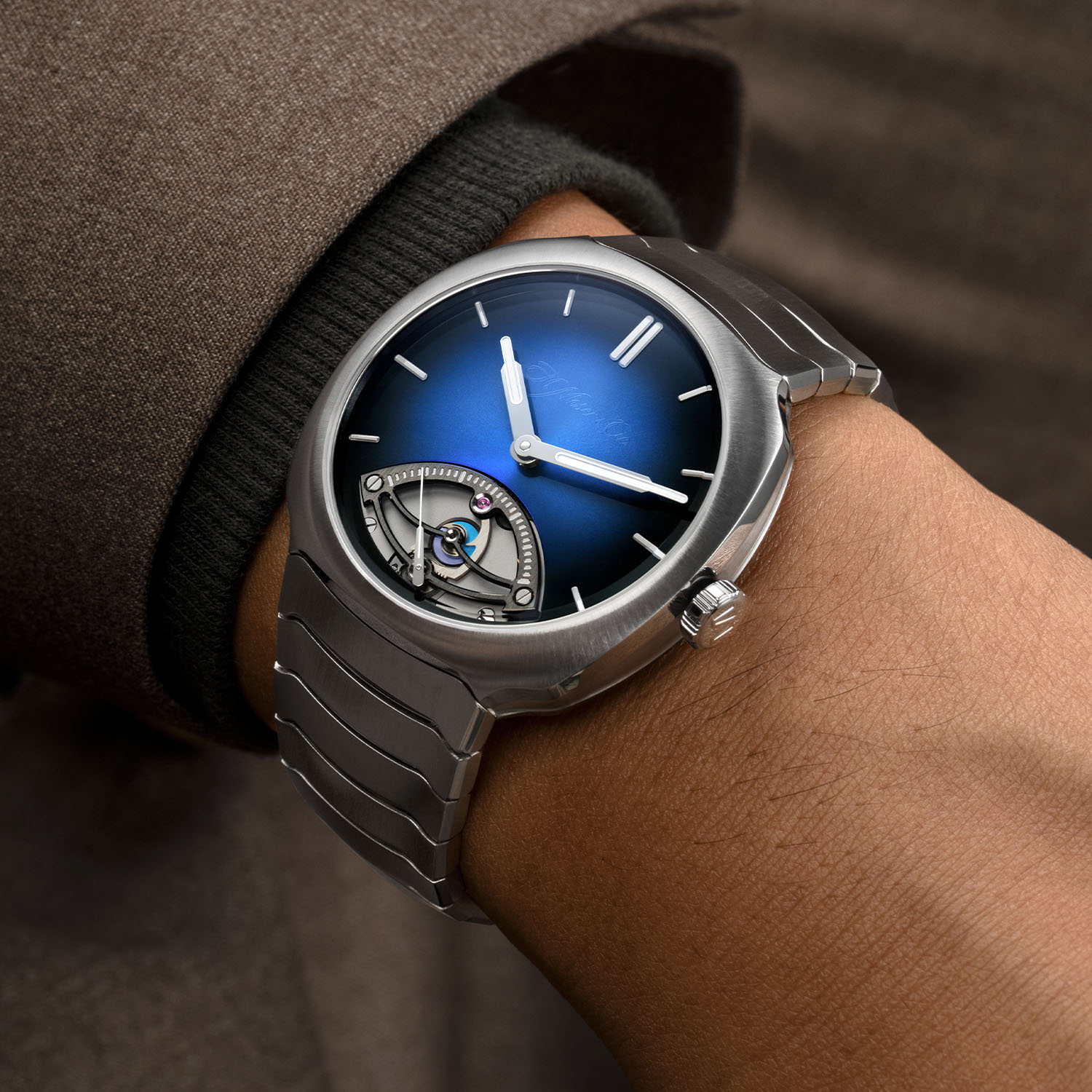
The Streamliner Retrograde Seconds is the cleanest fit for the complication in design terms.
Its rounded 30-second arc follows the softer language of Moser’s integrated steel sports watch, while the midnight blue fumé sunburst dial and transparent lacquer logo keep the display crisp.
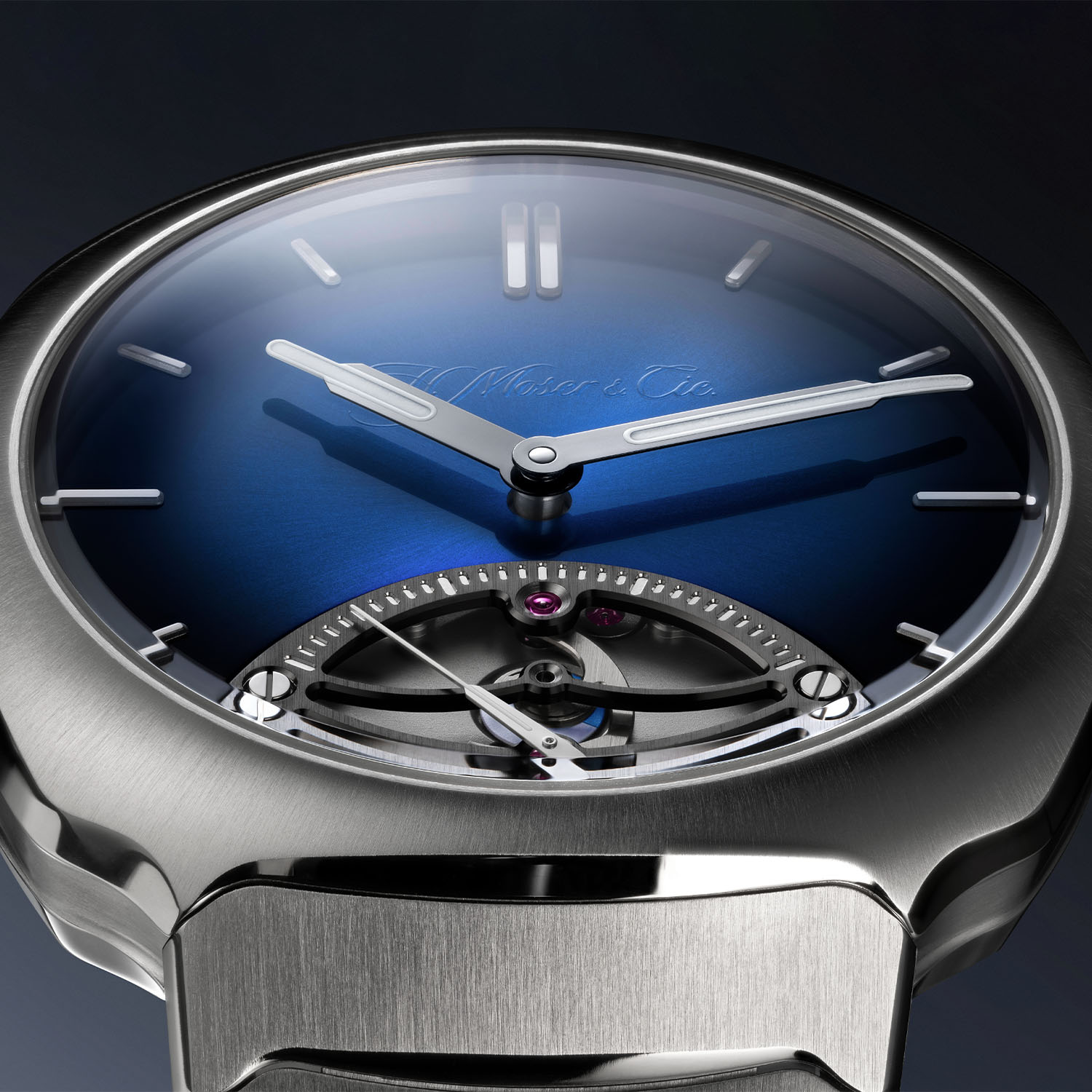
Unlike the fully exposed Pioneer treatment, the Streamliner places the snail cam below an openworked anthracite bridge.
The hands and applied indices carry Super-LumiNova, and the 40mm steel case and integrated bracelet combine vertical brushing with polished bevels.
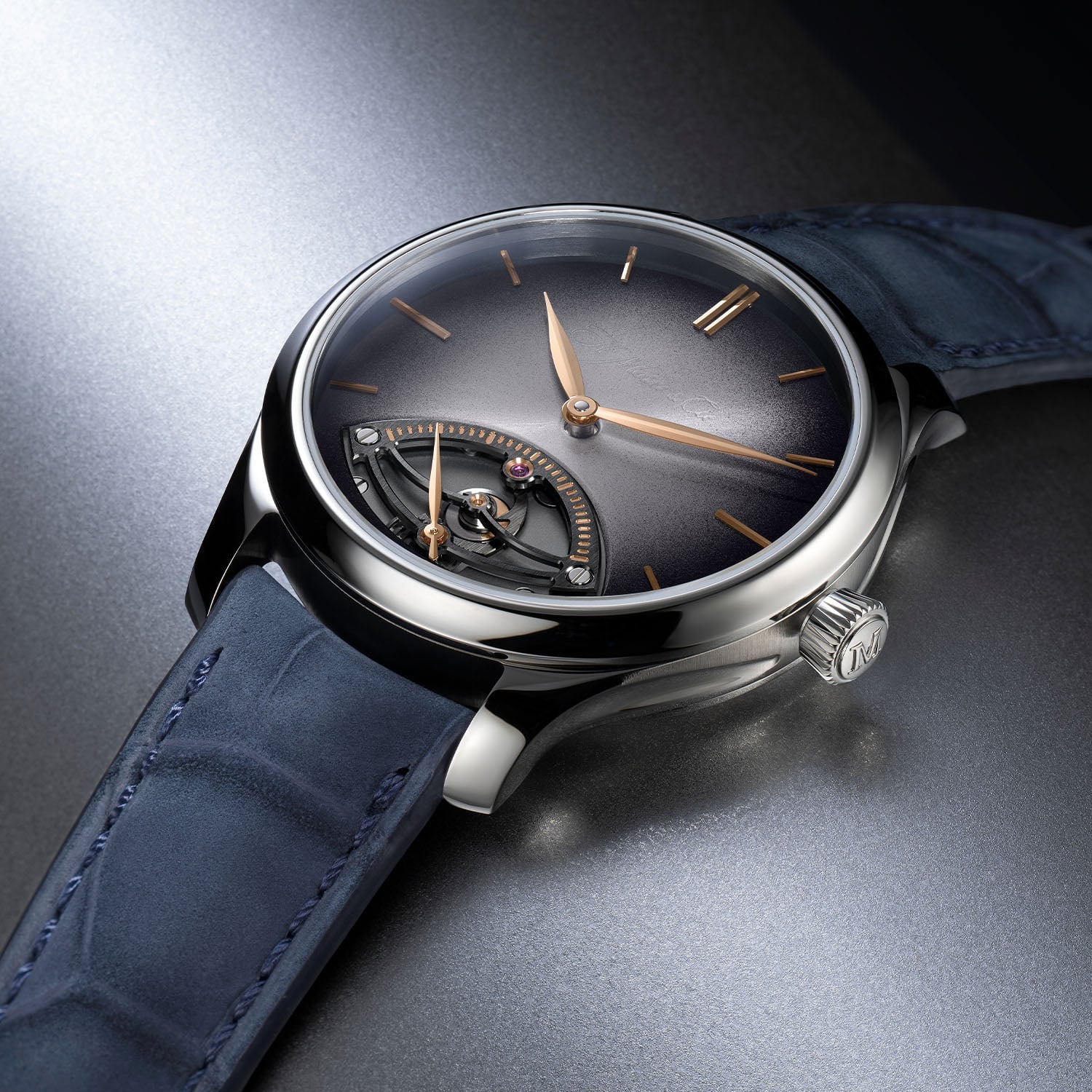
The Endeavour Retrograde Seconds takes the idea in a dressier direction.
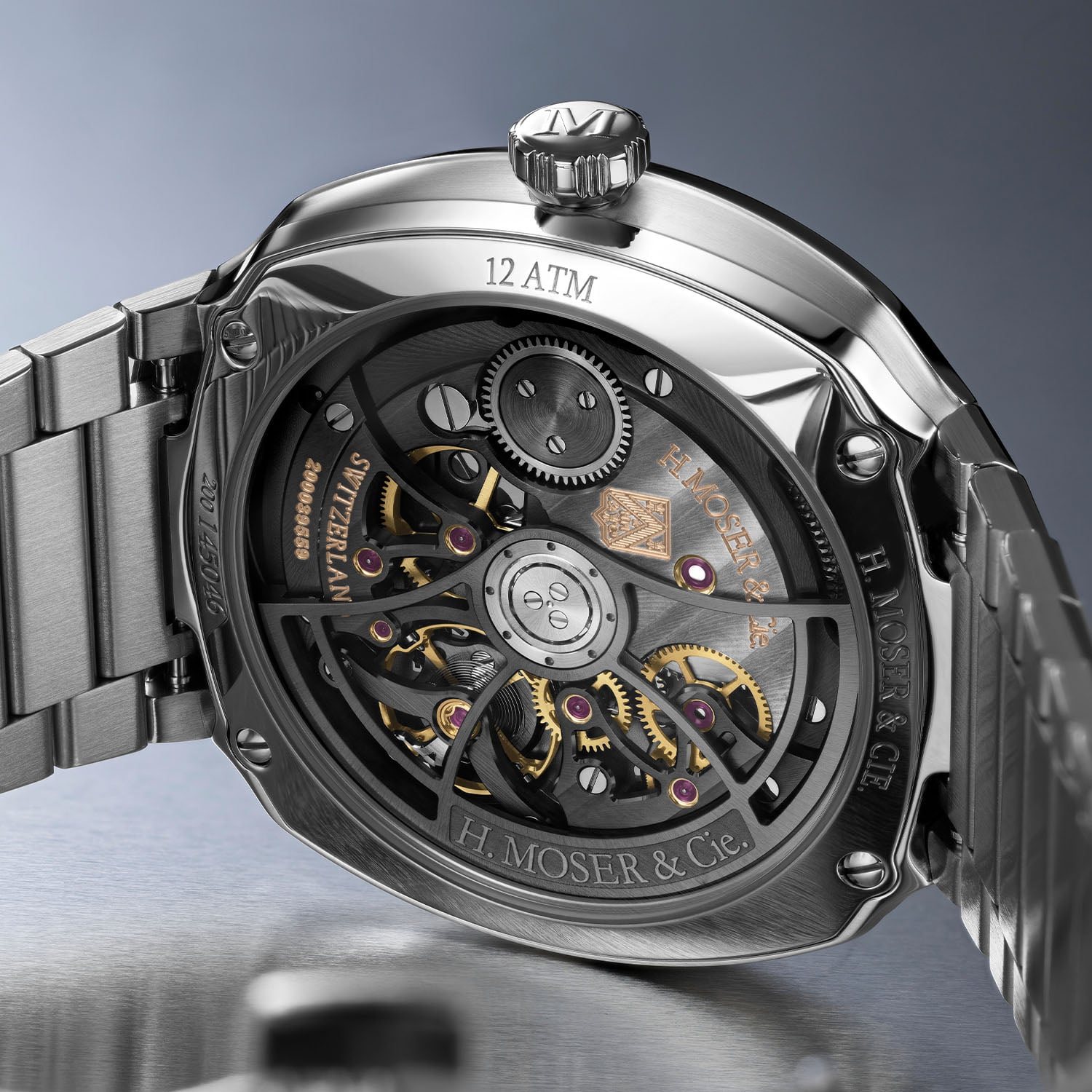
Its polished steel case has brushed recessed grooves along the flanks and curved lugs, while the Blackor fumé sunburst dial leans into a deeper, more formal gradient.
There’s no luminescence here, just leaf-shaped hands, faceted applied indices and a black 30-second arc with golden markings.
As on the Streamliner, the snail cam sits beneath an openworked bridge, and the logo is rendered in transparent lacquer.
Details & Specifications
| Brand | H. Moser & Cie. |
|---|---|
| Models | Pioneer Skeleton Retrograde Seconds, Streamliner Retrograde Seconds, Endeavour Retrograde Seconds |
| Case size | 40mm |
| Case material | Stainless steel |
| Retrograde display | 30-second retrograde seconds with twice-per-minute jump-back |
| Pioneer case thickness | 12mm, or 10.4mm without crystal |
| Streamliner case thickness | 12.1mm, or 10.2mm without crystal |
| Endeavour case thickness | 11.2mm, or 9.9mm without crystal |
| Pioneer movement | HMC 251 in-house automatic calibre with Agenhor 30-second retrograde module |
| Streamliner movement | HMC 252 in-house automatic calibre with Agenhor 30-second retrograde module |
| Endeavour movement | HMC 252 in-house automatic calibre with Agenhor 30-second retrograde module |
| Frequency | 21,600vph, or 3Hz |
| Power reserve | 3 days |
| Pioneer water resistance | 120 metres |
| Streamliner water resistance | 120 metres |
| Endeavour water resistance | 30 metres |
| Pioneer strap or bracelet | Interchangeable steel bracelet and khaki rubber strap with steel pin buckle |
| Streamliner bracelet | Integrated steel bracelet with triple-blade folding clasp |
| Endeavour strap | Night blue nubuck strap with steel pin buckle |
| Pioneer reference | 3251-1200 |
| Streamliner reference | 6252-1200 |
| Endeavour reference | 1252-1200 |
| Pioneer price | CHF 37,726 / EUR 44,200 |
| Streamliner price | CHF 32,300 / EUR 37,800 |
| Endeavour price | CHF 30,160 / EUR 35,300 |
What stands out is how much range Moser has extracted from a single complication.
The Pioneer makes the mechanics the spectacle, the Streamliner integrates the display into a fluid sports-watch silhouette, and the Endeavour shows that a jumping seconds hand can still live comfortably inside a pared-back dress watch.
For collectors who like Moser’s minimalist instincts but want more visible mechanical action, this trio makes a persuasive case without feeling like three versions of the same watch.