Some auction results are about scarcity, some are about timing, and a few are about a watch that genuinely altered the direction of modern horology.
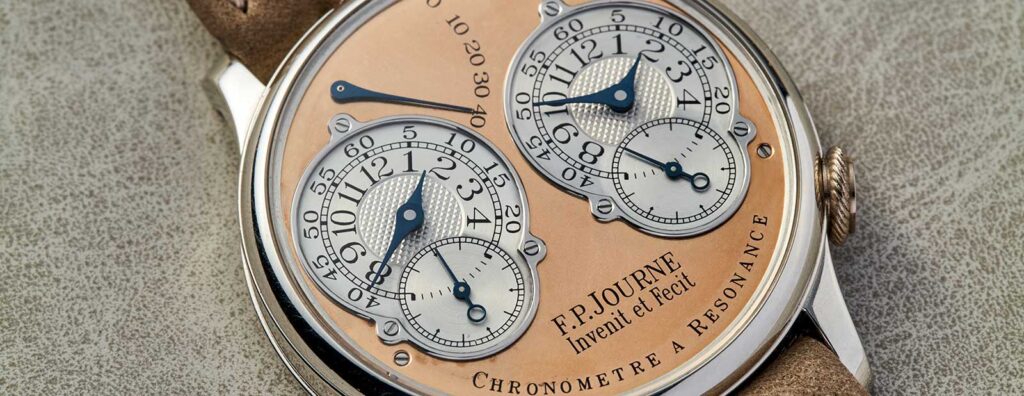
The F.P. Journe Chronomètre à Résonance “Souscription, No. 007” belongs firmly in the last category.
When it sold at Phillips New York on June 14, 2026 for USD 13,922,000 after nine minutes of bidding, the number was spectacular, but the watch itself is more interesting than the result.
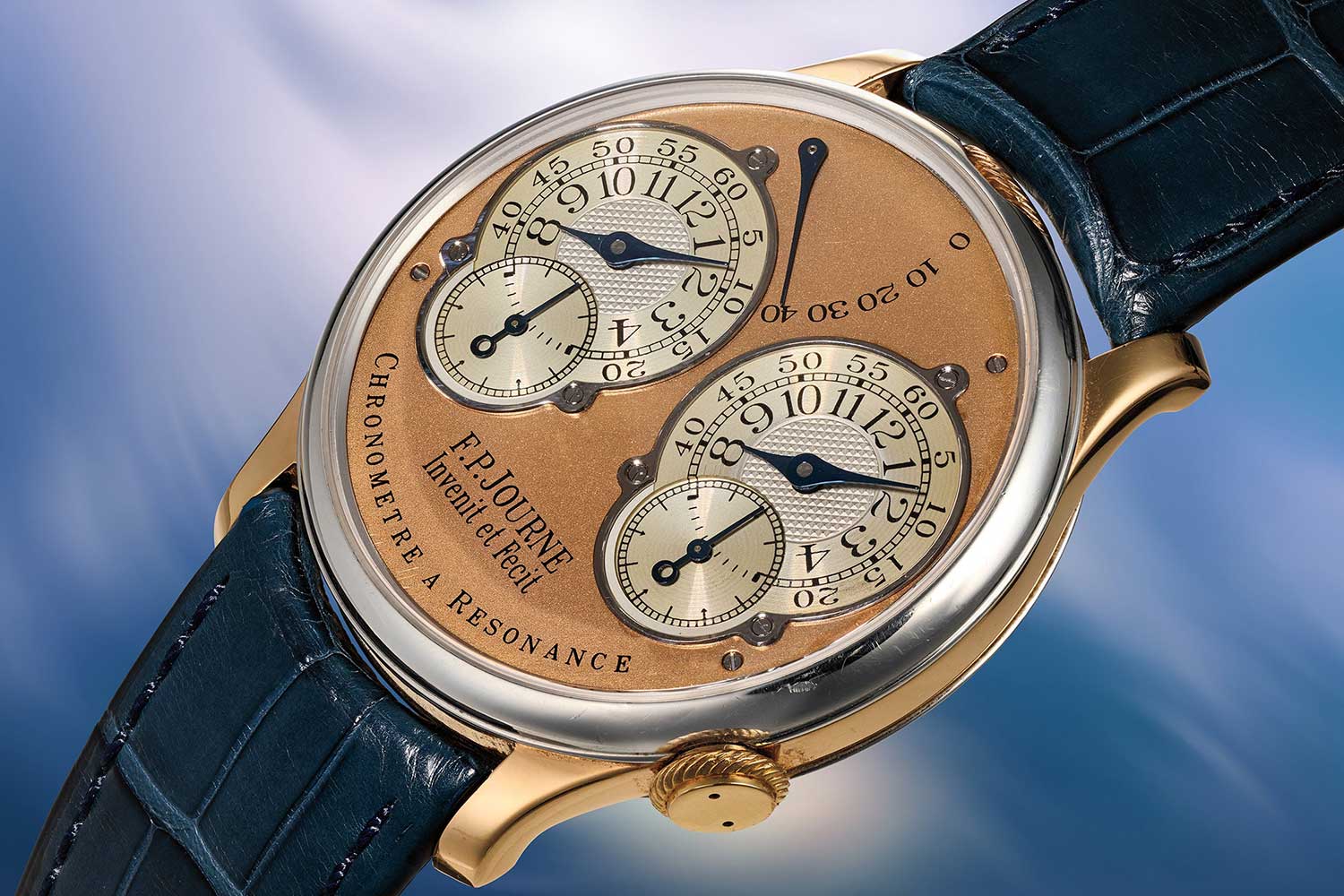
It represents a young François-Paul Journe betting his name on one of watchmaking’s most difficult ideas, then proving it could survive on the wrist.
At a glance
- F.P. Journe’s Chronomètre à Résonance “Souscription, No. 007” sold for USD 13,922,000 at Phillips New York on June 14, 2026.
- The watch is one of the earliest wristwatches to demonstrate practical resonance, using two balances that influence one another through shared vibration.
- It is the seventh of 20 Souscription Résonance watches and one of only two known examples in two-tone platinum and pink gold with a matching pink gold dial.
A record sale with deeper meaning
The Phillips result made No. 007 the most expensive watch ever sold by an independent watchmaker.
It also became the most expensive 21st-century watch ever sold at auction, surpassing an estimate that had already sat above USD 1 million.
Yet the appeal of this particular F.P. Journe isn’t simply that collectors competed for it.
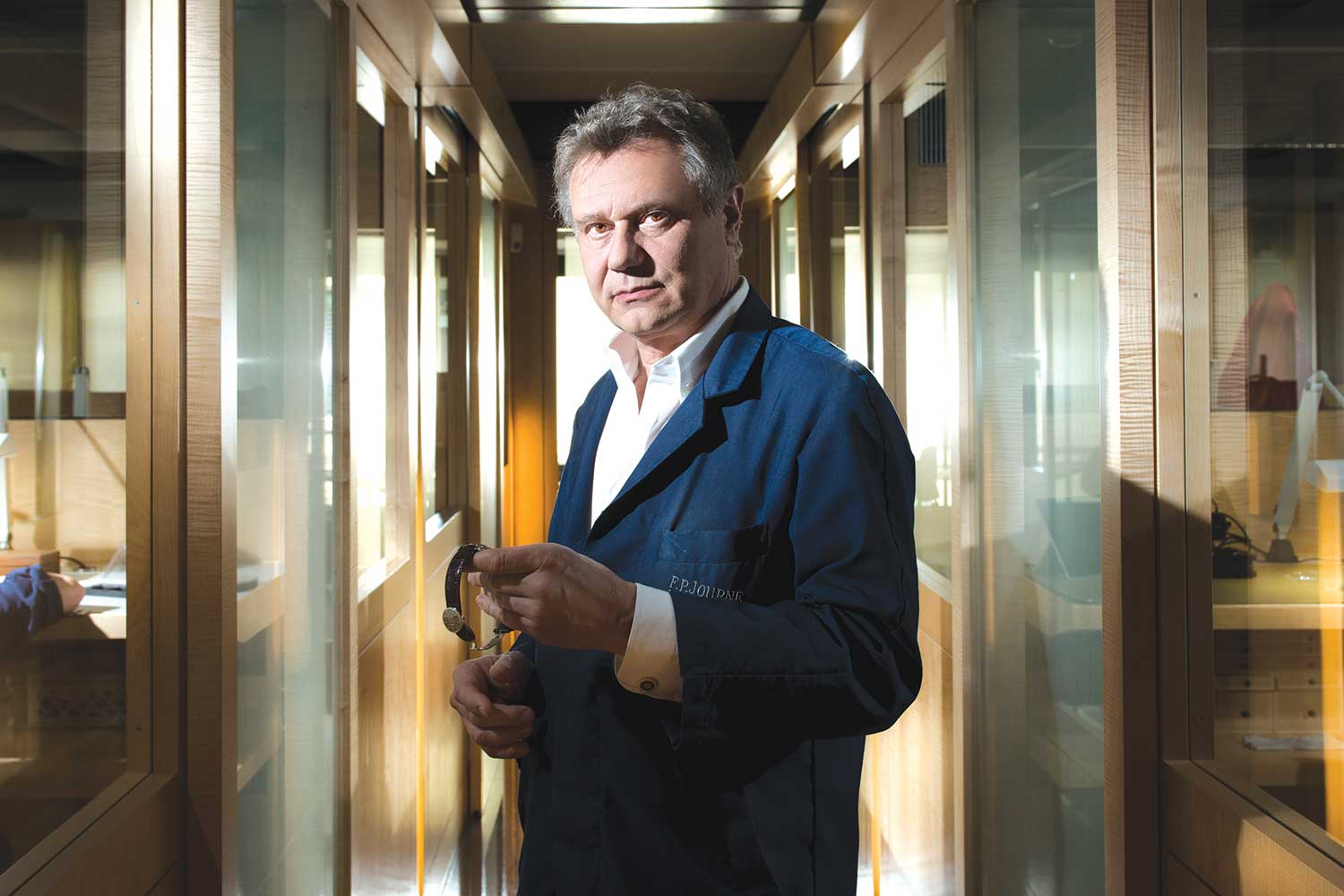
Its value is tied to the moment it captures, when Journe was not yet the most discussed living independent watchmaker, but a specialist with a radical proposition and a small circle of clients prepared to trust him.
The Chronomètre à Résonance was not a safe commercial exercise.
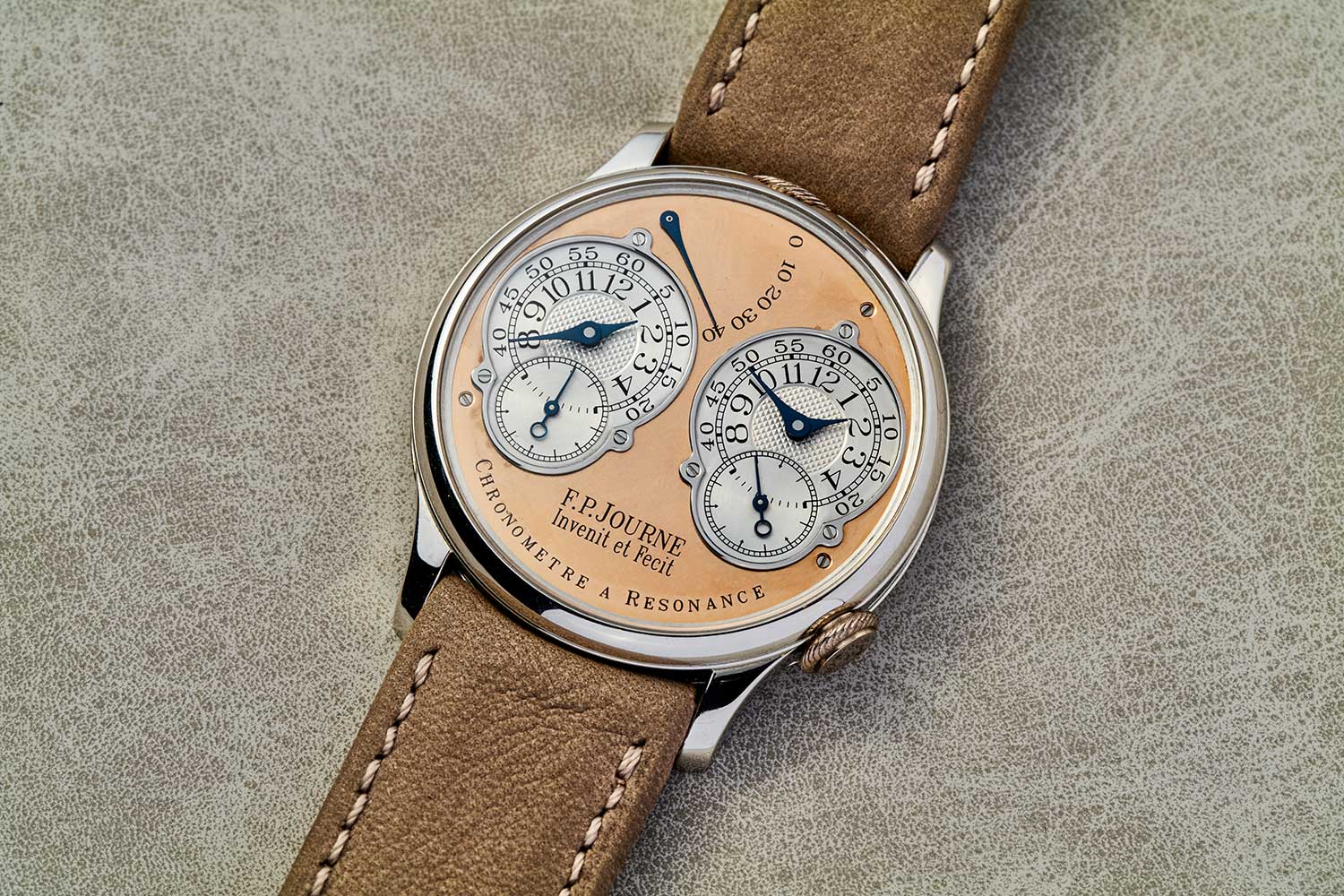
It was an attempt to take a phenomenon long associated with clocks and pocket watches and make it function in a far less forgiving environment.
A wristwatch is constantly being moved, tilted, knocked and worn through daily life.
For Journe, that instability was not a reason to avoid resonance, but the very reason to pursue it.

Resonance made for a moving wrist
In watchmaking, resonance describes the tendency of two oscillators to settle into a shared rhythm through the transmission of tiny vibrations.
In the Chronomètre à Résonance, the two balances are positioned so that their energy can interact, allowing them to influence each other’s rate.
The idea is not that the system removes disturbance altogether.
Its significance lies in helping the balances recover from shocks, which is especially relevant in a wristwatch that spends its life in motion.
That thinking set Journe apart from earlier experiments with the phenomenon.
Before his wristwatch, resonance had been associated with an exceptionally small number of historic timepieces, including known clocks and pocket watches rather than serially produced wristwatches.
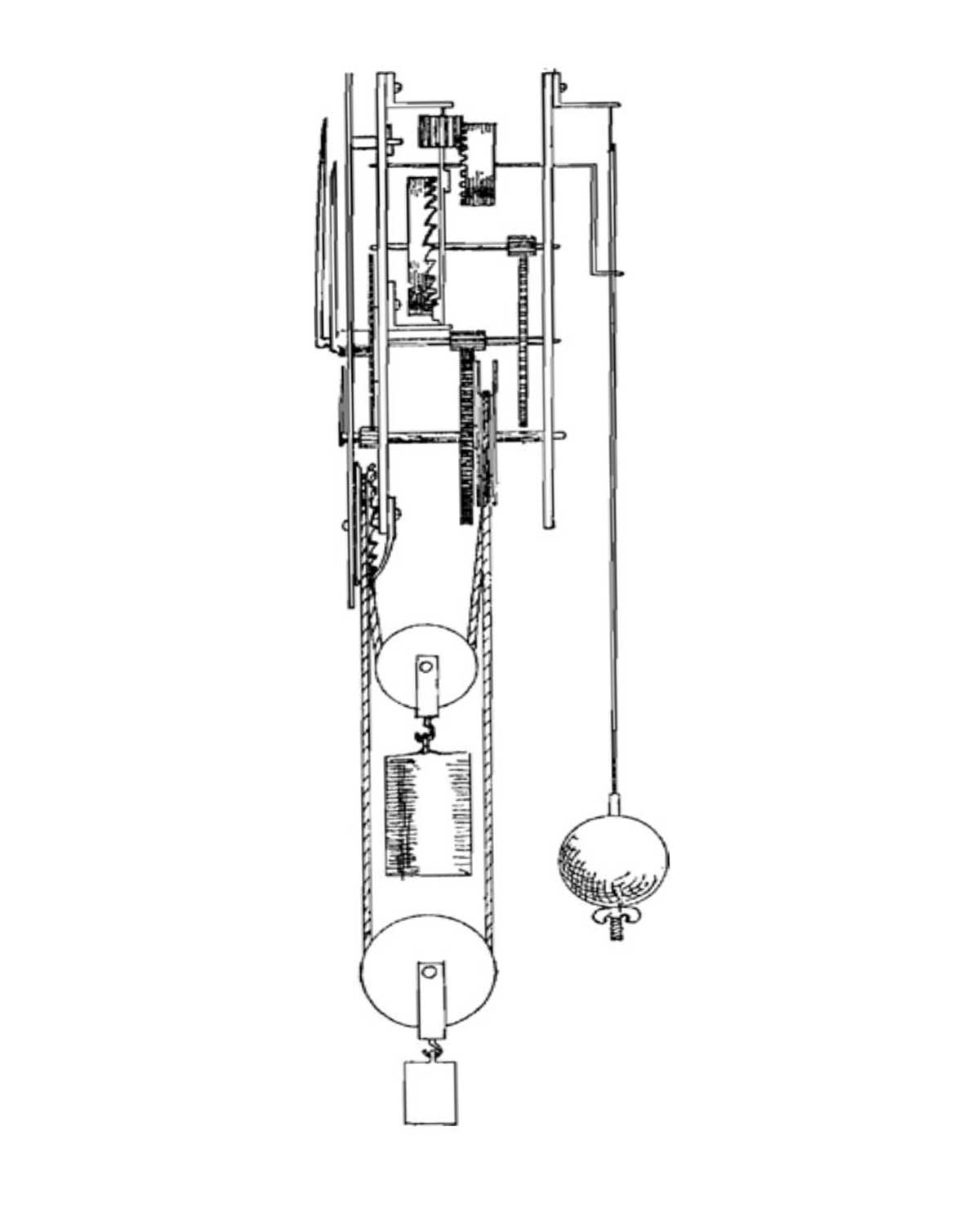
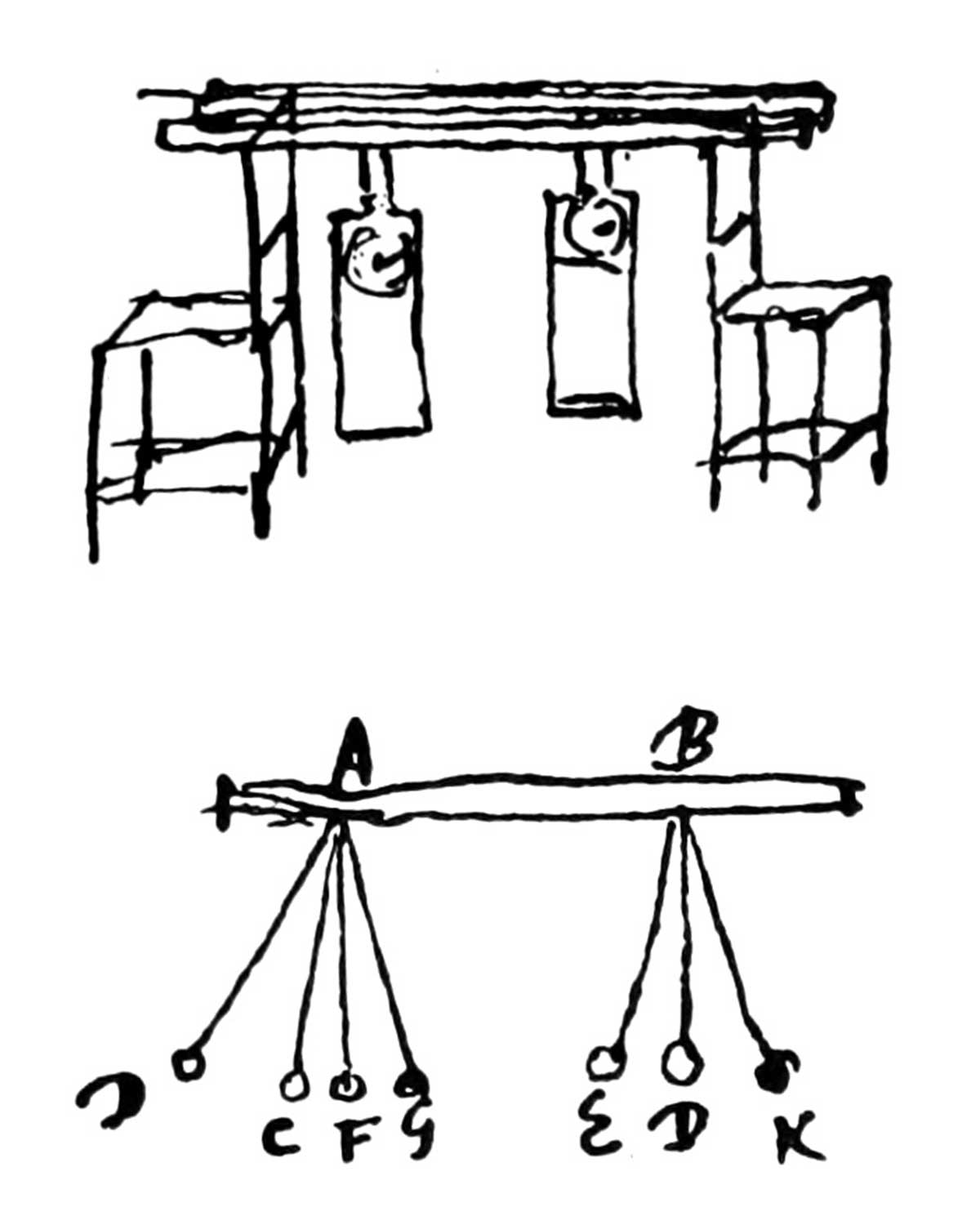
The concept’s scientific roots go back to Christiaan Huygens, the Dutch scientist who patented the pendulum clock in 1657.
In 1665, while observing two pendulum clocks hanging from the same wooden beam, Huygens noticed that their pendulums would eventually settle into opposing but synchronized motion.
He disturbed them and they returned to that rhythm again.
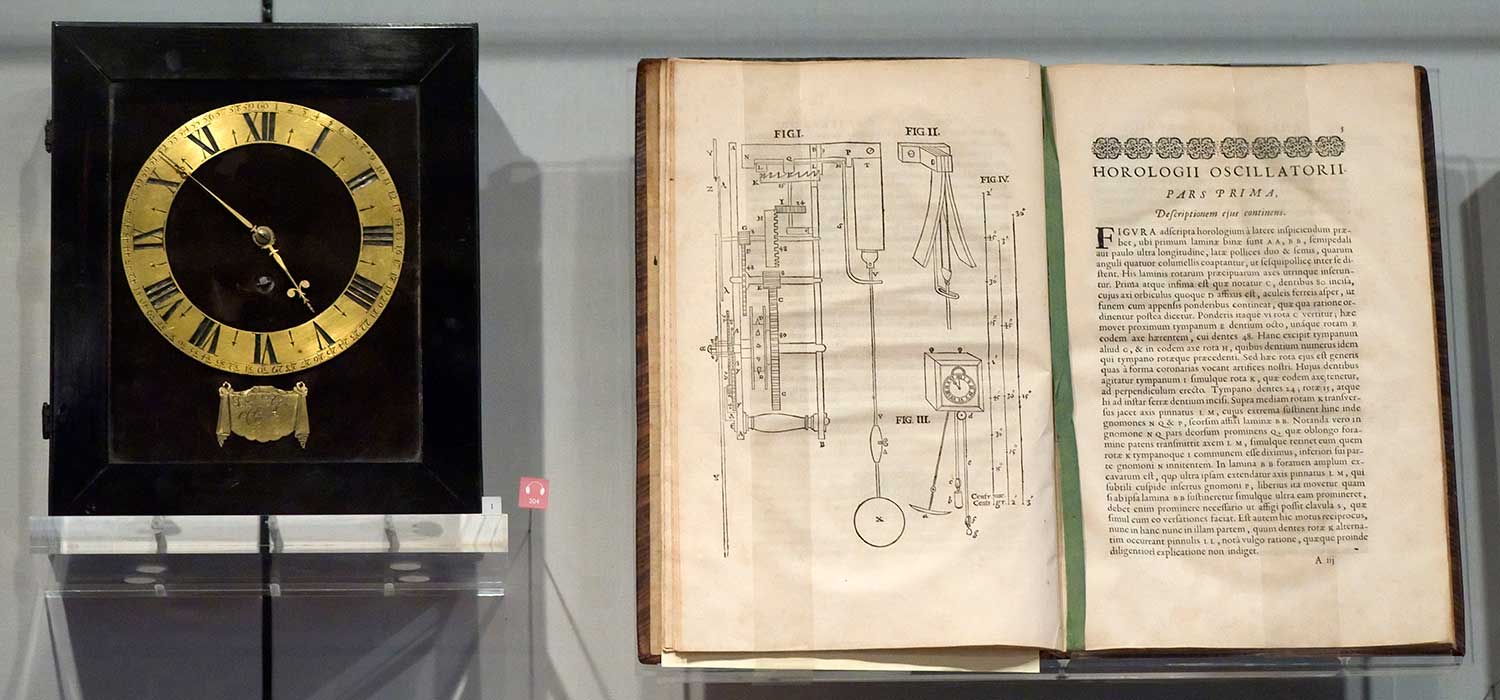
Huygens understood that the clocks were communicating through vibrations passing through the shared support, a phenomenon he described as a strange sympathy.
Centuries later, Journe translated that principle into a portable mechanical object that could be worn, moved and tested by ordinary use.
That leap is what gives the Chronomètre à Résonance its place in contemporary watchmaking history.
Why Souscription No. 007 is exceptional
Journe’s Souscription period has become one of the most intensely studied chapters in independent watchmaking.
Between 1999 and 2000, he needed capital to build his own manufacture and asked 20 clients to pay in advance for the Tourbillon Souverain.
Those early supporters were later offered the first 20 examples of the Chronomètre à Résonance.
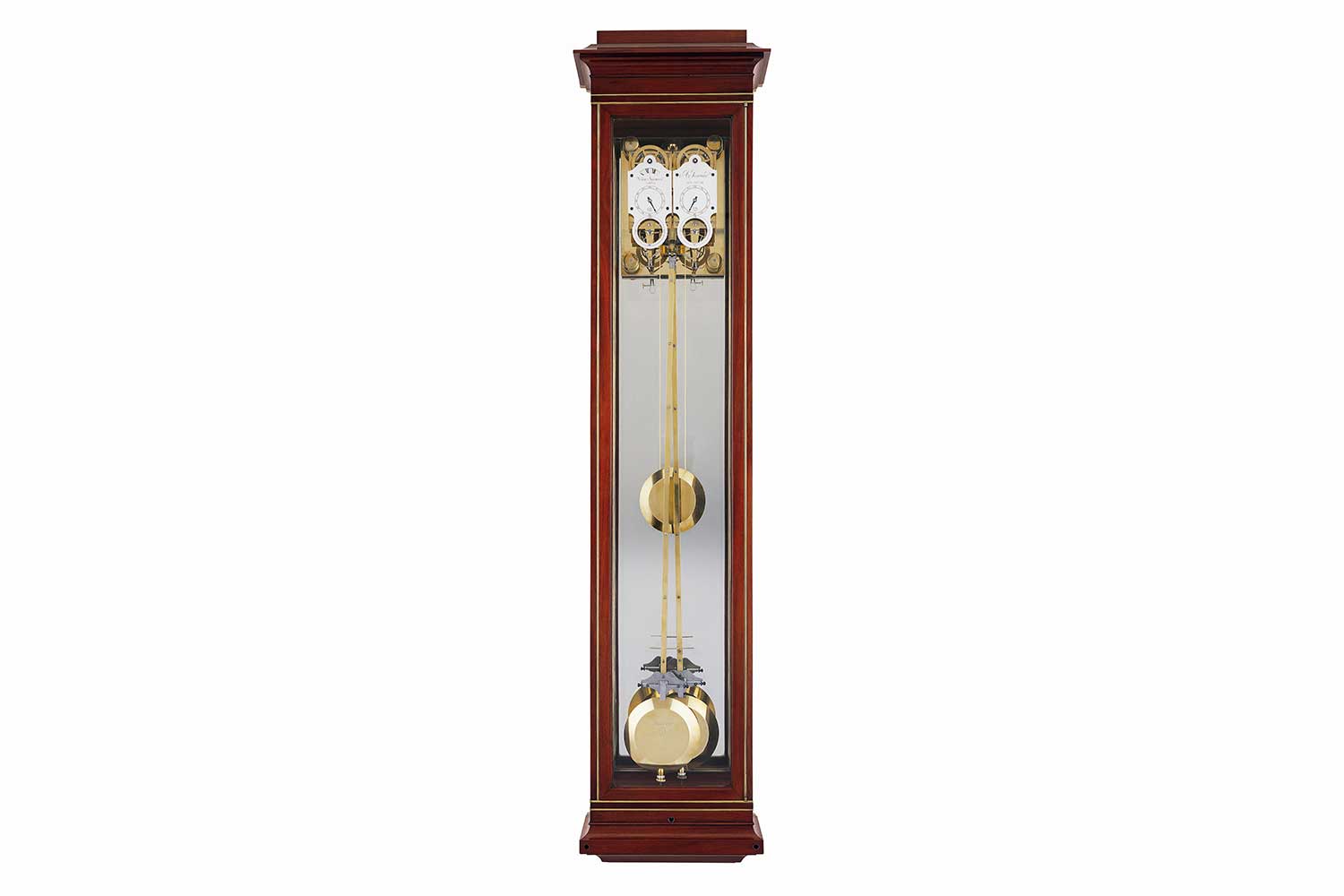
No. 007 is the seventh watch in that group.
Its importance is strengthened by the fact that it was made at a point when Journe was still personally building these pieces by hand.
That detail matters because Journe’s later success created a larger, highly disciplined manufacture, and he became known for moving on from the bench once a mechanism had been perfected and passed to his watchmakers.
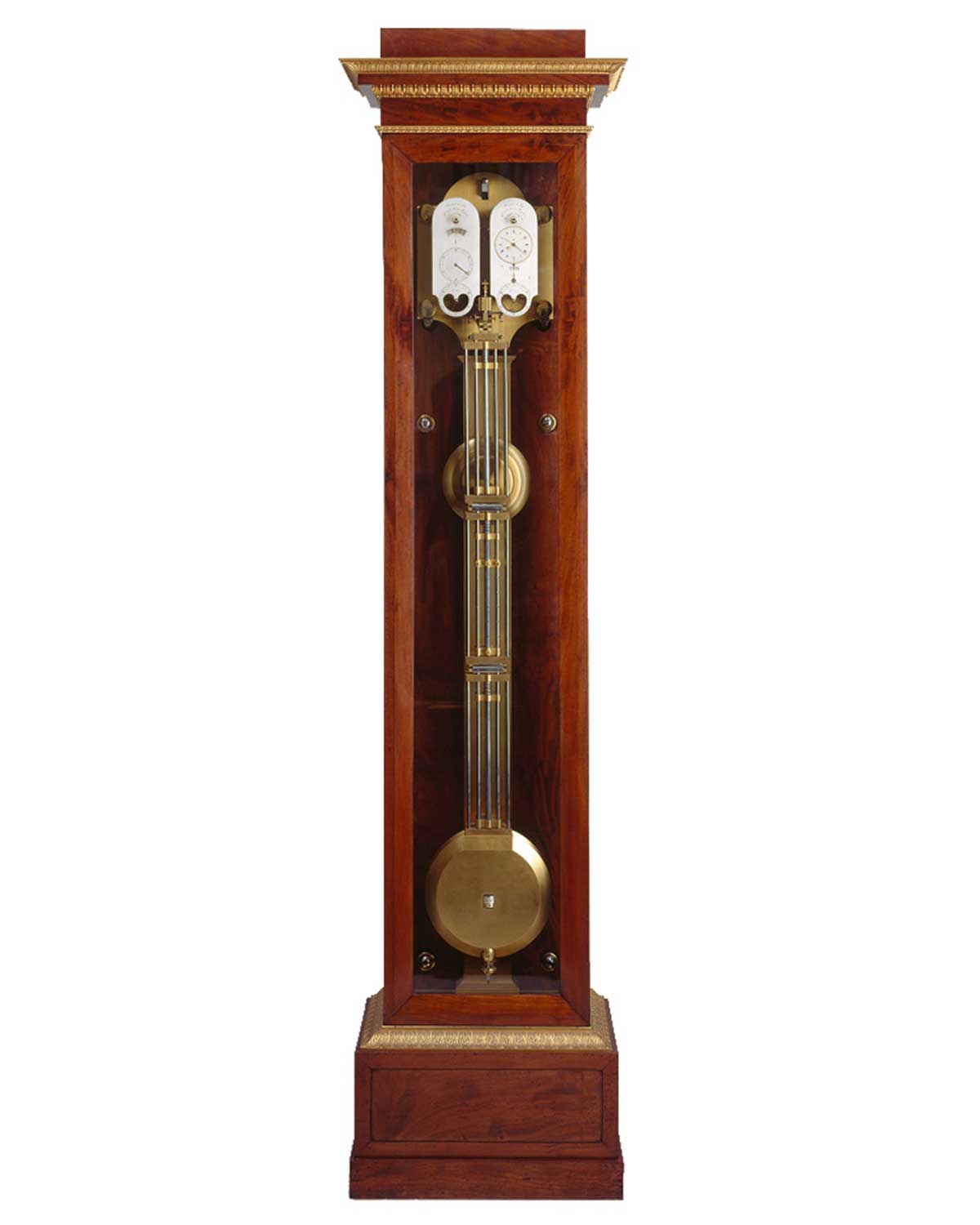
No. 007 comes from the moment before that transition.
It is not only an early expression of an idea, but a watch physically tied to the hand of the watchmaker who conceived it.
The configuration pushes it into even rarer territory.
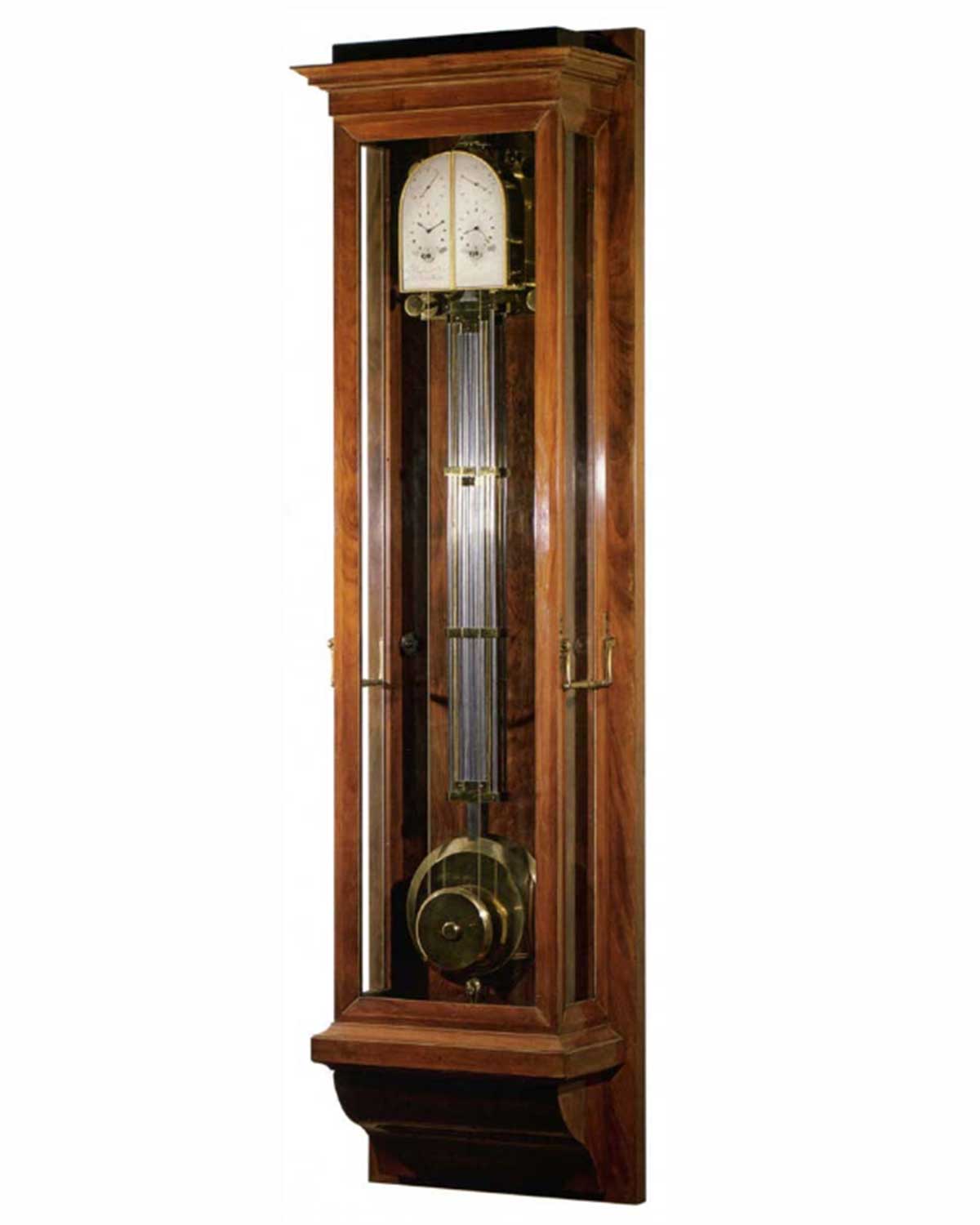
Of the 20 Souscription Résonance watches, only five were made in two-tone platinum and pink gold rather than platinum alone.
Among those five, only two carry a matching pink gold dial.
No. 007 is one of them, while the other watch in the same configuration remains with François-Paul Journe himself.
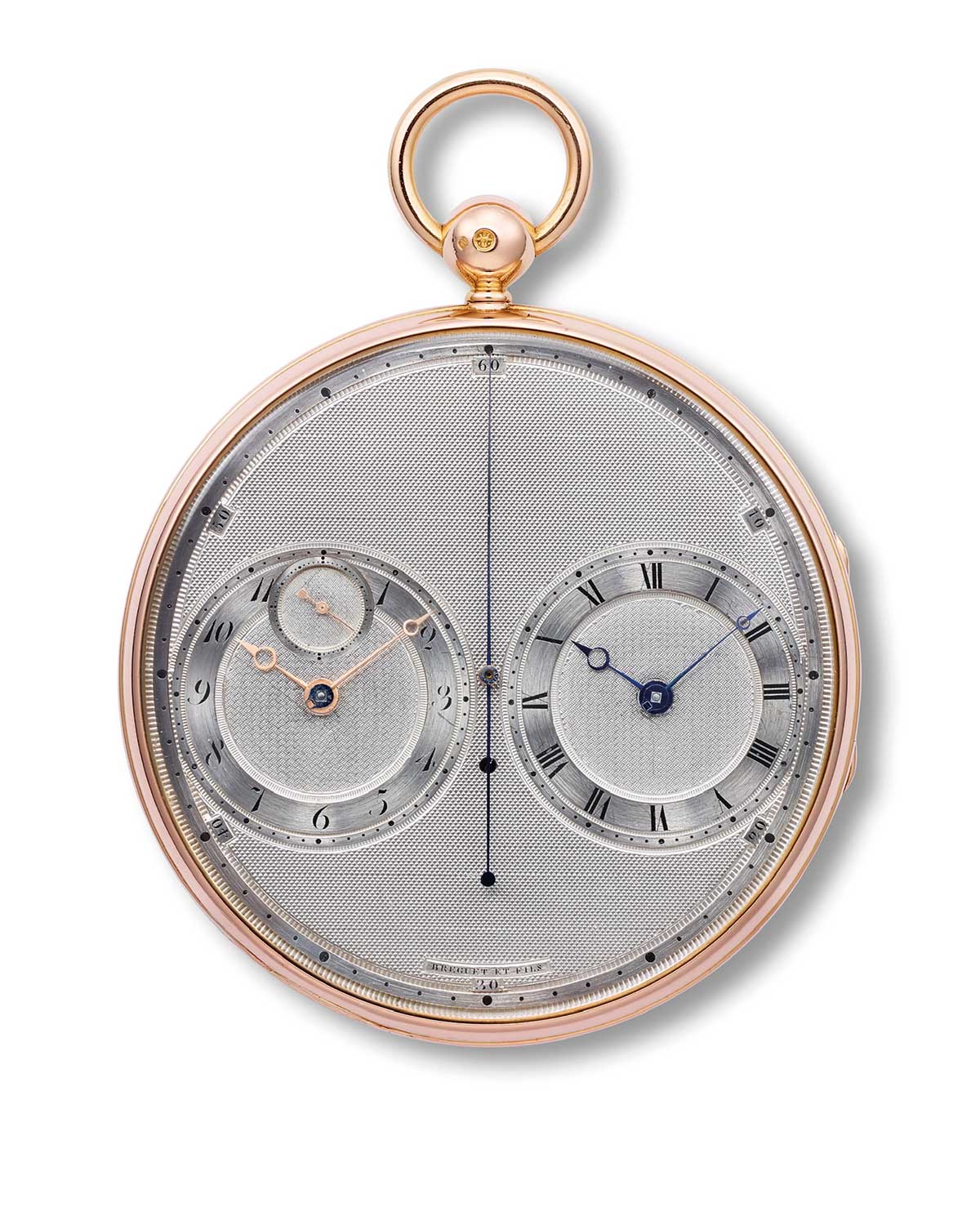
For collectors, that combination of invention, early manufacture history and configuration rarity is difficult to separate.
Each layer reinforces the next.
Courage as a horological quality
Independent watchmaking is often discussed through finishing, scarcity and personality, but the Chronomètre à Résonance asks for another word entirely.
Courage.
George Daniels is said to have told Journe, “You have a lot of courage,” a concise assessment of the risk involved.
If the resonance wristwatch had failed, it could have undermined Journe’s credibility at the exact moment he was trying to establish his own name.
Instead, the watch became one of his defining creations.
It helped establish an intellectual territory for F.P. Journe, where historical horological ideas are not merely revived for romance, but tested as practical mechanisms.
That distinction is essential.
The Chronomètre à Résonance is not important because it looks unusual or because it is difficult to obtain.
It is important because it took a phenomenon with a 17th-century scientific lineage and argued, convincingly, that its most useful modern form might be the wristwatch.
Details & Specifications
| Brand | F.P. Journe |
|---|---|
| Model | Chronomètre à Résonance “Souscription, No. 007” |
| Approximate year | Circa 2000 |
| Series | Souscription Résonance |
| Number | No. 007 of the first 20 Souscription examples |
| Case material | Two-tone platinum and pink gold |
| Dial | Pink gold dial |
| Horological principle | Resonance with two interacting balances |
| Notable rarity | One of five two-tone Souscription Résonance watches and one of two with a matching pink gold dial |
| Auction result | USD 13,922,000 |
| Auction date and location | June 14, 2026, Phillips New York |
For all the attention around the price, the lasting appeal of No. 007 is that it compresses a scientific idea, a founder’s gamble and a formative moment for modern independent watchmaking into one object.
That is why the Chronomètre à Résonance still feels less like a trophy and more like a turning point.