Watchmaking’s most visible moments usually happen in boutiques, at fairs, or on the wrist, but many of the industry’s real advances begin far from the spotlight.
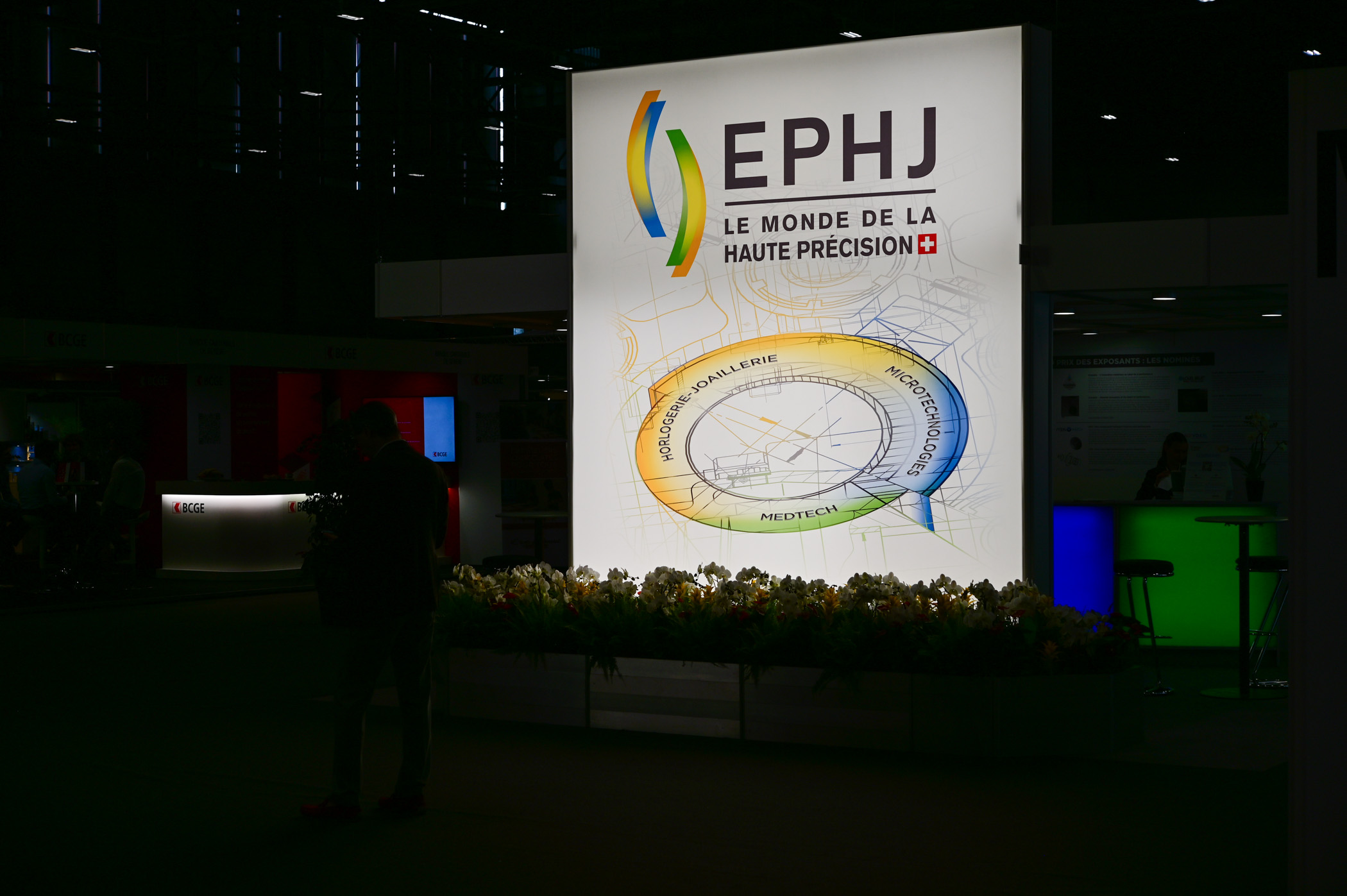
EPHJ 2026 returns to Palexpo in Geneva from June 16 to 19, bringing together the suppliers, engineers and specialist manufacturers that shape what future watches can do.
For anyone interested in where mechanical watchmaking is heading, this is one of the more revealing places to look.
At a glance
- EPHJ 2026 will take place at Palexpo in Geneva from June 16 to 19.
- The fair gathers more than 800 exhibitors across watchmaking, jewellery, microtechnology and medical technology.
- Key developments include new micro-rotor calibres, a fresh mechanical movement family from Ronda and advanced manufacturing tools for precision components.
Geneva’s high-precision network comes into focus
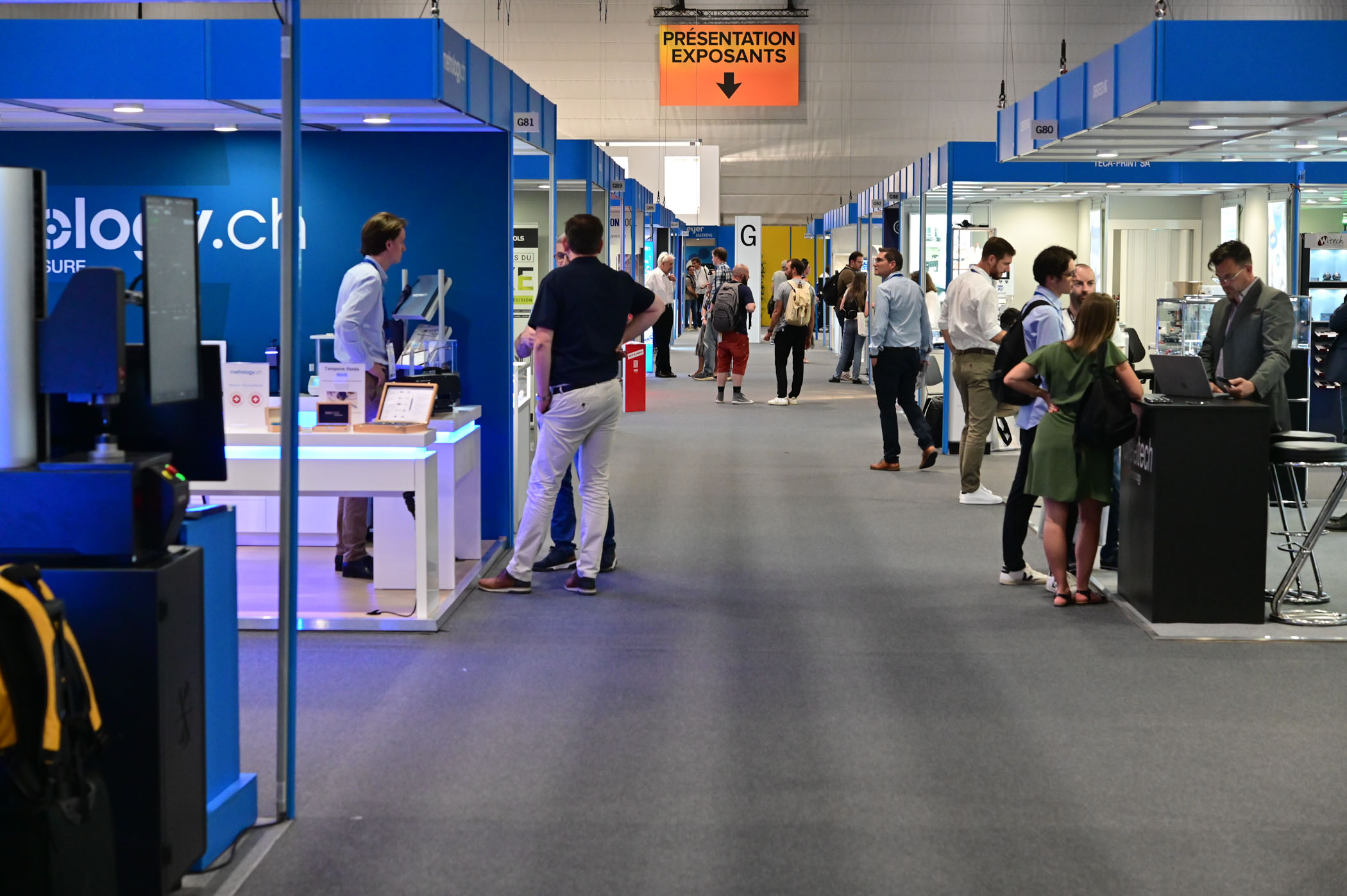
EPHJ has become Switzerland’s largest high-precision industry exhibition, drawing more than 20,000 visitors each year.
Its importance comes from the mix of disciplines on the show floor.
Watchmaking sits alongside jewellery, microtechnology and medical technology, creating a rare environment where miniature engineering, materials science and production expertise overlap.
That matters because the watch industry depends heavily on companies most buyers will never see named on a dial.
Movement developers, bearing specialists, machining experts and microfabrication firms often provide the technical groundwork that allows brands to bring slimmer cases, longer power reserves and more reliable complications to market.
Micro-rotor movements signal the next wave of slim calibres
One of the notable movement developments is the VMF 5500 from Vaucher Manufacture Fleurier.
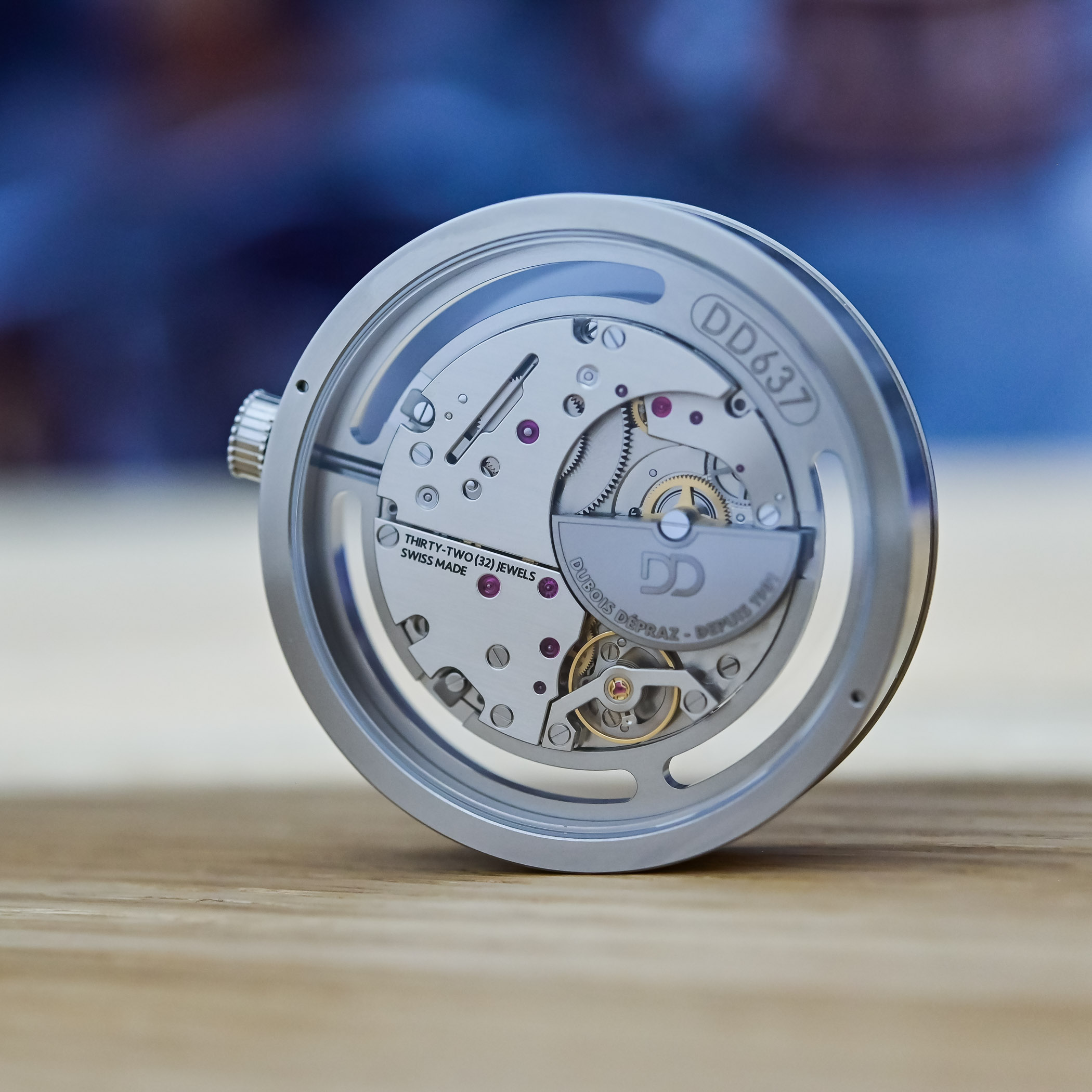
The calibre succeeds the VMF 5400 while keeping the same overall dimensions and compatibility with the VMF 5401 architecture.
The significant change is internal, with a redesigned construction intended to improve efficiency and long-term durability.
The headline gain is power reserve, which rises from 45 hours to 65 hours.
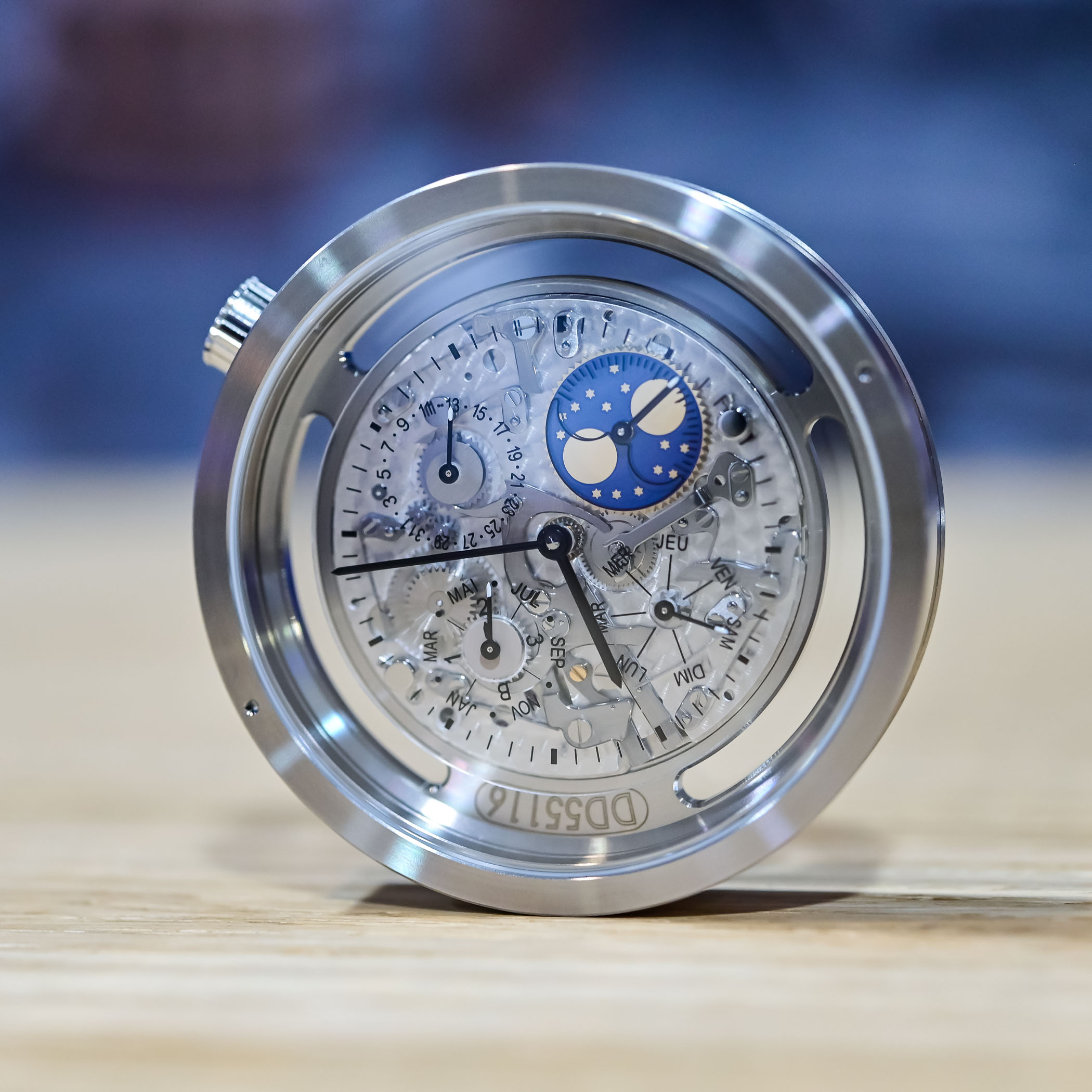
Dubois Dépraz is also using the occasion to mark a major step in its own history.
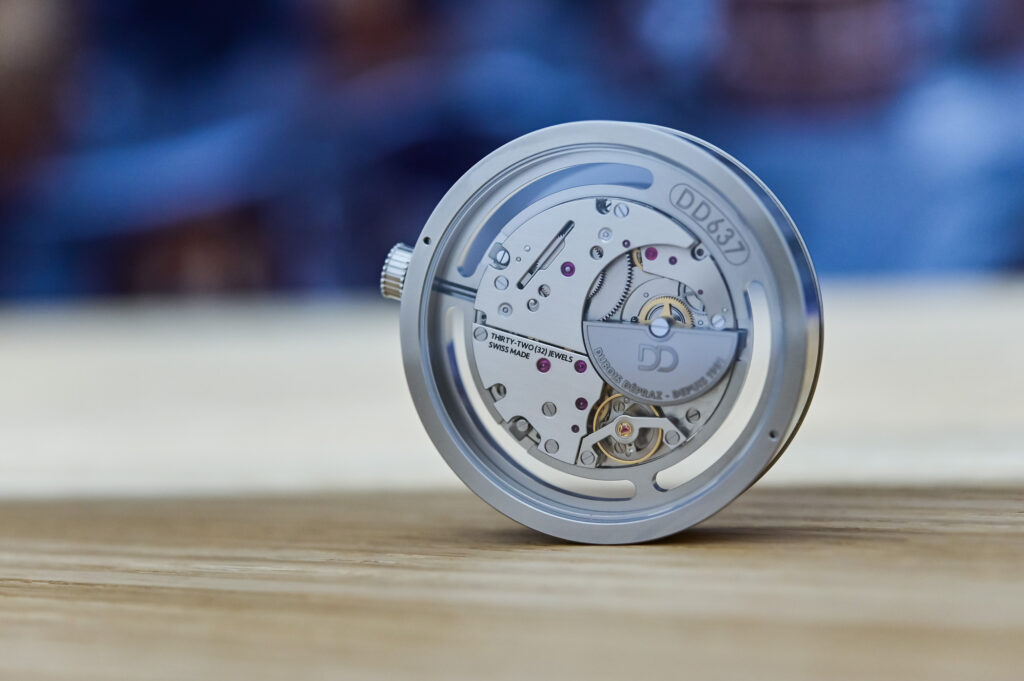
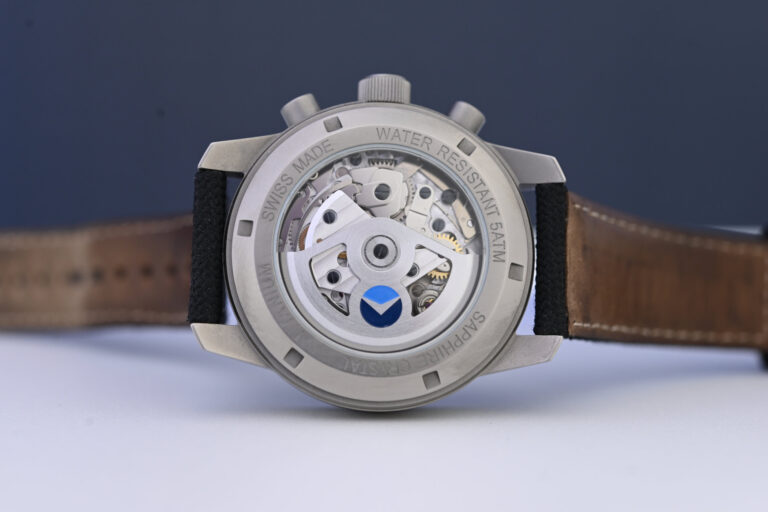
Best known as a specialist in movement components and complication modules, particularly chronographs and calendars, the company is presenting the DD630 micro-rotor movement for its 125th anniversary.
The DD630 measures 30mm across and 3.6mm thick, with bidirectional winding, a variable-inertia balance and a 3.5Hz frequency.
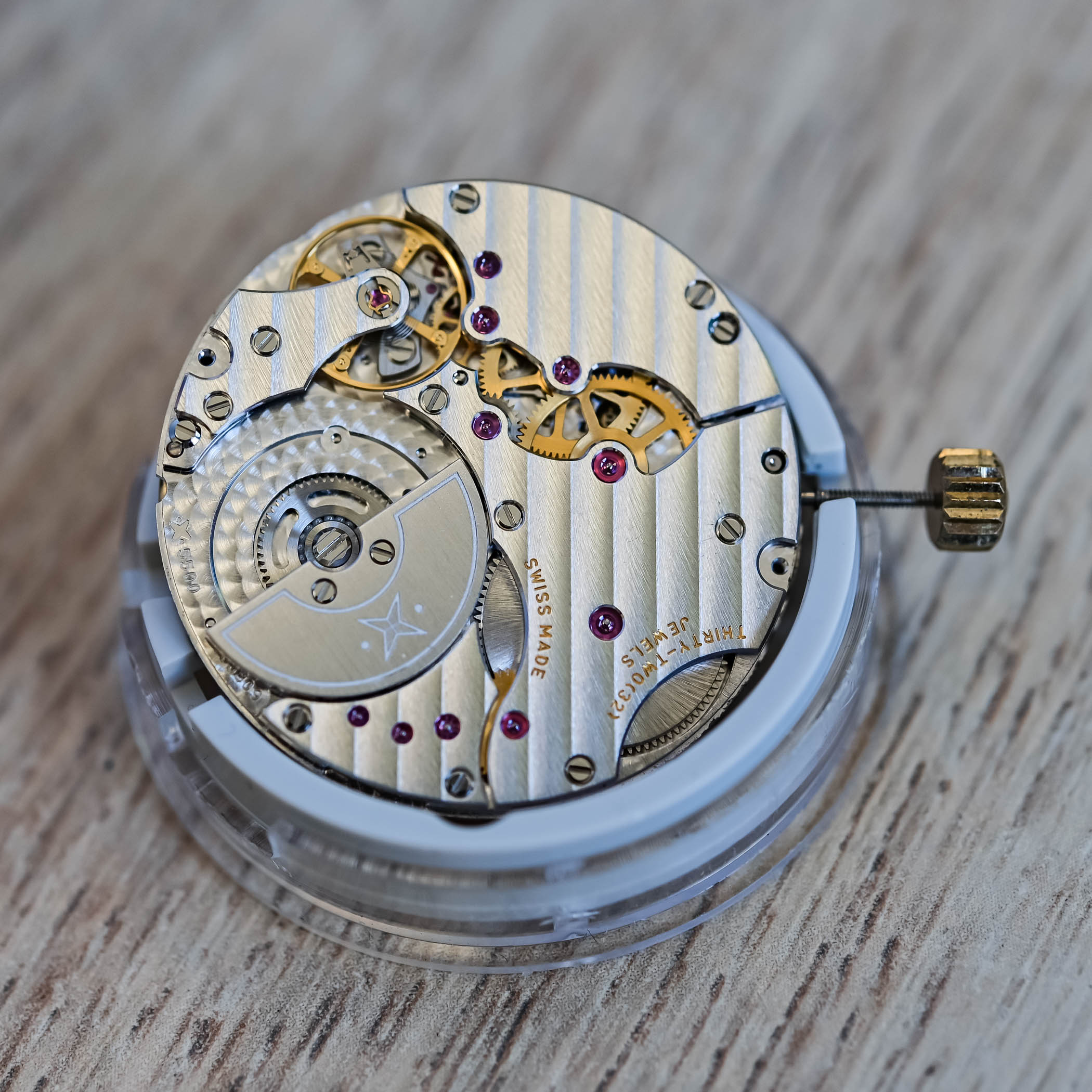
It can also be configured with small seconds at 6 o’clock.
For Dubois Dépraz, the most important detail may be architectural rather than cosmetic.
The movement has been designed to accept additional modules, including simple date and complete calendar functions, giving client brands a more integrated base for future watches.
Ronda enters a tougher mechanical arena
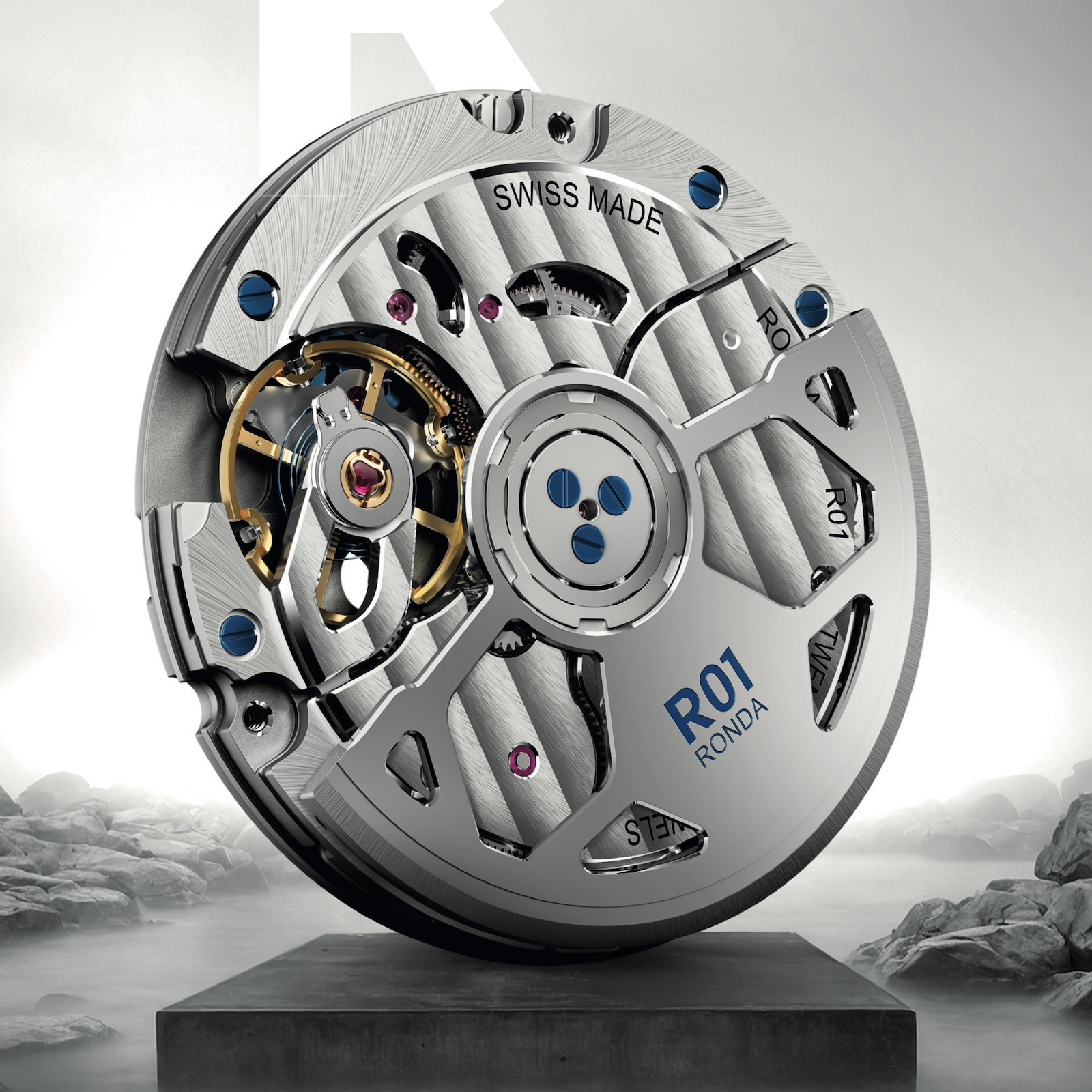
Ronda is widely recognised for quartz movements, but the new R01 family puts the company more directly into the mechanical segment.
The movement is positioned in the space occupied by established automatic workhorses, where dependability, price and technical differentiation all matter.
At 28.20mm in diameter and 4.20mm thick, the R01 does not follow the classic ETA 2824 dimensions.
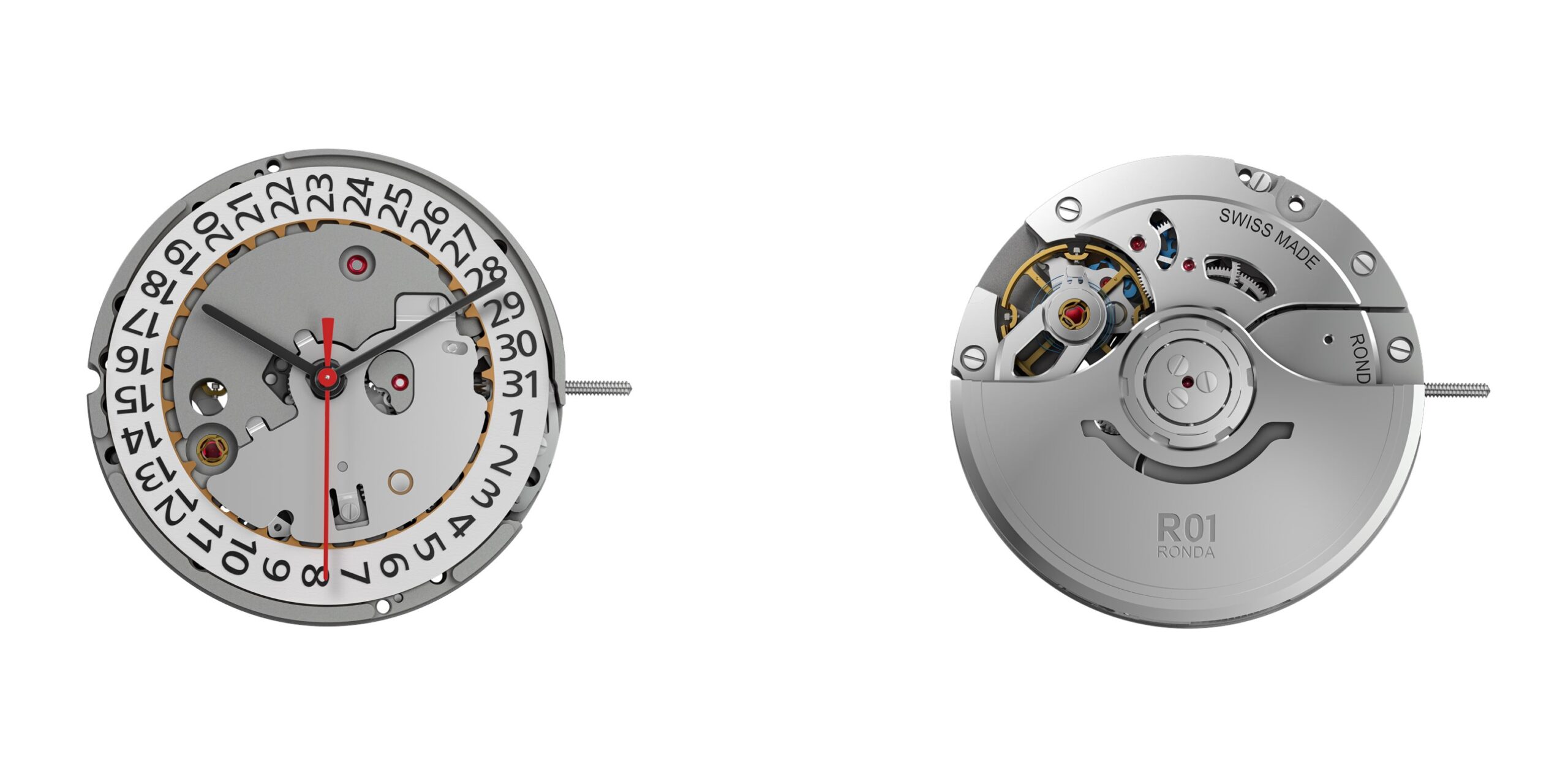
Its technical profile is modern, with chronometer-grade accuracy suitable for COSC certification, a silicon escapement, a silicon hairspring and resistance to magnetic fields up to 200 gauss.
The calibre runs at 3.5Hz, or 25,200 vibrations per hour, and offers an 80-hour power reserve.
If adopted widely, it could give brands another credible option in a segment where movement choice has become a strategic issue rather than a footnote.
Manufacturing advances with real watchmaking consequences
Not every important EPHJ development is a complete calibre.
Some of the most consequential ideas are smaller, more technical and almost invisible once a watch is assembled.
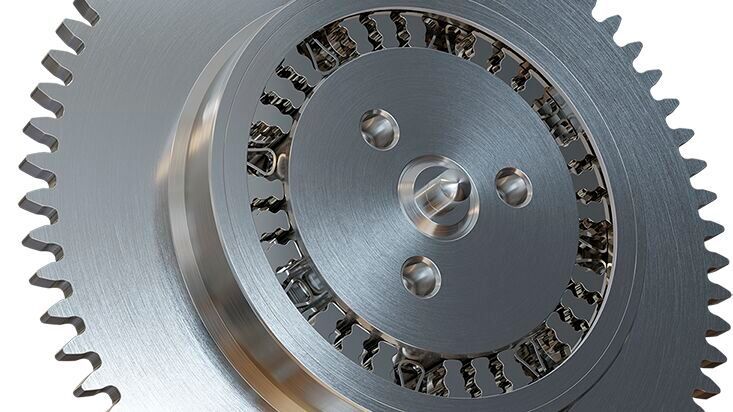
MPS, a specialist in ball bearings for automatic winding systems, is presenting Spragway, a miniature one-way bearing designed to improve winding efficiency.
Inspired by clutch mechanisms used in applications such as helicopters, the component focuses on torque transmission and reducing the dead angle before engagement.
The result is a compact unidirectional freewheel measuring just 4mm in diameter, with claimed torque transmission above 10,000 µNm.
That figure is roughly ten times the capacity of the company’s OneWay bearing solutions.
Louis Bélet is addressing a different but equally practical challenge with internally cooled PCD drills for precision machining.
The tools combine a tungsten carbide body with integrated coolant channels and a polycrystalline diamond cutting tip, using laser drilling technology to deliver coolant directly to the cutting edge.
The approach is intended to improve chip evacuation, productivity and tool life when working with technical ceramics, lead-free brass, precious metals and other demanding materials.

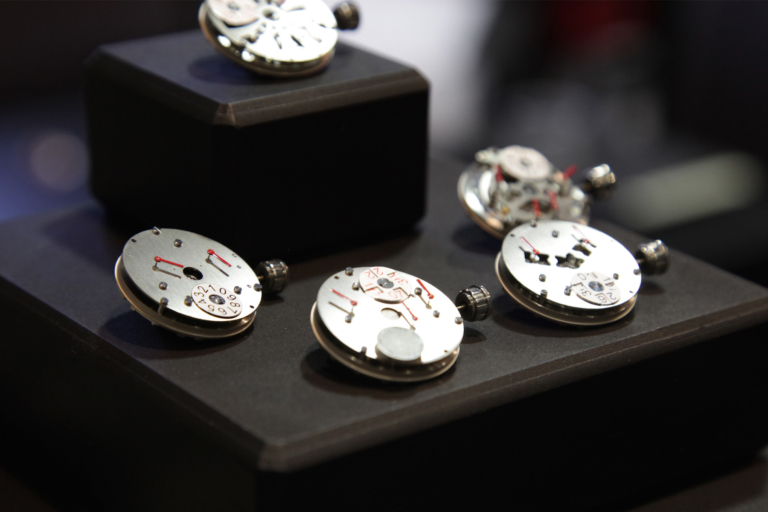
NanoVoxel’s VERA technology points toward another frontier in component production.
By combining two-photon polymerisation micro 3D printing with high-fidelity metal deposition, it enables three-dimensional electroformed microparts without the usual planar limits.
For watchmaking, that kind of freedom could prove valuable wherever extreme miniaturisation, unusual geometry or faster development cycles are required.
Details & Specifications
| Event | EPHJ 2026 |
|---|---|
| Location | Palexpo, Geneva |
| Dates | June 16 to 19, 2026 |
| Annual visitors | More than 20,000 |
| Exhibitors | More than 800 |
| Key sectors | Watchmaking, jewellery, microtechnology and medical technology |
| Vaucher VMF 5500 | Micro-rotor calibre with 65-hour power reserve |
| Dubois Dépraz DD630 | 30mm diameter, 3.6mm thick, 3.5Hz frequency, bidirectional winding |
| Ronda R01 | 28.20mm diameter, 4.20mm thick, 3.5Hz frequency, 80-hour power reserve |
EPHJ 2026 is unlikely to generate the same public attention as a major watch launch, but that is precisely what makes it valuable.
It offers a view of watchmaking before the finished product exists, at the point where better movements, cleaner manufacturing and more ambitious components begin to take shape.