Some dive watches spend their lives looking the part from behind a desk.
A late-August gathering in Panama City Beach, Florida, offered a more fitting setting for Doxa, with shipwreck dives in the Gulf of Mexico, a circle of collector-divers and a rotating cast of modern SUB models going straight into the water.
It was less a product showcase than a reminder that watches can be social objects, especially when the object in question is built around a shared pursuit.
At a glance
- Doxa and The Watch Preserve brought a group of watch-collecting divers to Panama City Beach for several days of Gulf of Mexico diving.
- The watches in use included the SUB 300, SUB 300T, SUB 200T, Army, SUB 200 T-Graph II and SUB 300 Ti5 Clive Cussler limited edition.
- The Watch Preserve plans to make the diving trip a recurring event in changing formats.
A dive-watch meet-up with saltwater credibility
The group at the centre of the trip was SHIPS, the Subaquatic Historical Interest and Preservation Society.
The name is grand, but the idea is simple enough, bringing together people who first connected through watches and later discovered they also shared a commitment to diving.
Many of the relationships began online, through conversations around bezel inserts, vintage dive watches and the kind of niche details that only collectors tend to notice.
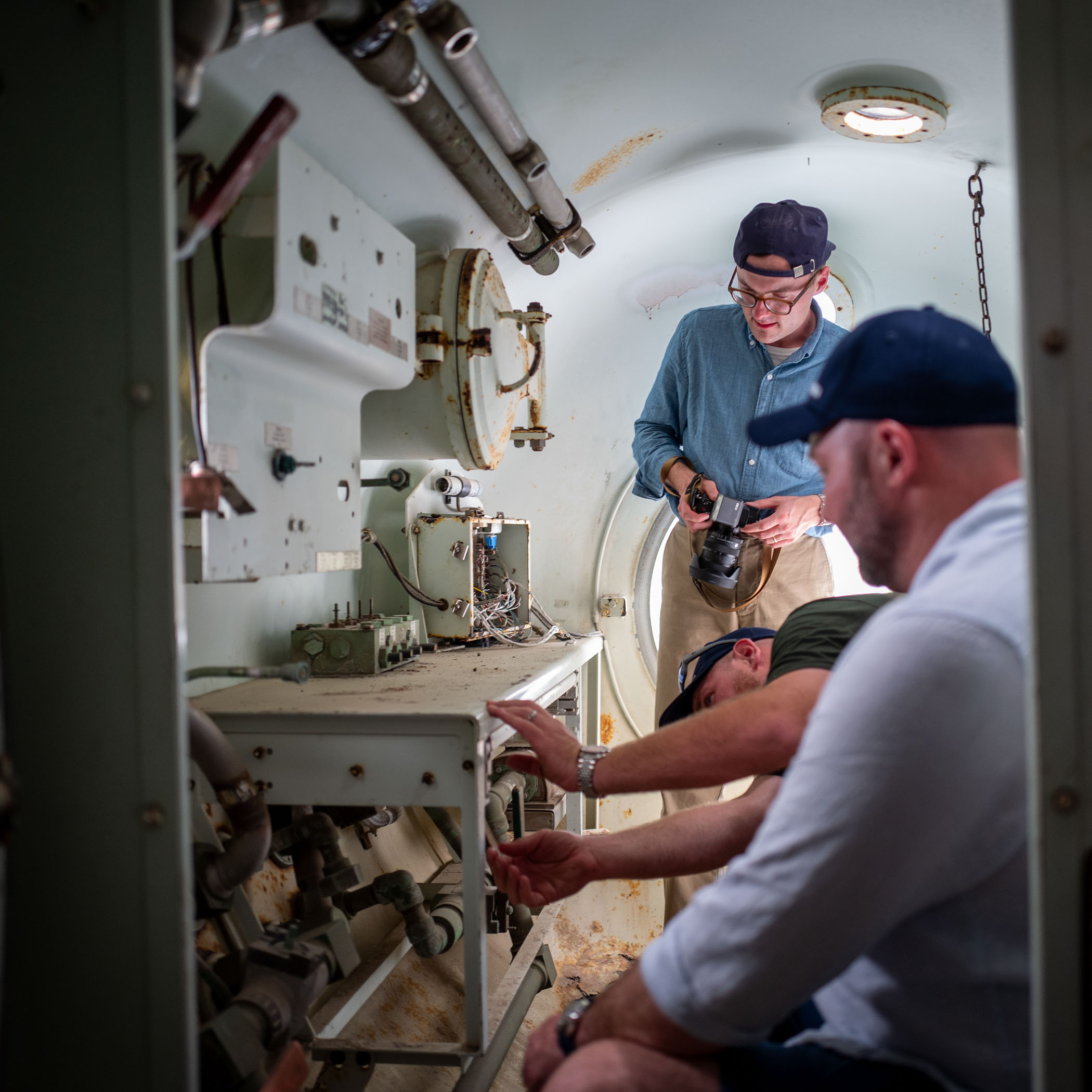
Those exchanges eventually moved offline, including dives in Lake Michigan and further trips that turned a watch group into something closer to a standing circle of friends.
That context matters because Doxa occupies a particular place in dive-watch culture.
Its watches aren’t merely styled after underwater use, and the brand’s visual language of bright dials, functional bezels and compact professional-tool energy still makes sense when seen against tanks, wetsuits and Gulf water.
The Doxa lineup in rotation
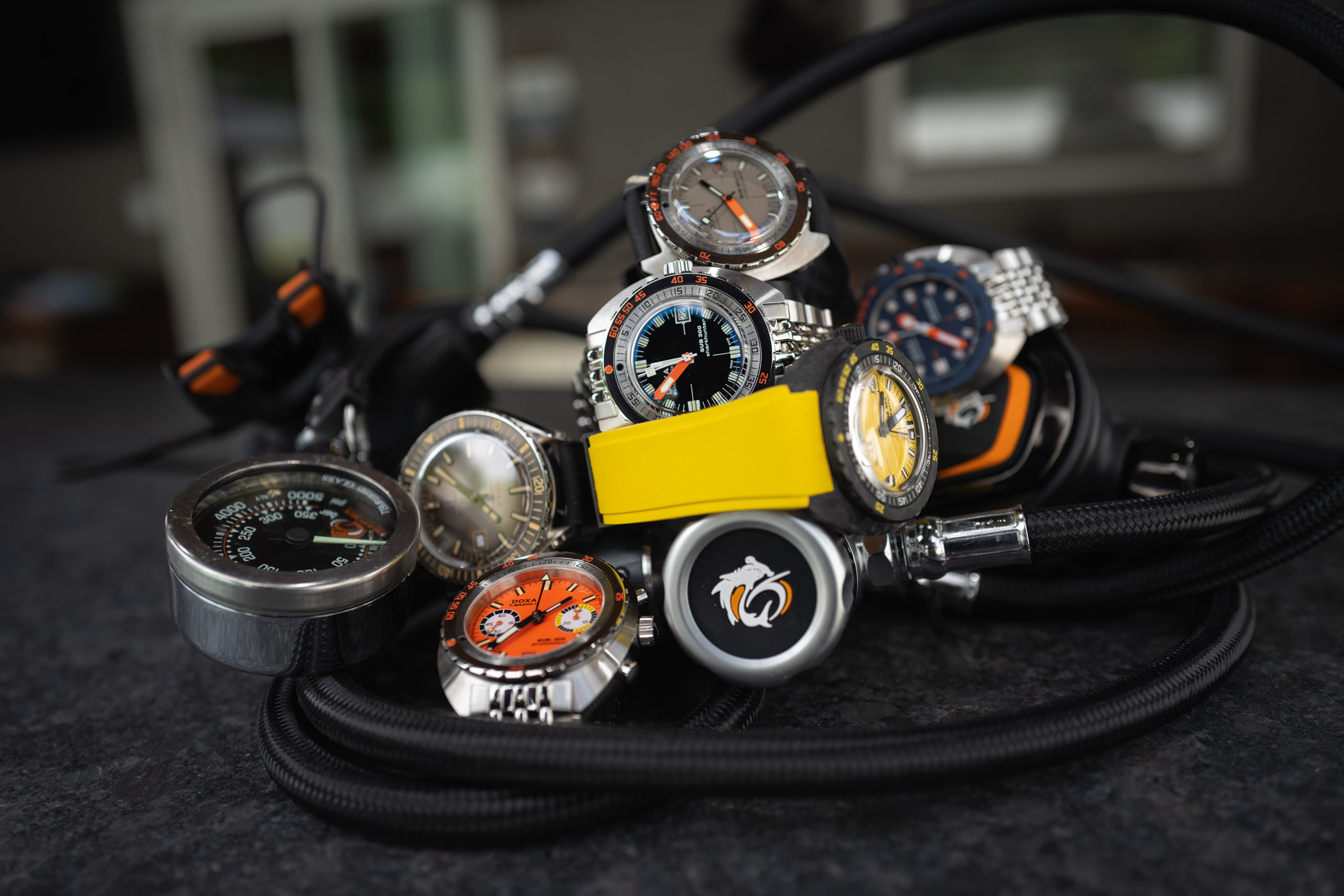
Doxa and The Watch Preserve brought a broad selection of current models for the group to wear across the trip.
The lineup included the SUB 300 and SUB 300T, the smaller SUB 200T, the Army, the new SUB 200 T-Graph II chronograph and the SUB 300 Ti5 Clive Cussler limited edition.
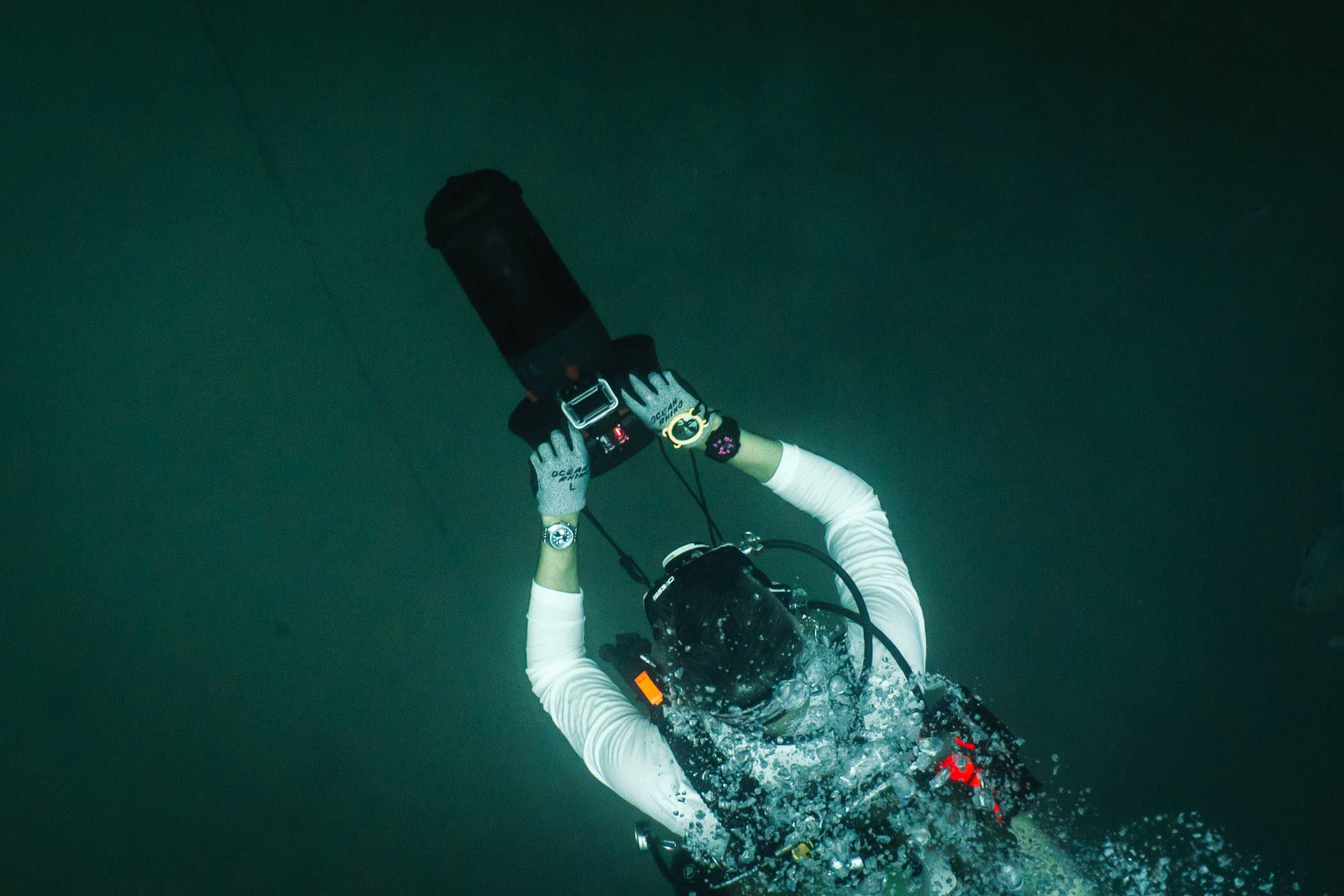
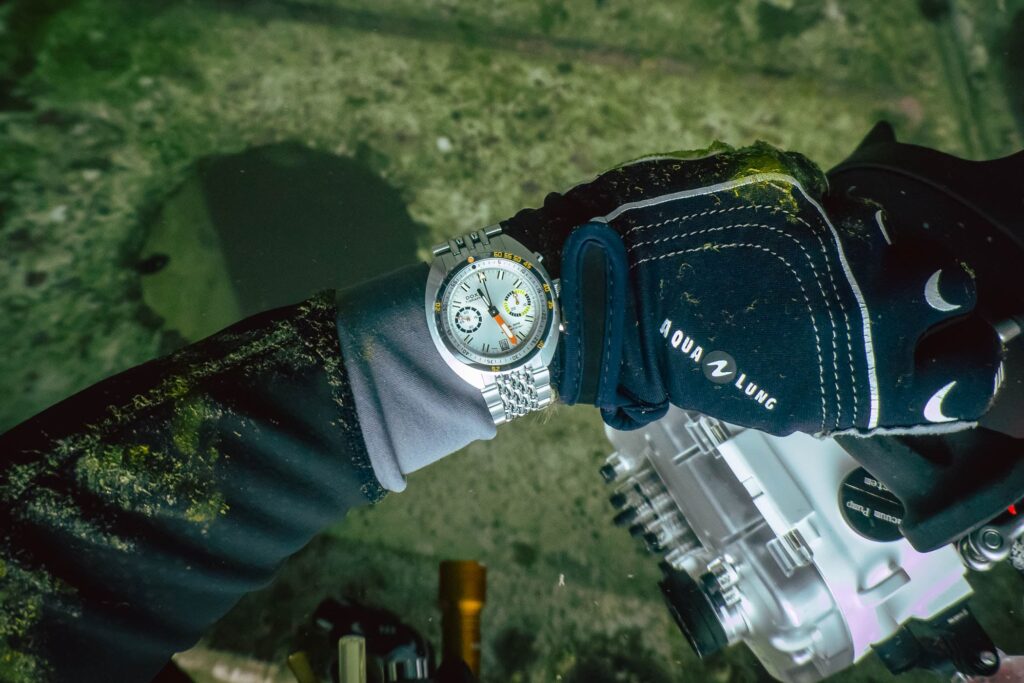
Rather than being handled briefly on a tray, the watches were passed around between dives, worn underwater, swapped at lunch and taken back out again in the afternoon.
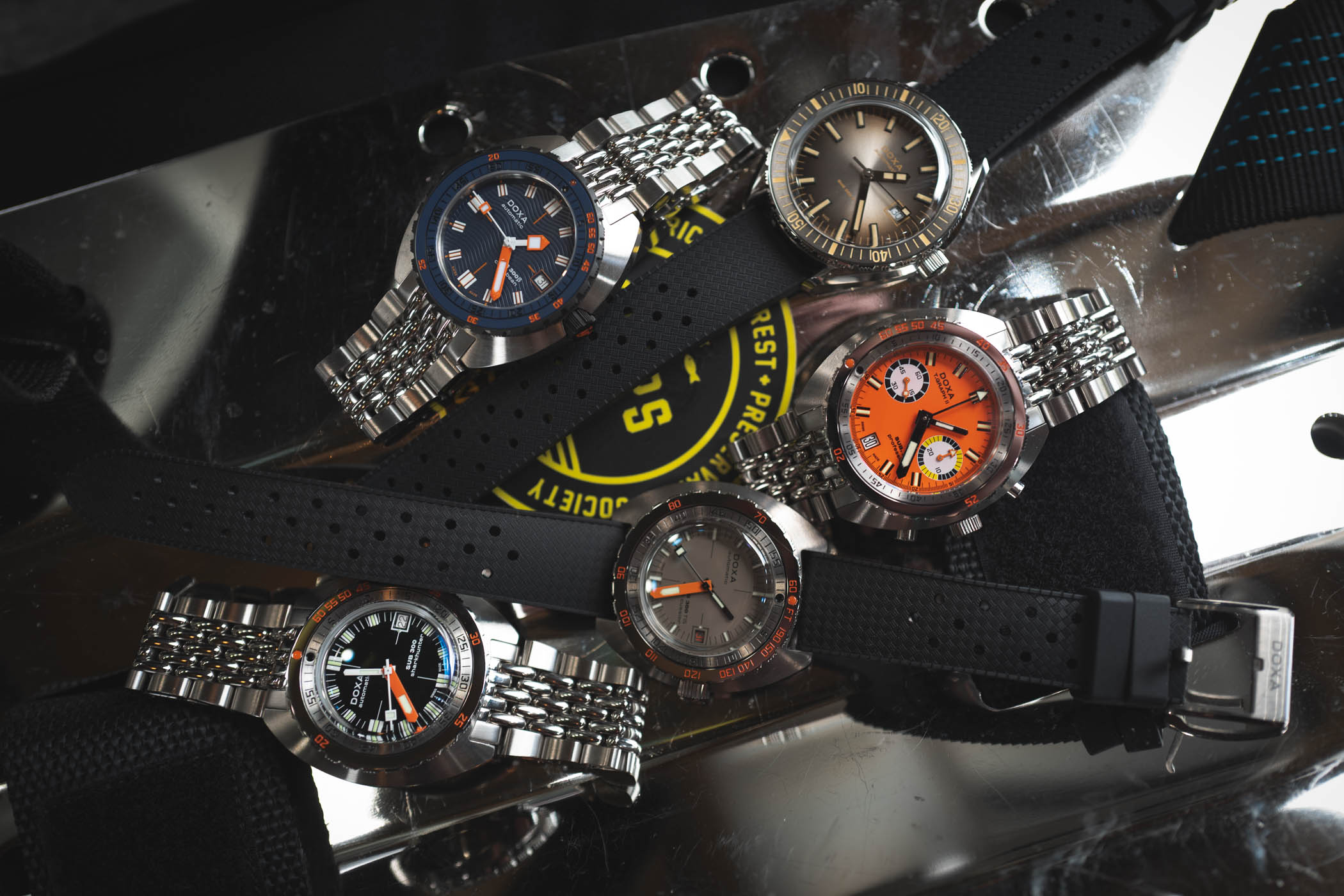
That kind of use reveals a different side of a watch than a boutique appointment or collector dinner ever could.
| Model | Confirmed detail |
|---|---|
| Doxa SUB 300 | Part of the modern Doxa lineup brought for the diving trip |
| Doxa SUB 300T | Part of the modern Doxa lineup brought for the diving trip |
| Doxa SUB 200T | Newer and smaller model in the lineup |
| Doxa Army | Included among the watches available to wear |
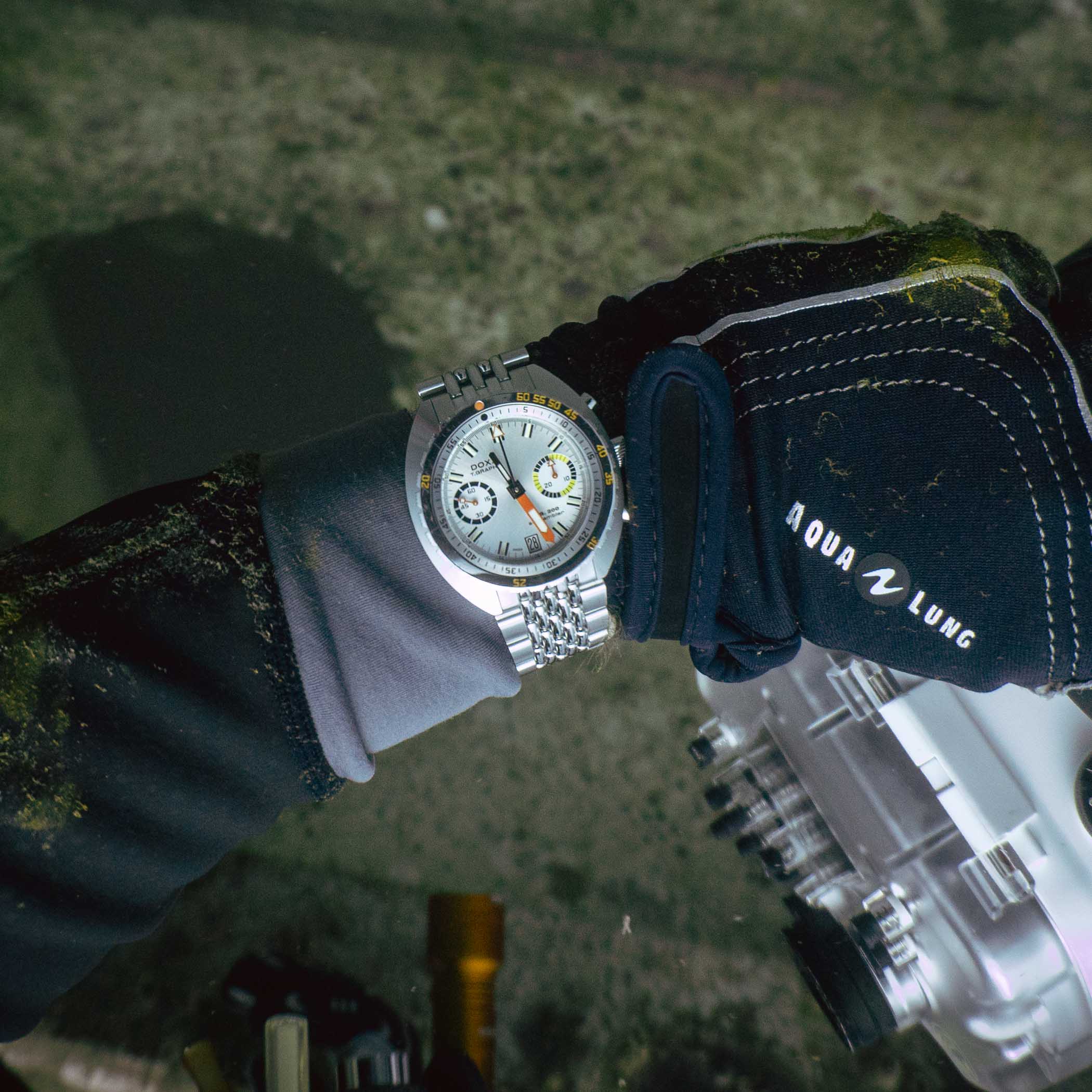
| Doxa SUB 200 T-Graph II | New chronograph based on the 1969 original |
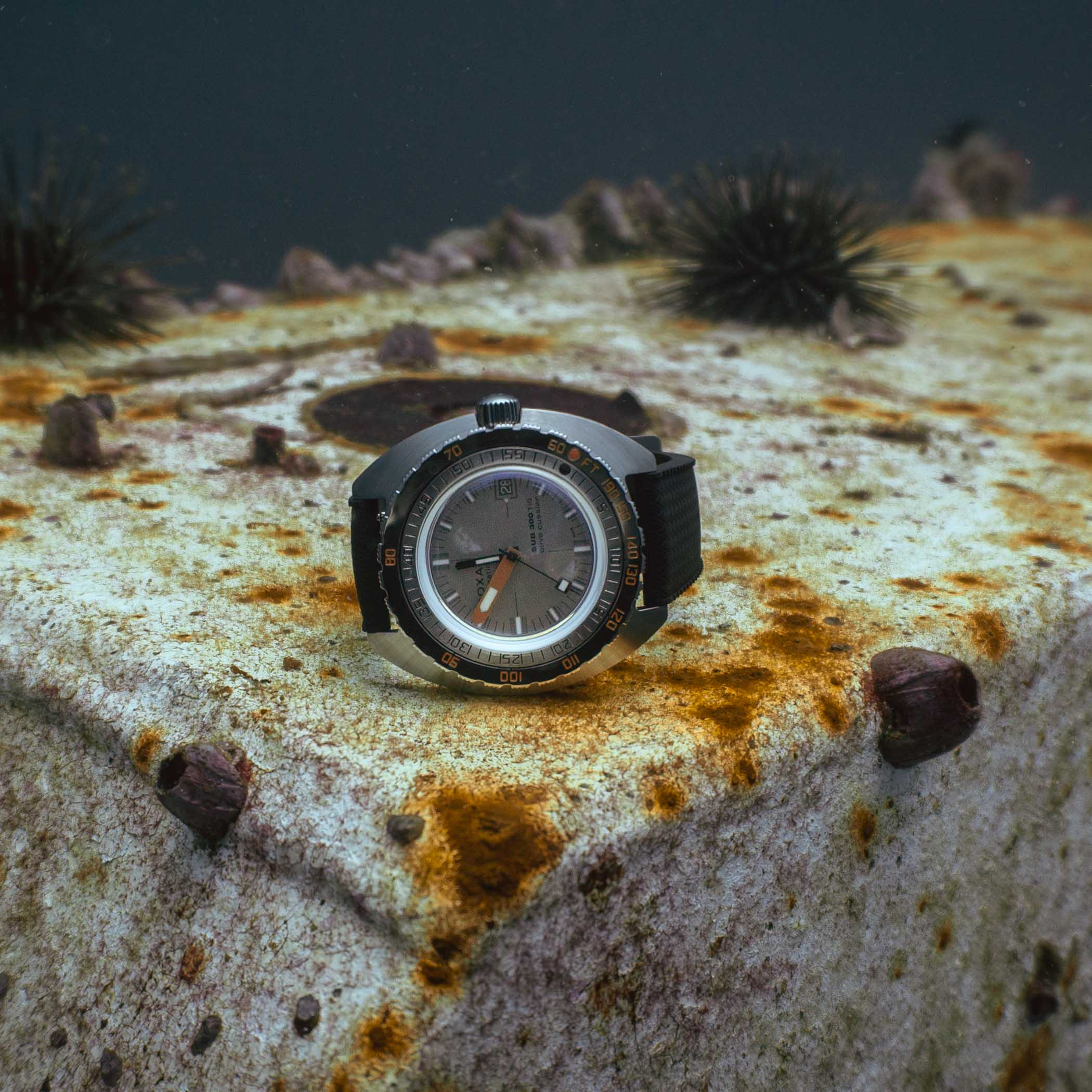
| Doxa SUB 300 Ti5 Clive Cussler | Titanium limited edition honouring Clive Cussler and the Dirk Pitt connection |
The SUB 200 T-Graph II naturally drew attention as the newest arrival, with its link to Doxa’s 1969 chronograph giving it a clear historical anchor.
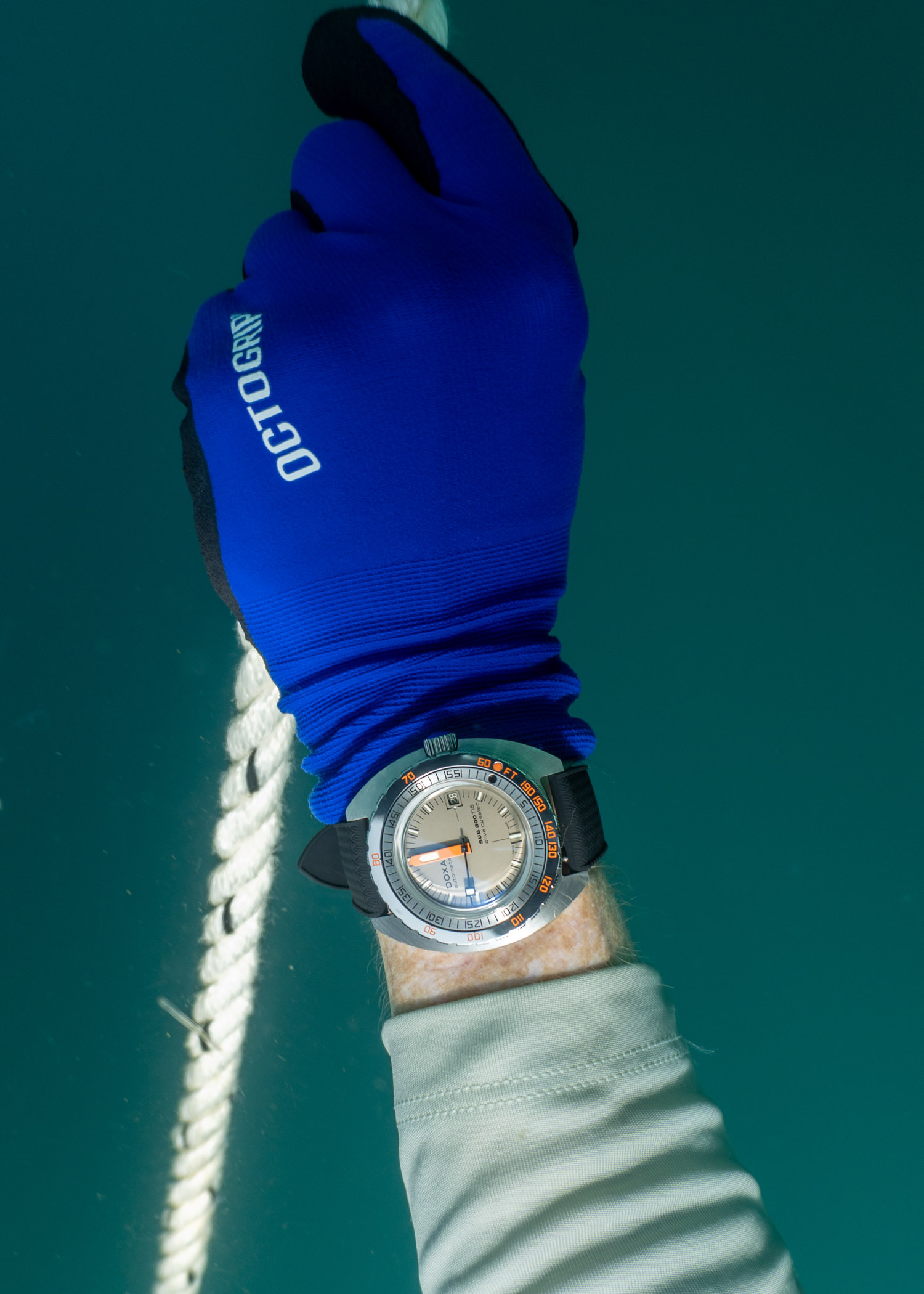
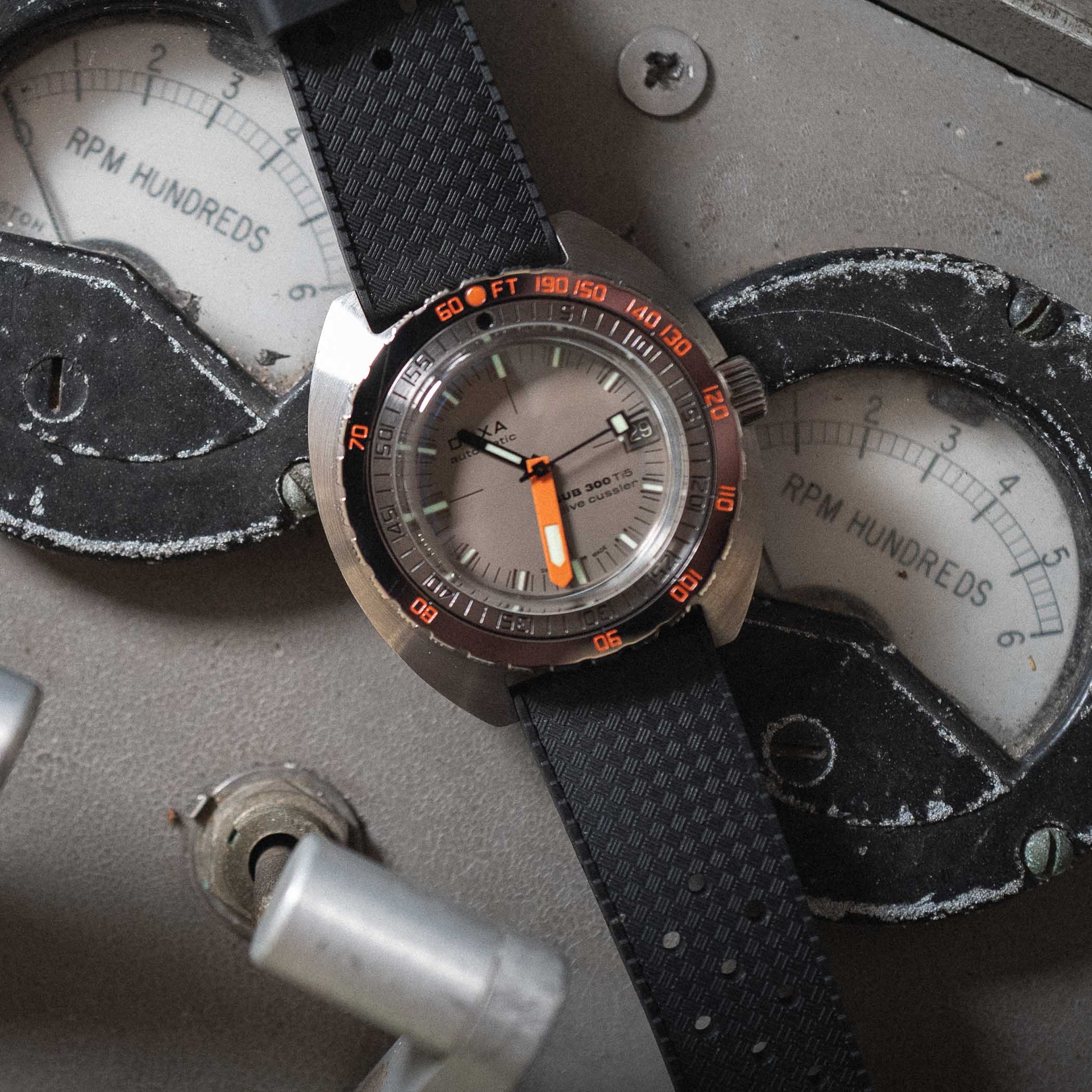
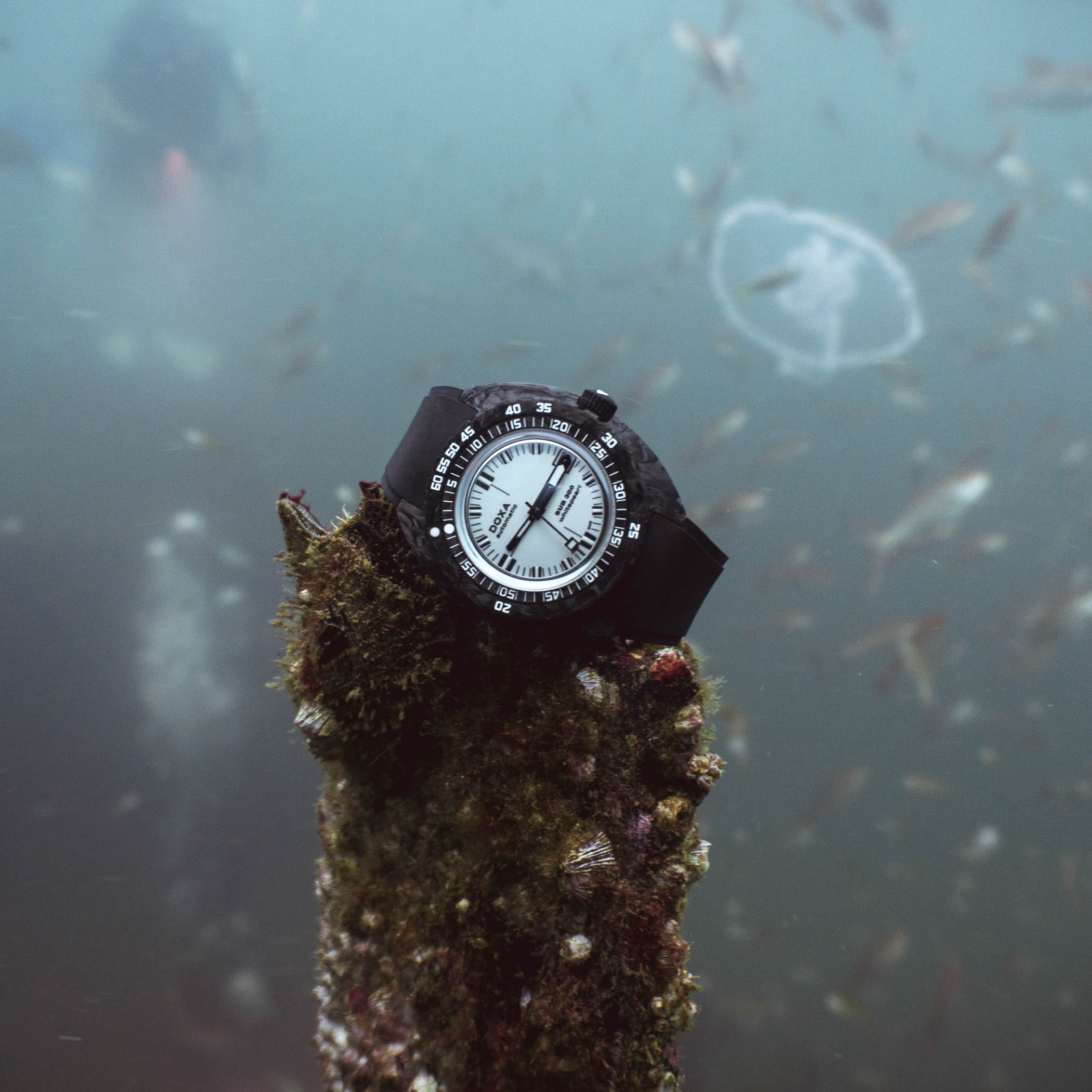
The SUB 300 Ti5 Clive Cussler also stood out, helped by its titanium case and matte grey dial with a slight olive-drab character.
Wrecks, jetties and a museum made for the moment
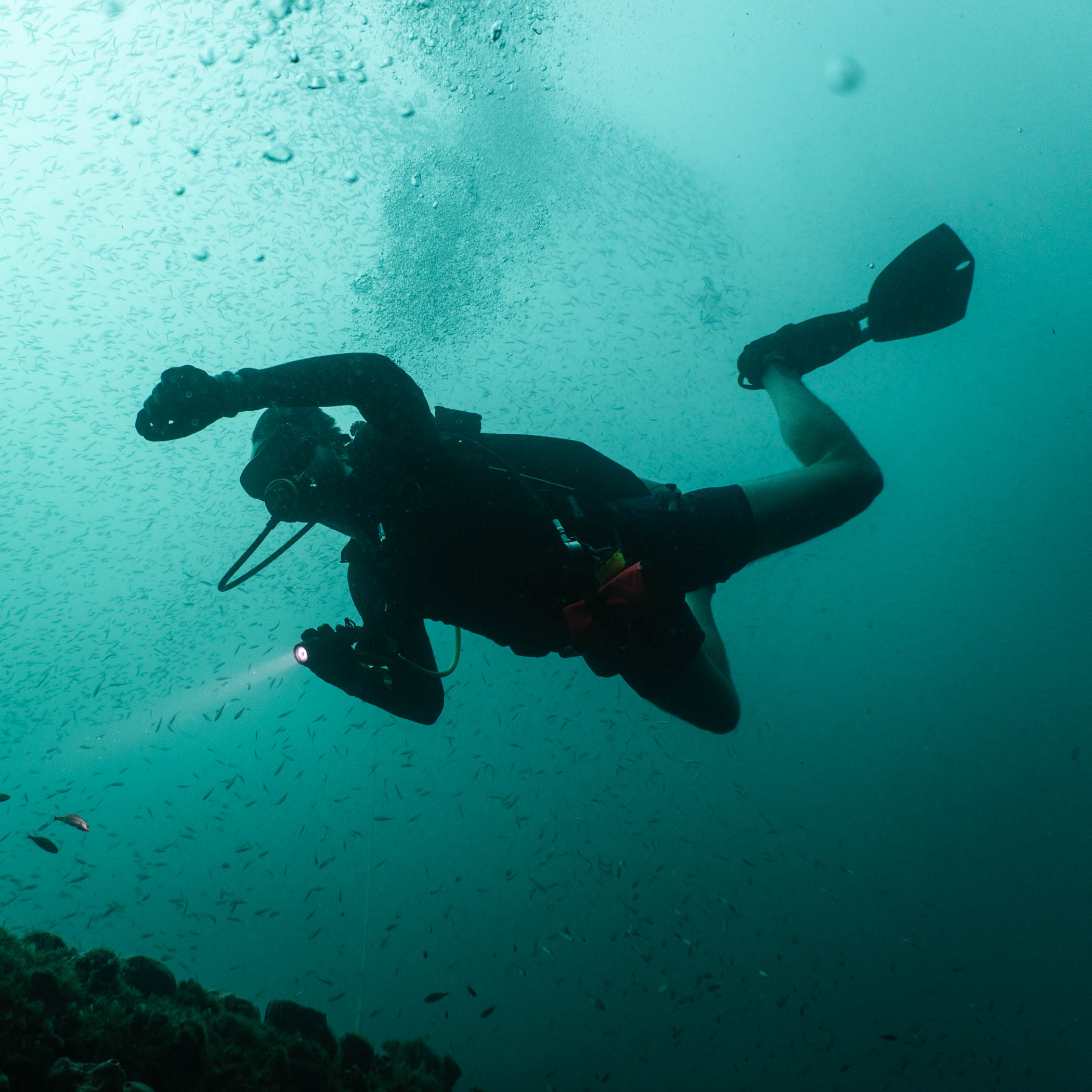
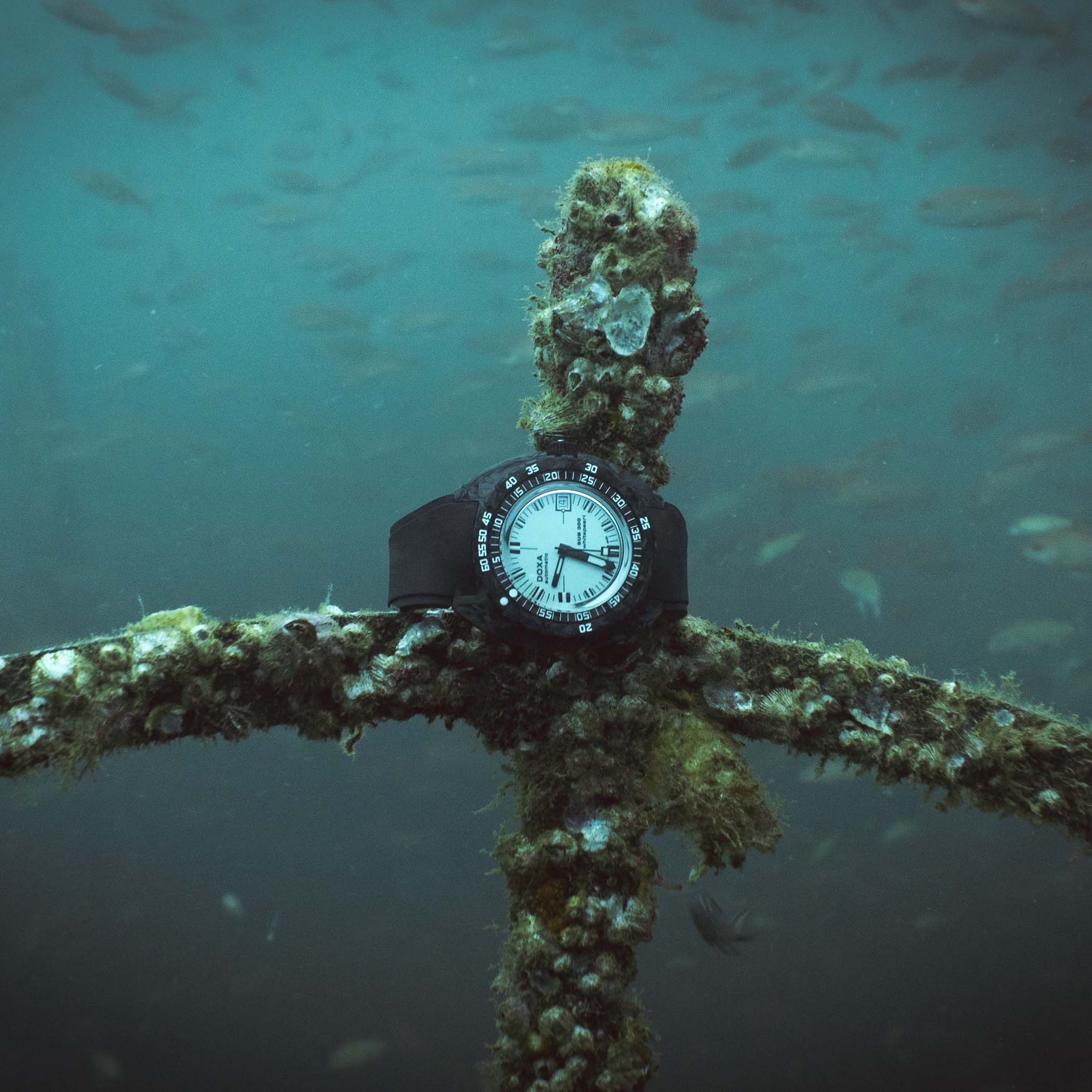
The first day centred on wreck diving, the kind of descent where a hull gradually takes shape through the blue and a former working vessel becomes a reef, landmark and habitat.
For a group built around dive watches and underwater history, that setting gave the watches more than a picturesque backdrop.
The second day split the group between a shore dive off the jetty at St. Andrews State Park and further wreck diving by charter boat.
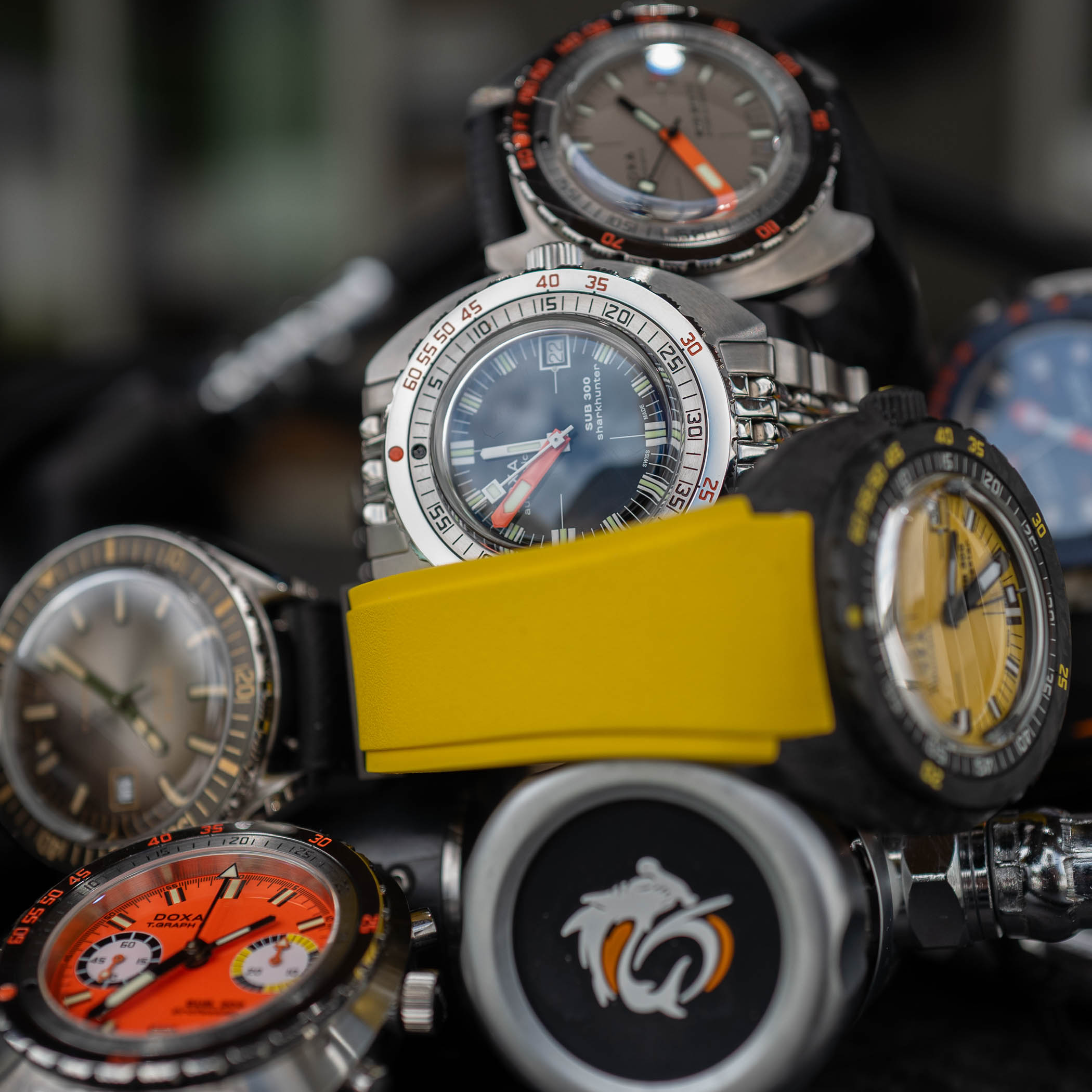
In the water, the occasional flash of orange or yellow Doxa dial against the Gulf’s blue-green cast made the watches visible in the environment that shaped their identity.
The itinerary also included a private tour of the Man in the Sea Museum.
The museum is dedicated to the history of attempts to live beneath the sea, with material spanning early helmets and hard-hat equipment through to the U.S. Navy’s Sealab underwater habitat programme.
The Watch Preserve’s role
The trip was conceived and funded by The Watch Preserve, a watch shop in Fort Worth, Texas.
Founder Nik Libby started the business after finding his first vintage watch at a garage sale at the age of 15, and the shop now buys, sells and restores vintage and modern watches for collectors.
Michael Pandolfo, the shop’s Director of Sales and Partnerships, organised the Panama City Beach event.
The Watch Preserve also plans to make the diving trip a recurring idea, with the format changing from year to year.
For collectors, that may be the most interesting part of the exercise.
A watch can signal taste, knowledge or a fondness for a particular design language, but in the right setting it can also become an introduction.
Doxa’s Gulf outing worked because the watches weren’t treated as fragile trophies.
They were worn, swapped, submerged and folded into the friendships that make niche collecting feel larger than the objects themselves.