
Alain Silberstein made watches look like nothing else in contemporary horology.
The Paris-born designer, who died on November 25, 2026, aged 76, brought the vocabulary of architecture, modern art and graphic abstraction into a field that often preferred restraint over provocation.
His passing comes just before the planned revival of his eponymous brand, with new watches intended for 2027 and further details expected on December 1, 2026.

At a glance
- Alain Silberstein, one of independent watchmaking’s most recognisable designers, has died aged 76.
- His watches became known for primary colours, geometric hands and an unusually playful treatment of mechanical complications.
- A relaunch of the Alain Silberstein brand was planned around the 40th anniversary of his first watch, with new models expected for 2027.
A Paris designer with an architect’s eye
Born in Paris in 1950, Silberstein studied interior architecture and design before entering watchmaking.
He first worked as an interior architect, designing commercial spaces, shops, restaurants and hotels.
In 1979, he moved to Besançon, the eastern French city near the Swiss border long associated with French watchmaking.

That move placed him close to the mechanical culture that would define the rest of his career, but he never approached watches as a conventional insider.
Silberstein was not a watchmaker by training, and that distance became part of his strength.
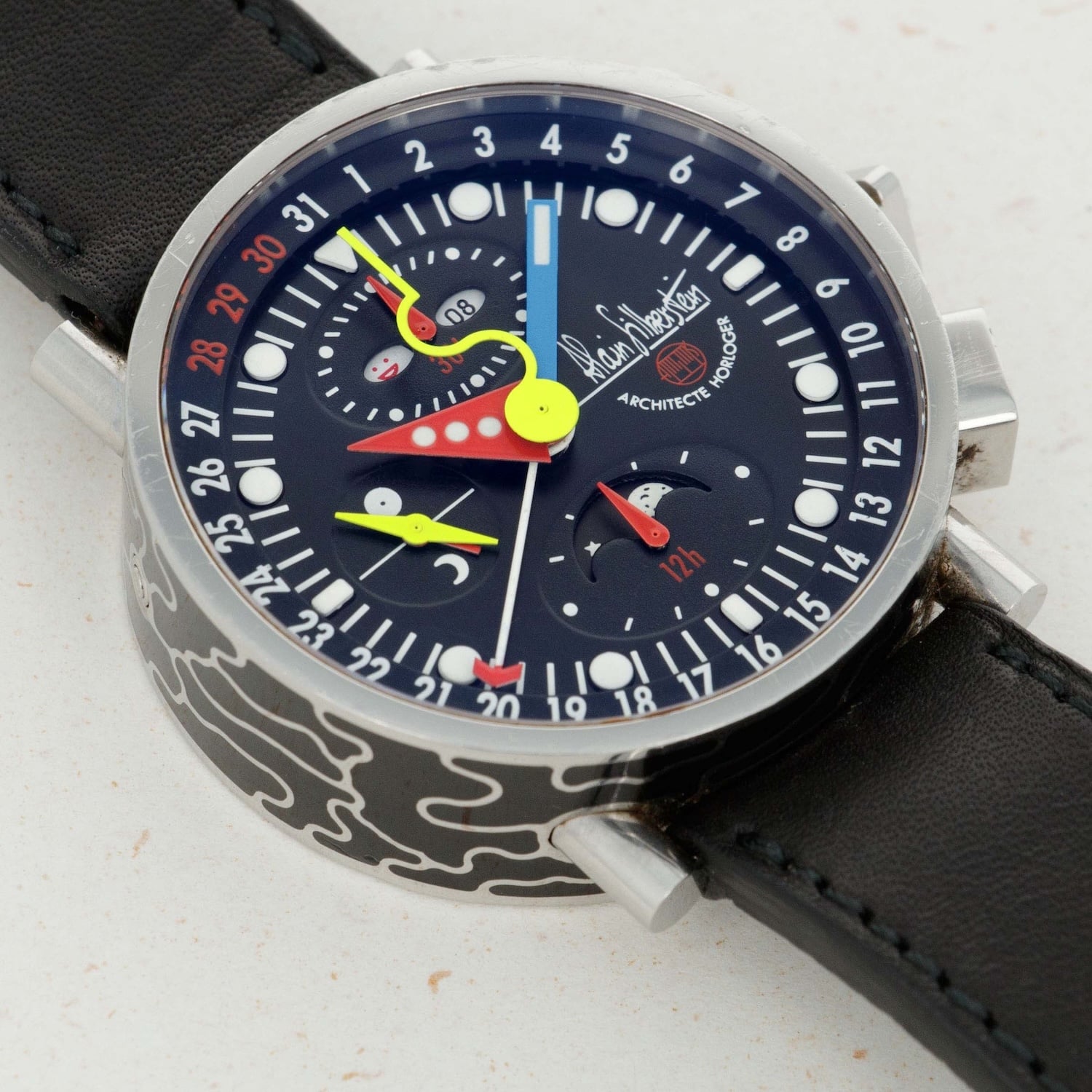
He treated the dial as a designed space, using proportion, colour, material and shape with a freedom that separated his work from the formal codes of Swiss watchmaking.
The Krono Bauhaus and a new visual language
Silberstein introduced his first watch collection at the Basel Watch Fair in 1987.
The model that established his direction was the Krono Bauhaus, a chronograph that recast a familiar complication through red, blue and yellow geometric forms.
The red triangle, blue square and yellow circle used on that watch became recurring signatures across much of his later work.
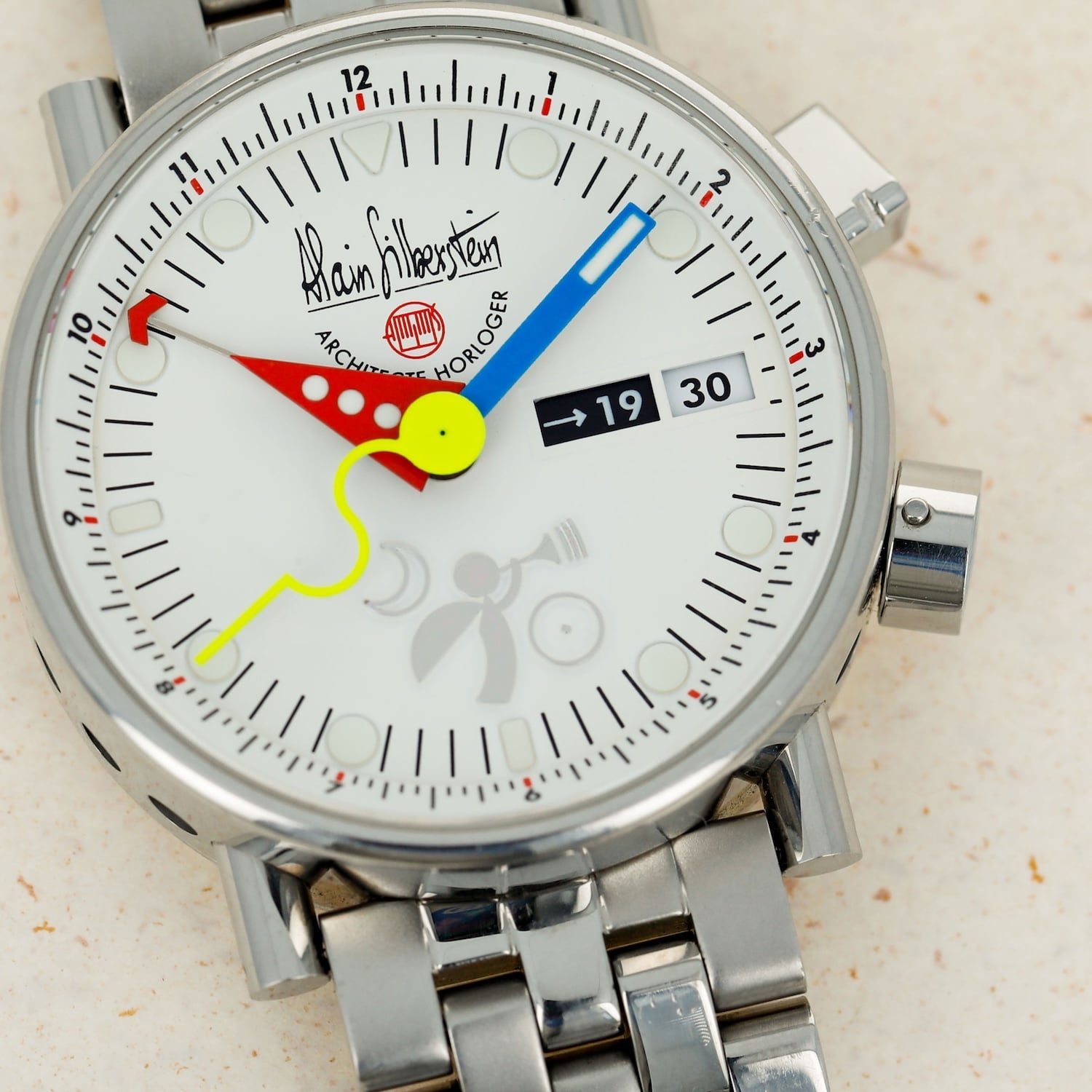
His visual world carried clear Bauhaus references, along with echoes of Kandinsky, Miró, Picasso, Calder and Mondrian in its use of abstraction and primary colour.
What made the watches important was not colour alone, but the seriousness with which he applied playfulness.
At a time when mechanical watchmaking was still emerging from the damage of the quartz crisis, Silberstein helped show that independent watch design could be personal, artistic and commercially real.
Complications without convention
In 1990, Alain and Sylvie Silberstein established Alain Silberstein Créations in Besançon.
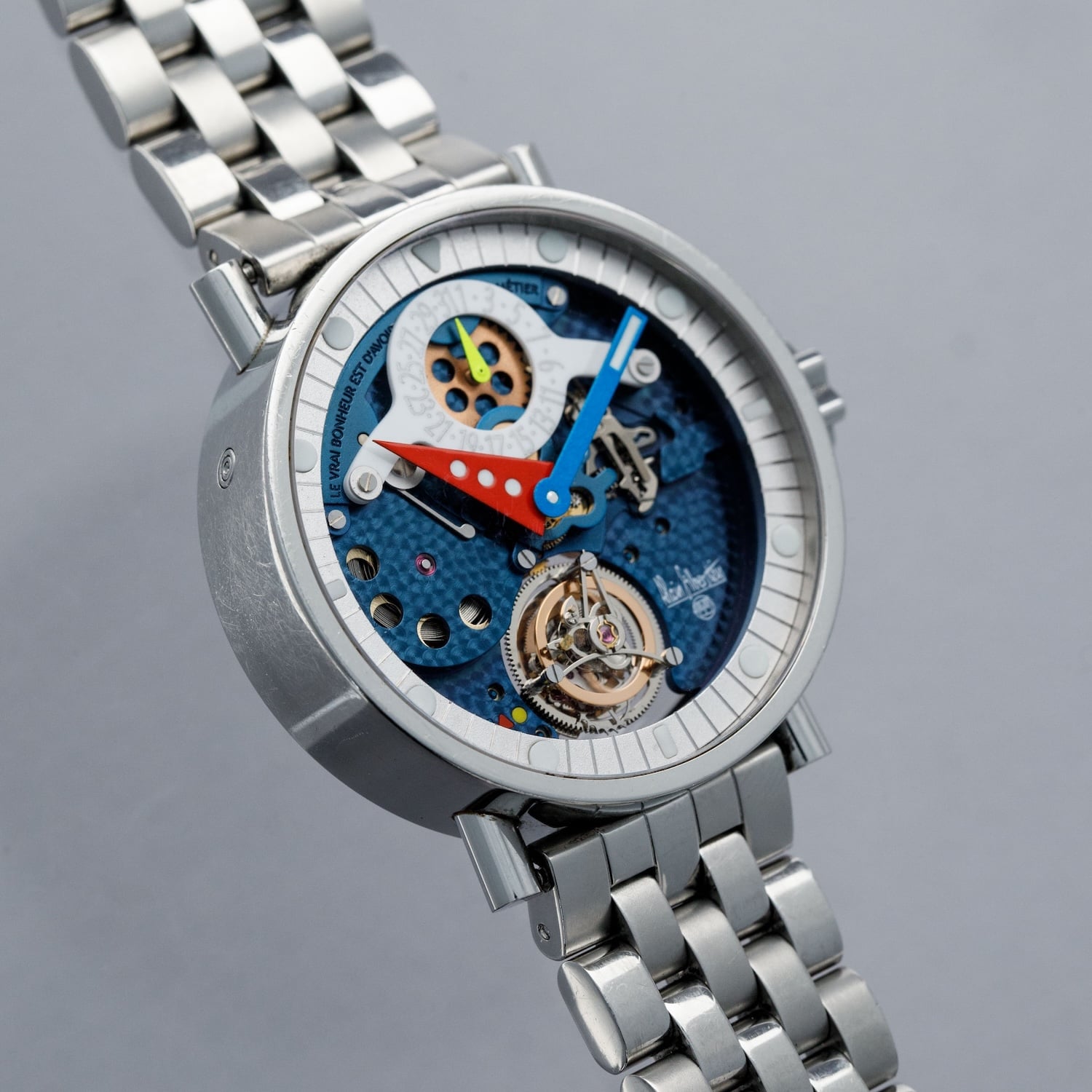
The company built its identity around a deliberate contrast between traditional mechanical complications and a visual language that refused traditional packaging.
Chronographs, tourbillons and perpetual calendars appeared in forms that were instantly recognisable as Silberstein’s, even when the movements themselves came from established specialist suppliers.

One of the most notable examples was the 1993 Krono Saphir.
That watch used a case made almost entirely from sapphire crystal, including coloured sapphire pushers and a sapphire crown, placing Silberstein among the early adopters of a material that would later become far more visible in high-end watchmaking.
His company ceased operations in 2012 after estimated production of about 30,000 watches.
The end of the business did not close the book on his influence.
Collaborations and the brand’s planned return
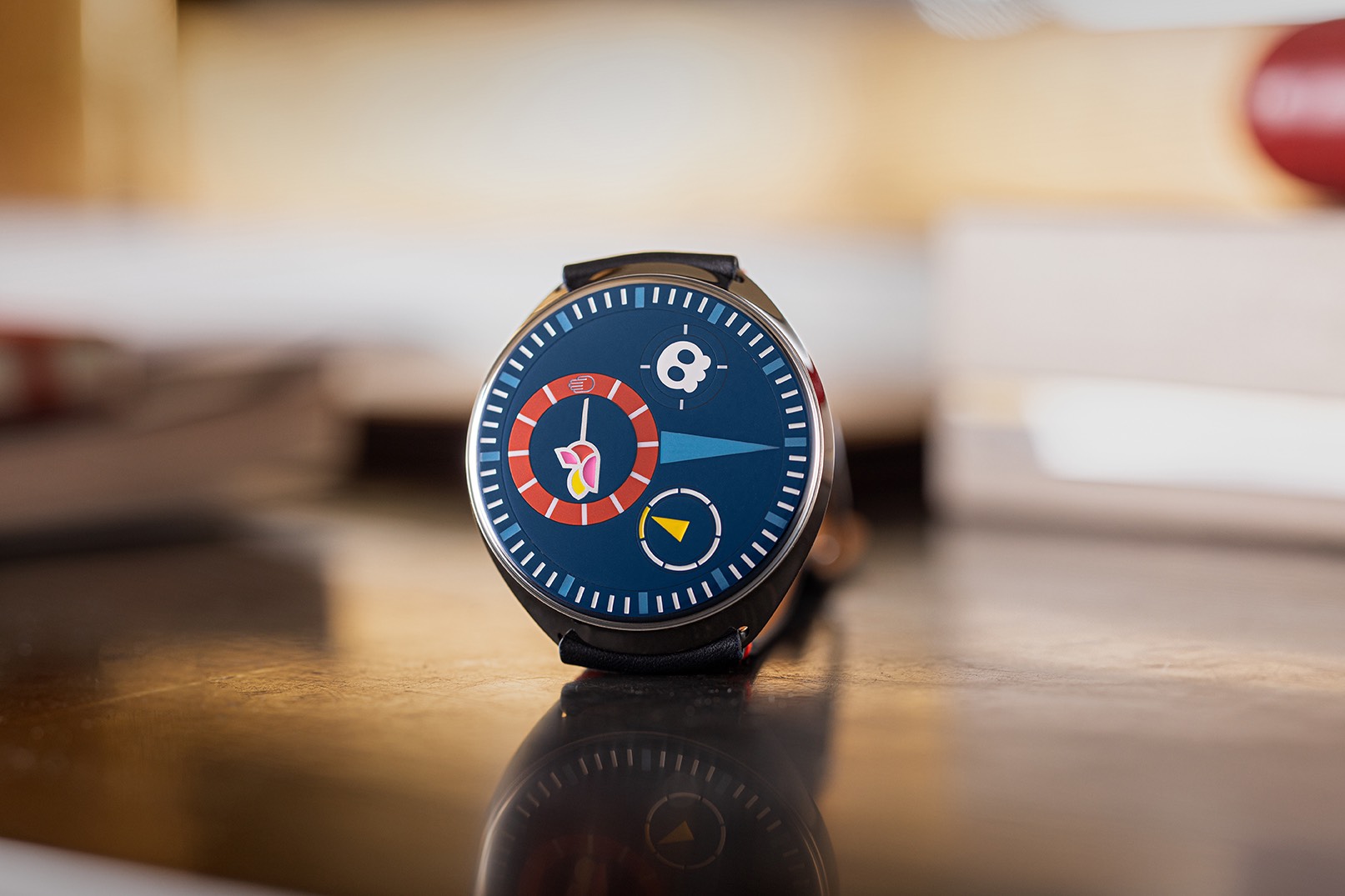
In the years after his own company stopped producing watches, Silberstein’s design language found new life through collaborations.
He worked on projects with MB&F, including the HM2.2 Blackbox and LM1 Silberstein, as well as watches with Louis Erard, Ressence, Yema, MeisterSinger and Bell & Ross.

Those projects introduced his red, blue and yellow geometry to new audiences and confirmed how adaptable his language could be across very different watchmaking contexts.
A further chapter was already in motion before his death.
The Alain Silberstein brand was planned to return with a new collection for Watches & Wonders 2027, with the concept and first subscription watches expected to be introduced on December 1, 2026.
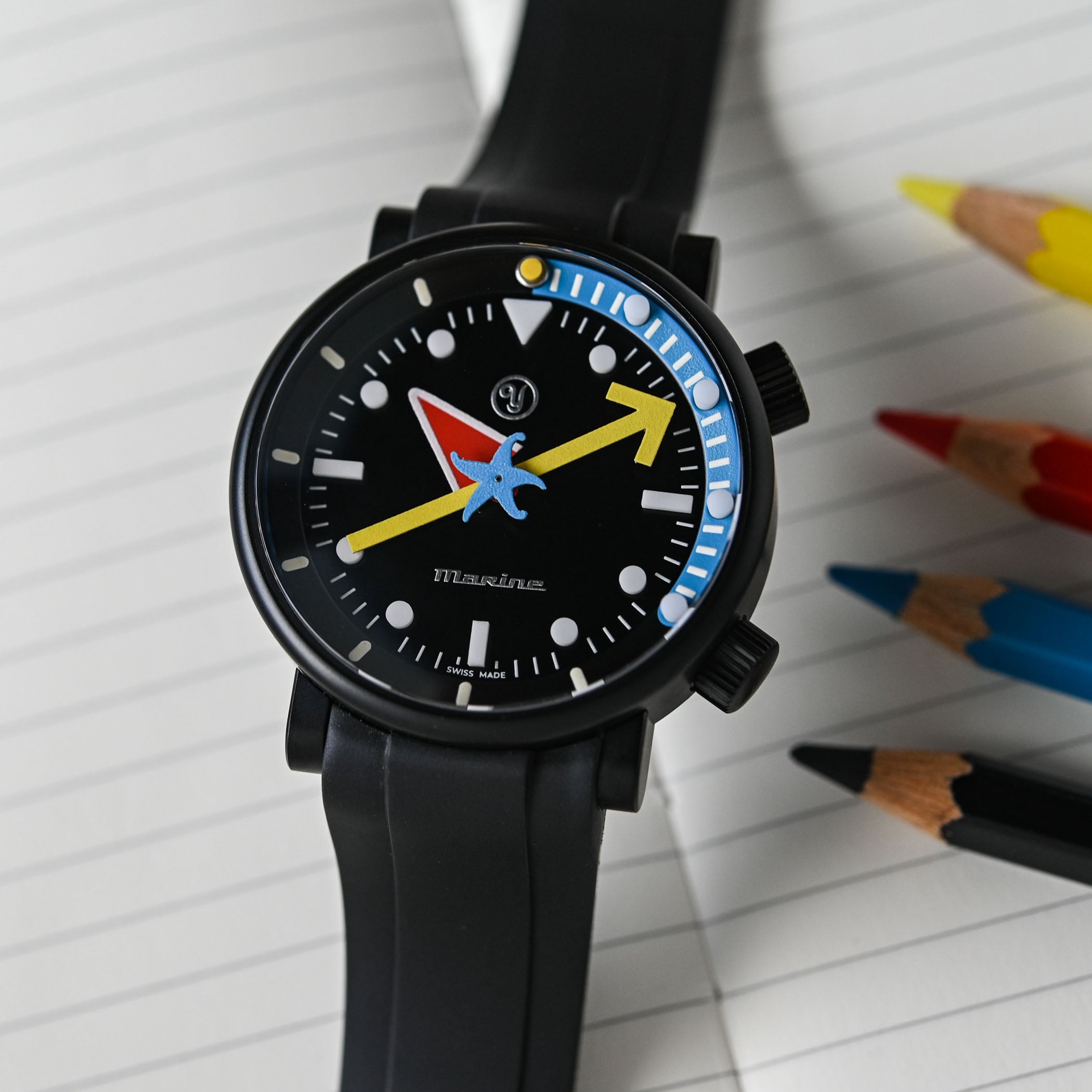
The timing was intended to mark 40 years since the presentation of his first watch.
For collectors, Silberstein’s work occupies a rare place between design object and mechanical watch, appealing as much to those interested in modern art and independent horology as to buyers drawn to complications.
His watches were never neutral, and that was the point.
Alain Silberstein leaves behind one of modern watchmaking’s most identifiable design signatures, a reminder that mechanical timekeeping can be rigorous, humorous and unmistakably human at once.