Bordeaux used to be admired more than it was loved, a city of noble stone, famous bottles and a certain formal distance.
That mood has shifted dramatically.
Today, the city along the Garonne feels lighter, sharper and far more alive, with restored façades, pedestrian streets, a revived waterfront, destination hotels and enough wine culture to satisfy both collectors and casual drinkers.
At a glance
- Bordeaux has emerged as one of France’s most compelling city breaks after a major urban revival.
- The city now combines UNESCO-listed architecture, the Cité du Vin, luxury hotels, ambitious dining and easy vineyard access.
- Château Smith Haut Lafitte and Mondrian Bordeaux Les Carmes are among the standout addresses for travellers who want wine, design and serious comfort.
A river city with its confidence restored
Bordeaux curves around the east bank of the Garonne, and its historic centre is compact enough to make walking the best way in.
The city has been a UNESCO World Heritage Site since 2007, but its appeal isn’t limited to the set-piece monuments.
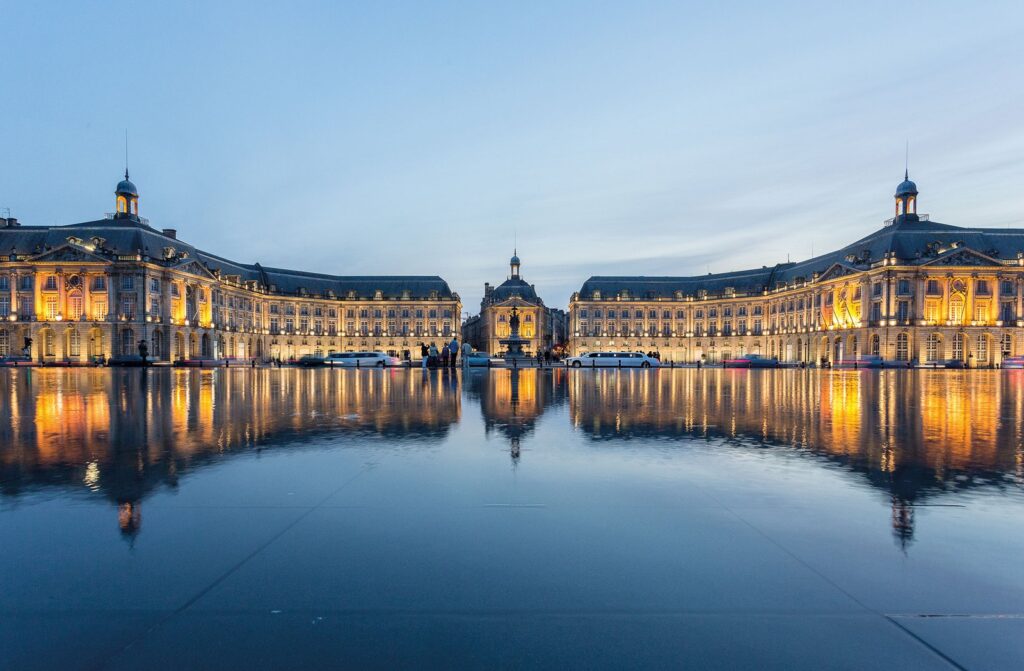
Place de la Bourse and the Miroir d’Eau remain the cinematic postcard view, especially when the shallow reflecting pool turns the neoclassical façade into a shimmering stage.
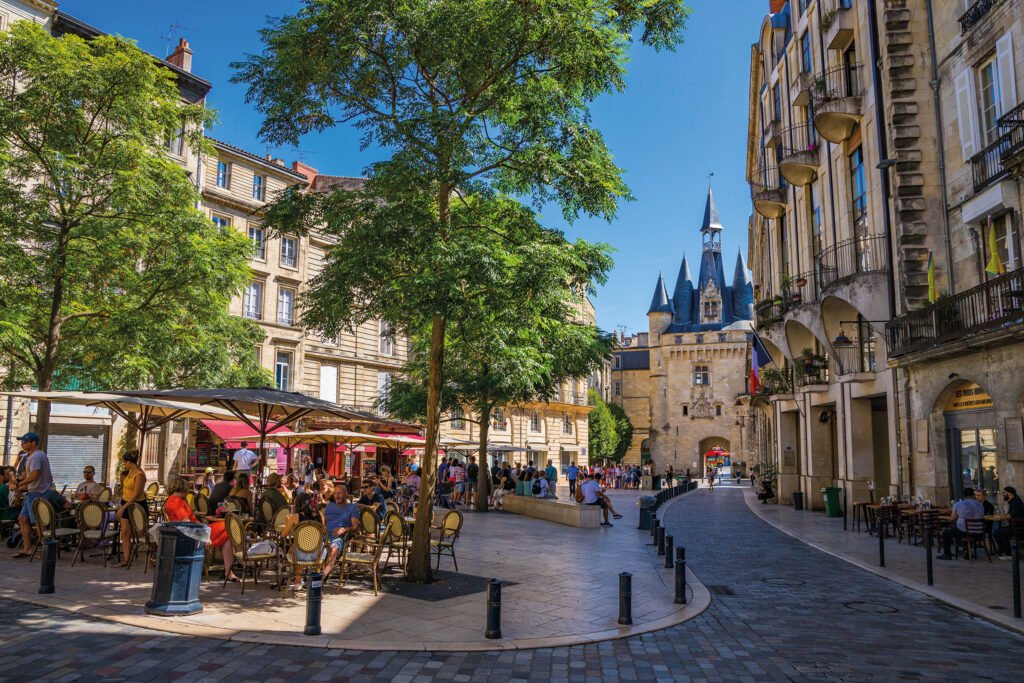
The deeper pleasure is found in the streets behind it, where wine bars, small restaurants and old stone lanes give the city a more intimate rhythm.
Much of this renewed energy comes from practical civic change rather than surface polish.
The waterfront has been reworked, blackened limestone façades have been returned to a pale golden glow, the centre has become more pedestrian-friendly, and Bordeaux introduced the world’s first non-cabled electric tram.
La Cité du Vin, opened in 2016, gave the city a contemporary cultural anchor for its most famous subject.
It’s an immersive museum experience rather than a traditional cellar visit, tracing wine through civilisation with cinematic storytelling and enough depth to engage even those who aren’t natural oenophiles.
Chartrons brings design into Bordeaux’s wine heritage
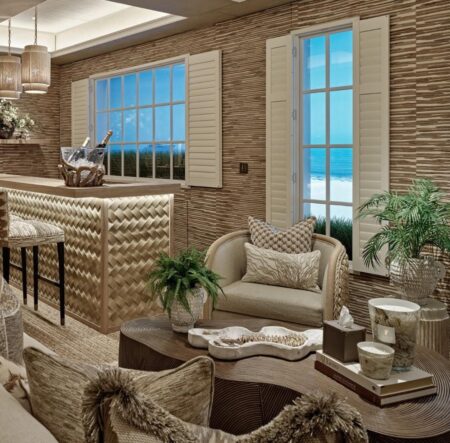
The Chartrons quarter, once shaped by wine merchants, is now home to one of the city’s most interesting luxury stays.
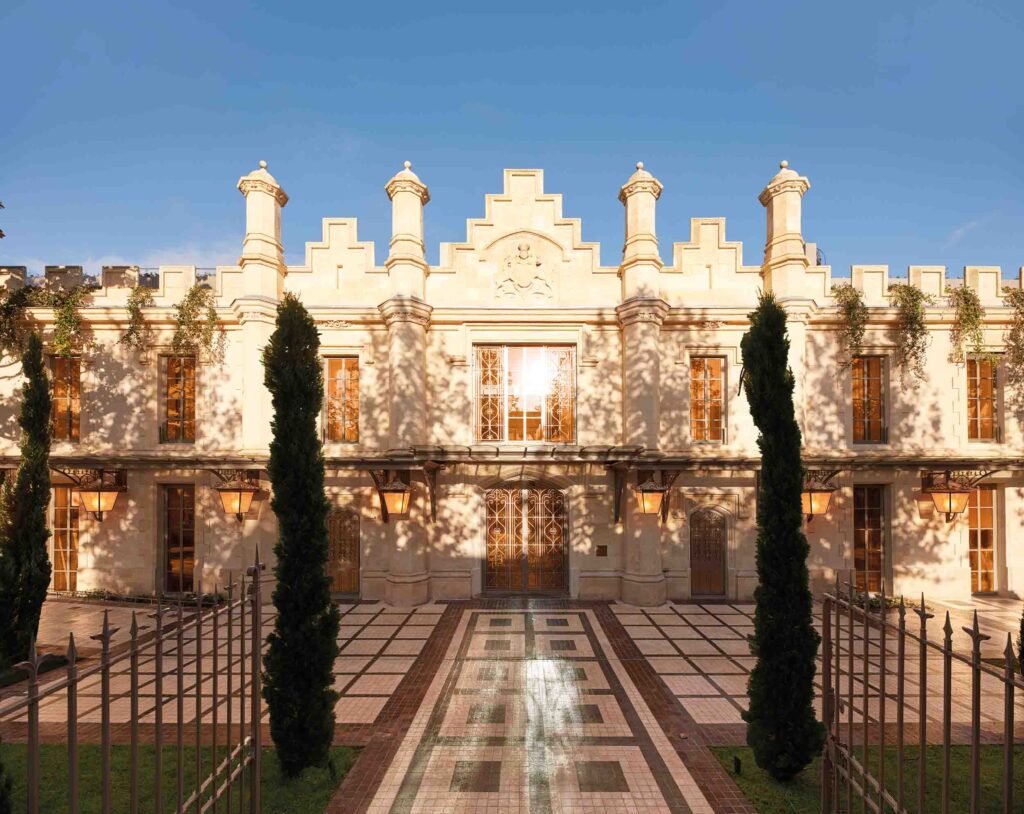
Mondrian Bordeaux Les Carmes occupies a 19th-century building originally used as the cellars of the Calvet winery, with a Neo-Gothic façade and a United Kingdom coat of arms above the arched entrance as a reminder of Bordeaux’s long commercial ties with Britain.
The five-star hotel opened in 2023 after a transformation by Philippe Starck.
Its mood is more private club than formal grand hotel, with low, flattering light and interiors designed to feel cocooning rather than showy.
There are 97 rooms and suites, each conceived as an intimate retreat from the city outside.
The hotel’s most unexpected move is culinary.
Morimoto marks Iron Chef Masaharu Morimoto’s first restaurant in Europe, bringing Japanese technique into dialogue with French produce and Bordeaux’s appetite for polished dining.
The experience can move from a bright Kinzo pisco cocktail to miso soup with fresh clams and aburi sushi flambéed at the table, where the brief hit of flame adds theatre without losing control of the dish.
The spa is another reason to linger.
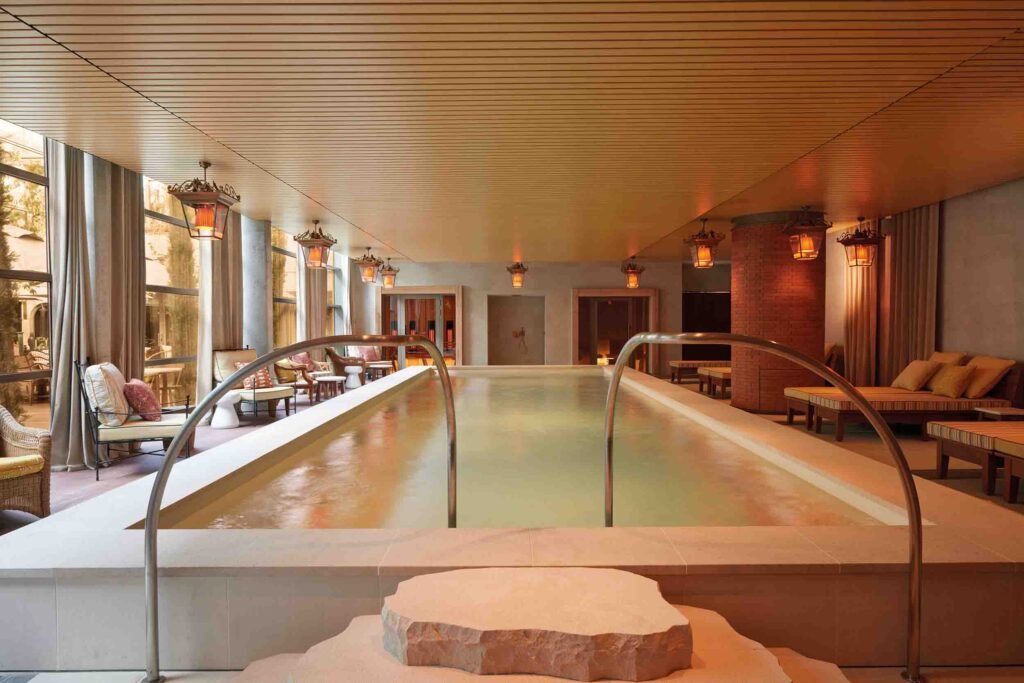
Treatments use Codage and Kos, while the pool opens toward a terrace, joined by a steam room scented with menthol eucalyptus and an infra-red sauna.
Wine country starts just beyond the city
For all its urban momentum, Bordeaux still makes its most persuasive case in the vineyards.
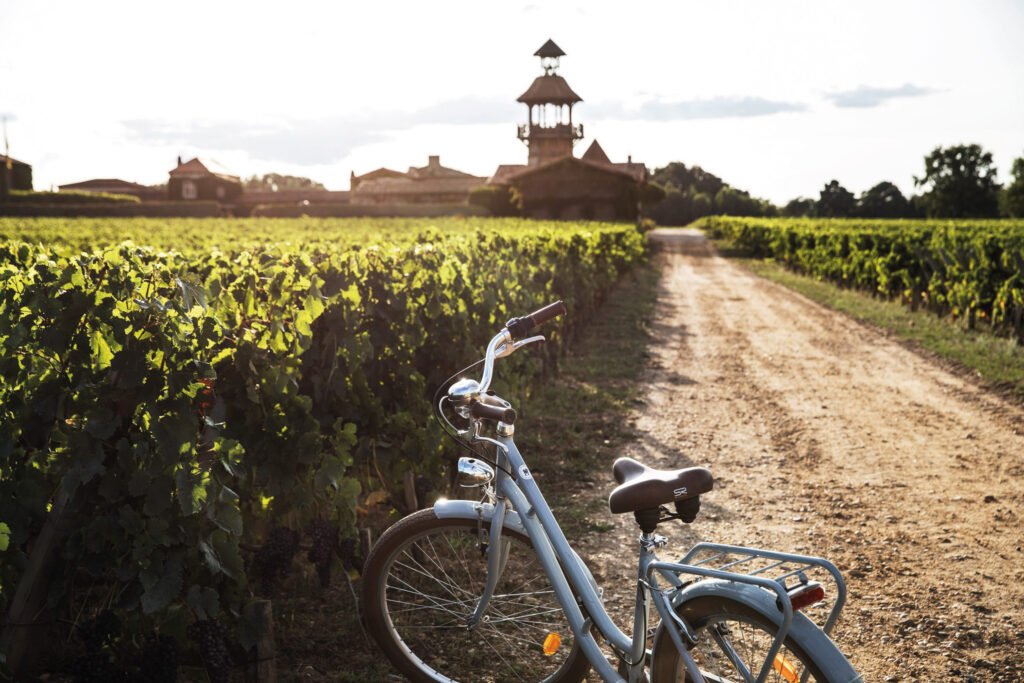
Château Smith Haut Lafitte sits about 20 minutes from the city, close enough for an easy escape yet rooted in centuries of winemaking history.
The estate traces recorded vine rows back to the 14th century, while its name comes from George Smith, a Scottish wine merchant who acquired the property in the mid-18th century.
Today, the 87-hectare estate is run by the Cathiard family, who have spent decades restoring and cultivating the property with their team.
One of its most distinctive features is an on-site cooperage, rare in Bordeaux, where French oak barrels are shaped and toasted for the estate’s wines.
The degree of firing matters.
A shorter toast can bring softer vanilla tones, while a longer firing encourages darker, smokier and more chocolate-led notes.
Below ground, the estate’s barrel cellar is known as the Cathédrale, an apt name for a space where more than 1,000 barrels rest during an 18-month ageing period.
Château Smith Haut Lafitte also carries royal resonance, with the Fleur de Lys in its coat of arms and historic links to French royalty.
In 2023, King Charles III and Queen Camilla visited during an official regional tour, staying for three hours after an initial one-hour schedule and tasting a unique secret blend named Cuvée Charles III.
Where Bordeaux feels most modern
The city’s renewed appeal lies in how easily it balances old and new.
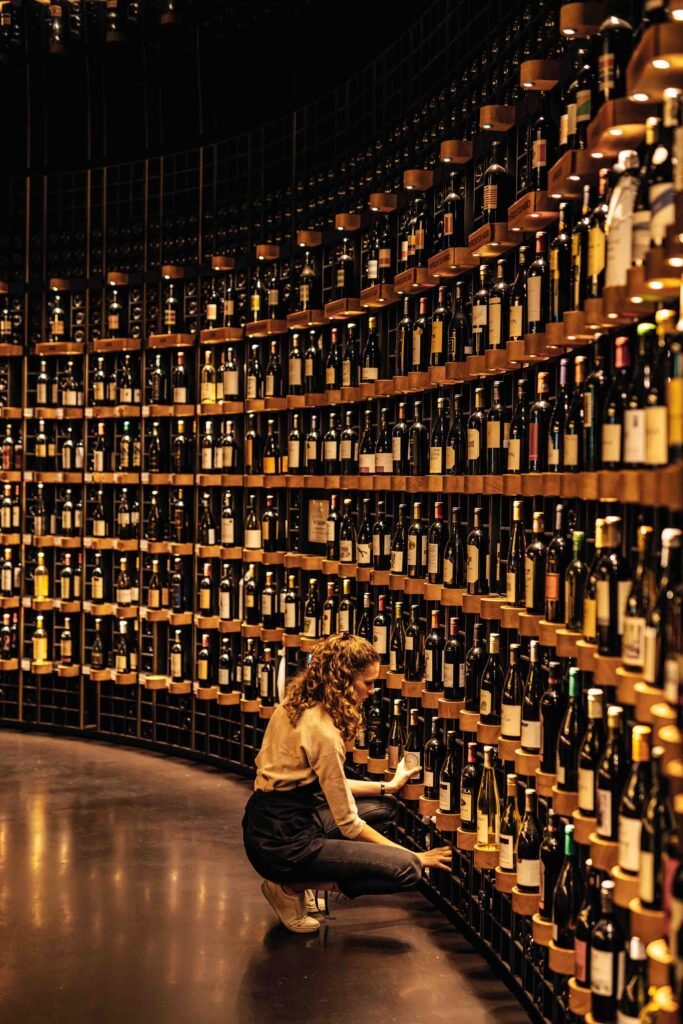
You can spend the morning studying wine history at La Cité du Vin, lose an afternoon in the spiral cellars of L’Intendant, where five floors hold serious bottles including a €12,000 Petrus, and return to a hotel that feels closer to contemporary Paris or Tokyo than the Bordeaux of old reputations.
Its food scene has gained pace, its nightlife has a younger edge, and rugby gives the city a communal pulse that cuts through any lingering formality.
For luxury travellers, Bordeaux now works because it doesn’t ask you to choose between culture, comfort and terroir.
It offers the architecture and ceremony of a great European city, then places the vineyards close enough to make the whole region feel wonderfully accessible.
The sleeping beauty nickname still suits Bordeaux, but only as a reminder of what it used to be.
These days, the city is wide awake.