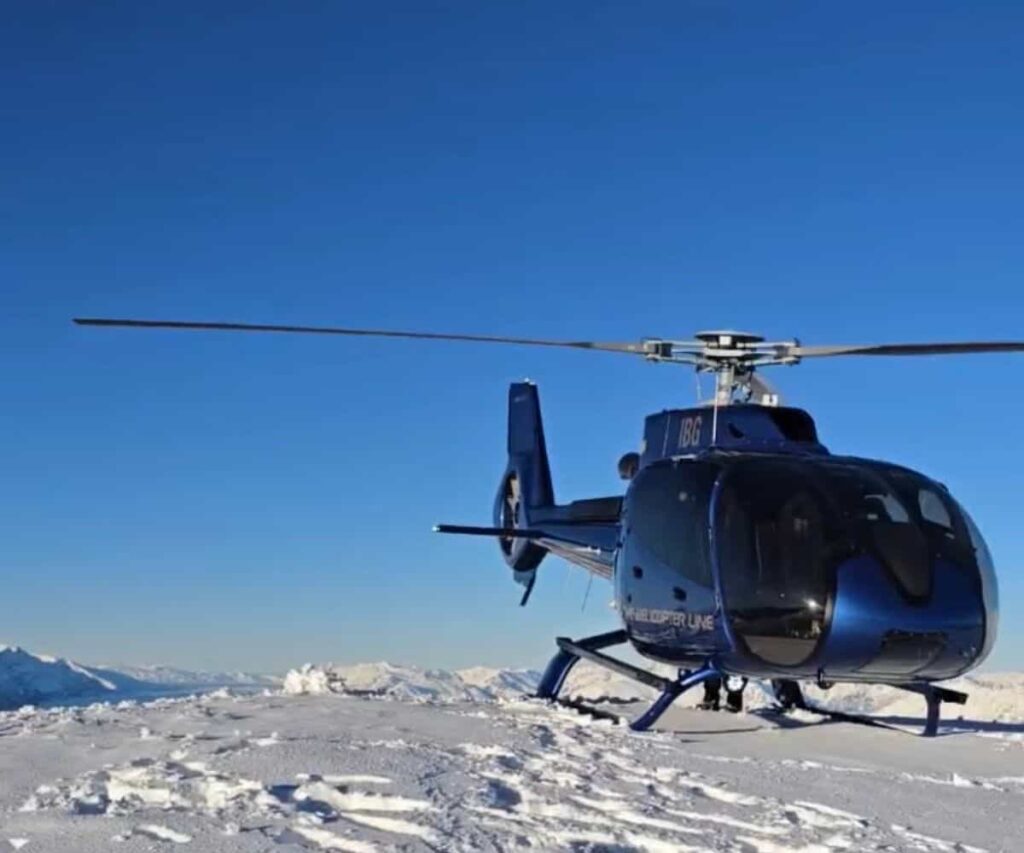
The Southern Way gives the lower South Island a shape that’s easy to understand and even easier to want to drive.
It connects coast, wine country, fiords, alpine towns and empty-feeling roads into a loop that can be tackled in a week or stretched into something far more rewarding.
For many travellers, the real temptation is the Southern Lakes section, where Queenstown, Wānaka, Arrowtown and Central Otago make a strong case for slowing down rather than simply ticking off the map.
At a glance
- The Southern Way links the lower South Island into a road-trip loop from Dunedin and Oamaru through the Catlins, Southland, Fiordland, Queenstown, Wānaka and Central Otago.
- The Southern Lakes section stands out for alpine drives, lake towns, gold-rush heritage, wilderness access and Central Otago wine.
- Renewed direct flights between Dunedin and Australia make it easier to fly into Dunedin and continue toward Queenstown or complete the wider loop.
A southern loop with the Southern Lakes at its heart
The Southern Way is the name now used for a network of routes across the south of New Zealand’s South Island.
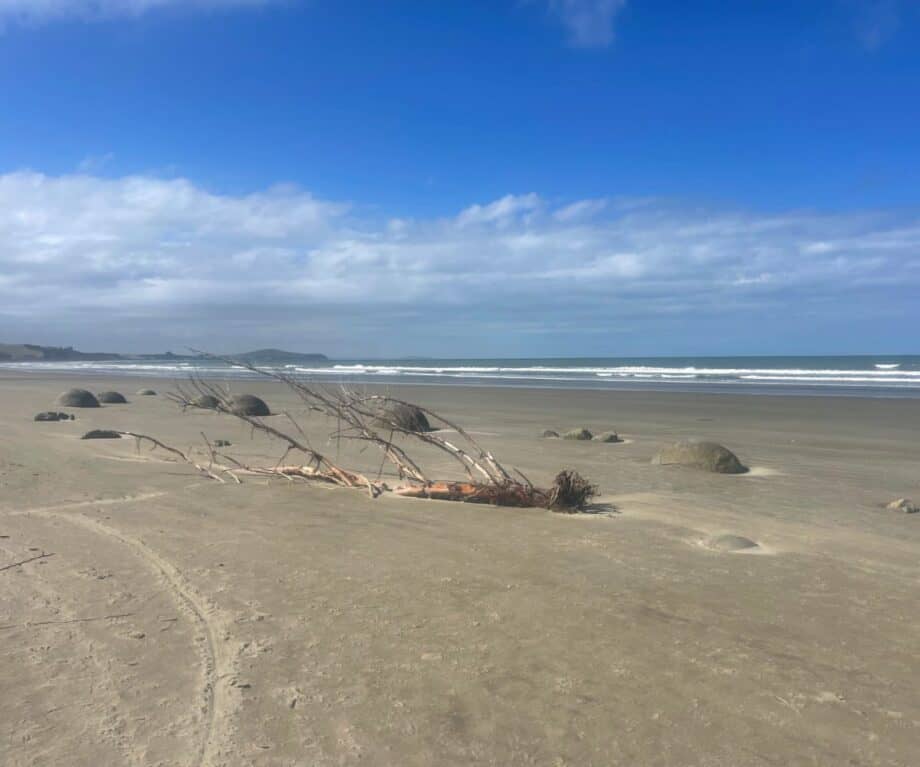
Its eastern edge takes in Oamaru and Dunedin, before the road drops toward the Catlins, Stewart Island connections, Murihiku Southland and Fiordland.
From there, the route naturally builds toward Queenstown, Wānaka and Central Otago, a finale that can easily become the main event.
Many visitors allow seven to ten days for the wider circuit, often including Milford Sound, the Catlins coastline and the albatross colonies of the Otago Peninsula.
That works as a broad introduction, but it leaves little room for the kind of unhurried travel this part of the country rewards.
The return of direct flights between Dunedin and Australia has made the route more practical for international travellers, particularly those who want to fly into Dunedin and out of Queenstown.
That one-way approach is especially useful for visitors who don’t want to rush the full loop but still want the sense of progression from coast to mountains.
Queenstown and Wānaka are close, but they aren’t substitutes
Queenstown and Wānaka sit about an hour apart by road, with the Crown Range linking them via New Zealand’s highest sealed road.
Arrowtown, roughly twenty minutes from Queenstown, adds a more intimate counterpoint with its gold-rush streets, autumn colour and easy access to both lake and wine country.
It’s tempting to treat Queenstown and Wānaka as interchangeable alpine bases, but that misses the point.
Queenstown has the energy, infrastructure and activity roster of a major adventure destination, from lake excursions to high-adrenaline experiences and easy day trips toward Glenorchy.
Wānaka moves at a different rhythm, with a calmer lakefront mood and a stronger sense of being on the doorstep of Mount Aspiring National Park.
Several nights in each town allows the contrast to settle in.
If time is tight, three nights in Queenstown and three in Wānaka is a more convincing plan than trying to compress both into a quick pass-through.
Central Otago wine is more than a cellar-door afternoon
Gibbston is often the first taste of Central Otago wine for visitors leaving Queenstown.
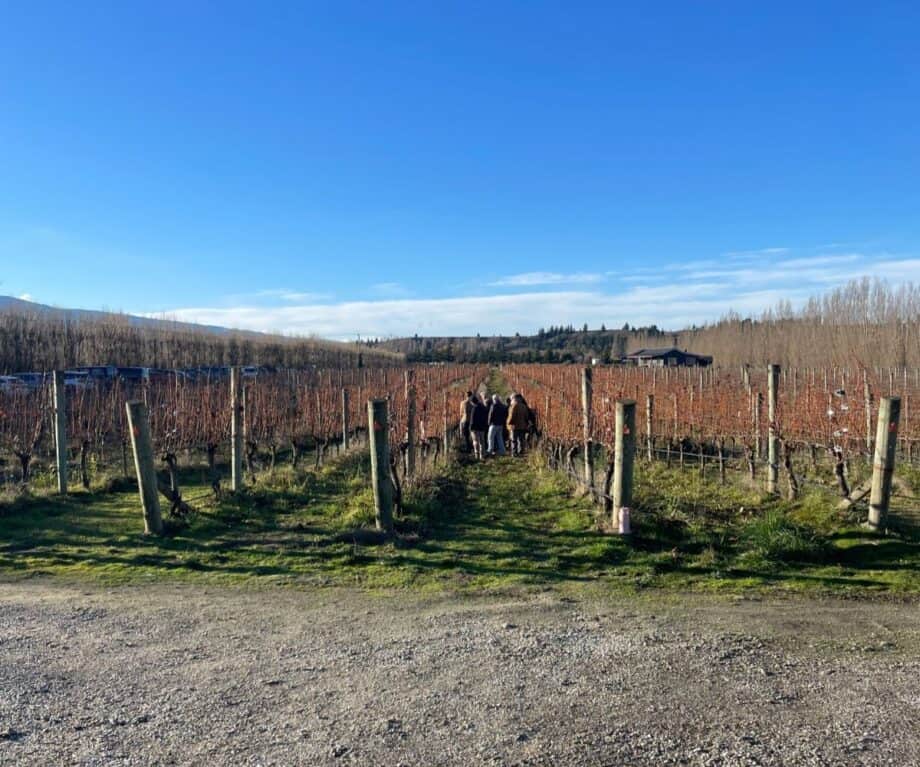
It’s an easy introduction, with striking architecture at Peregrine, smaller stops such as The Church and the Gibbston Tavern offering a reason to linger after tastings wind down.
The valley’s certification as a Dark Sky Park in 2024 also gives Gibbston a second life after sunset.
Yet Central Otago’s wine story reaches well beyond the most convenient cellar doors.
Alan Brady remains one of the defining figures in the region, having founded Gibbston Valley Winery four decades ago, helped shape Valli’s early chapter with Grant Taylor, later started Mount Edward and then created Wild Irishman.
Wild Irishman has stayed deliberately small, working with fruit from eight vineyards across sites including Alexandra, Bannockburn and Gibbston.
The wines show why Central Otago Pinot Noir attracts such loyalty, with altitude, river position and subregional nuance all playing a visible role in the glass.
For travellers, Kinross in Gibbston provides access to Wild Irishman tastings, while guided wine tours around Alexandra and Earnscleugh can reach producers that casual visitors often miss.
Cyclists on the Otago Central Rail Trail have their own rewards too, including stops at Ruru and Dunstan Road Wines, where tastings often come with direct vineyard-owner insight.
Those riding the Lake Dunstan Trail will find Carrick a natural pause, not least because the rest feels earned.
The roads are part of the experience
Driving in the Southern Lakes isn’t simply a way to move between places.
The roads define the trip as much as the towns do.
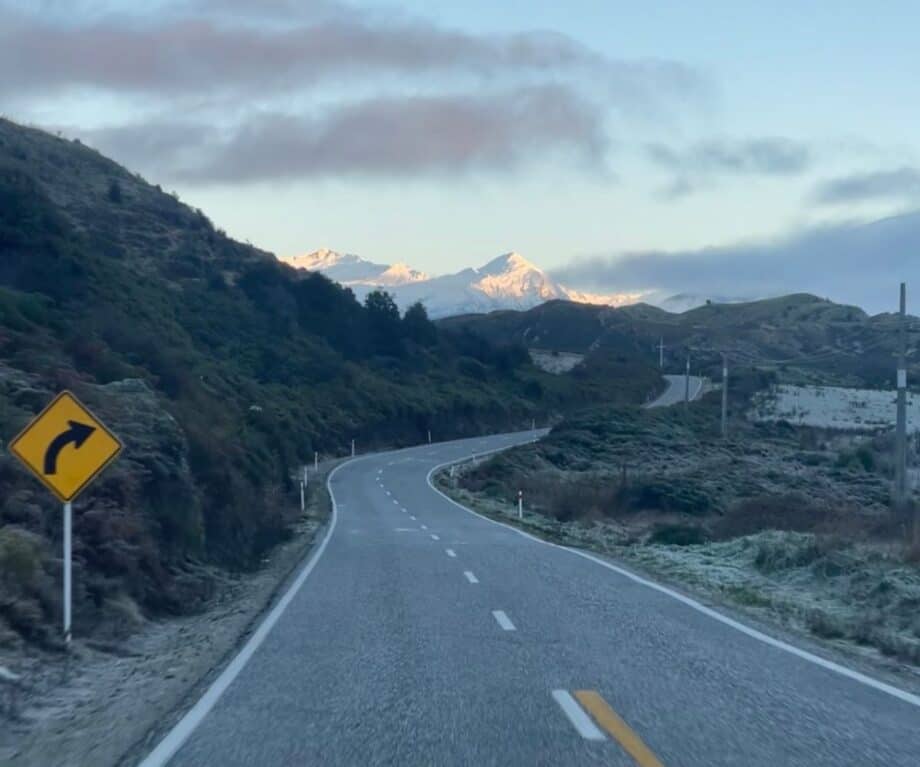
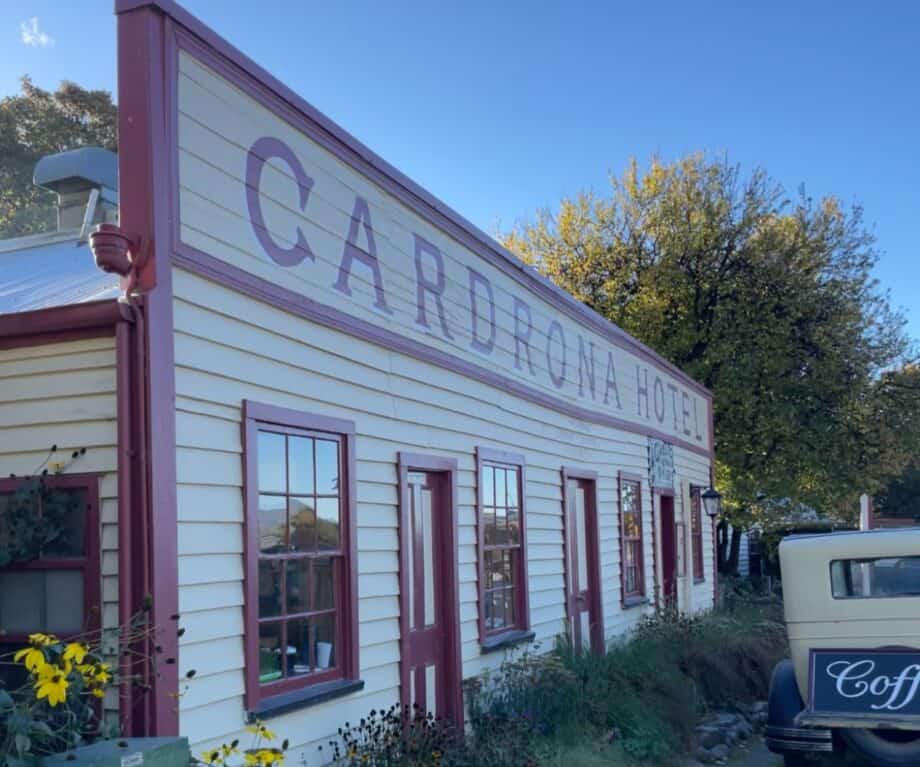
The Crown Range climbs above 1,100 metres before dropping through Cardrona toward Wānaka, delivering one of the most memorable sealed-road crossings in the country.
The alternative route via the Kawarau Gorge and Cromwell has a different character, following Lake Dunstan through orchard and vineyard country.
From Wānaka, the road into the Matukituki Valley pulls travellers into a landscape that feels increasingly alpine with every kilometre.
A picnic and a partial drive can be enough to feel the shift, as the valley floor stretches ahead and the Southern Alps begin to close in.
Anyone driving themselves should check rental conditions before tackling rural roads where shallow fords may appear.
North of Wānaka, the road along Lake Hāwea toward Makarora feels quieter and more remote, with mountains rising sharply from the water and traffic thinning as the route edges toward the West Coast.
This is also the kind of country that attracts anglers looking for wild brown and rainbow trout in river valleys reached by helicopter rather than road.
From Queenstown, the drive to Glenorchy traces the edge of Lake Wakatipu for around forty-five minutes before arriving at a small settlement surrounded by big-screen landscapes.
Jet boats head up the Dart River from here, horse treks move into the valleys and the Routeburn Track begins nearby.
It’s close enough for an easy day trip, yet it feels far removed from Queenstown’s busy centre.
How to plan the Southern Way without rushing it
The Southern Way can be approached as a full loop, a one-way journey from Dunedin to Queenstown or a looser framework for choosing the sections that matter most.
Travellers with limited time should resist the urge to cover every named stop at the same pace.
A better version is to give the coastal and fiord sections their due, then slow down once the route reaches the Southern Lakes.
That might mean pairing Queenstown with Arrowtown and Gibbston, then moving to Wānaka for Mount Aspiring access, Lake Hāwea drives and a quieter base.
It might also mean adding Central Otago wine country as more than a lunch stop, especially for travellers interested in Pinot Noir, cycling trails or orchard-country landscapes.
The strongest Southern Way itineraries don’t treat the Southern Lakes as the end of the road.
They treat them as the place where the journey opens up, where a planned overnight can become three, and where the best decision is often to stay put for another day.