Manual performance cars aren’t gone, but they increasingly feel like an endangered species.
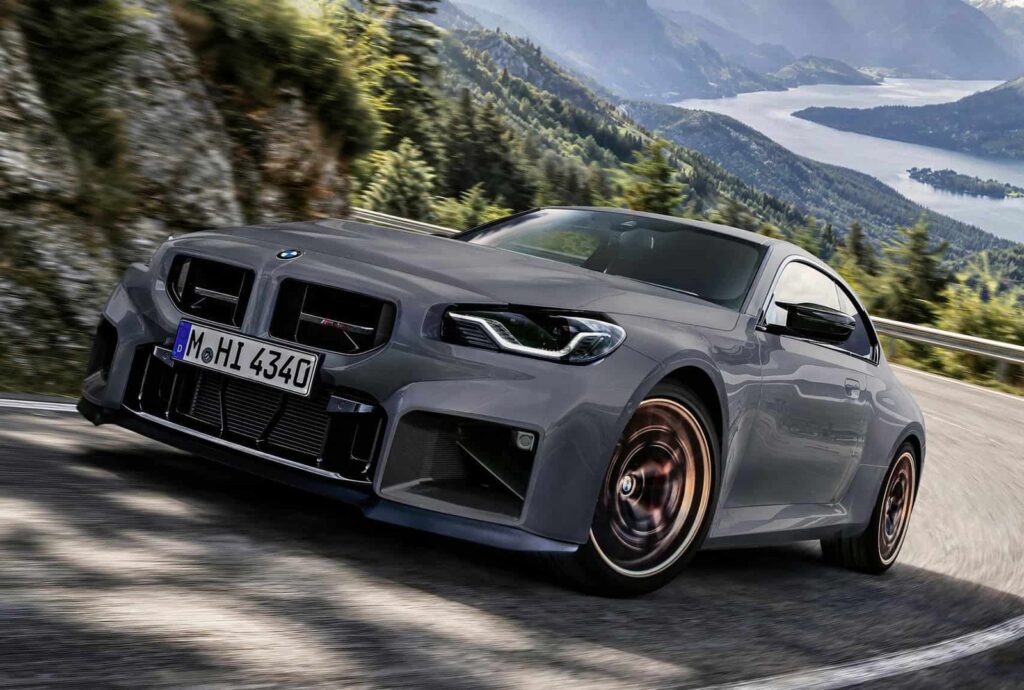
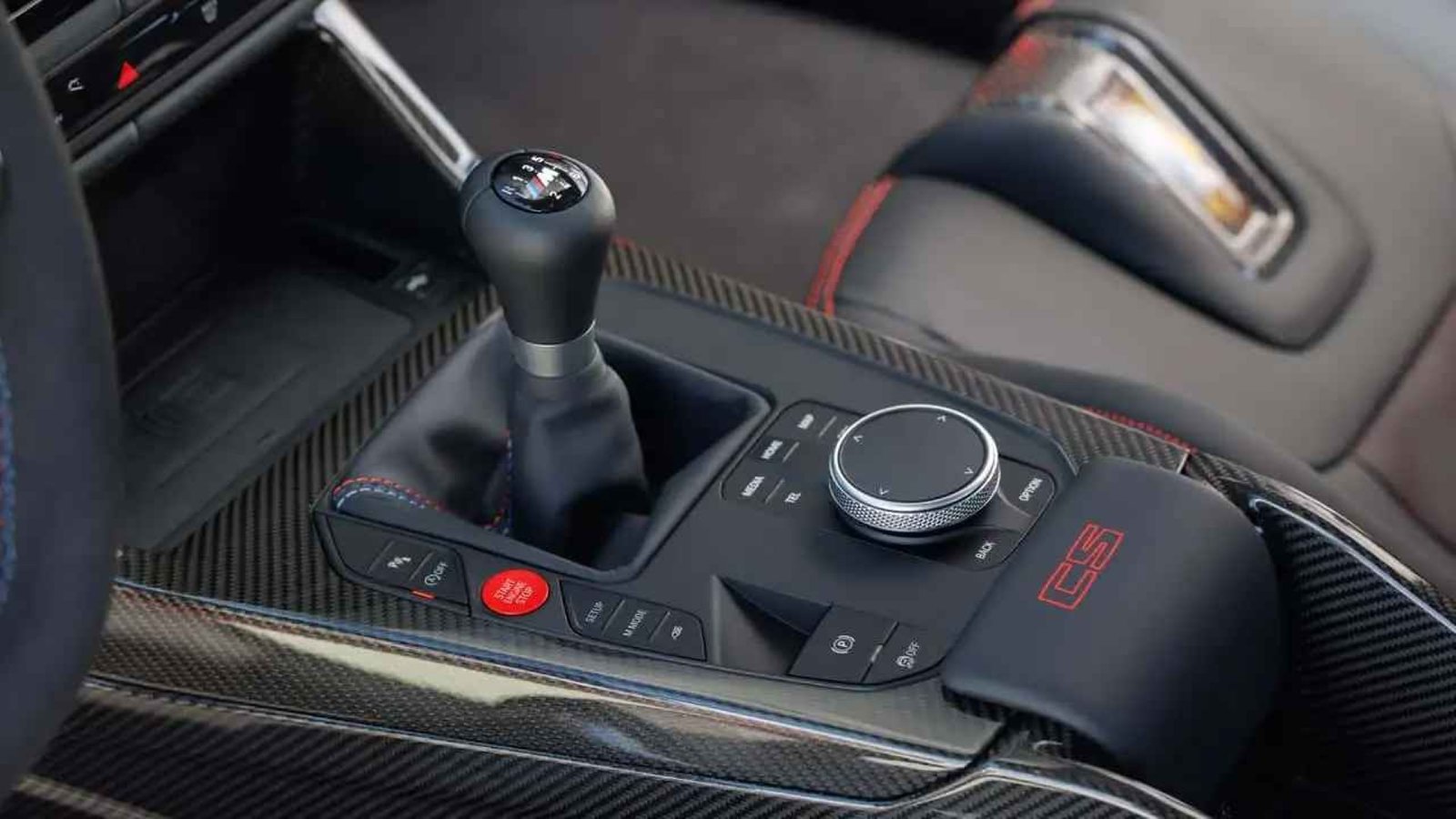
The BMW M2 is offering a useful counterpoint, because American buyers are choosing the clutch pedal at a rate few modern sports cars can claim.
BMW M CEO Frank van Meel has said that roughly half of all M2s sold in the United States are ordered with a manual gearbox.
At a glance
- Roughly one in two BMW M2s sold in the US is equipped with a manual gearbox.
- The take rate stands out because buyers can also choose an eight-speed automatic with quicker shifts and easier everyday usability.
- The figure gives BMW a strong enthusiast case for keeping three pedals, even as regulations and engineering demands make manuals harder to support.
America is still voting for three pedals
A 50 percent manual take rate is more than a nostalgic talking point.
It shows that M2 buyers in the United States are still willing to spend real money on a slower, more involved and less convenient transmission because the driving experience matters to them.
That’s significant in a market where automatics have become the default even among performance cars.
Modern automatic transmissions are quicker, easier in traffic and better suited to launch control, emissions calibration and driver-assistance integration.
Yet the M2’s American customer base is clearly not treating the manual as a token option.
The automatic may be faster, but the manual has a different job
The eight-speed automatic available in the M2 makes a rational case for itself.

It shifts faster than a human can, demands less effort and will be the easier choice for many daily drivers.
The manual’s appeal sits somewhere else.
It gives the driver more responsibility, more mechanical rhythm and a stronger sense of participation, even if that doesn’t translate into the quickest possible lap time.

For BMW M, that distinction matters because the M2 has become one of the clearest remaining homes for buyers who still want the brand’s performance division to feel analogue where it can.
Why the manual is becoming harder to protect
The strong US demand doesn’t mean the manual gearbox has an easy future.
Stricter emissions requirements, more complex driver-assistance systems, hybrid powertrains and a shrinking pool of transmission suppliers are all making three-pedal cars harder to develop and certify.
There are also mechanical limits that buyers rarely see on the showroom floor.
In some applications, BMW has had to dial back engine output because the manual transmission couldn’t reliably handle the full torque available.
That kind of compromise becomes harder to justify as performance cars move toward higher outputs and more electrified drivetrains.
Details & Specifications
| Brand | BMW |
|---|---|
| Model | M2 |
| Market highlighted | United States |
| Manual take rate | About 50 percent of US sales |
| Transmission choices | Manual gearbox or eight-speed automatic |
| Key context | Manual demand remains strong despite automatic convenience and quicker shifts |
The M2’s American sales mix won’t save every manual gearbox, but it does give BMW something valuable in an increasingly automated performance landscape.
For now, enough buyers still want the extra pedal to keep the argument alive.