BMW is making one of its clearest industrial statements in years, and it’s happening at home.
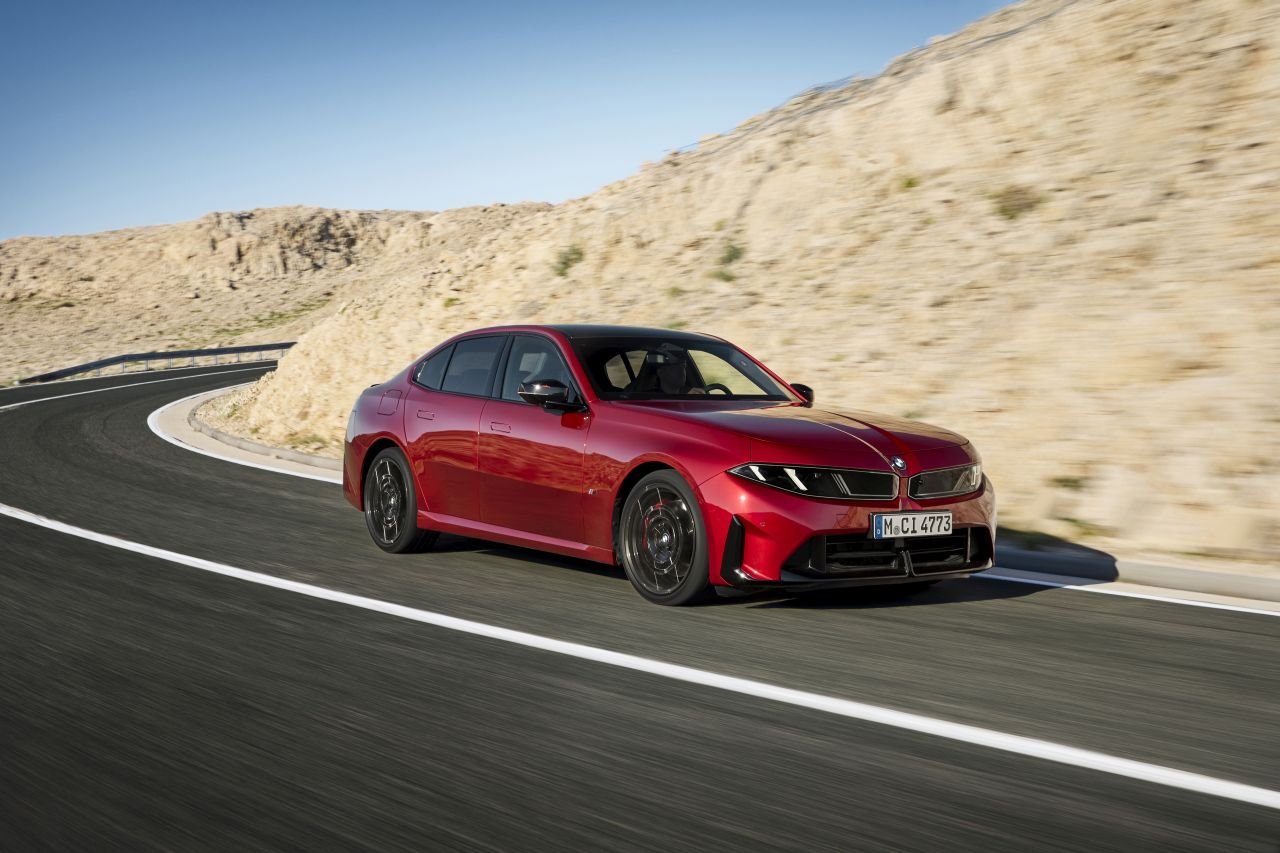
The company is committing around €2 billion to German production as it prepares for the next-generation 3 Series, a car that still sits at the centre of the brand’s identity.
At a moment when parts of the European car industry are scaling back capacity, BMW is choosing to modernise Munich and Dingolfing while bringing key battery work deeper into Bavaria.
At a glance
- BMW is investing around €2 billion in Germany to prepare for the next-generation 3 Series family.
- Munich will build the electric i3 from 2027, while Dingolfing will handle petrol and plug-in hybrid versions.
- A new Bavarian battery facility will supply sixth-generation high-voltage batteries for BMW’s German EV production.
Munich and Dingolfing take on the next 3 Series
The investment is split across two major fronts, with around €1 billion going into upgrades at BMW’s Munich and Dingolfing plants.
Munich is set for the most symbolic shift, as the plant will move to electric-only production from 2027.
Its first major model in that new phase will be the electric i3, positioned within the next-generation 3 Series programme.
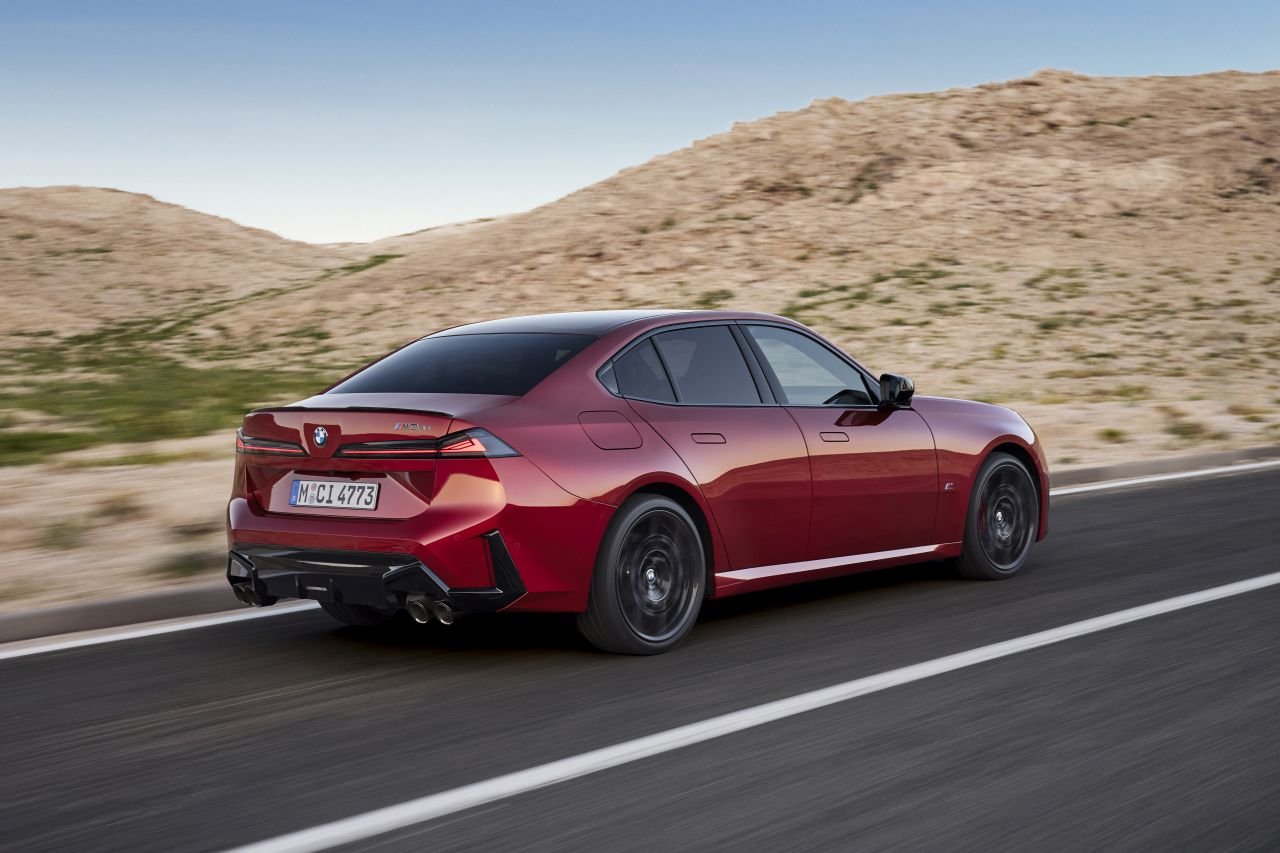
Dingolfing will remain just as important, taking responsibility for the petrol and plug-in hybrid versions of the eighth-generation 3 Series.
That split gives BMW flexibility as customer demand continues to vary sharply between regions, especially while the global pace of EV adoption remains uneven.
A Bavarian battery plant keeps EV value close
The other half of the investment is being directed toward a new battery facility in Bavaria.
That plant will supply BMW’s sixth-generation high-voltage batteries to Munich, keeping a crucial part of electric vehicle production within the company’s domestic manufacturing base.
For BMW, this isn’t only about building cars in Germany.
It’s about keeping the higher-value pieces of the electric supply chain close to the factories that will define its next product cycle.

The strategy also fits with BMW’s broader push to reduce costs through greater use of shared components across its lineup.
A different response to industry pressure
The timing gives this move extra weight.
BMW is investing heavily in German manufacturing while also cutting around 8,000 jobs in Germany and offering voluntary redundancy to roughly 40,000 employees.
That combination shows a company trying to simplify itself without retreating from its core production footprint.
Rather than treating German manufacturing as too expensive to sustain, BMW appears to be targeting management layers, development speed and internal cost structures.
The contrast with some rivals is notable.
Volkswagen is considering significant capacity reductions, while Mercedes-Benz has been directing more investment toward its Hungarian operations.
BMW’s decision suggests confidence that its German plants can remain competitive if they are modernised around electric production, battery supply and more efficient model development.
The 3 Series still carries unusual weight
The 3 Series has long been more than a volume model for BMW.
It is the car that shaped the brand’s reputation for compact executive sedans, rear-drive dynamics and everyday performance.
That makes the eighth-generation model a strategic launch rather than a routine replacement.
By splitting electric, petrol and plug-in hybrid production between Munich and Dingolfing, BMW is protecting the nameplate’s global reach while preparing for a more electric future.
The approach also avoids an abrupt break with customers who aren’t ready to move fully electric.
For buyers, the result should be a broader 3 Series family shaped around different powertrain needs rather than a single-market strategy.
For Germany’s car industry, the message is just as important.
BMW is trimming costs, but it’s also backing its domestic factories with serious capital, signalling that the next chapter of the 3 Series will still be built around German manufacturing know-how.