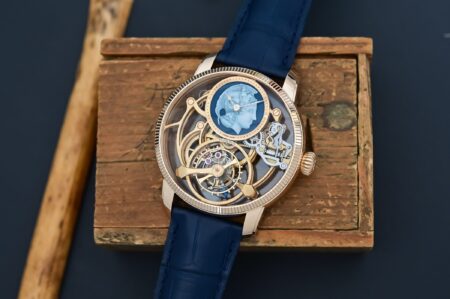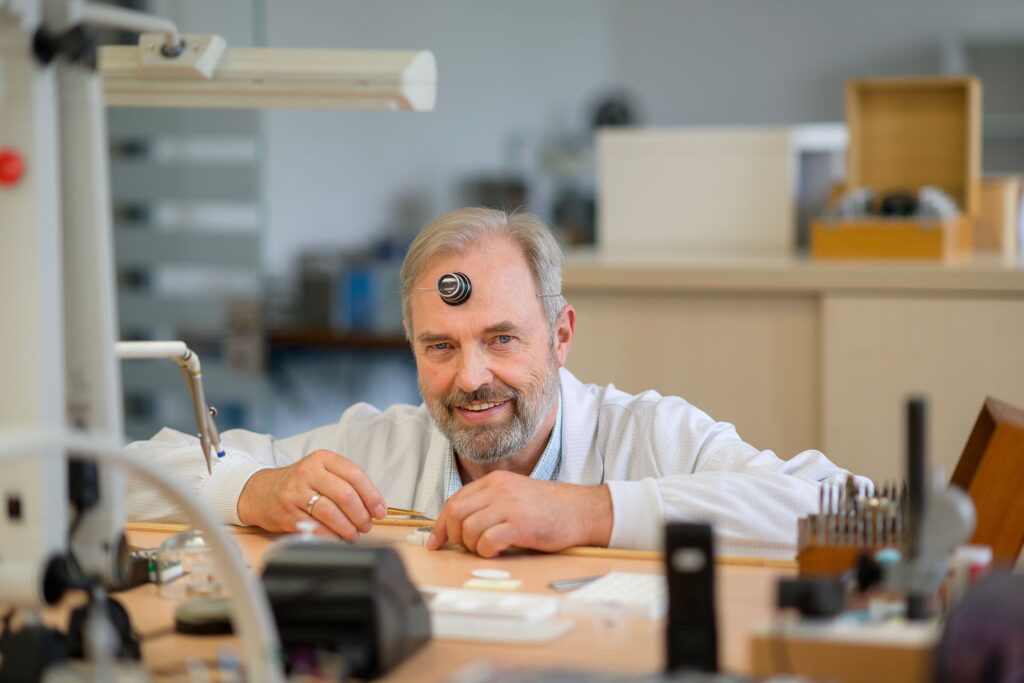
Bernhard Lederer’s watches are often discussed through their mechanics, but the more revealing story sits behind the wheels and levers.
For more than four decades, the independent watchmaker has pursued chronometry with the temperament of a researcher and the patience of a restorer.
His work is a reminder that innovation in fine watchmaking rarely begins with novelty for its own sake; it begins with a problem worth solving.

At a glance
- Bernhard Lederer’s career spans more than 40 years of independent watchmaking, invention and chronometric research.
- His philosophy has been shaped by restoration, historic horology and a deep interest in escapements.
- The Central Impulse Chronometer reflects his belief that old ideas can become newly relevant through modern execution.
Curiosity before craft
Lederer’s relationship with mechanics began before watchmaking became a profession.
As a young observer, he was drawn to objects that explained themselves through movement, from his grandfather’s pocket watch to the water mills near his hometown and the gearshift on his bicycle.
That early curiosity was widened by old technical books and flea markets, where mechanical diversity could be studied at close range.

The lesson was simple but lasting: there’s almost never only one way to solve a mechanical problem.
That idea still runs through Lederer’s work today, though experience has changed the nature of the questions he asks.
Younger eyes may admire a beautiful mechanism; seasoned hands want to know why it was made that way, and whether another route might have served the purpose better.
Restoration as an education in humility
Lederer’s apprenticeship at the Wuppertal Watch Museum gave him more than formal training.
Restoring historic watches, initially a practical way to earn extra money, became one of the formative experiences of his career.
Restoration doesn’t allow a watchmaker to treat a damaged component as an isolated inconvenience.
It demands an understanding of why the part existed, what problem it answered, how it was made and how its form related to the period that produced it.
That discipline trained Lederer to read a watch as a chain of decisions rather than a decorative object.
It also reinforced a kind of professional humility, because many questions treated as modern preoccupations were already being tested centuries ago.
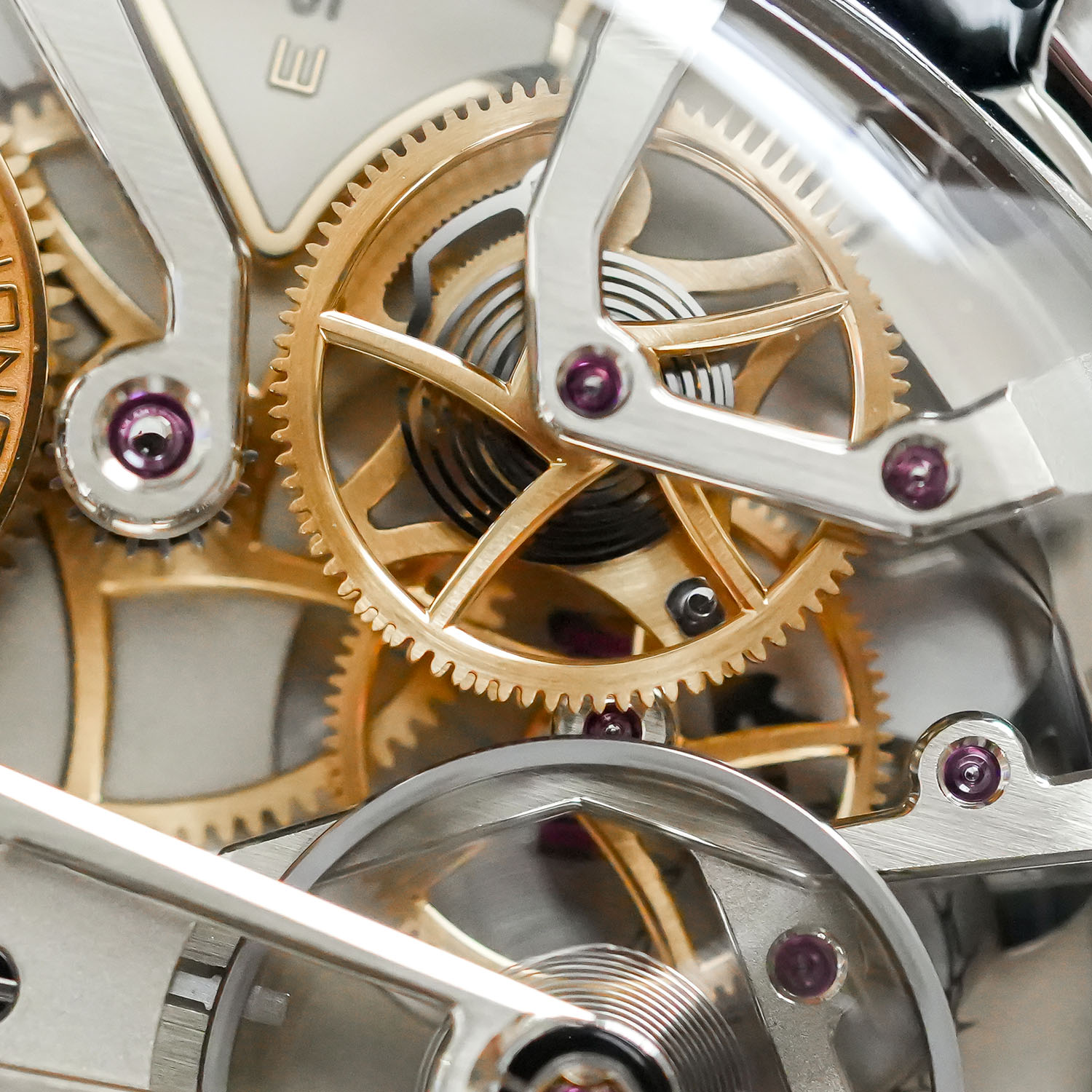
For Lederer, the work of Thomas Mudge, Abraham-Louis Breguet, Antide Janvier and Pierre Le Roy remains alive because their concerns were not merely aesthetic.
They were dealing with precision, energy transmission and regulation, the same fundamental subjects that continue to define serious mechanical watchmaking.
One encounter with a Breguet watch left a particularly strong impression.
Lederer expected perfection in every corner, but instead found something more instructive: extraordinary effort was reserved for the places where it truly mattered.
A conversation with horological history
Lederer doesn’t treat history as a catalogue to be copied.
To him, making a new watch only has meaning if the past is being questioned rather than reproduced.
He sees watchmaking as a conversation across generations, with earlier masters leaving behind ideas that may be complete, partial or unrealised.
Some concepts could not be fully developed in their own time because materials, manufacturing methods or technical understanding had not yet caught up.
This is where Lederer’s definition of innovation becomes especially relevant.
He doesn’t frame it as the creation of something from nothing, but as the re-examination of existing ideas with present-day knowledge.
The worthwhile question is not whether an idea is new enough to attract attention, but whether it can now be made to work better.
That way of thinking has drawn him repeatedly toward escapements and chronometry.
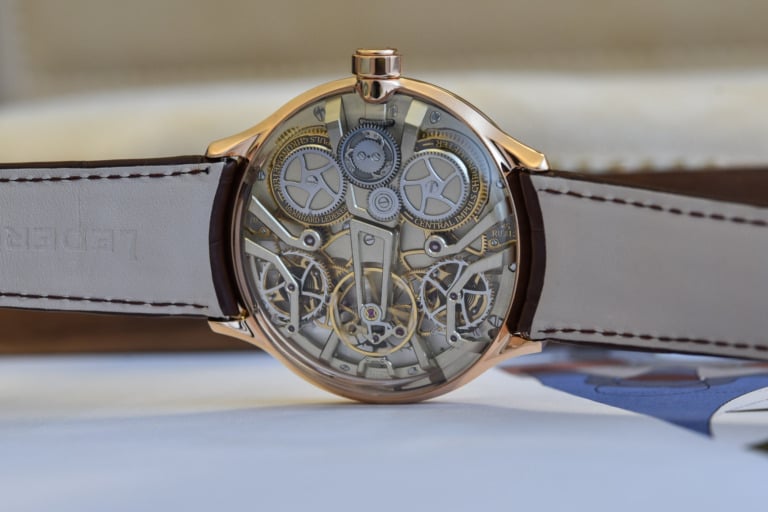
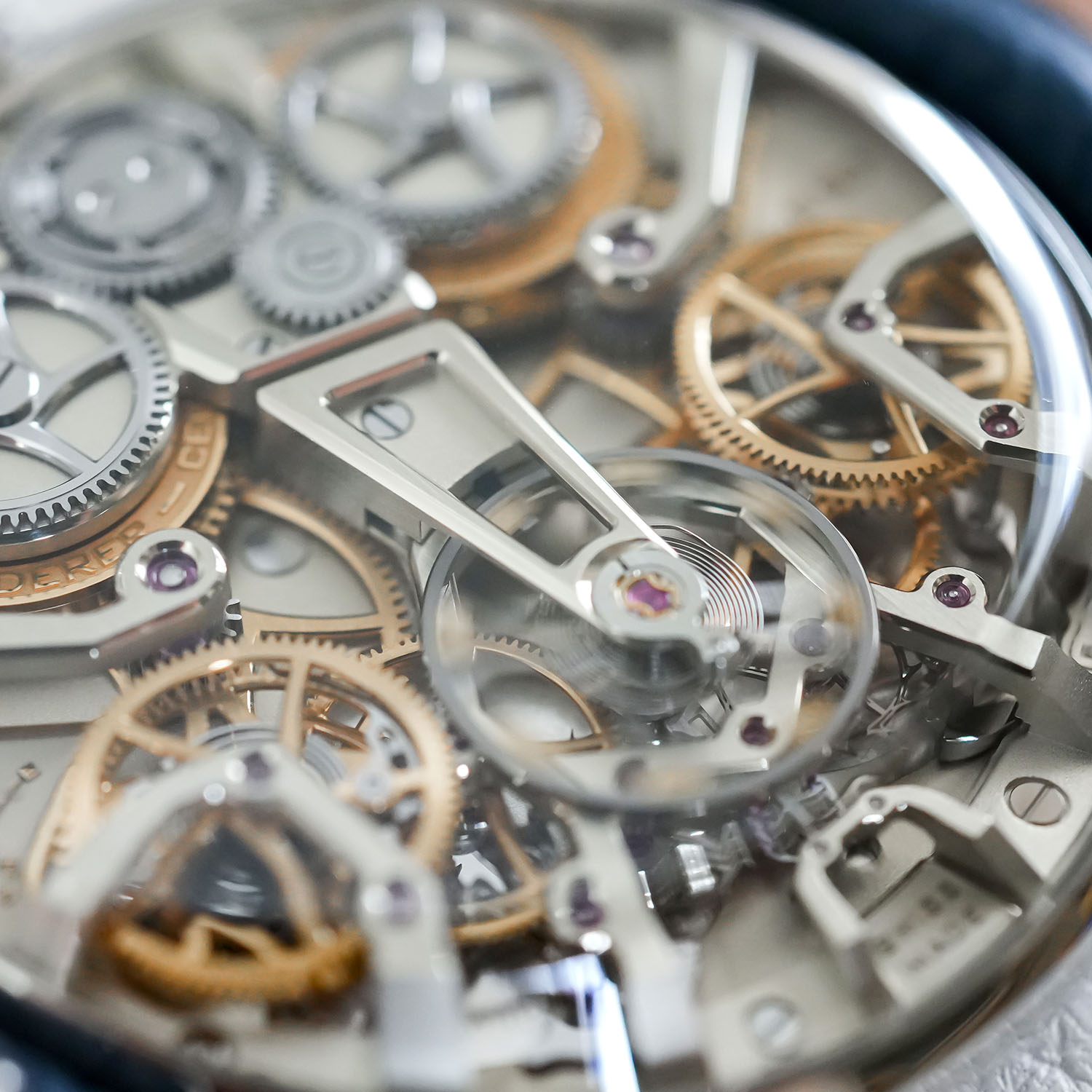
For Lederer, escapements are not simply a specialist field; they are the most compelling part of the mechanical watch because they sit at the heart of consistency and accuracy.
Decoration can be improved, cases can be refined and dials can be made more expressive, but the escapement defines the limits of what a movement can realistically achieve.
The Central Impulse Chronometer and a reason to exist
Lederer’s view of invention is deliberately demanding.
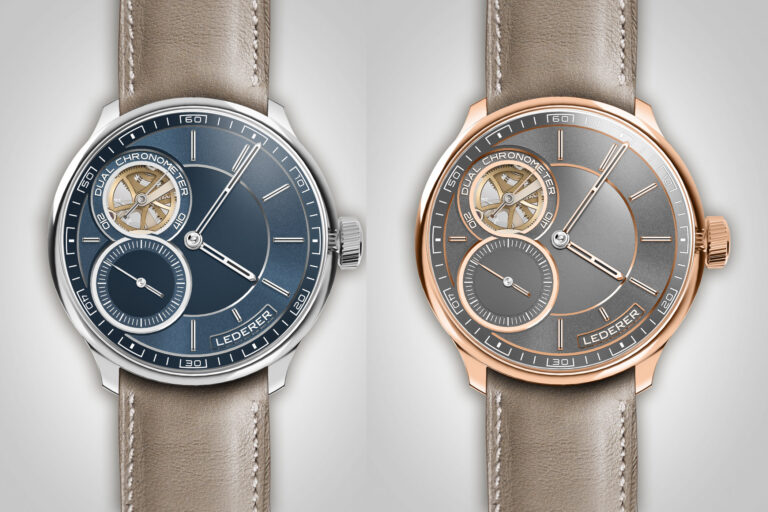
A different mechanism isn’t enough, and a watch that exists only to be unusual is unlikely to remain interesting for long.
In his own terms, every watch needs a reason to exist.
That reason should be technical as much as aesthetic, whether it improves an existing solution, clarifies the behaviour of a mechanism or opens a more convincing path forward.
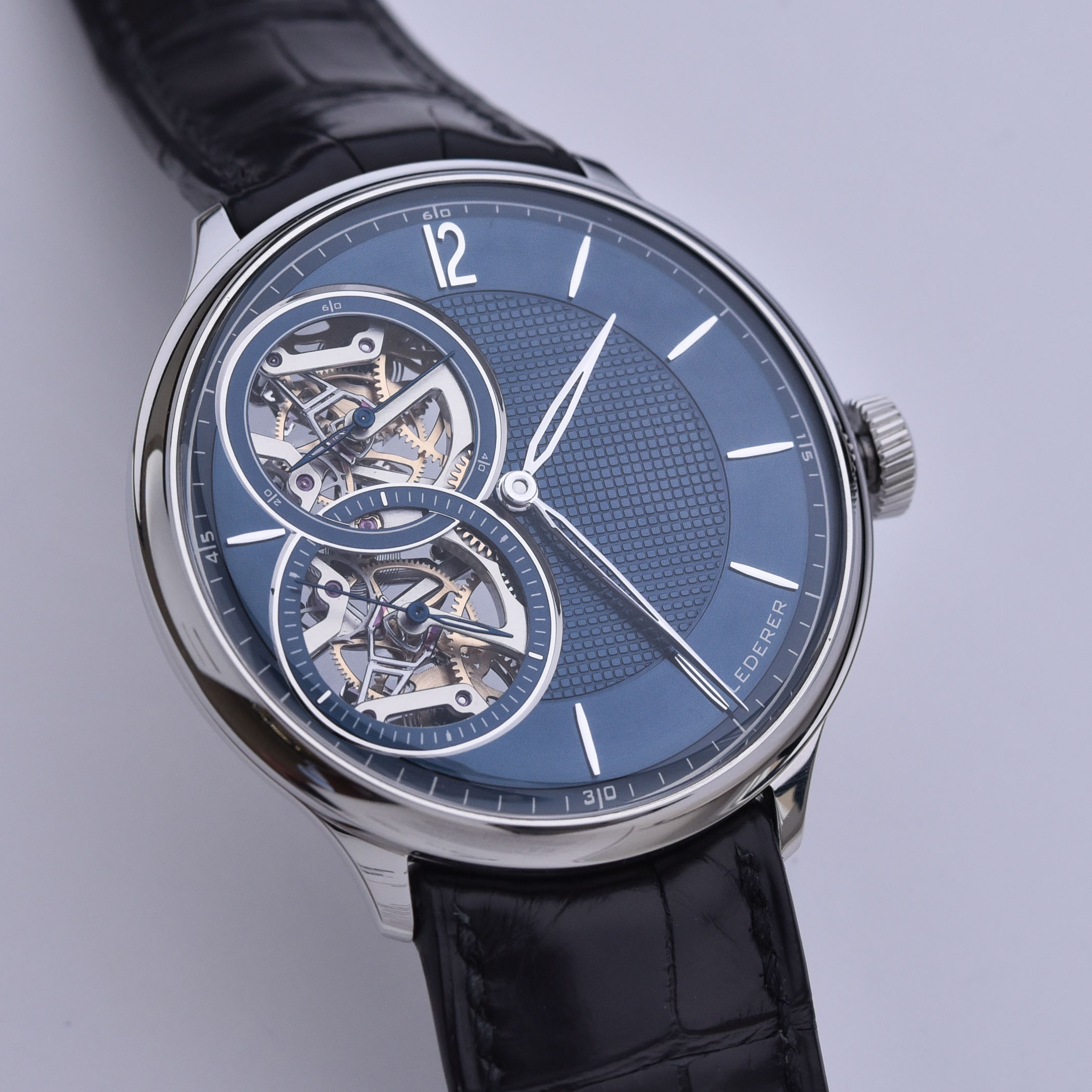
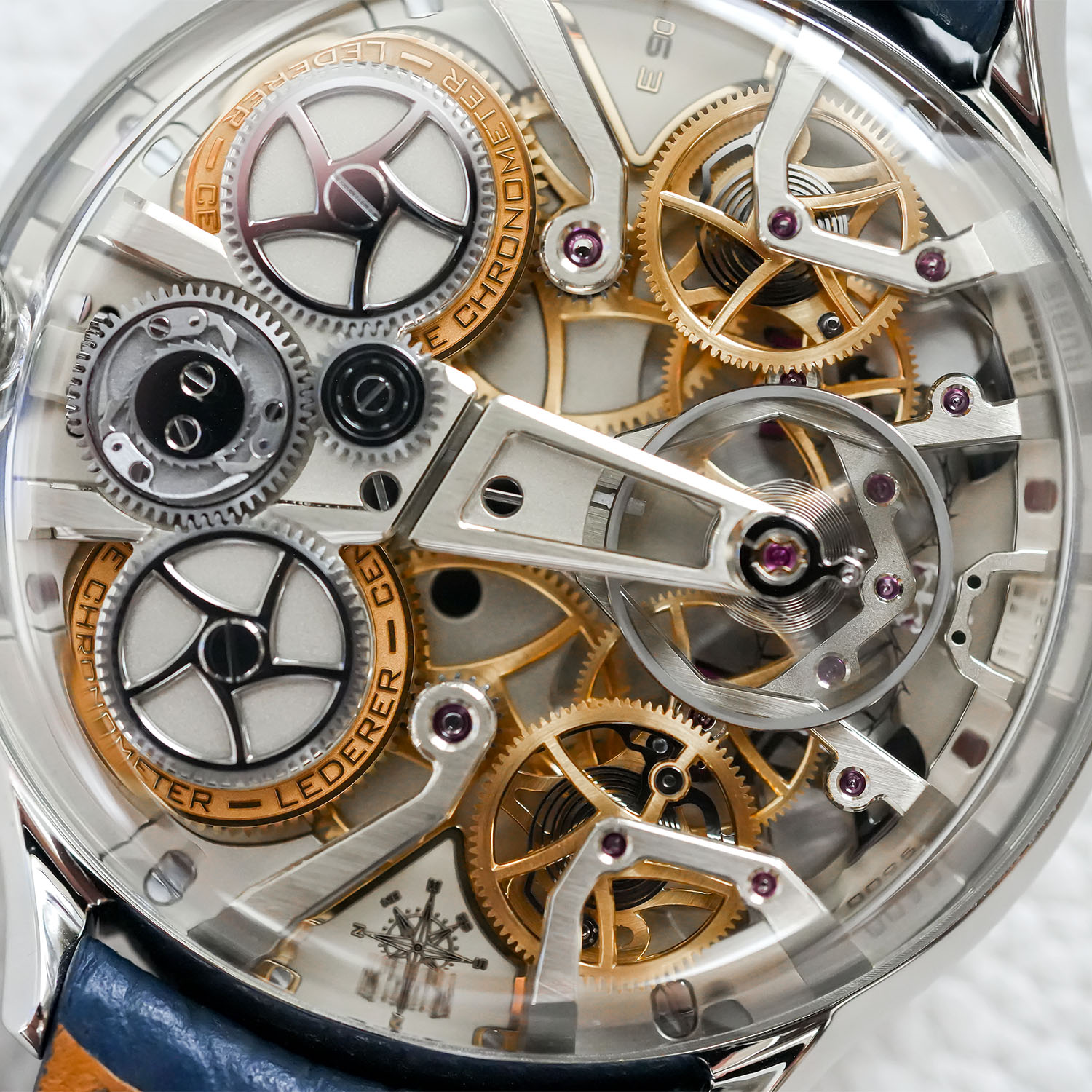
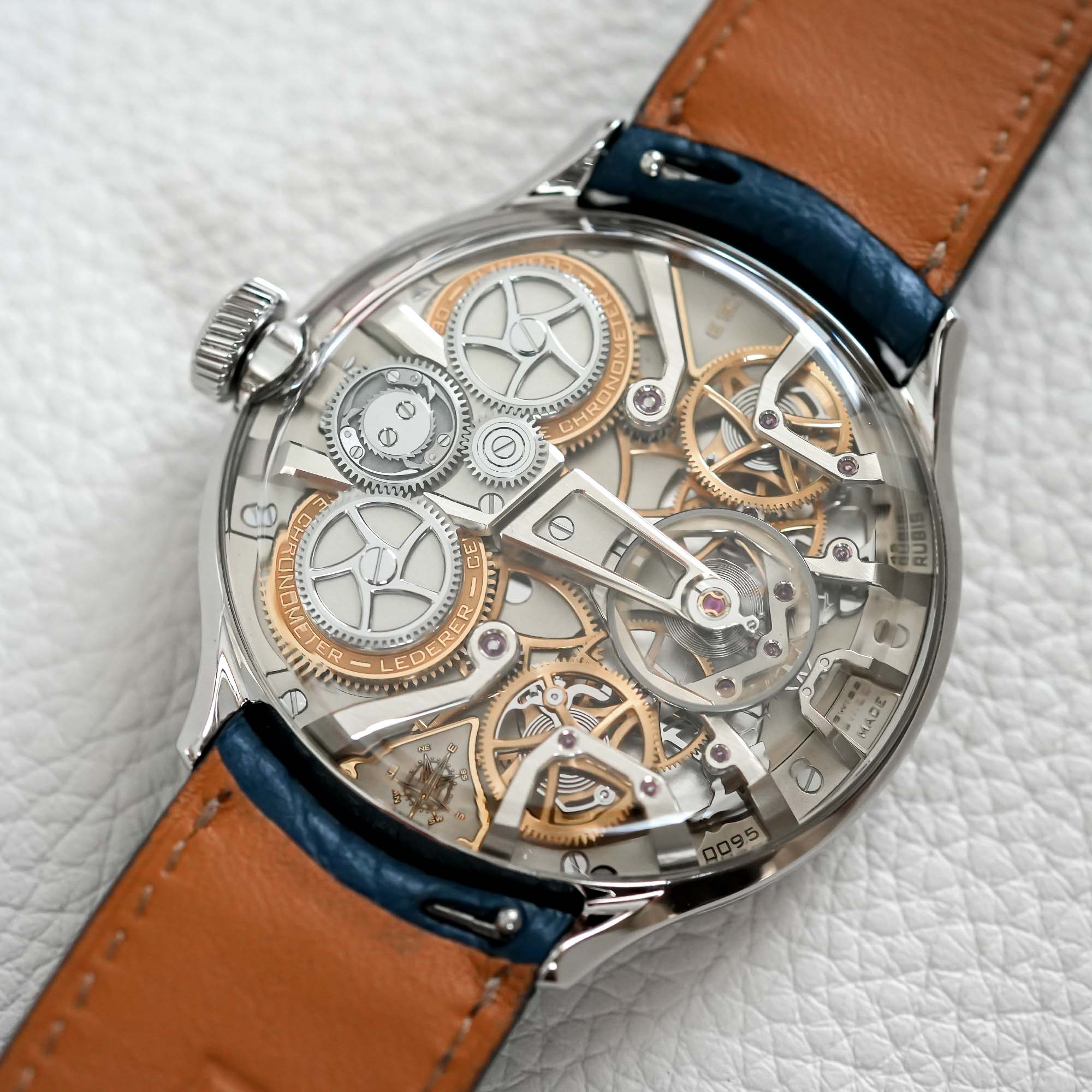
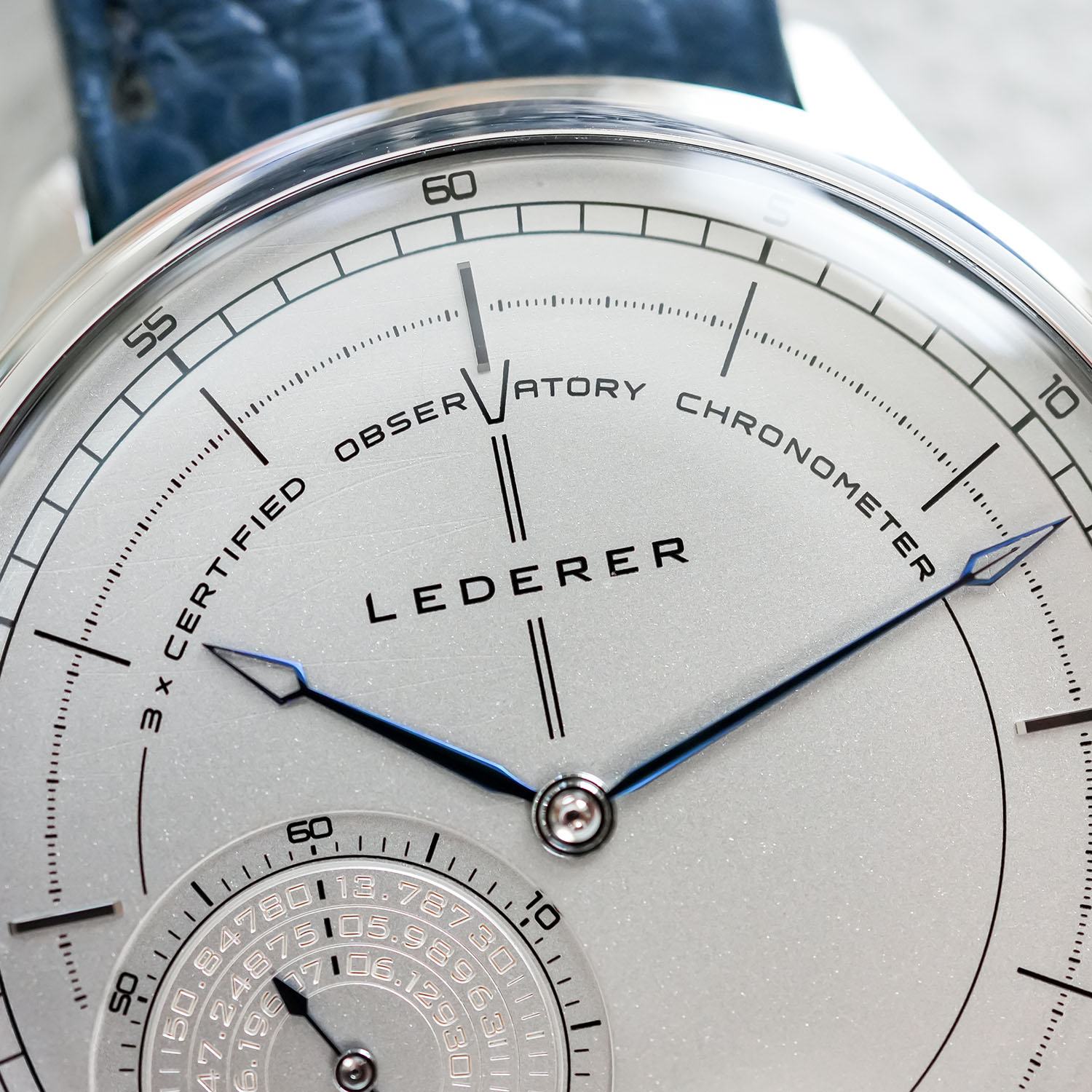
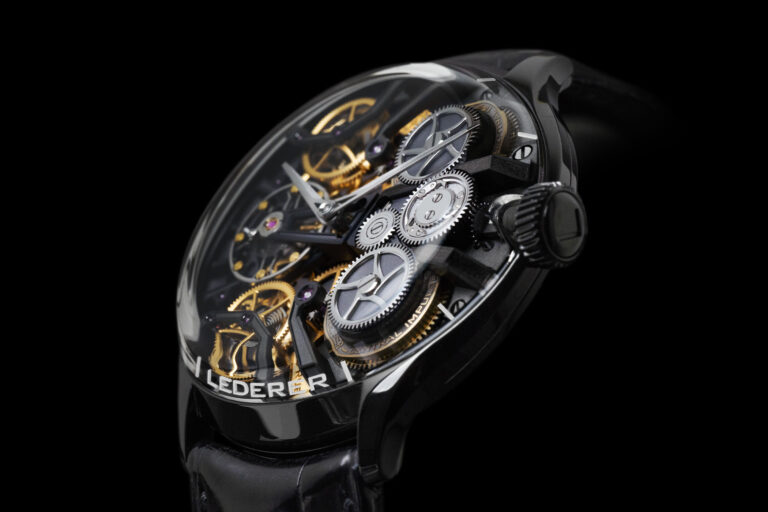
The Central Impulse Chronometer sits naturally within that philosophy.
It is not a nostalgic exercise and it doesn’t rely on historical reference as decoration.
Its importance lies in continuing an idea that evolved over centuries, then translating it into a modern wristwatch with the tolerances, materials and practical reliability such a project requires.
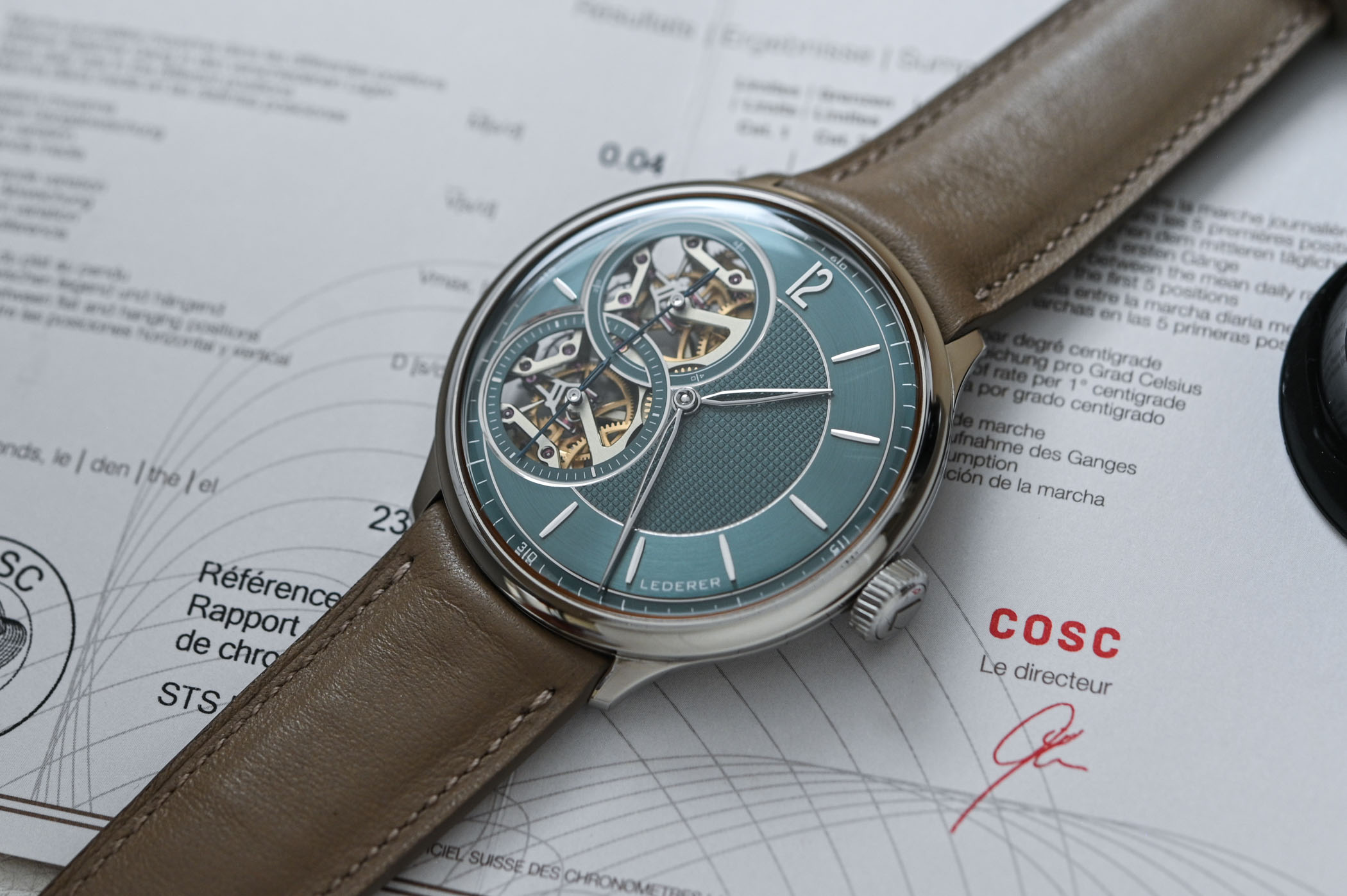
The challenge is not merely understanding an old principle; it is closing the distance between a compelling mechanical idea and a finished watch capable of living on the wrist.
That gap is where much of Lederer’s real work takes place.
His career suggests that independent watchmaking is strongest when it resists easy spectacle and returns to the harder question of purpose.
For collectors who care about the intellectual architecture of a movement as much as the finished object, Bernhard Lederer remains one of contemporary horology’s most thoughtful voices.