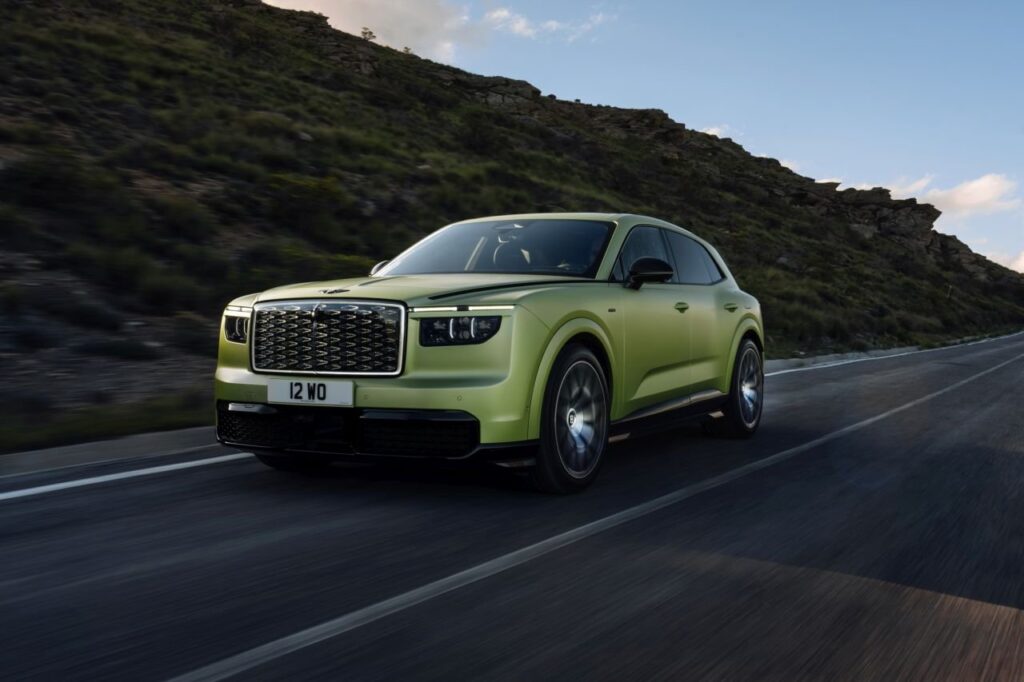
Bentley has spent decades building a design language that other luxury carmakers inevitably notice.
For design chief T. Jon Mayer, that attention isn’t a problem to manage so much as a sign that Bentley is doing its job.
The British marque’s answer is not to guard every visual idea too tightly, but to keep developing new ones while protecting the traits that make a Bentley immediately recognisable.
At a glance
- Bentley design boss T. Jon Mayer says the brand isn’t especially troubled when other automakers draw inspiration from its work.
- The marque sees influence as part of being design-led, especially in luxury interiors and exterior proportions.
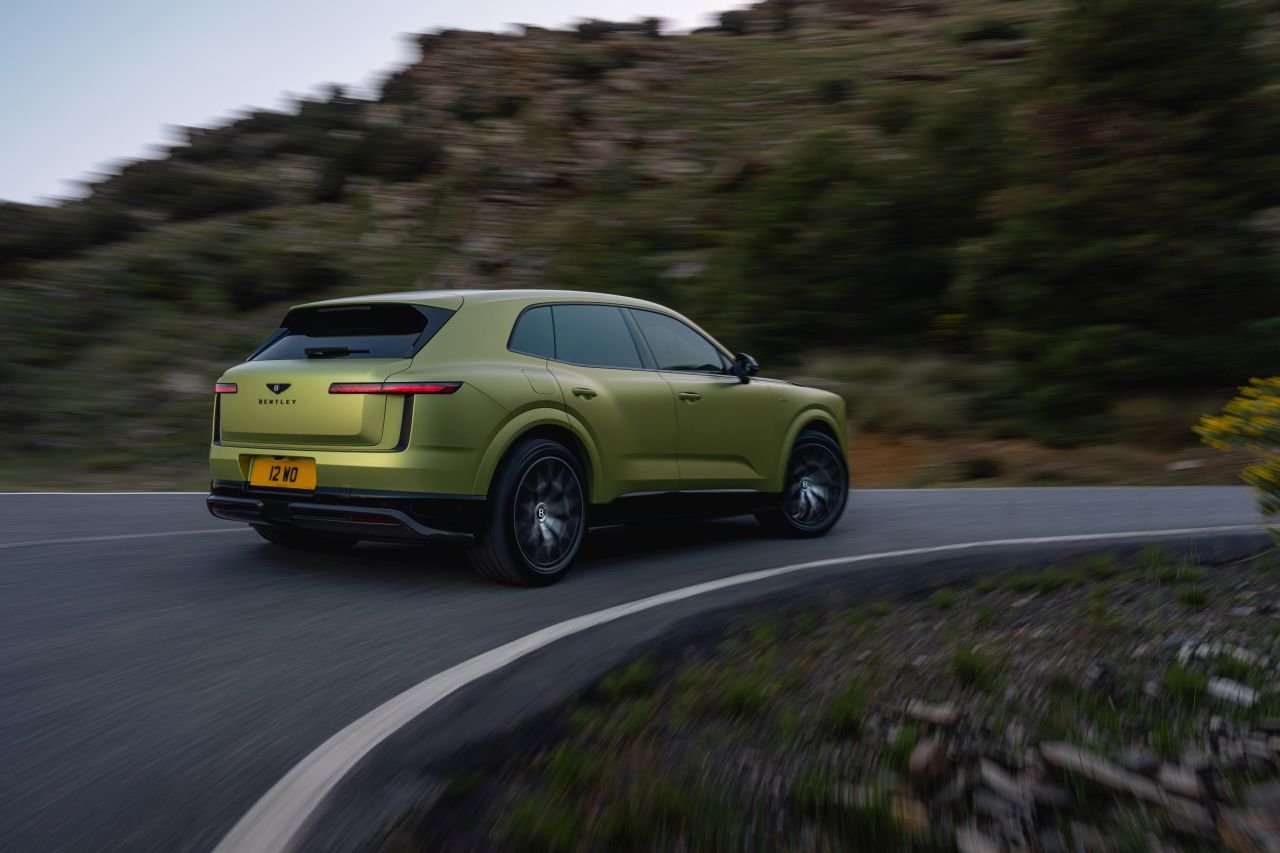
- Future Bentleys will continue to lean on heritage cues such as a long bonnet and upright stance while moving the design language forward.
Imitation is part of leading from the front
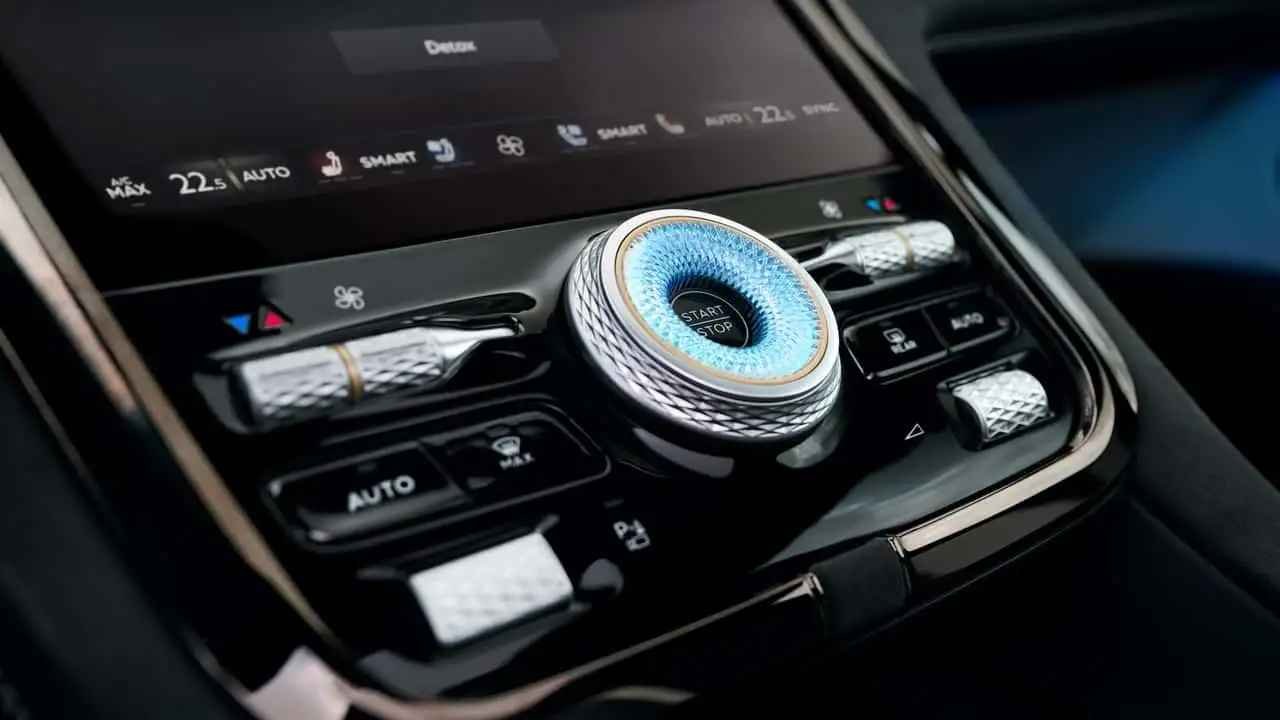
Mayer has acknowledged that other manufacturers often look to Bentley when shaping their own cabins and exterior forms.
He stopped short of calling it outright copying, describing it instead as heavy inspiration from particular areas of Bentley design.
That distinction matters in the luxury car world, where proportions, materials and cabin atmosphere can be as influential as horsepower figures.
When a brand establishes a fresh idea that works, others tend to interpret it through their own lens.
For Bentley, the response is simple enough.
Let the market absorb what already exists, then move the conversation on.

The value of being unmistakably Bentley
Mayer’s more important point is that progress can’t come at the expense of identity.
A design team can sketch something radical, but that doesn’t automatically make it right for the badge.
Bentley’s challenge is to modernise without losing the visual authority that has long defined the marque.

That means certain signatures will continue to matter, even as future models evolve.
The endless-looking bonnet remains one of the strongest Bentley cues, giving the cars their formal, grand-tourer presence.
So does the upright stance, a quality that helps separate a Bentley from softer, more anonymous luxury shapes.

Heritage without standing still
The most interesting part of Bentley’s position is that it doesn’t frame heritage as a restraint.
Instead, it treats tradition as a set of proportions, attitudes and details that can be reworked for a new era.
That approach is especially relevant now, as luxury car design faces pressure from electrification, changing cabin technology and increasingly similar vehicle architectures.

When mechanical layouts shift, brand identity has to come through even more clearly in the surfaces, stance and interior experience.
Bentley appears comfortable with that challenge.
The brand’s design leadership understands that recognition is not about repeating the past exactly, but about making each new car feel connected to a longer story.
A quiet kind of confidence
There’s a certain confidence in not reacting too strongly when competitors pick up your ideas.
For Bentley, the better use of energy is to stay ahead creatively while making sure the next generation of cars still has the presence customers expect.
That balance will appeal to buyers who want modern luxury without losing the visual cues that made the marque desirable in the first place.
If other carmakers are looking in Bentley’s direction, the brand seems content to take it as motivation rather than irritation.