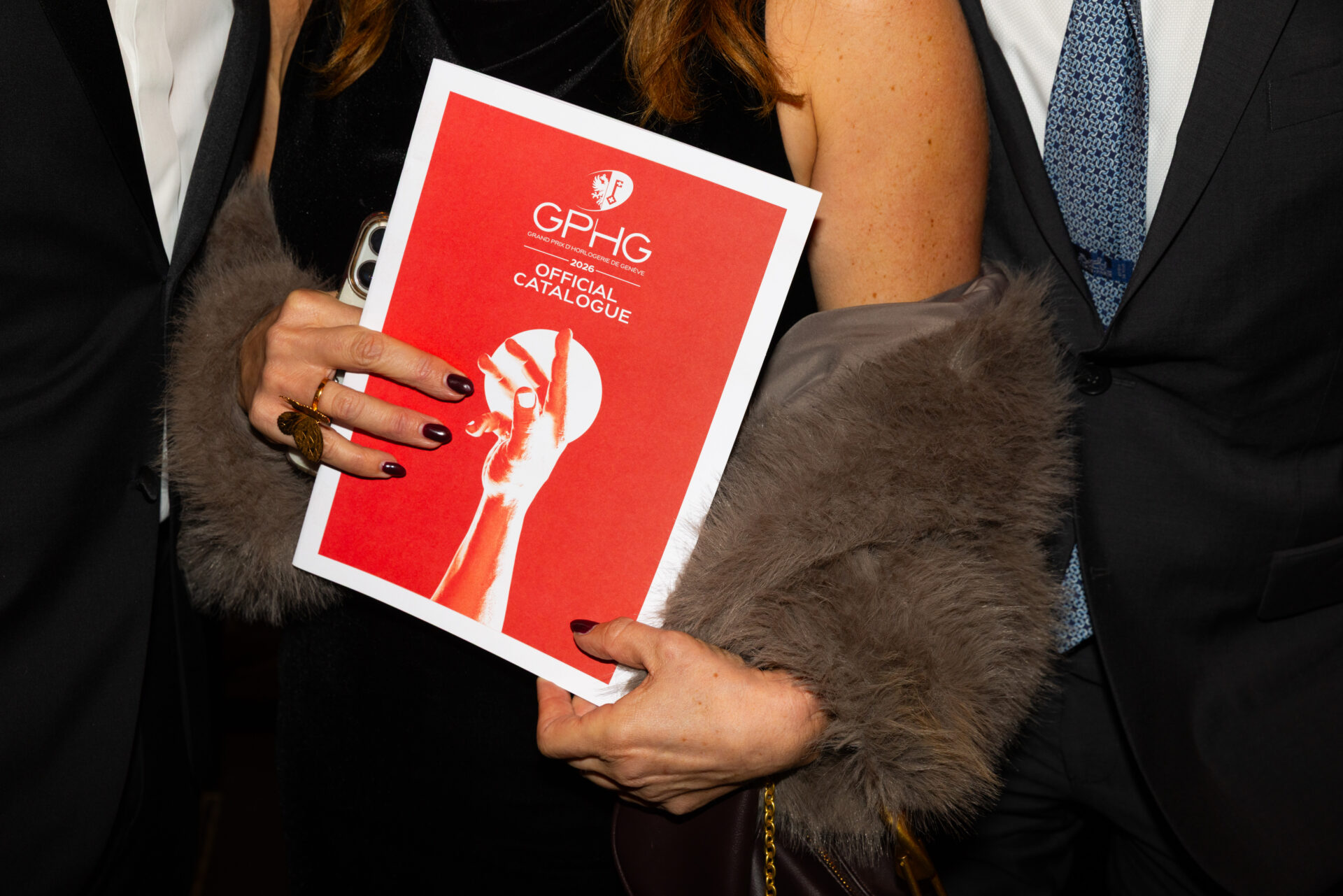
The 2026 Grand Prix d’Horlogerie de Genève returned to Geneva’s Bâtiment des Forces Motrices with a sharper, more watch-led format and a strong independent streak.
Across 84 nominated timepieces and 14 categories, the evening produced 20 prizes, led by Rexhep Rexhepi’s Chronograph Flyback winning the “Aiguille d’Or” Grand Prix.
It was also a notable edition for the GPHG itself, with Essential, Complication and Gemset joining the category structure in place of the former gender-based divisions.
At a glance
- Rexhep Rexhepi won the 2026 “Aiguille d’Or” Grand Prix for the Chronograph Flyback.
- The top winner combines an in-house manual integrated flyback chronograph movement with a 38.8mm case and high-level hand-finishing.
- The 26th GPHG edition introduced new categories and awarded 20 prizes from 84 nominated watches.
A more watch-led GPHG format
The 26th edition marked one of the more meaningful recent adjustments to the GPHG structure.
By adding Essential, Complication and Gemset, the awards moved further away from gendered classification and toward categories defined by horological purpose, craft and design language.
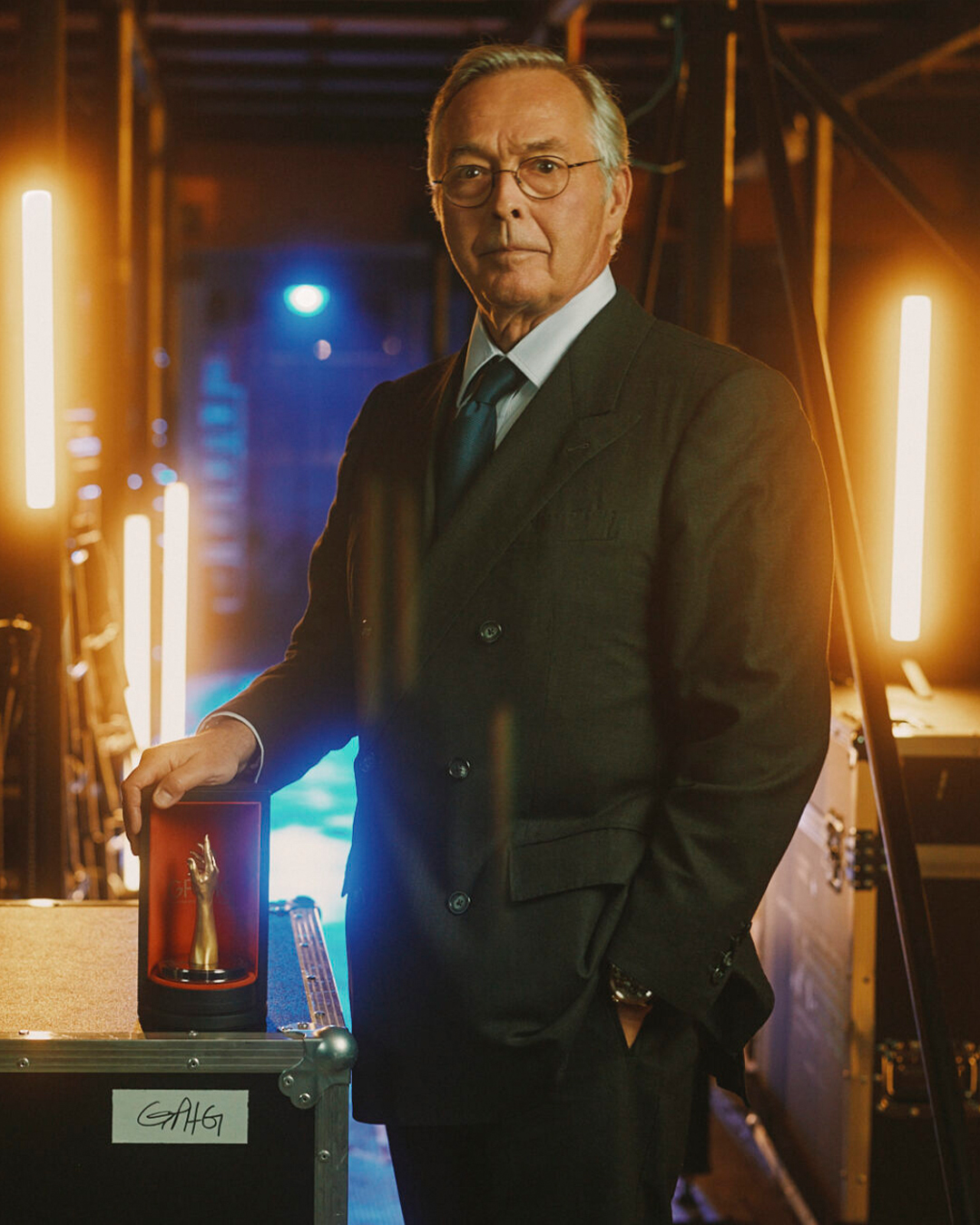
The judging also entered a new chapter, with Revolution founder Wei Koh serving for the first time as President of the GPHG Jury.

A 24-member jury physically evaluated the nominated watches behind closed doors, while the broader GPHG Academy accounted for one-third of the final result through its vote.
Rexhep Rexhepi takes the top prize
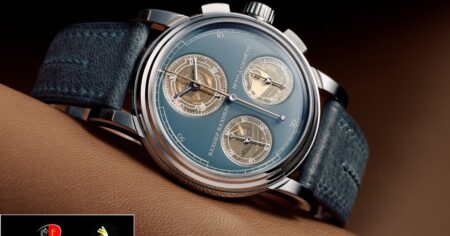
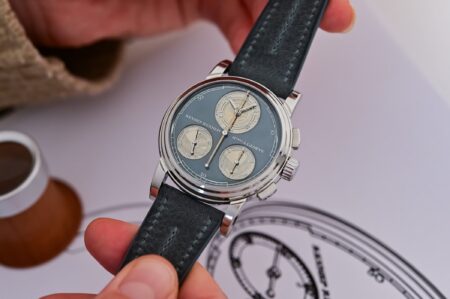
The “Aiguille d’Or” went to Rexhep Rexhepi’s Chronograph Flyback, a watch that underlines how far contemporary independent watchmaking has pushed into classical complication territory.
The RRCHF is built around a new in-house, manually wound integrated flyback chronograph calibre with a column wheel, horizontal clutch and instantaneous jumping-minute counter.
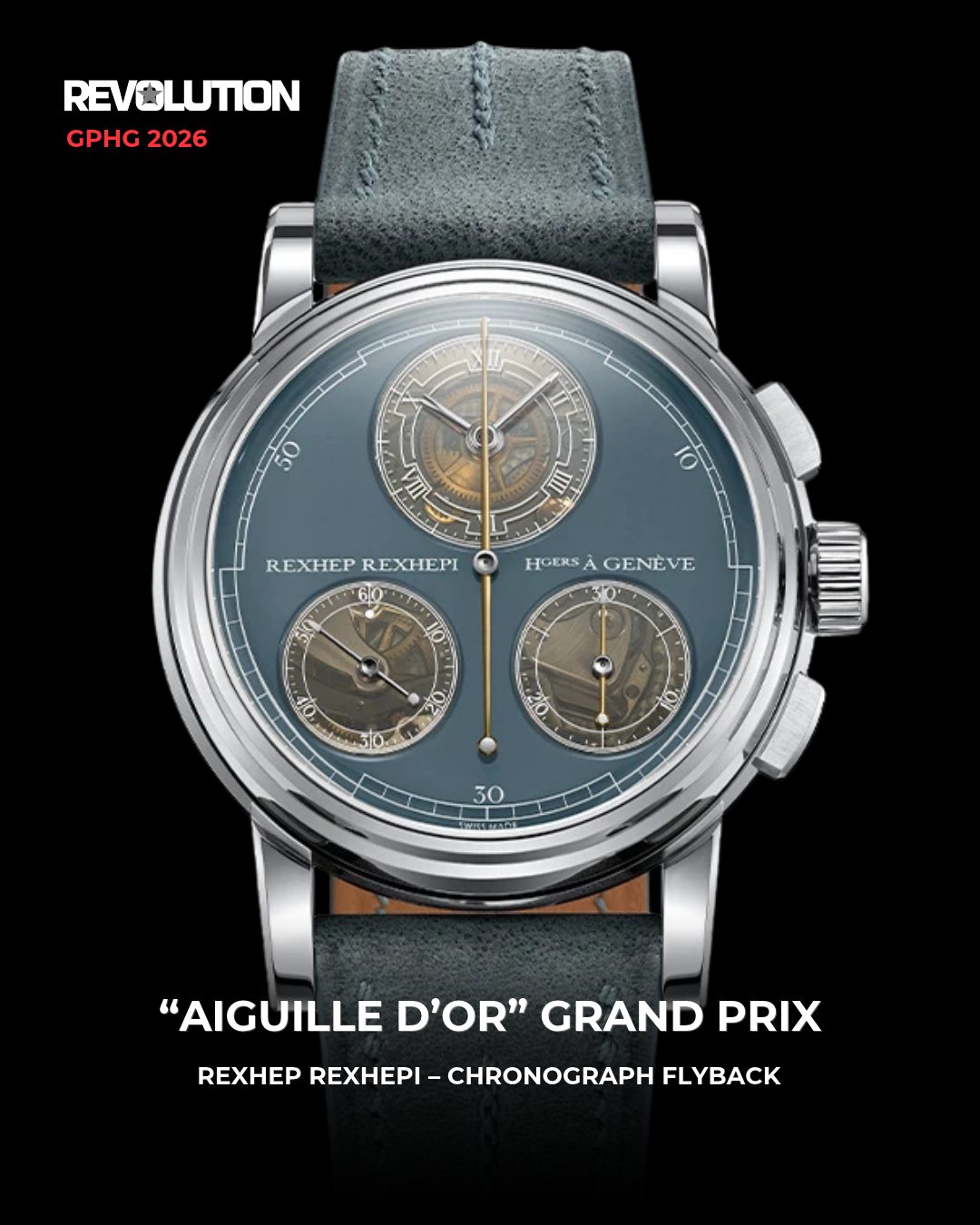
Despite the movement’s 320 components and 72-hour power reserve, the watch is housed in a 38.8mm case measuring 9.7mm thick.
The platinum version pairs a storm-blue Grand Feu enamel dial made in Rexhepi’s own workshops with smoked sapphire counters, while the movement features black polishing, inward anglage, engraving and hand-finishing.
As a winner, it feels less like an isolated technical statement than a complete argument for proportion, architecture and execution.
The full list of 2026 GPHG winners
| Prize | Winner | Watch or project |
|---|---|---|
| “Aiguille d’Or” Grand Prix | Rexhep Rexhepi | Chronograph Flyback |
| Chronometry Prize | Ferdinand Berthoud | Naissance d’une Montre 3 |
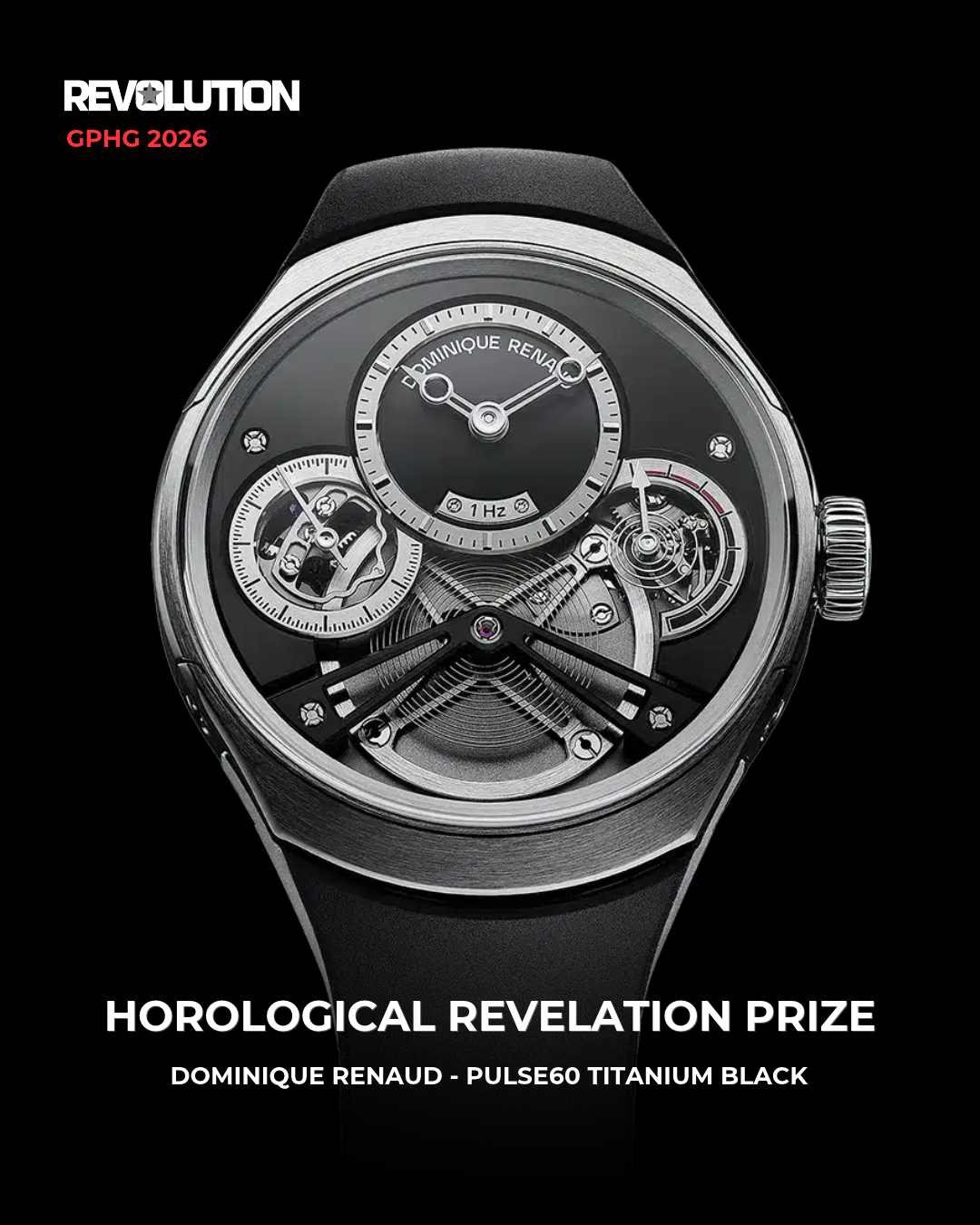
| Horological Revelation Prize | Dominique Renaud | Pulse60 Titanium Black |
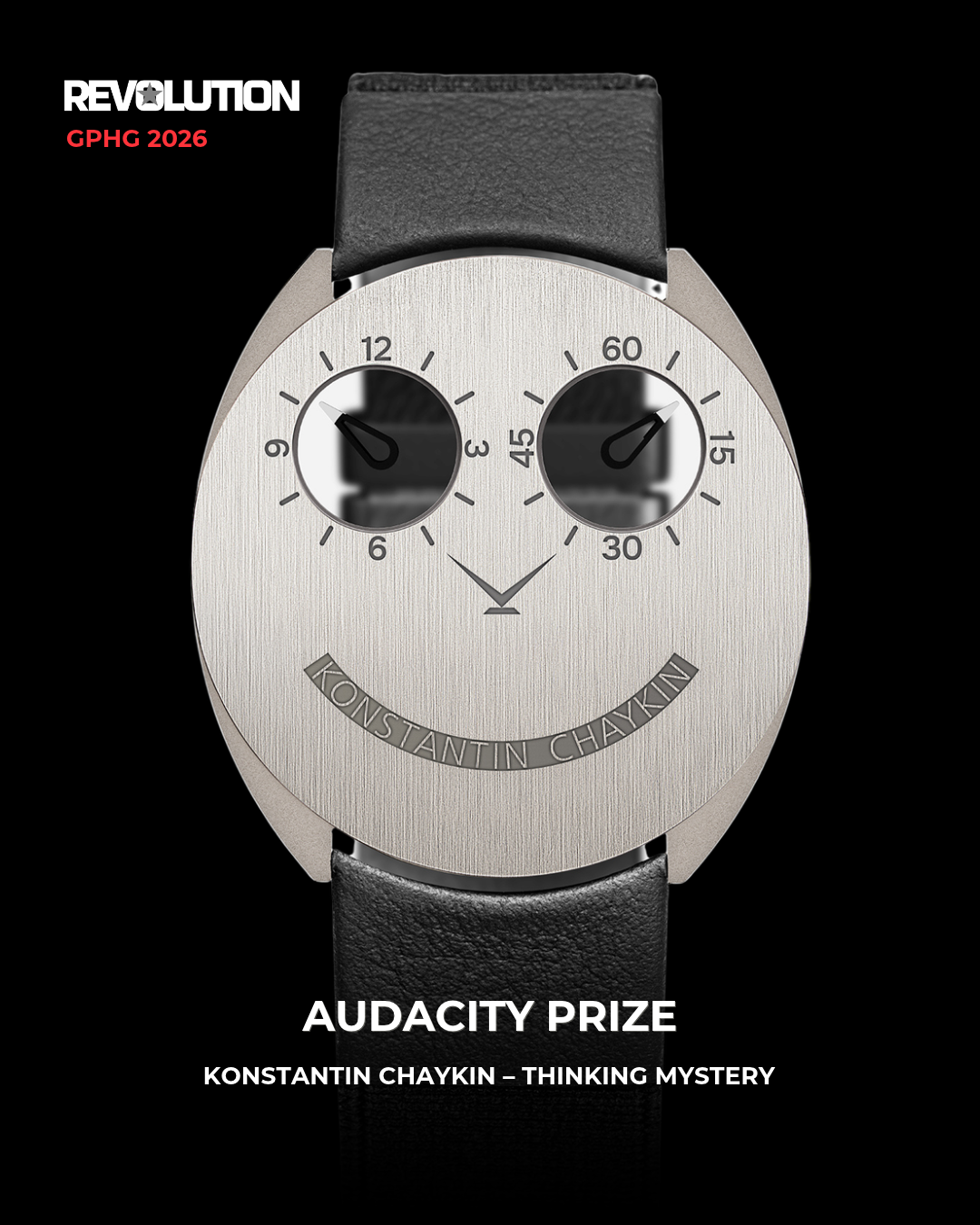
| Audacity Prize | Konstantin Chaykin | ThinKing Mystery |
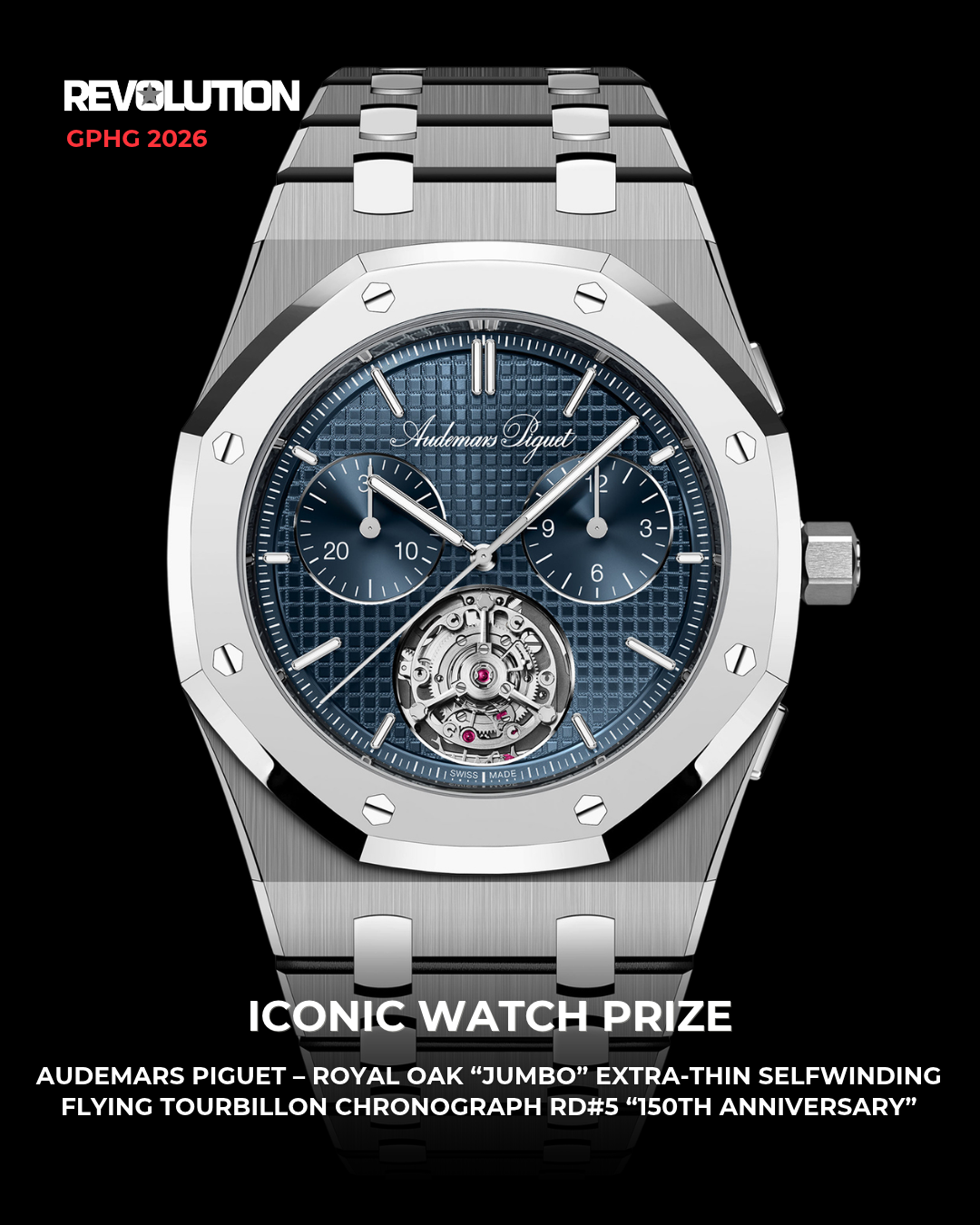
| Iconic Watch Prize | Audemars Piguet | Royal Oak “Jumbo” Extra-thin Selfwinding Flying Tourbillon Chronograph RD#5 “150th Anniversary” |
| Mechanical Exception Watch Prize | Blancpain | Grande Double Sonnerie |
| Chronograph Watch Prize | Parmigiani Fleurier | Tonda PF Chronographe Mystérieux |
| Tourbillon Watch Prize | Ferdinand Berthoud | Chronomètre FB 2TV |
| Sports Watch Prize | Grand Seiko | Spring Drive U.F.A. Ushio 300 Diver |
| Complication Watch Prize | Cleguer | Inspiration One |
| Time Only Watch Prize | Chopard | L.U.C 1860 |
| Essential Watch Prize | Daniel Roth | Extra Plat Rose Gold Skeleton |
| Calendar and Astronomy Watch Prize | Audemars Piguet | 150 Heritage |
| Gemset Watch Prize | Piaget | Swinging Pebble |
| Jewellery Watch Prize | Chopard | Mystery Nut |
| Artistic Crafts Watch Prize | Louis Vuitton | Tambour Taiko Arty Automata |
| “Petite Aiguille” Watch Prize | Otsuka Lotec | No.8 |
| Challenge Watch Prize | SpaceOne | SpaceOne X Baltic – Seconde Majeure |
| Mechanical Clock Prize | La Vallée | Cosmo |
| Special Jury Prize | Patek Philippe | “Watch Art” Grand Exhibitions |
The standout technical stories
Several winning watches made their case through ambitious mechanical architecture rather than spectacle alone.
Blancpain’s Grande Double Sonnerie won Mechanical Exception after an eight-year development programme that produced a 1,053-component movement combining grande sonnerie, petite sonnerie and minute repeater functions with a retrograde perpetual calendar and flying tourbillon.
The watch also uses four hammers and gongs, with a choice between the Westminster chime and an original melody composed by Eric Singer.
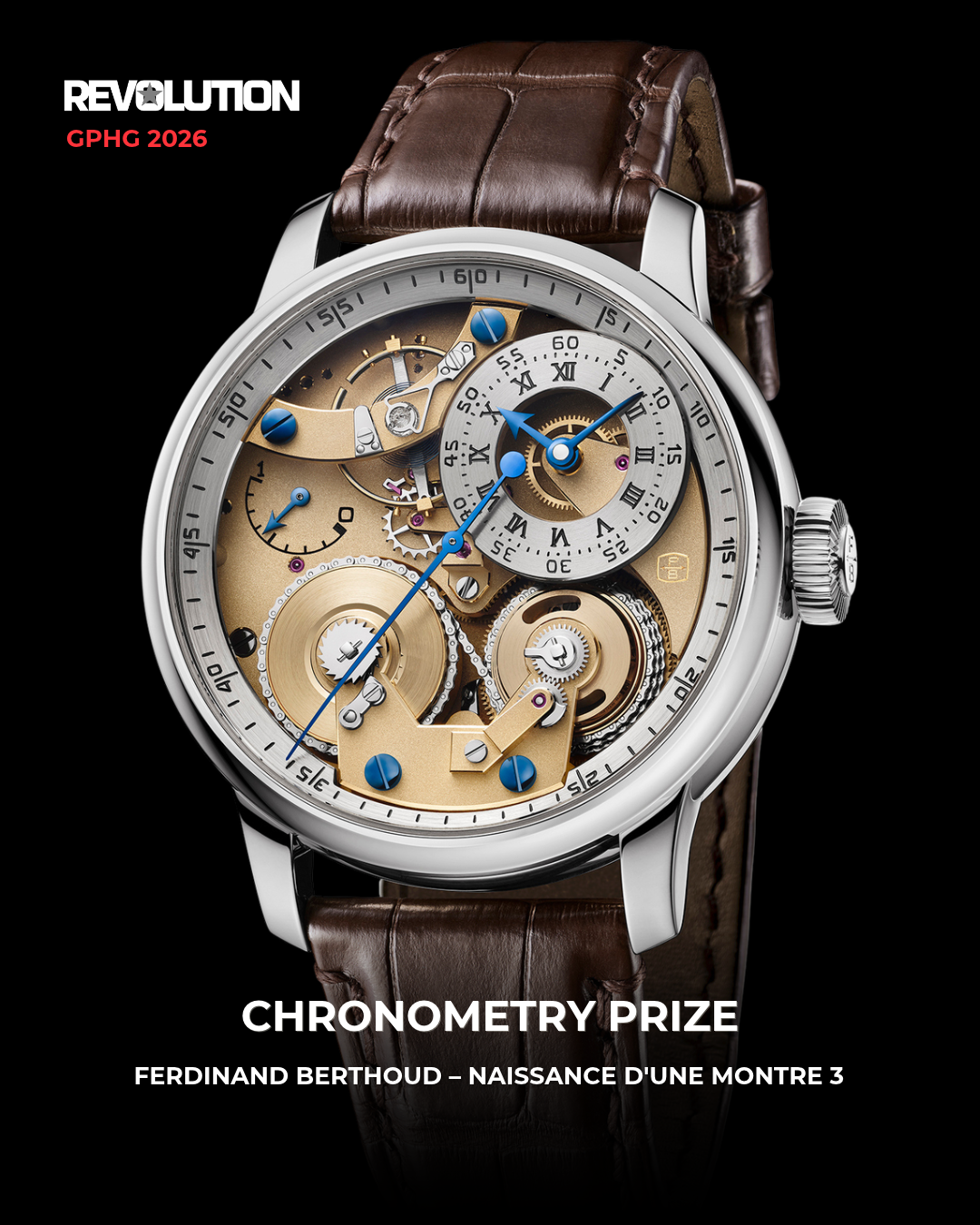
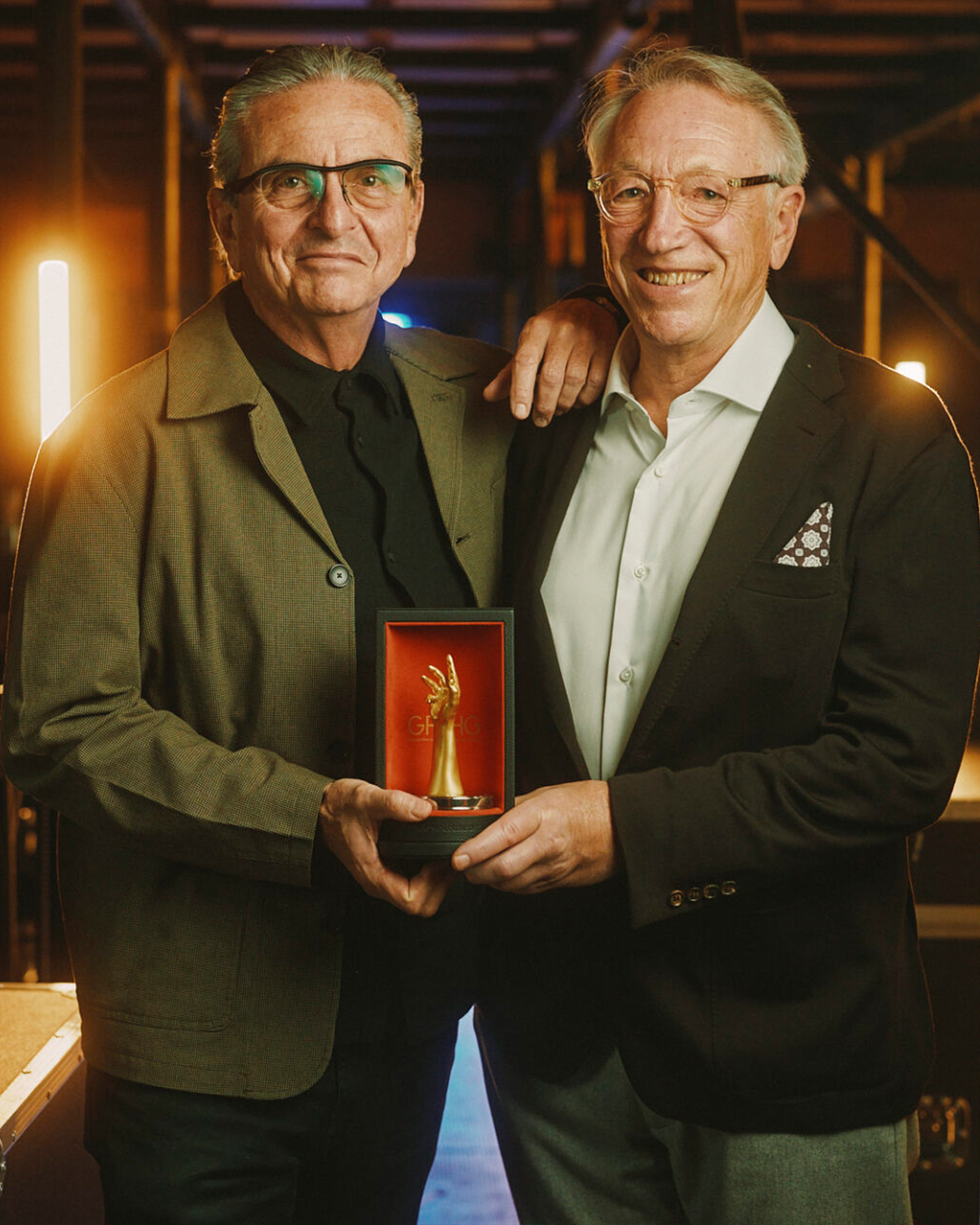
Ferdinand Berthoud had a particularly strong night, winning the Chronometry Prize for Naissance d’une Montre 3 and the Tourbillon Watch Prize for the Chronomètre FB 2TV.
The former is built around the preservation of historic watchmaking methods, while the latter turns the manufacture’s fusée-and-chain and tourbillon architecture toward the dial side.
Parmigiani Fleurier’s Tonda PF Chronographe Mystérieux offered one of the evening’s most elegant chronograph solutions, hiding five coaxial hands in a clean display until the monopusher is activated.
Grand Seiko’s Sports Watch Prize for the Spring Drive U.F.A. Ushio 300 Diver recognised a practical diver with Calibre 9RB1, rated to ±20 seconds per year, in a 40.8mm High-Intensity Titanium case with 300 metres of water resistance.
Independents, craft and personality
The 2026 winners also showed how much energy still sits outside the largest groups.
Dominique Renaud’s Pulse60 Titanium Black received the Horological Revelation Prize for a project centred on a 1Hz calibre and an enormous 20mm balance, making the regulating organ itself the point of focus.
Konstantin Chaykin’s ThinKing Mystery won Audacity with a 1.65mm-thick watch that combines ultra-thin construction with a mysterious time display.
Cleguer’s Inspiration One made an unusually ambitious debut by building its identity around Mathieu Cleguer’s proprietary Innate escapement, while Otsuka Lotec’s No.8 turned a jumping-hour aperture and retrograde “fader” minute display into a distinctive mechanical personality.
On the craft side, Piaget’s Swinging Pebble, Chopard’s Mystery Nut and Louis Vuitton’s Tambour Taiko Arty Automata each treated the watch as an object of performance, concealment or ornament rather than a simple dial-and-case composition.
La Vallée’s Cosmo stretched that idea beyond the wrist, winning the Mechanical Clock Prize with a clock whose movement completes one revolution every sidereal day and offers a 406-day power reserve from a single wind.
Taken together, the 2026 GPHG winners make a persuasive case for a broad horological moment, one where precision, jewellery, independent invention and traditional craft can sit at the same table without needing to speak the same language.