Basel is preparing for another attempt at a major jewellery and watch gathering, and the early numbers suggest the industry is at least willing to listen.
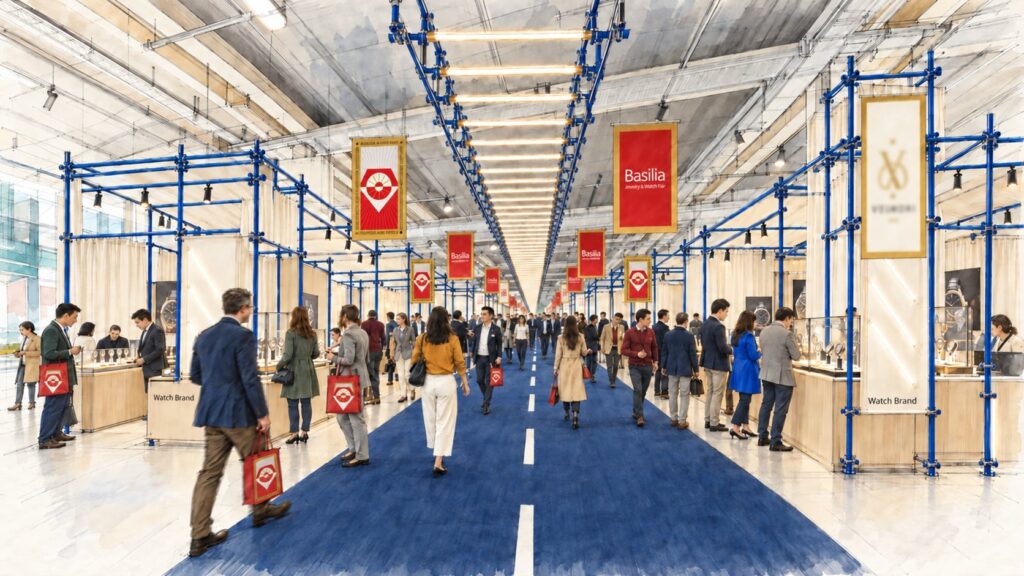
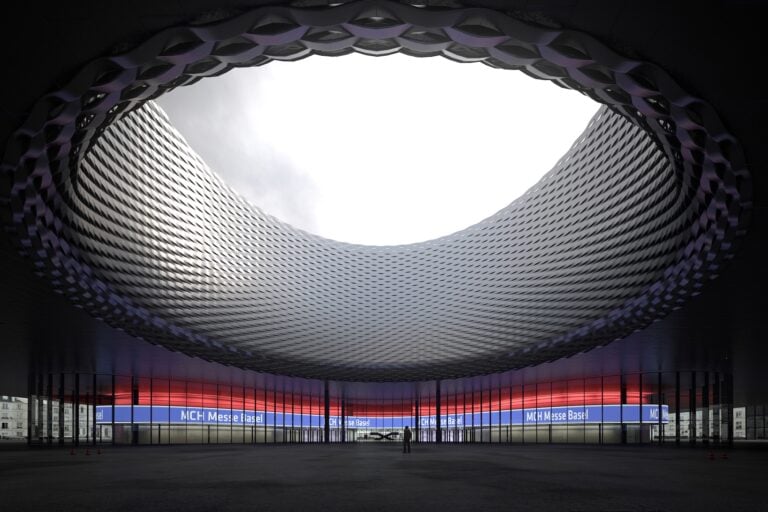
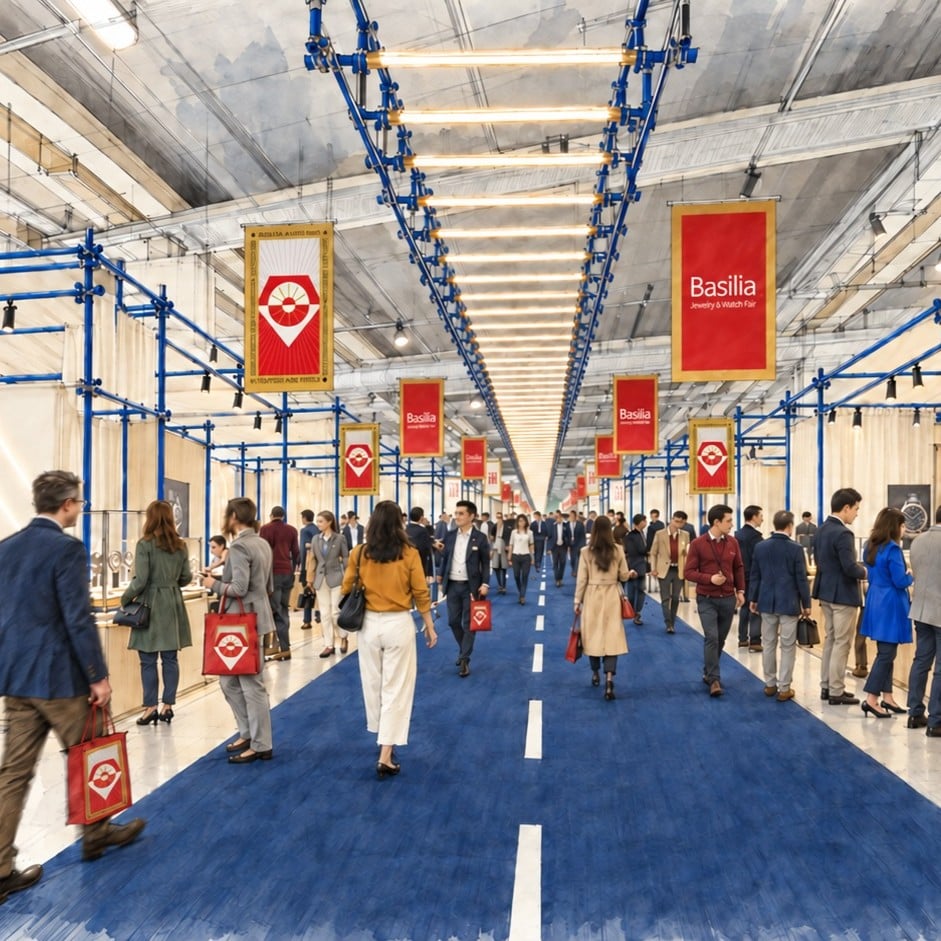
Basilia Jewellery & Watch Fair, announced in June 2026, is scheduled to make its debut at Messe Basel from 8 to 11 April 2027.
The question now is whether early exhibitor interest can become a durable annual event in a city still closely associated with the rise and fall of Baselworld.
At a glance
- Basilia Jewellery & Watch Fair has registered around 280 exhibitors for its first edition in Basel.
- Jewellery and gemstone companies currently make up about 70% of confirmed exhibitors, with watchmaking at roughly 30%.
- The fair will run from 8 to 11 April 2027 at Messe Basel, with organisers aiming for more than 400 exhibitors.
Basel’s return to the fair calendar
Basilia is being organised by MCH Group, the company long associated with Baselworld and now known internationally for Art Basel, together with Informa Markets Asia.
That partnership gives the project two useful assets from the outset.
One is the physical infrastructure of Messe Basel, including Halle 2, where the first edition is planned.
The other is access to international trade fair expertise at a time when the luxury calendar has become more fragmented and more specialised.
The new show is not simply trying to recreate the Baselworld of old, and that distinction matters.
The watch industry has already reorganised around strong Swiss events such as Watches and Wonders Geneva and Geneva Watch Days, while the jewellery trade has had a more obvious gap to fill.
Jewellery and gemstones are leading the charge
The early exhibitor mix points clearly toward jewellery and gemstones as the backbone of Basilia’s first edition.
About 70% of confirmed exhibitors currently come from those categories, with the remaining 30% representing watchmaking.
That balance makes sense for a show trying to establish immediate relevance without stepping directly into the territory already occupied by Geneva’s watch-focused events.
Confirmed names in jewellery and gemstones include AV Globale of Singapore, CHQ GmbH and M. T. Mohr from Germany, Cheng & Cheung and RMC Gems from Hong Kong, Duang Kaew from Thailand, Venus Jewel from India and Precious Pebbles from the United States.
The international complexion is already clear.
Asian exhibitors account for around 65% of exhibition space at this stage, while European exhibitors represent about 35%.
Organisers say participation from Europe and other Western markets is increasing, which would help Basilia move toward a more balanced global exhibitor profile before opening day.
The watch component still needs definition
For watch enthusiasts, retailers and collectors, the most interesting unanswered question is who will actually appear on the horological side.
No watch brands or watch-sector exhibitors have been named yet, which makes it difficult to judge how important Basilia will become for the watch trade.
That doesn’t necessarily weaken the fair’s case.
A strong jewellery and gemstone platform in Basel could still attract watch-world attention, particularly from suppliers, retailers and smaller brands looking for a European trade environment outside the Geneva circuit.
At the same time, Basilia’s positioning suggests it is unlikely to be framed as a direct rival to Watches and Wonders.
Its more realistic opportunity is to become a broad industry meeting point with jewellery at the centre and watches as a meaningful, but not necessarily dominant, component.
What the first target says about ambition
The organisers are aiming for more than 400 exhibitors, so the current figure of around 280 registrations puts the event at roughly 70% of that goal.
For a debut fair still more than a year away, that is a useful signal.
It suggests Basilia has found a trade audience interested in Basel’s return as a serious marketplace, especially in categories that relied heavily on international fair culture before Baselworld disappeared.
The harder test will come later, when exhibitor quality, buyer attendance and the balance between jewellery, gemstones and watches become clearer.
For now, Basilia looks less like an attempt to revive an old institution and more like a pragmatic bid to give the jewellery trade a central European stage again.
If it can add credible watch participation without losing that focus, Basel may yet regain a meaningful place on the luxury industry calendar.