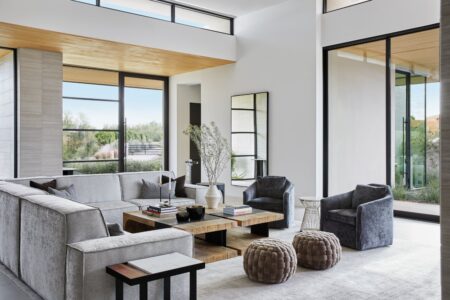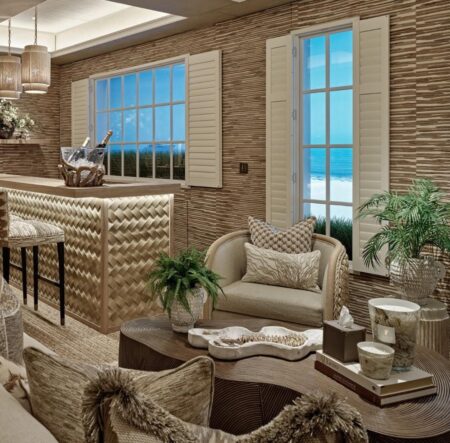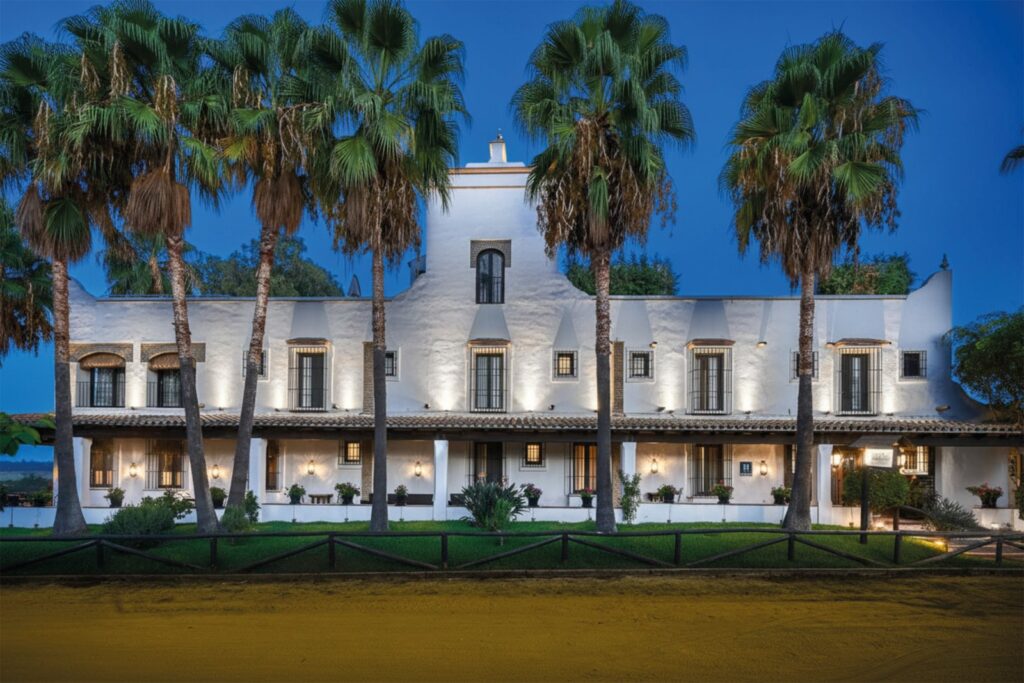
Spanish luxury is having a quieter, more thoughtful moment.
Rather than leaning on spectacle, the Authentic Heritage Collection gathers a group of independent stays that feel closely tied to the places around them, from wine country and medieval towns to the green north and the Balearics.
It’s a hotel collection for travellers who want beauty with context, and who care as much about the building, the food and the local rhythm as they do about the room key.
At a glance
- The Authentic Heritage Collection brings together independently owned luxury hotels, boutique stays, private residences and heritage-led destinations across Spain.
- The portfolio focuses on restored historic buildings, regional craftsmanship, local gastronomy and small-scale hospitality.
- Standout properties include Monasterio de San Pelayo in Palencia, Palacio de Samaniego in La Rioja, Palacio Helguera in Cantabria and Casa Palacio Don Ramón in Seville.
Restoration as hospitality
The most compelling idea behind the Authentic Heritage Collection is that luxury doesn’t need a new footprint to feel current.
Across the portfolio, monasteries, palaces, manor houses and rural estates have been restored and adapted for contemporary stays, giving historic buildings a practical second life rather than treating them as static monuments.
That matters in Spain, where architecture carries the imprint of Roman, Islamic, Gothic and Renaissance influences, often layered differently from one region to the next.
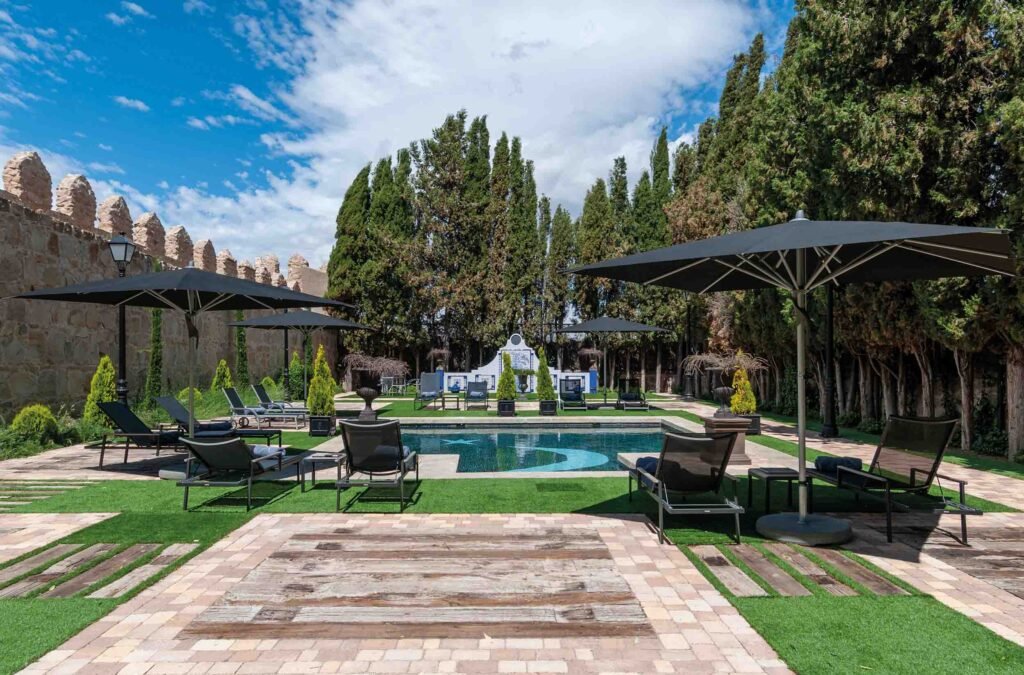
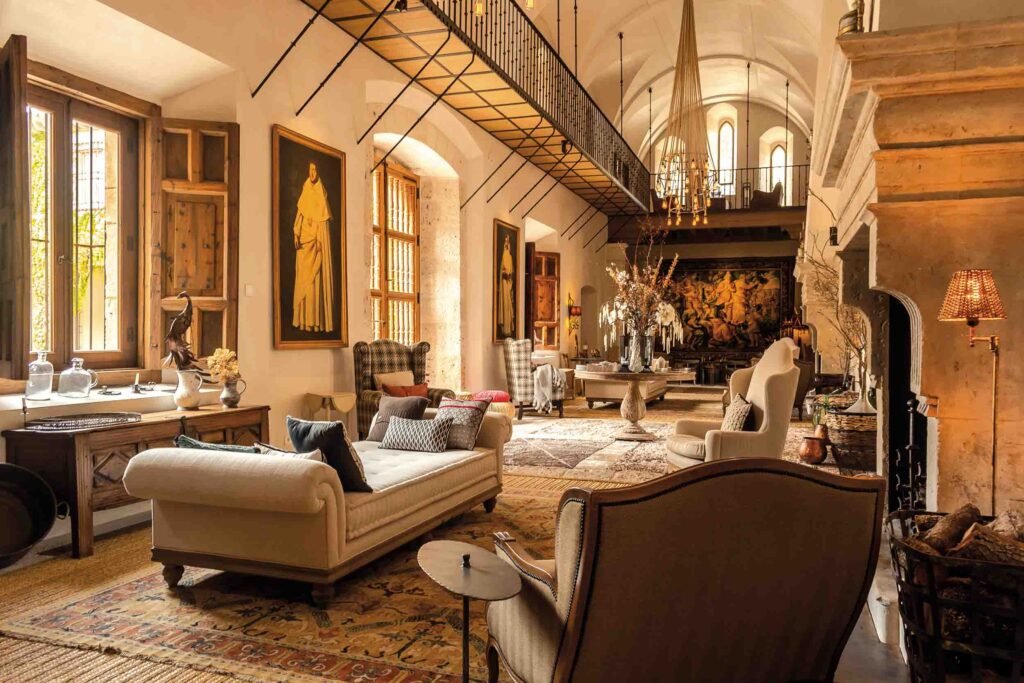
At Monasterio de San Pelayo in Palencia, a 10th-century monastery was restored over 10 years using traditional craftsmanship and original materials.
The project involved 120 people and was led by architects Rafael Manzano and Antonio Conejero Urbán, with the result positioned as an intimate, highly personalised retreat rather than a conventional grand hotel.
Its experiences lean into atmosphere rather than excess, including private flamenco or classical music concerts in the gardens, floristry workshops and the option to sleep beneath the night sky in a carefully appointed outdoor suite.
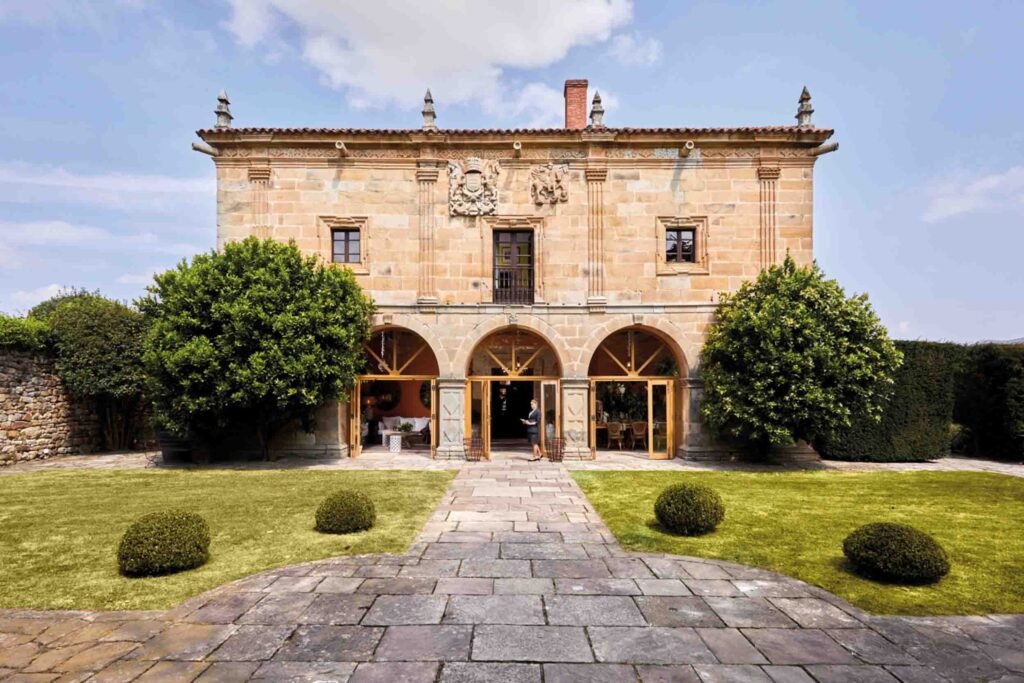
In La Rioja, Palacio de Samaniego takes a different route, turning a 17th-century noble residence into a cultural retreat in one of Spain’s defining wine regions.
It is also the only hotel owned by the Rothschild family outside France, which gives it a particular place in the landscape of European hospitality, where wine, art and architecture naturally overlap.
Regional Spain instead of anywhere luxury
The collection’s strength is that its properties don’t appear to be chasing a single house style.
Each stay is shaped by its setting, whether that means the vineyard country of La Rioja, the rolling landscapes of Cantabria, the ceremonial elegance of Seville or the particular light and pace of Ibiza.
This is where the portfolio makes its clearest argument for modern luxury.
Travellers are increasingly wary of hotels that could sit in any fashionable destination, with the same finishes, the same mood and the same carefully neutral version of comfort.
The Authentic Heritage Collection points in the other direction, towards places where materials, craft, agriculture and local history remain visible.
It’s a slower proposition, but not an austere one.
The appeal lies in staying somewhere that has a reason to exist in that exact village, valley or city street, rather than somewhere designed to flatten its surroundings into a familiar international language.
Food, craft and community
Local connection runs through the collection most clearly in its approach to food and craft.
The hotels work with regional producers, artisans and farmers, helping keep traditional skills and local economies close to the guest experience.
In Cantabria, Palacio Helguera reflects the landscape often described as Green Spain, with a restored historic stone residence looking out across rolling valleys.
Its spa gives the property a contemporary wellness dimension, while Trastámara Restaurant highlights the area’s produce and culinary identity.
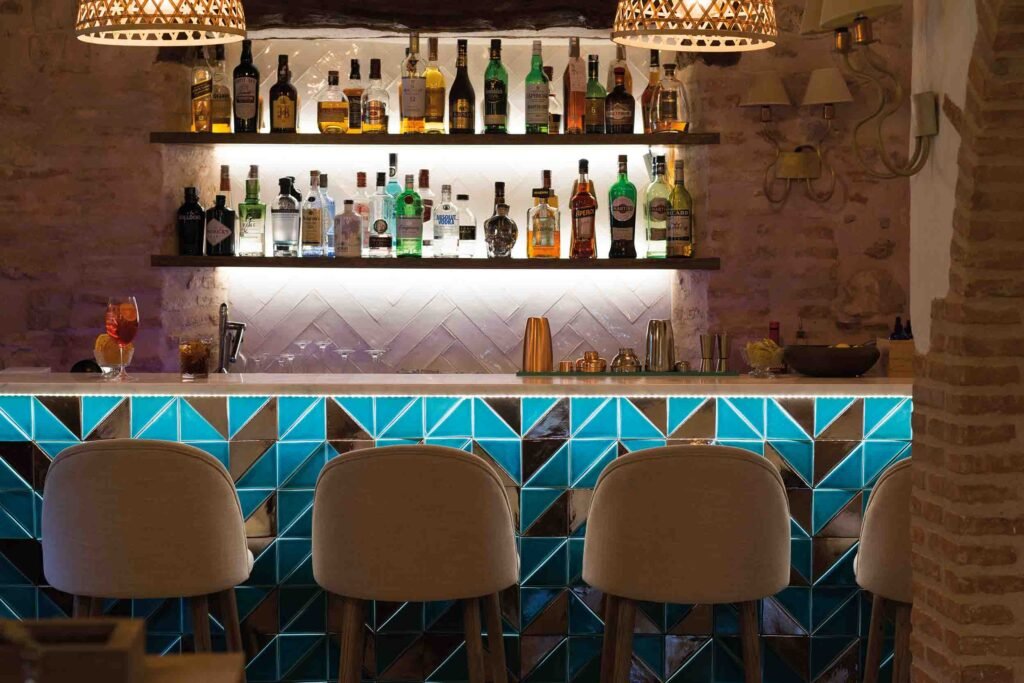
Further south, Casa Palacio Don Ramón in Seville draws on Andalucía’s layered heritage through ceramic craftsmanship and locally inspired interiors.
Designed by Alejandra Pombo, the property centres on a serene tiled courtyard that offers a calm pause from the energy of the city outside.
That courtyard is more than a pretty architectural gesture.
It speaks to the way Andalusian houses have long balanced heat, shade, privacy and sociability, turning design into a lived cultural detail rather than decoration.
A more grounded model for Spanish travel
The collection also reflects a broader change in how high-end travellers think about sustainability.
Restoring an existing building can reduce the impact associated with new construction, while also protecting the identity of towns, villages and rural estates that might otherwise lose their architectural memory.
Here, sustainability isn’t presented as a separate feature added to the guest experience.
It sits within the restoration work, the relationships with producers, the use of regional materials and the decision to let each property keep its own character.
That approach will appeal to travellers who want luxury to feel personal rather than polished into anonymity.
It’s for people who would rather understand a place through its buildings, recipes, courtyards and landscapes than move through a version of Spain designed only for easy consumption.
The Authentic Heritage Collection makes a persuasive case for Spanish hospitality at a human scale, where the pleasure of travel comes not from escape alone, but from feeling properly, memorably somewhere.