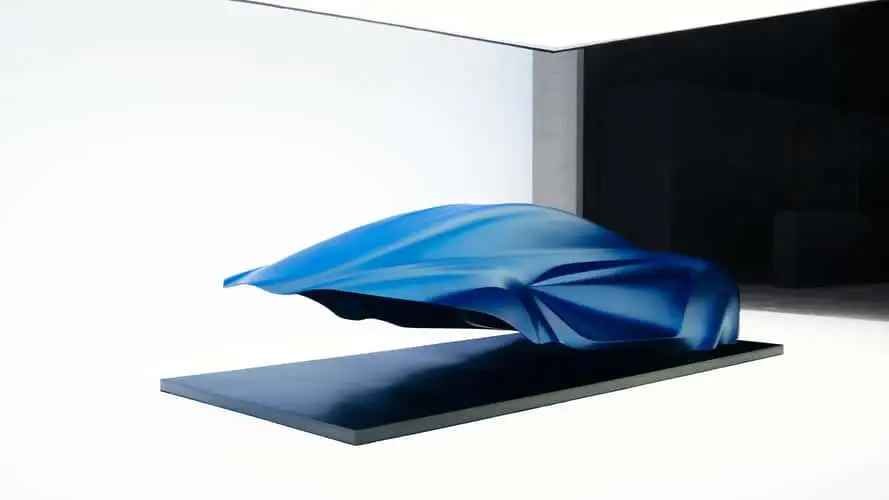
Alpine is preparing the A110 for its biggest shift yet, and the first visual cue is more sculpture than show car.
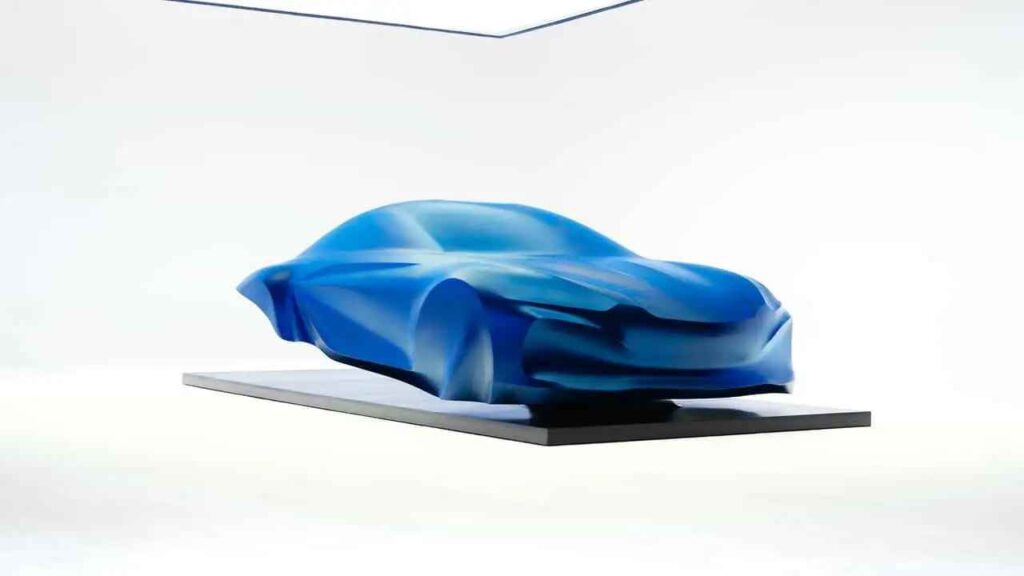
The French marque has revealed a dramatic design study that points toward the next-generation A110, a two-seat electric sports car shaped around low mass, clean surfacing and rear-drive intent.
For a model so closely tied to lightness and balance, the move to electric power is a delicate one, but Alpine appears to be treating the platform as seriously as the styling.
At a glance
- Alpine has previewed the next-generation electric A110 with a swoopy design sculpture.
- The future sports car will use a new aluminium-intensive EV architecture with an 800V electrical system.
- Separate front and rear battery packs are intended to help deliver a 40:60 front-to-rear weight distribution.
A sculptural preview of the next A110
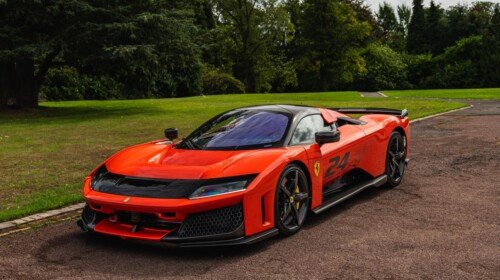
The preview piece doesn’t show a production car in full, but it does set the tone for Alpine’s next sports car language.
Its low, flowing form suggests the A110’s familiar compact proportions will survive the transition, albeit with a more futuristic surface treatment.
That matters because the A110 has never been about visual aggression for its own sake.
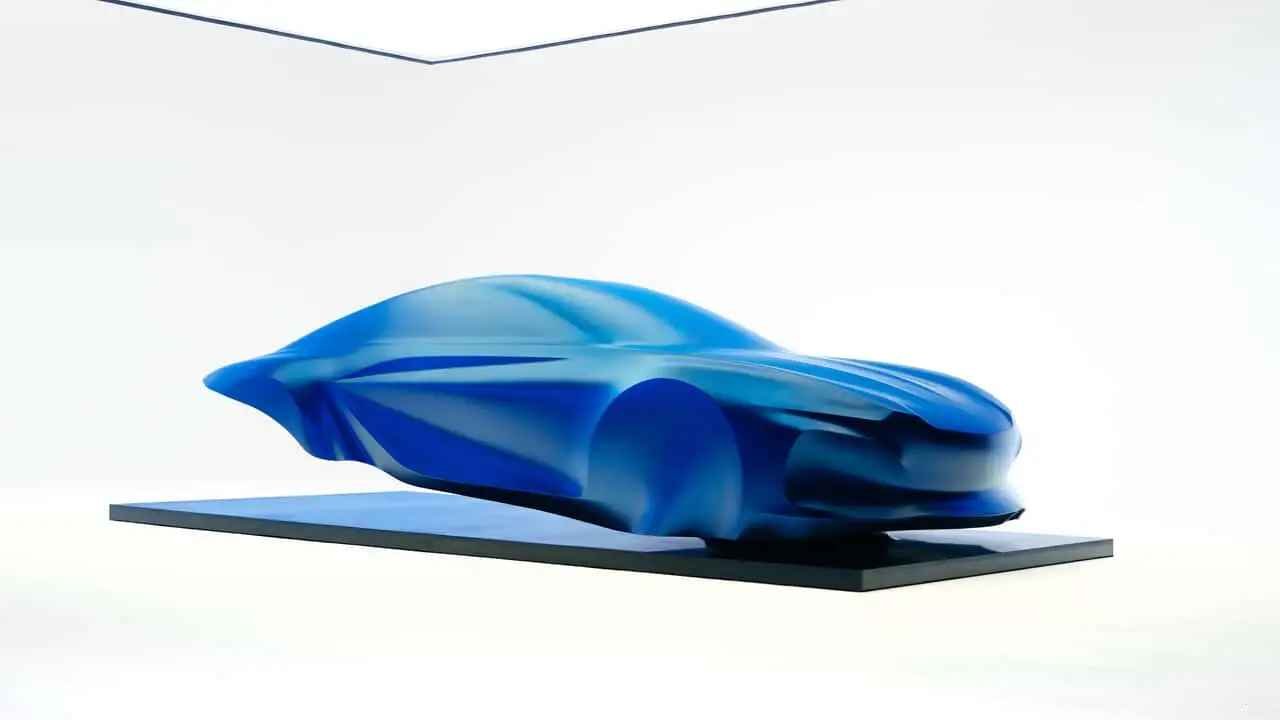
Its appeal has always sat closer to delicacy, restraint and the promise of precision, so a swoopy silhouette feels more natural than an overstyled electric reinvention.
A purpose-built electric sports car platform
Alpine isn’t simply placing an electric drivetrain beneath an existing template.
The next A110 is being developed around a new aluminium-intensive architecture created specifically for performance cars.
That distinction is important in a segment where battery weight can quickly dilute the character that defines a small sports car.
Alpine has described the new A110 as the world’s first “true electric sports car”, a bold claim that puts emphasis on engineering focus rather than just acceleration figures.
The platform uses an 800V electrical system, a detail usually associated with high-performance EVs and rapid energy management.
Battery layout and rear-biased balance
One of the most interesting confirmed details is the battery arrangement.
Instead of one large pack in the floor, Alpine is using separate battery packs at the front and rear of the car.
This layout is designed to help achieve a 40:60 front-to-rear weight distribution, keeping more mass over the driven rear axle.
For a car carrying the A110 name, that kind of balance is more than a technical footnote.
It suggests Alpine is trying to preserve the sense of agility and traction that made the modern petrol A110 feel distinct among contemporary sports cars.
Details & Specifications
| Brand | Alpine |
|---|---|
| Model | Next-generation A110 EV |
| Body style | Two-seat sports car |
| Platform | New aluminium-intensive performance EV architecture |
| Electrical system | 800V |
| Battery layout | Separate front and rear battery packs |
| Weight distribution | 40:60 front-to-rear |
| Driven axle | Rear axle |
The electric A110 will have to prove that an EV can carry Alpine’s lightweight sports car philosophy without losing its essential sharpness.
For now, the sculpture offers a useful first signal: Alpine isn’t trying to turn the A110 into a tech-heavy grand tourer, but into a compact electric performance car with balance still at the centre of the brief.