Christie’s arrives in New York with a watch sale that neatly captures the current auction mood.
After a strong Geneva season, the Important Watches sale at Rockefeller Center on 4 December brings together deep vintage rarity, early independent watchmaking and a few pieces that show how far contemporary horology can stretch.
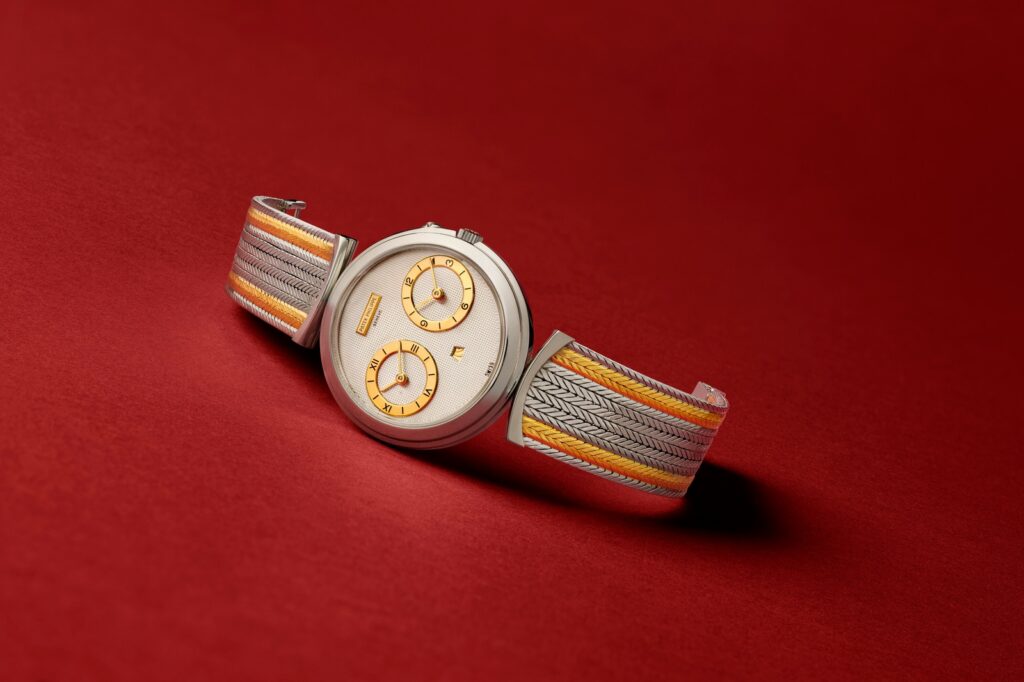
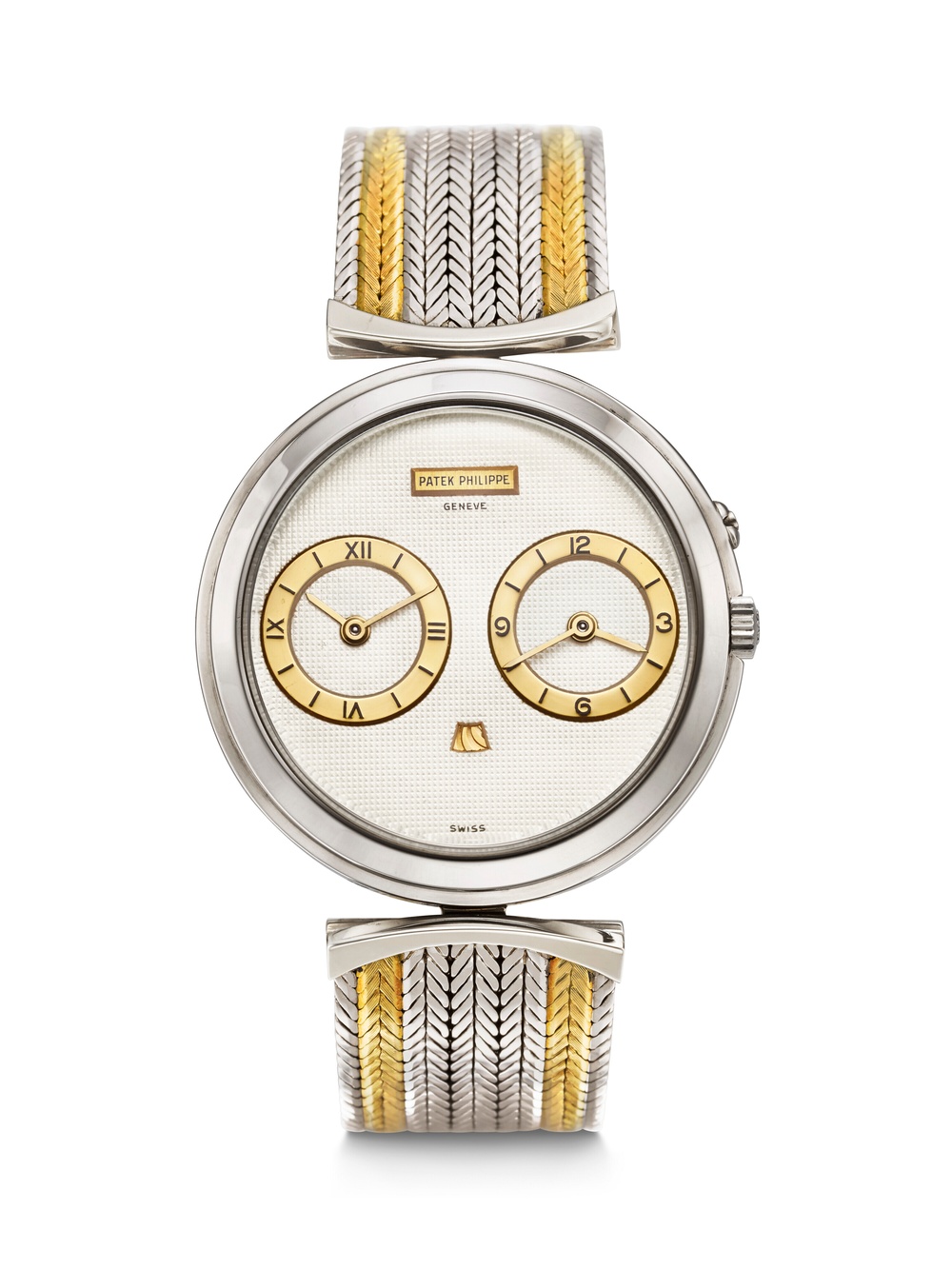
The headline lot is a Patek Philippe Dual Time Ref. 3452/1 by Louis Cottier, a watch whose appeal is built less on noise than on scarcity, provenance and a quietly brilliant solution to travel time.
At a glance
- Christie’s Important Watches sale in New York is led by a rare Patek Philippe Dual Time Ref. 3452/1.
- The Cottier-designed Patek displays two time zones from a single modified calibre 27-460 movement.
- The sale takes place at Rockefeller Center on 4 December, with the top Patek estimated at $800,000 to $1.6 million.
The Cottier Patek with two time zones
The Patek Philippe Ref. 3452/1 sits at the top of the sale for good reason.
Designed by Louis Cottier, the watchmaker closely associated with the world time complication, the watch displays two time zones side by side and runs them from a single modified calibre 27-460 movement.
The two zones can be set together or independently, which gives the watch a practical clarity that still feels modern more than six decades after it was bought new in 1961.
Only seven examples were made across Ref. 3452 and Ref. 3452/1, each with small variations.
This example is distinguished by an integrated bracelet in 18k white and yellow gold, a feature that gives the watch a more architectural presence than a conventional strap would allow.
Christie’s says it is the first example of the reference to appear on the market in two decades, and the last of the seven to surface publicly.
It has remained with the same family since its original purchase, a provenance detail that matters in a category where freshness to market and continuity of ownership can weigh heavily.
Momentum from Geneva to Rockefeller Center
The New York auction follows a notably strong result for Christie’s in Geneva, where its Rare Watches sale on 9 November brought in CHF 47.8 million, or about £43.8 million.
That figure was more than double the equivalent sale last year, with every lot finding a buyer.
The Rockefeller Center sale is timed with New York’s Luxury Week, and it’s joined by an additional 127 lots offered online through the New York Edit.
That broader context matters because the catalogue isn’t leaning on one kind of collecting.
Instead, it moves from mid-century Patek Philippe and manual-wind Rolex sports watches to early F.P. Journe and a Richard Mille that turns a tourbillon into mechanical theatre.
Independent watchmaking and expressive complications
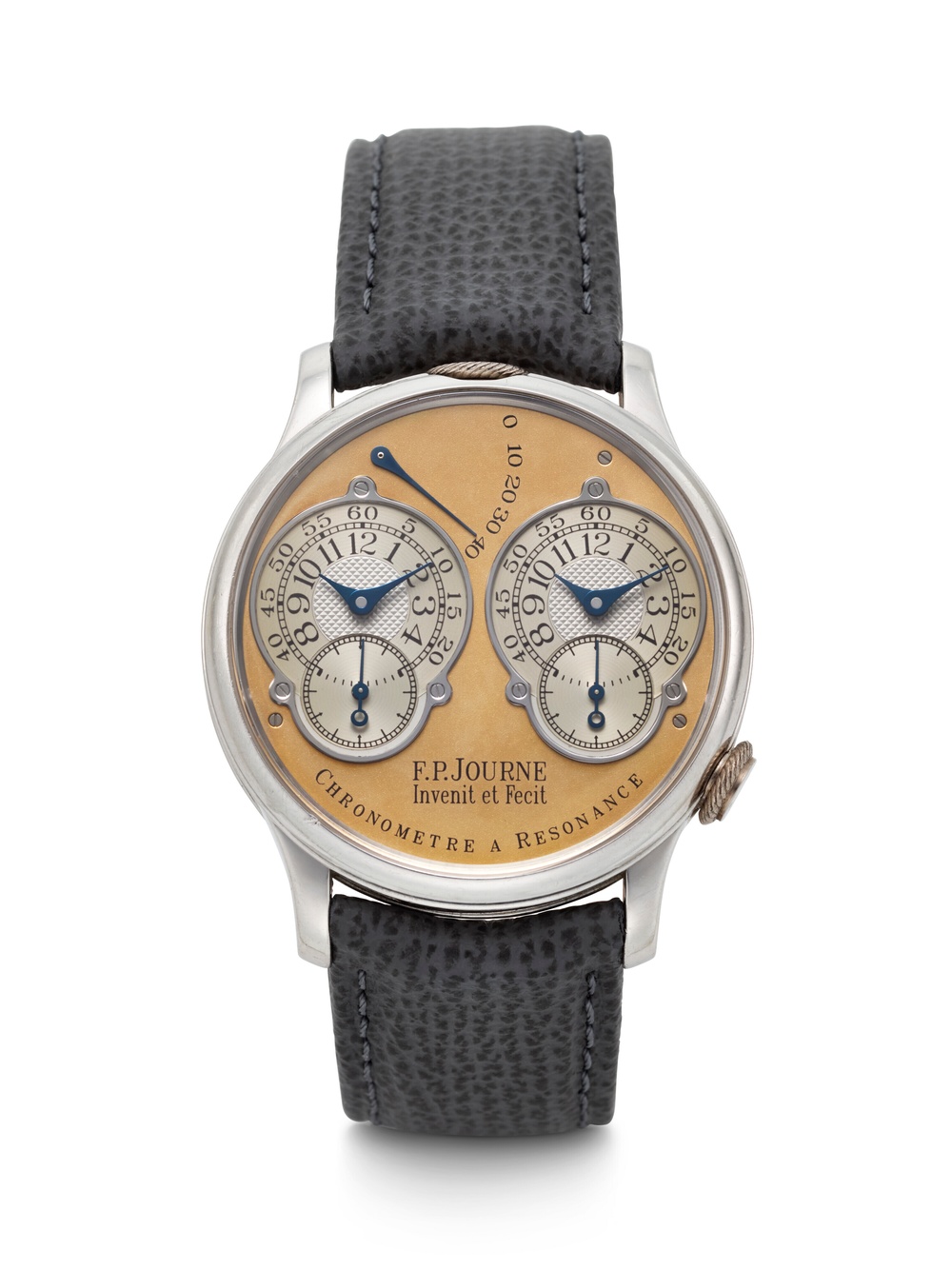
The most closely watched independent piece is likely to be the F.P. Journe Chronomètre à Résonance Ref. 093/01 R from around 2001.
The model line was introduced in 2000, and this example retains its original rhodium-plated brass movement, a specification Journe replaced with gold movements shortly after.
Fewer than 400 brass-movement examples are believed to have been made, which gives this platinum-cased watch with a yellow gold dial a particular pull for collectors focused on the earliest years of the brand.
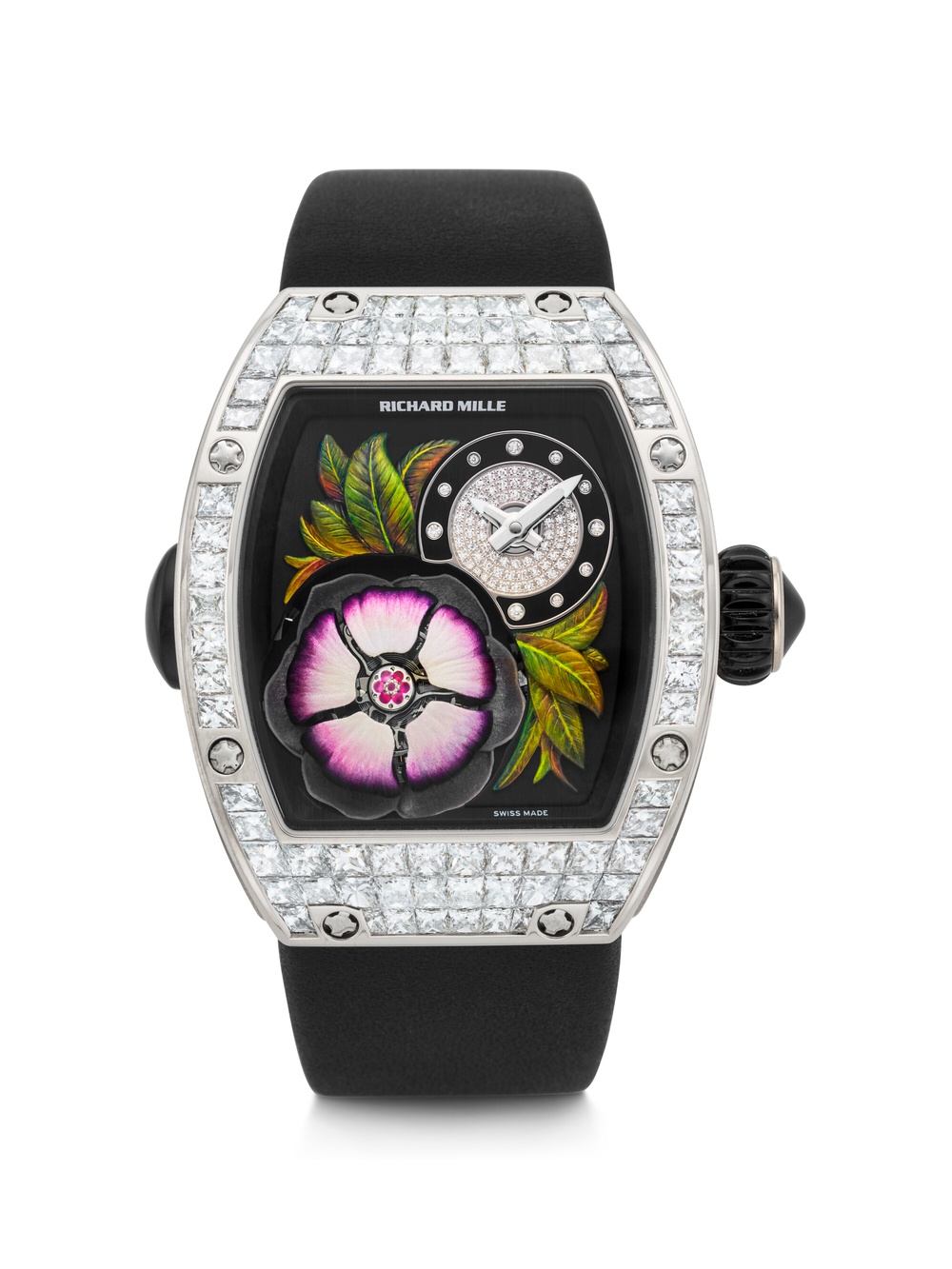
At the more theatrical end of the catalogue is the Richard Mille RM 19-02 Tourbillon Fleur, a limited piece with a baguette diamond-set case and a mechanical magnolia flower on the dial.
Its handcrafted gold petals open and close to reveal the flying tourbillon beneath, making it one of the sale’s clearest examples of watchmaking as animated sculpture.
Rolex and Cartier add character to the sale
The Rolex highlight is a 14k gold Daytona Ref. 6264 from the early 1970s, known as the “Cherry Logo” for its cherry red DAYTONA lettering.
That detail predates the standardised red printing seen on later “Big Red” Daytonas, and Christie’s traces this configuration to a narrow run of early serial numbers in 14k gold, with fewer than 10 known.
The Ref. 6264 was produced for only three years and sits among the last Rolex chronographs with pump pushers rather than screw-down pushers.
This example is consigned by the original owner’s family, and its clasp was personalised with his initials.
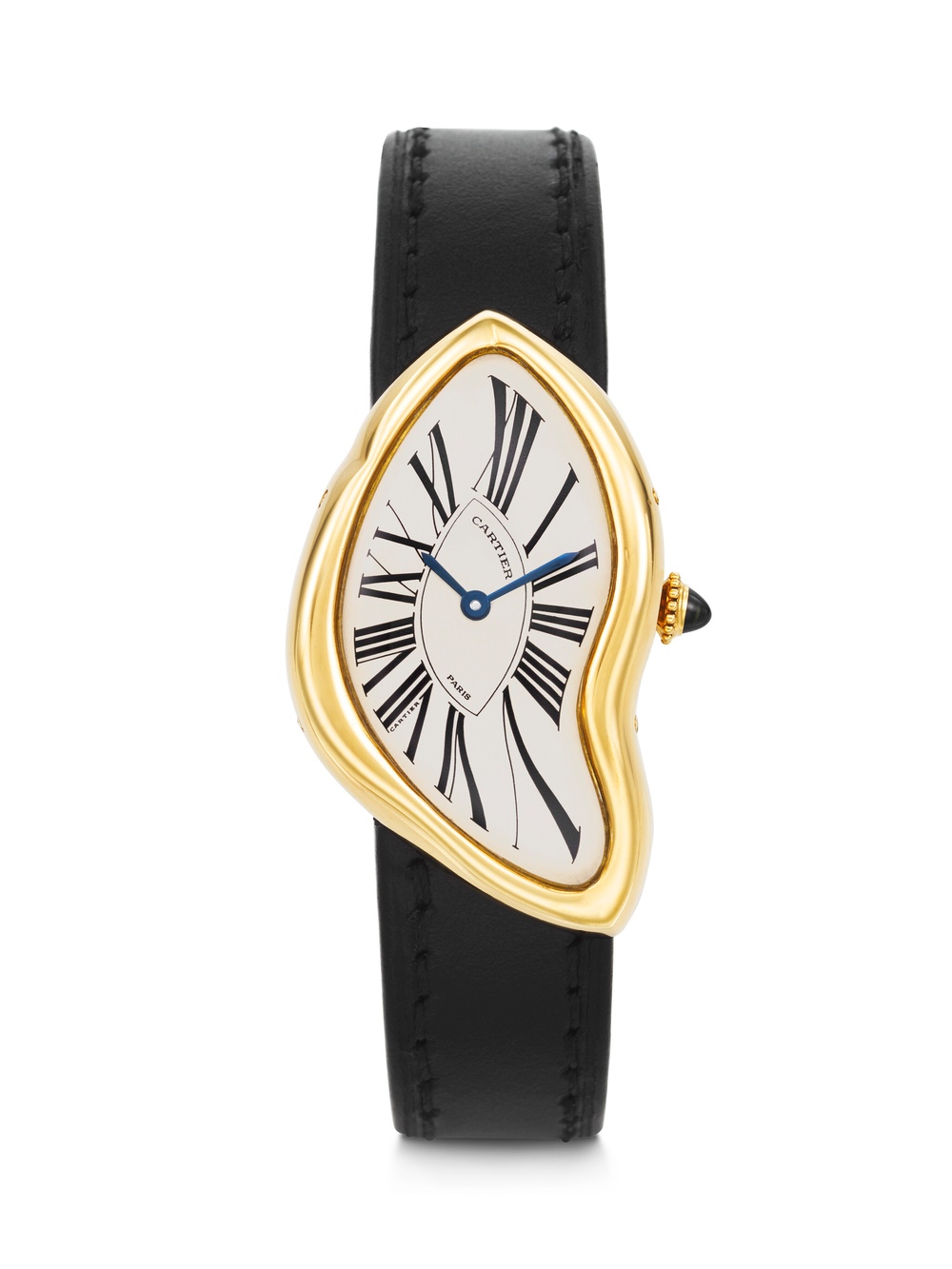
Cartier’s contribution is a yellow gold Paris Crash from 1991, one of 400 produced.
The Crash has had a conspicuous auction year, including a London Crash that sold at Christie’s in May for $2,028,800, and the Paris example brings the same asymmetric case language that has made the model one of Cartier’s most recognisable shapes.
Key lots and estimates
| Lot | Watch | Estimate |
|---|---|---|
| 26 | Patek Philippe Dual Time Ref. 3452/1 by Louis Cottier | $800,000 to $1.6 million |
| 78 | F.P. Journe Chronomètre à Résonance Ref. 093/01 R | $500,000 to $1 million |
| 11 | Rolex 14k Gold Daytona “Cherry Logo” Ref. 6264 | $200,000 to $400,000 |
| 10 | Cartier Crash Paris 1991 | $200,000 to $400,000 |
| 58 | Richard Mille RM 19-02 Tourbillon Fleur | $600,000 to $850,000 |
The sale’s strength is its range, but the Patek Philippe Ref. 3452/1 gives it a centre of gravity.
For collectors drawn to discreet complexity, known provenance and the rare appearance of a Cottier-designed dual-time Patek, it is the lot that defines the New York catalogue.