A. Lange & Söhne has chosen the Concours of Elegance at Hampton Court Palace for a quietly substantial pair of launches.
One is a platinum version of its most technically audacious chronograph, the Triple Split. The other brings the 1815 Up/Down into a more compact 37.5mm case, giving one of Lange’s most classical hand-wound designs a sharper, more wearable profile.
At a glance
- A. Lange & Söhne has unveiled a platinum Triple Split and two 37.5mm 1815 Up/Down limited editions.
- The Triple Split remains the only split-seconds chronograph able to record comparative times up to 12 hours.
- The platinum Triple Split is limited to 100 pieces, while each 1815 Up/Down variant is limited to 300 pieces.
A platinum Triple Split with a cooler dial language
The Triple Split has always occupied unusual territory, even by Lange standards.
Introduced in 2018, it expanded on the Double Split by adding a split mechanism not only for chronograph seconds and minutes, but also for the hour counter.
That means the watch can time two separate events, or compare intermediate times, over a span of up to 12 hours.
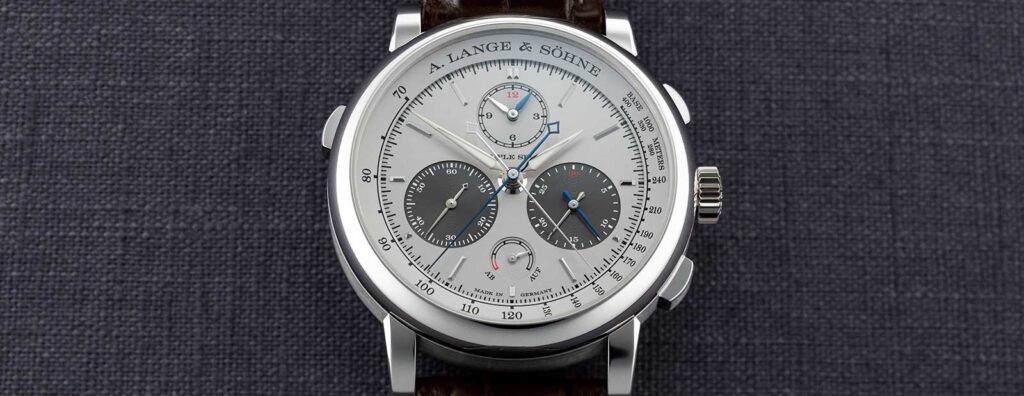
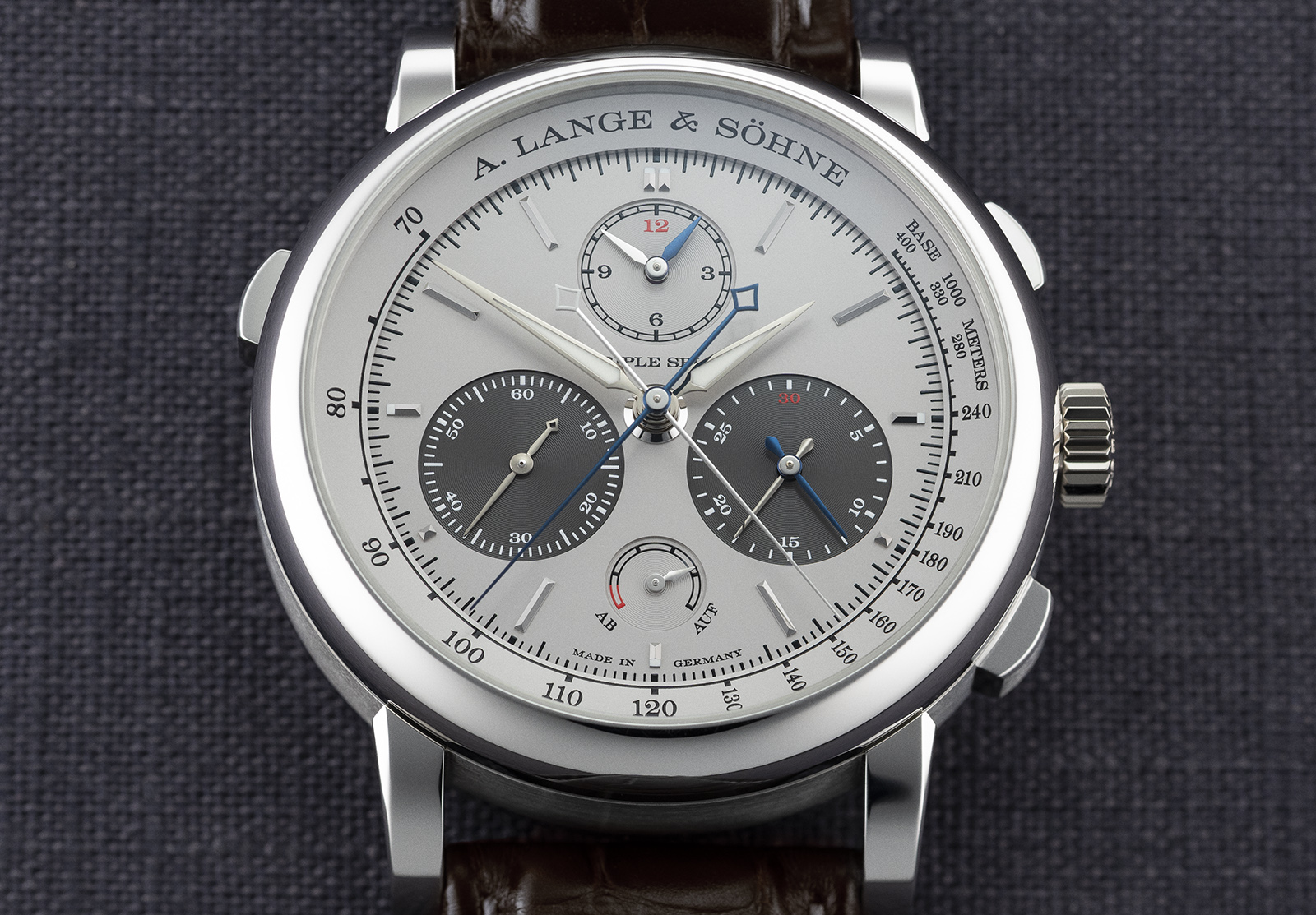
The new edition brings the complication into a platinum case for the first time, paired with a rhodium-coloured solid silver dial and darker grey registers.
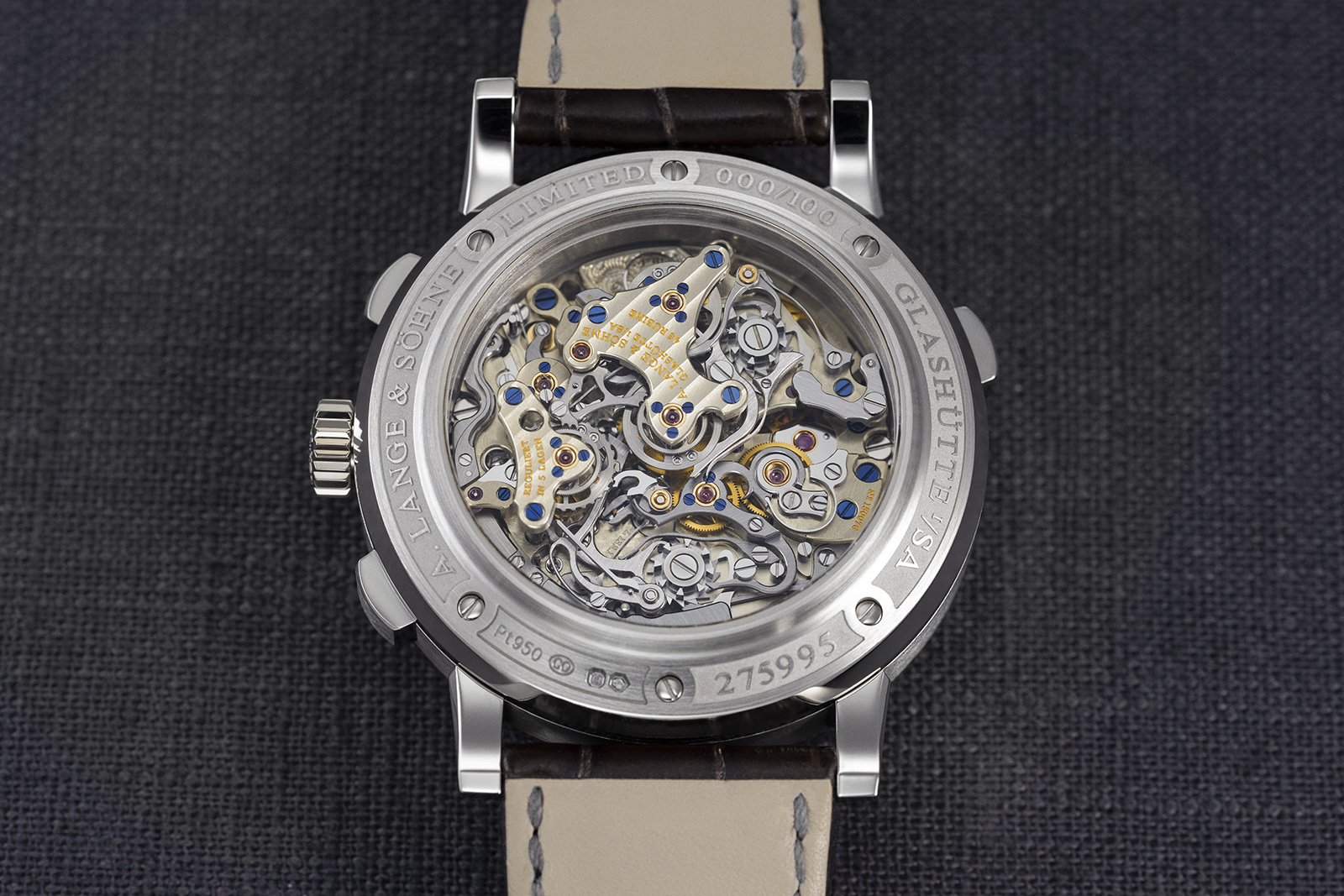
It’s a restrained take on the panda dial, less graphic than a sports chronograph and more in keeping with Lange’s heavy, architectural approach to watchmaking.
Blued rattrapante hands distinguish the split-time indications from the rhodiumed chronograph hands, while small red accents appear on the minute counter, hour counter and power reserve display.
The case remains 43.2mm across and 15.6mm thick, so this isn’t an attempt to soften the watch into something discreet.
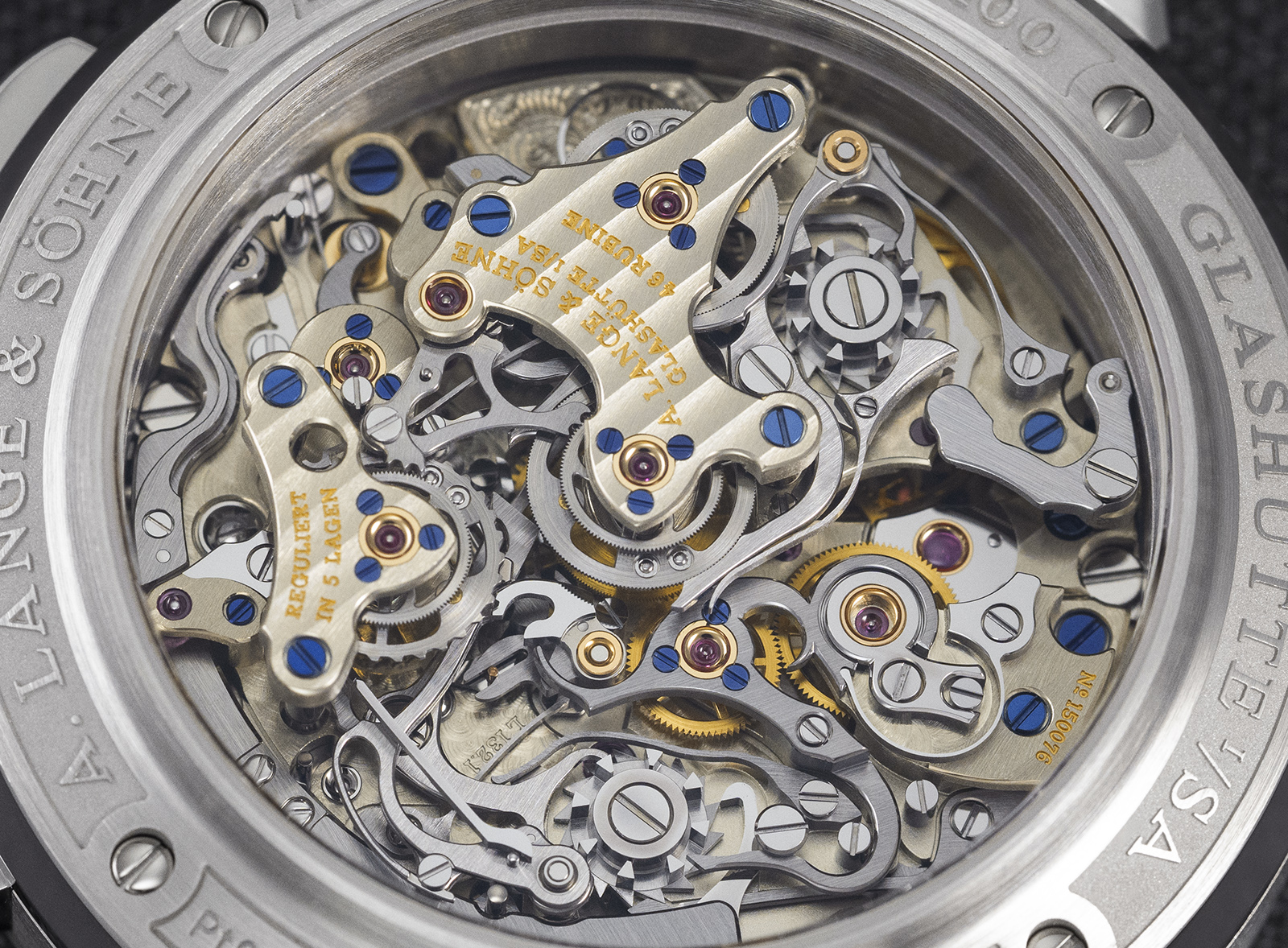
In platinum, the Triple Split should feel even more physically present, which suits a watch built around one of the most demanding chronograph constructions in modern production watchmaking.
The mechanics behind Lange’s six-hand split chronograph
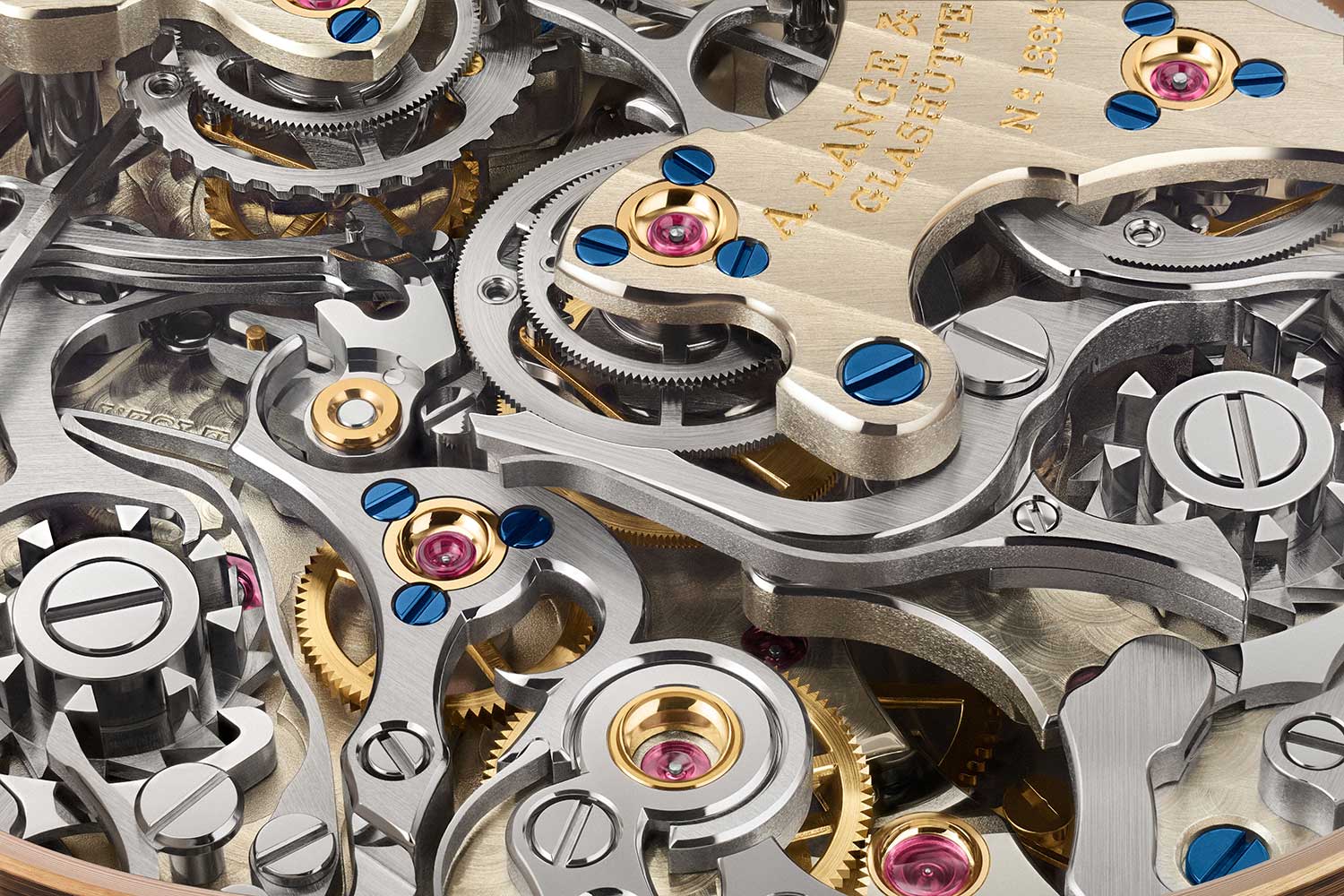
The manually wound Calibre L132.1 returns here, comprising 567 parts and coordinating a set of functions that still feels improbable on paper.
The chronograph system must manage three pairs of hands across seconds, minutes and hours, with each pair able to split, stop, reunite, reset and restart.
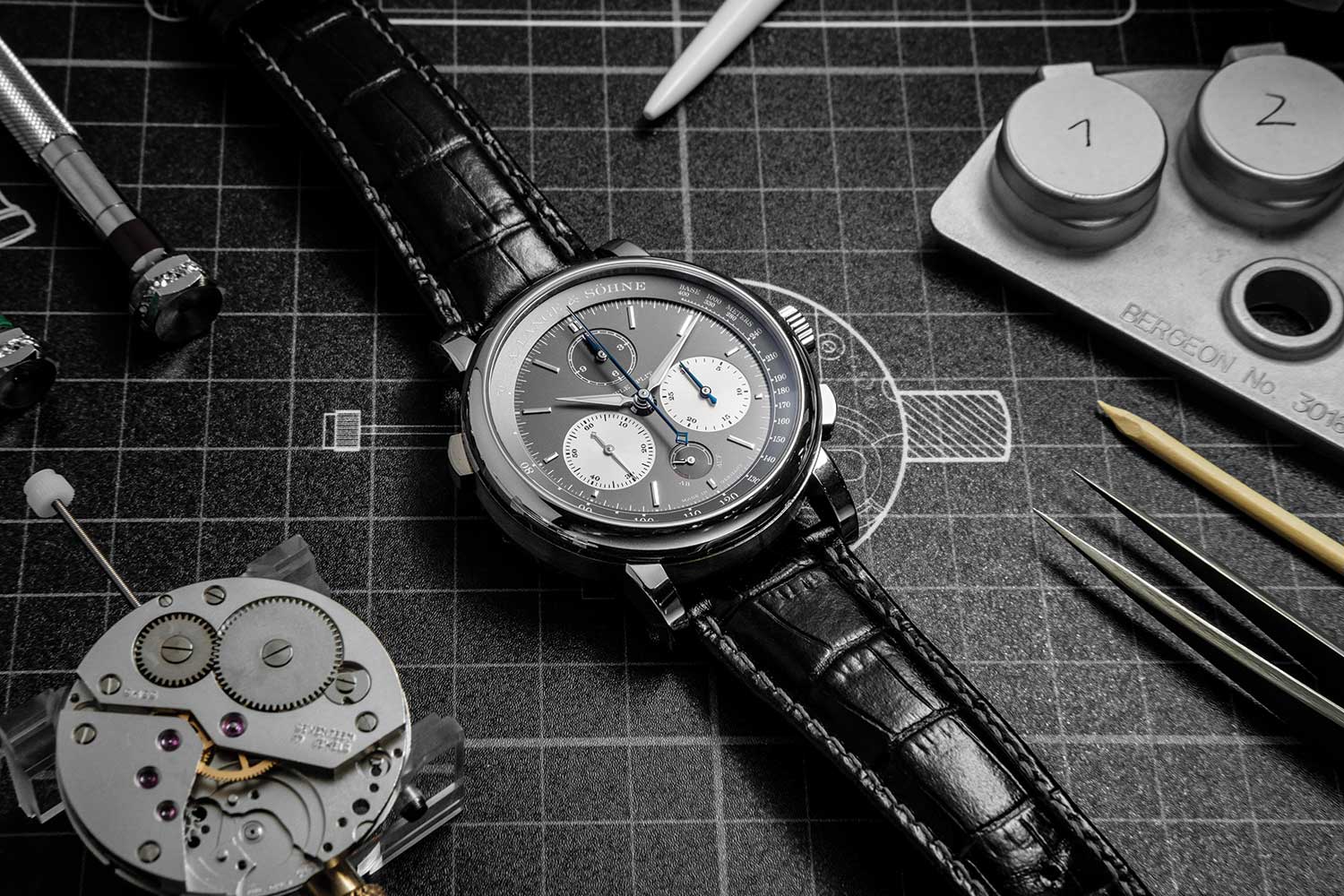
Press the rattrapante pusher and the blued split hands halt, while the matching chronograph hands continue their course.
The split-seconds wheel is stopped by clamps, while the split-minute wheel is arrested by a spring-loaded catch that drops into one of 30 recesses corresponding to the jumping minute counter’s positions.
The hour split mechanism is handled differently, as its counter advances continuously and is stopped wherever it happens to be by a separate arresting lever.
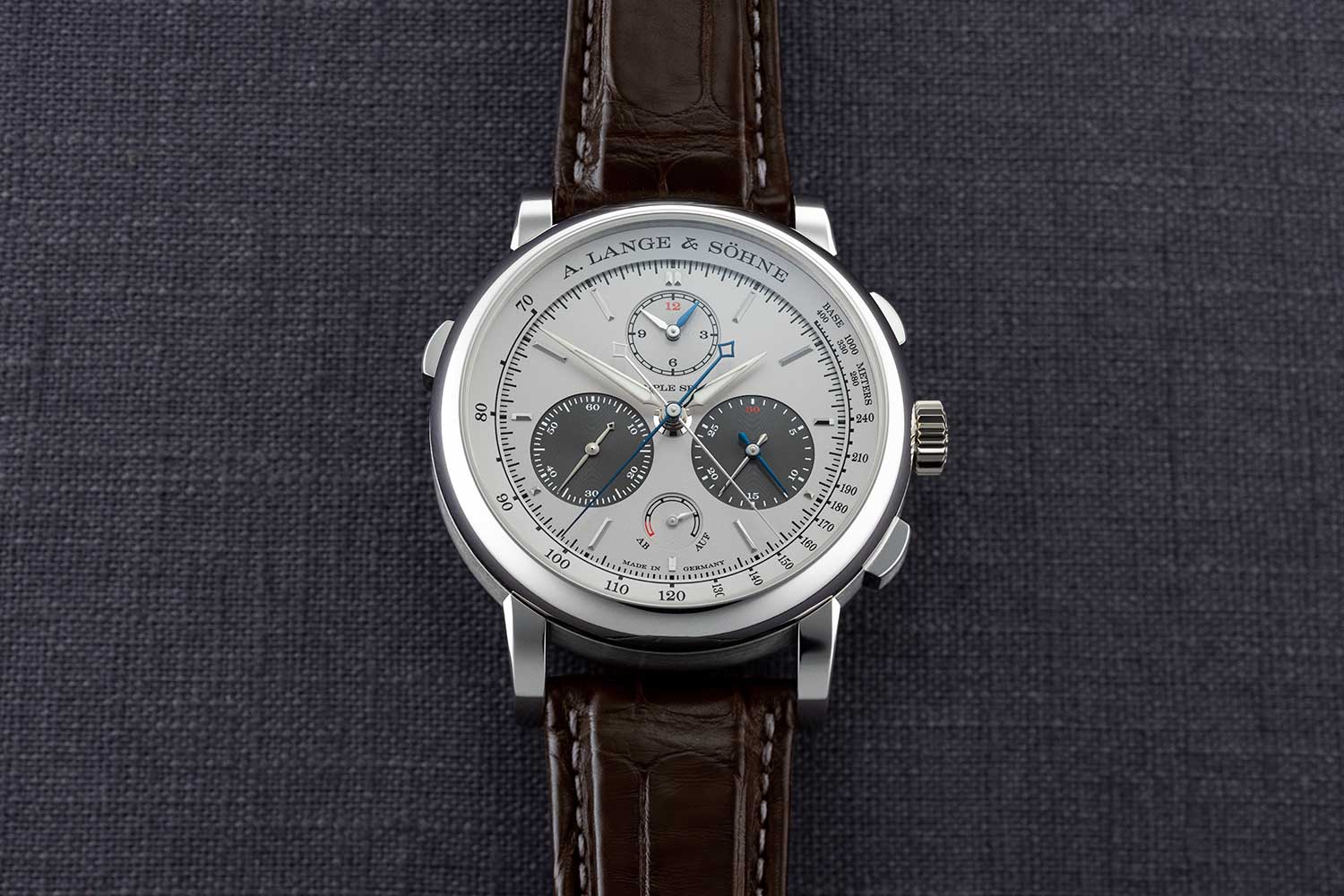
Lange also uses isolator wheels for the seconds and minute split systems, separating the stopped rattrapante wheels from the running chronograph wheels so that the halted split mechanism doesn’t sap energy from the movement.
The flyback function adds another layer of complexity because it has to reset and restart the chronograph even when the split hands are showing an intermediate time.
It’s the kind of complication that rewards close study, but its purpose is straightforward enough. The Triple Split turns the rattrapante chronograph from a short-interval instrument into something capable of comparing much longer events.
The 1815 Up/Down returns in a more compact case
The 1815 Up/Down sits at the opposite end of the emotional spectrum, but it may be the release more collectors actually imagine wearing every day.
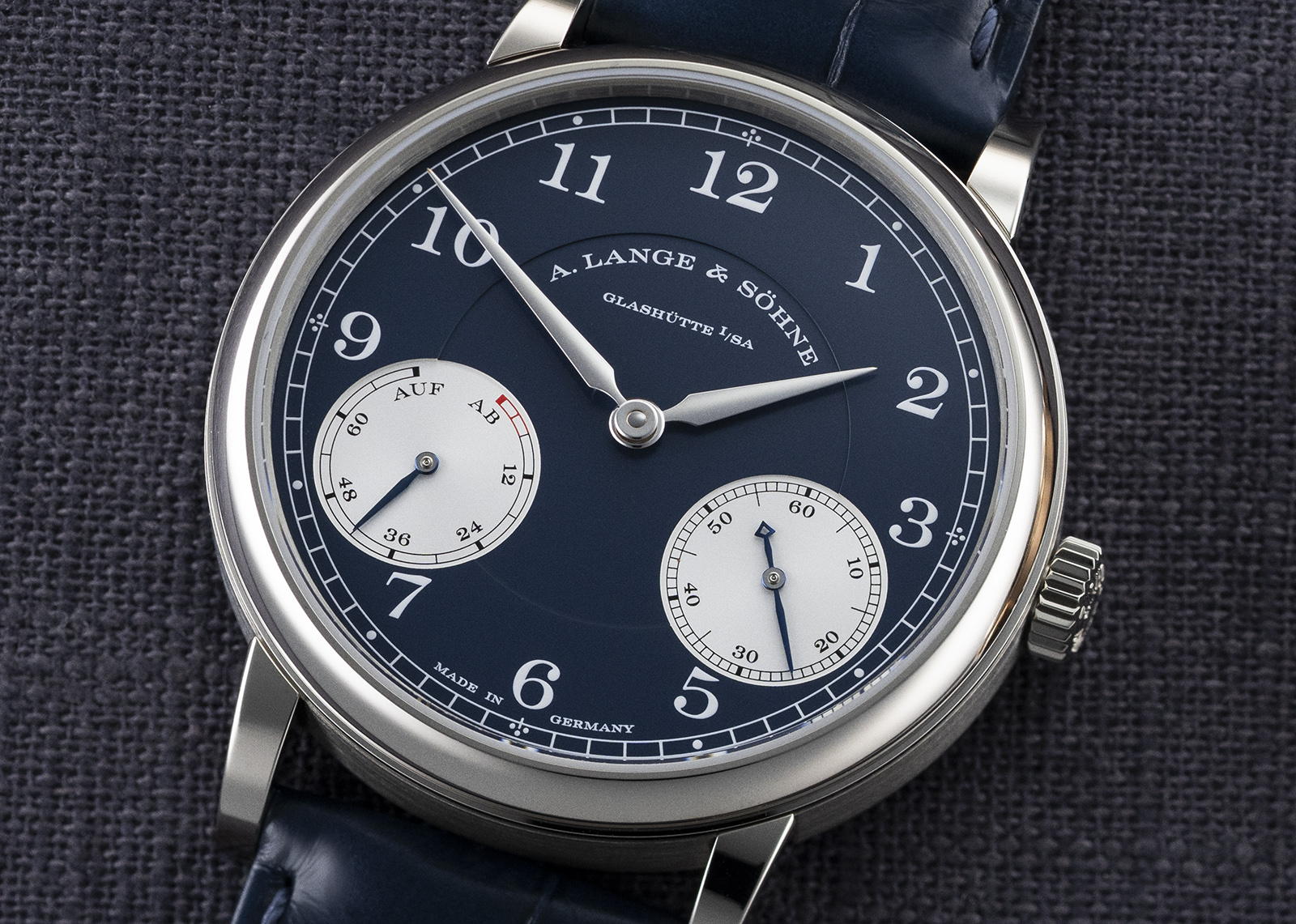
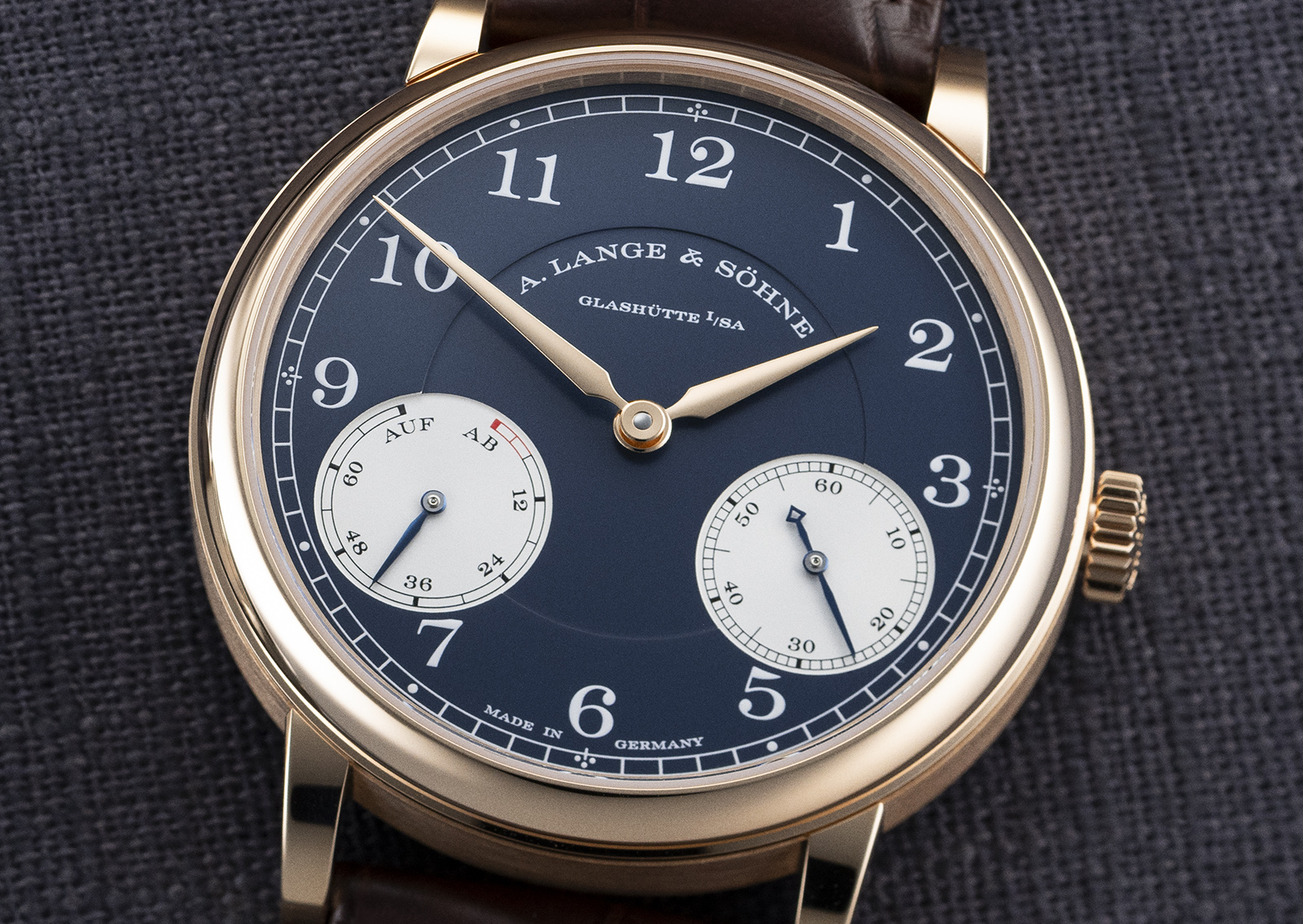
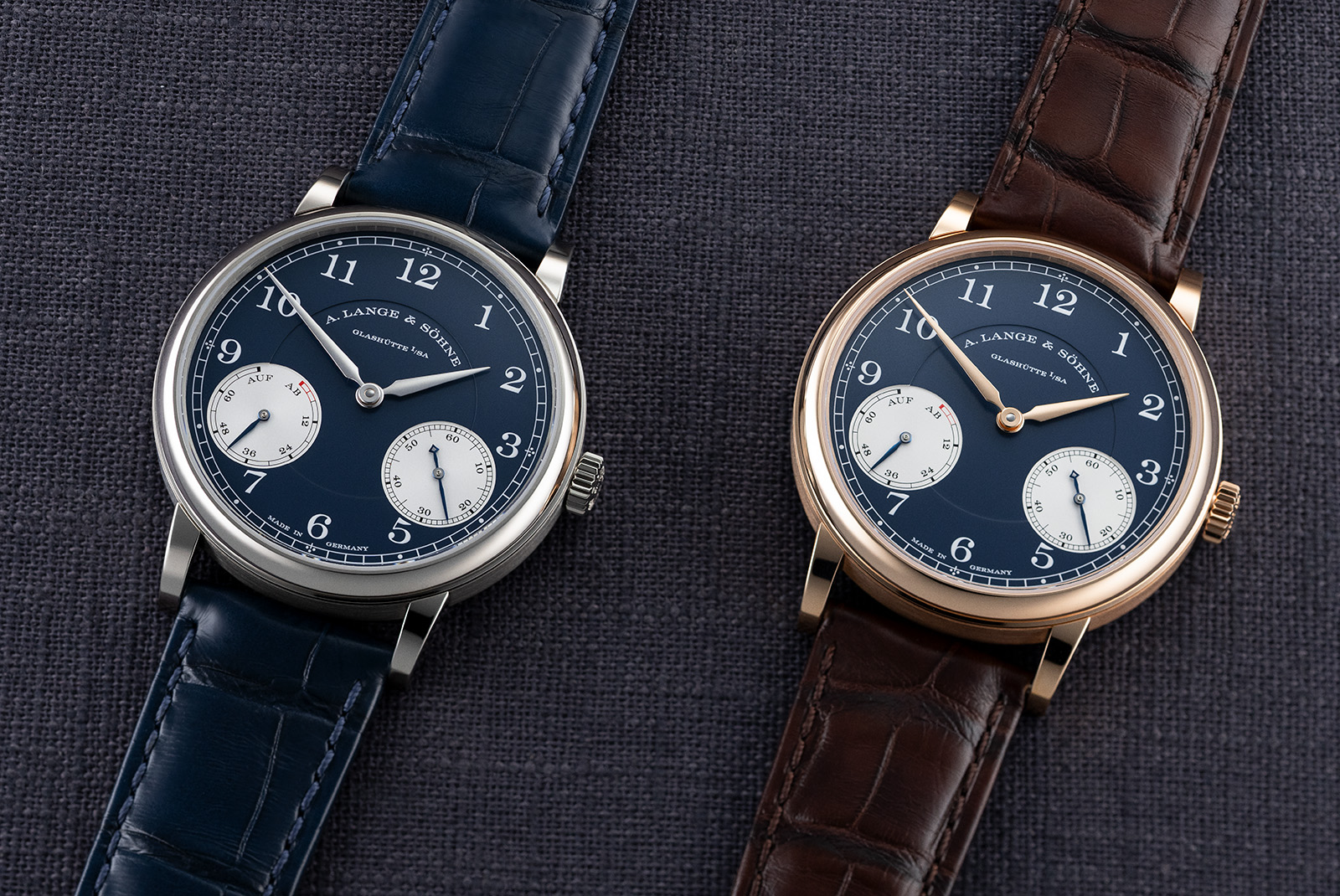
The new editions reduce the case to 37.5mm, a size that fits the watch’s pocket-watch-inspired layout especially well.
Lange is offering the model in white gold and pink gold, each with an ink-blue dial and silver subdials.
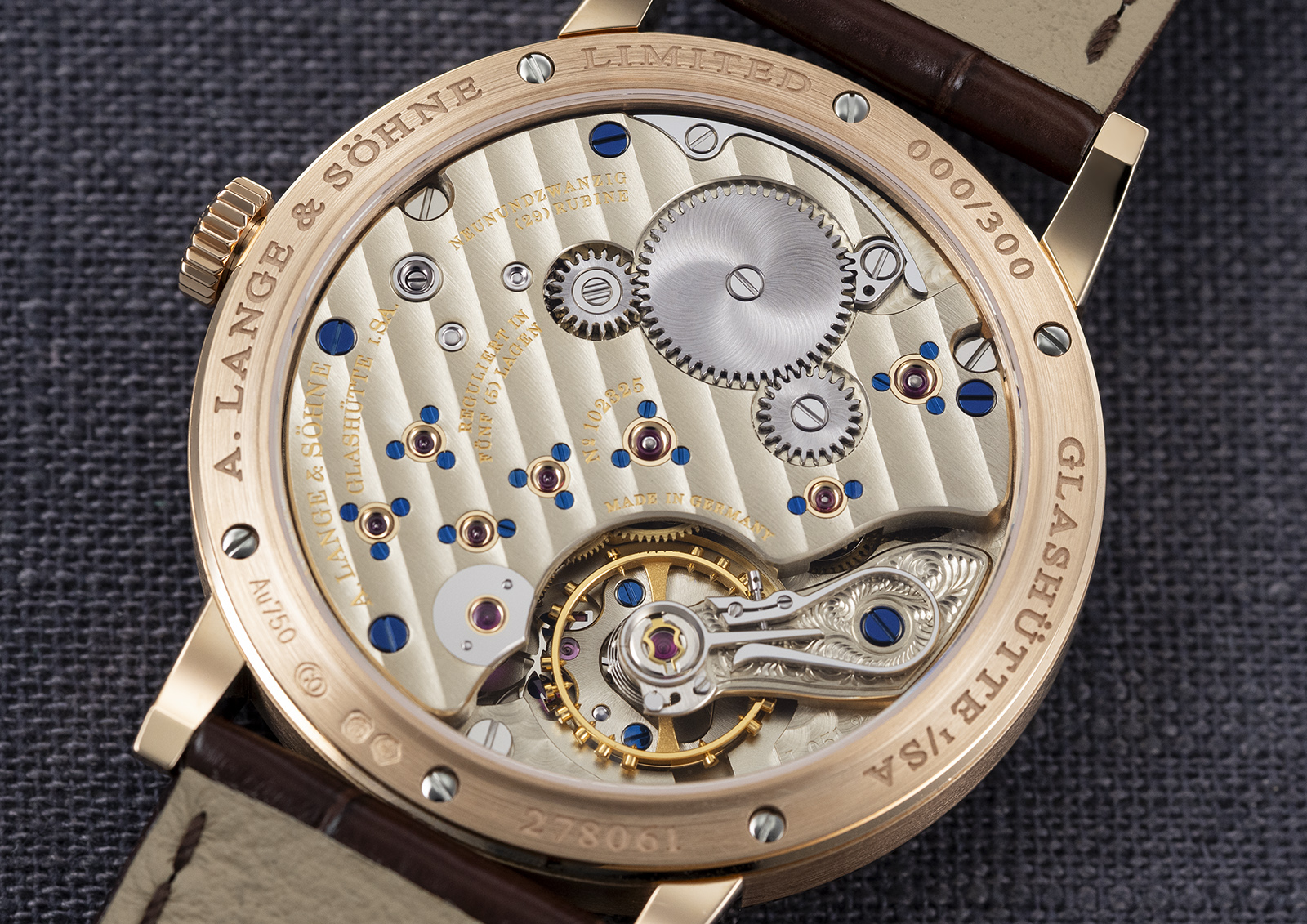
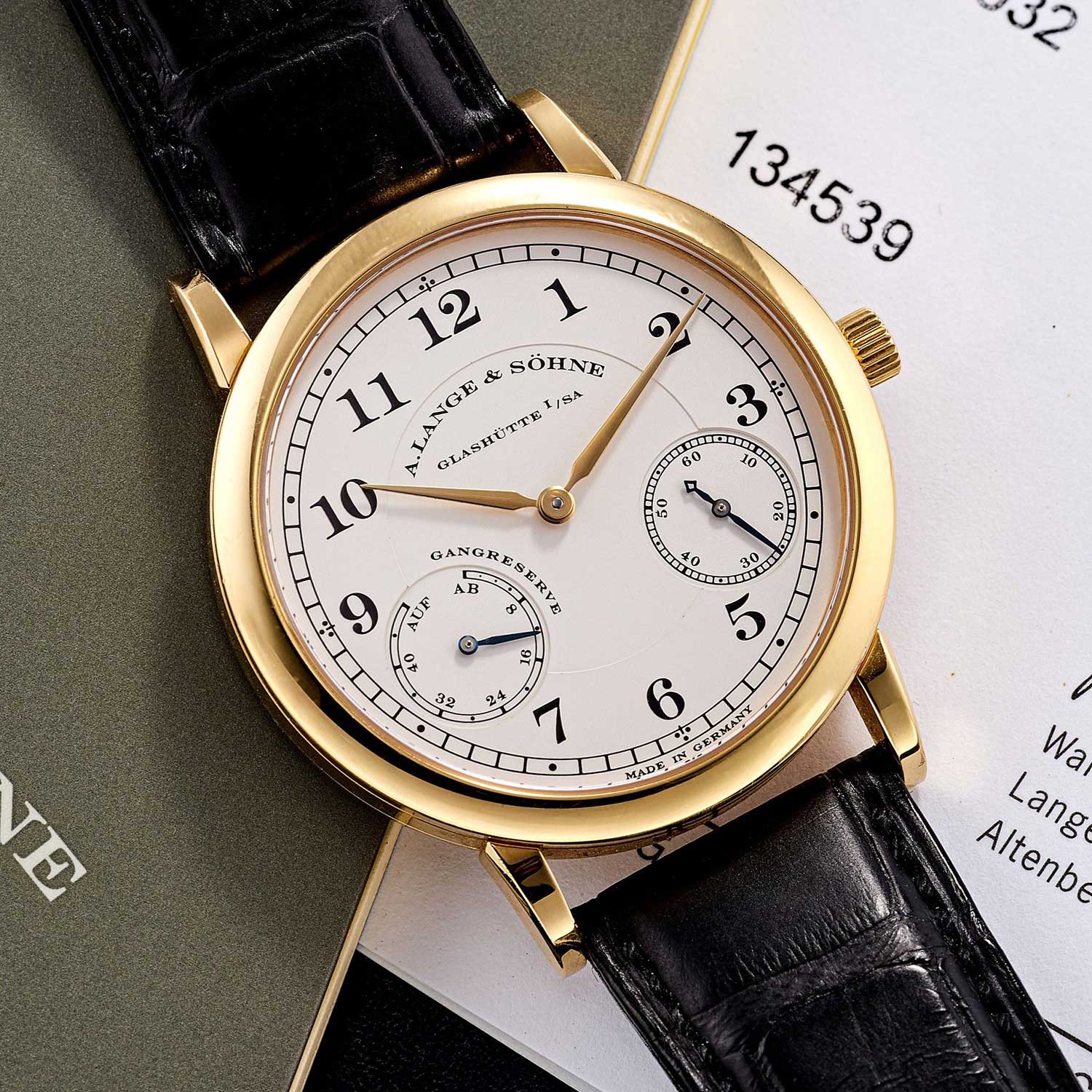
The result keeps the Up/Down’s familiar balance of small seconds and power reserve indication, but gives it a denser, more deliberate presence on the wrist.
Each gold version is limited to 300 pieces, making the pair notably broader in availability than the platinum Triple Split, though still firmly within limited-production territory.
For collectors drawn to Lange’s restrained side, the appeal is clear. This is a hand-wound watch with a useful complication, traditional proportions and enough colour contrast to feel distinct without disturbing the 1815’s essential discipline.
Details & Specifications
| Brand | A. Lange & Söhne |
|---|---|
| Models | Triple Split in platinum, 1815 Up/Down 37.5mm in white gold and pink gold |
| Triple Split case | Platinum, 43.2mm diameter, 15.6mm thickness |
| Triple Split dial | Rhodium-coloured solid silver dial with darker grey registers |
| Triple Split movement | Manually wound Calibre L132.1 |
| Triple Split movement parts | 567 components |
| Triple Split complication | Split-seconds chronograph with split seconds, minutes and hours, plus flyback |
| Triple Split production | Limited to 100 pieces |
| 1815 Up/Down case size | 37.5mm |
| 1815 Up/Down case materials | White gold or pink gold |
| 1815 Up/Down dial | Ink-blue dial with silver subdials |
| 1815 Up/Down production | Limited to 300 pieces per version |
Taken together, the two launches show Lange working both ends of its identity with unusual clarity. The platinum Triple Split is the technical statement, while the 37.5mm 1815 Up/Down is the kind of measured refinement that keeps the brand’s classical watchmaking relevant on the wrist.