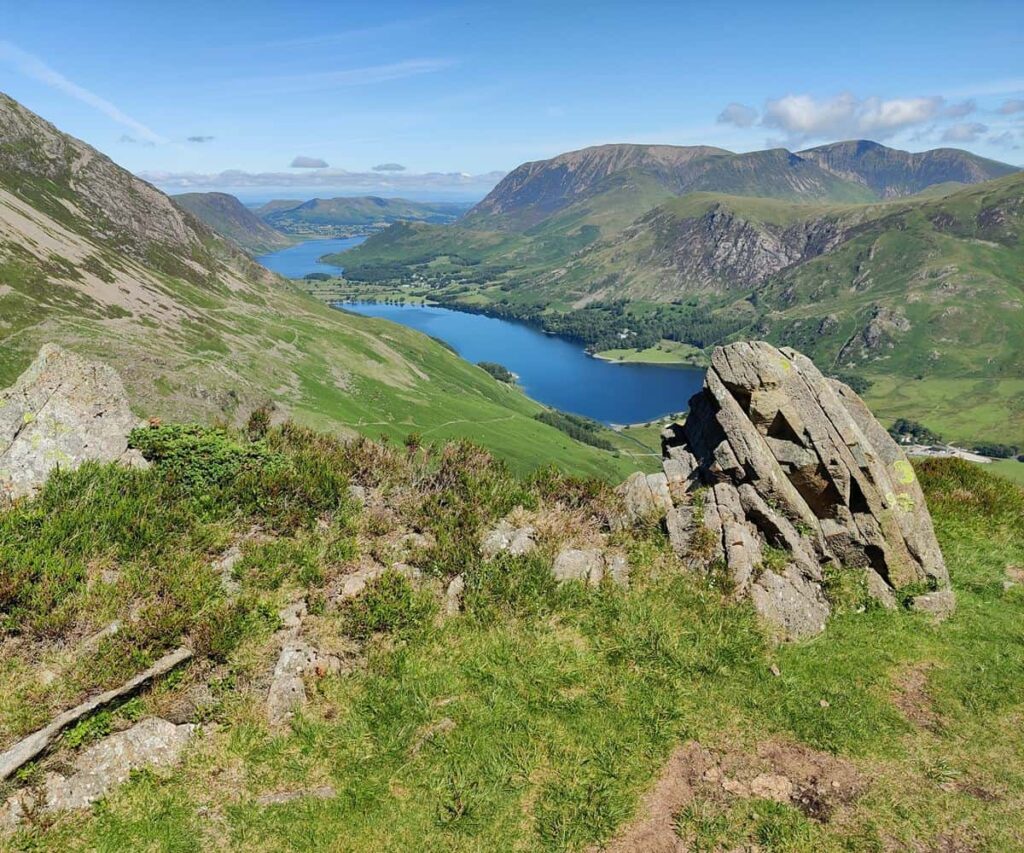
The Lake District has a way of turning a first visit into a lifelong habit.
Its appeal is obvious once you’re there, with deep valleys, high fells, handsome market towns and lakes that change character with every shift in light.
For newcomers, though, the same landscape that makes it so rewarding can also catch you out, especially if you arrive without a plan.
At a glance
- First-time Lake District visitors should plan ahead for accommodation, restaurants, transport and mountain conditions.
- Weather, navigation and road gradients can change the feel of a day quickly, particularly on the fells and high passes.
- Public transport, lake cruises and responsible countryside etiquette can make the trip smoother and more enjoyable.
Book the best bits before the diary fills
The Lake District is a UNESCO World Heritage Site and one of the UK’s most visited rural destinations, so spontaneity has its limits here.
If you have a particular hotel, cottage, inn or lakeside stay in mind, book as early as you reasonably can, especially for weekends, school holidays and summer.
The same applies to restaurants.
Well-known dining rooms and Michelin-starred addresses can be full months ahead, while even relaxed local favourites often have little room for walk-ins at peak times.
It’s worth planning your first and last nights in particular, as those are the meals most visitors underestimate after a long drive, train journey or day on the hills.
Respect the weather and the fells
The Lake District is beautiful in all seasons, but it doesn’t owe visitors blue skies.
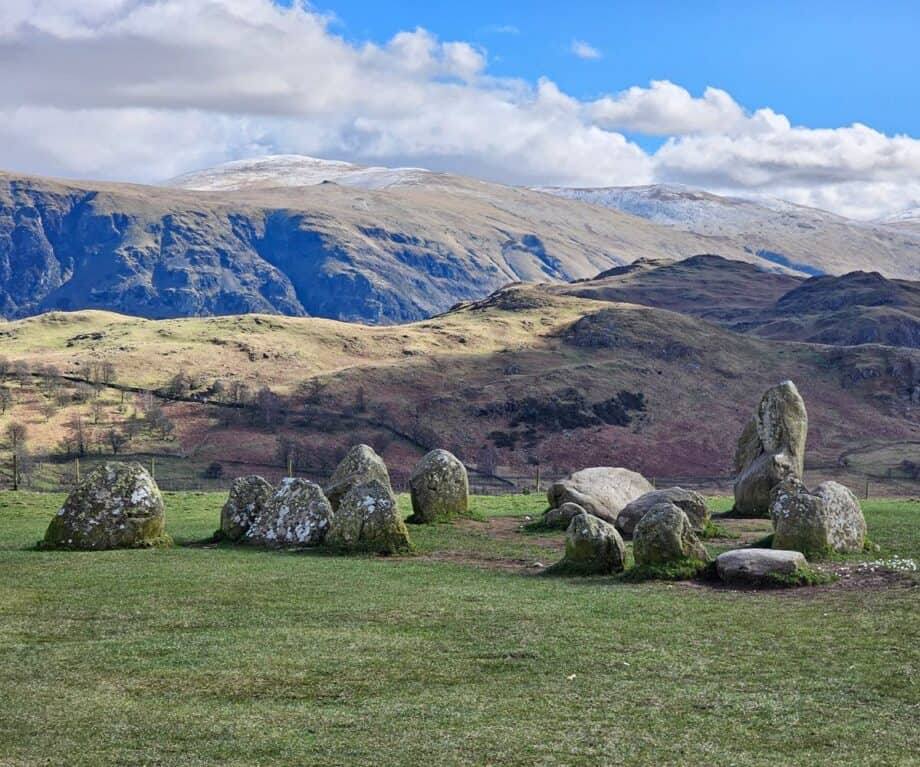
Check the forecast before you set out, then remember that conditions beside a lake can be very different from those on a ridgeline.
If you’re walking at height, the Mountain Weather Information Service is a useful place to check fell-specific conditions before committing to a route.
Even in summer, pack a proper waterproof jacket, warm layers and enough food and water for the day.

Sturdy waterproof walking boots with good grip and ankle support are a far better choice than trainers if your plans involve rough ground, wet paths or steep descents.
Don’t rely only on a phone for navigation.
Mobile signal can disappear in valleys and on the fells, and a flat battery or heavy rain can turn a useful device into dead weight.
Offline maps are sensible, but a paper map and compass remain the most reliable backup if you’re heading beyond the easiest paths.
Before a longer walk, tell someone where you’re going and when you expect to be back.
Lake District mountain rescue teams deal with hundreds of call-outs each year, and a clear route plan can make a serious difference if something goes wrong.
Drive carefully or let someone else take the wheel
Some of the region’s most memorable views are found on its mountain roads, but not every scenic route is an easy drive.
Honister Pass and Kirkstone Pass can be steep, narrow and demanding, with gradients that may reach around 30 percent in places.
If you’re nervous on tight roads, driving an unfamiliar vehicle or travelling in poor weather, it’s worth choosing a gentler route rather than treating the passes as a must-do.
Brakes, clutch control and confidence all matter here.
A car can be useful for remote corners, but it isn’t essential for a rewarding Lake District trip.
Oxenholme the Lake District sits on the main London to Glasgow rail route and connects by branch line to Windermere, putting one of the area’s busiest hubs within easy reach by train.
Once you’re there, buses can take the pressure out of parking and narrow lanes.
Stagecoach routes including the 555 and open-top 599 are particularly useful for central Lake District travel, with elevated views that often beat staring over a steering wheel.
See the lakes from the water
A lake cruise isn’t just a soft option for a rest day.
Travelling by boat changes your sense of the landscape, giving you broad views of the fells, wooded shorelines and villages that can be harder to appreciate from the road.
Windermere Lake Cruises, Ullswater Steamers and services on Coniston Water all offer classic ways to move through the scenery rather than simply look at it.
They can also link neatly with walks, allowing you to turn a linear route into a more relaxed day without retracing every step.
Travel gently in a busy landscape
The Lake District may feel wild, but it’s also a working, lived-in and heavily visited place.
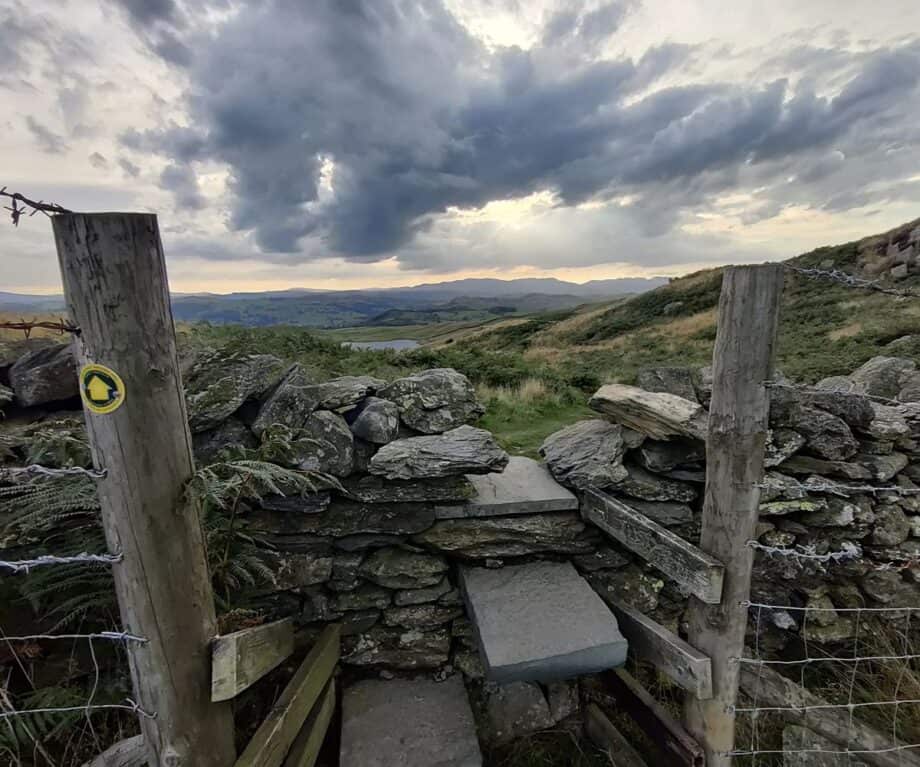
Follow the spirit of leave no trace by taking litter home, keeping to durable ground, leaving gates as you find them and giving farm animals and wildlife space.
Be considerate on paths, in car parks and in villages where local life continues long after the holiday traffic has moved on.
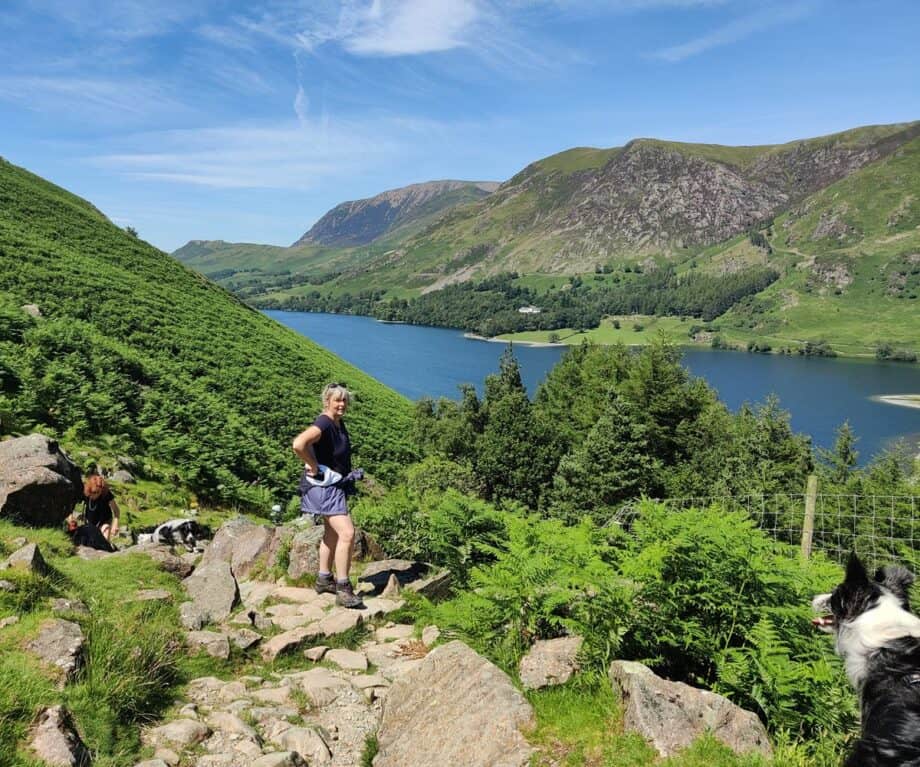
If you’re visiting with a dog, be alert around lakes and tarns during warm, dry spells.
Blue-green algae can appear in the water and may be fatal to dogs, so watch for warning signs and keep pets out if there’s any doubt.
The best first Lake District trip balances ambition with common sense.
Book the things that matter, dress for weather rather than wishful thinking, use the transport options that suit the day and leave the landscape as you found it.
Do that, and the region is far more likely to reward you with the kind of visit you’ll want to repeat.