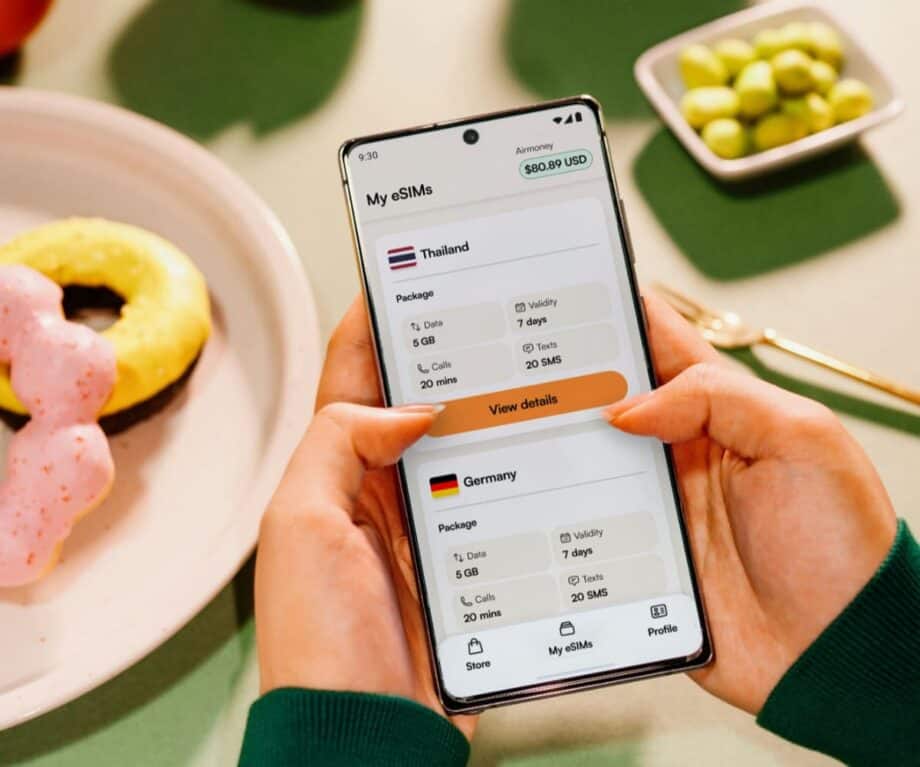
International roaming used to be one of travel’s least elegant rituals, somewhere between hunting for a taxi stand and queuing at a currency desk.
eSIMs have changed that by letting travellers install mobile data digitally, often before they’ve even packed a case.
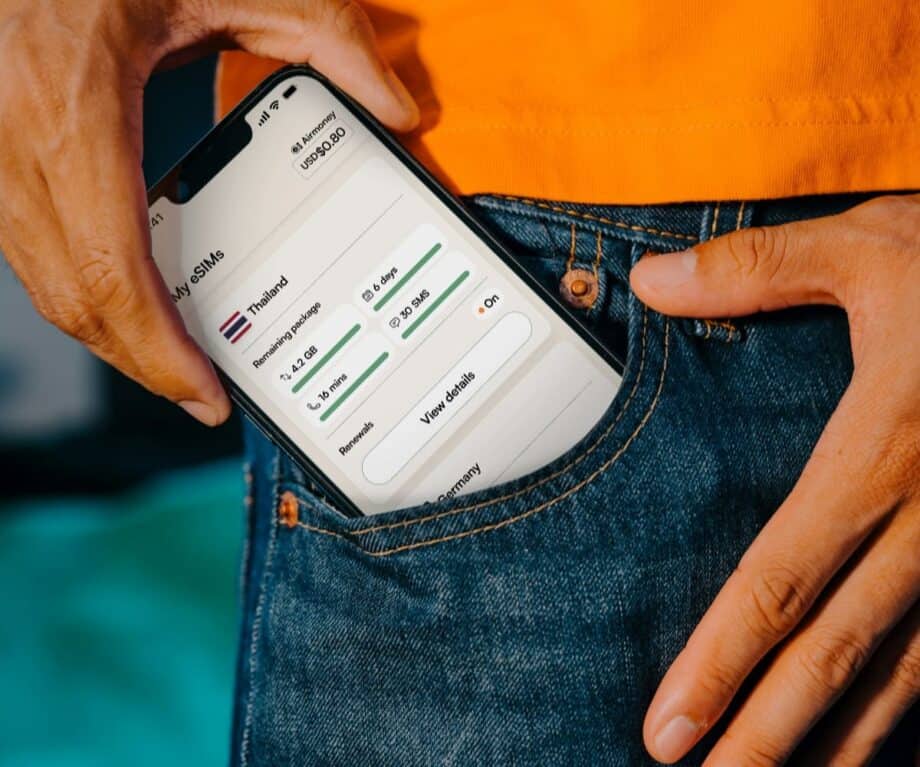
For frequent flyers, luxury travellers and anyone who depends on maps, bookings, banking apps and ride-hailing abroad, the right eSIM provider is now a practical part of the trip.
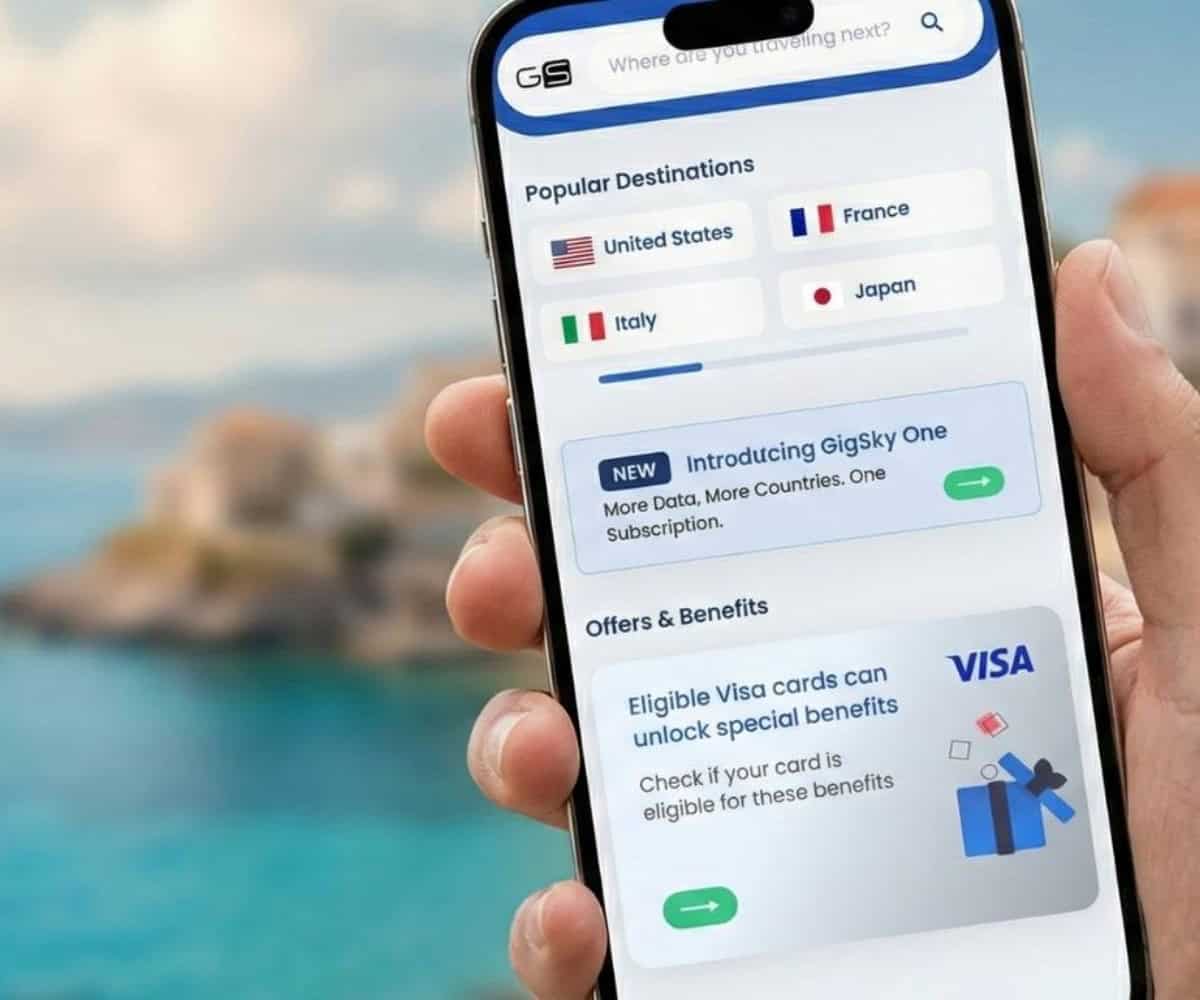
At a glance
- Ten established eSIM providers stand out for international data access across major travel destinations.
- Key differences include 5G coverage, virtual numbers, security tools, business dashboards, no-expiry data and heavy-user plans.
- Options range from app-led travel eSIMs to banking-integrated data and plans designed for groups, laptops, connected cars and longer journeys.
eSIMs built for smooth arrivals
Jetpac eSIM is aimed squarely at international travellers who want dependable mobile data without the roaming-bill anxiety.
Its plans cover more than 200 destinations worldwide, with 5G data where available and 24/7 support for travellers who need help outside office hours.
One of Jetpac’s most useful touches is that essential apps can keep running if a purchased travel data plan runs out mid-journey.

That matters in real life, because Google Maps, Uber and Grab are exactly the apps you don’t want to lose when you’ve just landed, changed time zones or arrived somewhere unfamiliar.
Its JetPro subscription packages add a more travel-focused layer, pairing high-speed data with perks such as Fast Track security passes and airport lounge vouchers.
aloSIM is a strong option for travellers who want fast setup and simple prepaid data in more than 200 international destinations.
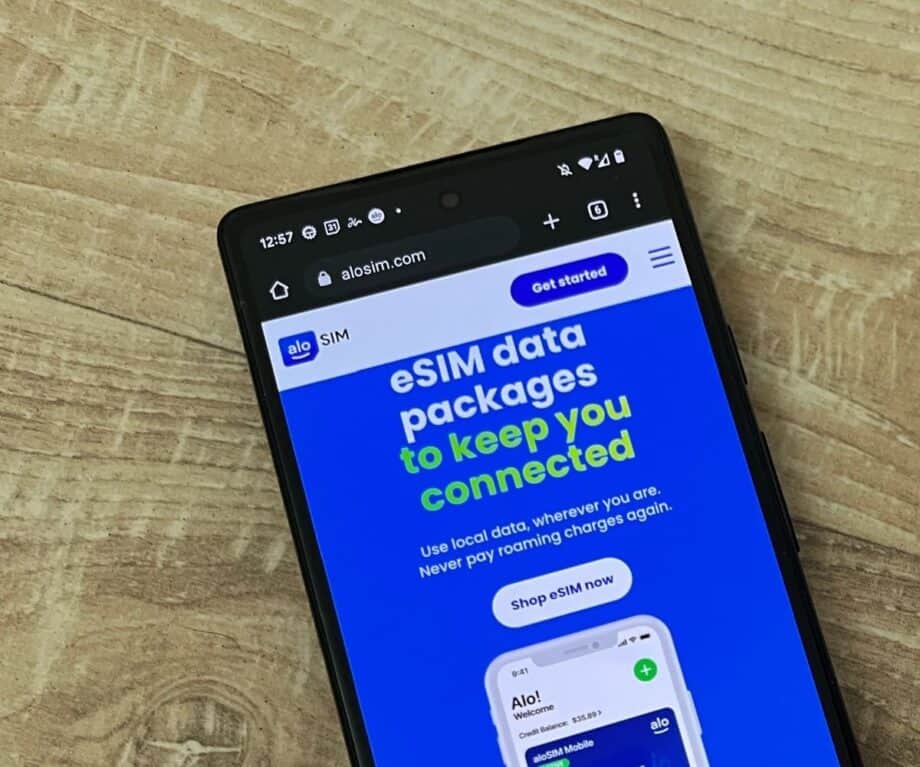
The provider’s app-led model is easy to understand, while its added virtual phone number through sister app Hushed gives it a useful advantage over data-only plans.
That number can help when calling hotels, restaurants, drivers or local services that still expect a voice call rather than a message through an app.
aloSIM also has a business angle, with aloSIM For Business giving coordinators a central console to buy localised data for a team under one managed account.

Ubigi is especially interesting because it stretches beyond the usual smartphone-only eSIM conversation.
The service offers global cellular connectivity for mobile devices and connected cars, while also supporting smartphones, tablets and cellular-equipped Windows laptops.
Its zero-data smartstart feature is particularly useful on arrival, allowing a connection to activate after landing so users can top up through the app even when they have no external cellular data or local Wi-Fi.

For travellers who work on the move, that laptop compatibility may be just as important as phone data.
Providers with security, banking and smarter controls
Saily brings a security-first flavour to the travel eSIM category.
Developed with technology from Nord Security, the company behind NordVPN, it includes built-in ad blocking, web protection and malicious site avoidance.
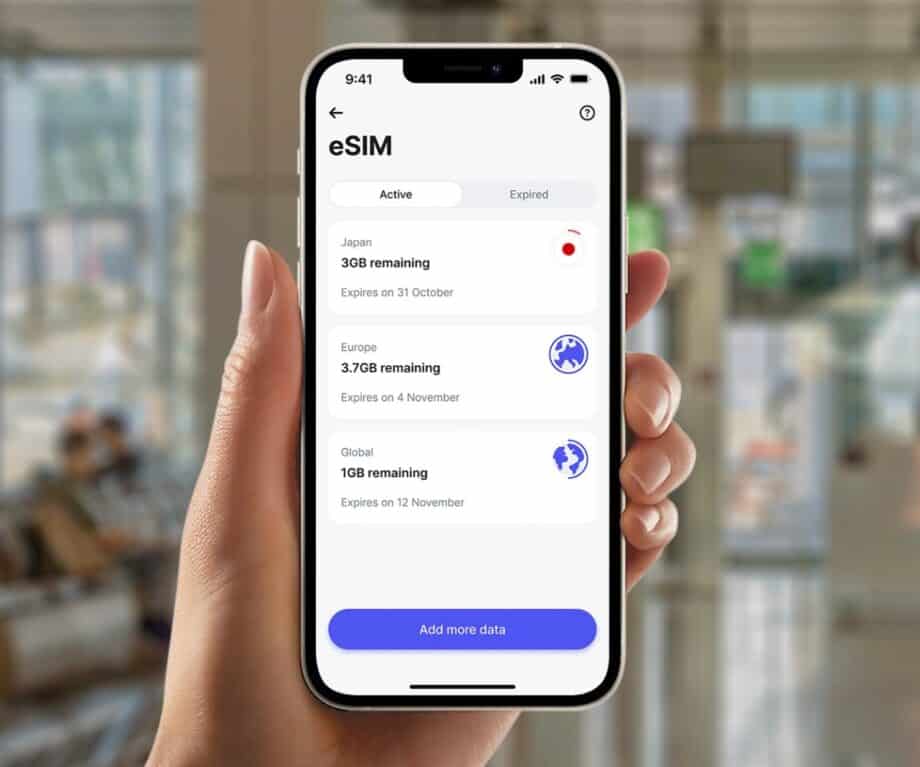
That’s a meaningful addition for travellers who are regularly moving between hotel Wi-Fi, airport networks and unfamiliar public connections.
Saily also allows new destinations to be added to an existing installed eSIM, avoiding the recurring nuisance of downloading a fresh profile every time a trip crosses a border.
Revolut is better known for multi-currency banking, but its built-in eSIM service makes sense for travellers already using the app for spending abroad.

The appeal is integration, with data connectivity sitting inside the same digital dashboard as currency exchange and travel expense tools.
There’s no need for a separate app or QR-code setup, which keeps the experience tidy for users who want fewer moving parts.
Revolut Ultra customers also receive 3GB of global data bundled into the monthly bank subscription, usable across more than 100 countries.

Yesim adds privacy tools directly into its travel data plans.
Each purchased plan includes a built-in VPN that can be activated with a single tap in the app, helping protect personal data on public airport and hotel Wi-Fi networks.
Its Pay & Fly tier is designed differently from a standard fixed bundle, giving users worldwide coverage with unthrottled speeds while charging per megabyte used.
That structure may appeal to travellers who prefer usage-based billing rather than committing to a time-limited data allowance they may not fully use.
Marketplace, long-term and heavy-data options
SimOptions operates more like a specialist marketplace than a single-network travel eSIM brand.
Travellers can compare and buy official plans from multiple telecom names, including Orange, O2 and Vodafone, through a single checkout flow.
That can be useful for people who prefer choosing from recognised mobile operators rather than relying on one branded data product.
SimOptions also still offers physical international prepaid SIM cards, which matters if you’re travelling with an older phone, tablet or secondary device that doesn’t support eSIM hardware.
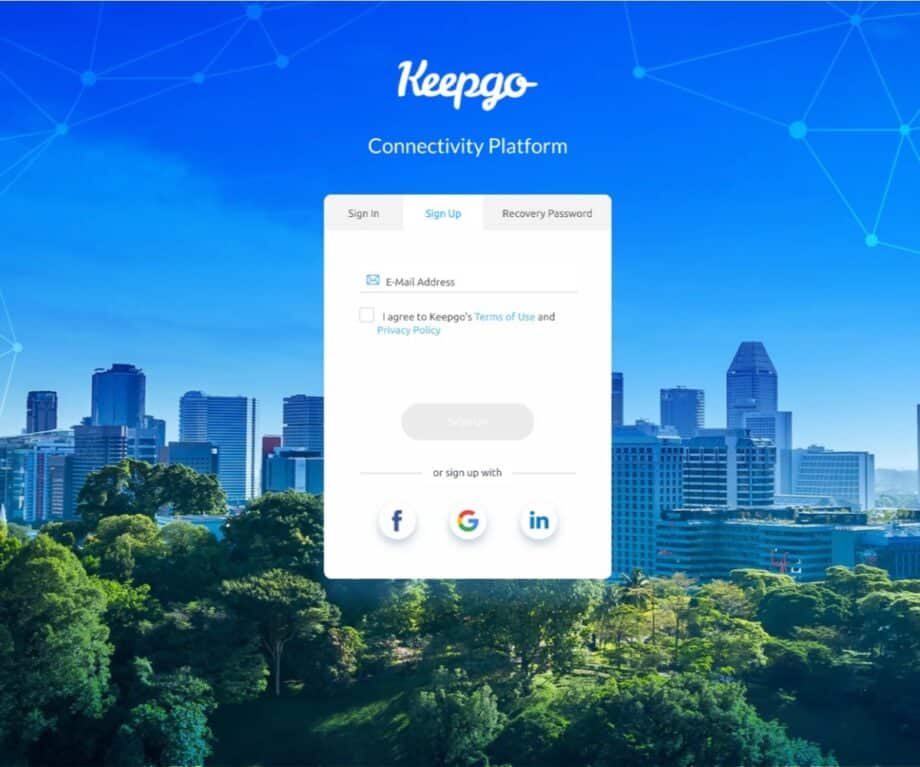
Keepgo is built for travellers who dislike wasting unused data.

Its regional bundles are designed with no-expiry data, keeping prepaid gigabytes active as long as the account is used or topped up once a year.
That model suits repeat visitors, consultants, yacht crew, remote workers and anyone who returns to the same region often enough to make a rolling data balance worthwhile.
Keepgo’s lines also support more than standard smartphones, extending to IoT devices, smartwatches and pocket Wi-Fi routers across more than 200 companion global networks.
Airhub is the provider to look at when the priority is capacity.
Used by more than 10 million travellers worldwide, it offers high-data enterprise-style bundles as well as very large consumer allocations.
Its 300GB packages for 30 days across major destinations such as the US, UK and Europe will be overkill for casual messaging, but ideal for travellers streaming, tethering or working heavily from multiple devices.
Airhub also offers bulk co-traveller discounts, including 5% off when purchasing multiple profiles together and a tiered scale that can reach 25% off for family global travel packages.
Voye Global rounds out the list as another international eSIM provider focused on simplifying travel connectivity through digital SIM technology.
For travellers comparing app-led global roaming options, it belongs on the shortlist alongside the better-known names, particularly when the priority is avoiding physical SIM swaps abroad.
How to choose the right travel eSIM
The best eSIM depends less on branding and more on the way you actually travel.
If your trips are short and city-heavy, a straightforward destination bundle from Jetpac, aloSIM, Saily or Yesim may be enough.
If you travel for work, Ubigi’s laptop and connected-device compatibility, aloSIM’s business dashboard or Airhub’s heavy-data plans may be more practical.
For banking-led convenience, Revolut is unusually neat because connectivity, currencies and spending controls sit in one place.
For travellers who cross borders often or hate losing unused data, Saily’s flexible plan routing and Keepgo’s no-expiry bundles are worth closer attention.
Whichever provider you choose, check your device supports eSIM, install the profile before departure where possible and keep your primary number active for banking verification or important calls.
A good travel eSIM isn’t glamorous in itself, but it quietly improves almost every part of a trip, from the first ride out of the airport to the final boarding pass download on the way home.