Luxury cruising doesn’t always need a grand staircase, a water park or a ship large enough to have its own postcode.
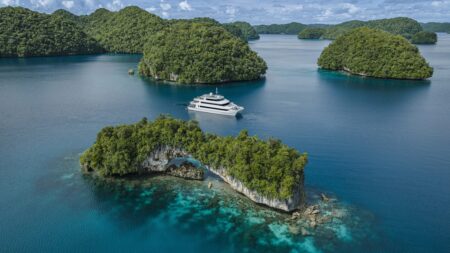
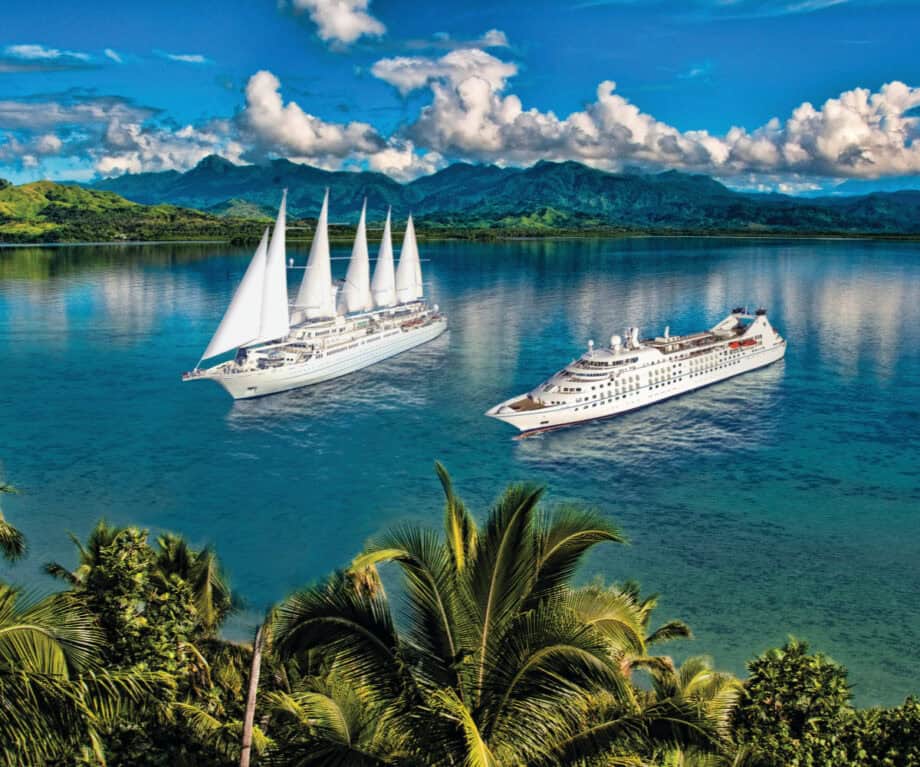
Windstar Cruises has built its appeal around a quieter idea of escape, with intimate yachts carrying roughly 150 to 350 guests and itineraries that lean into smaller harbours, slower moments and a more personal style of service.
For travellers who prefer atmosphere over spectacle, it’s a compelling way to see the world from the water.
At a glance
- Windstar Cruises offers small-ship voyages aboard yacht-style vessels carrying roughly 150 to 350 guests.
- The experience is defined by smaller ports, open decks, sail-powered romance, refined casual dining and highly personal service.
- Its itineraries appeal to well-travelled guests who want access, ease and cultural texture rather than mega-ship scale.
Small ports without the mega-ship arrival
One of Windstar’s clearest advantages is physical access.
Its fleet can enter harbours and coastal towns that larger cruise ships simply can’t reach, which changes the entire rhythm of a voyage.
Instead of arriving at a vast terminal outside a major city, guests can often step straight into places such as Portofino, Saint-Tropez and Monemvasia.
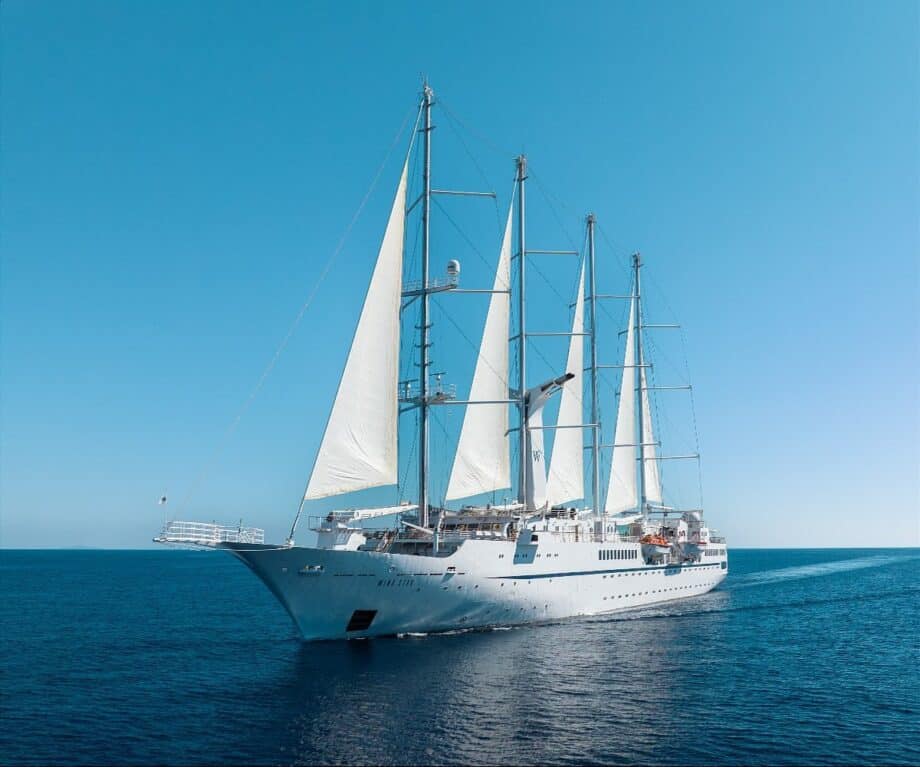
That matters because the arrival doesn’t overwhelm the destination, and the destination doesn’t feel like a logistical exercise.
On some calls, a Windstar yacht may be the only cruise vessel in the harbour, giving the day a more private, less processed character.
The practical benefit is just as important as the romance.

Embarkation, disembarkation and daily movement around the ship tend to be swift and uncomplicated, with fewer queues and less time spent waiting for the holiday to begin.
A private-yacht pace on board
Windstar’s scale creates a different kind of service culture.
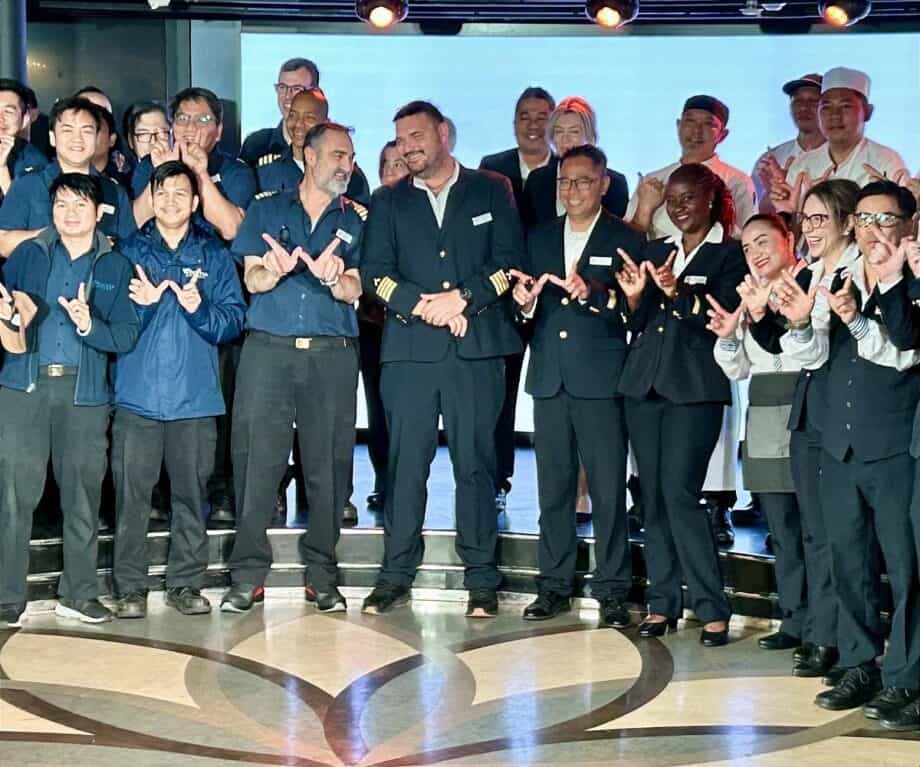
With a crew-to-guest ratio of around 1 to 1.5, the hospitality can become personal in ways that are difficult to replicate on ships carrying thousands of passengers.
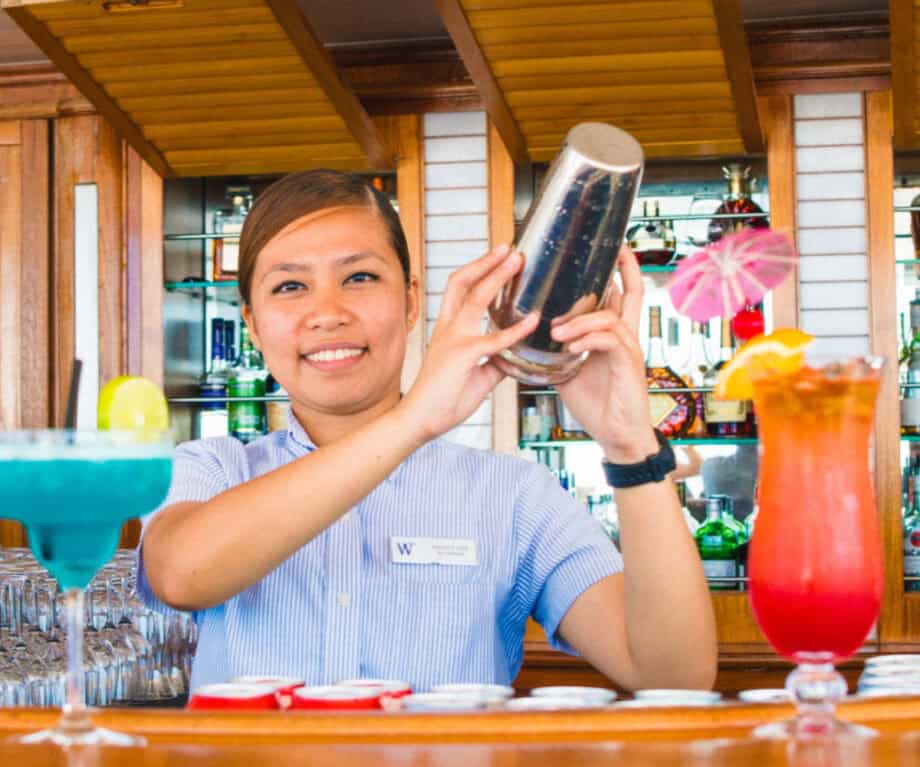
That might mean a crew member remembering a preferred drink, a dietary note or simply a name after the first encounter.
The result is polished without feeling stiff, closer to the mood of a hosted yacht than a conventional cruise operation.
Space also plays a role.
There’s no need to treat a pool lounger like contested territory or rush to secure a table before dinner.
Windstar’s ships are designed for a more relaxed onboard cadence, where the day can unfold without constant scheduling pressure.
For many guests, the most distinctive moment is still the simplest one.
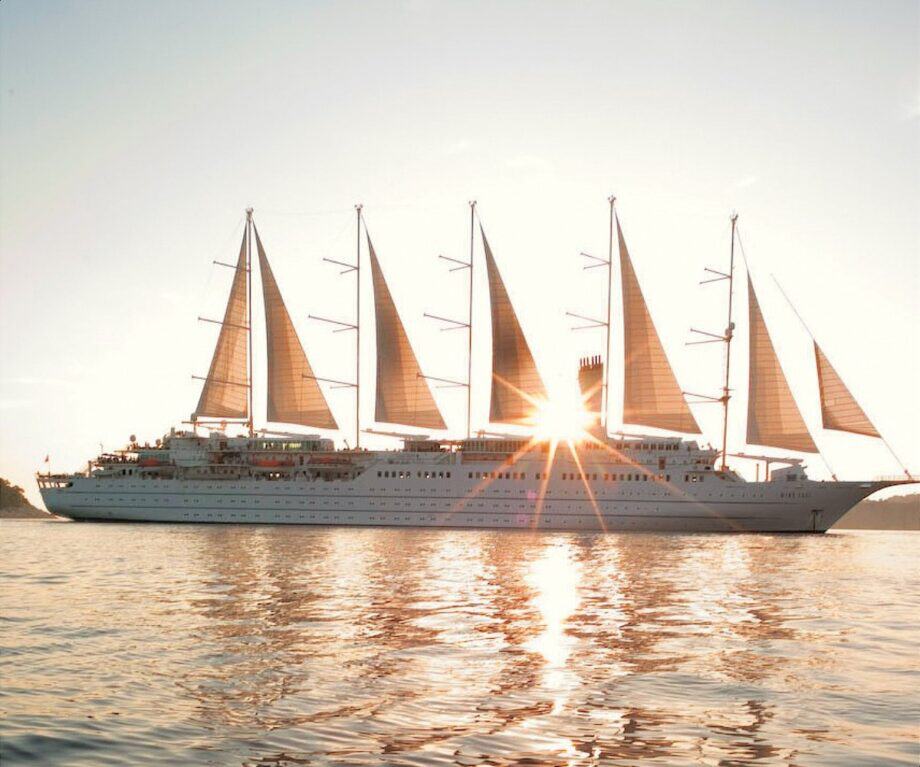
Watching sails unfurl at sea brings a sense of maritime theatre that a resort-style ship can rarely match, especially when the vessel is moving quietly through open water.
Dining that follows the destination
Small ships can sometimes mean limited dining, but Windstar puts notable emphasis on variety.
The Yacht Club covers the easy pleasures of the day, from light breakfasts and speciality coffees to snacks that don’t require a formal sit-down meal.
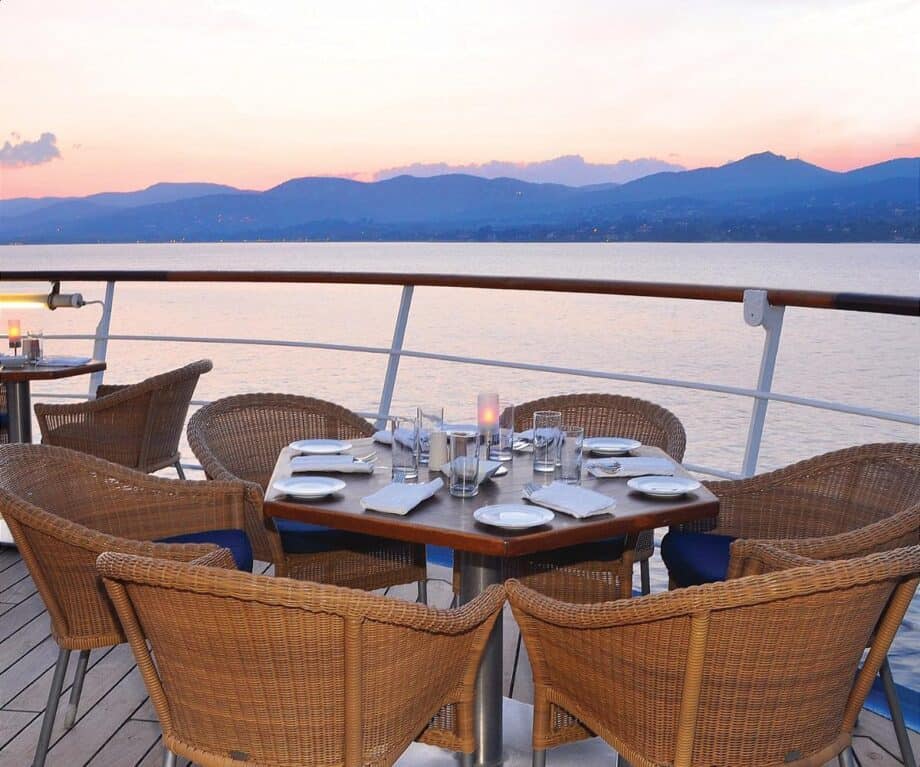
The Veranda serves breakfast and lunch with a mix of buffet choices and freshly cooked dishes, with both indoor and al fresco seating.
By evening, that same venue becomes Candles, a more romantic open-air restaurant where dinner is served beneath the sky.
Amphora is Windstar’s signature dining room, with menus that change regularly to keep longer or consecutive voyages from feeling repetitive.
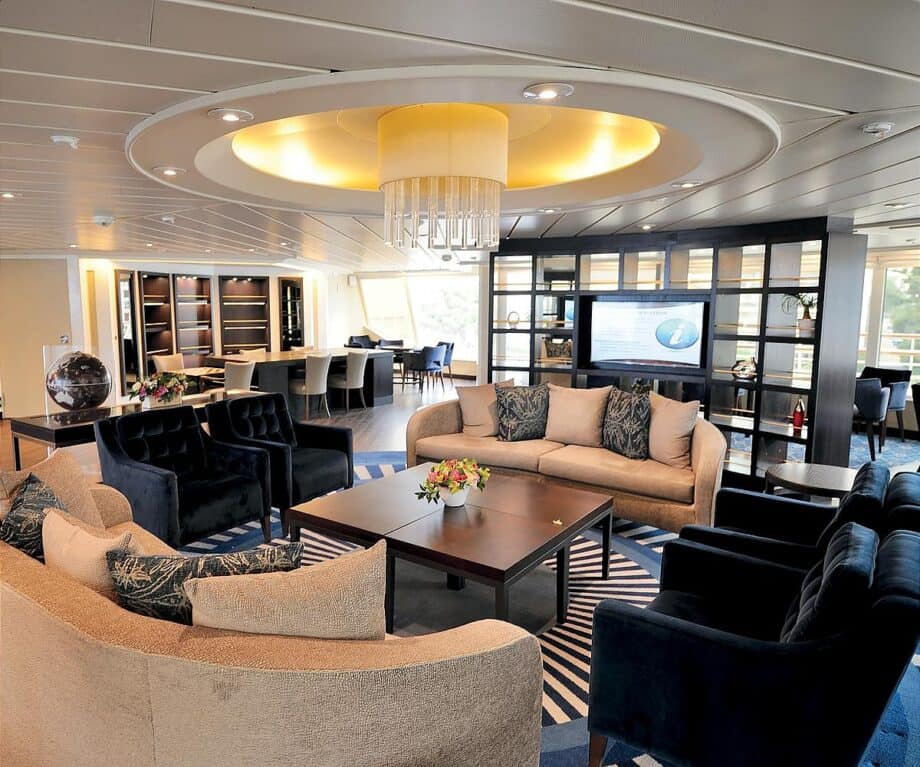
The line’s partnership with the James Beard Foundation adds further culinary depth, bringing new dishes and global influences into the onboard programme.
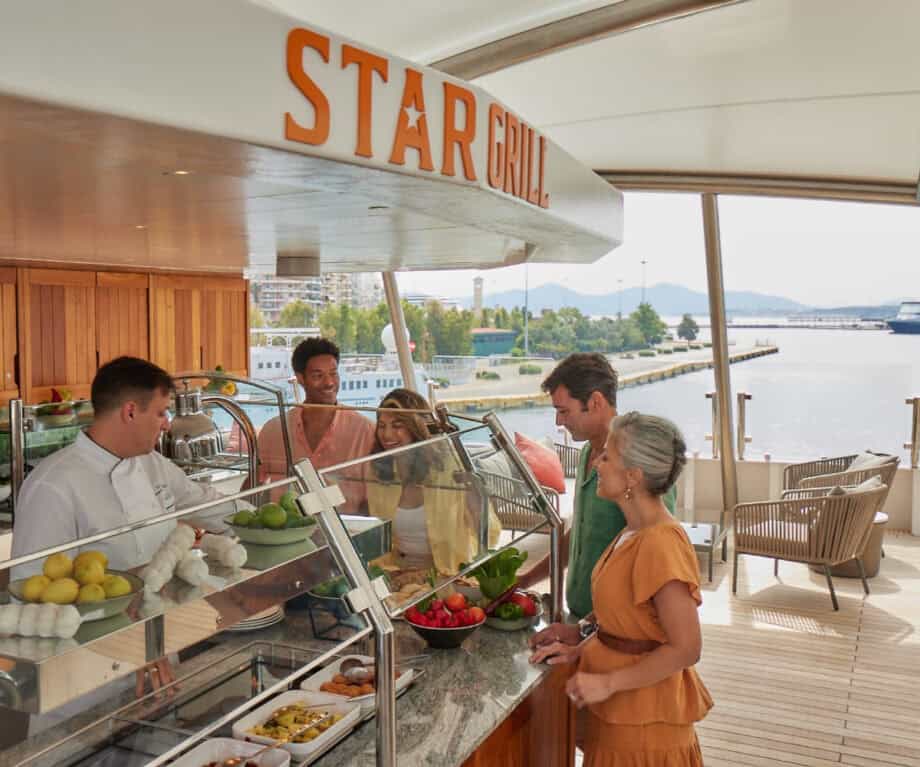
On the top deck, Star Grill offers grilled seafood, premium meats and creative vegan dishes in a more informal setting.
Its neighbouring bar naturally becomes a favourite after-dark perch for a drink in the open air.
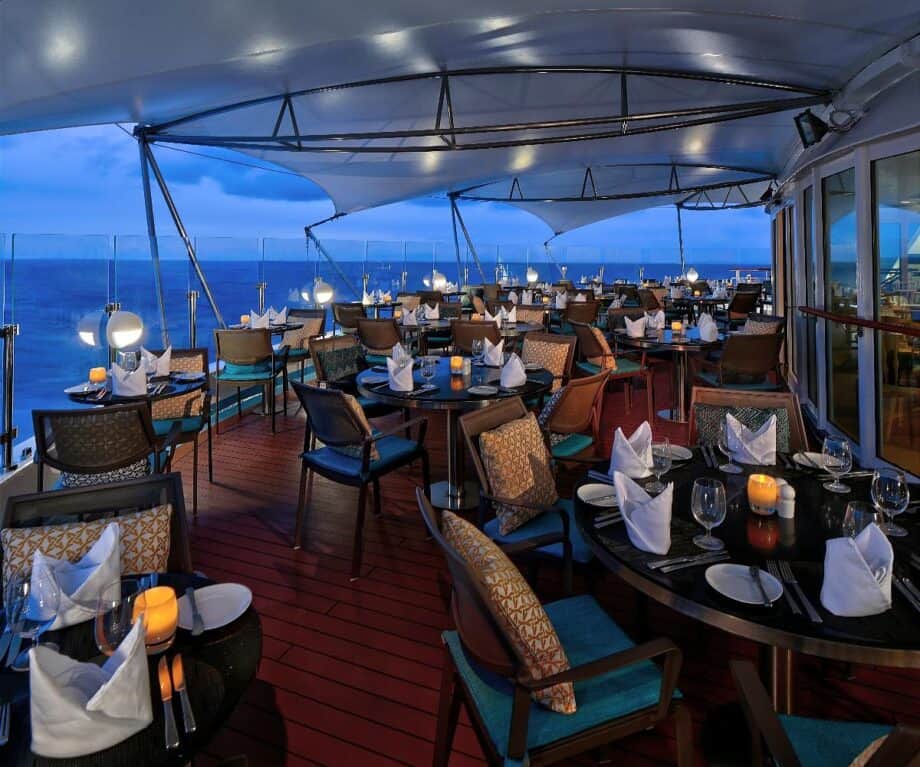
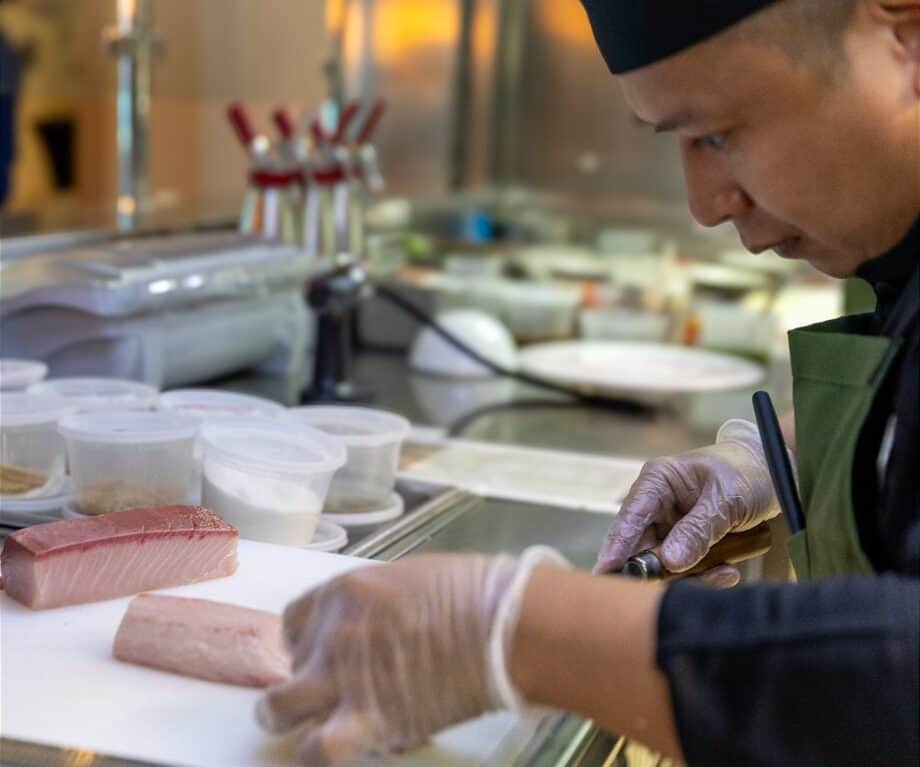
Basil + Bamboo adds another layer, with reservation-only East-meets-West cooking that includes sushi, tuna tartare, blackened miso cod and well-prepared steaks.
In selected ports, guests can also join chefs at local markets as they shop for ingredients, turning the day’s food culture into part of the travel experience rather than a backdrop to it.
Shore experiences with more texture
Windstar’s shore programme is strongest when it uses the small-ship format to avoid the usual crowd choreography.
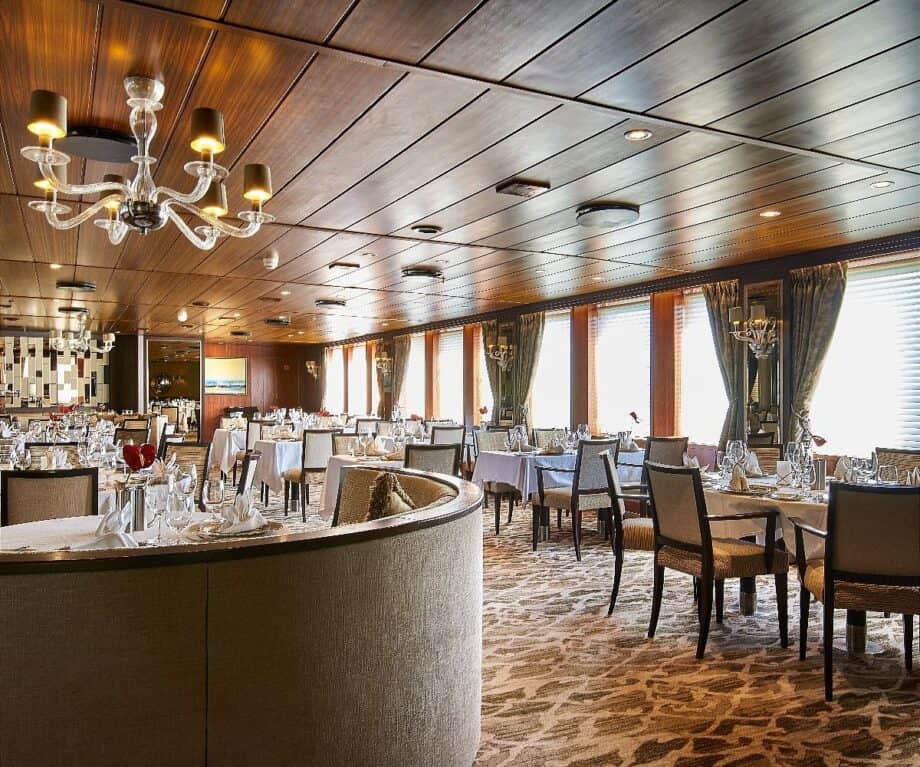
Excursions are designed for smaller groups, with experiences that lean into local food, craft, history and performance.
In Bora Bora, a Destination Discovery Event brings together Polynesian fire dancers and a beachside feast.
In Cartagena, a tapas trail explores one of Spain’s most sociable culinary traditions.
Near Valencia, guests can learn to cook paella in the kitchen of a traditional finca, which is far more memorable than simply reading the dish on a menu.
The access continues back on board through Windstar’s open bridge policy.
When the ship isn’t manoeuvring in port, guests are welcome to visit the bridge and observe the navigation team at work.
Evening visits can be especially evocative, with officers pointing out constellations away from urban light pollution and sharing stories about navigation, seafaring and life at sea.
Refinement without the formal theatre
Windstar’s social atmosphere is relaxed but considered.
Evenings are smart casual, so guests can leave tuxedos and gowns at home without sacrificing a sense of occasion.
Open dining keeps the mood flexible, with no fixed seating times forcing the day into a rigid pattern.
The ships tend to attract curious, well-travelled passengers who enjoy swapping discoveries over a pre-dinner cocktail as much as they enjoy the itinerary itself.
There’s also a useful intellectual thread to the voyage.
Evening presentations introduce the culture, cuisine and history of the next destination, giving each port call a little more context before arrival.
Windstar’s version of luxury is not about maximalism.
It’s about scale, access, ease and the rare pleasure of travelling somewhere beautiful without feeling like part of a crowd.