The pocket watch is moving from antique curiosity to one of the most interesting categories in watchmaking, and 2026 may be the year it fully steps back into view.
This is not nostalgia for waistcoats and fob chains so much as a reassessment of what a watch can be when it is freed from the wrist.
New pocket watches are no longer just heritage exercises
Recent releases suggest brands are treating the pocket watch as a serious contemporary format rather than a charming historical aside.
Hublot’s 42mm MP-16 Arsham Droplet, created with Daniel Arsham, pushed the category toward sculptural futurism rather than Victorian revivalism.
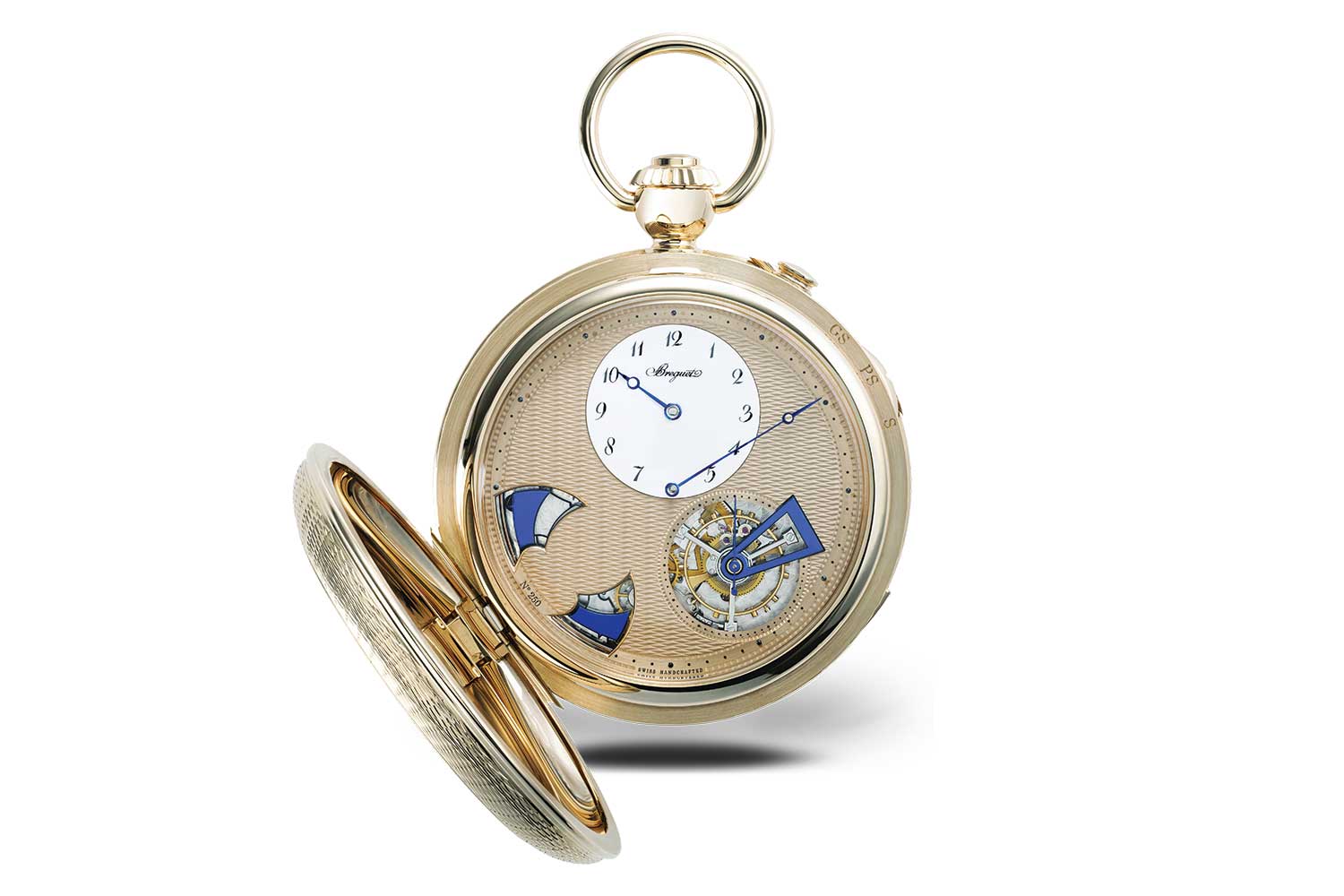
Breguet took a more classical route with the Classique Grande Sonnerie Métiers d’Art 1905, a high-complication pocket watch with grande and petite sonnerie, a minute repeater and a magnetic regulator.
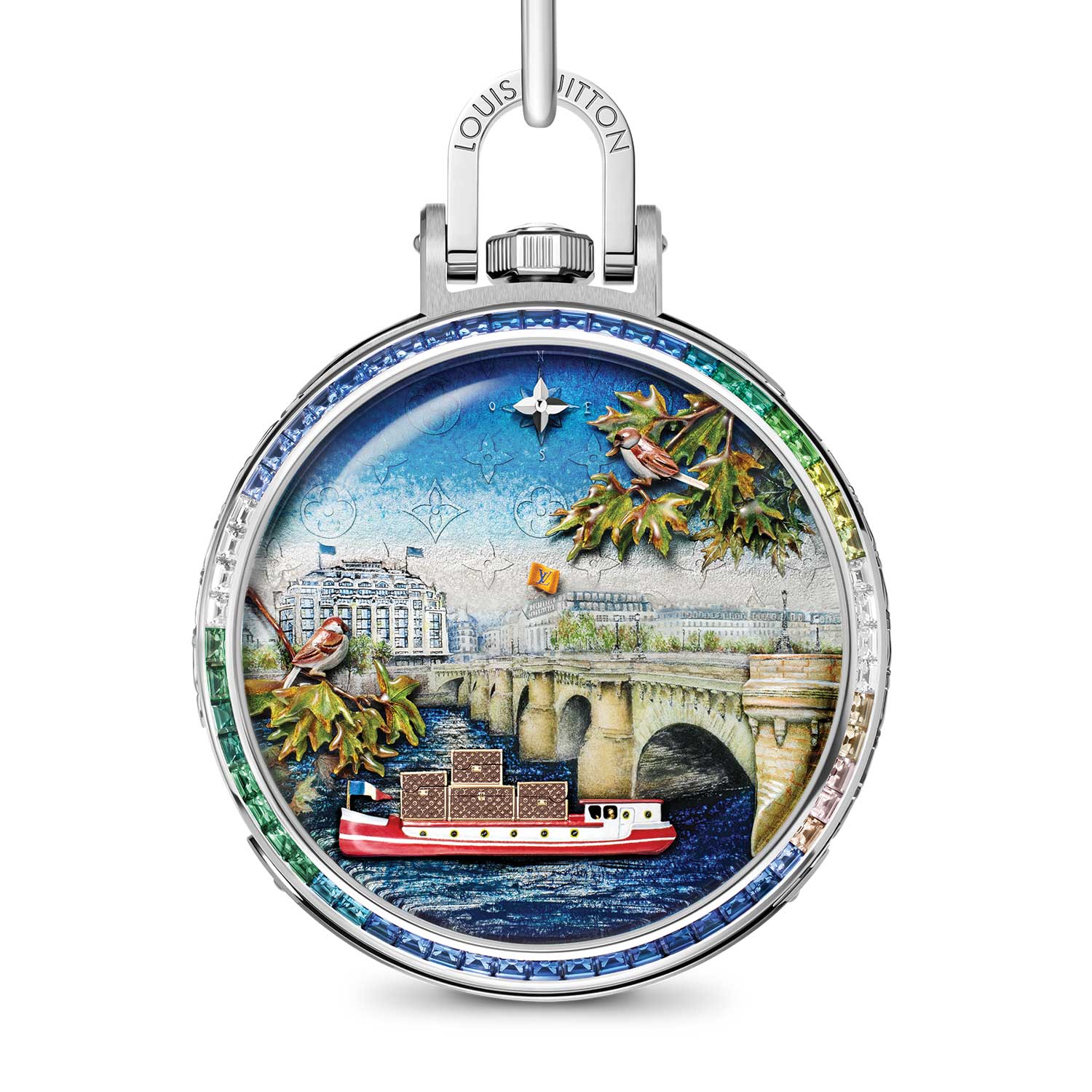
At the more playful end, Christopher Ward and Studio Underd0g produced the Alliance 02, billed by the collaborators as an exceptionally luminous pocket watch, with all 100 pieces selling in under 15 minutes in December 2025.
The larger case is becoming part of the appeal
For years, the industry has been absorbed by the engineering challenge of making wristwatches thinner, smaller or more wearable.
Pocket watches offer the opposite pleasure, giving movements room to breathe and giving collectors a much larger view of the mechanics and decoration.
That extra scale matters, especially with hand-finishing, engraving, enamel, automata and other métiers d’art techniques that can feel constrained on a wristwatch dial.
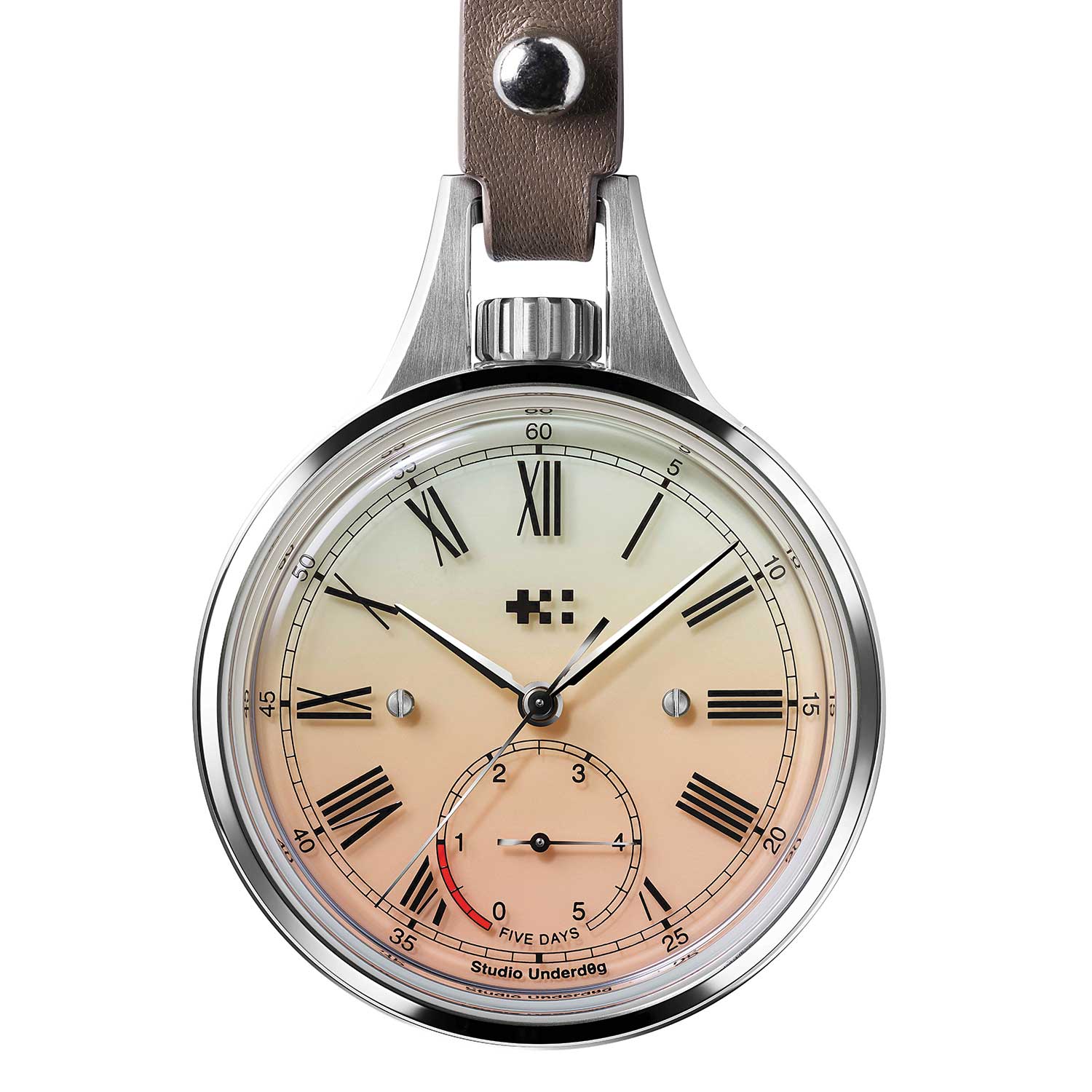
Louis Vuitton’s Escale au Pont-Neuf, with its animations and moving elements, shows how the pocket watch can become a miniature stage rather than just a timekeeper.
Auction results are changing the conversation
The collector market has also helped reframe the pocket watch as a serious object of pursuit.
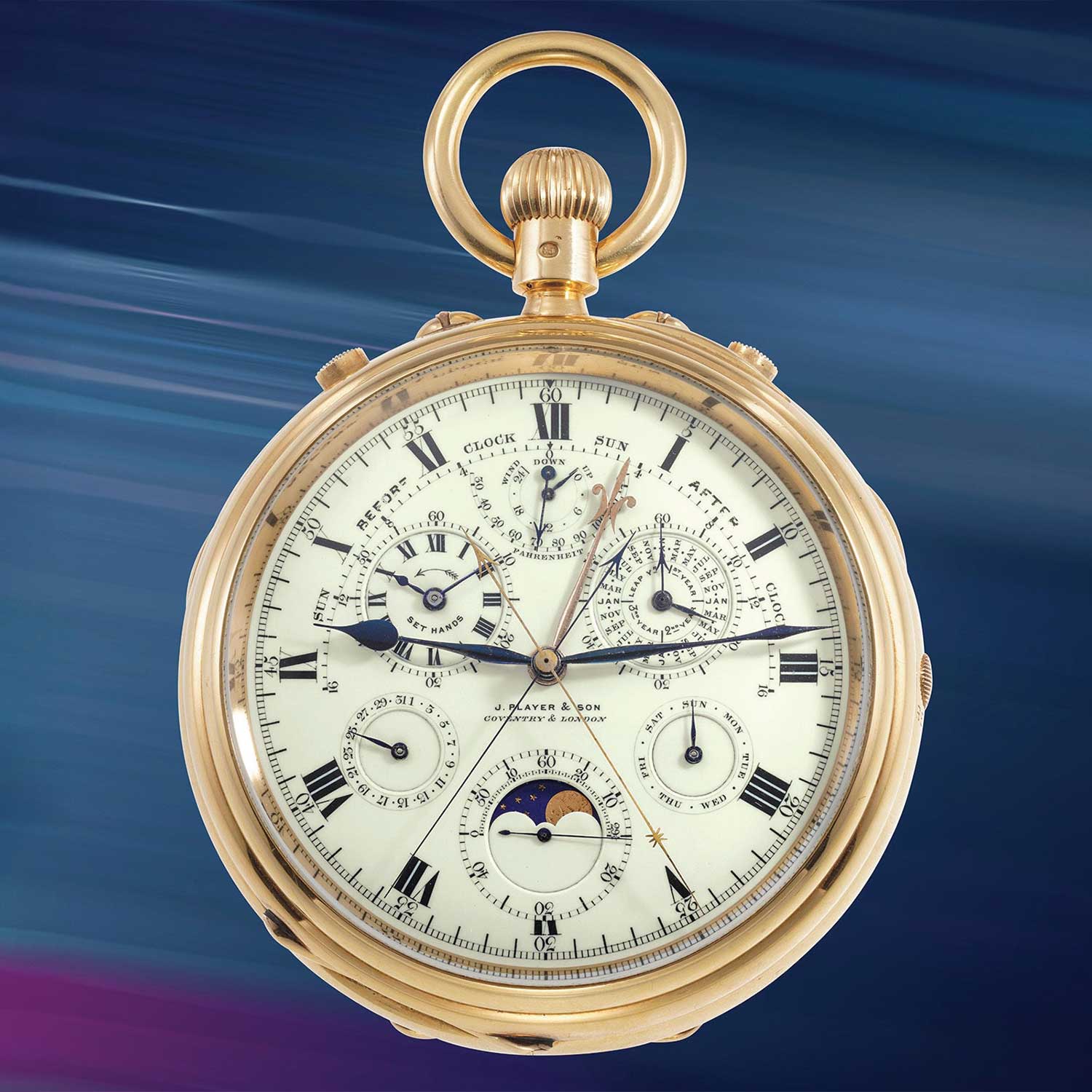
A 1907 J. Player & Sons “Hyper Complication” with tourbillon, split-seconds chronograph, alarm, moonphase and thermometer sold for CHF 2.2 million, setting a benchmark for an antique British pocket watch.
Other recent results have reinforced the point, including an A. Lange & Söhne Grande Complication at CHF 1.2 million and Derek Pratt’s celebrated Urban Jürgensen “The Oval” at CHF 3.7 million.
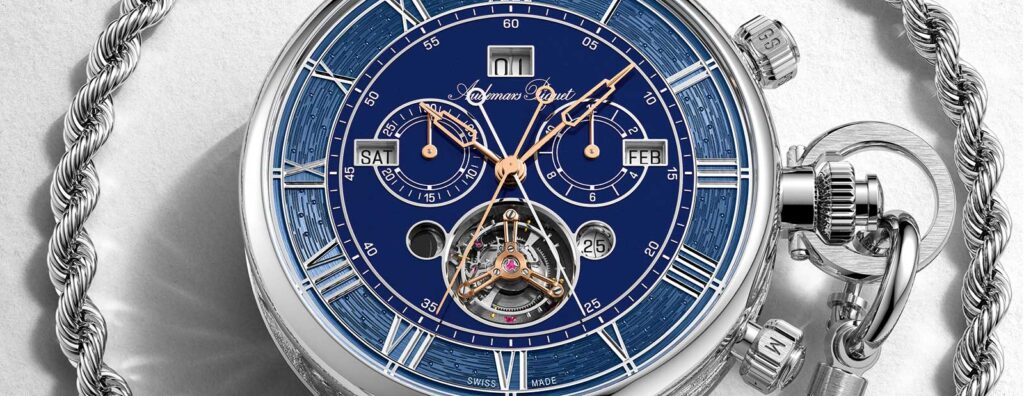
Audemars Piguet’s “Grosse Pièce” No. 16869 reached USD 7.7 million including premiums, while the Patek Philippe Henry Graves Supercomplication still stands as the most expensive timepiece ever sold at auction after its USD 24 million result in 2014.
Who the modern pocket watch buyer is
The renewed interest is not limited to museum-grade complications or record-setting pieces.
For younger collectors especially, pocket watches can offer craftsmanship, rarity and mechanical depth at prices that often look restrained beside comparable wristwatches.
They also suit a different kind of ownership, one that is less about daily wear and more about interaction, display and study.
A pocket watch can sit on a desk, be handled like an object, or be shown to someone who does not need a loupe to understand why the movement finishing matters.
That may be the real reason the format feels timely again, because it offers a slower and more deliberate relationship with watchmaking at a moment when the wristwatch world can feel saturated.
If 2026 becomes the year of the pocket watch, it will not be because collectors have suddenly forgotten the wristwatch, but because the most compelling watches no longer need to be worn on the wrist to feel relevant.