The tourbillon has become a familiar milestone for independent watchmakers, but Vincent Deprez gives the genre a sharper sense of purpose.
His Scientific Tourbillon is not just a display of mechanical ambition, it’s an argument for a slower and more personal way of making watches.
From his workshop in Plan-les-Ouates, Deprez builds most of the watch himself using traditional machinery, manual techniques and finishing methods that modern production has largely moved beyond.
At a glance
- Vincent Deprez has introduced the Scientific Tourbillon, a further development of his 2022 Classical Tourbillon Souscription.
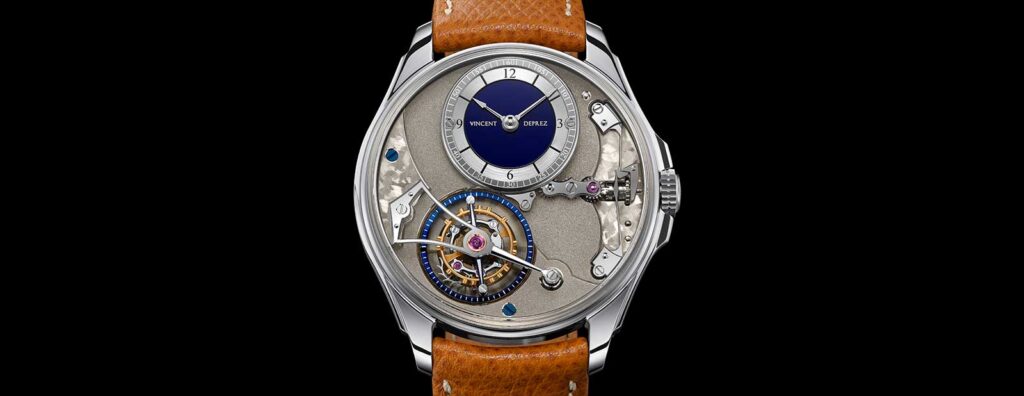
- The watch combines a 39mm steel and titanium case, a deep blue grand feu enamel dial and extensive hand finishing across visible and structural components.
- Production is limited to 10 examples, and all have already been allocated to owners.
A one-man workshop in Plan-les-Ouates
Deprez’s path runs through some of Geneva’s most demanding watchmaking environments.
After training at the Geneva Watchmaking School, he began working at Vacheron Constantin at 15, spending a decade across assembly, regulation and ultra-thin watchmaking.
He later moved to Patek Philippe’s restoration department, where four years with antique watches sharpened his eye for historical construction, repairability and microscopic finishing choices.

That background matters because the Scientific Tourbillon feels less like a modern product engineered for scale and more like a personal study in how a watch can be made when output is kept deliberately small.
Deprez made his debut in 2022 with the Classical Tourbillon Souscription, limited to 10 pieces and produced at a pace of only two to three watches per year.
The Scientific Tourbillon follows the same philosophy, with refinements to the earlier idea rather than a move toward industrial efficiency.
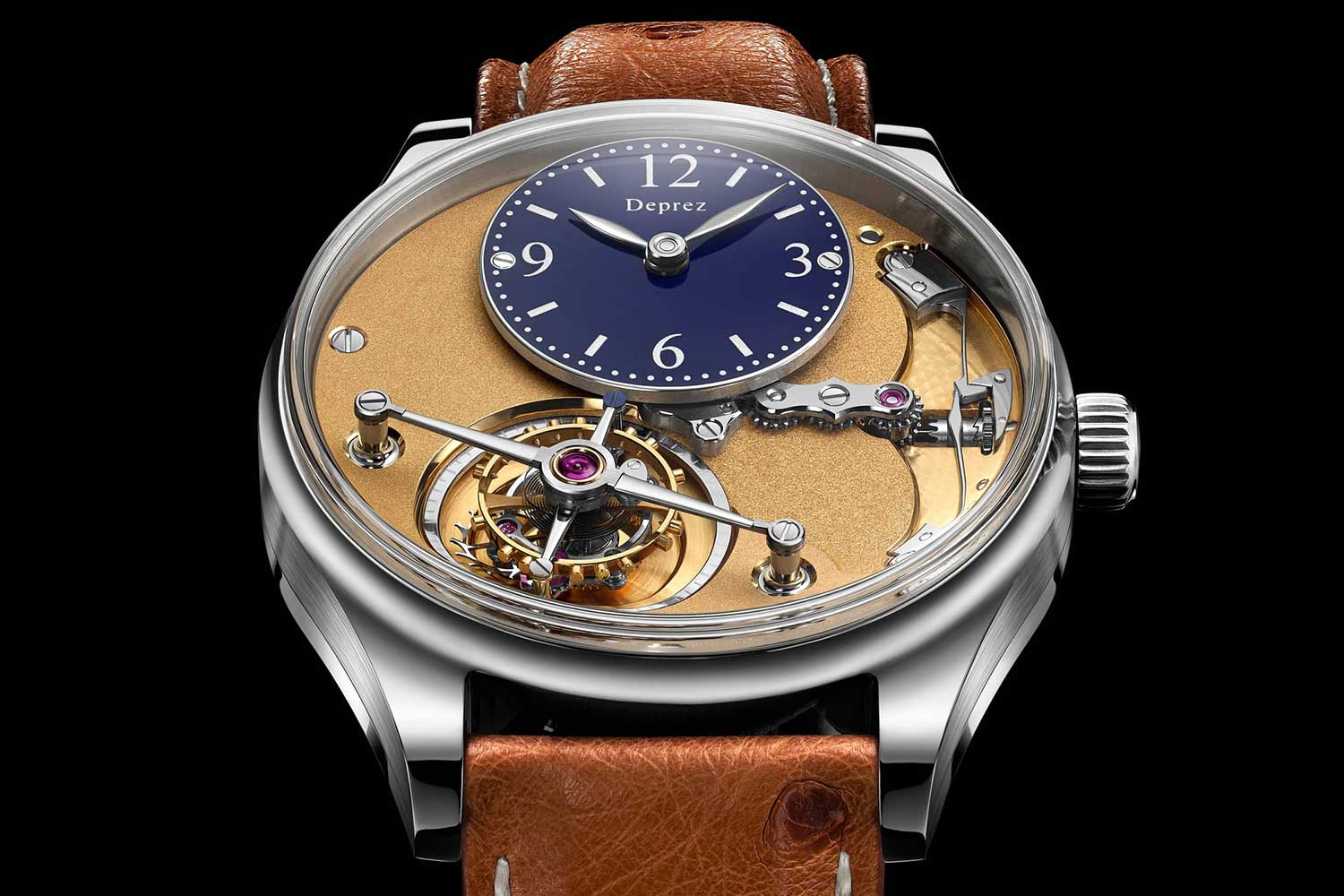
A case cut, fitted and finished the old way
The 39mm case measures 11.3mm thick and is built from two principal parts.
The case middle is made from 316L stainless steel, while the caseback is Grade 5 titanium, selected for its hypoallergenic qualities.
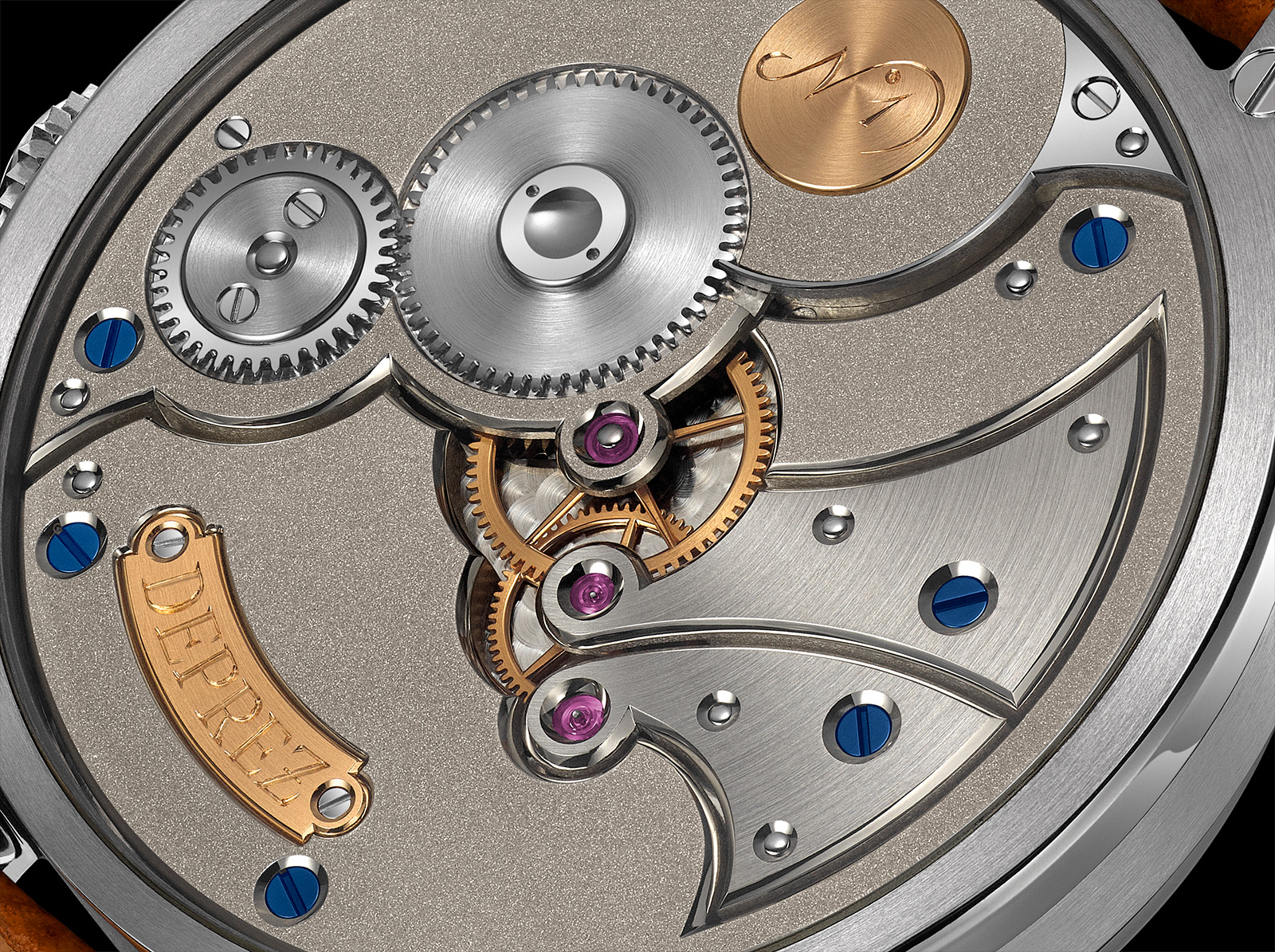
Rather than relying on contemporary CNC production for the architecture, Deprez uses a pantograph for components such as the bridges, mainplate and caseback.

A pantograph reproduces a larger template at a reduced scale by tracing the form manually, giving the watchmaker direct control over the cutting action.
It’s a slower method than modern machining, but it suits Deprez’s approach because the process remains in the hands of the maker from template to finished part.
The caseback is first machined slightly oversized, then adjusted by hand with lapping compound until it sits flush inside the case middle.

It is fastened through the lugs, creating a flat underside and a remarkably integrated construction for a watch made with such traditional means.
The case is rated to 30 metres of water resistance, a useful modern note in a watch whose visual language is otherwise deeply classical.
Crown guards and a subtle shoulder along the case flank give the Scientific Tourbillon a slightly more robust stance than the earlier Classical Tourbillon, but the absence of a bezel keeps attention fixed on the dial.
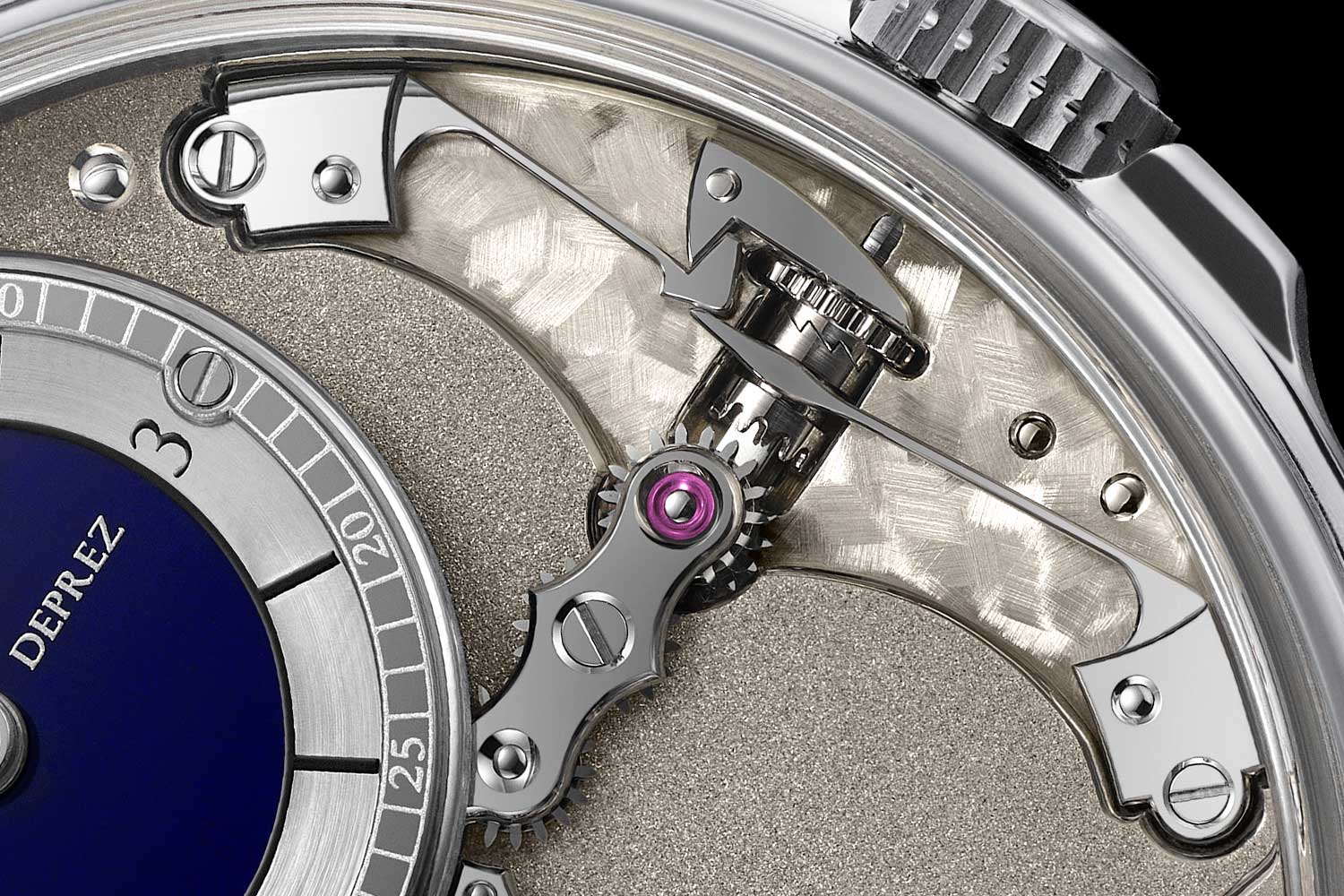
Blue enamel, exposed keyless works and gratté finishing
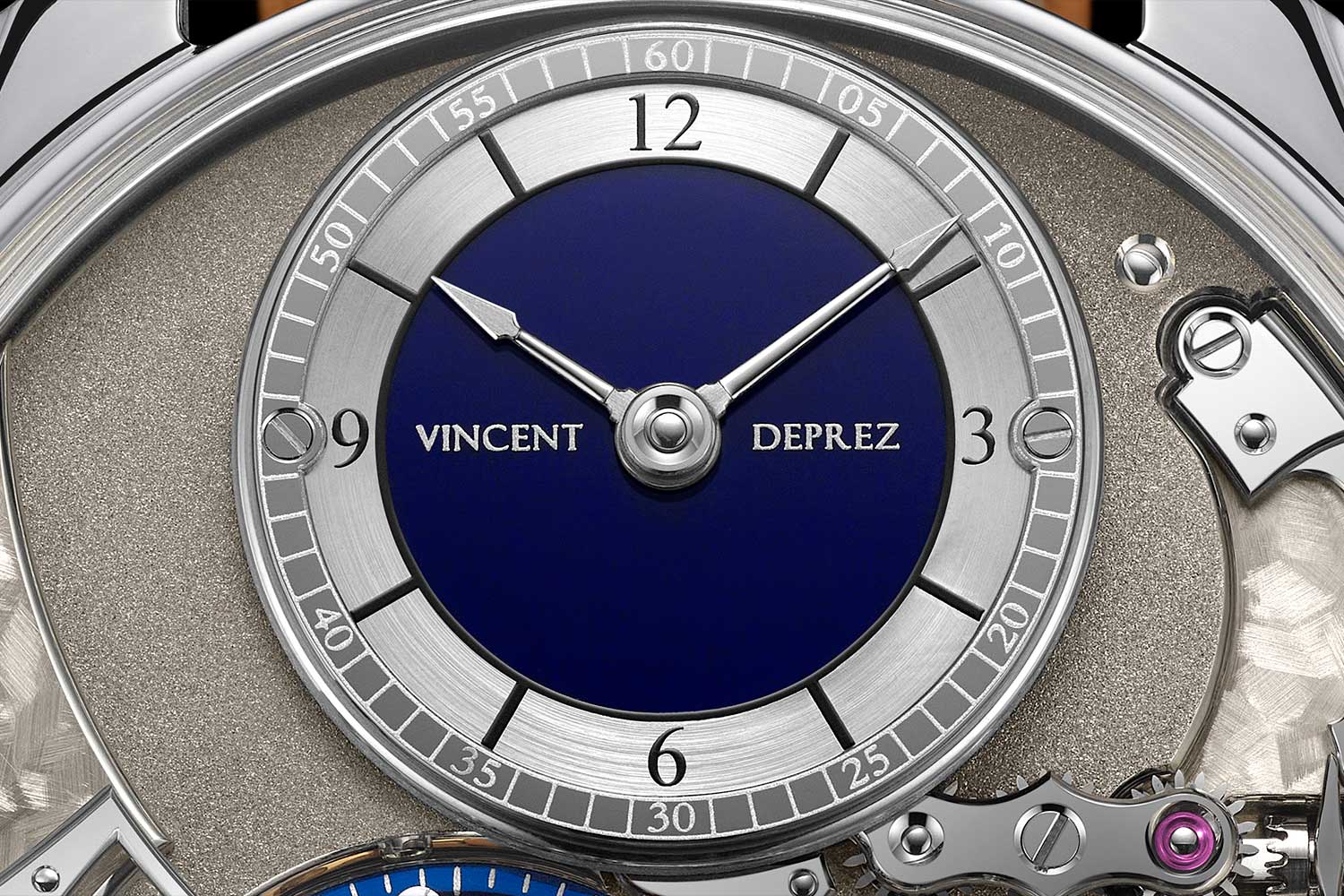
The off-centred dial is one of the watch’s defining elements.
At its centre is a deep blue grand feu enamel disc, repeatedly fired at high temperatures to achieve its colour, depth and polished surface.
A steel chapter ring frames the enamel centre, while the minute ring sits above it and is secured with screws.
The hands are notably refined, with mirror-polished shafts that are domed and sculpted from solid material rather than treated as flat functional elements.
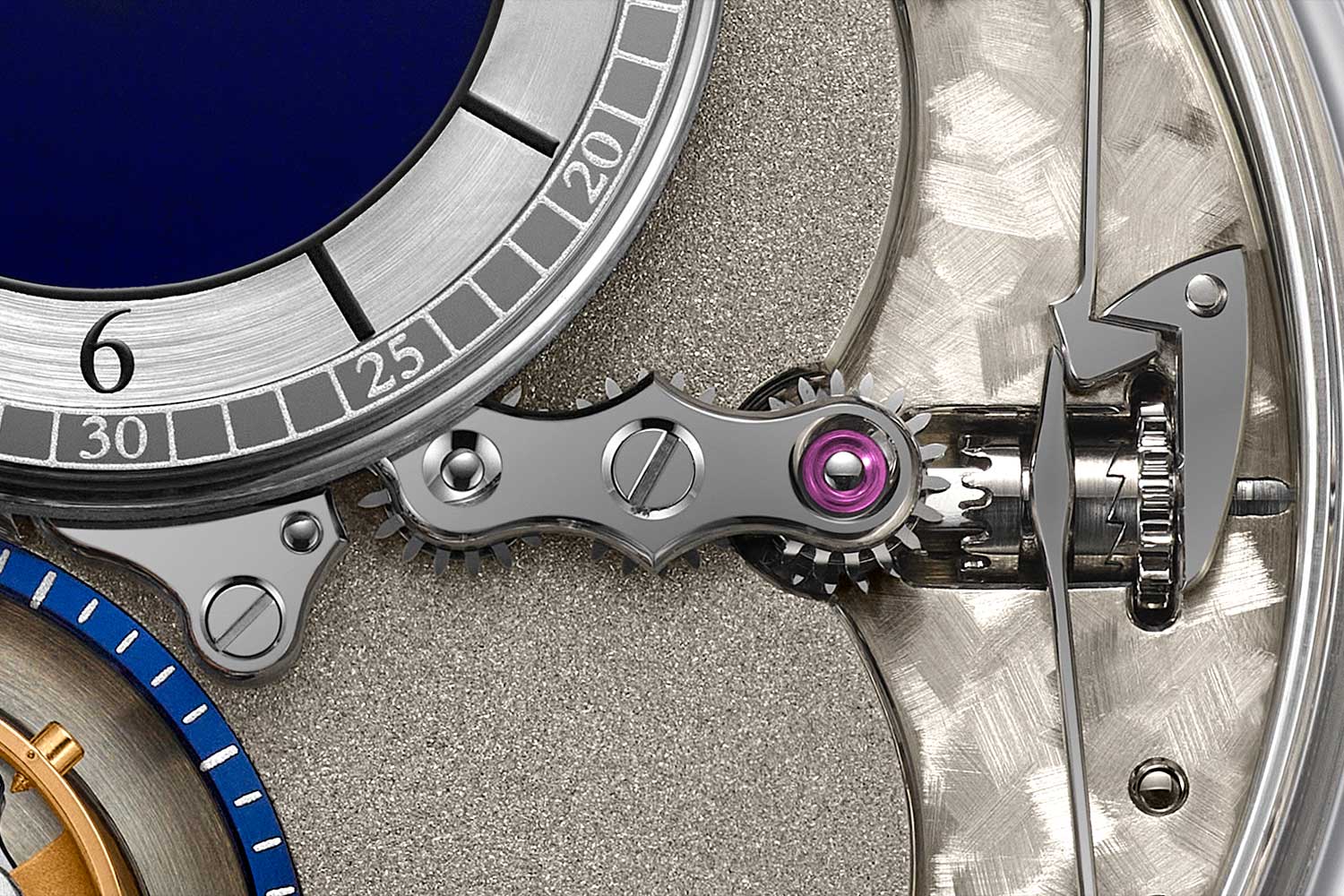
Deprez also leaves the keyless works in view, turning components normally hidden beneath the dial into a focal point.
The setting lever, spring and yoke with its integrated spring are visible, and their execution is unusually elaborate for parts that often receive little attention beyond function.
The long, slender springs are black polished and finished with anglage along their edges, giving humble mechanical parts the treatment more often reserved for bridges or tourbillon cages.
The mainplate and the bridge beneath the tourbillon bridge are made from German silver and finished with gratté.
This surface treatment is built from countless short abrasive strokes, producing a shimmering, mosaic-like texture that changes with the light.
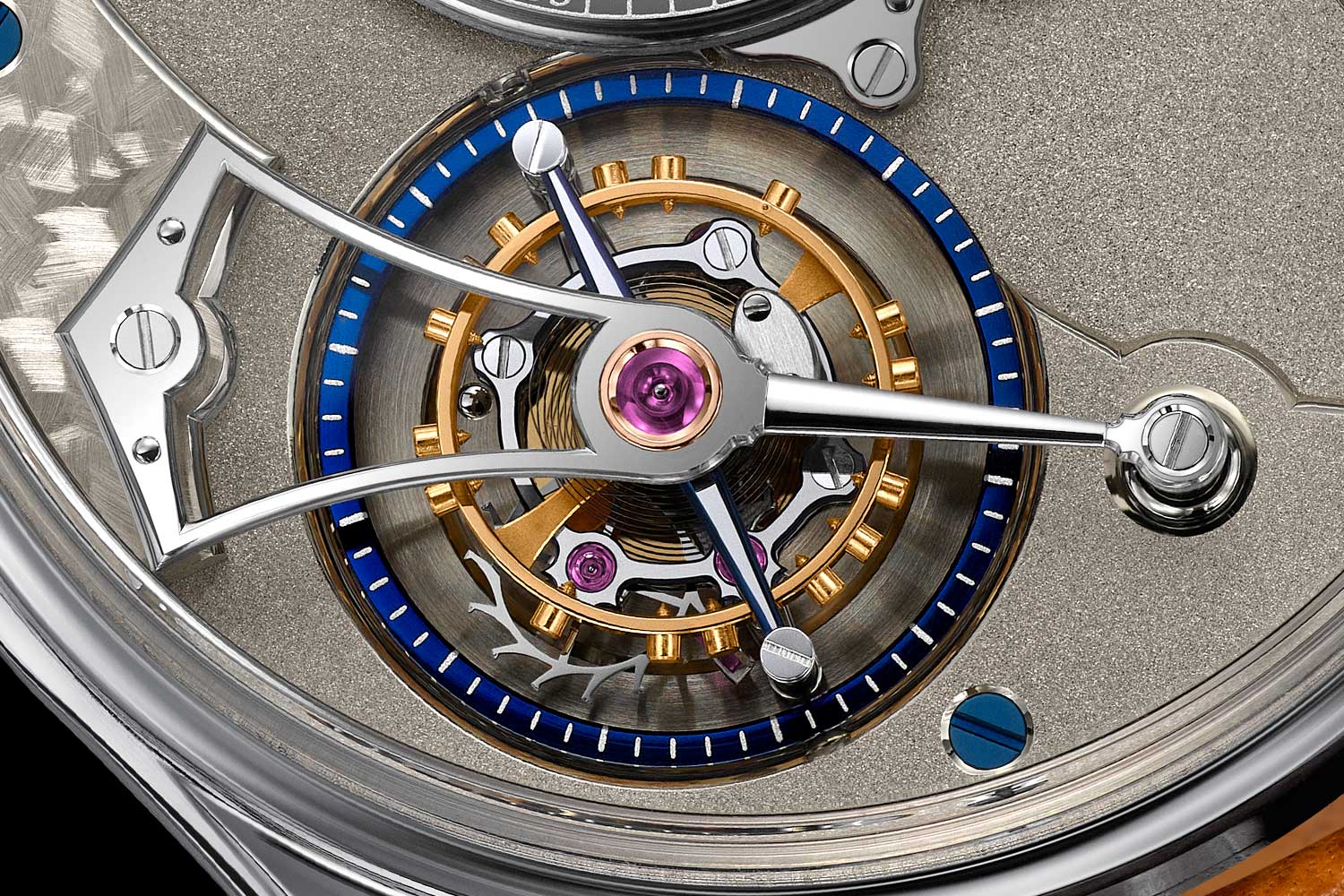
While its roots sit closer to machine-tool finishing than decorative watchmaking, in Deprez’s hands it becomes a quiet visual counterpoint to the enamel and polished steel.
The bridges are hand-frosted, another traditional finish that reinforces the watch’s connection to earlier high craft rather than contemporary uniformity.
Details & Specifications
| Brand | Vincent Deprez |
|---|---|
| Model | Scientific Tourbillon |
| Case size | 39mm x 11.3mm |
| Case material | 316L stainless steel case middle with Grade 5 titanium caseback |
| Dial | Off-centred dial with deep blue grand feu enamel centre, steel chapter ring and screwed minute ring |
| Complication | Tourbillon |
| Mainplate | German silver with gratté finishing |
| Water resistance | 30 metres |
| Production | 10 pieces |
| Availability | All examples allocated |
The Scientific Tourbillon will appeal to collectors who value authorship as much as architecture.
It is a rare contemporary watch where the smallest visible spring, the case fitting and the dial work all point back to the same set of hands, and that gives the piece its quiet authority.