Uzbekistan is one of those destinations that gets under your skin quickly. The architecture is spectacular, but it’s the living traditions behind the tiles, textiles, food and workshops that make the journey linger long after you leave.
Quick summary
- Uzbekistan’s great Silk Road cities combine monumental Islamic architecture with craft traditions that remain part of daily life.
- Khiva, Bukhara and Samarkand stand out for ceramics, embroidery, puppet-making, paper craft, bread and plov.
- The country now protects several UNESCO-listed places and traditions, making it one of Central Asia’s most rewarding cultural journeys.
A journey through Khiva, Bukhara and Samarkand is a reminder that Uzbekistan’s legacy isn’t sealed behind museum glass. It’s in the blue glaze of a minaret, the stitchwork on a cushion cover, the thud of mulberry bark being beaten into paper and the smell of bread pulled hot from a tandoor.
Khiva and the language of blue tile
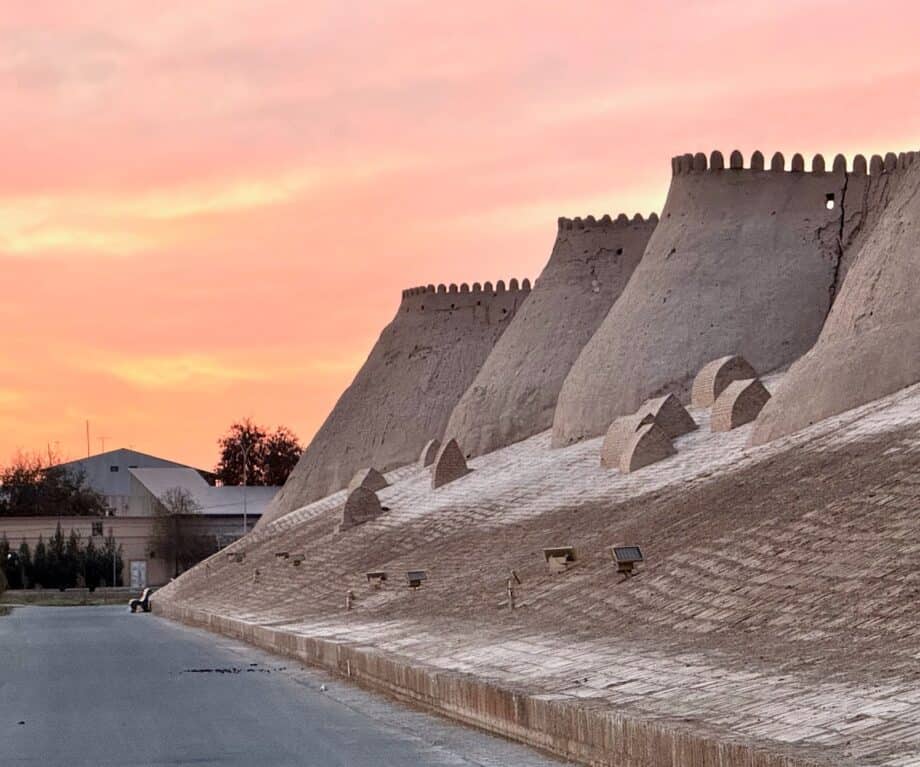
Khiva makes a strong first impression, especially within the walls of Ichan Qala, the old citadel where madrassahs, minarets and mosques sit in a dense historic ensemble.
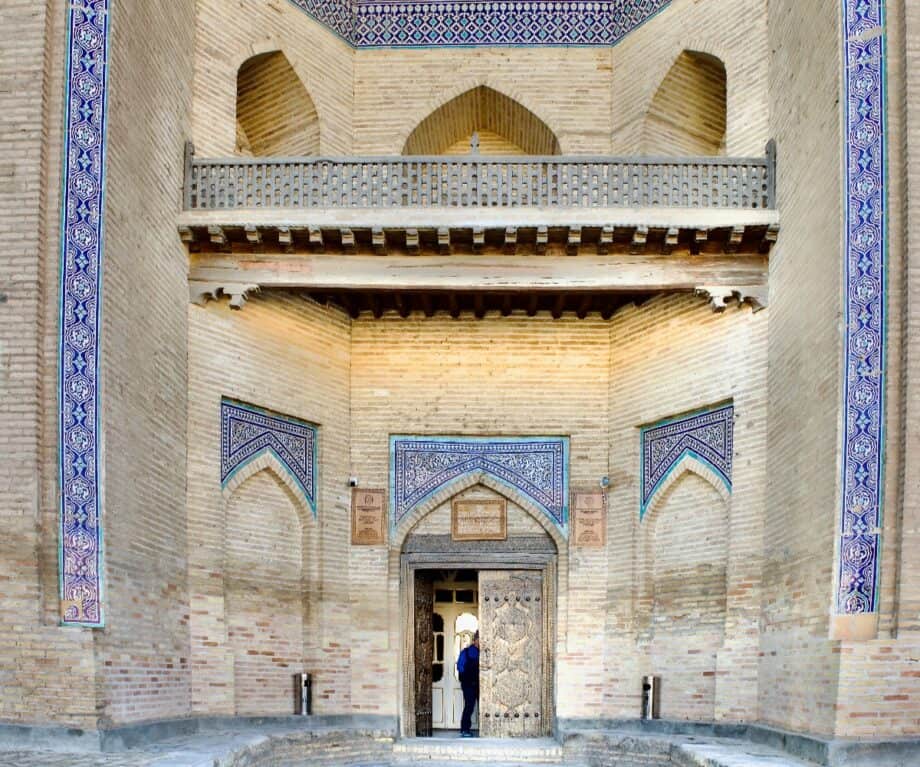
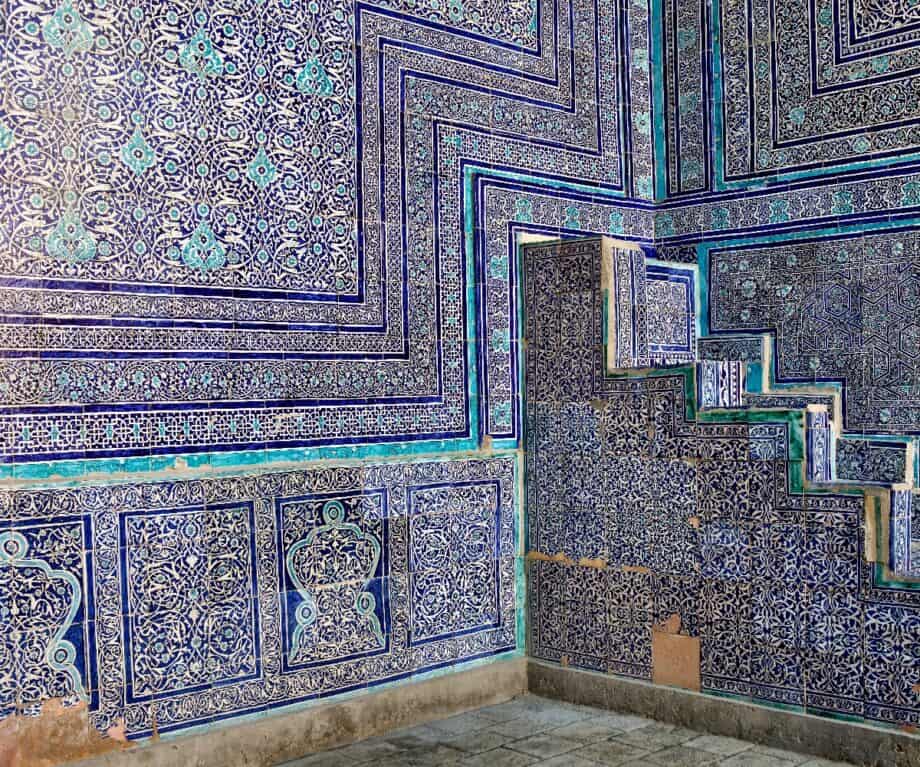
The city’s tilework is more than decoration. Its vivid blues and greens speak to centuries of ceramic knowledge, with techniques shaped by Persian influence and refined by generations of local makers.
That craft heritage still defines the atmosphere of Khiva, where tiled facades catch the light differently throughout the day and turn a walk through the old city into something almost theatrical.
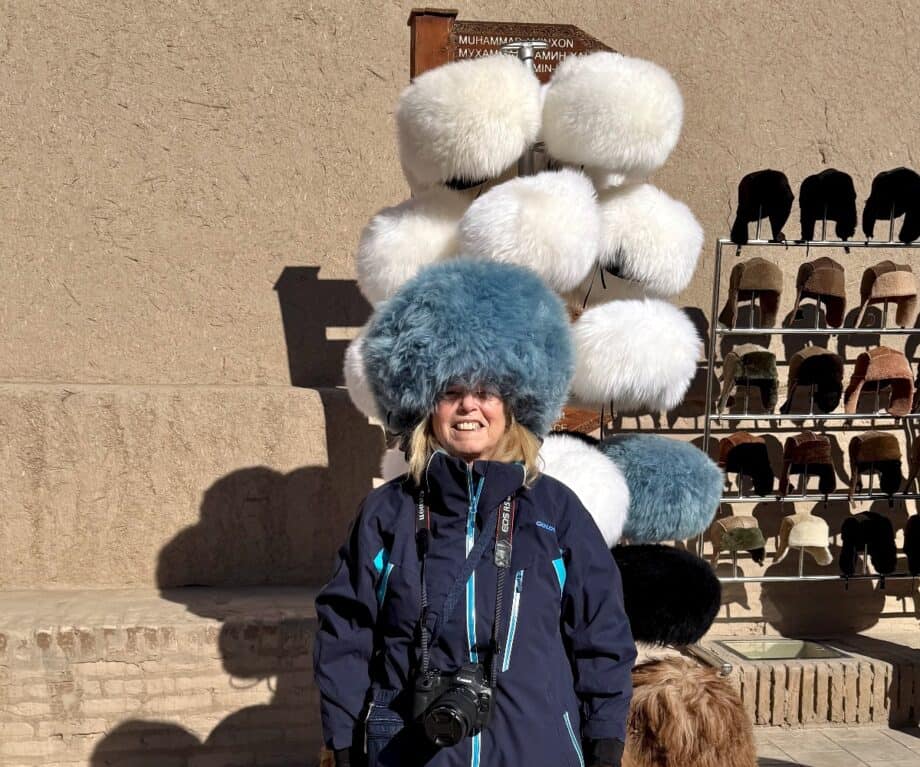
Just as distinctive are the hats seen in markets and on local heads. The doppa, also known as the tubeteika, remains Uzbekistan’s national skullcap, while warmer sheepskin and wool hats show how practical clothing can become part of a country’s visual identity.
Bukhara keeps its stories in thread and theatre
Bukhara has long been one of Central Asia’s great centres of craft, and embroidery remains one of its most expressive art forms.
Traditional Uzbek embroidery is rich in floral and symbolic patterns, often worked in bright thread on cotton or silk. Historically, embroidered textiles formed part of domestic life and dowries, but today they also sit comfortably in contemporary interiors and fashion.
The appeal is immediate because each piece carries the rhythm of the hand. Even a simple cushion cover can feel like a small archive of local colour, patience and inherited skill.
Bukhara also preserves a more mischievous tradition in puppet-making. Painted papier-mâché heads, hand-sewn costumes and improvised performance have been part of local entertainment for centuries, interrupted at times by politics and religion, then revived again with remarkable persistence.
Samarkand shows how craft and water worked together
Samarkand is often discussed in terms of grand monuments, but its craft traditions reveal a more intimate side of the city.
At Konigil, near the ancient Siab Canal, water power demonstrates how village production once worked. Wheels, mills and wooden shafts show the physical effort behind ceramics, flour and traditional Samarkand paper.
The paper-making process is especially absorbing. Mulberry bark is stripped, cleaned, soaked and pounded into pulp before being turned into strong, textured sheets used for books, gifts and decorative objects.
It’s a rare pleasure to see heritage presented as a process rather than a finished souvenir. The value lies in the movement, the repetition and the knowledge passed between makers.
Bread, plov and the rituals of sharing
Food in Uzbekistan carries the same sense of continuity as its crafts.
Bread has a special place at the table, with regional shapes, stamps and flavours that make it far more than a side dish. It is traditionally torn by hand and shared, a simple gesture that says a great deal about Uzbek hospitality.
The most familiar form is round flatbread baked against the inner wall of a tandoor, emerging blistered, fragrant and ready for breakfast, lunch or dinner.
Plov is another national essential, usually made with meat, carrots, onions, oil and rice in a heavy kazan. Like bread, it’s both everyday food and cultural marker, with deep roots in family gatherings and public celebration.
| Place | What stands out | Why it matters |
|---|---|---|
| Khiva | Ichan Qala, ceramic tilework, traditional hats | A compact old city where architecture and craft remain tightly connected |
| Bukhara | Embroidery and puppet-making | A major craft centre with traditions that bridge home life, performance and design |
| Samarkand | Water-powered workshops, paper-making, bread and plov | A place where Silk Road grandeur meets hands-on cultural heritage |
Uzbekistan rewards travellers who look beyond the postcard view. Its monuments are magnificent, but its lasting legacies are often found at workbenches, ovens, looms and market stalls, where the past is still useful, beautiful and alive.
FAQ
What is Uzbekistan best known for culturally?
Uzbekistan is best known for its Silk Road cities, Islamic architecture, ceramic tilework, embroidery, bread, plov and a wide range of regional crafts.
Which cities are best for a first trip to Uzbekistan?
Khiva, Bukhara and Samarkand make an excellent first route because they combine major historic sites with strong local traditions and distinctive atmospheres.
What crafts should visitors look for in Uzbekistan?
Ceramics, embroidered textiles, puppet figures, traditional paper, skullcaps and hand-stamped bread are among the most memorable crafts and cultural objects.
Is Uzbek bread important to local culture?
Yes. Bread is central to everyday meals and hospitality, with many regional styles and a tradition of tearing and sharing it by hand.