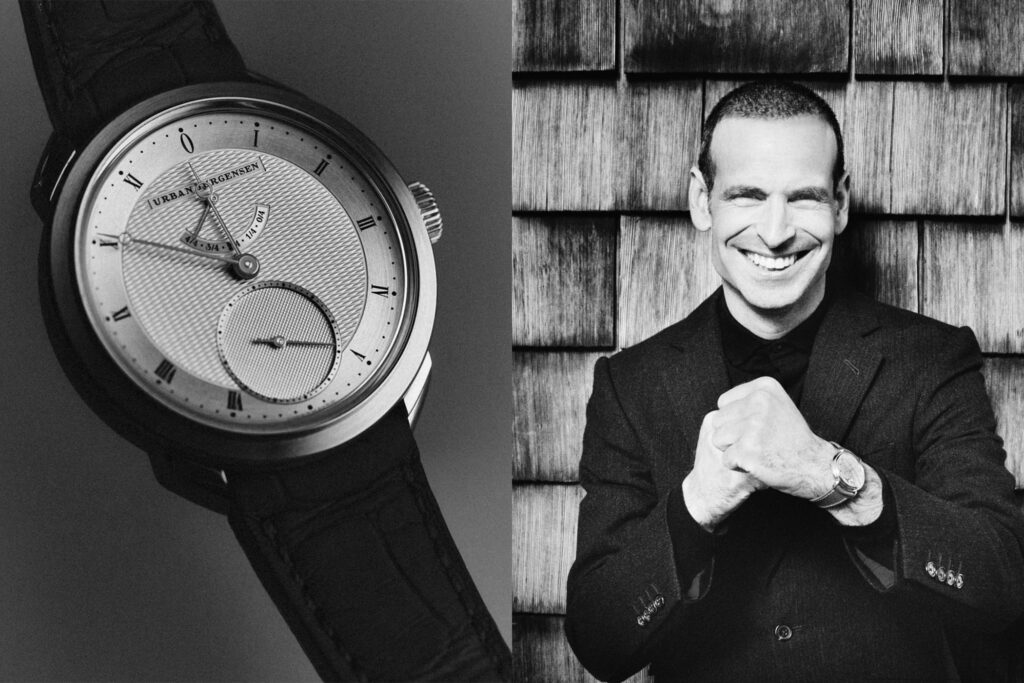
Urban Jürgensen’s return has been one of the more closely watched comebacks in independent watchmaking, not simply because the name carries weight, but because reviving it requires more than nostalgia.
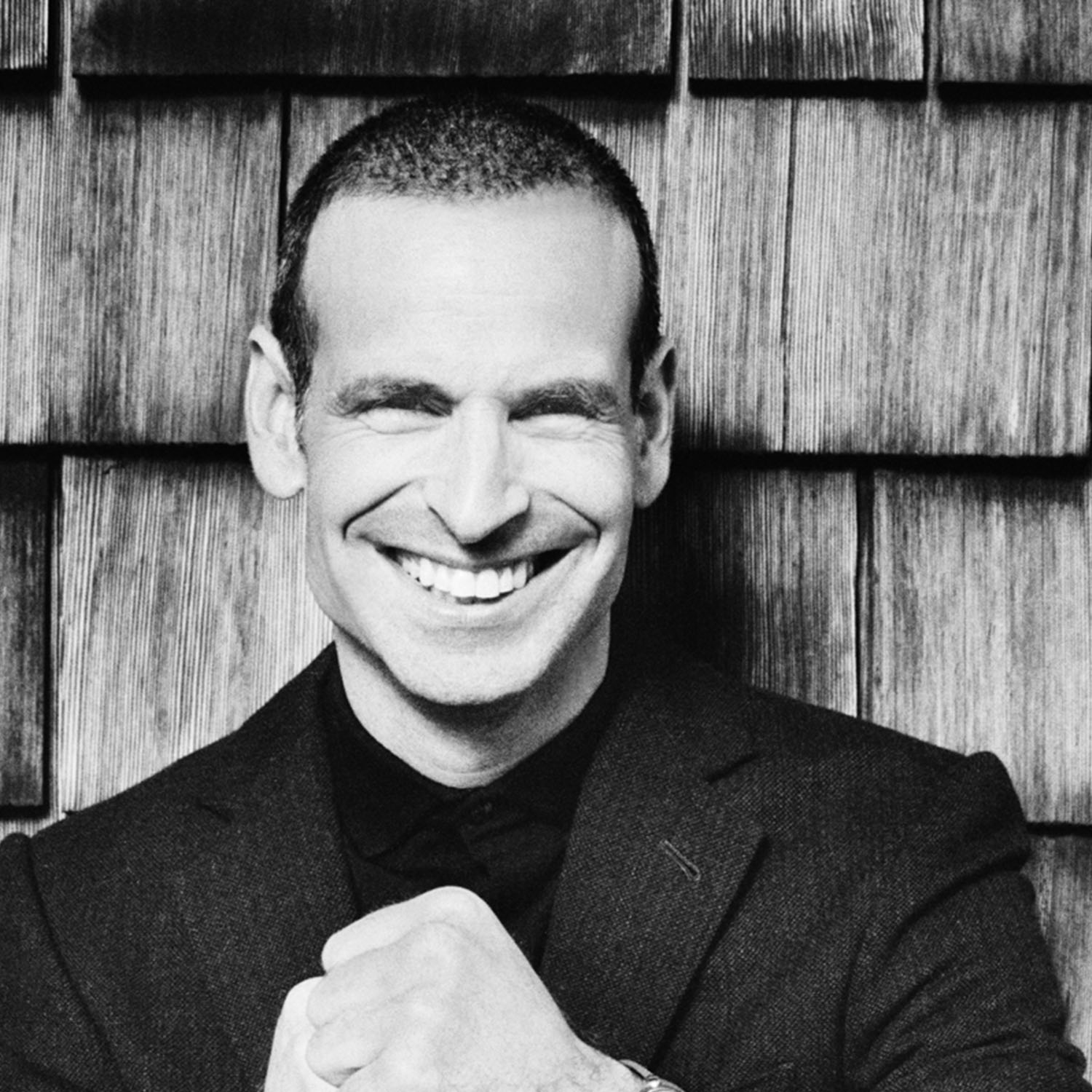
Under Alex Rosenfield, the brand is being rebuilt around a clear idea of authorship, with Swiss watchmaking operations, direct client relationships and a long development horizon rather than a conventional launch calendar.
The result is a revival that’s less about recreating old watches than deciding what a historic Danish-Swiss name should stand for now.
At a glance
- Alex Rosenfield is positioning Urban Jürgensen’s revival around independent, handmade watchmaking rather than a conventional luxury retail model.
- Kari Voutilainen remains involved as an advisor and designer, while the brand is expanding its Swiss team and working with other watchmakers on future movements and complications.
- Urban Jürgensen sells directly, operates by appointment and has a long-term development plan rather than fixed annual launch deadlines.
A revival rooted in collectors, not corporate strategy
Rosenfield’s route into Urban Jürgensen wasn’t the usual industry résumé.
His background was in fashion, beauty and communications, while his father came from finance and had long collected independent watchmaking, including pieces from the Derek Pratt era of Urban Jürgensen.
Rosenfield has described the acquisition as something driven by fandom and concern for the brand’s future, after learning that the previous owners were considering bankruptcy.
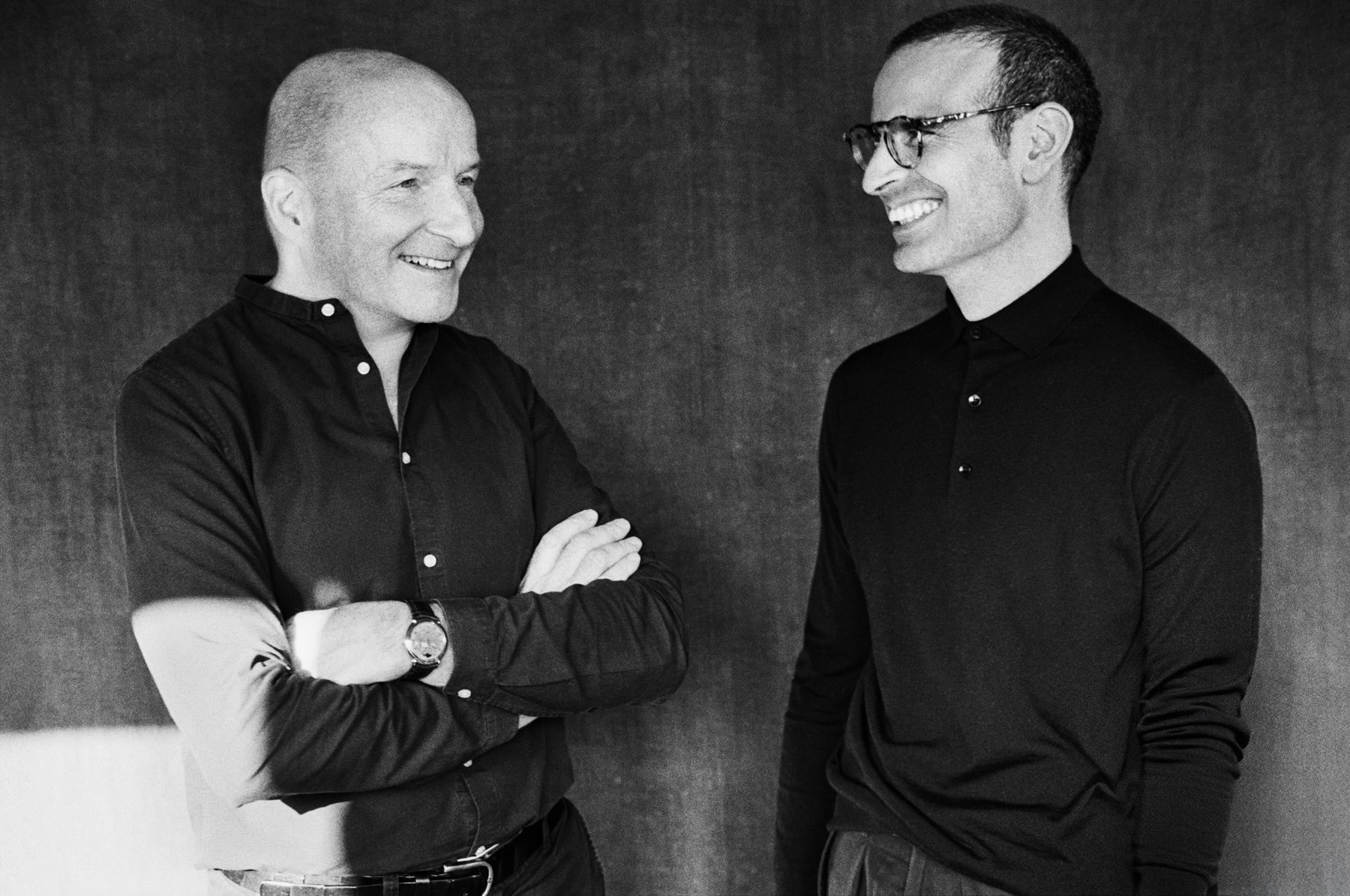
That context matters, because the new Urban Jürgensen is being framed less as an exercise in brand management and more as the continuation of a lineage.
The house’s earlier chapters include the Jürgensen family period and a later golden age associated with Derek Pratt and Peter Baumberger, both of which remain central to how the modern company thinks about identity.
For Rosenfield, the qualities worth preserving are movement innovation, classical beauty, traditional techniques and a visible sense of authorship behind each watch.

Kari Voutilainen as bridge and catalyst
Kari Voutilainen’s involvement gives the revival a direct link to Urban Jürgensen’s modern past.
Early in his career, Voutilainen worked with Derek Pratt and Peter Baumberger, and he was also involved with notable Urban Jürgensen projects including the Pratt Oval Pocket Watch.
Rosenfield has said Voutilainen was deeply connected to the brand and was seen as a natural steward for its return.
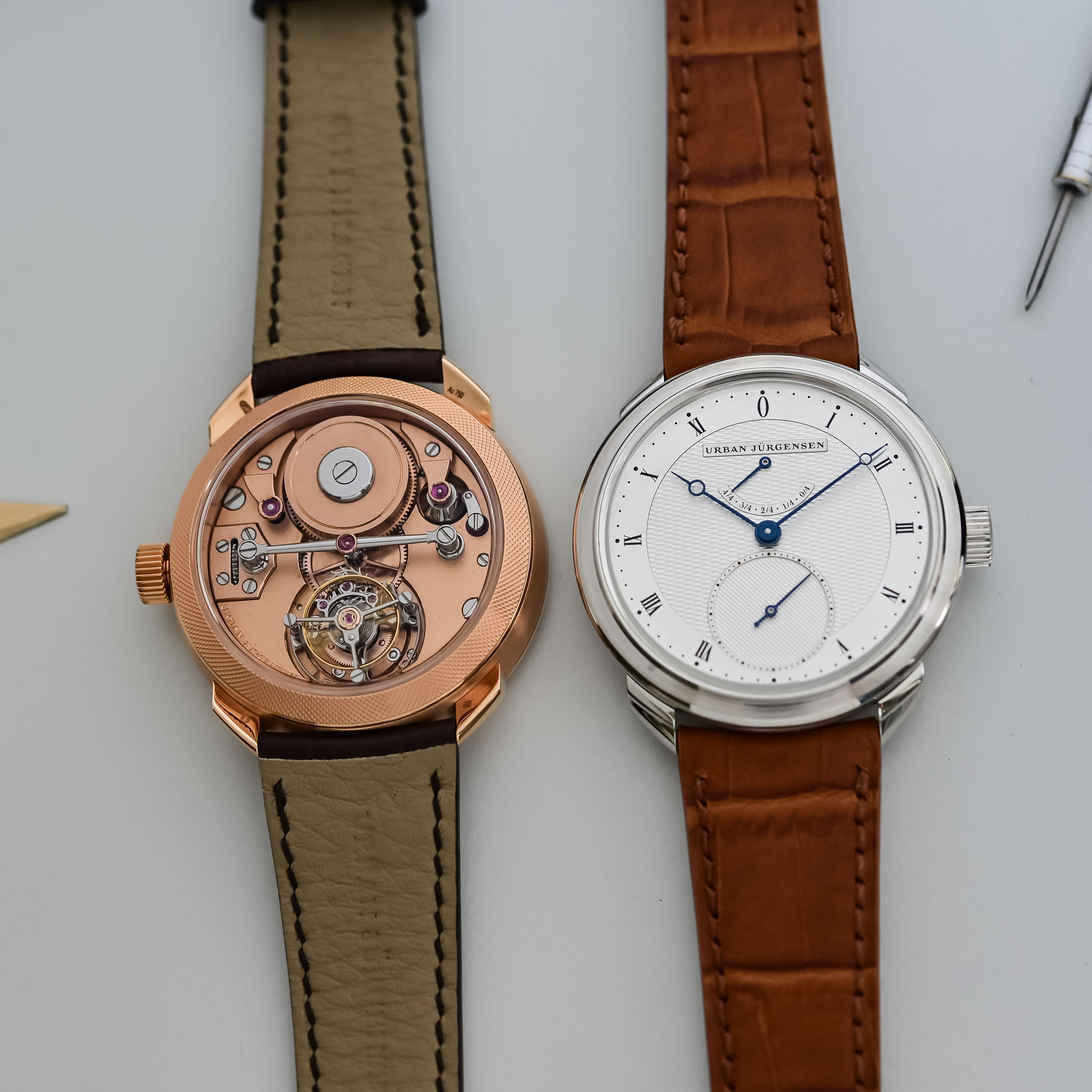
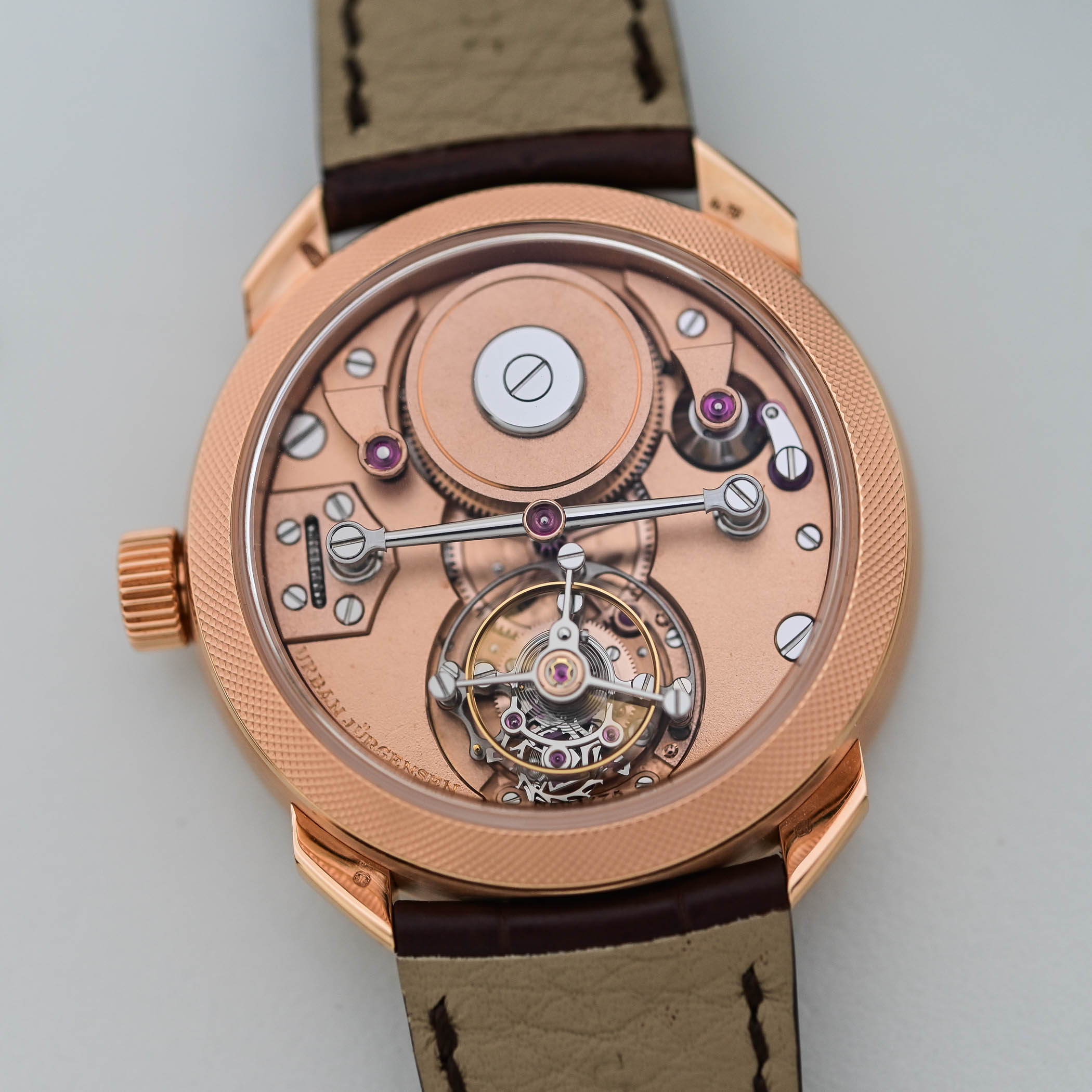
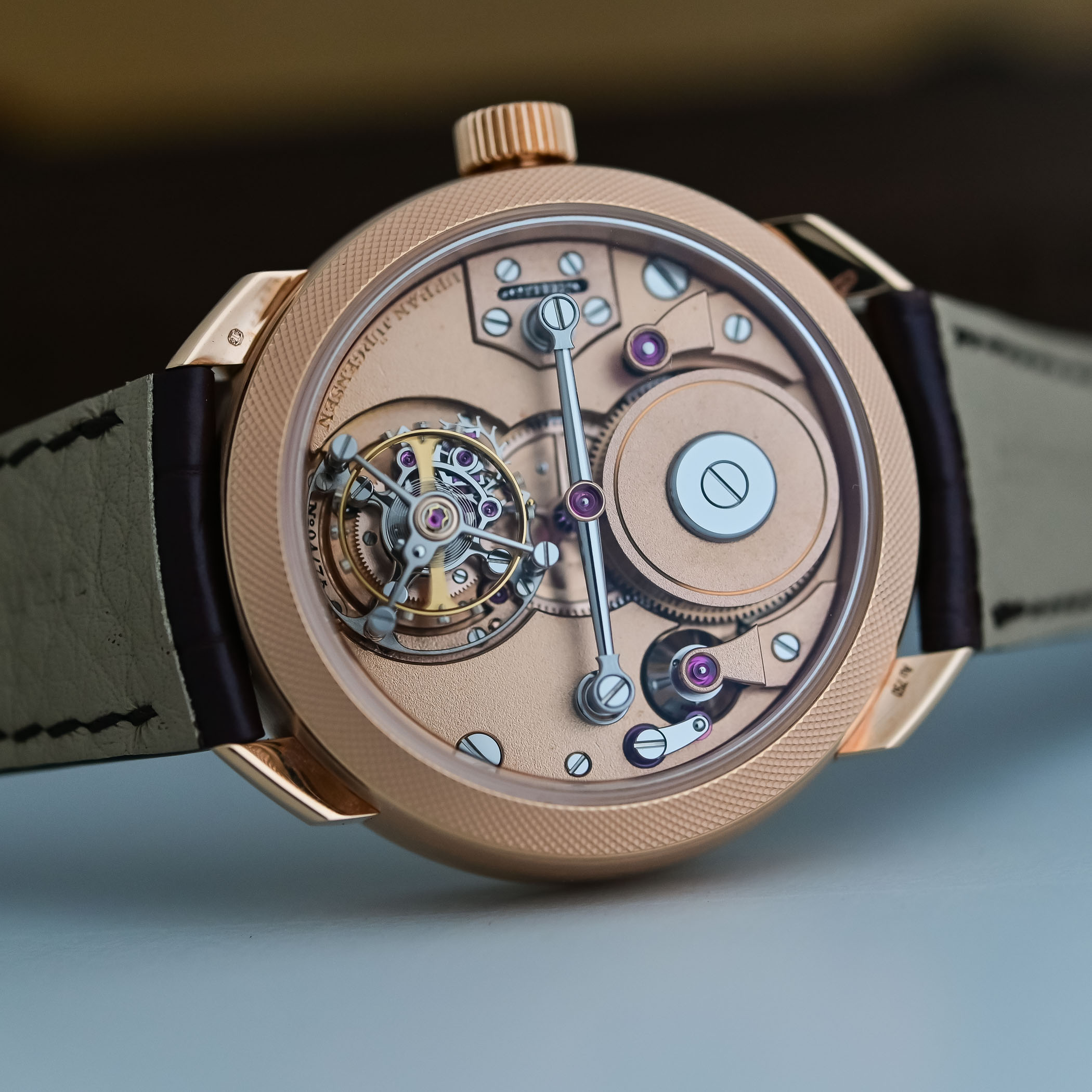
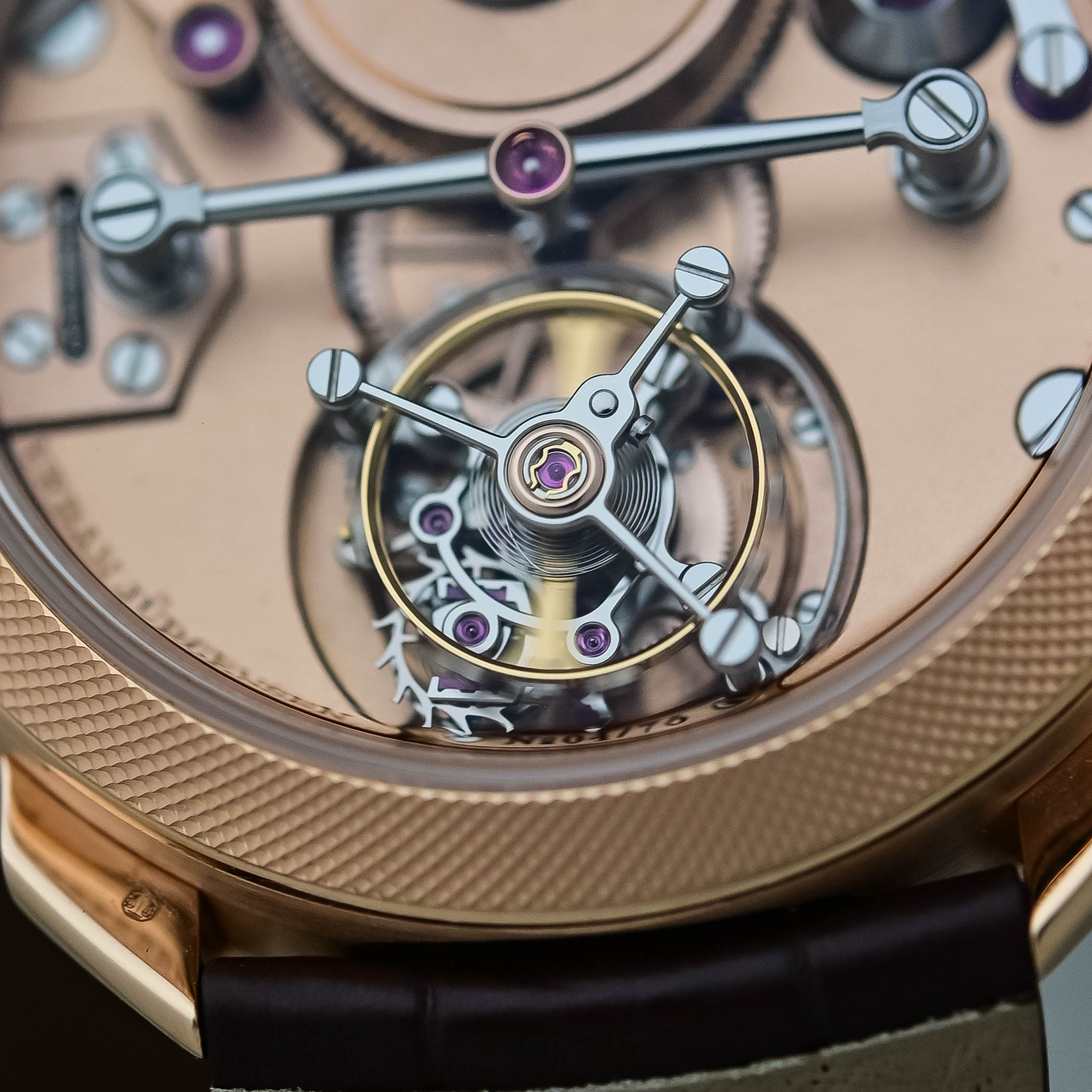
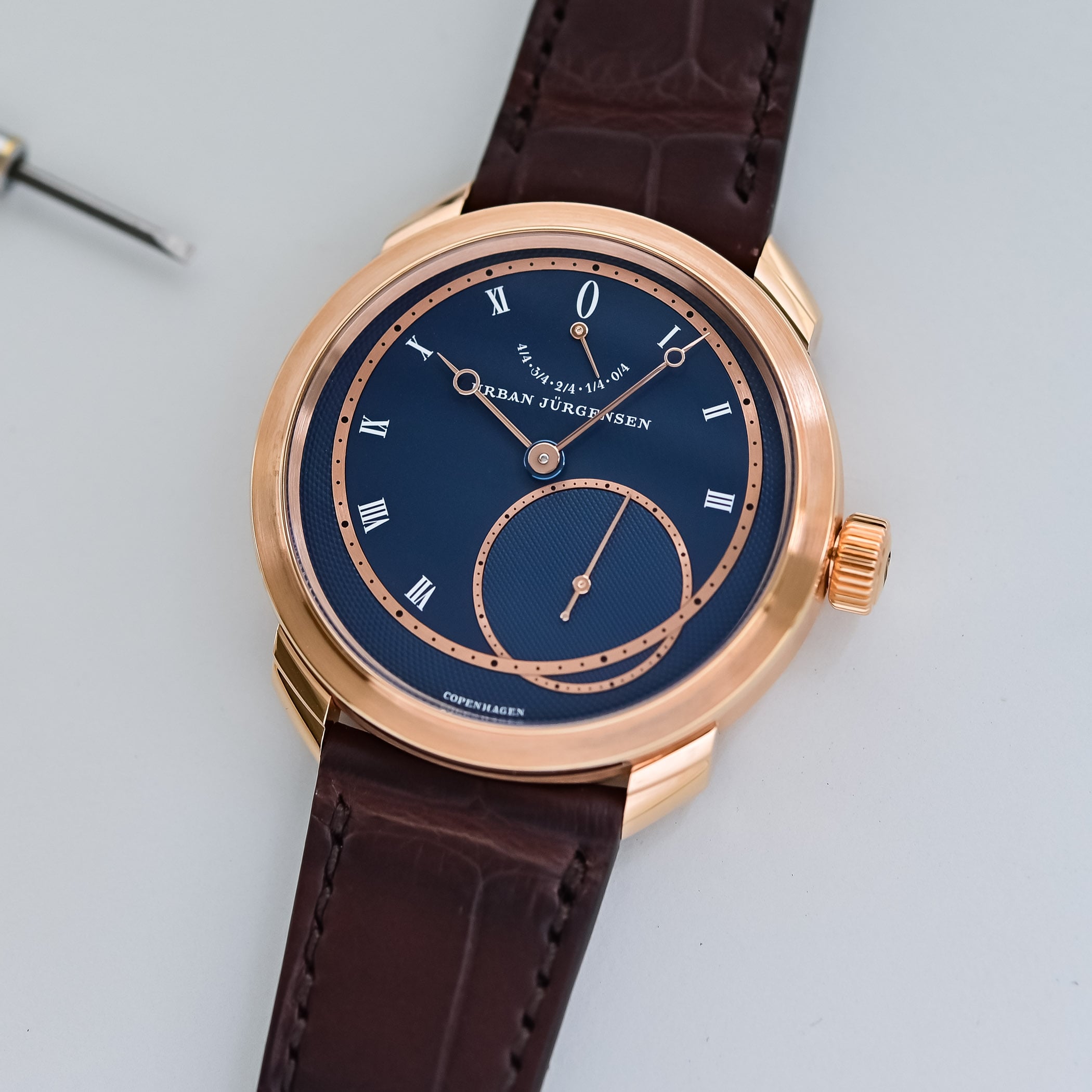
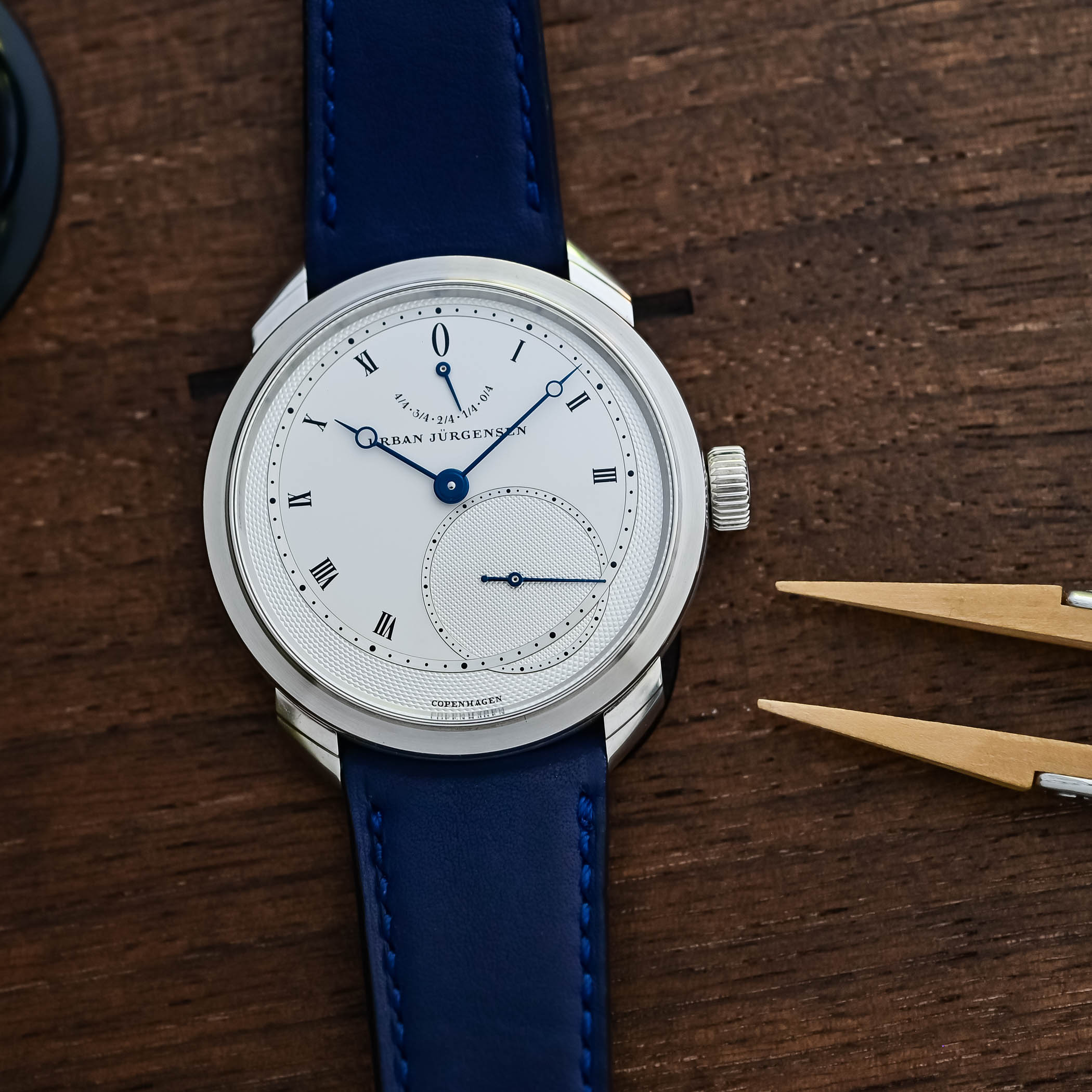
The first three contemporary models, the UJ1, UJ2 and UJ3, were designed with Voutilainen, and the relaunch was followed by recognition at the Grand Prix d’Horlogerie de Genève last year.
Voutilainen has since stepped down from the co-CEO role but remains an advisor, board member and designer for the company.
That shift also clarifies how Urban Jürgensen intends to work in the future.
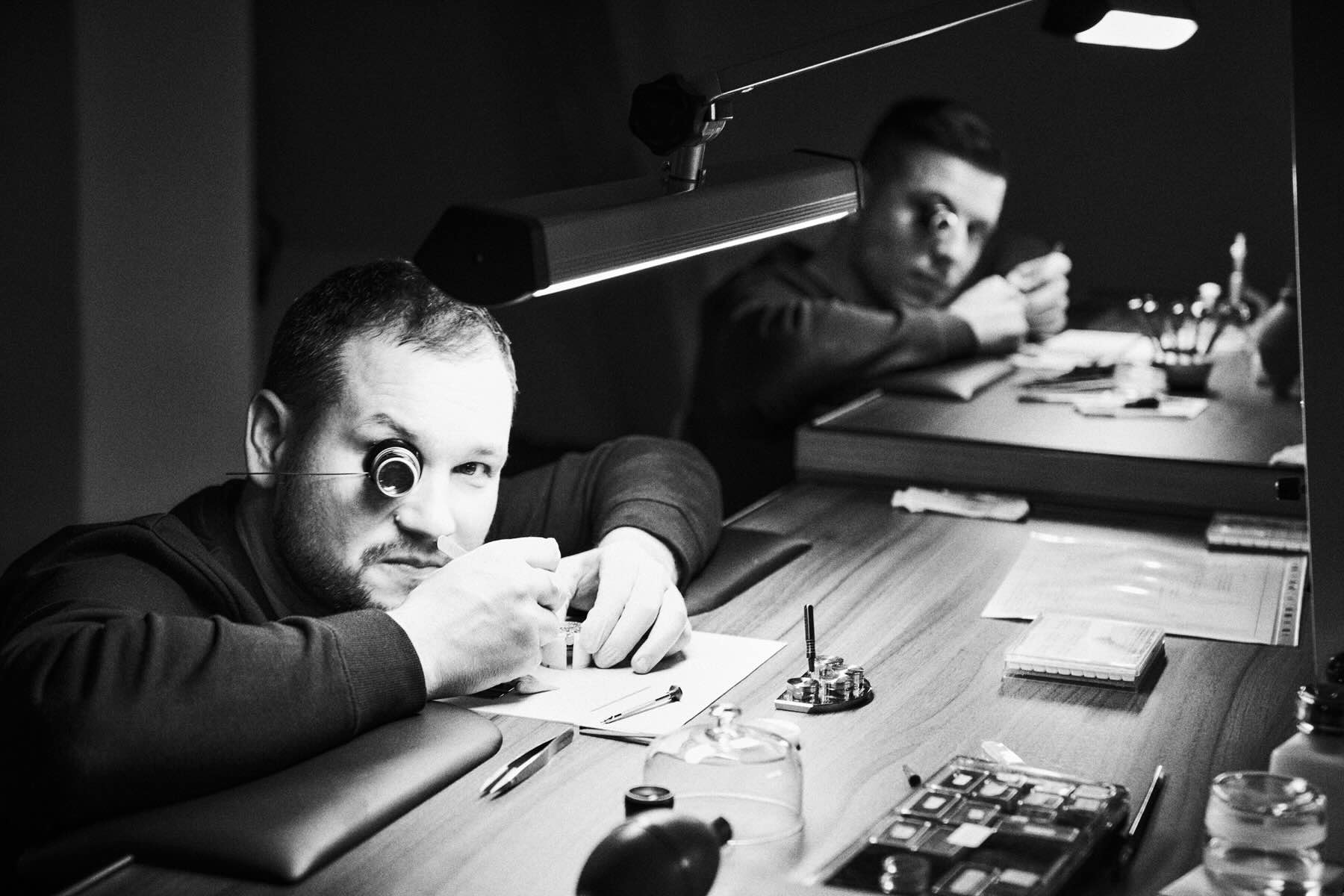
Rather than relying on a single full-time figurehead, the brand plans to collaborate with established and younger watchmakers while building an internal team capable of supporting movement development and production.
Building a modern independent manufacture
Urban Jürgensen’s watchmaking is centred in Switzerland, with an atelier in Biel and a Geneva space planned for next autumn or winter.
Rosenfield is based in the United States, where marketing, sales and some design work are led, while Bertrand Savary serves as president and oversees the Swiss team and associated operations.
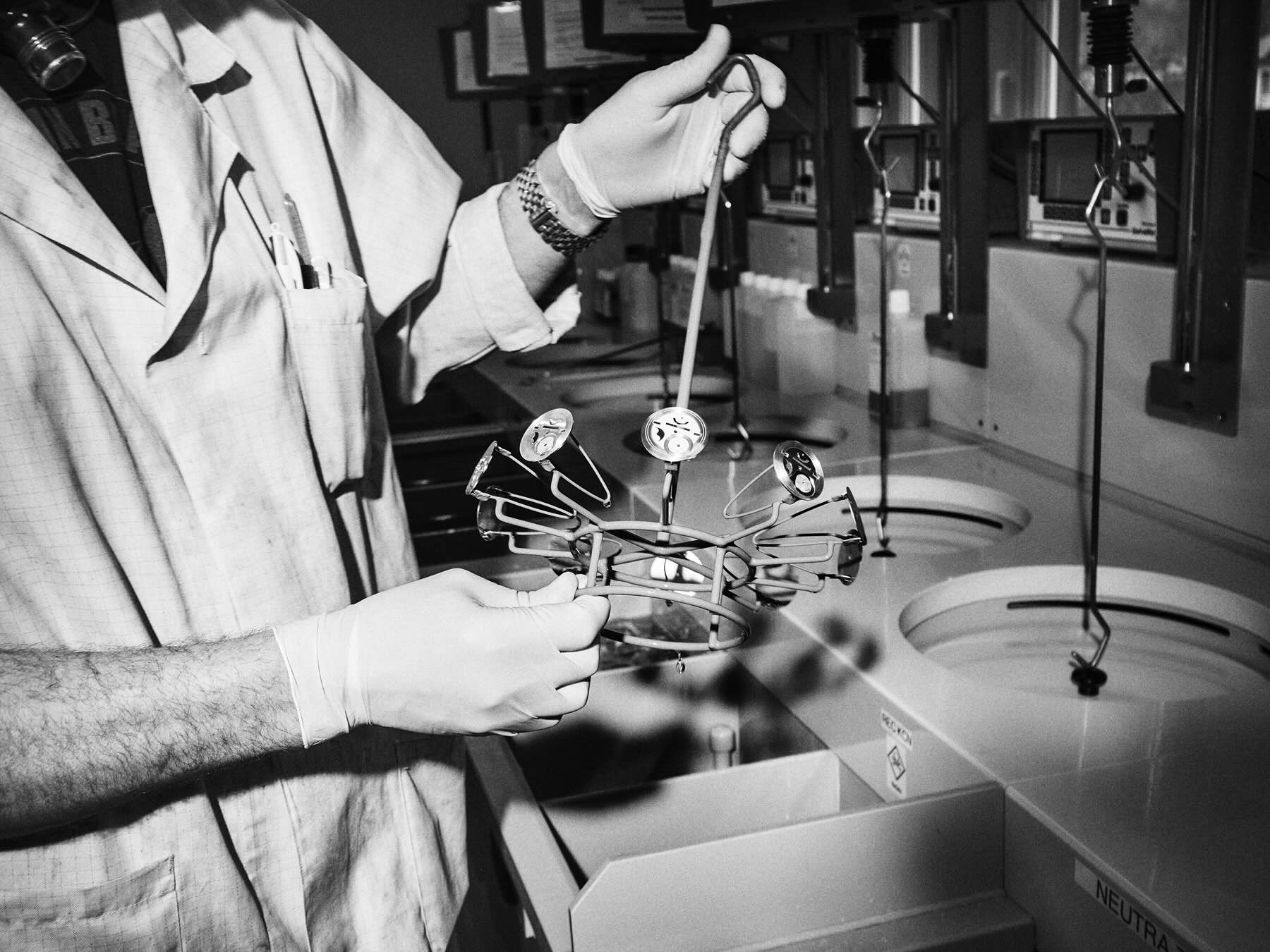
The company says it is doing almost everything in-house, while also working with external watchmakers on future movements and complications.
That hybrid structure feels well suited to the independent watchmaking world, where personality, technique and authorship can matter as much as scale.
Rosenfield has also pointed to the challenge of recruiting watchmakers, which is one reason the Geneva atelier is intended not only as a development space but also as a place where clients can encounter the brand properly.
The new showroom concept is deliberately different from a traditional store.
Urban Jürgensen doesn’t want a walk-in retail environment where immediate purchase is expected, because its watches take a long time to make and are subject to waiting lists.
Instead, the brand is leaning into appointment-based meetings, spaces where clients can see the work closely and understand why handmade independent watchmaking sits apart from more industrial luxury watch production.
Direct sales and a broader audience
Urban Jürgensen sells its watches directly, a choice Rosenfield links to both client experience and the economics of making expensive, highly crafted watches.
By avoiding distributors and retailers, the brand says it can preserve margin for development and production without value-engineering designs to fit a conventional retail structure.
There is also a cultural point behind the strategy.
Rosenfield has been critical of allocation habits in the watch world, especially when they make clients feel screened rather than welcomed.
Urban Jürgensen’s target audience still begins with serious collectors, particularly those already attuned to independent watchmaking.
But Rosenfield is also looking beyond that circle to people who may collect art, decorative objects, clothing, cars or wine, and who respond to craftsmanship even if they haven’t yet entered the more movement-focused end of watch collecting.
The addition of Timothée Chalamet as a shareholder fits that broader cultural ambition.
Rosenfield has said Chalamet approached the brand through a mutual friend, and that an initial short meeting became a longer discussion about movements, double balances and the figures behind Urban Jürgensen’s history.
For a house trying to speak across generations without diluting its seriousness, that kind of association is notable.
A slower clock for future watches
Urban Jürgensen has a development plan that stretches roughly a decade, but Rosenfield has been clear that the brand doesn’t want fixed-date launches dictating the work.
The approach with Voutilainen was to launch the first watches when they were ready, rather than tying them to a trade fair or seasonal calendar.
Rosenfield says the same principle applies to future releases.

That means collectors shouldn’t expect Urban Jürgensen to behave like a larger watch brand with predictable annual novelty cycles.
The brand has indicated that new announcements are expected over the next couple of years, but the guiding idea is readiness rather than deadline.
Client access is being developed through a mix of permanent spaces and events.
Urban Jürgensen currently receives clients in New York, works from Biel and plans spaces in Geneva and Dubai, while also appearing at industry gatherings such as Geneva Watch Days and Dubai Watch Week, alongside events connected to art, fashion and design.
That strategy says a lot about the new Urban Jürgensen.
It wants to be respected by the most demanding watch collectors, but it also wants to make this kind of slow, technical, hand-finished watchmaking legible to people who might first come to it through beauty, craft or culture.
If the revival succeeds, it won’t be because Urban Jürgensen merely survived under new ownership, but because it found a contemporary way to make authorship feel relevant again.