Türkiye has long understood the appeal of blue water, ancient cities and relaxed Mediterranean hospitality.
Now the country is sharpening a different travel proposition, one built around wellbeing, longer stays and the kind of restorative luxury that goes beyond a good room and a sea view.
As the global wellness economy grows from $6.8 trillion in 2024 toward a projected $9 trillion by 2028, Türkiye’s mix of healthcare expertise, thermal traditions, gastronomy, nature and resort infrastructure is starting to look unusually well timed.
At a glance
- Türkiye is strengthening its position as a Mediterranean destination for wellbeing, longevity and lifestyle-led travel.
- Antalya is emerging as a key hub, with Nirvana Dolce Vita in Tekirova combining private-bay luxury with nature, movement, nutrition and mindfulness programming.
- The shift supports year-round tourism and appeals to travellers seeking restoration, privacy and more meaningful stays.
Antalya’s year-round wellbeing advantage
Antalya has a natural head start in the wellbeing conversation.
The region offers a mild climate, a long Mediterranean coastline, mountain scenery and a hospitality sector that already knows how to serve international luxury travellers.
That combination matters because wellness travel is becoming less seasonal and less dependent on the old idea of a resort holiday.
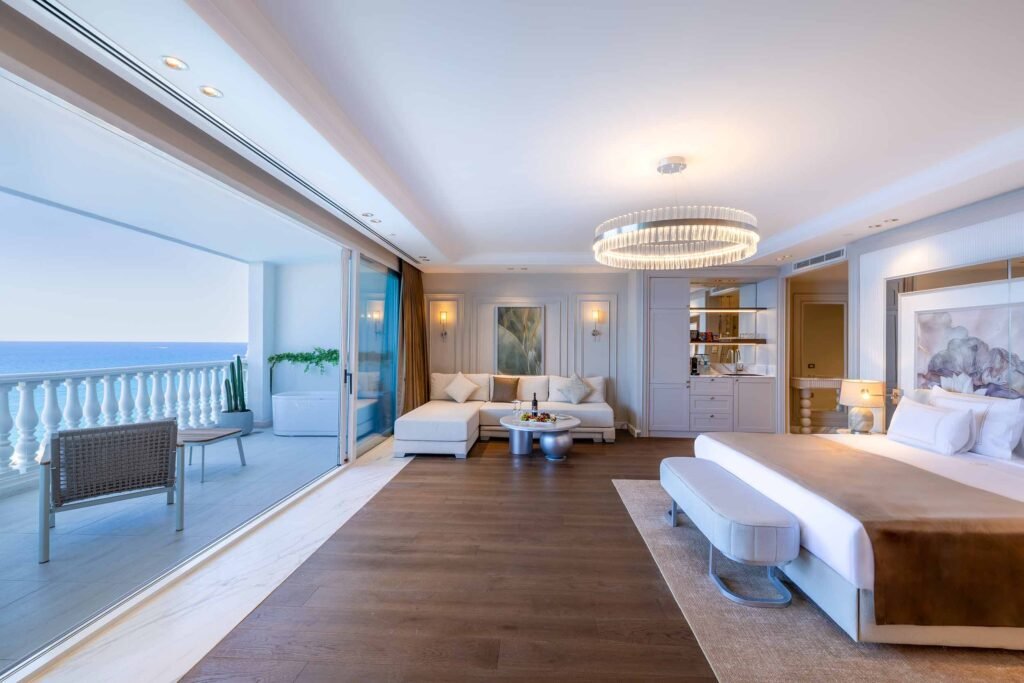
Travellers are increasingly choosing destinations for how they support sleep, movement, mental reset, nutrition and time outdoors.
For Türkiye, this creates a clear opportunity to extend tourism beyond the summer peak while attracting guests who are prepared to spend more for privacy, service and a stronger sense of purpose.
Tourism specialist Seda Aslan Yılmaz frames the country’s strength as its ability to bring together wellbeing, gastronomy, nature, hospitality, healthcare knowledge and Mediterranean living in one destination.
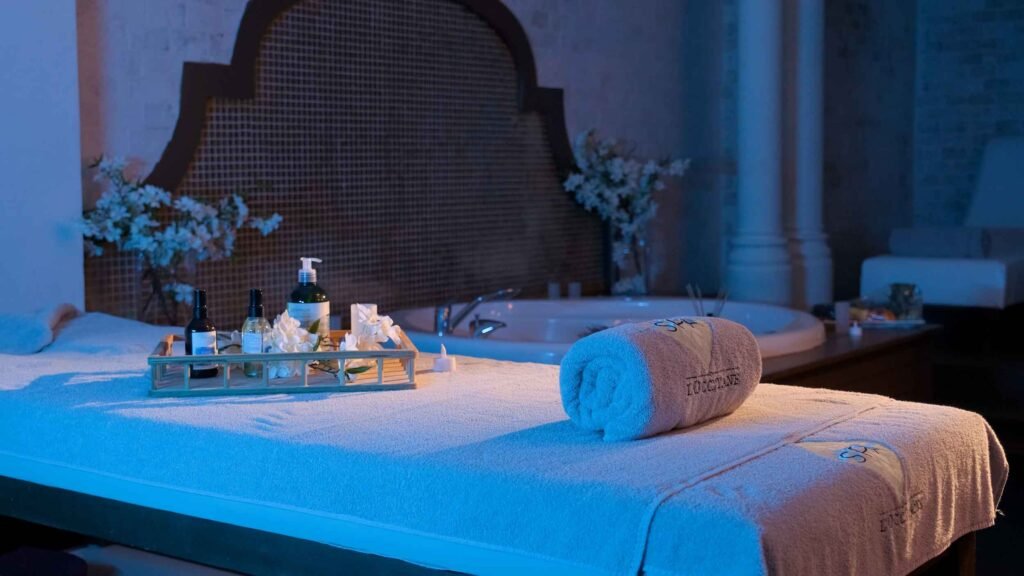
Nirvana Dolce Vita and the Tekirova setting
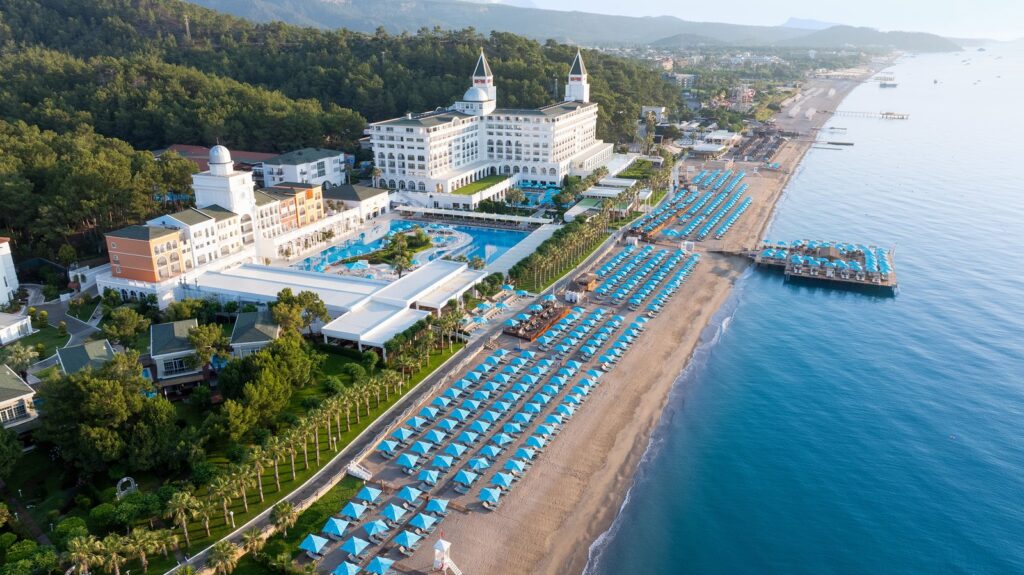
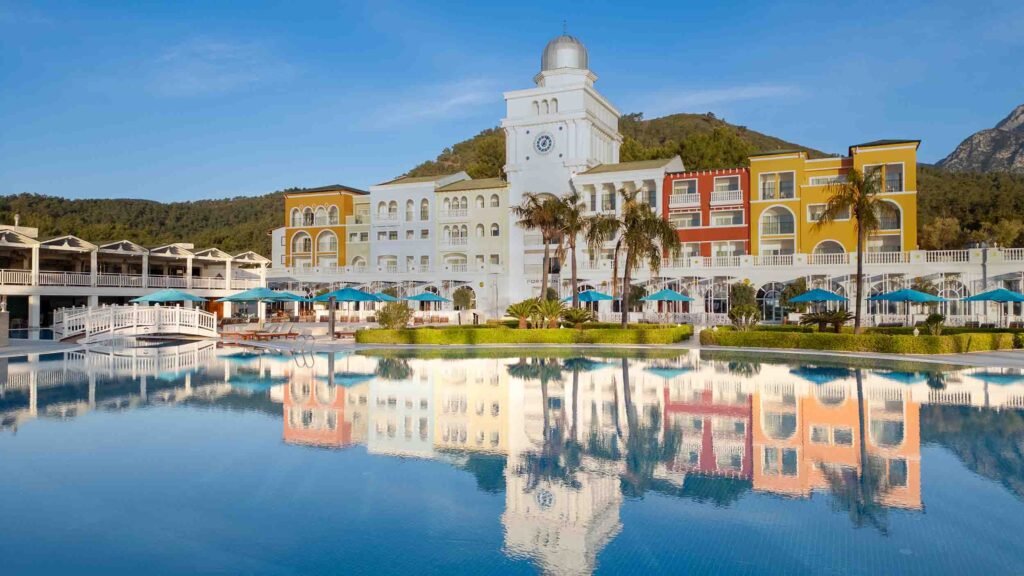
One of the clearest examples of this direction can be found in Tekirova, where Nirvana Dolce Vita sits between the Taurus Mountains and a private Mediterranean bay.
The location gives the resort an immediate sense of retreat without disconnecting it from Antalya’s wider tourism infrastructure.
Its appeal is less about traditional resort polish alone and more about how the property uses space, landscape and programming to support a slower rhythm.
Accommodation ranges from sea-view suites to private villas, with the latter especially suited to guests looking for longer stays, more privacy and a stronger connection to the surrounding gardens and coastline.
That villa model fits neatly into the current mood of luxury travel.
Guests aren’t only seeking grander interiors; they want terraces, breathing room, private living space and the freedom to shape the day around rest, movement or family time.
From spa breaks to lifestyle programming
The most interesting shift is that wellbeing here isn’t being treated as a single spa appointment.
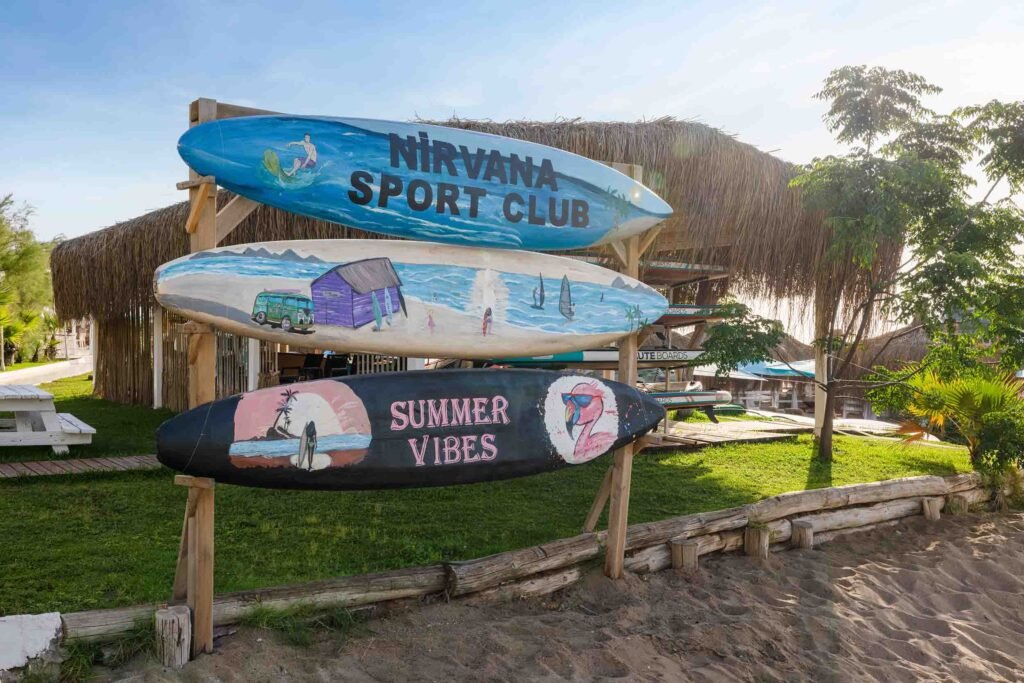
Nirvana Dolce Vita folds outdoor wellness, fitness, cycling-friendly infrastructure, healthy dining and family-oriented lifestyle programming into the broader guest experience.
The resort also hosts the RESET Wellbeing Event, which is built around mindfulness, longevity practices, breathwork, movement and rituals connected to nature.
That kind of programming reflects where premium hospitality is heading.
Modern luxury travellers may still want comfort, but they increasingly measure a stay by whether it leaves them feeling clearer, lighter and physically better than when they arrived.
Kilit Group Marketing Director Serap Garipoğlu describes Nirvana Dolce Vita as a lifestyle destination rather than a classic resort hotel, with wellbeing positioned as a core part of the brand philosophy rather than an add-on.
A broader shift for Turkish luxury travel
Nirvana Hotels, the premium hospitality brand of Kilit Group, operates luxury lifestyle resorts across Türkiye’s Mediterranean coastline, including Nirvana Dolce Vita, Nirvana Cosmopolitan and Nirvana Mediterranean Excellence.
The brand’s positioning reflects a wider movement in Turkish tourism, where sustainability, gastronomy, personalised service and wellbeing are becoming central to the luxury offer.
For families, sports enthusiasts, cyclists, nature lovers, pet-friendly travellers and wellness-focused guests, this gives Türkiye a more layered proposition than the familiar sun-and-sea escape.
It also aligns with the broader demand for holidays that feel less transactional and more personally useful.
Türkiye’s advantage is that it doesn’t have to reinvent itself to compete in wellbeing tourism.
It already has the climate, coastline, food culture, hospitality base and landscape; the next phase is about connecting those strengths into experiences that feel thoughtful, restorative and relevant all year round.