Geneva watch week usually belongs to new releases, booth architecture and the choreography of global launches.
Tudor chose a different rhythm this year, inviting an international group of collectors to its headquarters near Geneva for a gathering focused almost entirely on the brand’s past.
For a company under the famously discreet Wilsdorf Foundation, the gesture felt unusually open and quietly important.
At a glance
- Tudor hosted a rare international collector gathering at its headquarters near Geneva during watch week.
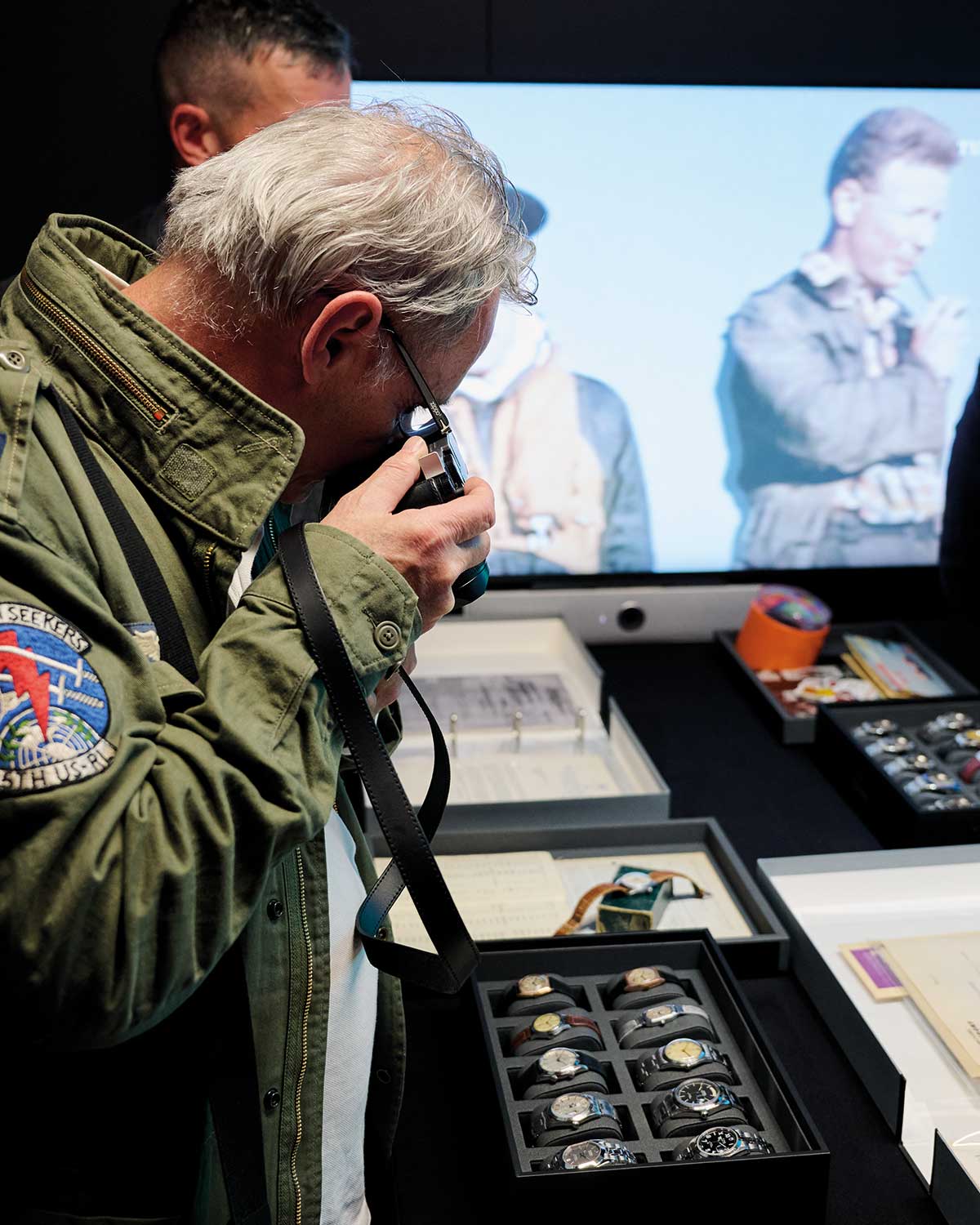
- Guests handled and photographed archive watches, prototypes, military-issued Submariners and historical documents from the brand’s past.
- The event signalled a more open approach to Tudor heritage as vintage scholarship around the marque continues to deepen.
A quieter counterpoint to Geneva watch week
The timing made the event stand out.
While much of the watch industry was focused on what had just been launched, Tudor shifted attention to the references, documents and military relationships that helped form its identity.
The new Watches and Wonders releases were present, but they weren’t the centre of gravity.
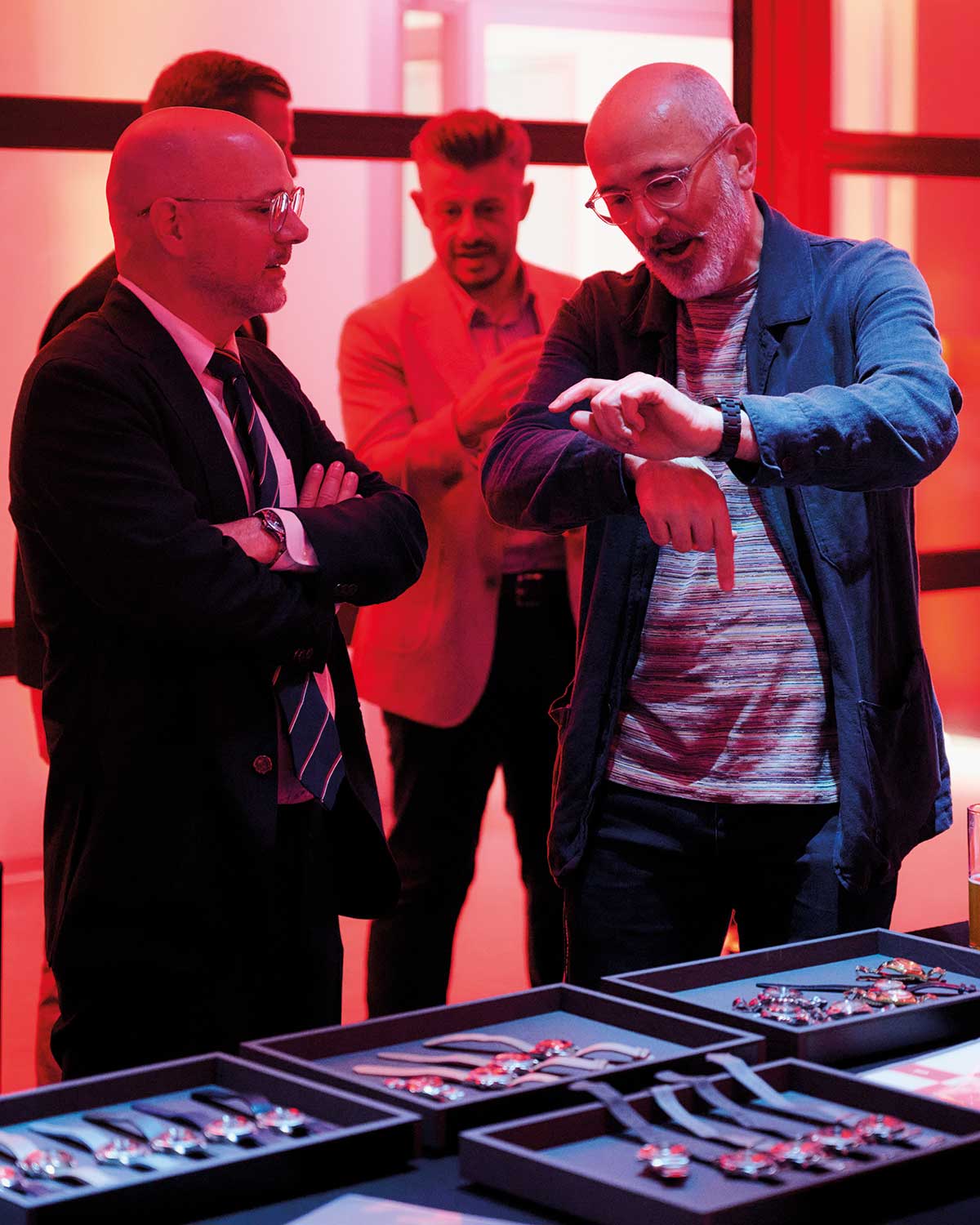
Instead, collectors were invited into a setting that felt closer to a working study session than a conventional brand activation.
Watches were not sealed away behind glass or treated as untouchable corporate relics.
They could be handled, photographed and discussed directly with the people involved in preserving Tudor’s history.
Military Tudors returned to context
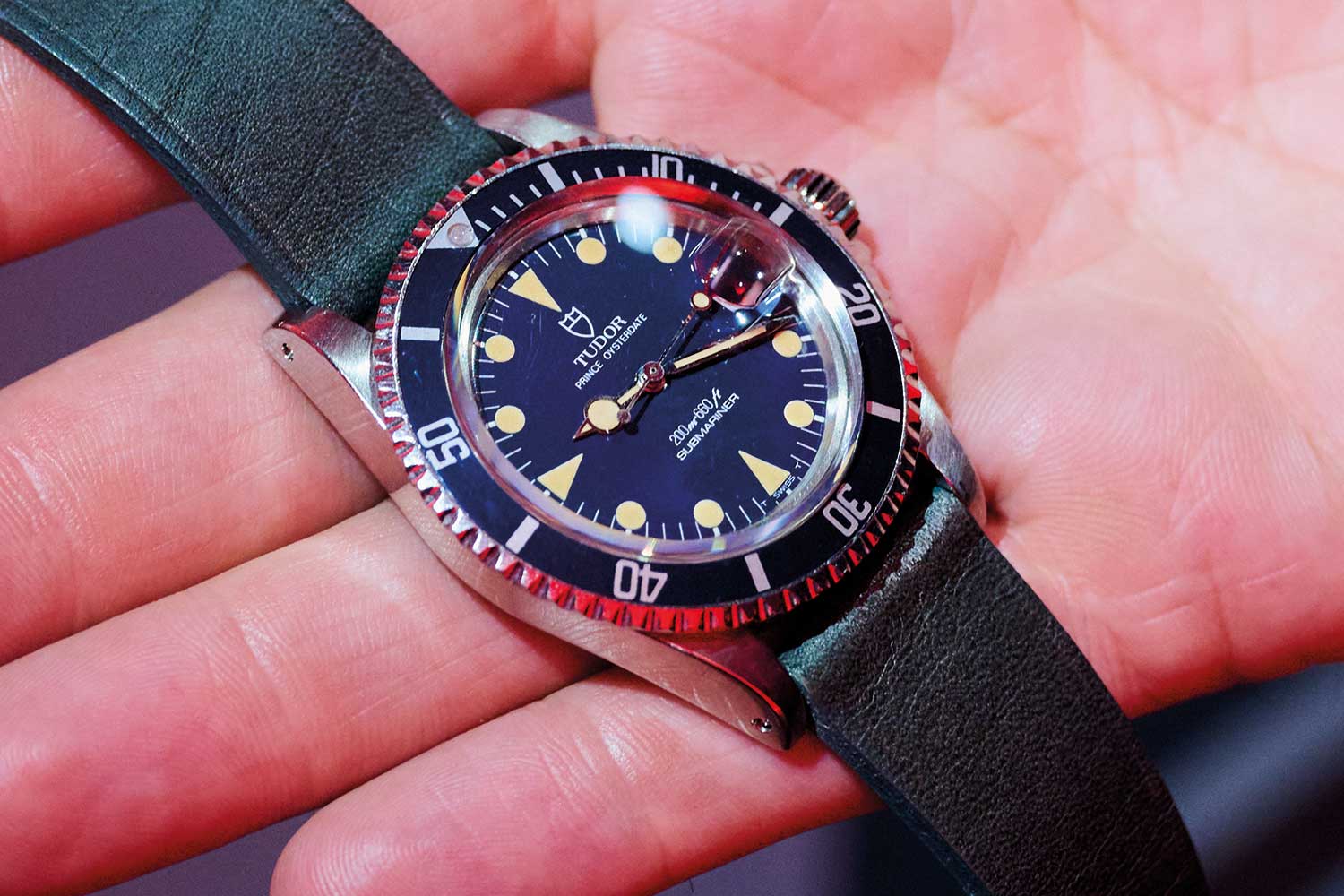
The strongest thread running through the gathering was Tudor’s long military life, especially through the Submariner.
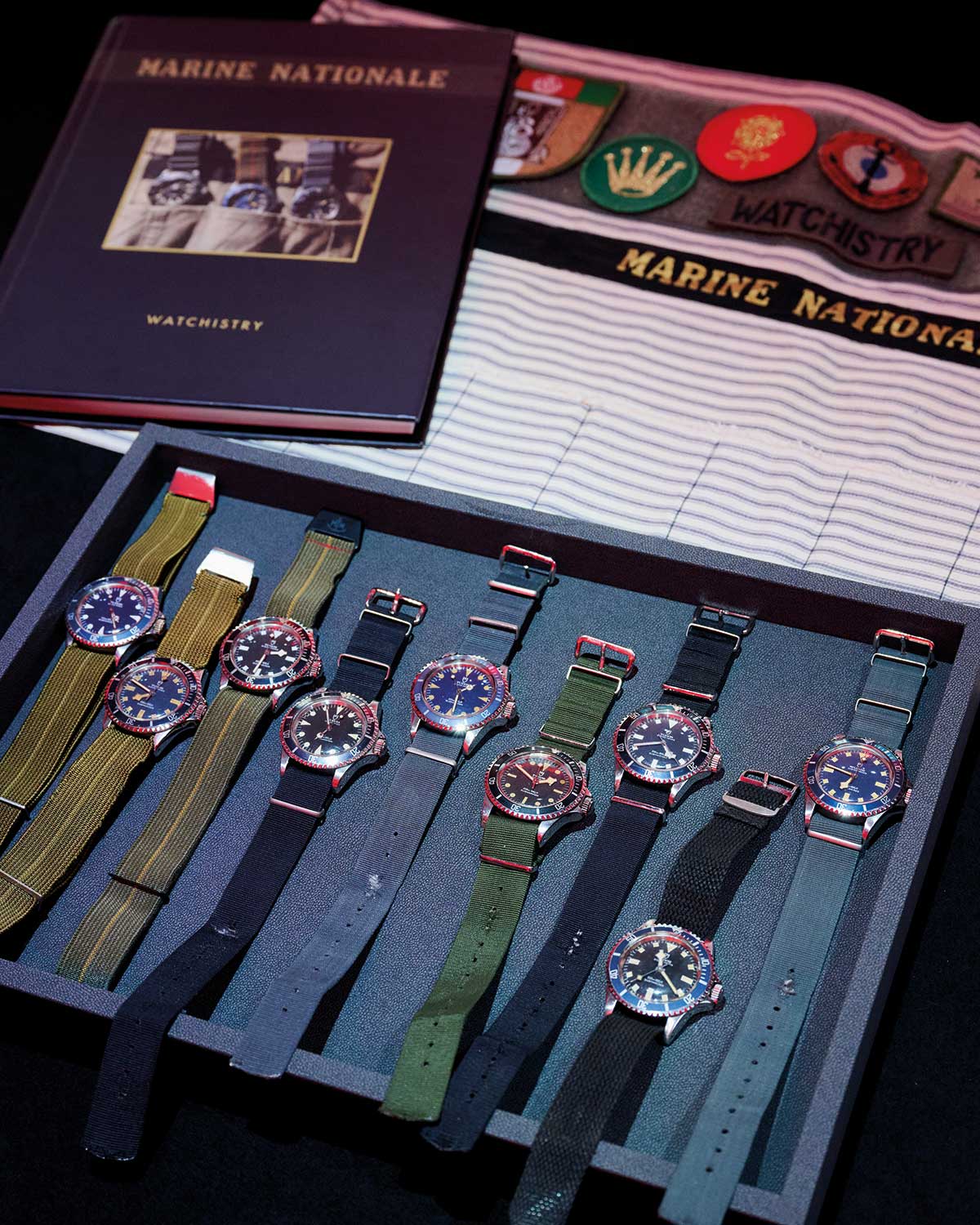
Marine Nationale watches appeared alongside South African-issued references, Royal Canadian Navy examples, U.S. military pieces and important civilian models that have become pillars of serious Tudor collecting.
There was a particular charge in seeing military watches brought together after decades apart.
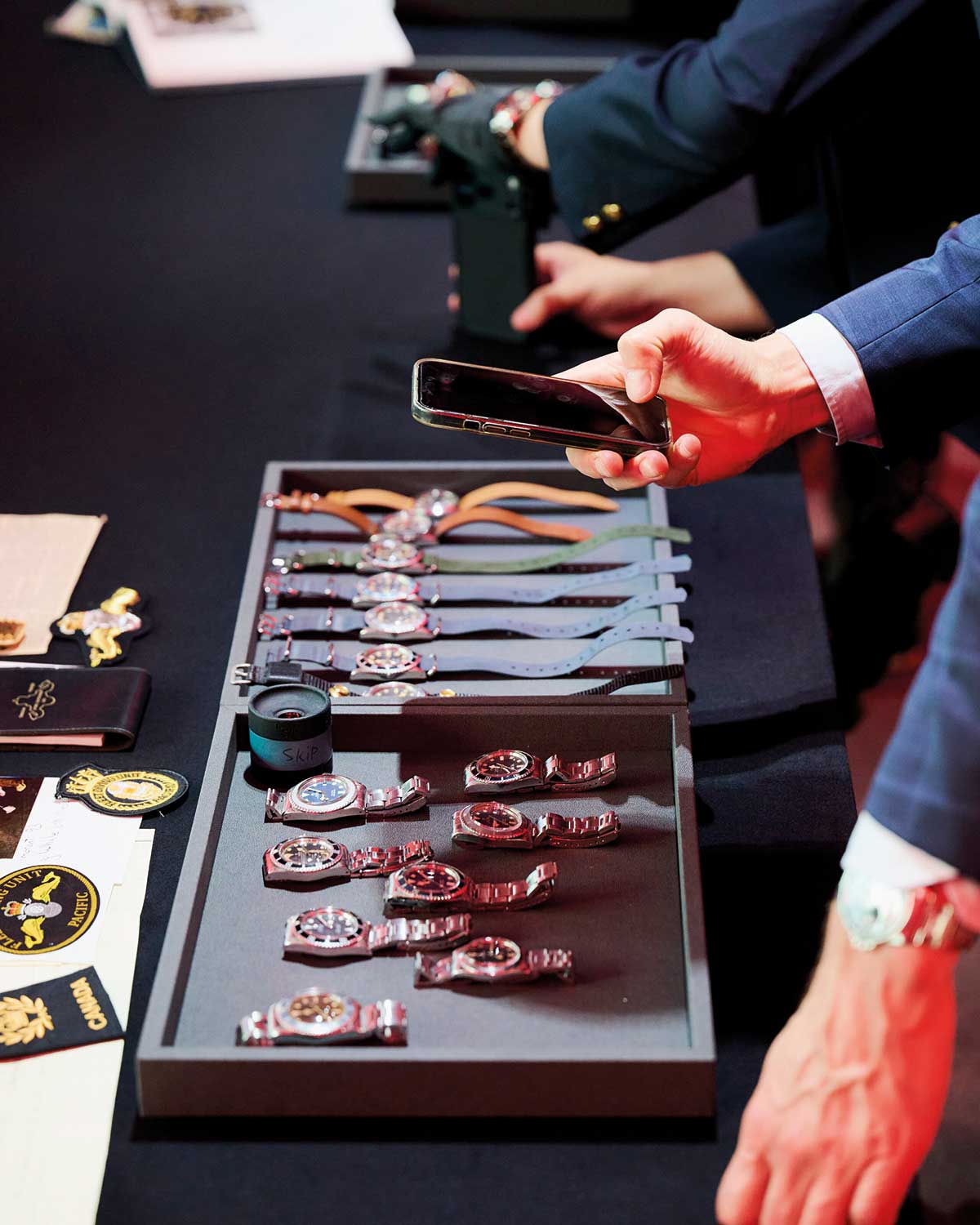
Some pieces that may once have shared the same naval environment or workshop context were reunited not by institutional collecting, but by years of private research and persistence.
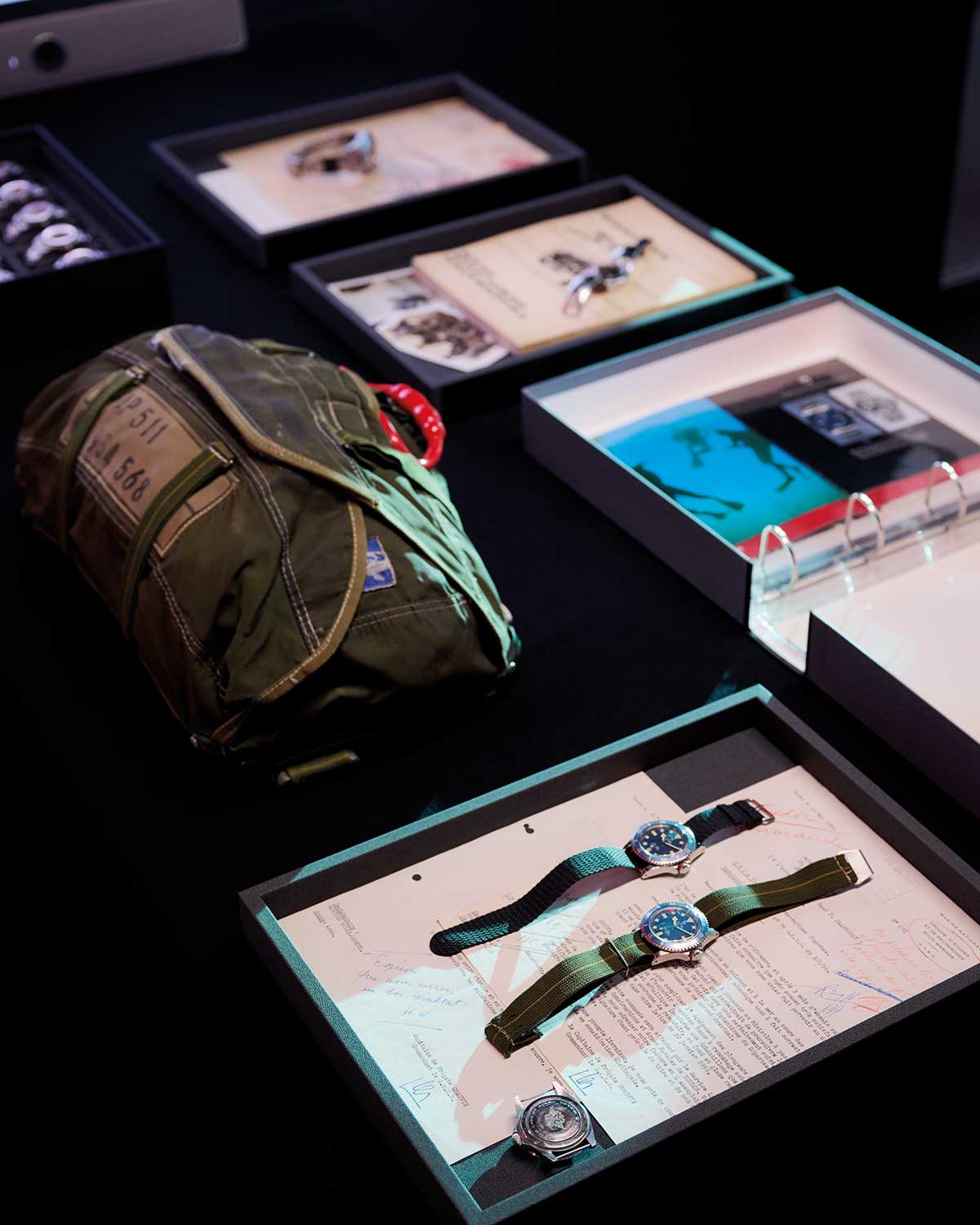
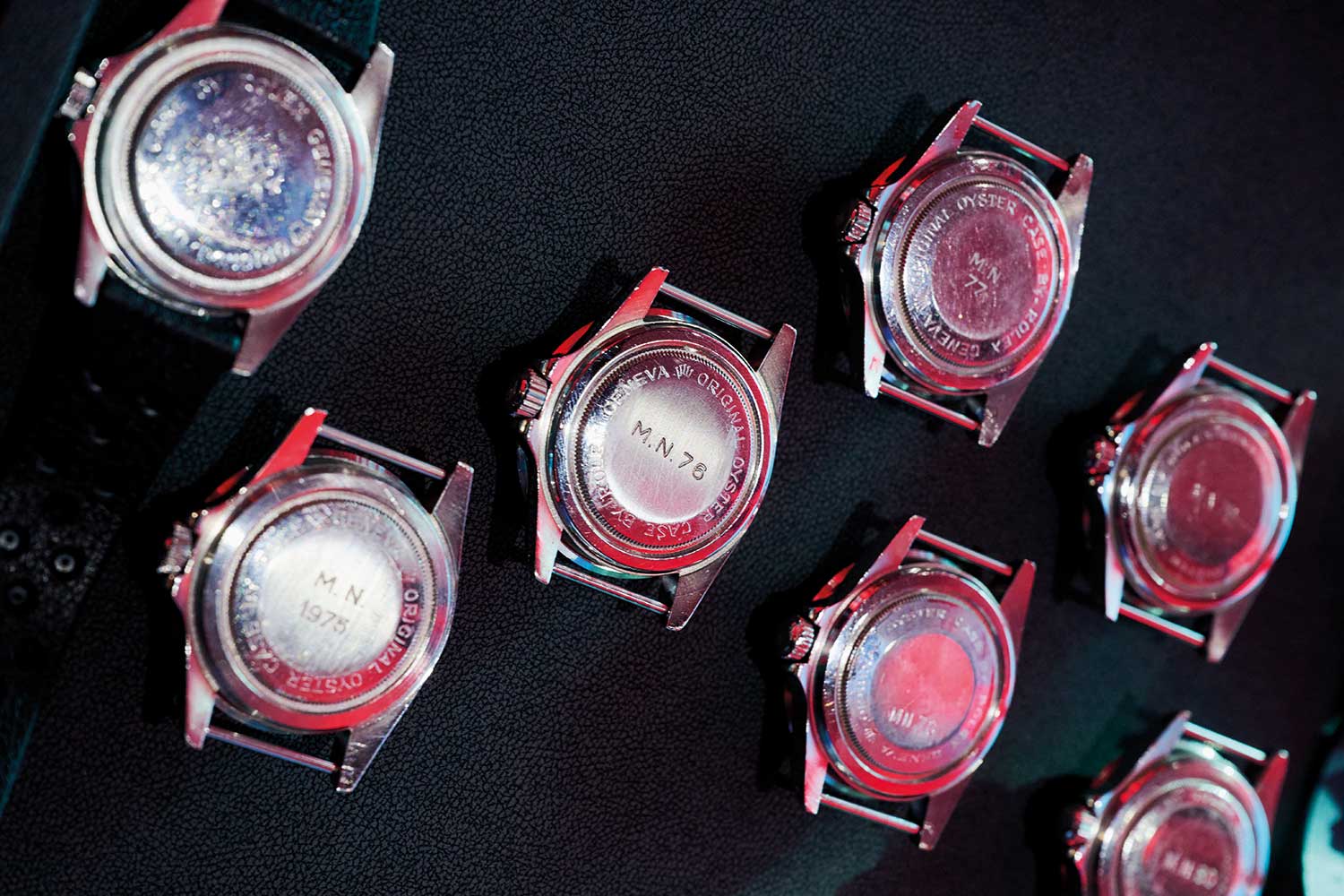
Marine Nationale material added another layer, with issued Submariners shown near field reports and even a parachute connected to that world of service use.
For collectors, those details matter because they move a watch beyond reference numbers and into lived history.
Prototypes and paperwork gave the archive real weight
Tudor’s own contribution turned the meeting into something more substantial than a collector get-together.
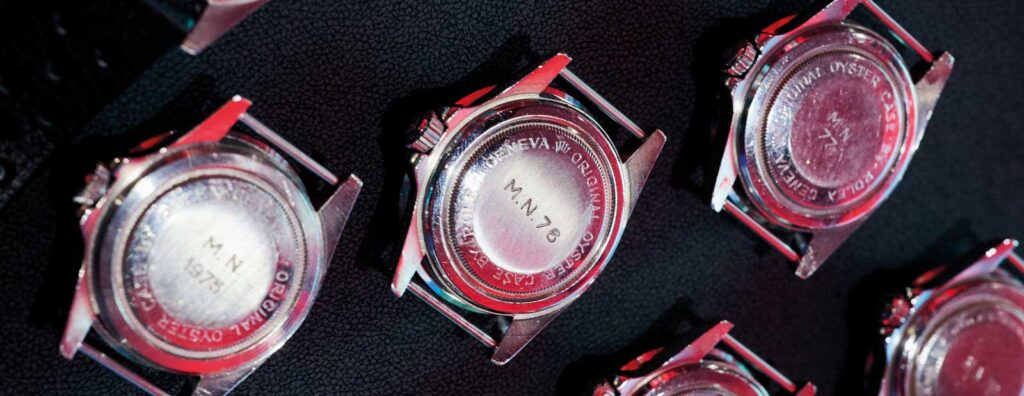
Roughly 40 archive and museum pieces were displayed, covering early Oyster Princes, military Submariners, prototypes and experimental designs.
Among the most talked-about watches was the 1960s Project Commando prototype developed for the U.S. Navy.
Its hinged bezel-locking system remains one of Tudor’s most unusual technical ideas and later informed the spirit of the Black Bay P01.
Other highlights included a prototype Burgundy Submariner and the Reference 7923, a manually wound Submariner that sits among the rarest Tudor sports watches.
The documents were just as compelling.
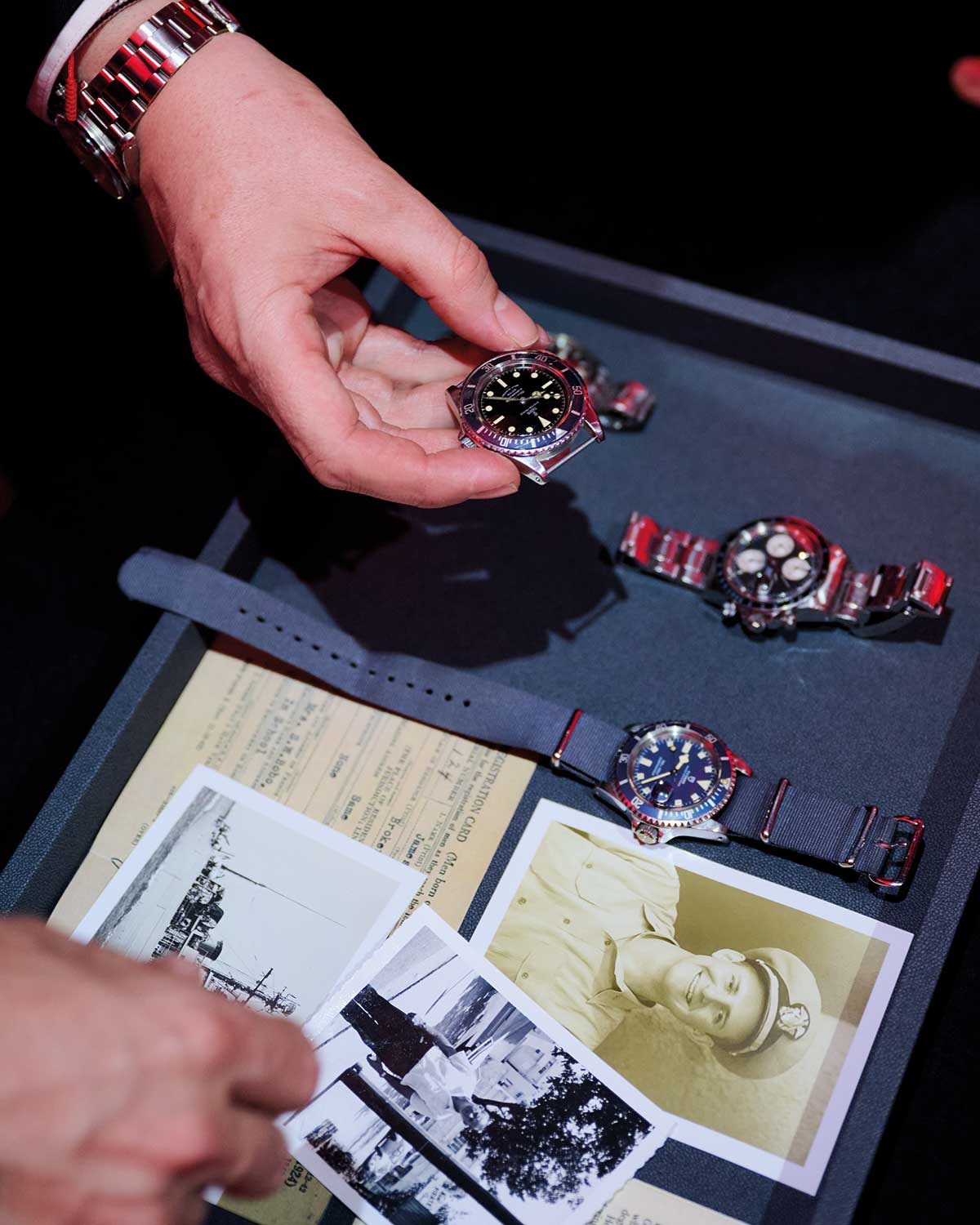
Trademark registrations tied to the Tudor name from 1926 appeared with military procurement papers, design sketches, technical blueprints and early material connected to models such as the Ranger.
Those papers help explain how Tudor collecting has changed over the past two decades.
What once sat in the shadow of vintage Rolex has become its own collecting field, with its own references, debates, variations and stories.
Small signatures, big collector significance
The most memorable watches were not only the obvious military pieces.
A mid-1950s small-crown Reference 7922 Submariner with a gilt dial double-signed by Joyeria Riviera stood out for the kind of detail collectors obsess over.
The Havana retailer’s signature is both elegant and rare, and watches carrying it have long held special appeal among vintage specialists.
Another standout was a Tudor Homeplate chronograph prototype from Eric Ku’s collection.
Its history links it to René-Paul Jeanneret, the influential Rolex and Tudor figure, and to a gift made after the Athens Marathon.
For seasoned collectors, those connections are not decorative trivia.
They help place experimental watches within the personalities, relationships and decisions that shaped what later reached the public.
That is what made the Geneva gathering feel consequential.
Tudor didn’t merely display old watches as heritage dressing. It treated them as material worth studying, preserving and debating.
In a market that often rewards noise, the brand’s most interesting move was a quiet one.