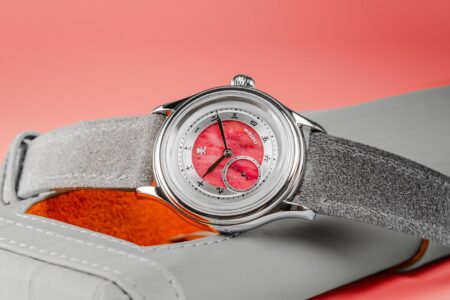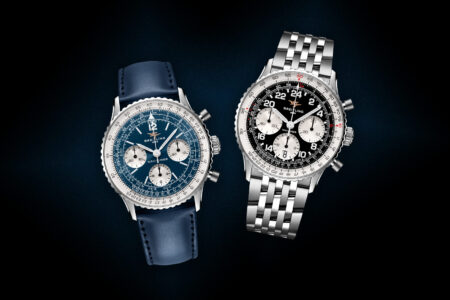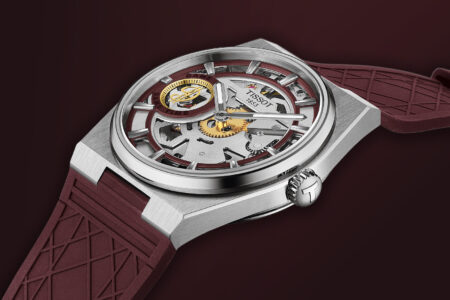
Solar powered watches have had an image problem for decades, not a performance problem.
The idea was practical from the start, yet early executions often looked more technical than elegant.
That has changed decisively, as light-powered quartz now appears in everything from GPS travel watches and dive-ready sports pieces to dress watches and high jewellery.
At a glance
- Solar quartz has moved from utilitarian Japanese watches into luxury collections from Cartier, TAG Heuer, Tiffany & Co. and Frederique Constant.
- Modern dials can hide photovoltaic cells beneath micro-perforated, translucent or slatted surfaces, so the watches no longer look overtly technical.
- Citizen remains the key pioneer, while newer Swiss executions focus on long autonomy, fewer battery changes and easier everyday ownership.
Citizen made light-powered watchmaking credible
The modern solar watch story starts with Citizen, which developed a working light-powered prototype in 1974 and released the Crystron Solar Cell in 1976.
That watch was the world’s first light-powered analogue model, and it arrived at a time when the idea of reducing battery dependence had real practical urgency.
The early technology was far from graceful, with thick solar cells that could crack and watches that needed regular recharging.
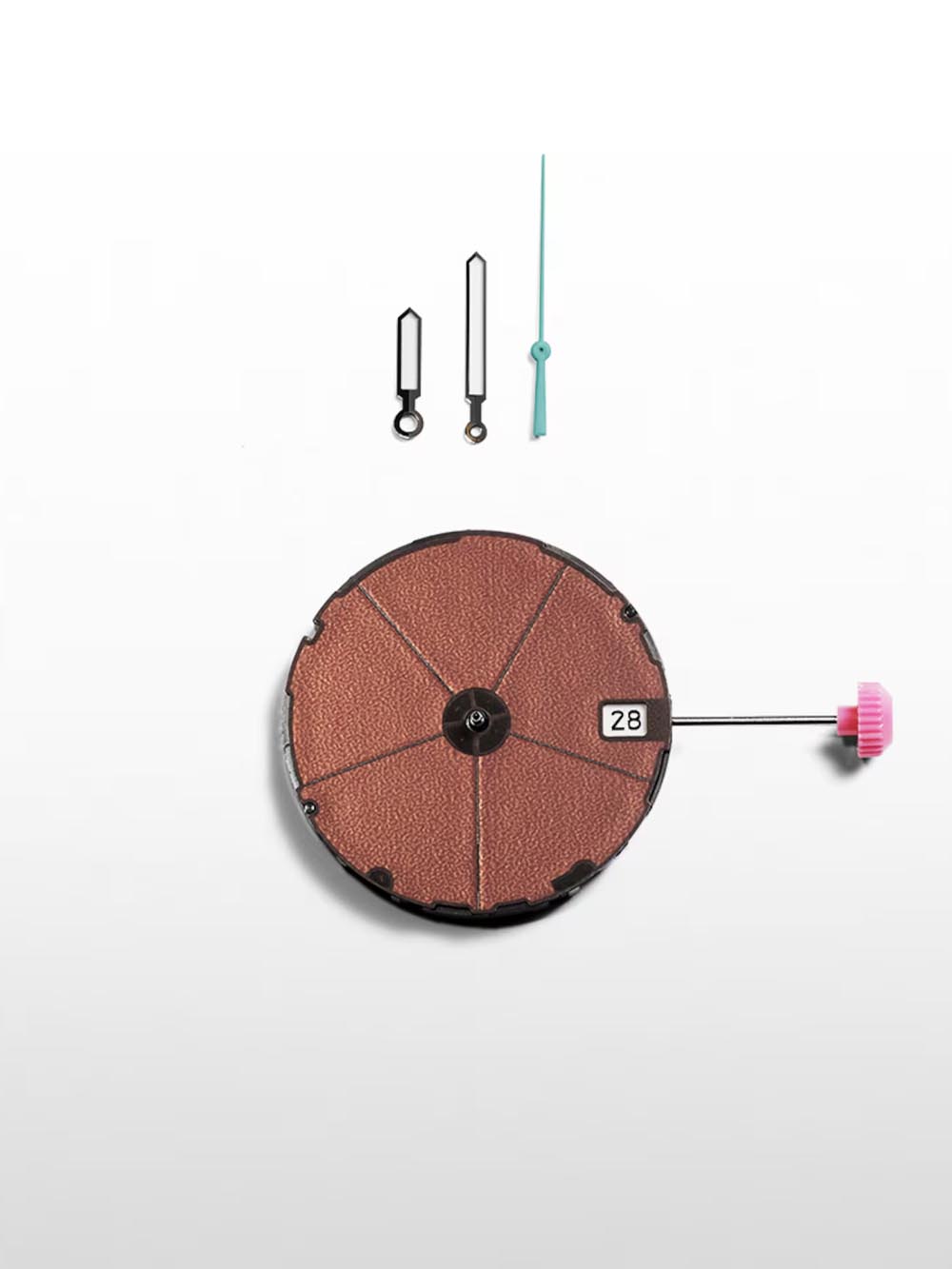
Citizen kept refining the format, extending running time to around eight days by 1986 and then to six months after adopting a lithium secondary battery in 1995.
The brand’s later Eco-Drive work is where solar quartz became genuinely mature, hiding the charging system beneath the dial rather than making it the visual story.
At the top end, the Calibre 0100 showed how far the concept could be pushed, with a solar analogue movement rated to plus or minus one second per year.
The Eco-Drive 365 took a different route, offering a full year of running in darkness from one full charge.
Citizen’s Promaster divers also prove that solar power still works beautifully in hard-use watches, including models with expanded functions such as tide display layouts.
Seiko and Casio kept the everyday argument strong
Seiko’s great contribution has been to connect solar power with modern travel convenience.
The Astron GPS Solar, launched in 2012, uses the Global Positioning System to adjust time zones at the push of a button while drawing its energy from light.
That matters because it turns solar quartz into something more ambitious than a low-maintenance movement.
Recent Astron GPS Solar Dual-Time Chronograph models use the in-house Calibre 5X63, with a slimmer package and a cleaner 3-6-9 dial layout than the outgoing 5X83 generation.

The Crystal Green and Crystal Pink editions show Seiko’s current approach clearly, pairing serious utility with a much sharper visual identity.
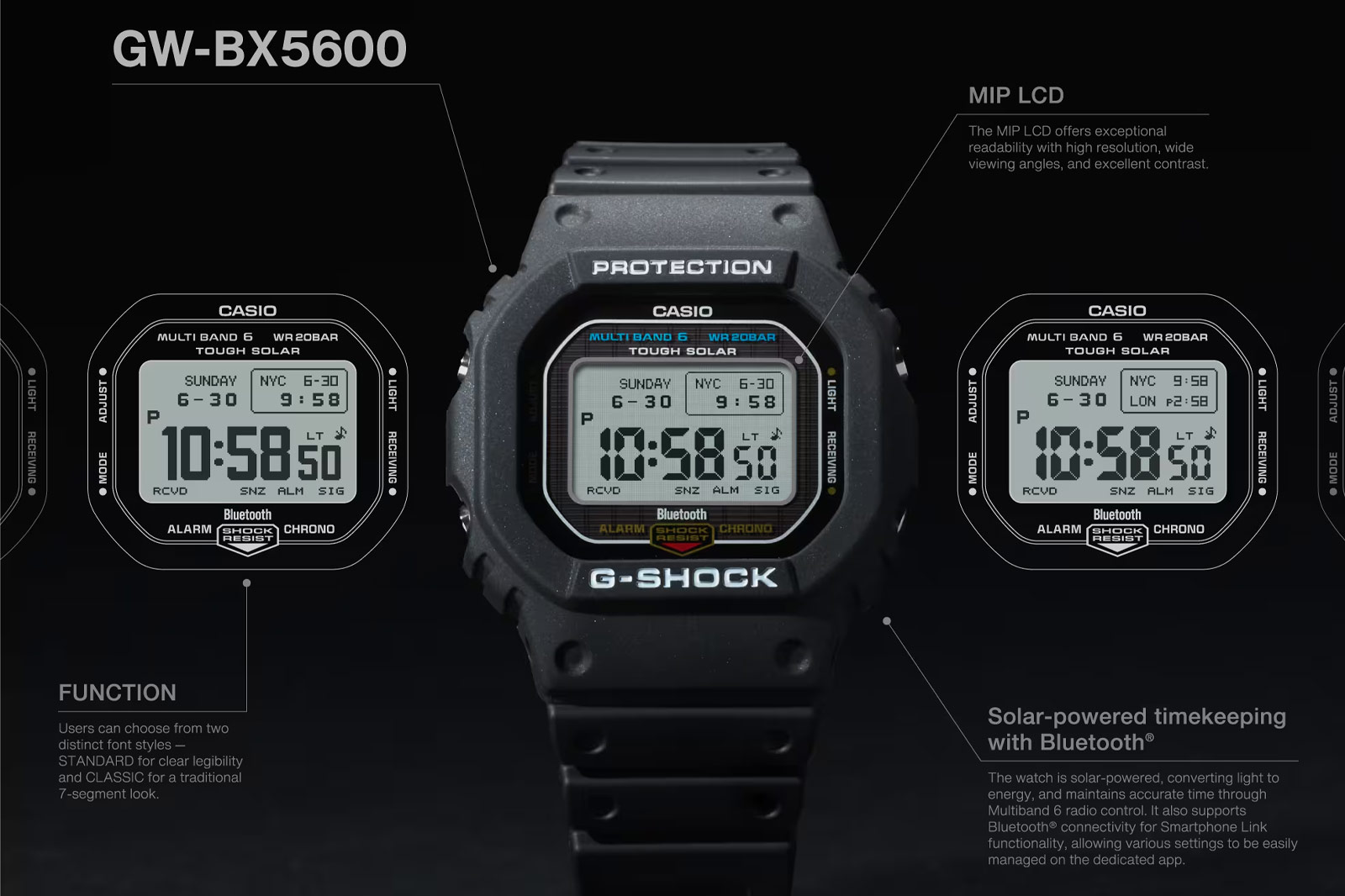
Casio, meanwhile, remains part of the broader cultural memory of light-powered Japanese practicality.
Its world is more everyday sport watch than discreet dress piece, but that accessibility helped make the idea of charging a watch by light feel normal long before Swiss luxury brands embraced it.

TAG Heuer, Cartier and Frederique Constant made solar discreet
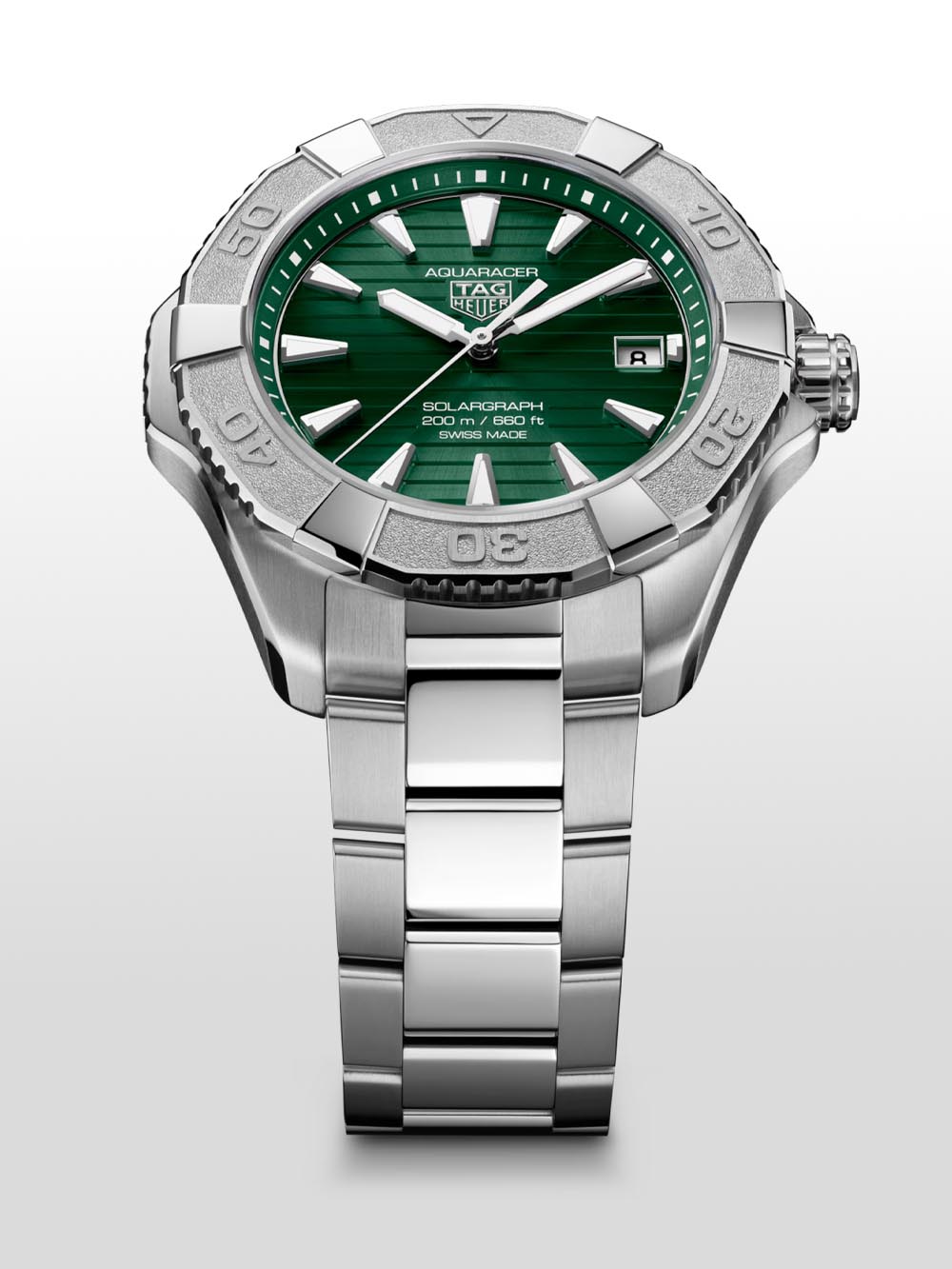
TAG Heuer’s Solargraph watches have helped shift solar quartz into the Swiss sport-watch conversation.
The Aquaracer Professional 200 Solargraph uses the La Joux-Perret-produced Calibre TH50-00, with horizontal dial slats allowing light to reach the system below.
TAG Heuer says 10 minutes of light can deliver 40 hours of power, while a full charge can last up to 10 months.

The brand also cites an average 15-year battery life and a 10-year service interval, which suits the Aquaracer’s tool-watch character.
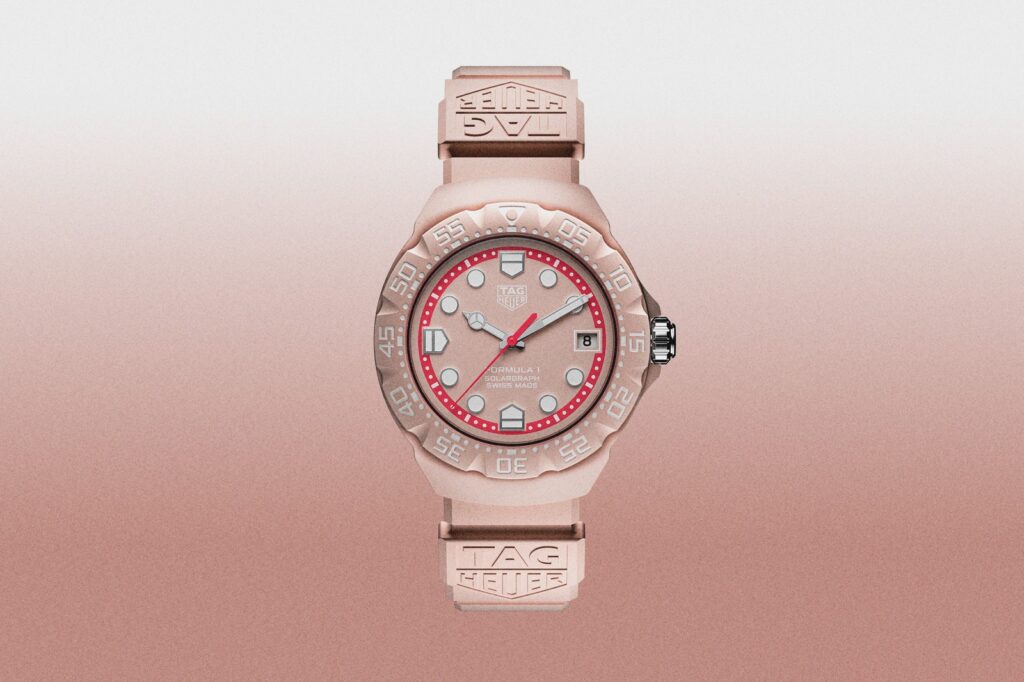
Solar power has also entered the revived Formula 1 line, where bright colours and youthful styling keep the technology from feeling worthy or clinical.
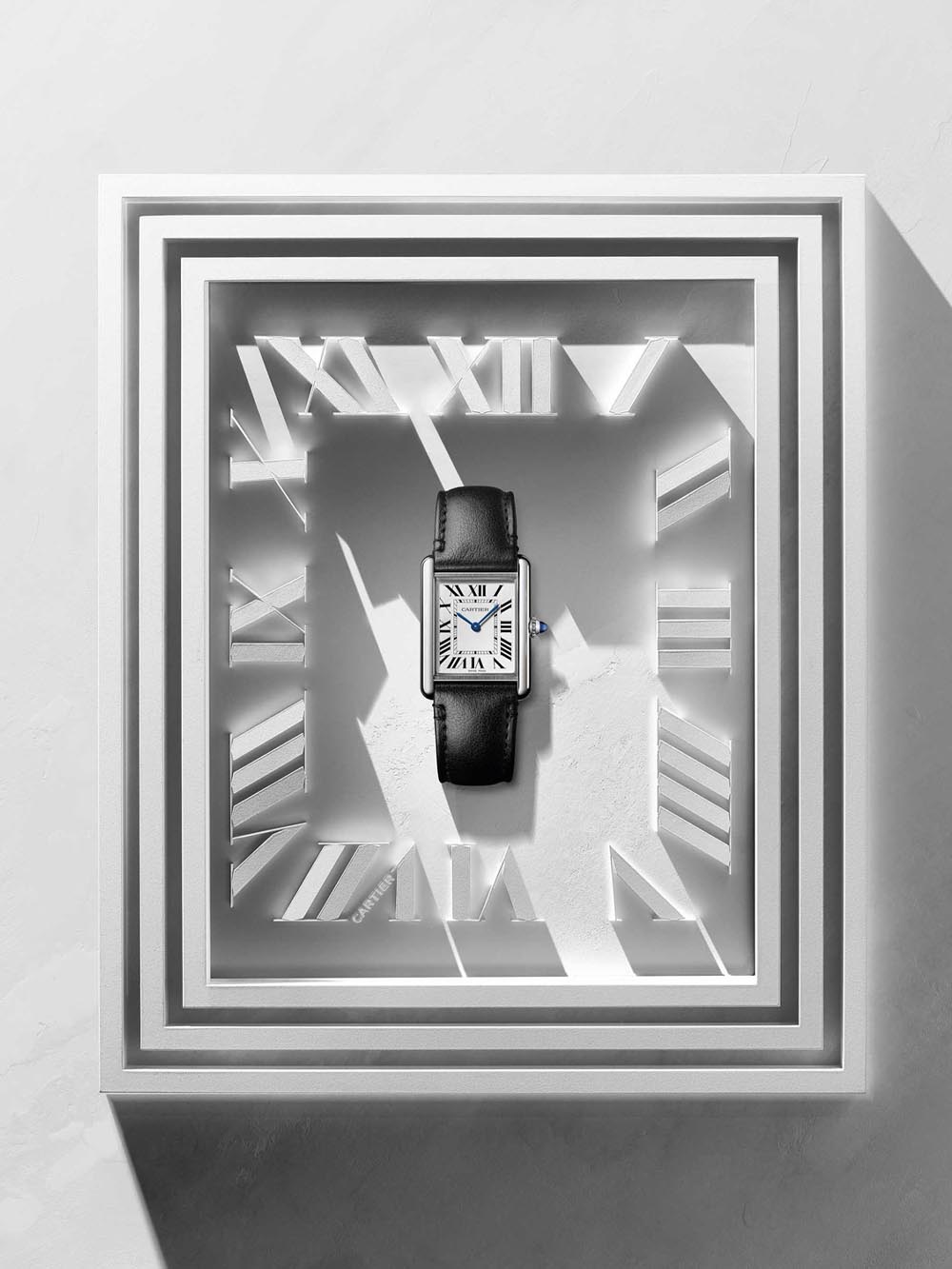
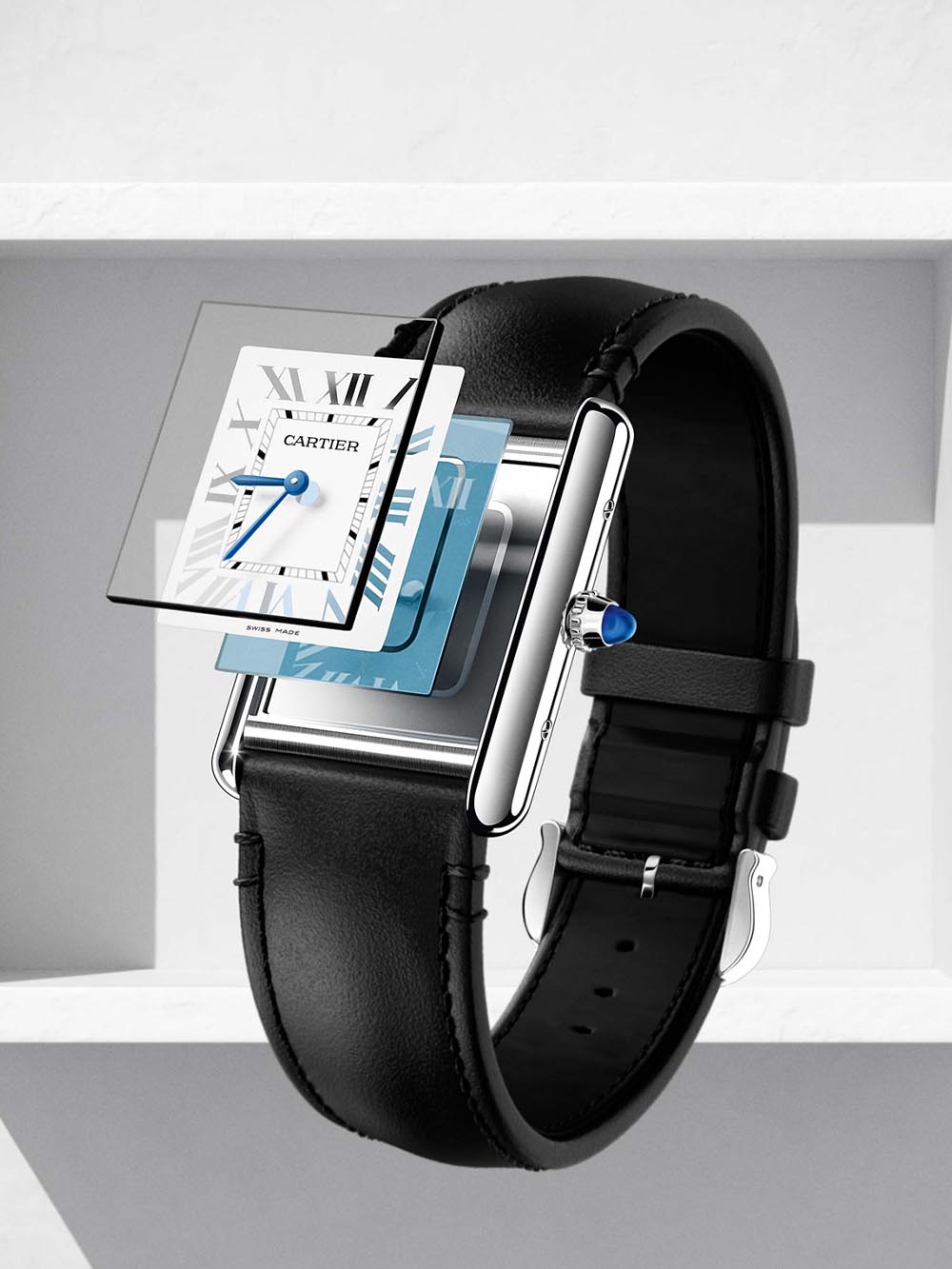
Cartier took a quieter and arguably more surprising path with the Tank Must SolarBeat.
Its dial is micro-perforated in a way that is invisible to the eye, allowing light to pass through without disturbing the Tank’s familiar restraint.
Cartier claims at least 16 years of operation without a battery change, compared with eight years for a high-autonomy quartz watch and three years for a standard quartz model.
Frederique Constant’s Classics Moneta Solarmetre follows a similarly elegant route.
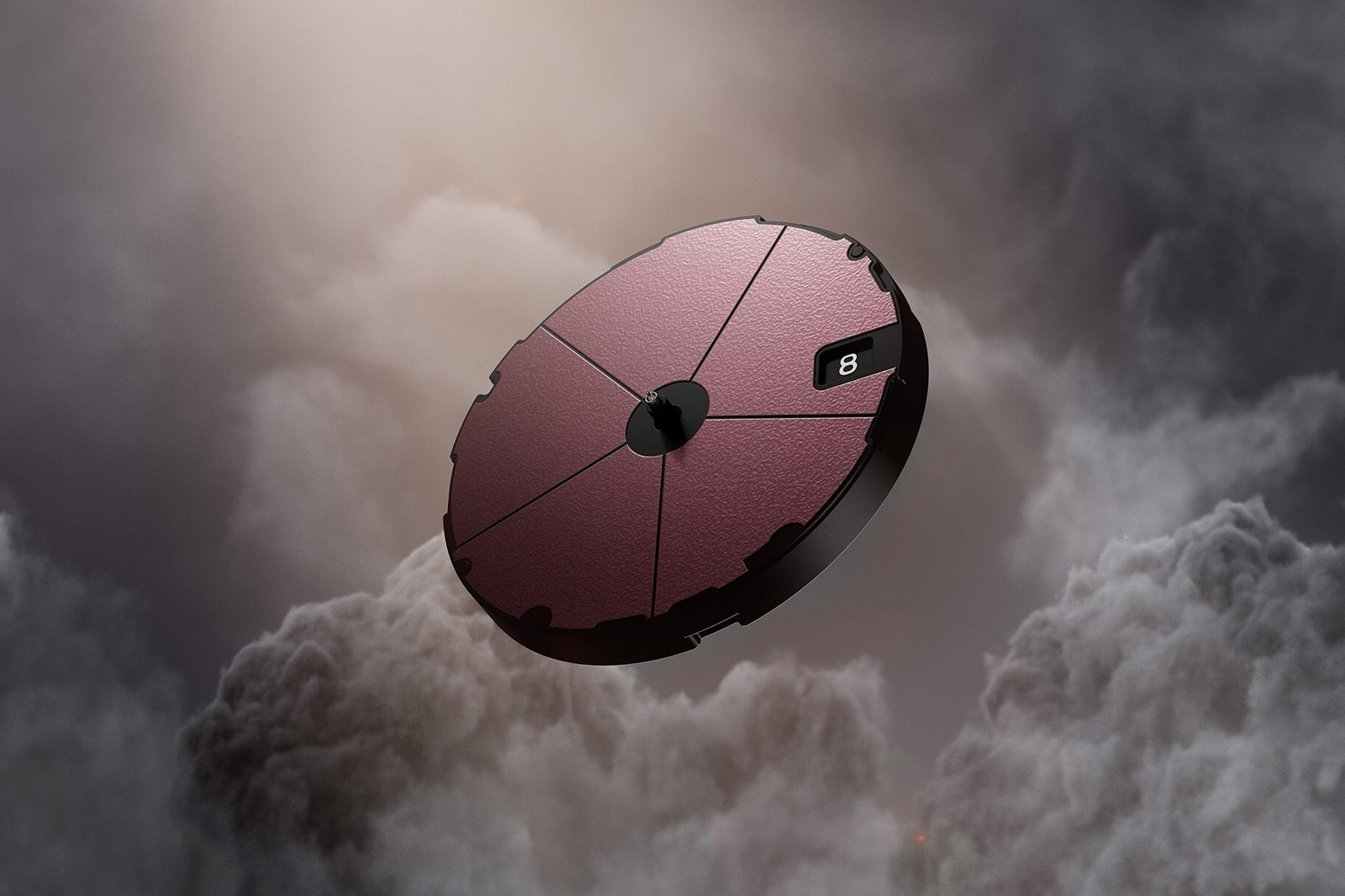
Its FC-120 calibre was developed with La Joux-Perret, placing photovoltaic cells beneath a grained translucent dial that gives the watch a distinct lustre.
One minute of light is enough for a day of running, and a full charge gives up to 10 months of autonomy in darkness.
The 39mm watch is offered in white, burgundy and ice blue, with a choice of leather strap or Milanese bracelet.

Tiffany and Junghans bring two very different kinds of polish
Tiffany & Co. made its solar debut in 2025 with the Rope watch, placing the technology inside a high-jewellery context rather than a sports line.
The design draws on Jean Schlumberger’s twisted-rope motif, which makes the watch feel closer to jewellery than instrument.
Its solar movement was developed with La Joux-Perret, with cells sitting beneath either a semi-translucent mother-of-pearl dial or a black dial.
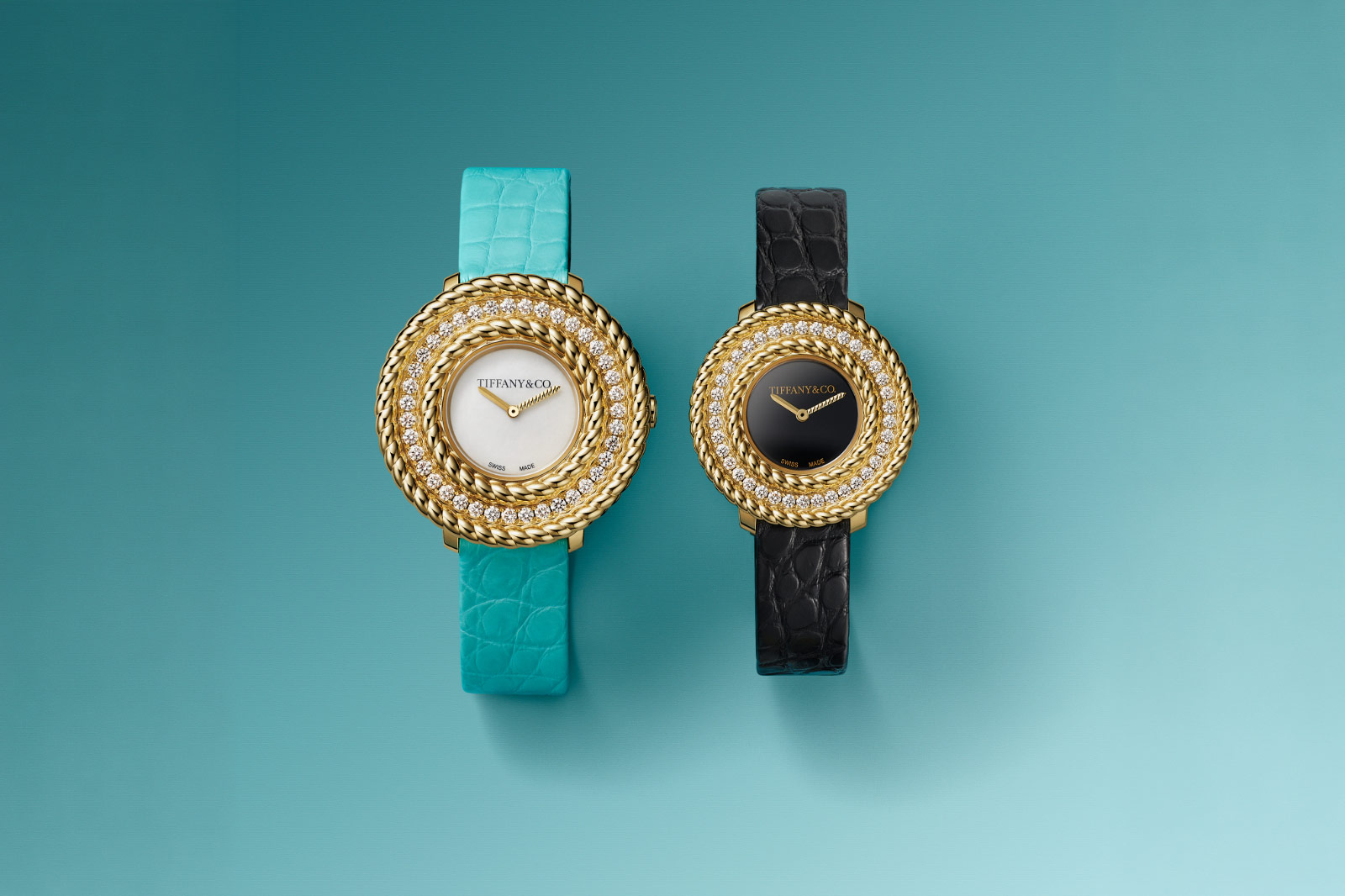
Two minutes of sunlight gives 24 hours of running, while a full charge lasts eight months.
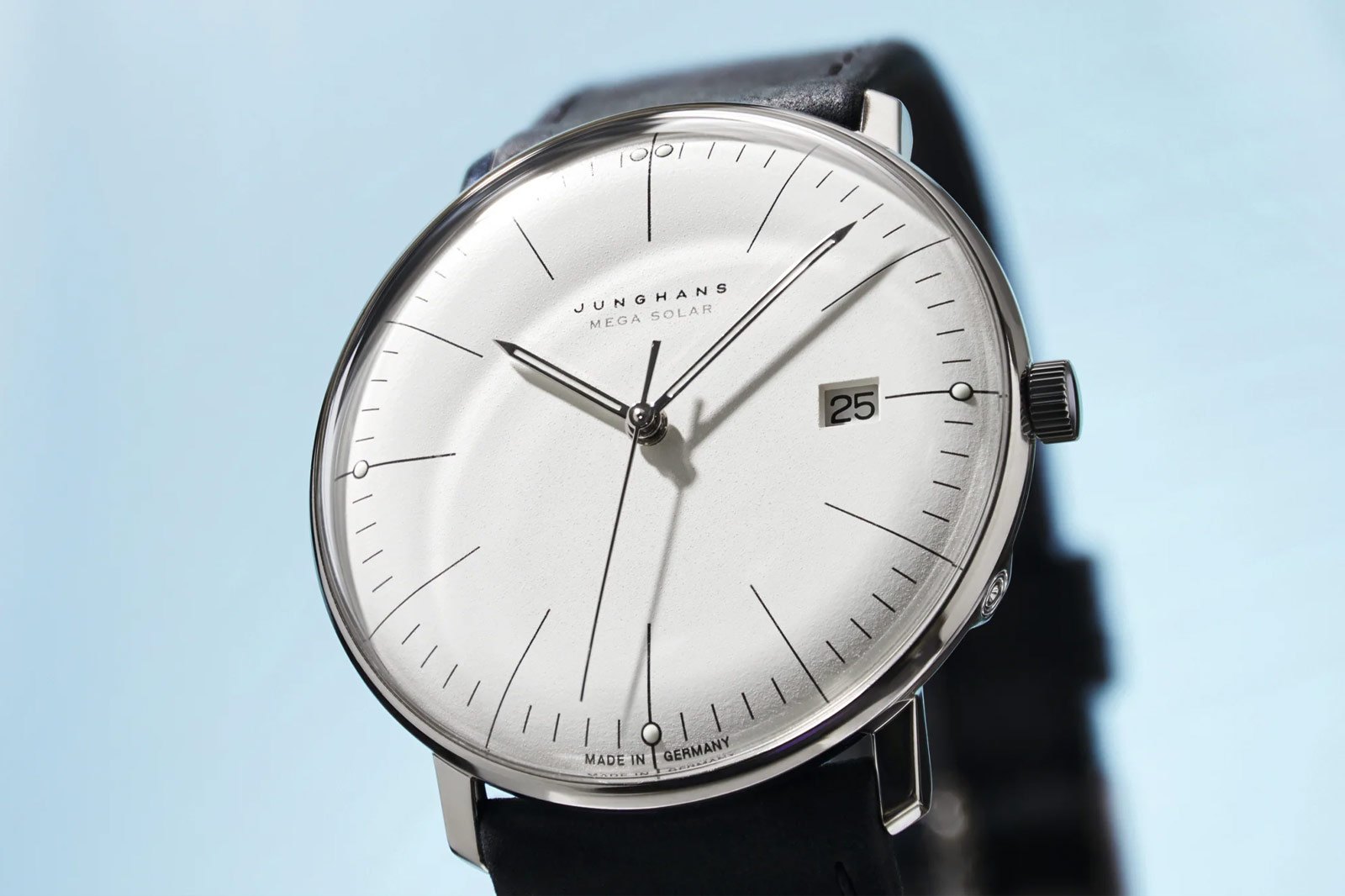
Junghans brings a German design angle through the Max Bill MEGA Solar.
The 38mm titanium watch houses the J101.85 radio-controlled solar movement, with the dial itself acting as the solar cell.
It can sync via multi-band radio or the Junghans MEGA app, pairing light-powered charging with timekeeping that suits frequent travellers.
On a full charge it can run for up to three years, and an eight-minute quick charge can revive a flat watch.
The Max Bill line dates back to the German architect’s 1961 work for Junghans, which gives this solar model a design pedigree most technical quartz watches simply don’t have.
Details & Specifications
| Citizen Crystron Solar Cell | Released in 1976 as the world’s first light-powered analogue watch. |
|---|---|
| Citizen Calibre 0100 | Solar analogue movement rated to plus or minus one second per year. |
| Citizen Eco-Drive 365 | Runs for a full year in total darkness on one full charge. |
| Seiko Astron GPS Solar | Introduced in 2012 with GPS time-zone adjustment and solar charging. |
| TAG Heuer Aquaracer Professional 200 Solargraph | Uses Calibre TH50-00 by La Joux-Perret, with up to 10 months of running from a full charge. |
| Cartier Tank Must SolarBeat | Uses a micro-perforated dial and is rated for at least 16 years of operation without a battery change. |
| Tiffany & Co. Rope | First solar Tiffany watch, launched in 2025 with a movement developed with La Joux-Perret. |
| Frederique Constant Classics Moneta Solarmetre | 39mm solar dress watch with FC-120 calibre and up to 10 months of autonomy. |
| Junghans Max Bill MEGA Solar | 38mm titanium radio-controlled solar watch with up to three years of running on a full charge. |
The appeal of solar powered watches is no longer only that they spare owners from frequent battery changes.
The best examples now show how a practical movement can support strong design, real convenience and a more considered approach to everyday ownership.