A luxury resort can be beautiful without feeling meaningful.
The Sarojin, set on Khao Lak’s Andaman coast, makes a strong case for something deeper. Its appeal lies not only in its white-sand setting, private residences and Michelin Key recognition, but in the way hospitality, community and resilience are woven into the experience.
For travellers who want a Thai beach escape with a real sense of place, this is the kind of hotel that stays with you after checkout.
At a glance
- The Sarojin is a five-star boutique resort in Khao Lak with 56 residences set across ten acres of tropical grounds.
- The resort combines contemporary Asian design, highly personal service and immersive dining, wellness and nature-led experiences.
- Its long-running community fund, volunteering programme and tree-planting initiative link each stay to local recovery, conservation and livelihoods.
A Khao Lak retreat with a human story
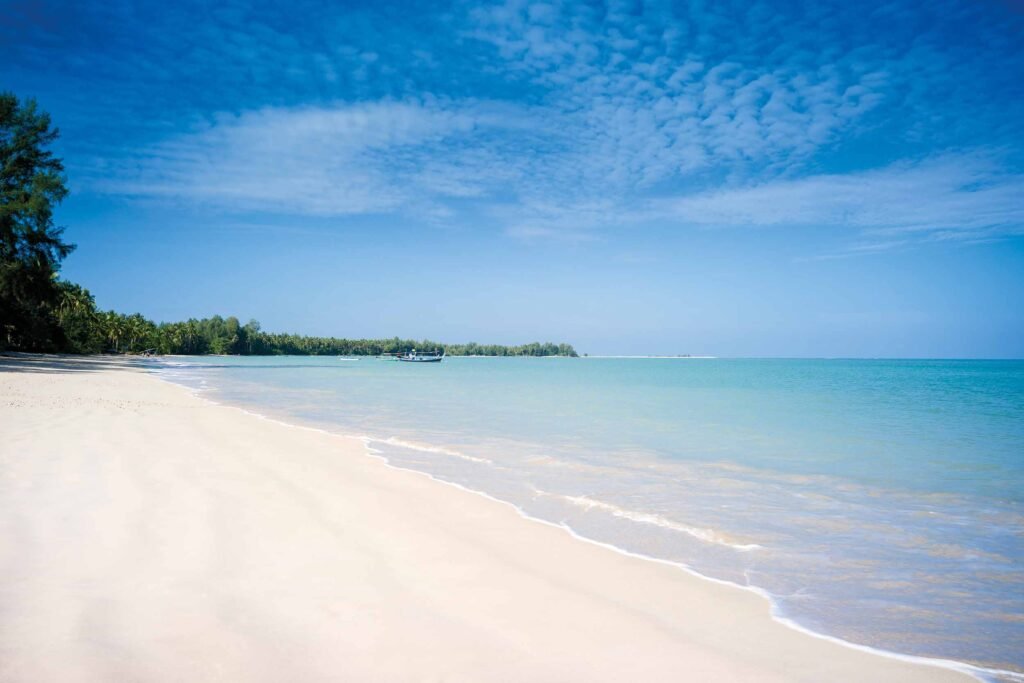
The Sarojin sits along an 11-kilometre stretch of soft white sand, about 55 minutes north of Phuket International Airport.
Its position is a major part of the draw, with five national parks nearby and the celebrated dive sites of the Similan and Surin Islands within reach.
Yet the resort’s identity was shaped as much by adversity as by geography.
Kate and Andrew Kemp, the British couple behind The Sarojin, chose Khao Lak for its natural beauty, local culture and quietly authentic Thai character at a time when the area was still considered an unconventional choice for luxury hospitality.
The resort was due to open just days after the 2004 Boxing Day tsunami, which devastated Khao Lak and badly damaged the property.
Rather than step back, the Kemps focused on supporting their team and the wider community, reassuring staff that the resort and their livelihoods would be rebuilt.
The Sarojin opened in October 2005, almost a year later.
To honour the 53 employees who stayed through the disaster and recovery, each guest residence was named after a member of the original team.
That decision still says much about the tone of the place.
Service here isn’t presented as theatre, but as a relationship built over time, helped by long-serving staff and an instinctive understanding of returning guests.
Residences designed around privacy and calm
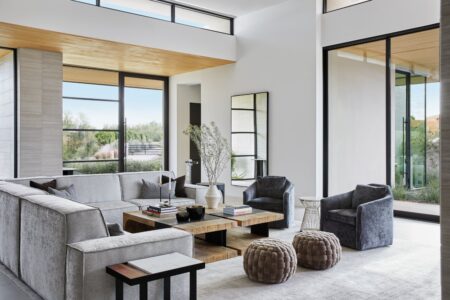
The resort has 56 residences arranged across ten acres of tropical gardens, giving it a sense of space that feels increasingly rare in established Thai beach destinations.
The architecture follows a contemporary Asian language, with clean lines, soft transitions between indoors and out, and a strong emphasis on privacy.
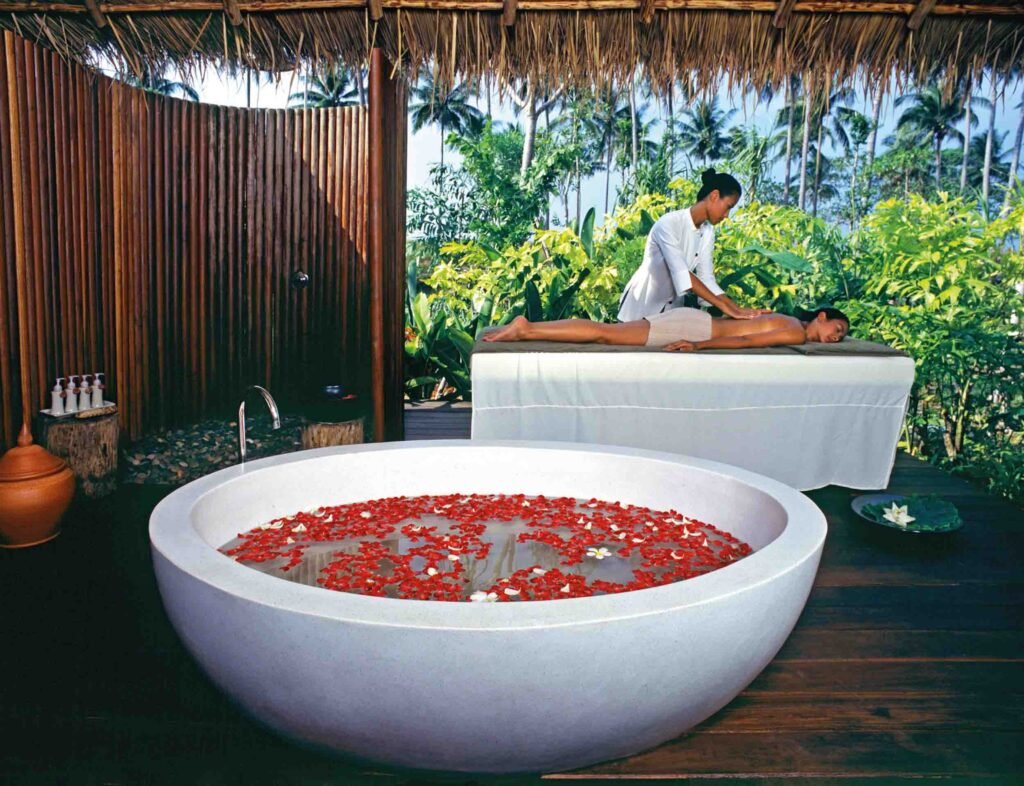
Private gardens, secluded sala sundecks, plunge pools and open-air bathrooms bring the landscape into the stay without making the setting feel overdesigned.
It’s a polished, adult-leaning kind of luxury, less about spectacle and more about pace, quiet and attentive detail.
The resort has also been recognised with Two Michelin Keys, a distinction reserved for hotels delivering an exceptional stay.
In practical terms, that places The Sarojin among a more carefully considered tier of properties, where the full guest experience matters as much as the setting.
Community work built into the stay
The Sarojin Khao Lak Community Fund was created in the aftermath of the tsunami and remains central to the resort’s purpose.
Over the years, it has supported a wide range of local needs, including the restoration of the fishing fleet, childcare, education, medical provisions, street lighting and road repairs.
Now in its 22nd year, the fund continues to focus on education, conservation and sustainable livelihoods.
That work has also become part of how guests can engage with Khao Lak beyond the resort boundary.
Sarojin Cares days began in 2007 and bring guests and staff together for monthly volunteering activities such as beach clean-ups, tree planting and support for local social enterprises.
One partner is Avautis, which creates employment opportunities for autistic adults and supports education for autistic children.
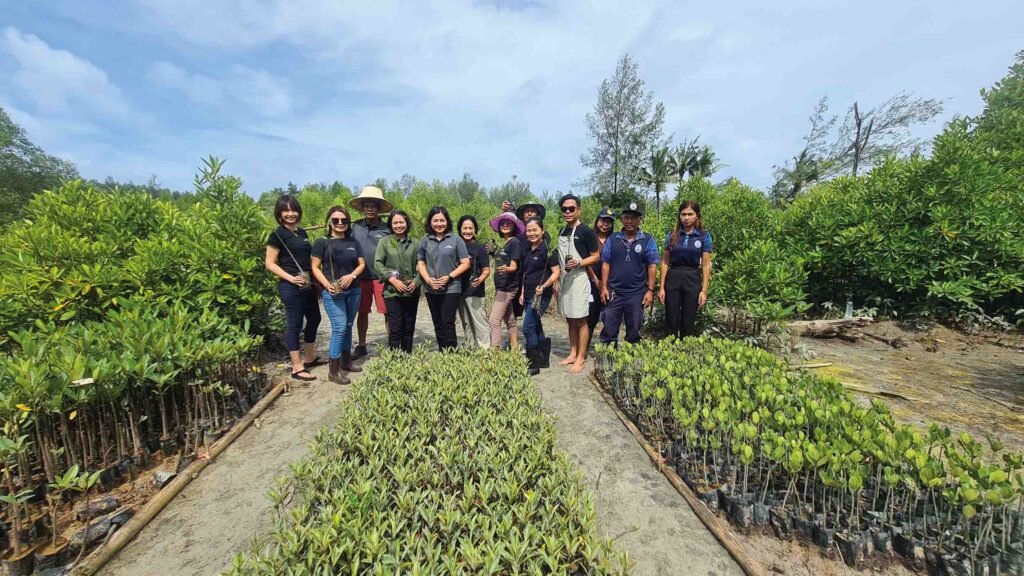
In 2022, the resort introduced its One Booking One Tree initiative, planting a mangrove or sea almond tree for every booking made.
The project is run with National Parks Phang Nga and was recognised with the Responsible Thailand Award for Green Steps.
For guests, the initiative offers a simple but tangible way to contribute to the coastal ecosystems that make Khao Lak so compelling.
Community-linked wellness has followed the same path.
Yoga for the Community offers twice-weekly sessions for guests, with proceeds going to the community fund, while Pickleball for the Community has turned an unused area of the resort into a social court with the same charitable structure.
Behind the scenes, sustainability measures include an in-house water bottling plant, refillable amenities and eco-conscious materials across the property.
Slow dining on the Andaman coast
The Sarojin’s approach to food fits the unhurried rhythm of the resort.
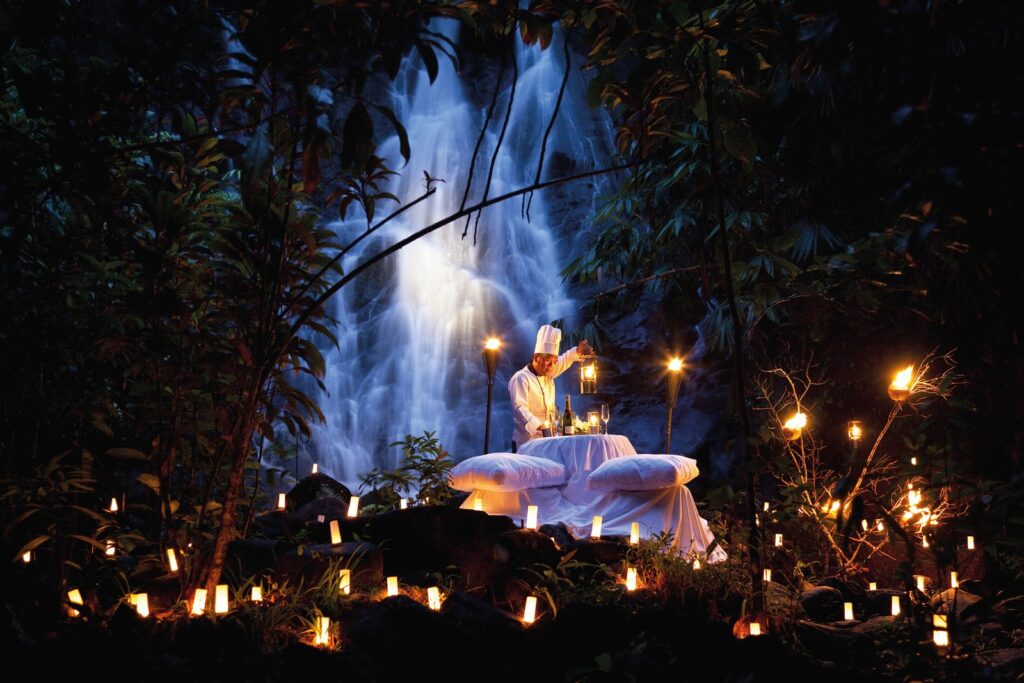
Its signature all-day à la carte breakfast runs until 6pm, a small but telling detail for anyone who prefers not to organise a holiday around buffet hours.
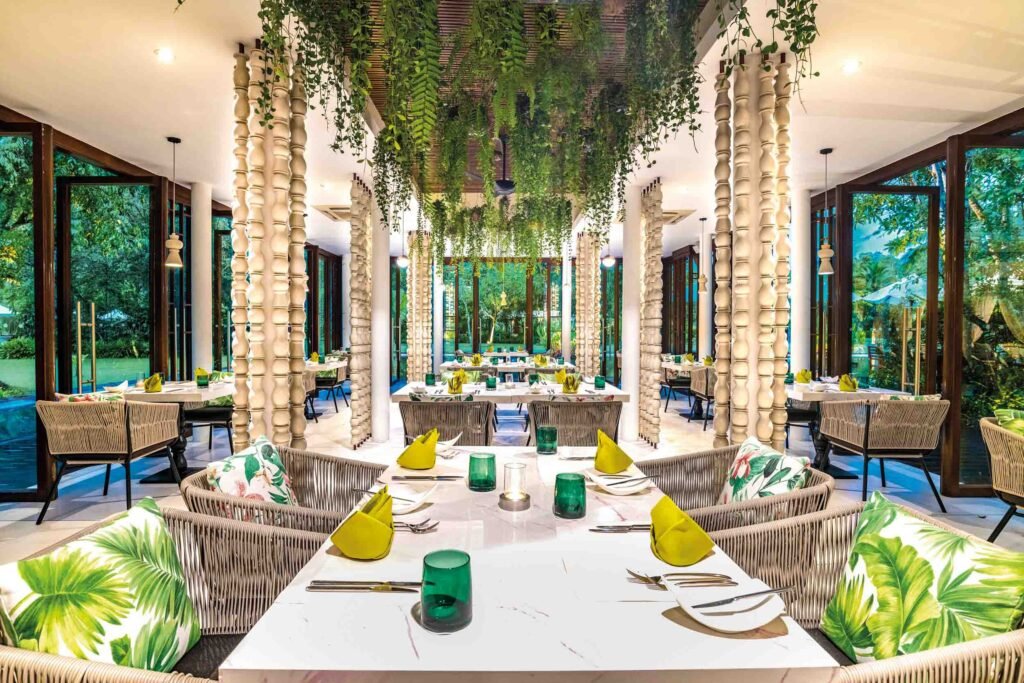
Dining spans Thai, contemporary Mediterranean and international cooking, with restaurants including Ficus, Edge and the beachfront Beach Bar.
The emphasis is on fresh, local and seasonal ingredients rather than overly elaborate presentation.
The culinary programme also extends into Khao Lak itself through cooking classes that begin in local markets.
Guests can explore regional ingredients and traditional flavours before learning to prepare authentic Thai dishes with the resort’s chefs.
It’s the kind of experience that works because it connects the polished hotel environment with the everyday food culture around it.
That balance is ultimately what defines The Sarojin.
It offers the privacy, service and softness expected of a serious Thai beach resort, but its lasting distinction is the way it keeps people and place at the centre of the stay.