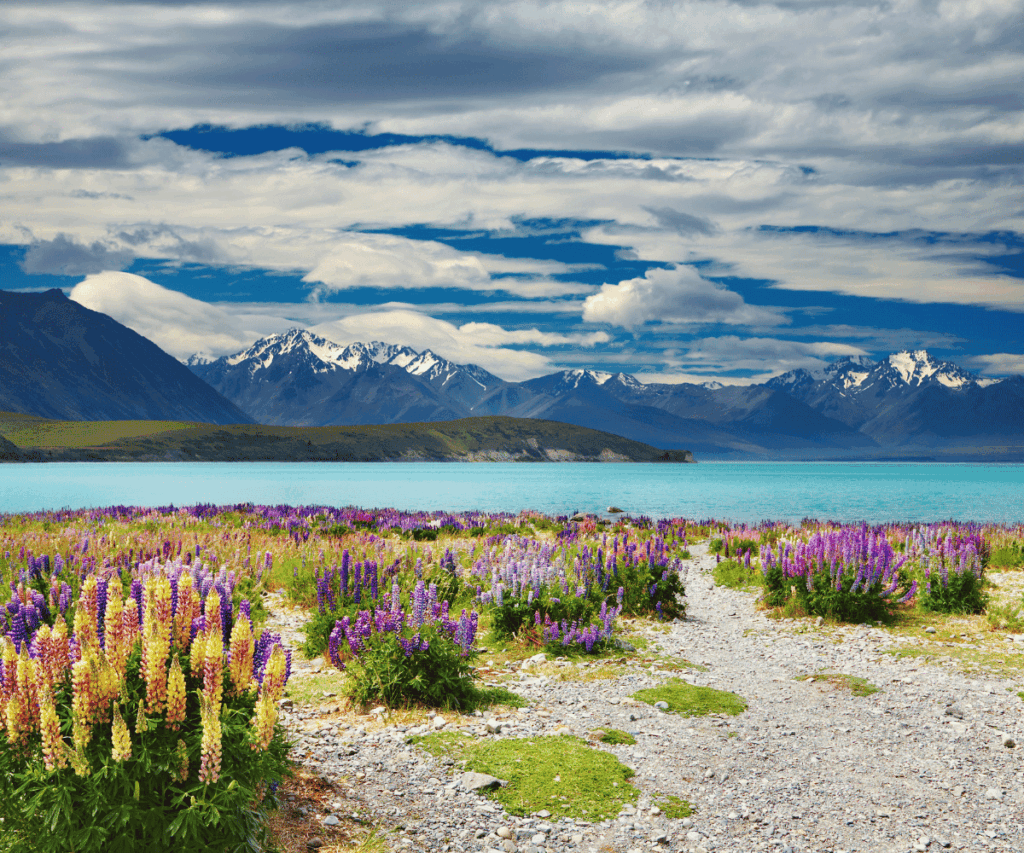
Wild New Zealand is at its best when travellers are given enough space to meet it properly, without rushing from one viewpoint to the next.
For private operators such as Aroha Luxury New Zealand Tours, the appeal isn’t about making remote places feel difficult, but about removing the friction so the landscape can take centre stage.
Rugged country without rugged travel
There’s a useful distinction in New Zealand between a rugged landscape and rugged travel.
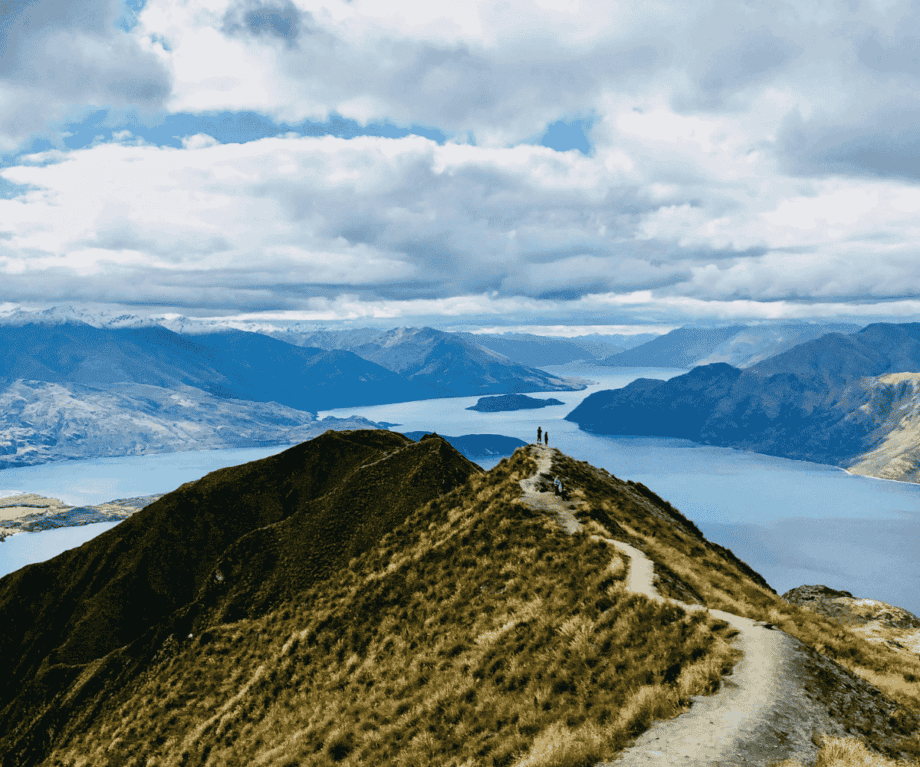
Fiordland can be moody, immense and wet, the West Coast can turn rain into part of the scenery, and Central Otago can feel almost startling in its openness.
None of that requires uncomfortable days, missed meals or itineraries so full that no one has time to look around.
The country lends itself beautifully to a quieter kind of luxury, where warmth, privacy and good planning allow travellers to feel close to something elemental without being tested by it.
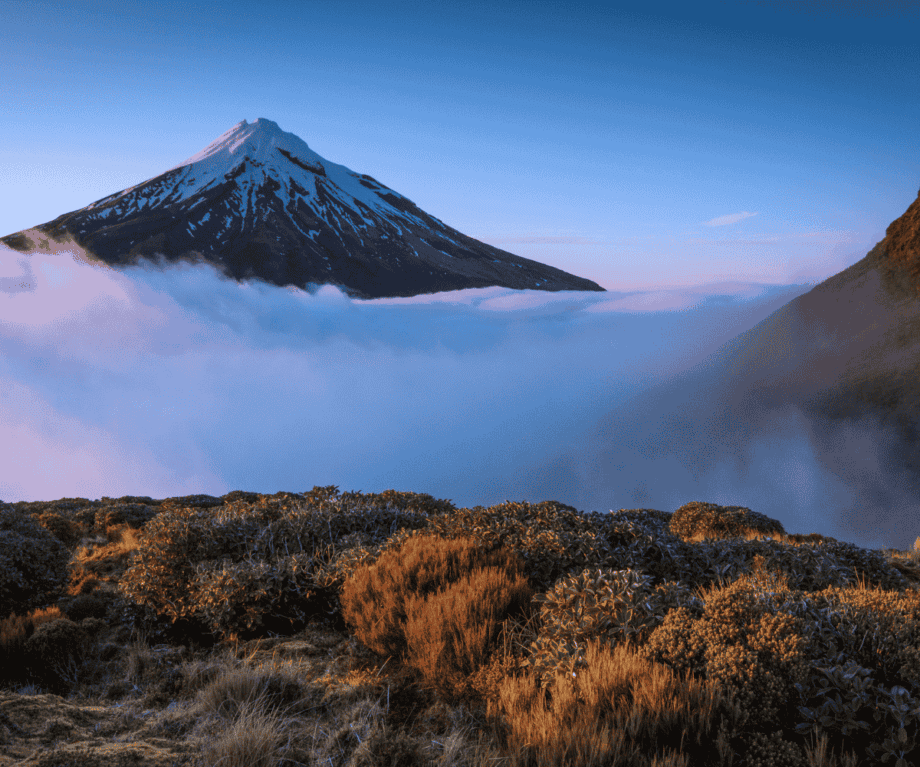
The guide’s judgement shapes the day
The visible parts of a private journey are easy to understand, from the vehicle and lodges to the reservations and scenic routes.
The more valuable part is often the judgement behind the scenes.
In New Zealand, weather can alter a day quickly, especially in Fiordland and along the West Coast, where low cloud, rain and sudden brightness are part of the region’s character.
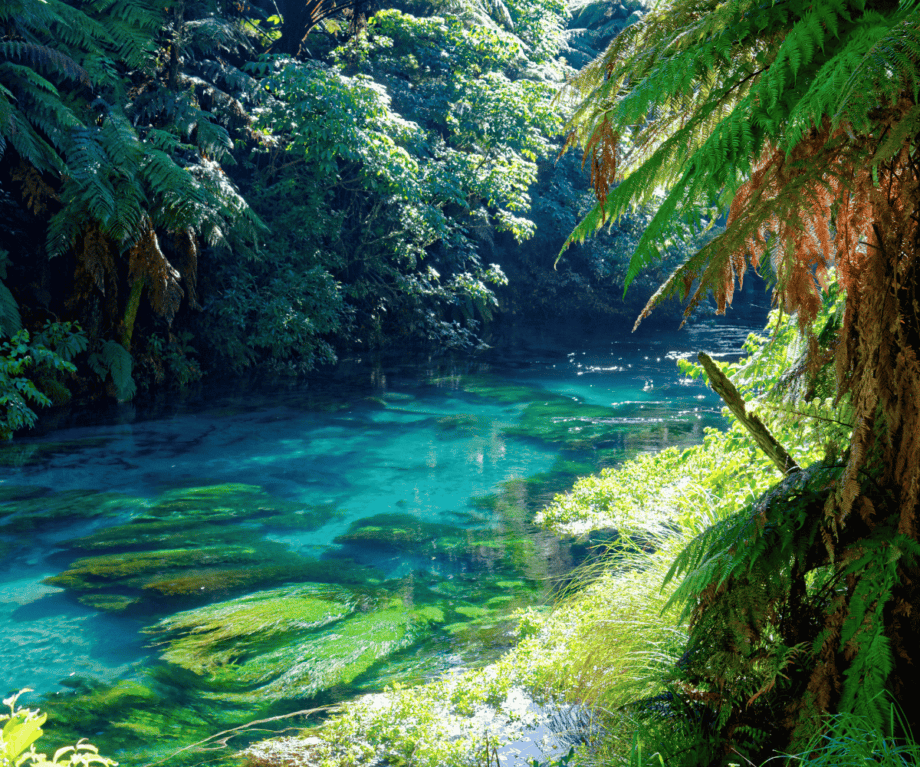
A good guide knows when to leave early for better light, when to change a walk, when to linger because the group has gone quiet in the right way and when to swap a planned viewpoint for a sheltered forest track and a well-timed coffee.
That flexibility matters because the most memorable travel here is rarely about following a schedule perfectly.
Comfort becomes part of the wilderness
After a cold walk, a wet jacket or a long spell staring across open land, comfort stops feeling secondary.
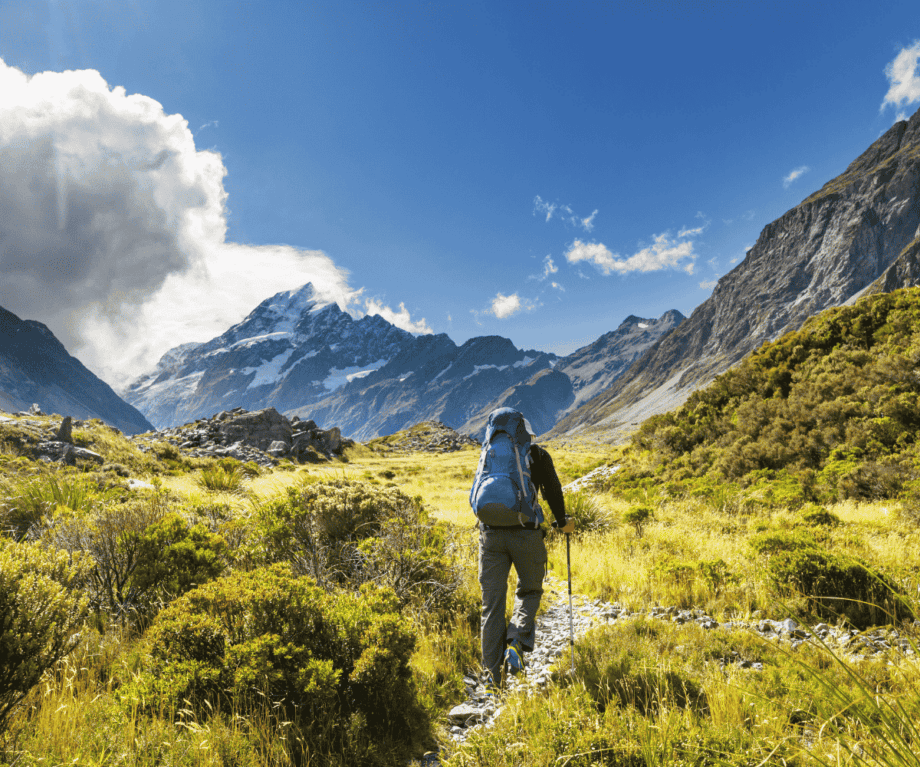
A fire already lit, dry shoes, a strong meal and a suite looking back toward the day’s landscape can become part of the memory rather than a pause between activities.
This is where New Zealand’s luxury travel scene feels particularly well suited to its geography.
The lodges and private experiences don’t need to compete with the mountains, bush, lakes or sounds, they simply make it easier to stay present with them.
Where slow travel works best
Fiordland by air or water can make even experienced travellers fall silent for a while, not because it demands drama but because the scale is so complete.
A private walk through native bush offers a different register, with bird calls in the canopy, moving water nearby and the soft detail of moss, fern and rain-dark trunks.
In the Mackenzie Country, a high-country station visit can open up a spare, expansive view of the South Island, while the Marlborough Sounds reward an unhurried day between sheltered bays.
These experiences work best when the itinerary leaves room for weather, conversation and the occasional change of mind.
That may be the real comfort of wild New Zealand, the feeling of being far away without being unsettled, and of knowing the day has been shaped carefully enough that you can stop managing it yourself.
Long after the views have blurred together, many travellers remember a simpler sensation, being warm after the cold, quiet after the noise of everyday life and fully present in a place that didn’t need to shout.