Seiko’s Power Design Project is one of the more revealing windows into how watch designers think when commercial constraints are pushed to the side.
This year’s exhibition, titled Passionately and Obsessively Crafted Watches, brings a group of concept pieces to Japan House London from 27 August to 15 September, with free admission.
For collectors, designers and anyone interested in the stranger edges of watchmaking, it’s a chance to see Seiko at its most playful and experimental.
At a glance
- Seiko’s Power Design Project exhibition will run at Japan House London from 27 August to 15 September.
- The show presents non-production concept watches created around the theme Passionately and Obsessively Crafted Watches.
- Admission is free at Japan House London, 101–111 Kensington High Street, London W8 5SA.
A rare look inside Seiko’s design studio
The Power Design Project gives Seiko’s designers room to explore ideas that would rarely survive the practical demands of a production watch.
These are not limited editions waiting in the wings, nor are they conventional prototypes dressed up for display.
They’re more like horological sketches in metal, each built around a specific fixation, whether that’s the ritual of winding a movement, the geometry of hour markers or the traces left by machining.
That distinction matters because it lets the watches behave less like products and more like arguments about what a watch can be.
Seiko has occasionally turned strong design ideas from past exhibitions into production-adjacent pieces, but the London show is best approached as an exhibition of concept watchmaking rather than a preview of upcoming releases.
The seven concept watches on show
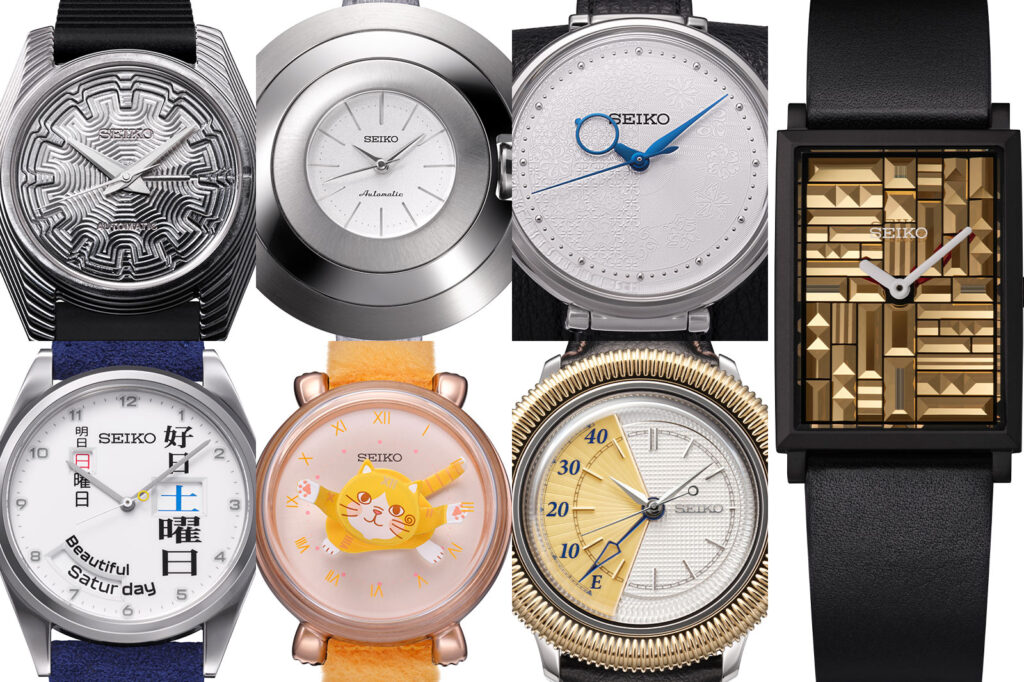
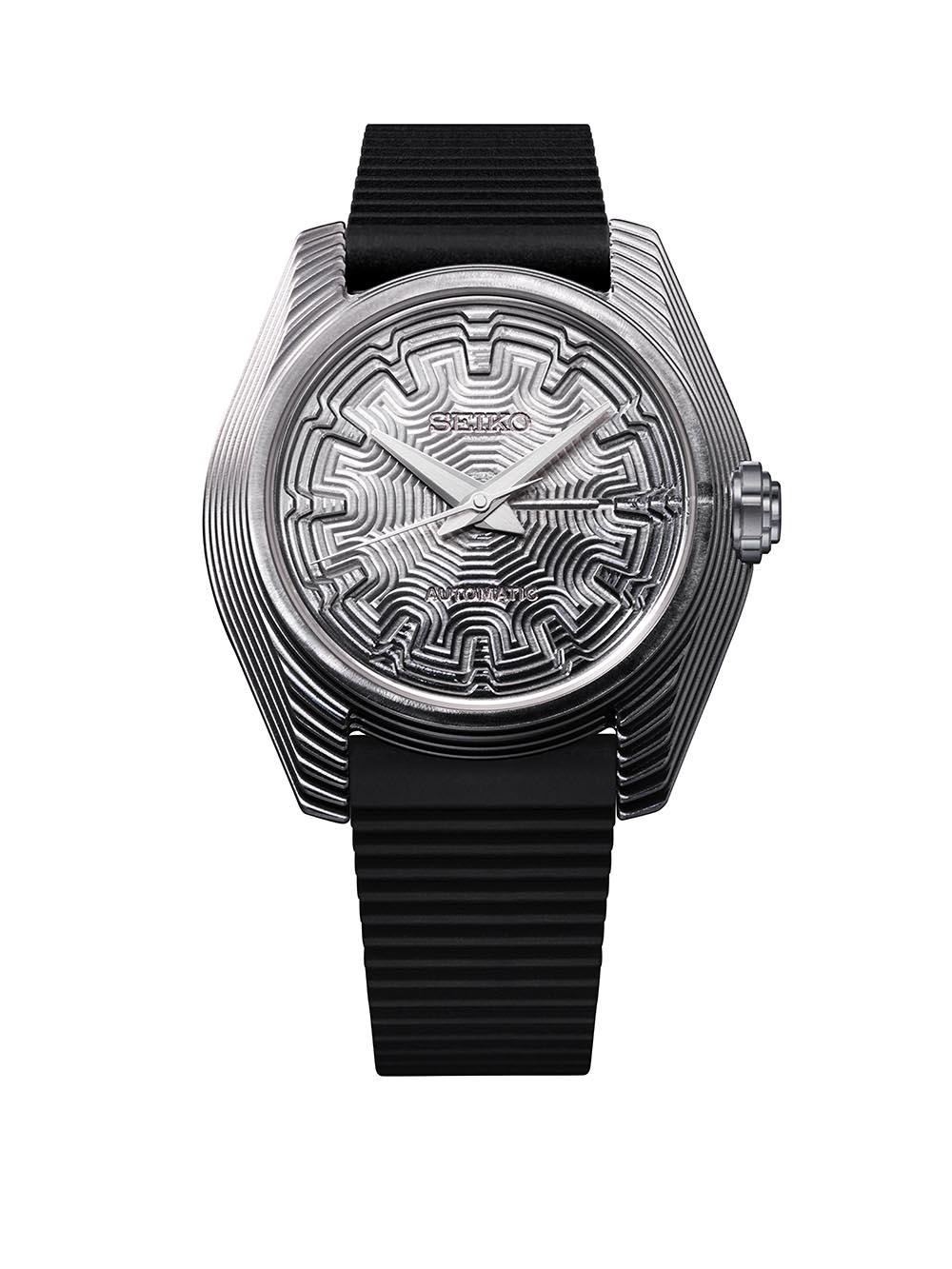
Naoya Sukeda’s Machining Marks takes a manufacturing detail usually polished away and makes it the entire point of the watch.
The case and dial are formed from a single block of steel, with exaggerated machining marks running across the surface and even the logos and hour markers cut into the same material.
The result is architectural and deliberately raw, turning evidence of production into decoration.
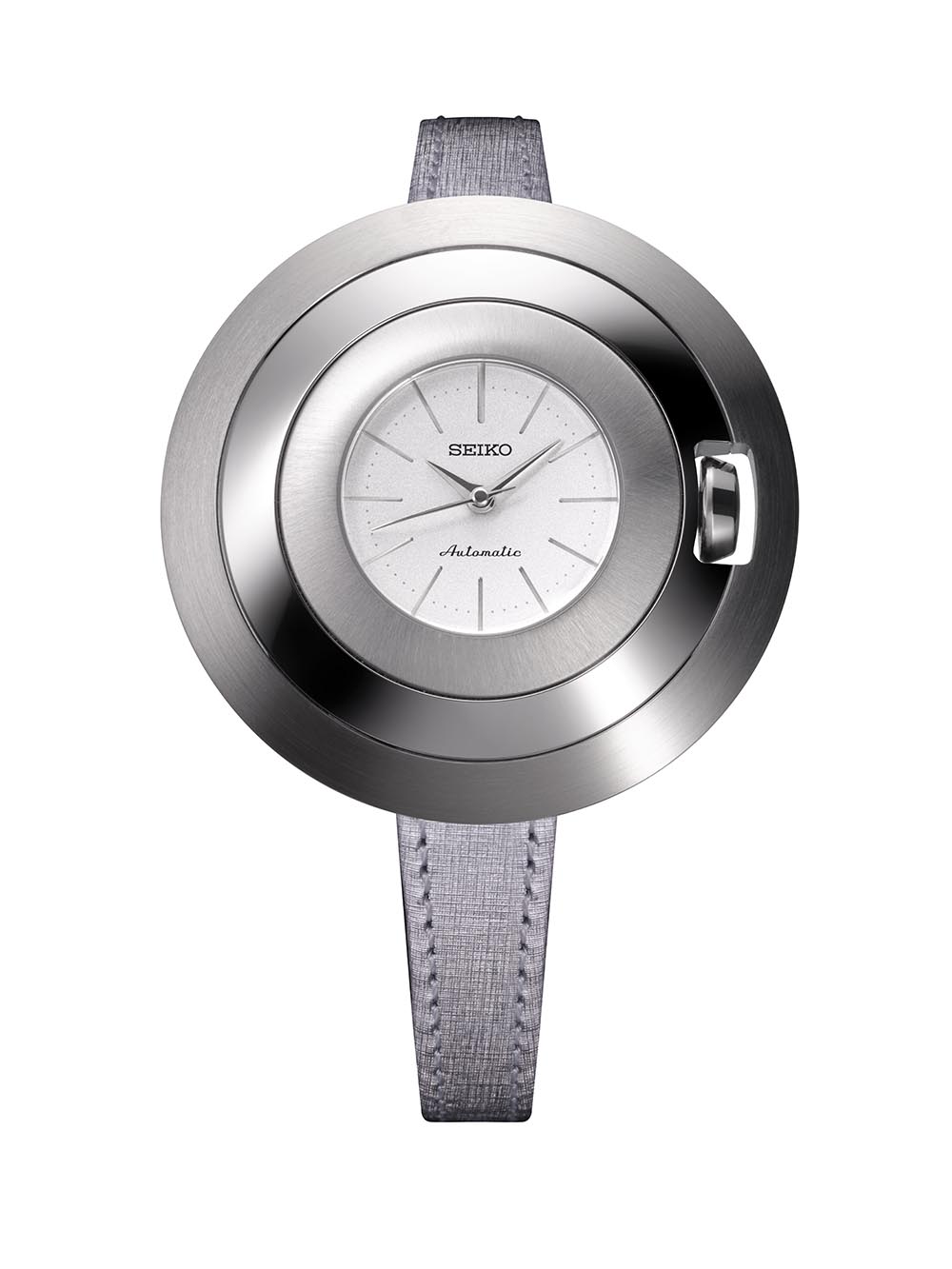
Yu Ishihara’s Spherical Surface begins with the familiar curve of domed sapphire crystal and extends that idea outward across the rest of the watch.
Concentric rings follow the same rounded logic, with the bezel, case and crown guard becoming separate elements in a broader spherical composition.
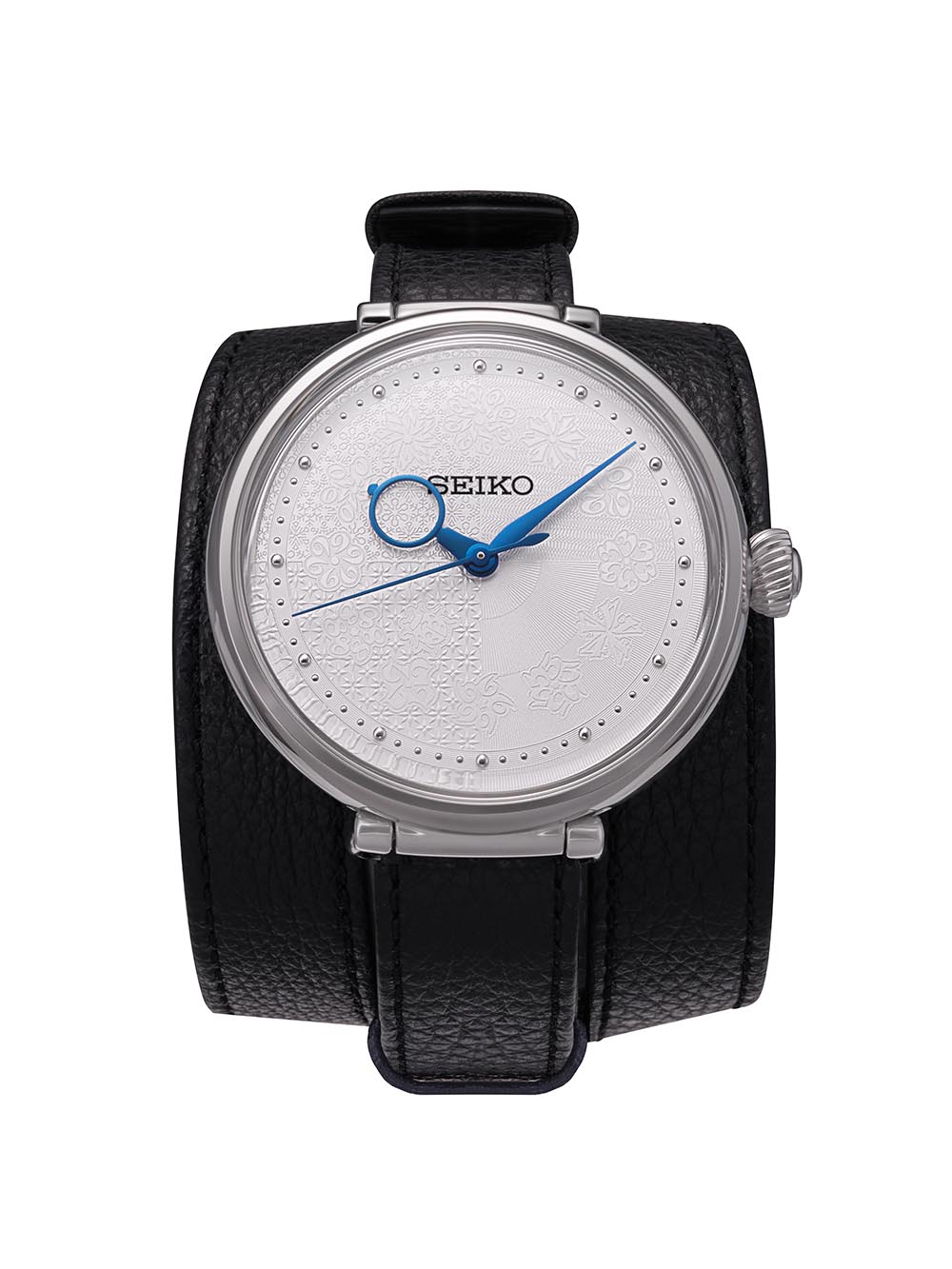
Takuya Matsumoto’s Dial Texture moves in a more ornamental direction, drawing inspiration from the Alhambra Palace in Spain while incorporating traditional Japanese motifs.
Its embossed dial is controlled to within one-hundredth of a millimetre, with areas representing a river, the summer sun, a star-filled sky and falling snow around the display.
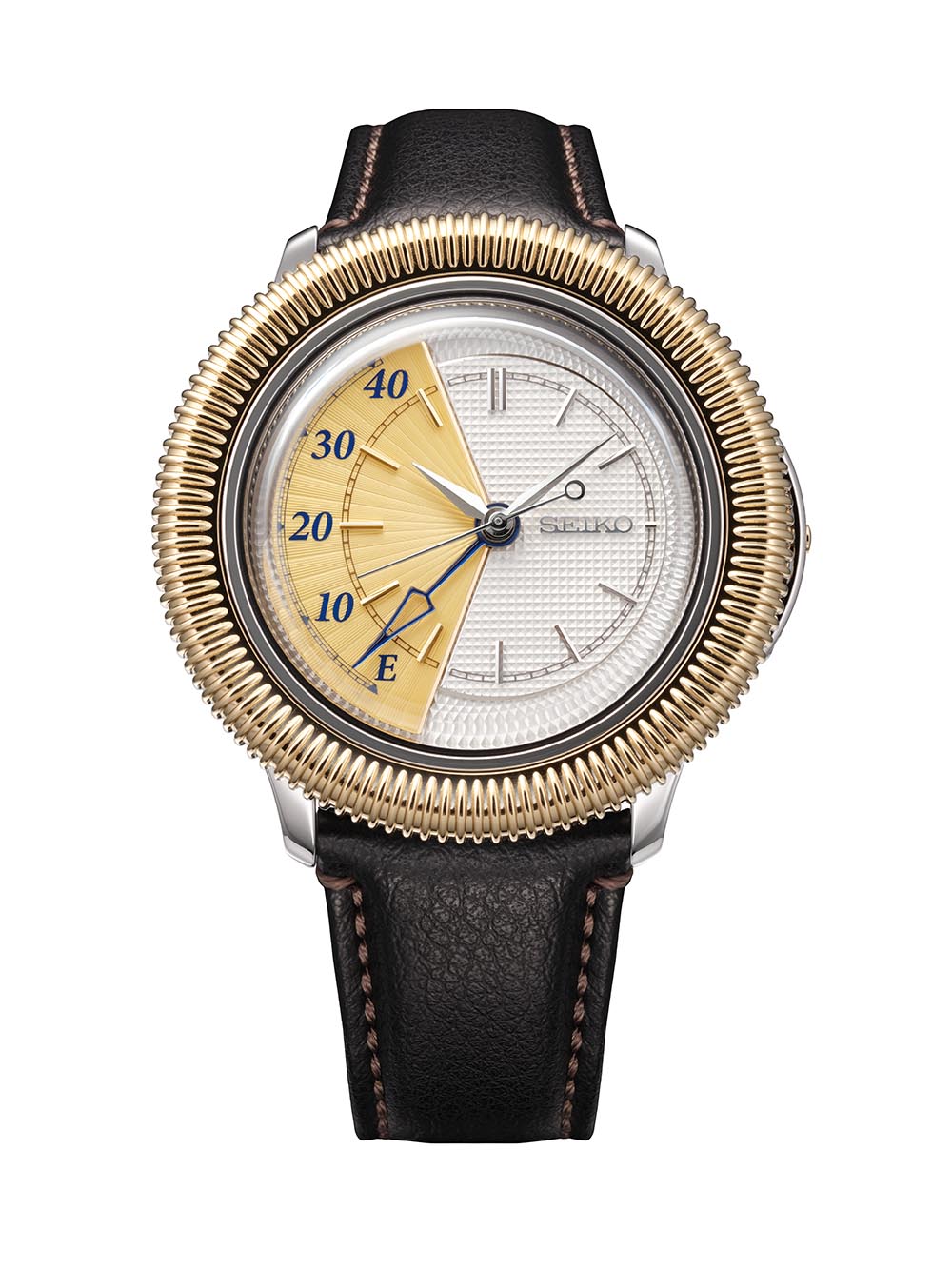
Kento Ito’s Manual Winding turns the act of winding into the central experience of the watch.
A gold-toned fluted rotating bezel meshes with the crown at 3 o’clock, while a prominent power reserve display at 9 o’clock is given extra space by shifting the hand stack off-centre.
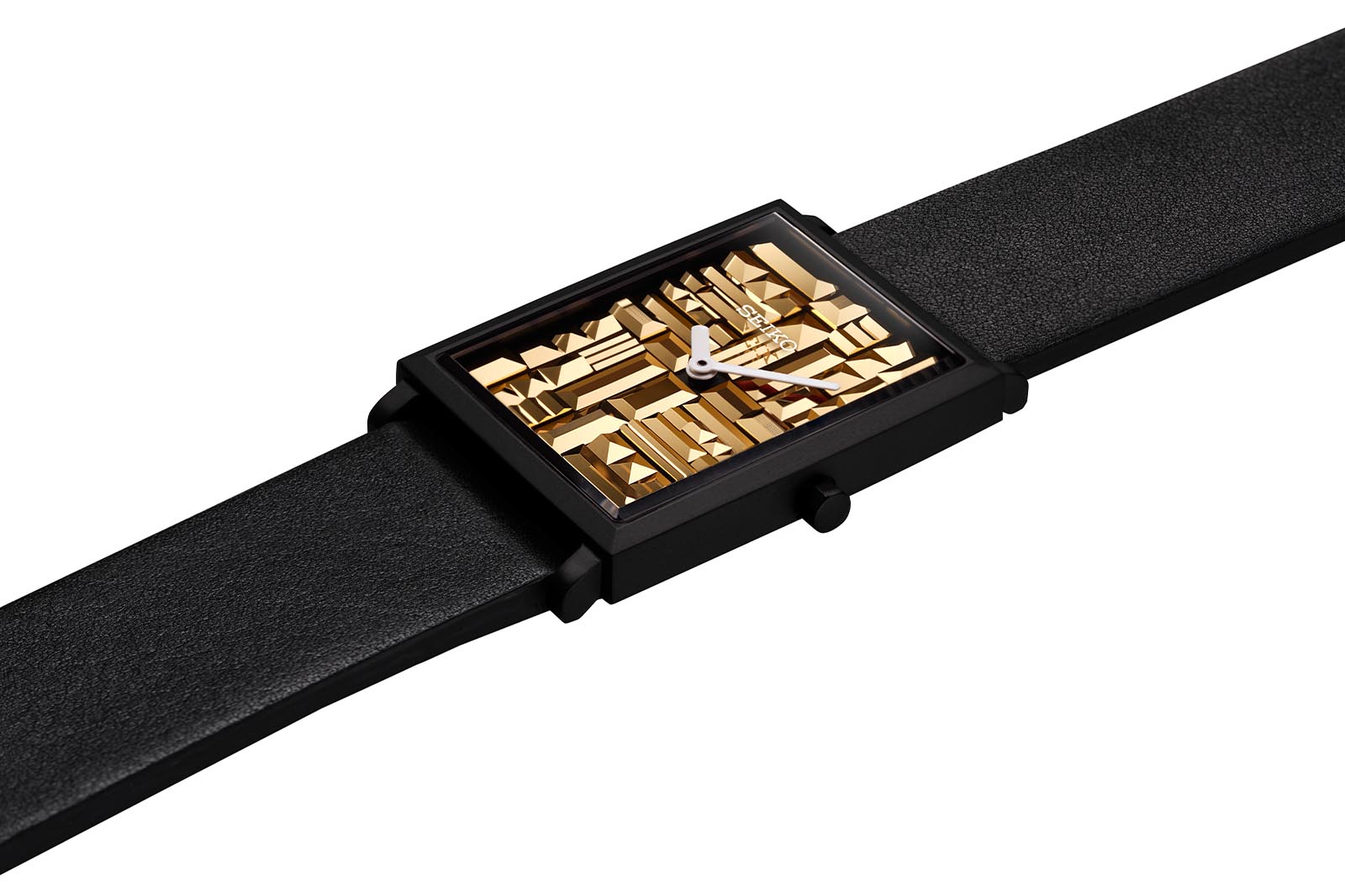
Miho Wada’s Bar Indices takes one of the most common dial details in watch design and multiplies it until it becomes the entire visual language of the piece.
The dial is built as a mosaic of rectangular markers in varied sizes, housed inside a rectangular case that extends the same idea to the watch’s outer form.
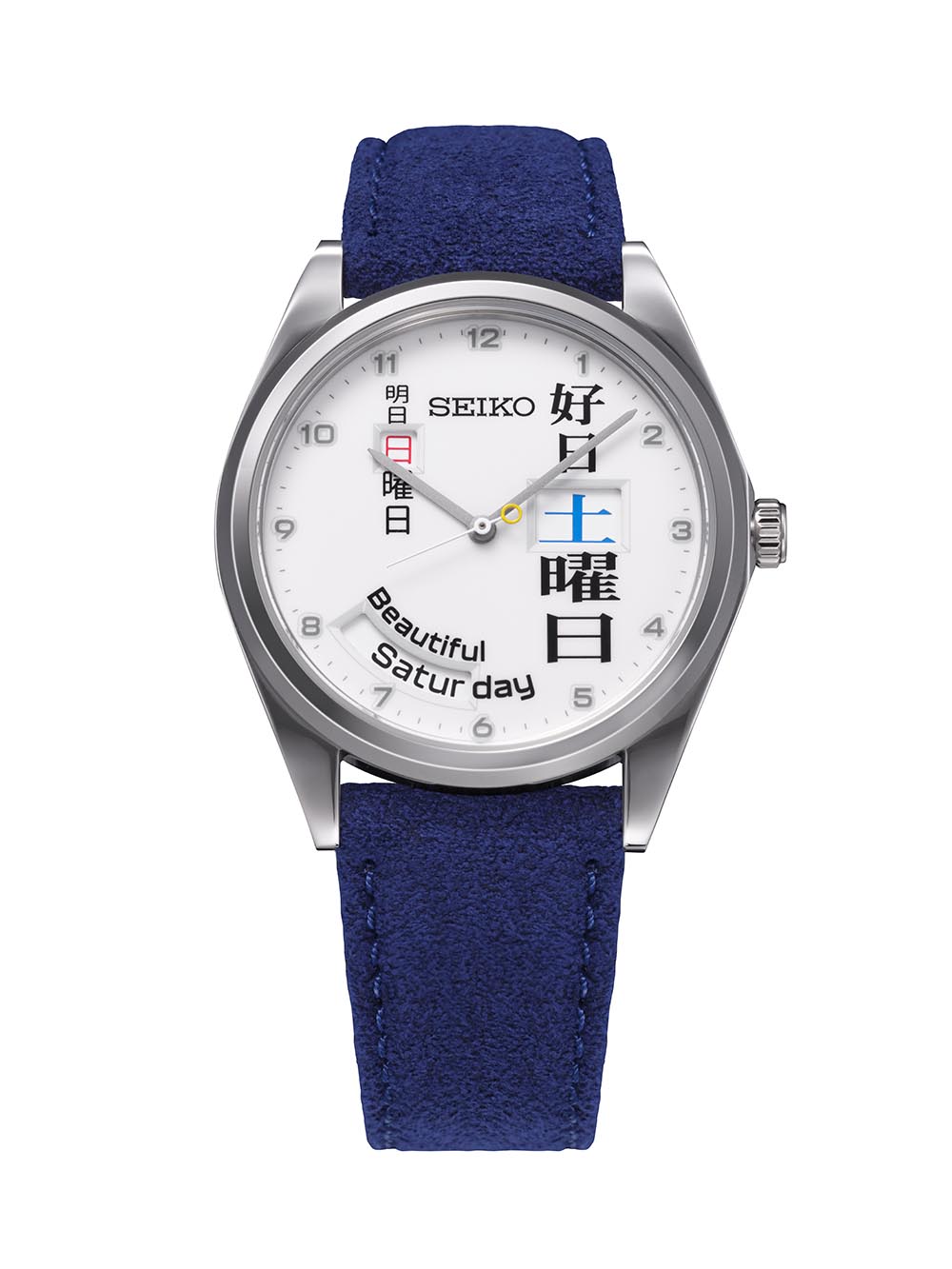
Akihiro Hasegawa’s Day Indicator appears in daytime and nighttime colourways, with the day display becoming the main event rather than a small calendar function.
Three apertures show the current day in English and Japanese, accompanied by positive wording, while a third window shows the following day in Japanese.
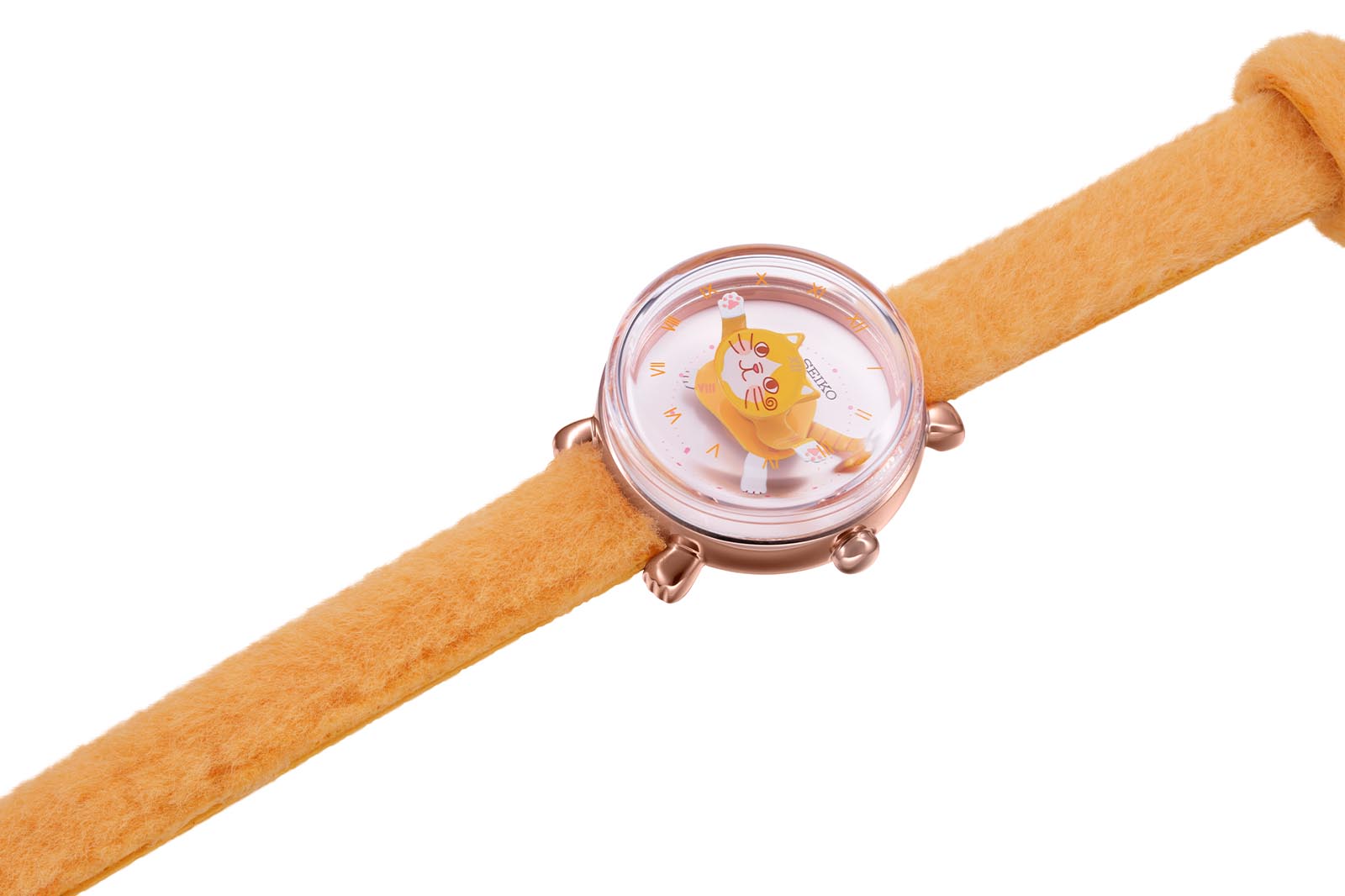
Yuki Omori’s Hands plays with a linguistic and visual idea from Japanese watchmaking, where watch hands are often referred to as needles.
The piece features Seiko’s in-house cat mascot Ten-chan, with the character’s hands, feet and tail assigned to the seconds, minutes and hours.
Craft as obsession rather than polish
The strength of this year’s theme is that it doesn’t treat craftsmanship as a single aesthetic.
One watch celebrates machining marks, another obsesses over embossing tolerances, while another makes a mechanical ritual feel theatrical.
That range is particularly Seiko, a brand comfortable moving between industrial pragmatism, fine finishing, mechanical ingenuity and pop-cultural charm.
There’s also a useful reminder here that watch design isn’t only about refining the familiar.
Sometimes it’s about isolating a tiny part of watchmaking, such as an index, a crown, a crystal or a day wheel, and asking what happens when it becomes the whole idea.
Visiting the London exhibition
Passionately and Obsessively Crafted Watches will be held at Japan House London, 101–111 Kensington High Street, London W8 5SA.
The exhibition runs from 27 August to 15 September, and admission is free.
For Seiko enthusiasts, it offers a different kind of pleasure from seeing a new Prospex, Presage or Grand Seiko launch.
These watches aren’t about ownership, waiting lists or specifications, but about imagination, experimentation and the kind of design thinking that usually remains behind studio doors.
That makes the Power Design Project especially worth seeing in person, where scale, texture and small mechanical jokes can be appreciated at arm’s length.