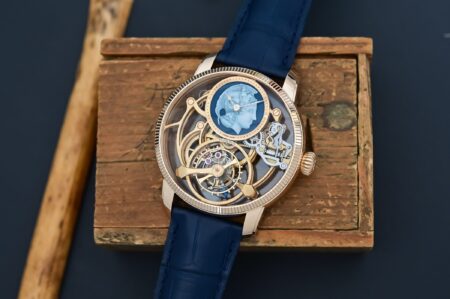
Rotary is one of those names many British watch buyers grew up seeing in jewellers’ windows, even if collectors haven’t always treated it with the same reverence as Switzerland’s louder heritage brands.
That may be changing. With new ownership, a sharper product direction and a growing interest in affordable vintage watches, Rotary’s long and unusually British story is beginning to feel relevant again.
At a glance
- Rotary’s heritage stretches back to 1895, with a defining move into the UK market in 1905.
- The brand built its reputation on practical, reliable watches, including shockproof models, wartime service pieces and accessible automatics.
- Recent collections such as the Astoria, 1895 line and Seamatic point to a renewed focus on heritage-led value.
A Swiss brand with a British pulse
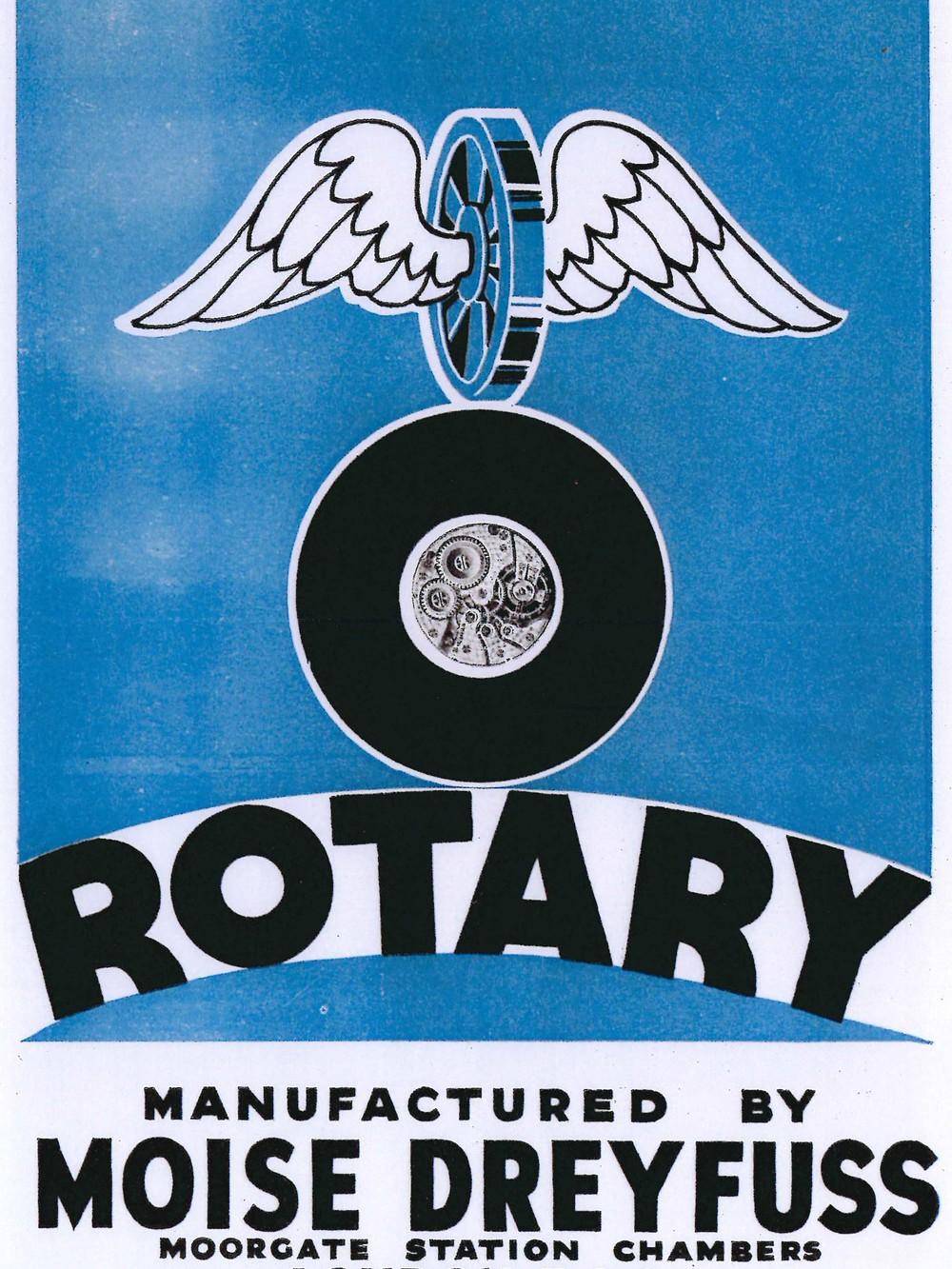
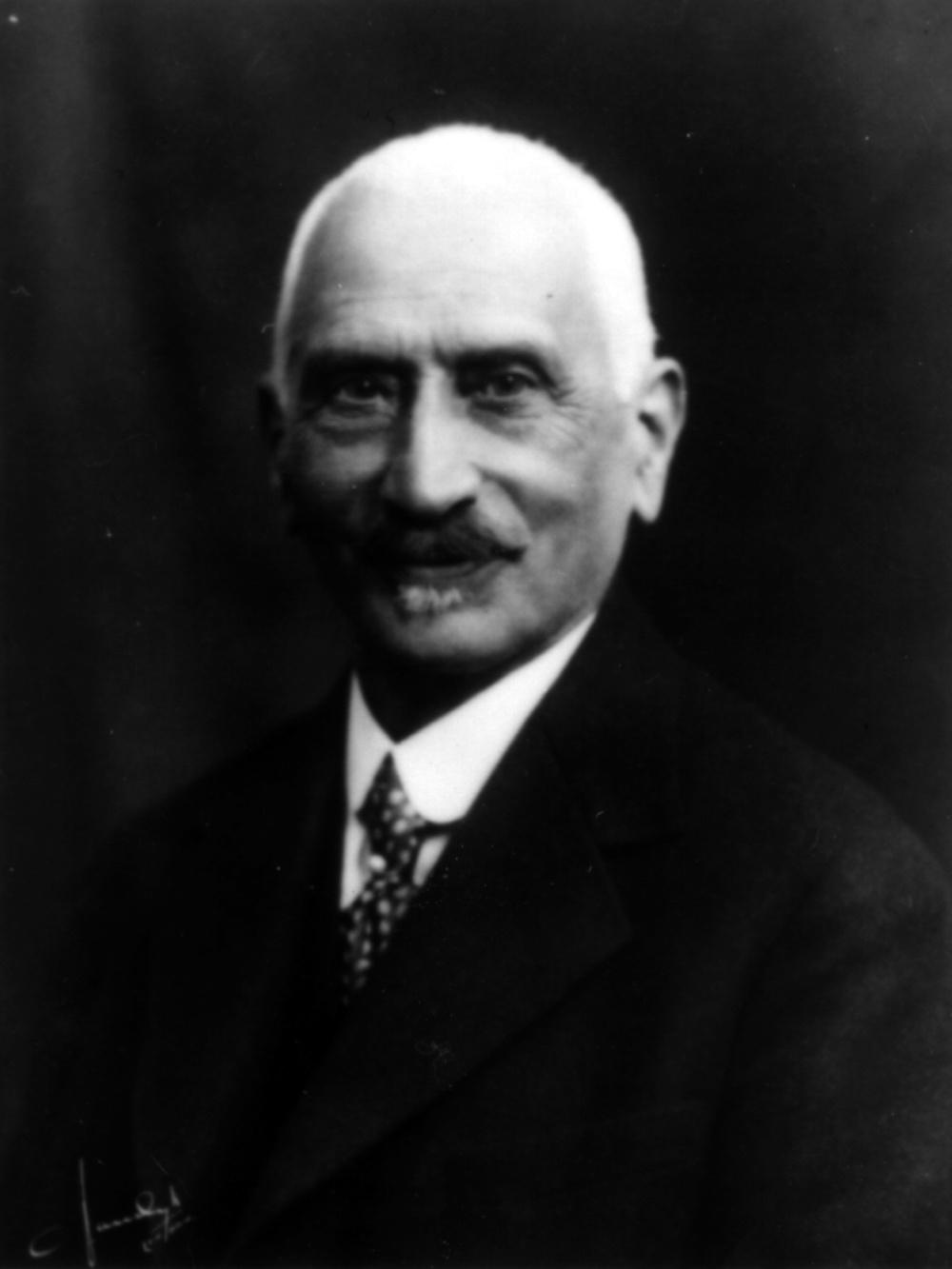
Rotary was founded in 1895 by Moise Dreyfuss in La Chaux-de-Fonds, one of Swiss watchmaking’s great industrial centres.
That date puts the brand in the same broad era as names such as Hamilton and Breitling, even if Rotary’s personality developed in a very different direction.
Rather than building its identity around technical showmanship, Rotary leaned into precision, durability and accessibility.
The UK became central to that identity surprisingly early.
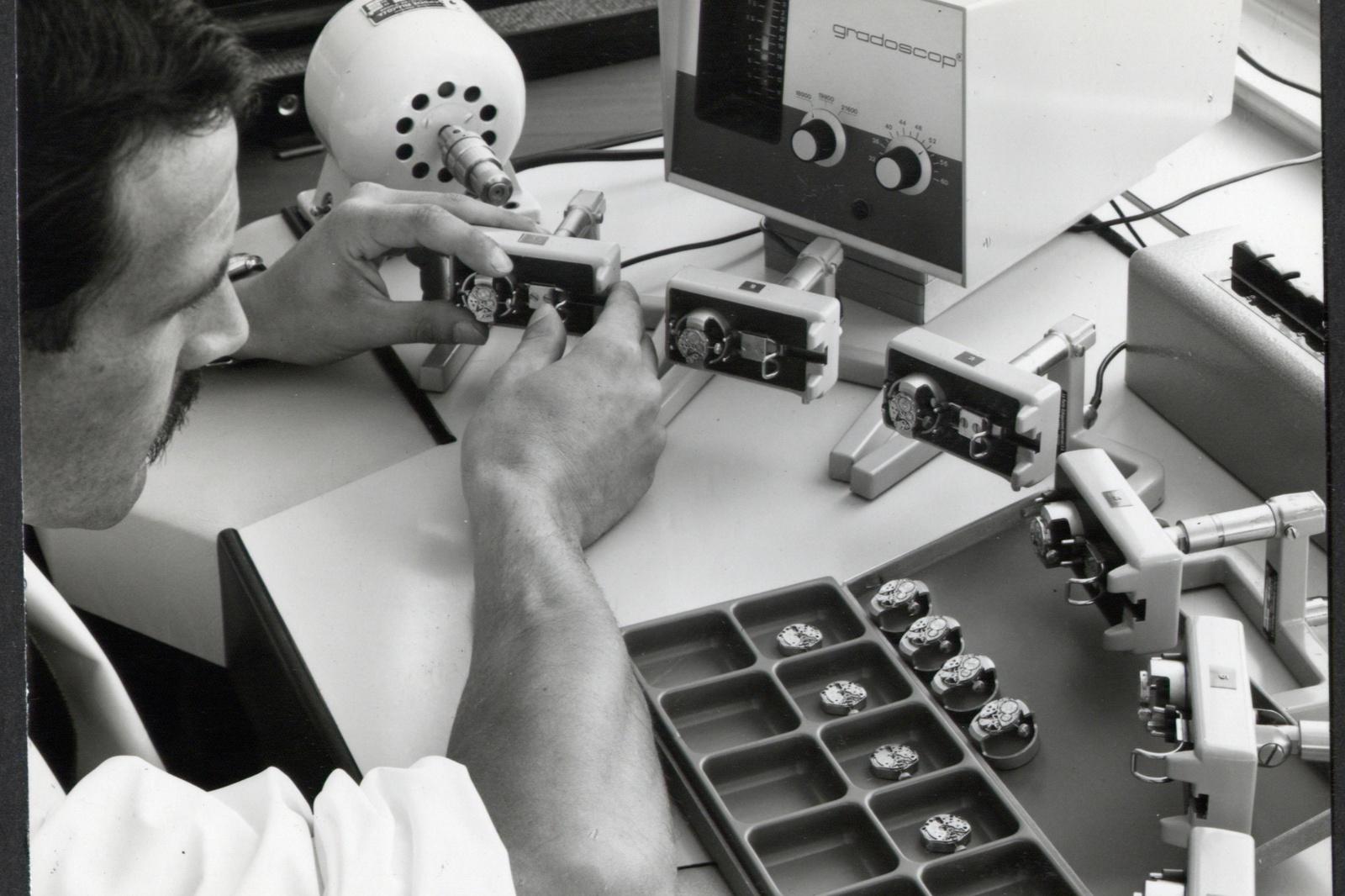
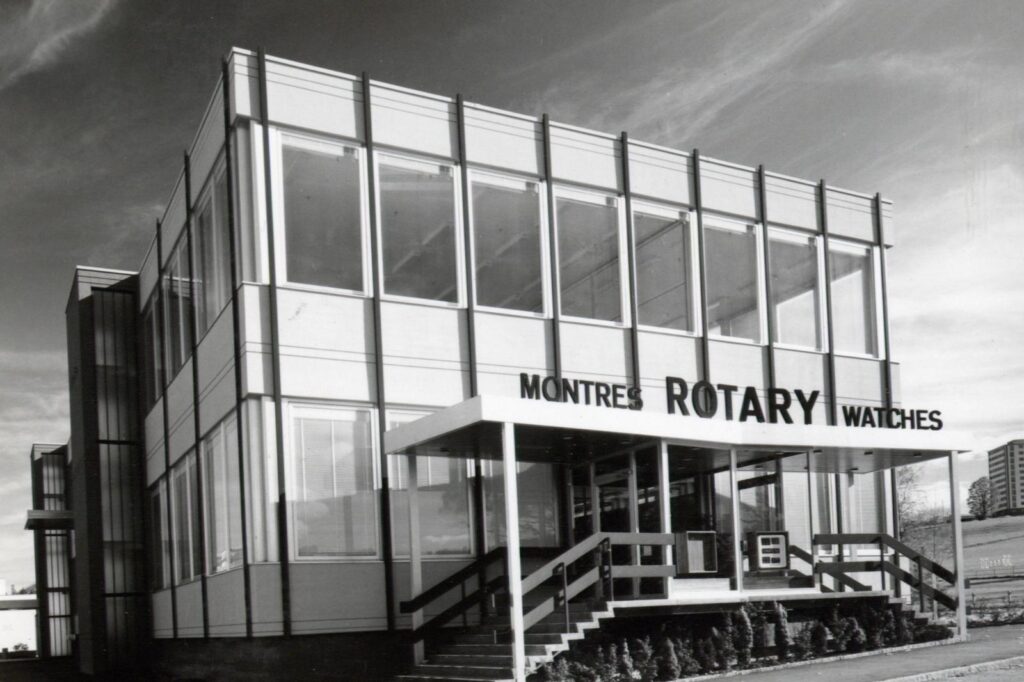
In 1905, Rotary established a presence in Britain, initially as a way to import Swiss watches into the country.
Over time, that British office became far more than a distribution point, shaping the look and feel of the watches themselves.
By the 1920s, Rotary had developed a style that sat comfortably between Swiss manufacturing and British taste.
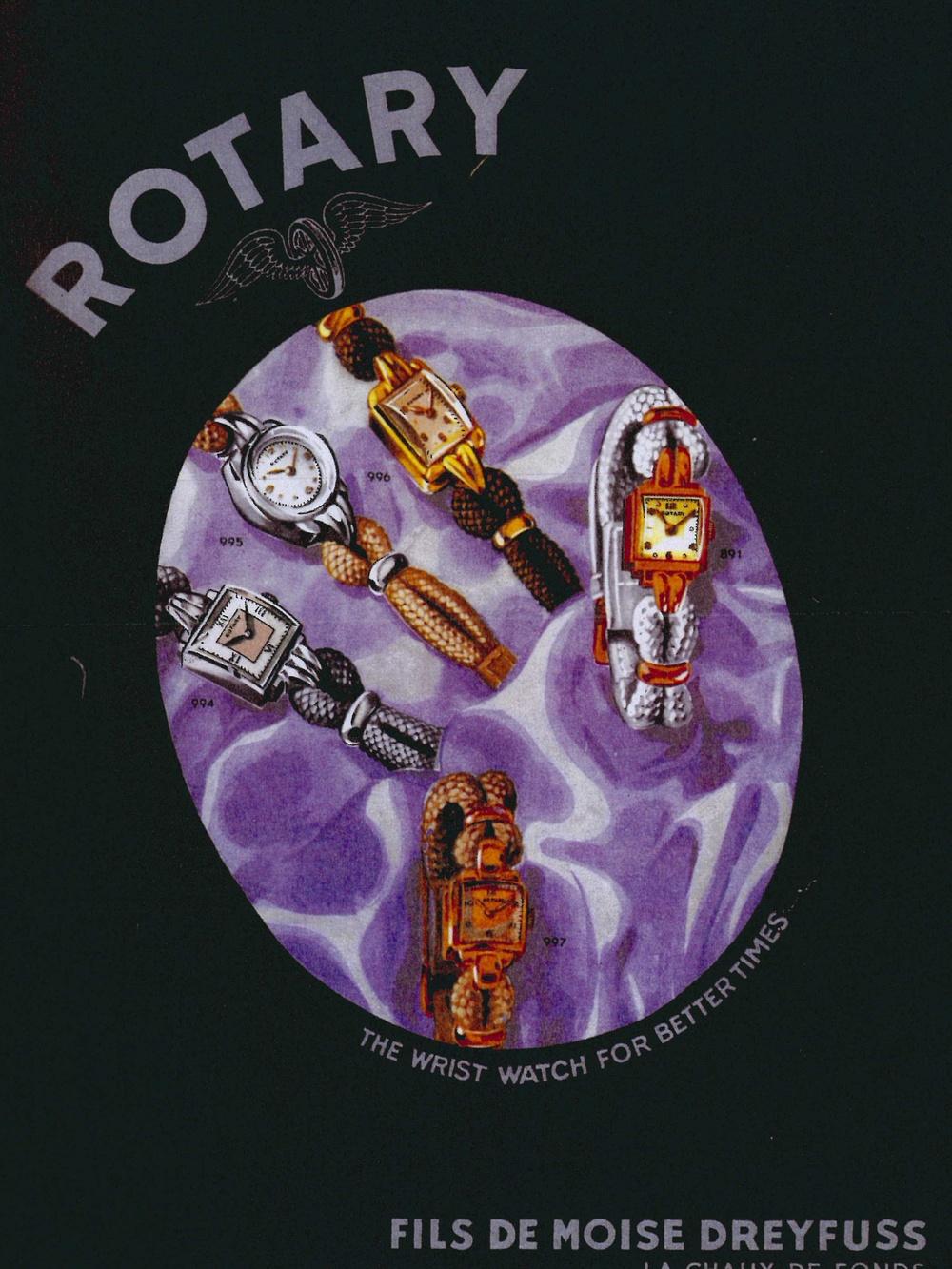
The Winged Wheel models introduced in 1925 captured that mix particularly well, giving the brand a visual identity that felt less continental and more attuned to its adopted market.
That dual personality is still one of the more interesting things about Rotary.
It’s Swiss by birth, but its cultural footprint is deeply tied to Britain.
Shockproof watches and wartime credibility
Rotary’s practical streak became clearer in the 1930s.
In 1934, the company introduced its first shockproof watches, a logical step for a brand that had already positioned reliability as its central promise.
These weren’t exotic instruments for mountaineers or military specialists.
They were built for people who needed a watch that could survive a working day, including manual labourers and those who expected a wristwatch to be worn rather than babied.
That makes Rotary’s early shockproof models feel surprisingly modern.
Long before collectors started using the language of go-anywhere daily watches, Rotary was already making affordable wristwatches that could be treated as everyday equipment.
The Second World War gave that reputation a more serious dimension.
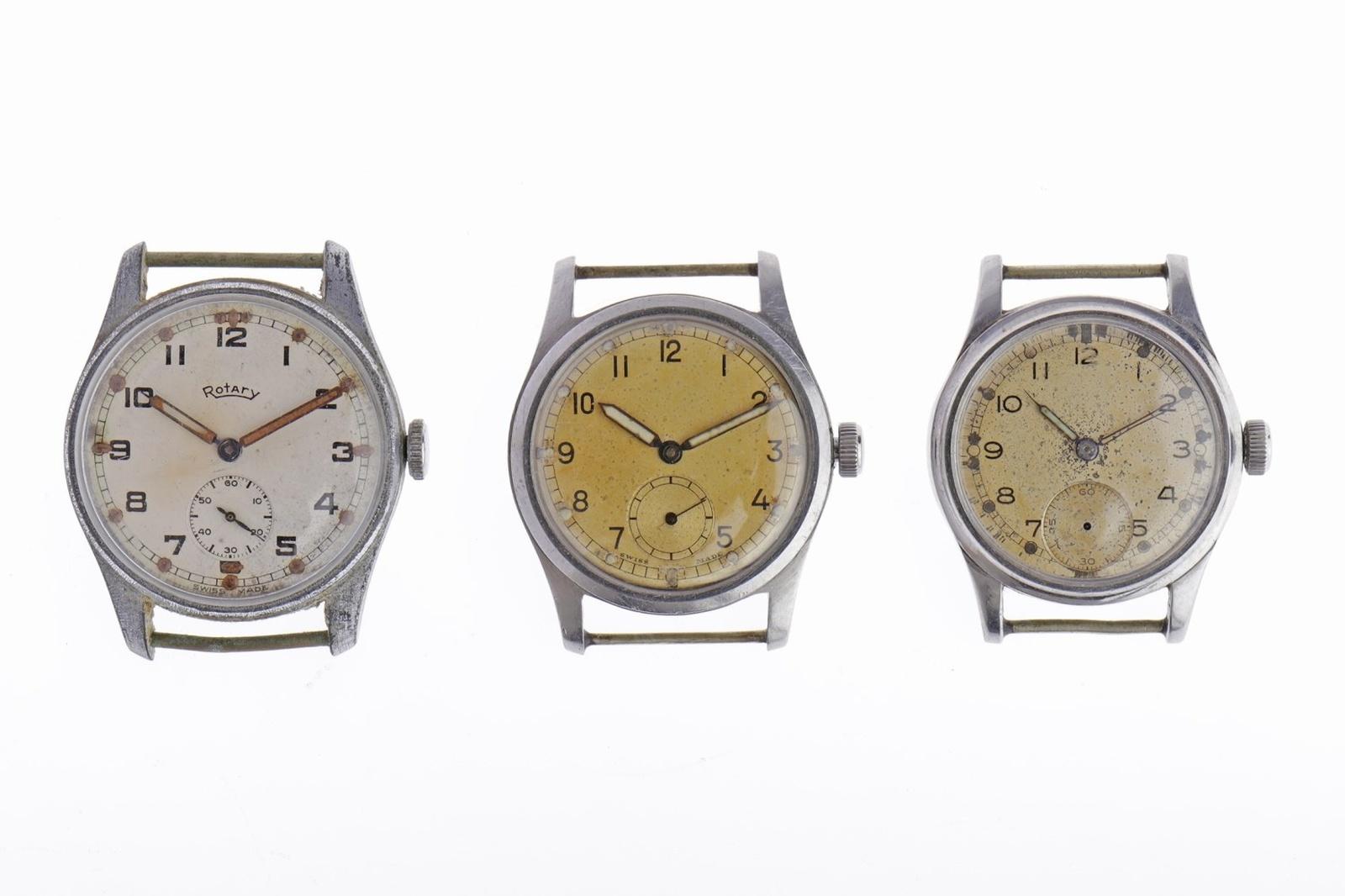
Rotary supplied Army Trade Pattern watches for British troops, placing the brand on the wrists of ordinary soldiers rather than only specialist personnel.
The more famous Dirty Dozen watches have come to dominate collector discussions of British military watchmaking, but they don’t tell the whole story of what was actually worn during the conflict.
Rotary’s ATP watches sit in that more democratic part of military watch history, and that makes them especially appealing to collectors who care about use and context as much as rarity.
Development continued during the war years.
In 1942, Rotary introduced automatic movements, bringing self-winding convenience to a wider audience while retaining the shock-resistant and antimagnetic qualities the brand had been refining.
Rolex had already helped define the automatic wristwatch in the previous decade, but Rotary’s role was different.
It helped make the technology feel attainable.
The quiet strength of post-war Rotary
After the war, Rotary became a familiar name across the UK.
The 1950s were a landmark decade for tool watches, giving the industry icons such as the Rolex Submariner, Explorer and GMT-Master, along with the Blancpain Fifty Fathoms.
Rotary didn’t answer with one great myth-making sports watch.
Instead, it moved toward slim, elegant watches that suited British daily life and the post-war appetite for restrained dress pieces.
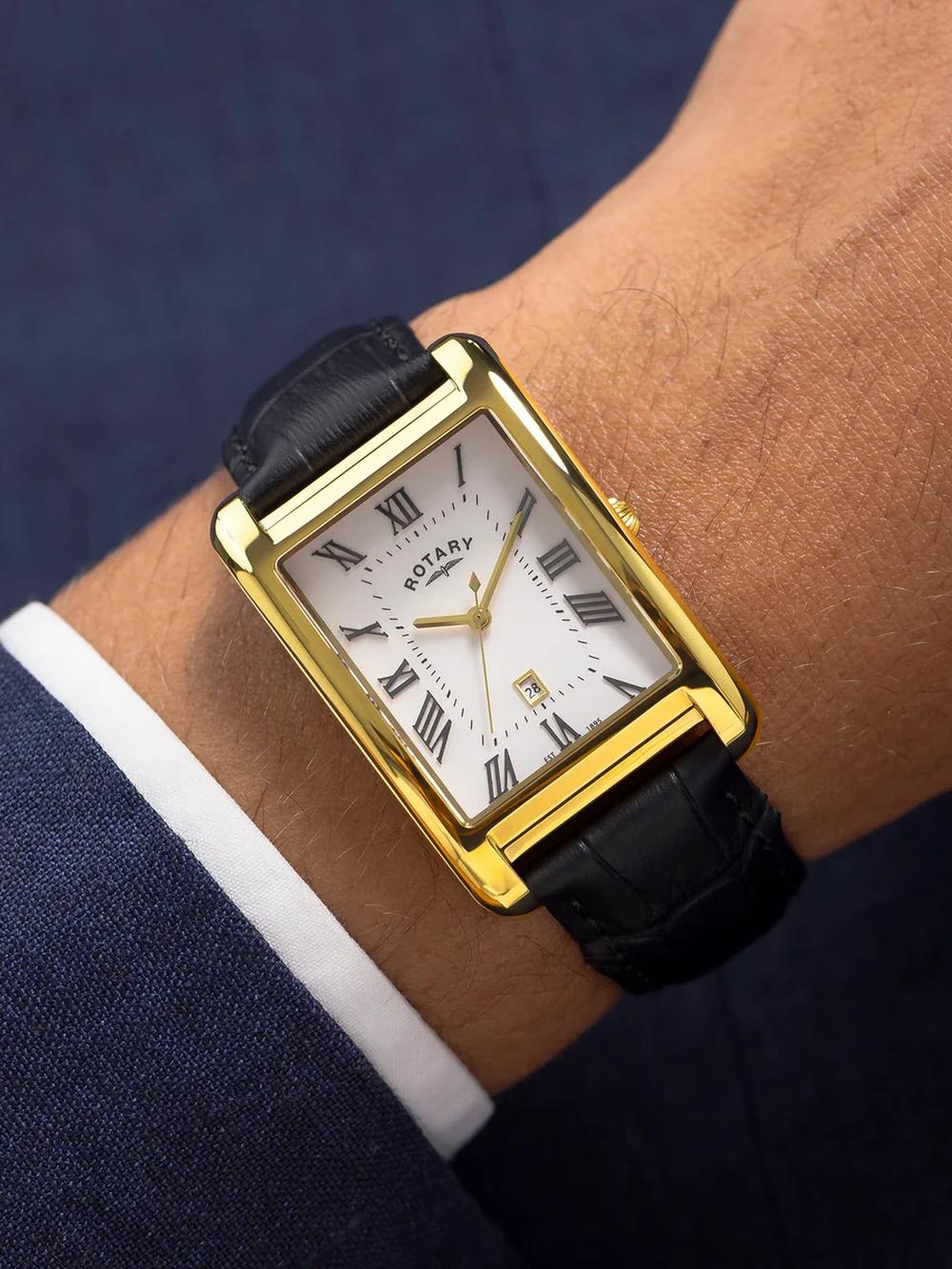
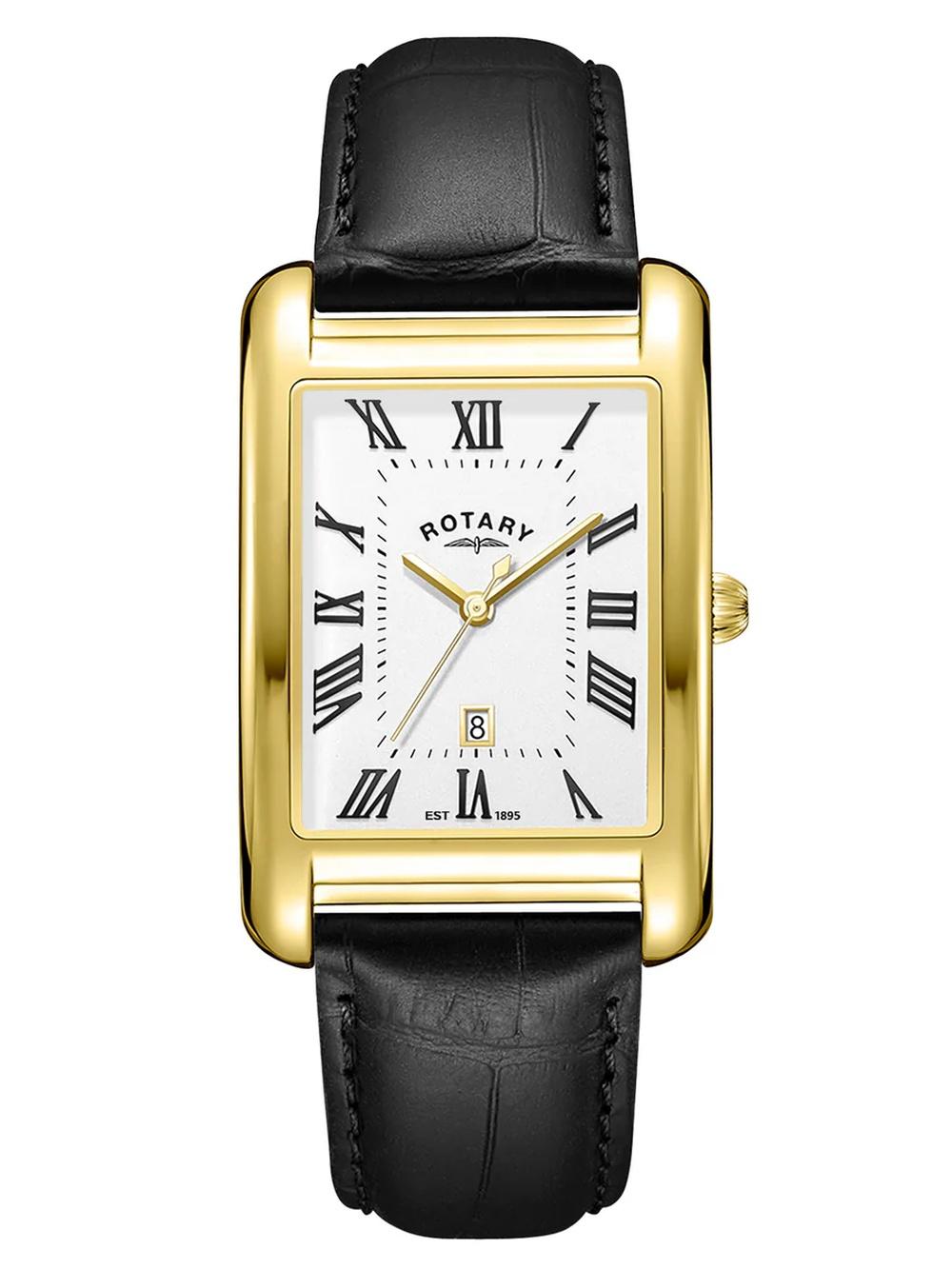
Gold Tank-style models and 17-jewel manual-wind watches became regular fixtures in jewellers’ displays.
They were not necessarily objects of flamboyant collecting, but they were bought, worn and trusted.
That is both Rotary’s strength and its complication.

The brand was successful precisely because it didn’t position itself as remote or aspirational.
It made Swiss watchmaking feel reachable, which built enormous familiarity but left fewer grand narratives for later collectors to celebrate.
There was one notable flash of motorsport glamour before the modern period.
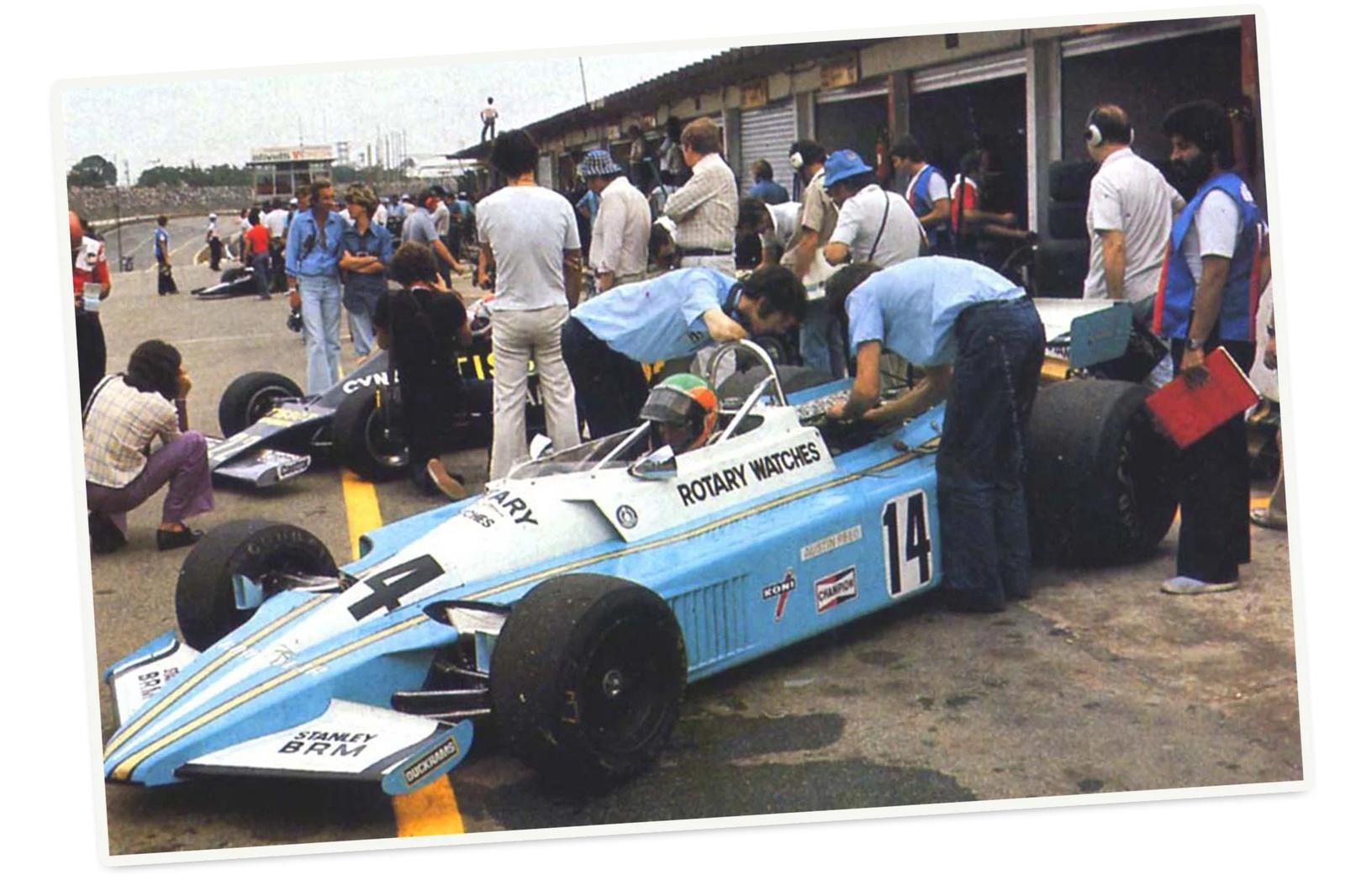
In 1977, Rotary partnered with British Racing Motors, the Formula 1 team associated with names including Graham Hill, Jackie Stewart, Juan Manuel Fangio, Stirling Moss and Niki Lauda.
The watches from that relationship remain collectable, but the timing was difficult.
BRM closed in the same year, leaving the partnership too brief to redefine Rotary’s public image.
The Citychamp era and a new reset
Rotary survived the quartz crisis, but the decades that followed were quieter.
The brand continued making accessible watches, though it gradually slipped away from the centre of enthusiast conversation.
The 2014 acquisition by Citychamp marked a more difficult chapter.
Citychamp also owned names such as Eterna and Corum, and Rotary’s image increasingly drifted toward mass-market affordability rather than considered heritage.
For many modern buyers, that period became the default impression of the brand.
In 2025, Rotary moved to Peers Hardy Group, setting up the most interesting phase the company has had in years.
The current direction is not a full reinvention so much as a course correction.
Rotary has deep material to work with, and the smartest move is to use it with discipline.
The Astoria leans into the appeal of Tank-inspired dress watch design, while the archival 1895 collection draws a clearer line back to the brand’s earliest identity.
The Seamatic may be the more telling product for today’s buyer.
It brings Rotary’s old promise of attainable reliability into a modern skindiver format, with automatic movements, water resistance ranging from 100 metres to 300 metres and optional GMT functionality on selected versions.
The fact that some of these watches sit below £300 is important.
It places Rotary in a space where mechanical watchmaking still feels genuinely accessible, rather than merely less expensive than luxury.
Vintage Rotary also has its own appeal.
Early pieces can still be found at approachable prices, often in the £200 to £500 range, which makes the brand an appealing entry point for collectors who want history without the inflated theatre that now surrounds many better-known names.
Rotary does not need to become a prestige brand in the modern Swiss sense to matter again.
Its best route forward is more specific than that.
If the brand continues to make honest, well-priced watches with a clear link to its British-Swiss past, it can occupy a space that many larger names have abandoned.
A carefully handled reissue of an Army Trade Pattern watch would be an obvious next step.
For now, Rotary’s revival is still early, but the direction feels right.
After years of being easy to overlook, this is a watchmaker with enough real history to deserve a more serious second look.