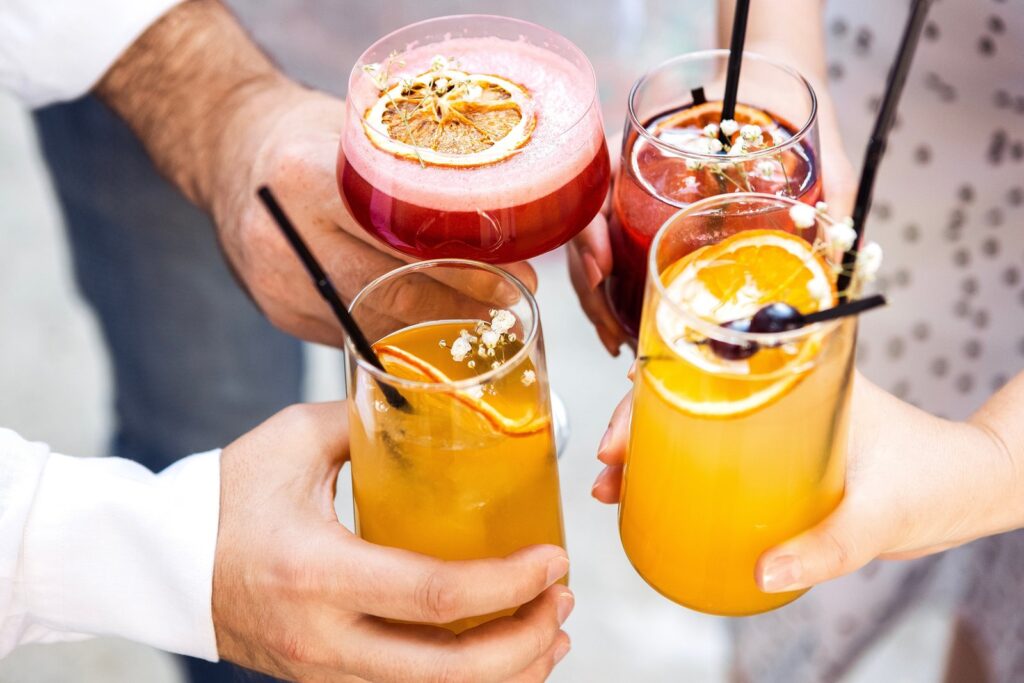
The best seat at the bar is increasingly at home.
For luxury consumers, cocktail hour has moved beyond the drinks trolley and into a more considered style of entertaining, where spirits, glassware, ice and lighting all play a role.
It’s a shift that says a lot about modern luxury, which is becoming more personal, more controlled and more experience-led.
At a glance
- Premium at-home cocktail culture is growing as luxury consumers invest in refined home bar setups.
- The trend is being shaped by better spirits, elevated mixers, proper tools, clear ice and a stronger interest in mixology technique.
- It appeals to hosts and collectors who want a bar-quality experience with more privacy, personalisation and control.
The home bar becomes a designed space
The modern luxury home bar is less about showing off a wall of bottles and more about building a focused, useful selection.
A strong setup might include a standout gin, a sipping tequila, a serious whiskey and a rum with enough character to work neat or in a stirred drink.
What matters is intent.
Bottles are chosen because they suit the owner’s taste and entertaining style, not because they fill shelves.
The same approach applies to everything around the spirits.
Artisanal tonic, small-batch bitters, well-kept vermouth, quality olives, proper cherries and fresh citrus are increasingly treated as essentials rather than accessories.
Glassware has become one of the clearest signals of this new mood.
A weighty rocks glass, a clean-lined coupe and a proper mixing glass can make the ritual feel sharper before the drink is even poured.
Luxury, here, is in the edit.
A minimalist tray, a good jigger, a bar spoon with balance and clear ice can do more for the experience than an overstocked cabinet ever could.
Technique is part of the appeal
At-home mixology has grown because the craft is now easier to learn and more satisfying to repeat.
Online classes, bartender demonstrations and short social videos have made the language of stirring, shaking, dilution and balance feel accessible without making it feel ordinary.
For many enthusiasts, the appeal is similar to cooking well at home.
There’s pleasure in understanding why a Martini changes with temperature, why an Old Fashioned needs proper dilution or why a Margarita improves when sweetness is kept in check.
That learning curve also carries a quiet status.
Knowing how to use bitters, saline, vermouth or a high-proof base spirit with restraint suggests taste more convincingly than a famous label on its own.
The tools matter, but they’re not the whole story.
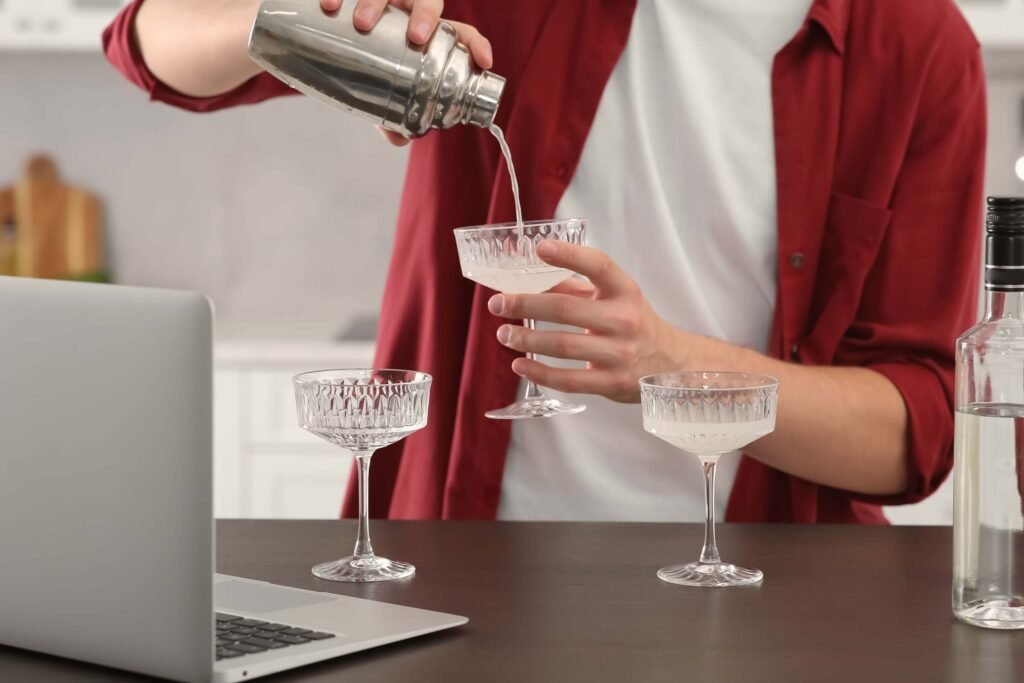
A weighted shaker, fine strainer and accurate jigger are useful because they create consistency, which is often the difference between a drink that feels improvised and one that feels composed.
Tom Church, co-founder of a discount-code platform, puts it neatly: “People love mastering something tangible at home when you can make a bar-quality drink yourself, it feels like a small luxury you’ve earned.”
Ingredients are doing the heavy lifting
As home cocktails become more serious, the shopping basket is changing.
Luxury drinkers are moving toward smaller selections of better ingredients, especially in simple serves where quality has nowhere to hide.
Premium spirits sit at the centre of that upgrade.
Single-estate tequilas, small-batch gins, whiskies with distinctive cask finishes and vodkas chosen for texture rather than neutrality all fit the new mood.
The interest is often technical rather than purely label-driven.
Drinkers want to know where the agave comes from, how the gin gets its botanical profile, how proof affects mouthfeel and whether a bottle works better in a Negroni, a Martini or a highball.
The supporting ingredients are just as important.
Rare liqueurs, bitter amari, fruit eaux-de-vie, terroir-driven vermouths and more expressive bitters are helping home bars look a little more like a chef’s pantry.
Mixers have been pulled into the same orbit.
Organic tonics, low-sugar ginger beers, cold-pressed juices and syrups made with real botanicals are replacing the anonymous back-of-fridge options that once passed as good enough.
Personalisation is the new marker of taste
The strongest home bars are built around how someone actually drinks.
A Negroni devotee needs a different setup from a Margarita loyalist, while a frequent host may prioritise sparkling crowd-pleasers over obscure modifiers.
This is where at-home cocktails become especially compelling for luxury consumers.
The owner controls the lighting, music, glass, garnish, pace and guest list, without the noise or compromise of a busy bar.
Limited-run bottles and niche aperitifs add another layer, especially for those who enjoy serving something guests may not have tried elsewhere.
Clear ice, chilled glassware and a garnish prepared with care can make a familiar drink feel newly considered.
Price-consciousness still plays a role, even at the premium end.
Some buyers are using specialist drinks-retailer promotions and Mission Drinks discount codes to stretch budgets toward better bottles, superior mixers or a more complete bar kit.
That doesn’t dilute the luxury angle.
If anything, it reflects a more informed consumer who would rather spend carefully on the details that actually change the drink.
The rise of premium at-home cocktail culture is ultimately about control, craft and atmosphere.
It gives luxury consumers a way to host with personality, drink with precision and turn an ordinary evening into something deliberately made.