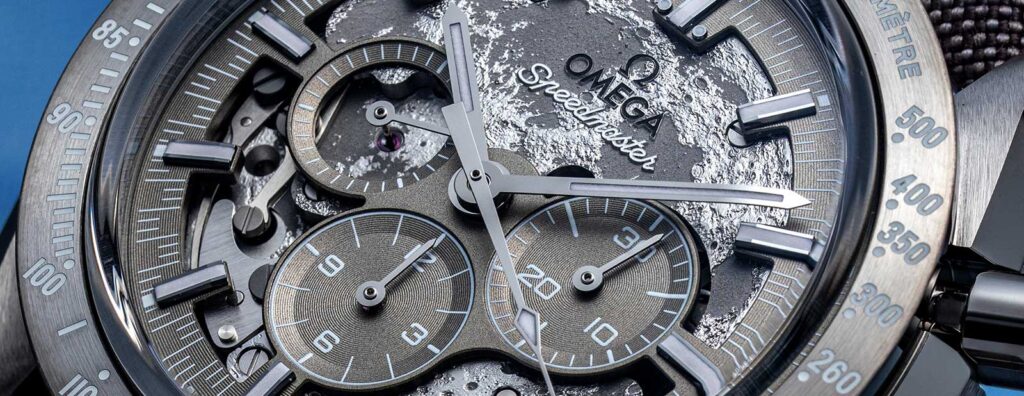
Few watches carry a story as cleanly as the Omega Speedmaster.
It began life in 1957 as a practical chronograph for timing speed, yet within little more than a decade it had travelled beyond Earth and onto the lunar surface.
That transformation from motorsport instrument to Moonwatch wasn’t planned by a marketing department, which is exactly why the Speedmaster still feels different from most icons.
At a glance
- The Omega Speedmaster evolved from a 1957 racing chronograph into the first watch worn on the Moon.
- Early references such as the CK2915, CK2998, ST105.003 and ST105.012 shaped the design language now associated with the Moonwatch.
- The Speedmaster remains the only wristwatch NASA has qualified for spacewalks, giving it rare credibility beyond collecting culture.
The 1957 chronograph that wasn’t built for space
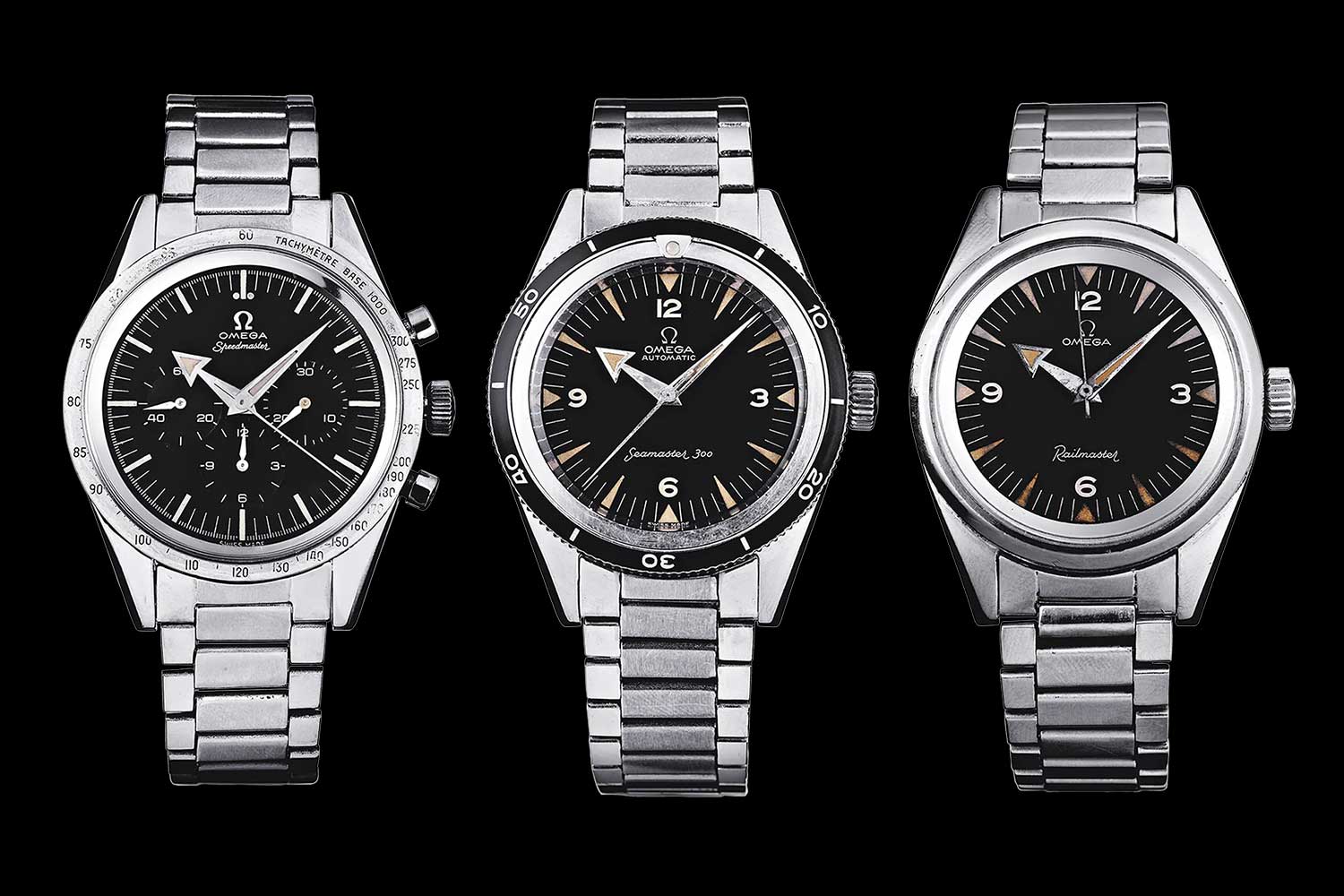
The Speedmaster arrived as part of Omega’s 1957 trio of purpose-built professional watches, alongside the Seamaster 300 and the Railmaster.
Each had a clear job.
The Seamaster 300 was aimed at diving, the Railmaster at environments with magnetic fields, and the Speedmaster at the fast-growing world of motor racing.
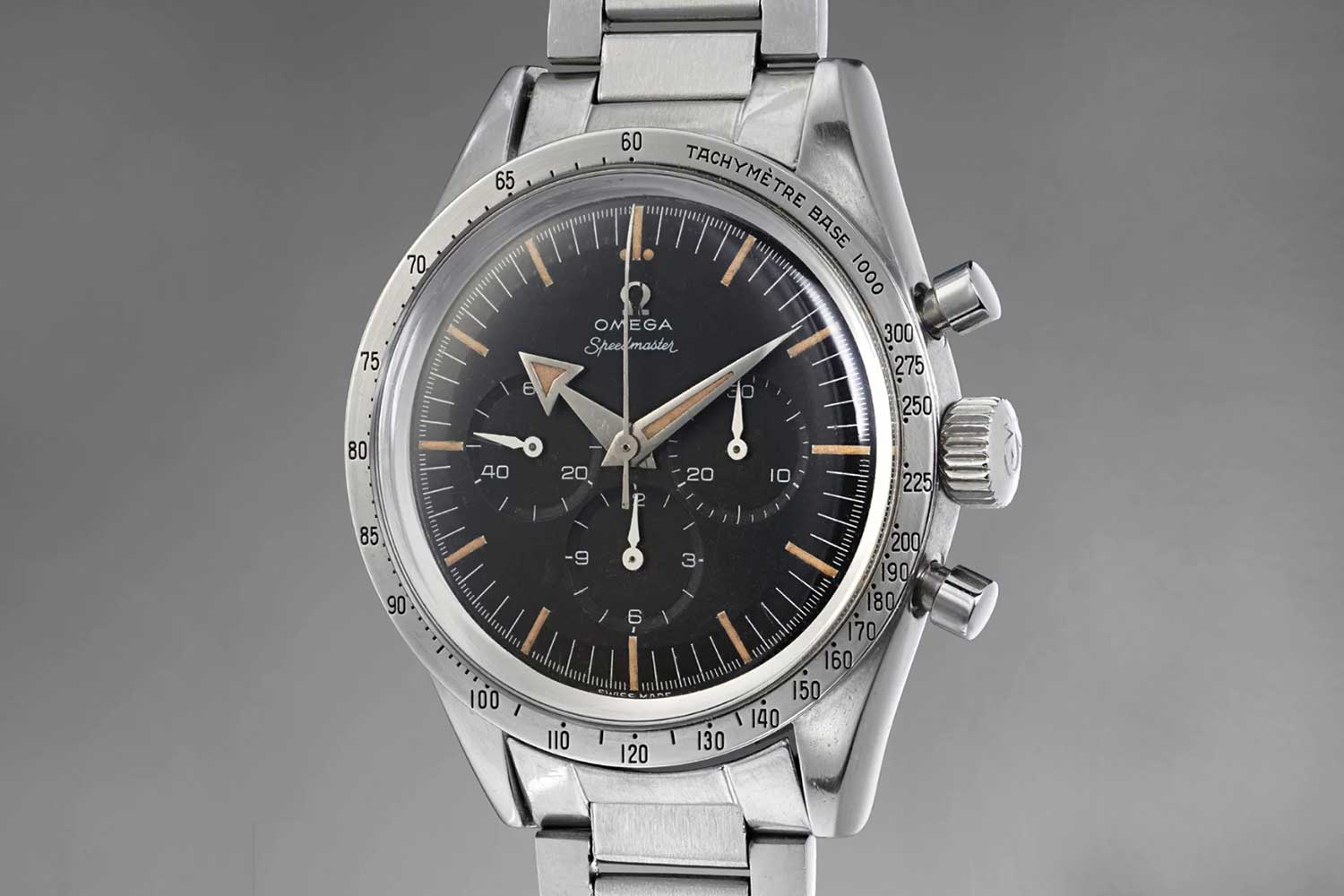
The first Speedmaster, reference CK2915, was unusually forward-looking for a chronograph of its period.
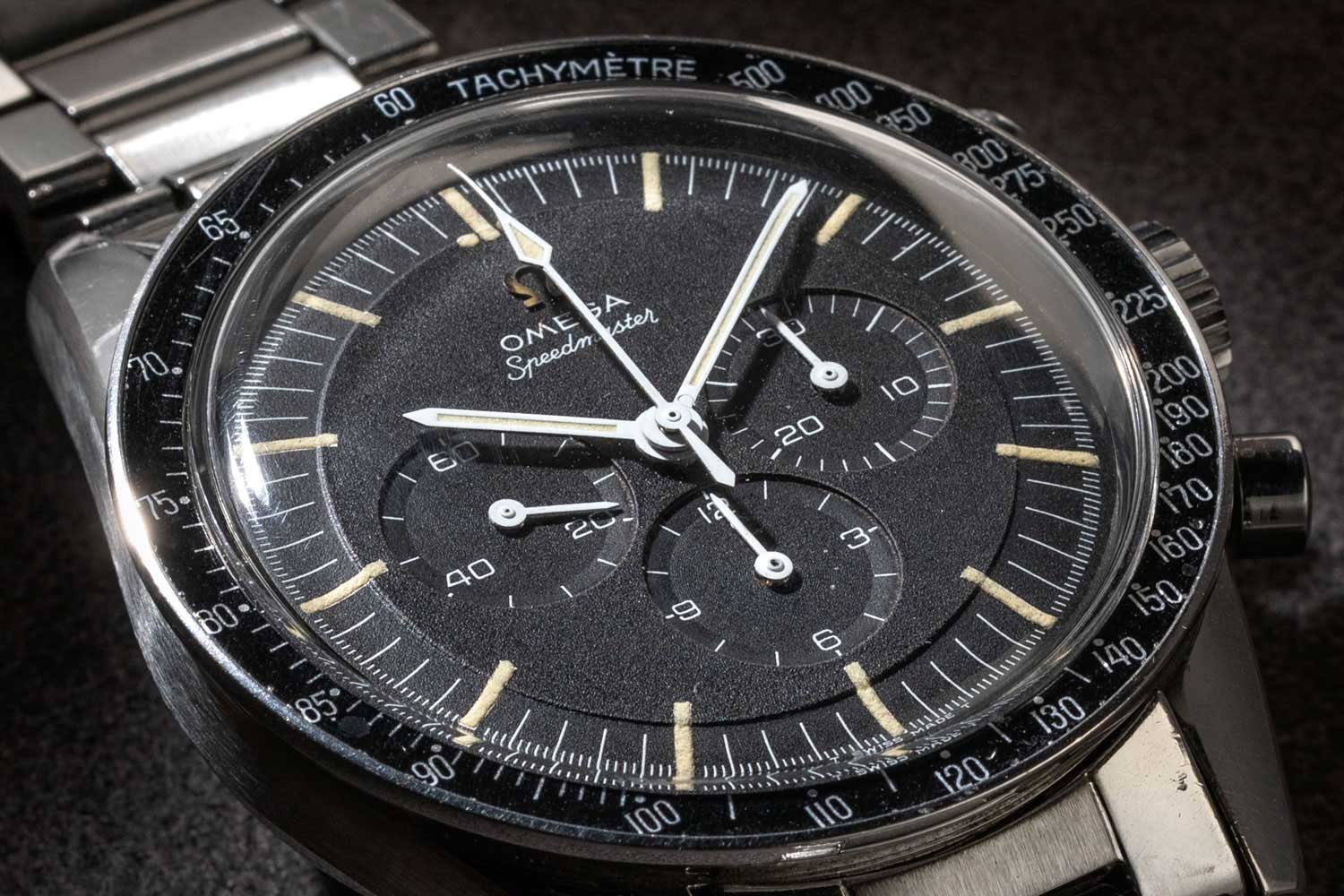
Its tachymeter scale was placed on the bezel rather than printed on the dial, freeing the display and improving legibility at a glance.
Omega called that outer scale the Tacho-Productometer, a period term for a feature that would become central to the Speedmaster’s identity.
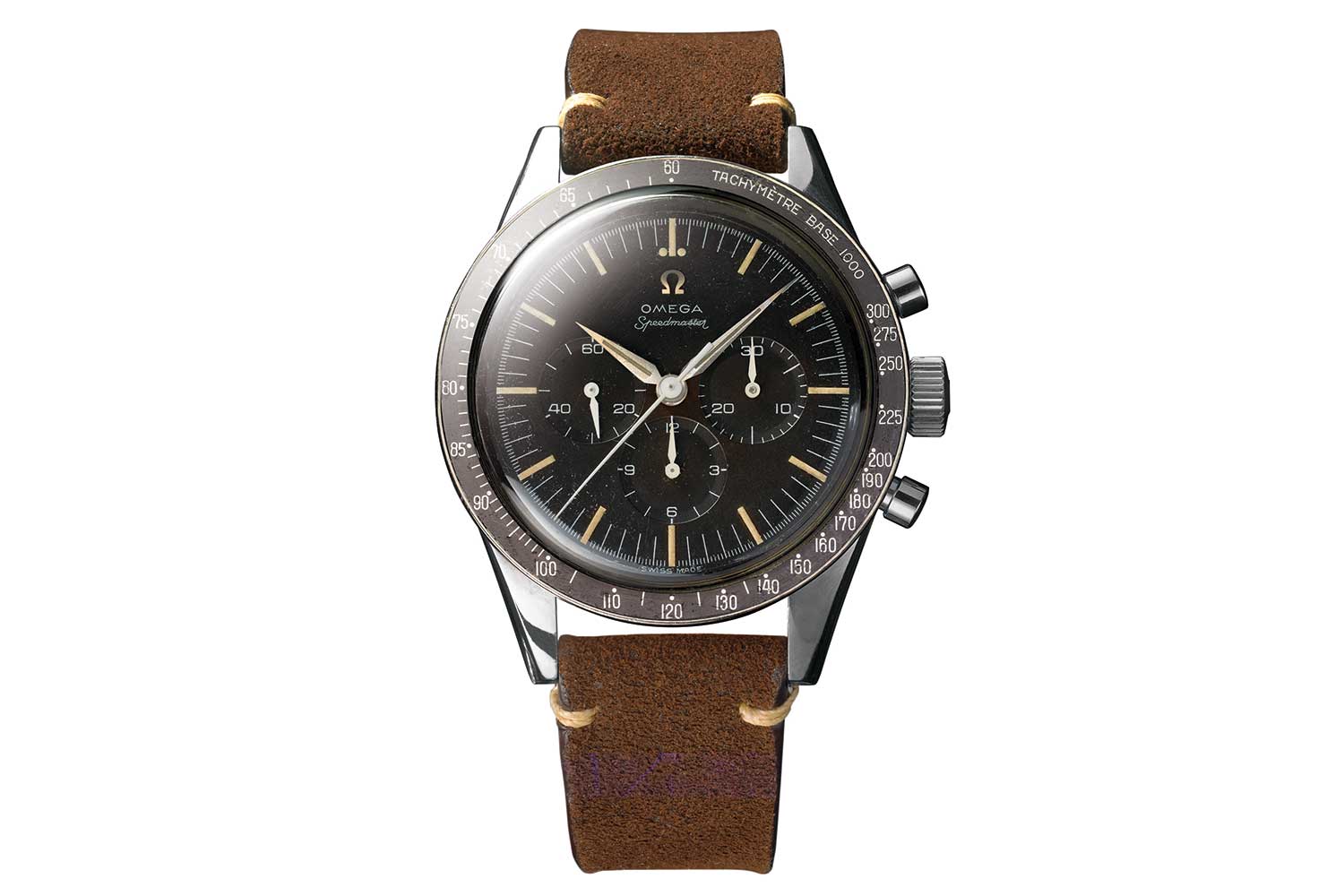
The CK2915 also used broad arrow hands, a high-contrast dial and a manually wound Caliber 321, a movement derived from the Lemania 2310.
At 38.5mm, it was large for the late 1950s, but the proportions suited its role as a serious timing instrument.
The earliest Speedmasters had straight lugs, a detail that gives the CK2915 and its immediate successors a very different character from the later Moonwatch case.
From CK2915 to the Professional case
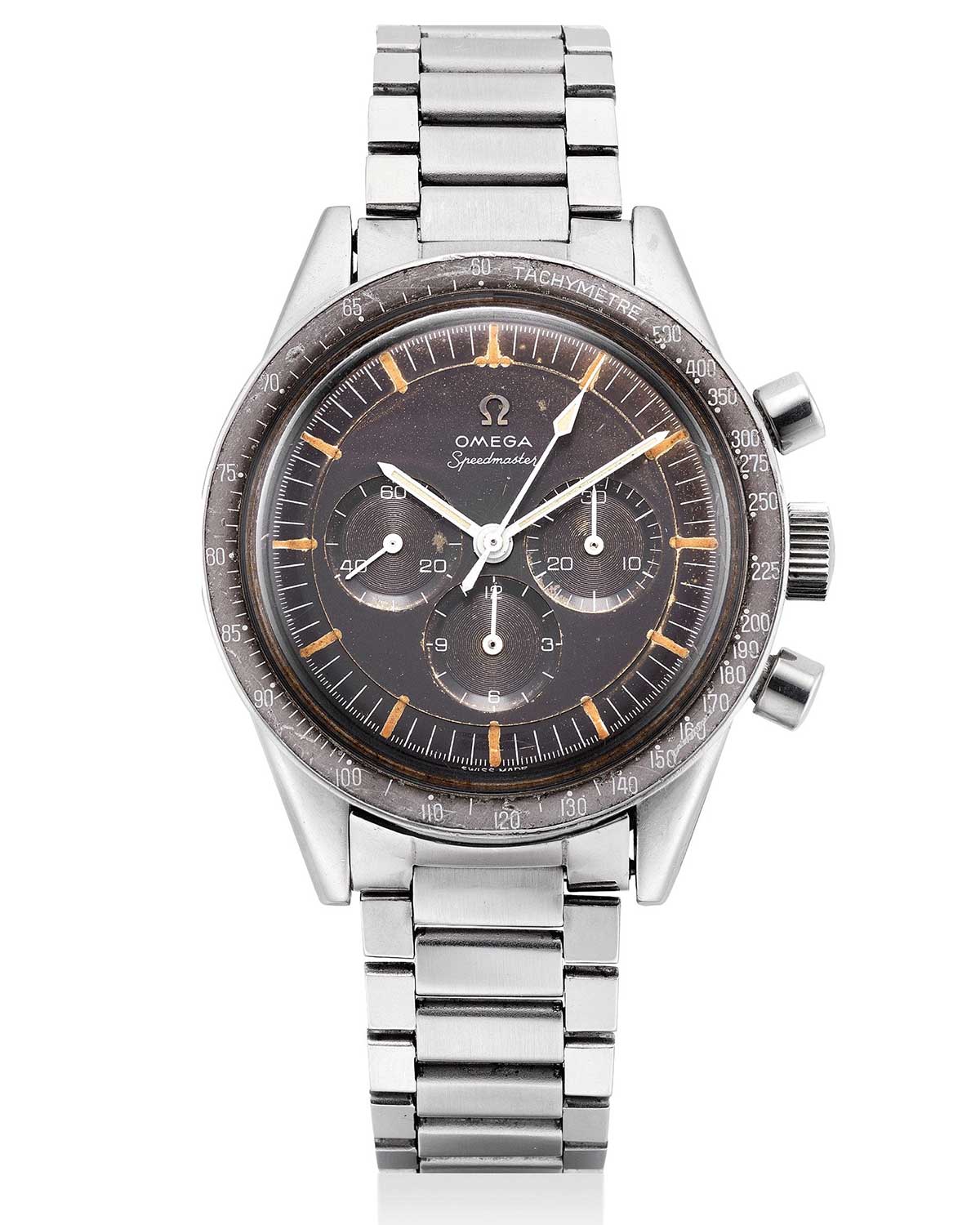
The CK2915 remained in production until 1959 and appeared in three main generations, identified as -1, -2 and -3.
The third version acted as a bridge between the first Speedmaster and the next major reference, with some examples retaining broad arrow hands and steel bezels while others moved closer to the look that followed.
That next watch was the CK2998, introduced in 1959.
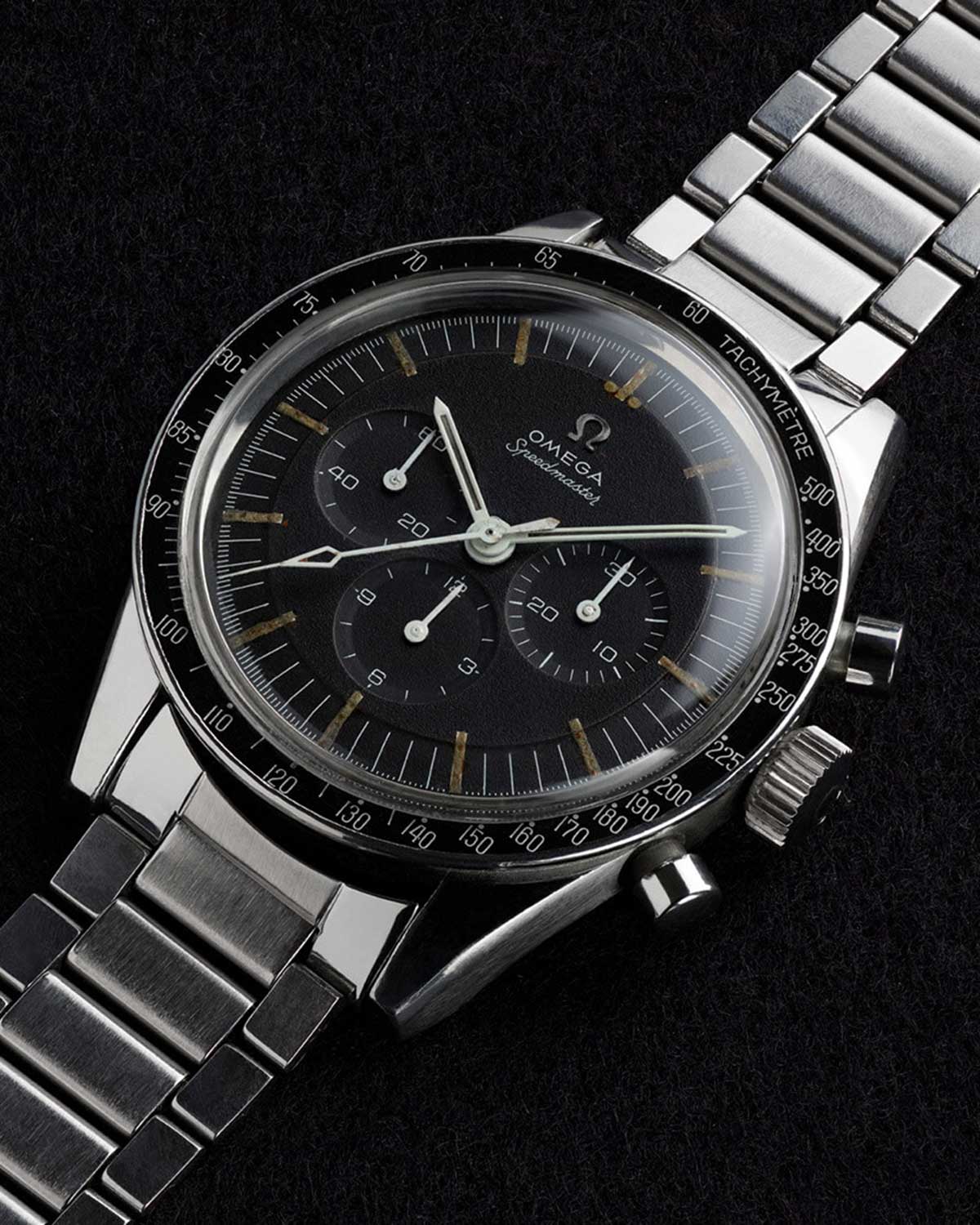
It replaced the engraved steel bezel with a black anodised aluminium insert, adopted alpha hands and introduced the hippocampus medallion on the caseback.
The CK2998 went through eight sub-references, a reminder that the Speedmaster’s famous design wasn’t frozen in a single moment.
Omega changed its reference numbering system in 1962, and the CK2998 gave way to the ST105.002.
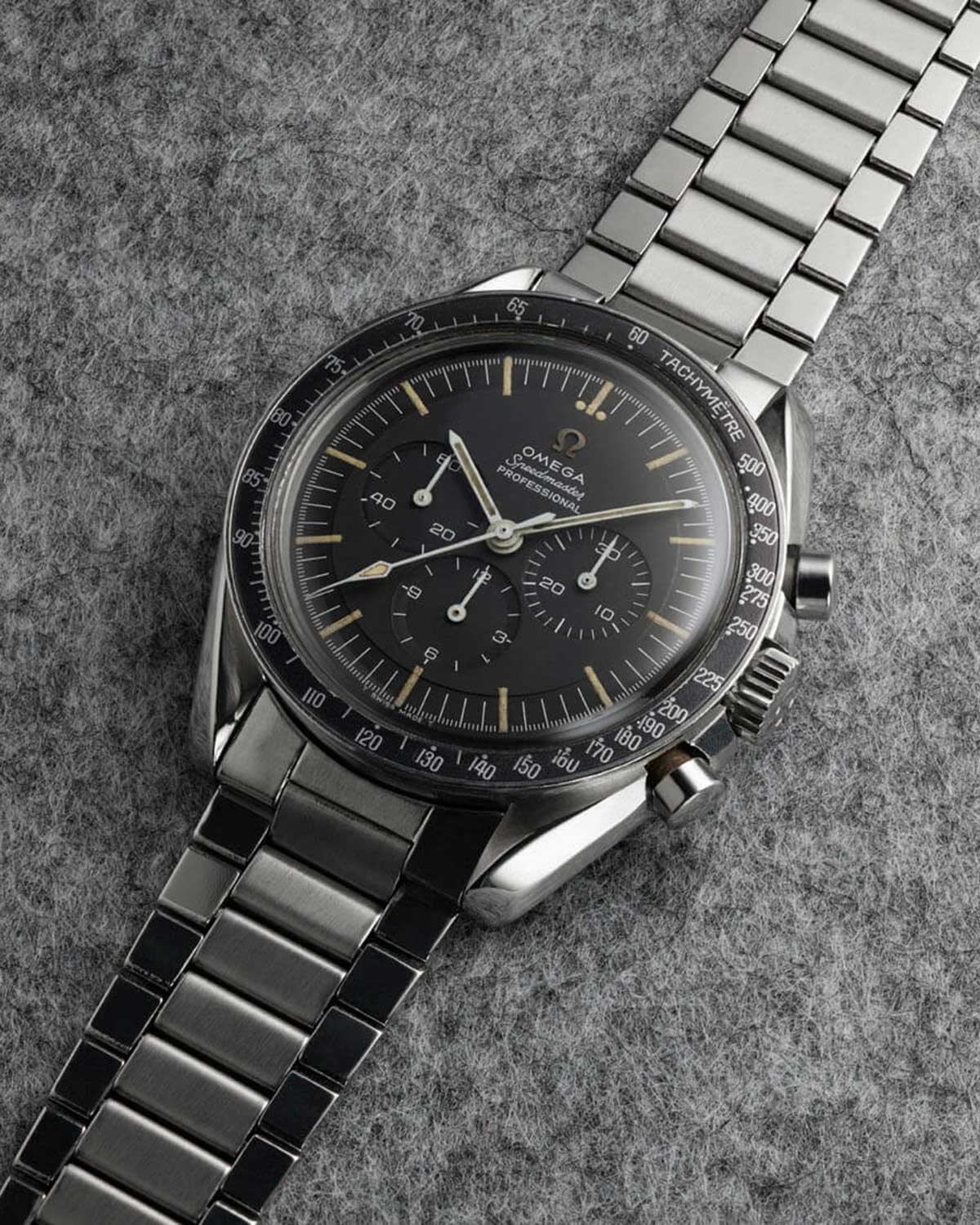
That model kept the straight-lug case, black tachymeter bezel and Caliber 321, and it can be found with either alpha or baton hands.
It was also the last Speedmaster to use radium luminous material before Omega moved to tritium.
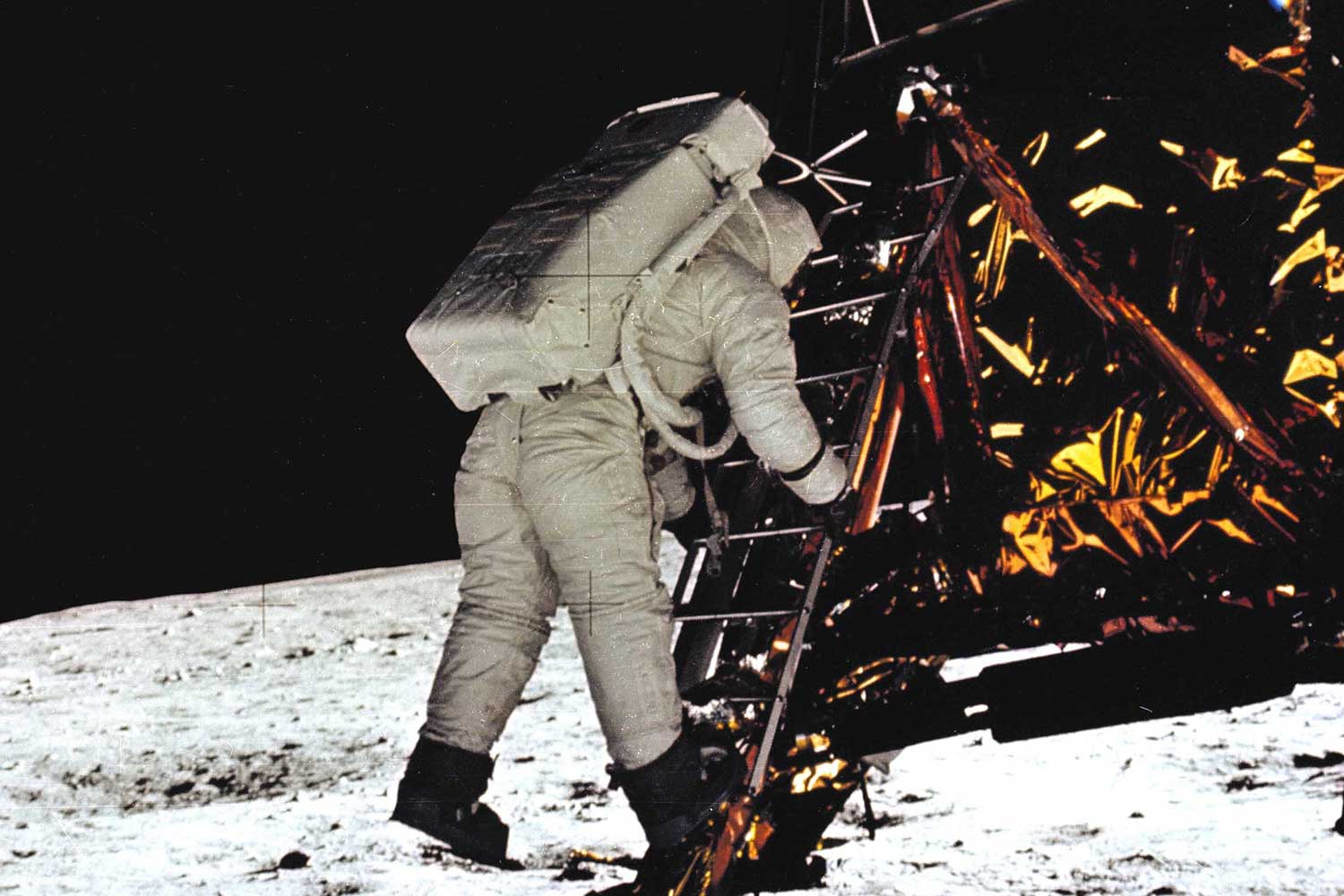
The ST105.003 followed in 1963 and is now closely associated with astronaut Ed White.
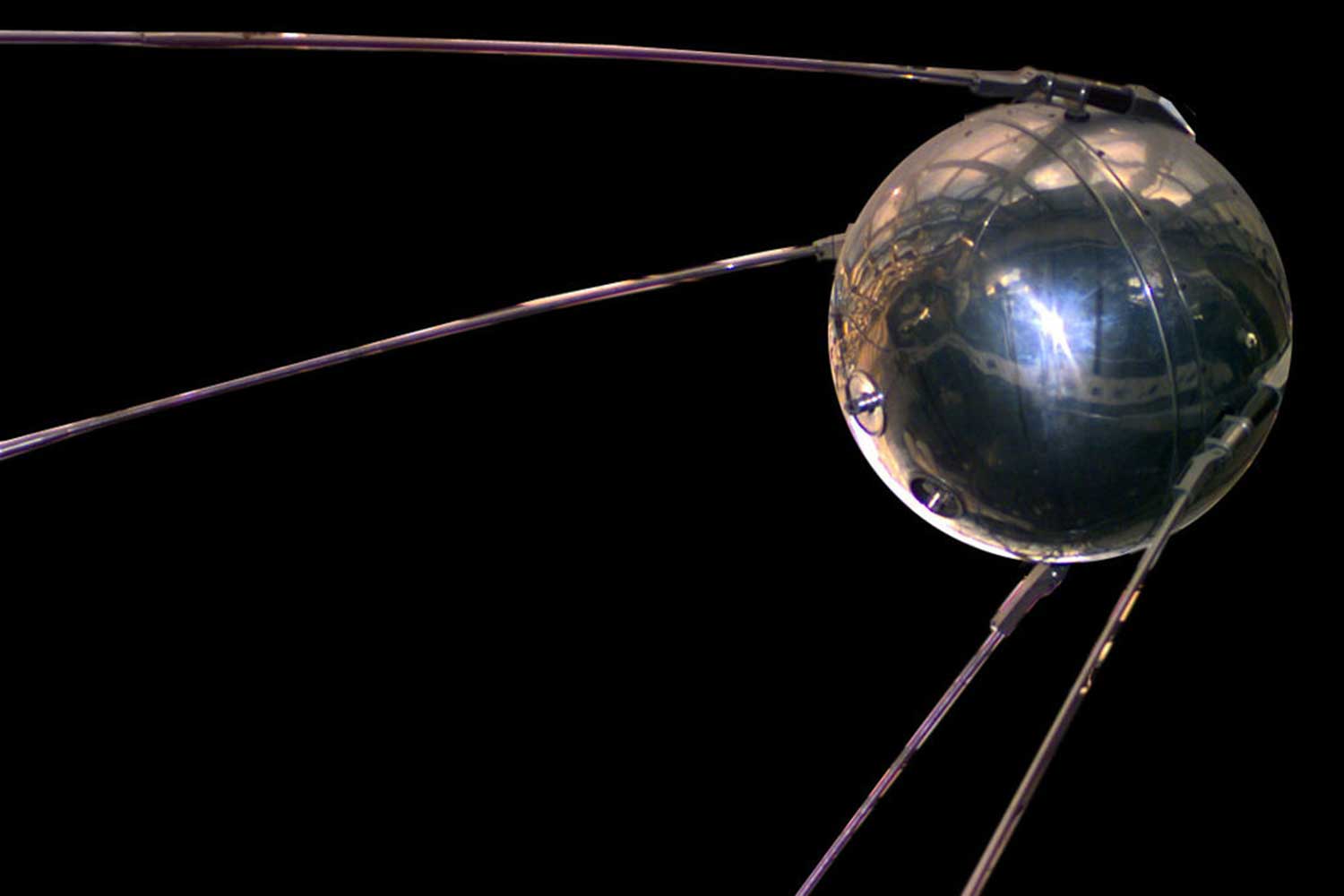
Its baton hands improved readability, while the core architecture remained familiar.
Then came the ST105.012 in 1964, the first Speedmaster to carry the word “Professional” on the dial.
It also introduced the asymmetrical 42mm case with integrated crown guards and lyre lugs, the silhouette most people now picture when they think of the Moonwatch.
Wally Schirra and the first Speedmaster in space
The Speedmaster entered the space story before it had any formal NASA status.
In October 1962, astronaut Walter “Wally” Schirra wore his personally purchased CK2998 during the Mercury-Atlas 8 mission aboard Sigma 7.
That made the Speedmaster the first of its line to travel into space.

It was a private choice rather than an issued piece of equipment, which makes the moment especially compelling.
NASA’s need for a reliable chronograph became more urgent as the agency moved from Mercury into Gemini and Apollo.
Astronauts required a backup timing instrument for engine burns, rendezvous manoeuvres, docking procedures and experiments, especially if contact with Mission Control became compromised.
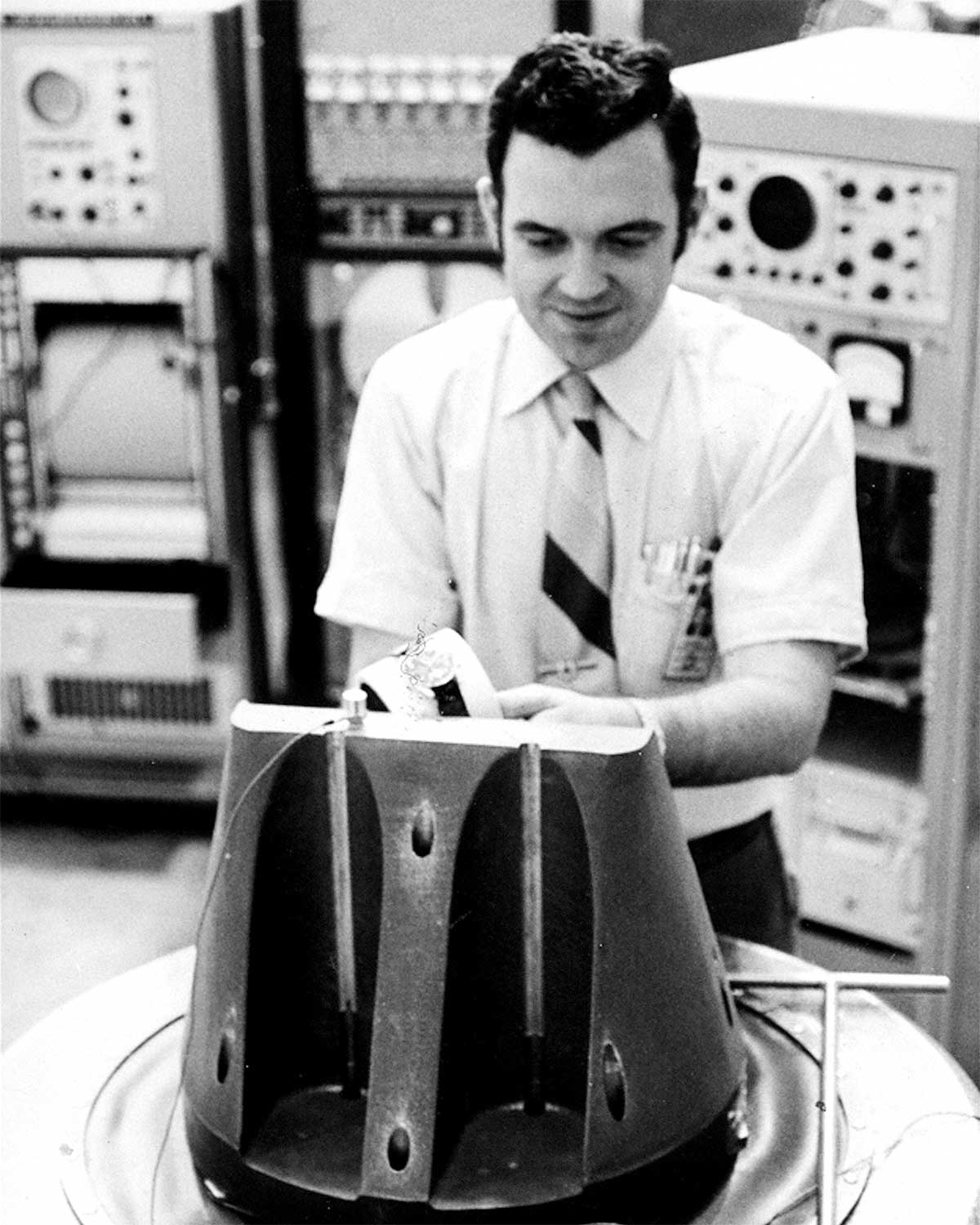
The ST105.003 was the reference NASA put through its qualification programme.
The Speedmaster’s manually wound construction, clear dial and robust chronograph layout made it suited to the task in a way few civilian watches could match.
By the time Apollo 11 placed humans on the lunar surface, the Speedmaster had become more than a well-designed chronograph.
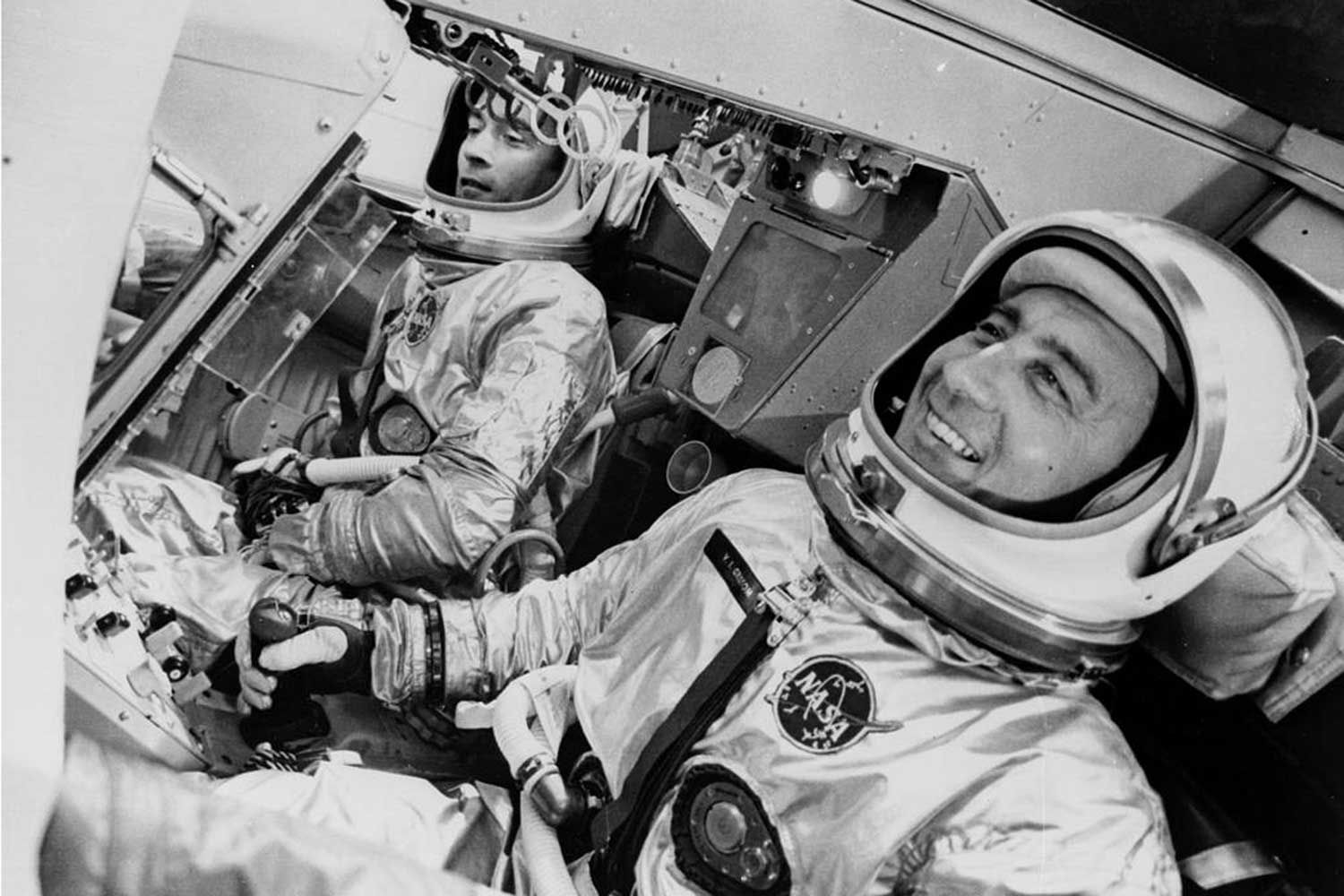
It was part of the equipment culture of spaceflight.
The enduring pull of the Moonwatch
The modern fascination with the Speedmaster isn’t only about nostalgia.
Collectors respond to the fact that its importance was earned through use, testing and circumstance rather than retroactive storytelling.
The watch also sits at an unusual intersection.
It matters to vintage chronograph collectors, spaceflight enthusiasts, tool-watch purists and design-minded buyers who may never use a tachymeter scale in their life.
Its continued status as the only wristwatch NASA has qualified for spacewalks gives the Speedmaster a technical legitimacy that still feels relevant as lunar missions return to the global agenda.
The Moon is again becoming a destination, a testing ground and a symbol of what comes next.
For Omega, the Speedmaster’s greatest asset is that it was there before the story became mythology.
Details & Specifications
| Brand | Omega |
|---|---|
| Model | Speedmaster CK2915 |
| Launch year | 1957 |
| Original purpose | Motor racing chronograph |
| Case size | 38.5mm |
| Case style | Straight-lug case |
| Bezel | Engraved tachymeter scale, known by Omega as the Tacho-Productometer |
| Dial details | High-contrast dial with broad arrow hands |
| Movement | Manually wound Omega Caliber 321, derived from the Lemania 2310 |
| Production period | CK2915 produced until 1959 |
| Key successors | CK2998, ST105.002, ST105.003 and ST105.012 |
| Spaceflight milestone | CK2998 worn by Wally Schirra on Mercury-Atlas 8 in 1962 |
Six decades after its defining space-age chapter began, the Speedmaster still works because it hasn’t had to pretend.
It was a clean, purposeful chronograph before history found it, and that’s still the foundation of its appeal.