Niton’s return is one of the more intriguing independent watchmaking stories of the year, not least because the name carries real Geneva weight.
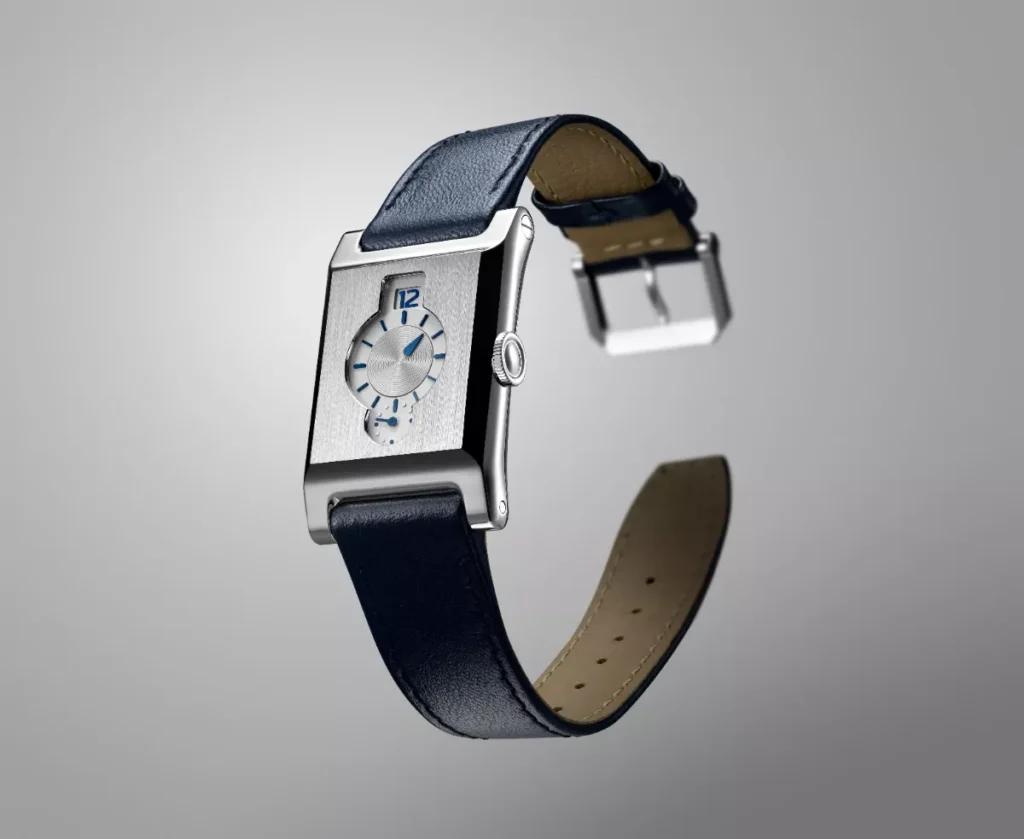
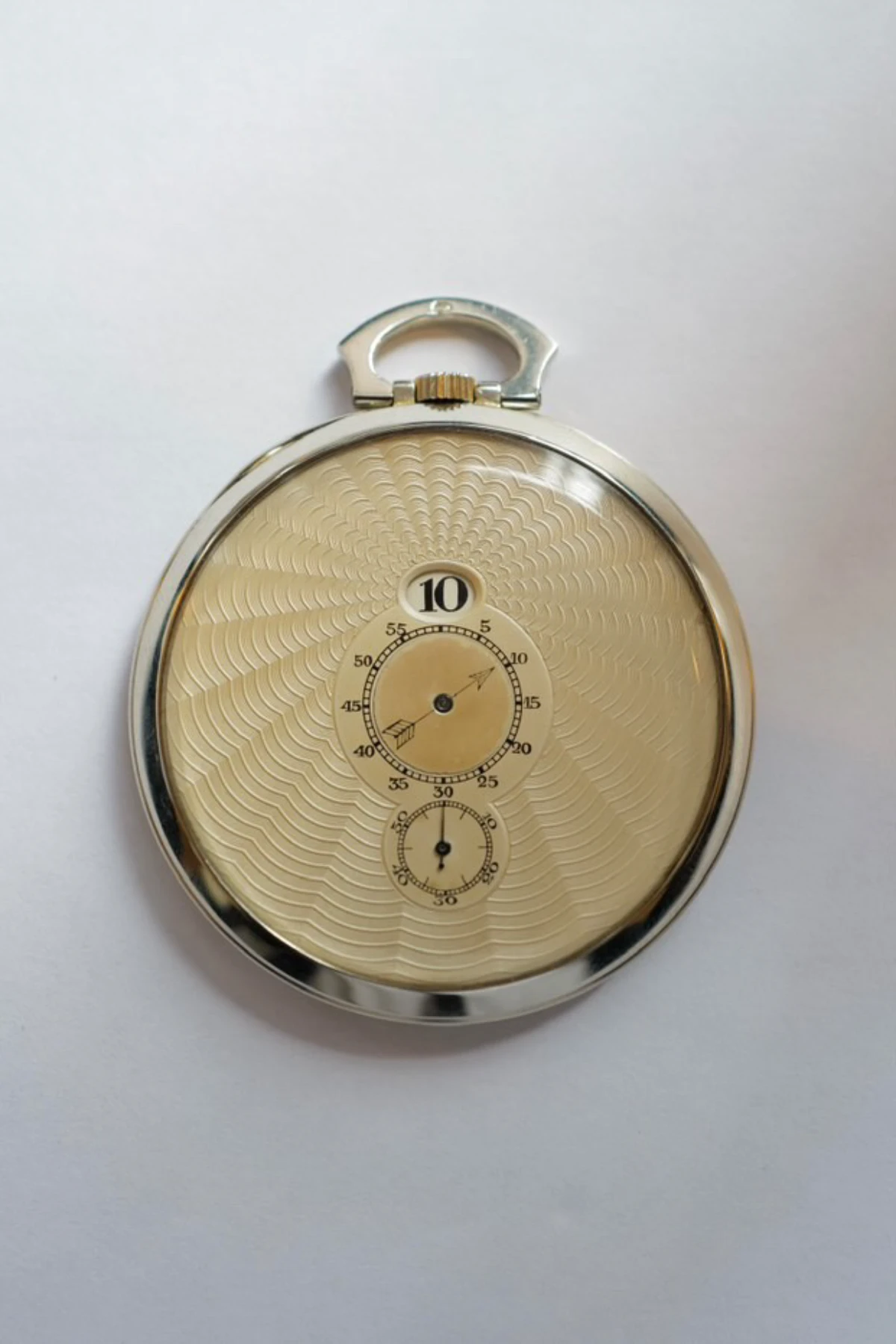
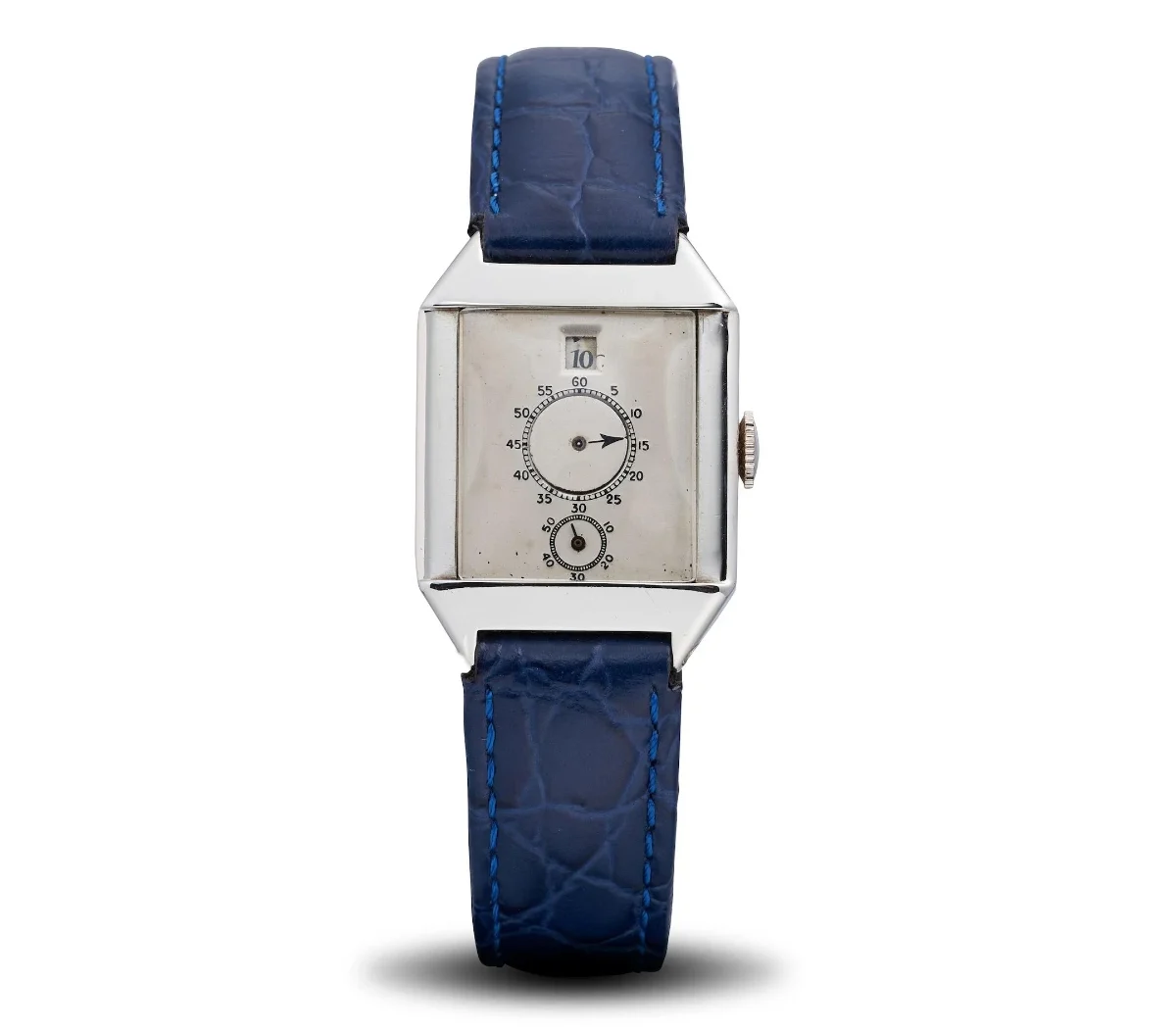
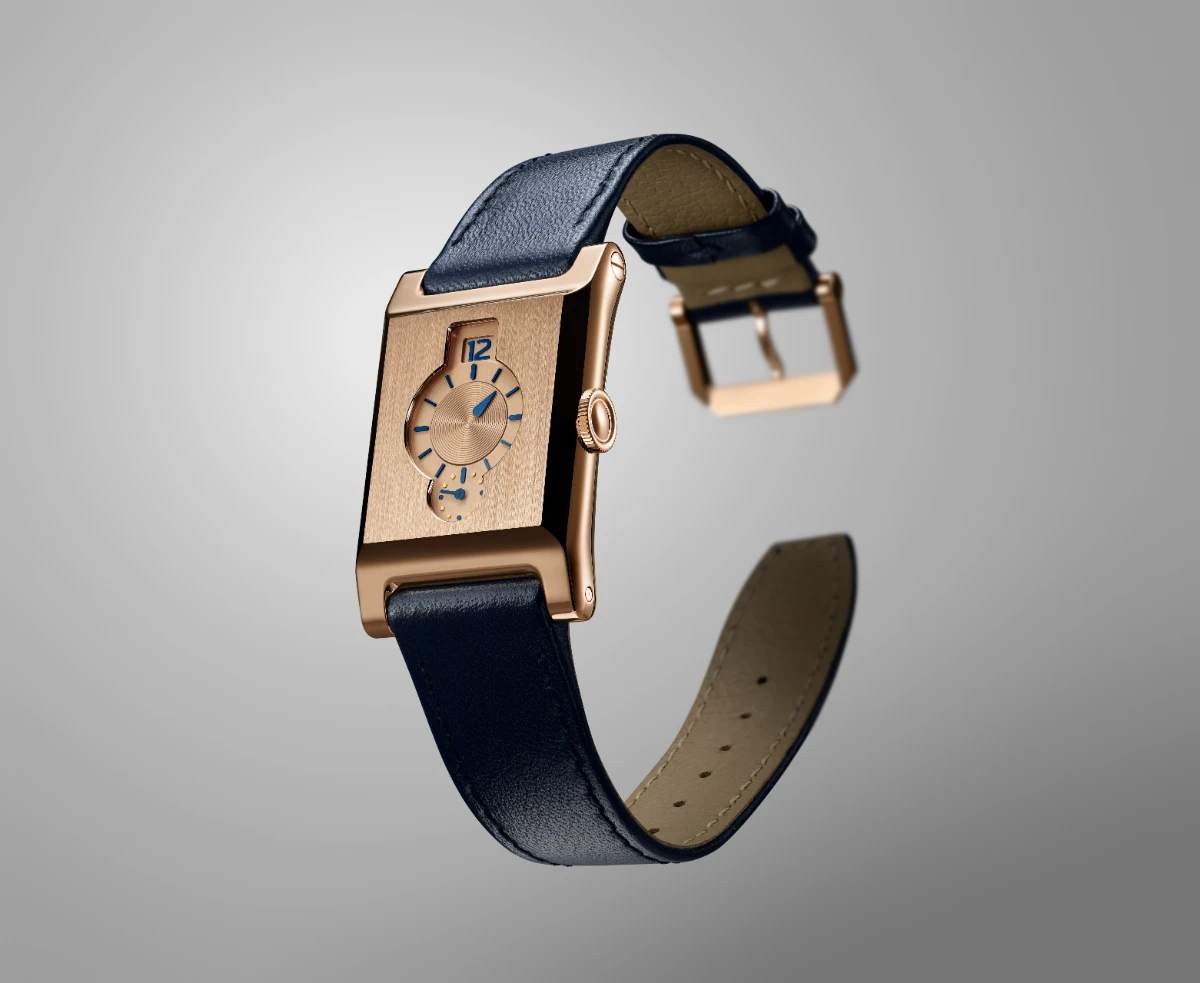
The new Prima is the revived manufacture’s first watch, a jump hour creation inspired by a 1928 Niton model and executed with the kind of restraint that suits a serious comeback.
It’s also a technically ambitious debut, combining the Poinçon de Genève with ISO 3159 chronometer certification and a new calibre developed with Le Temps Manufacture.
At a glance
- Niton has returned with the Prima, a limited jump hour watch inspired by one of its 1928 creations.
- The watch is powered by the Calibre NHS01 and carries both the Poinçon de Genève and ISO 3159 chronometer certification.
- Production is limited to 19 examples in platinum and 19 examples in rose gold.
A Geneva name with more than nostalgia behind it
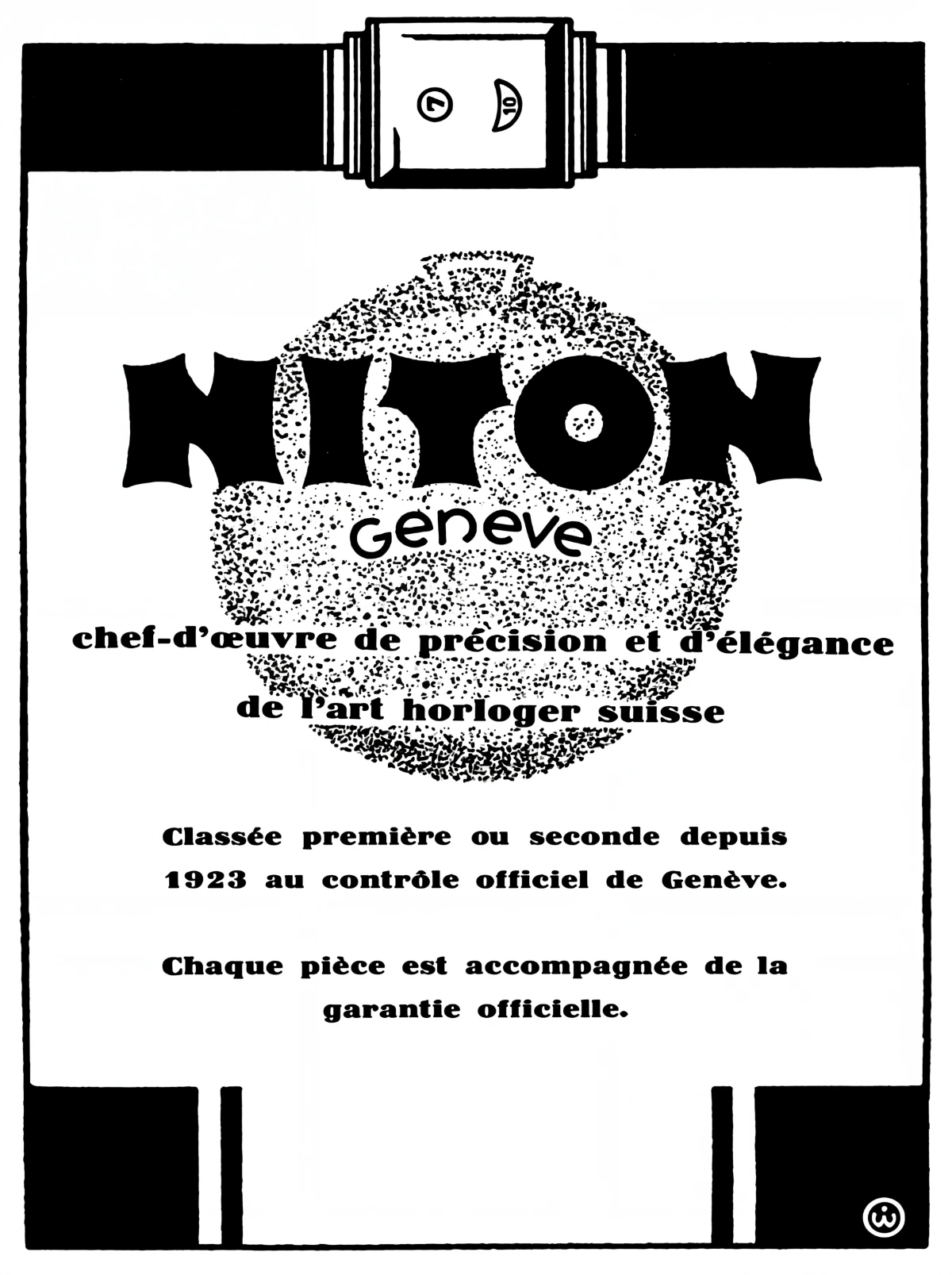
Niton was founded in Geneva in 1919 by three men, two of whom had worked at Vacheron Constantin.
That connection hasn’t been treated as a decorative footnote in the modern revival.
Yvan Ketterer, today’s Co-Owner and Product Director, is related to George Ketterer, a former Vacheron Constantin President who was also involved with the historical Niton business.
Ketterer now leads the brand alongside Leopoldo Celi, Co-Owner and Brand Director.
The name itself is rooted in Geneva’s geography, taking its cue from the Pierres du Niton, the two granite rocks visible in Lake Geneva near Quai du Mont Blanc.
That local identity matters because Niton was never merely a name on a dial.
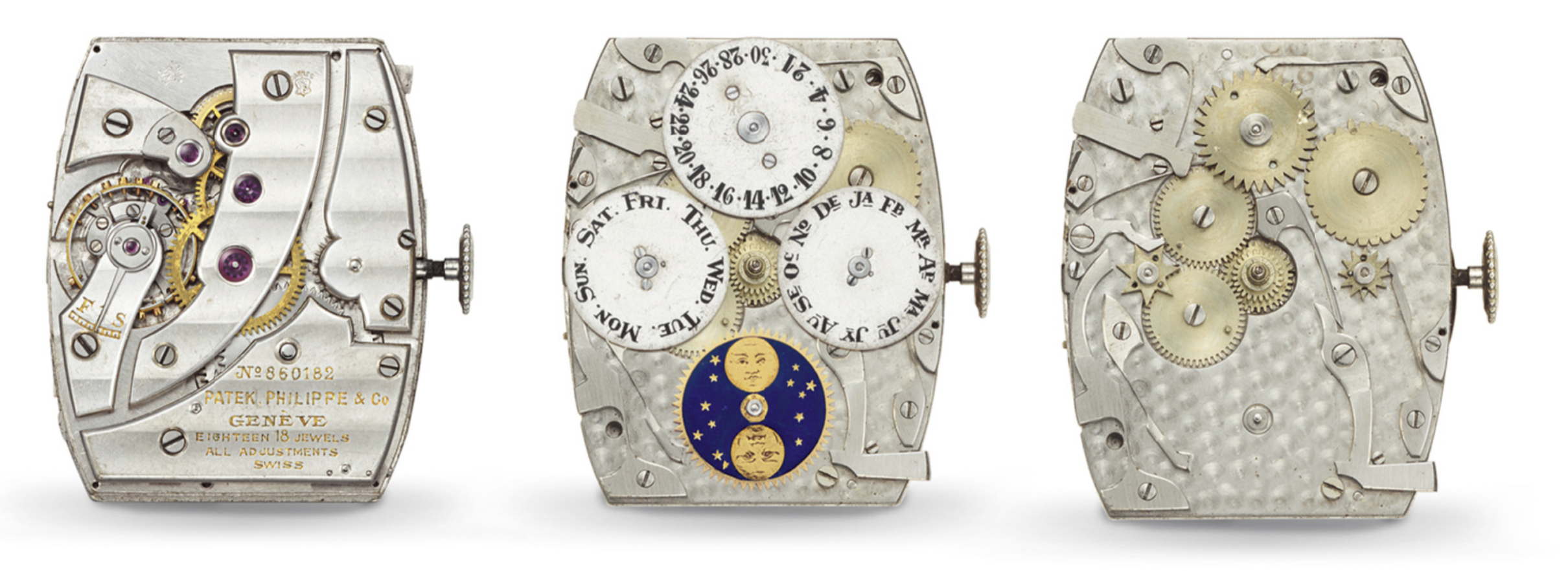
The historical firm supplied movements to notable houses, including a perpetual calendar movement used by Patek Philippe for its P1406, and produced elongated baguette or baton calibres for rectangular cases.
By the early 1930s, Niton was making movements from compact 16 mm calibres to 17 ligne pocket watch movements, many carrying the Poinçon de Genève.
The Prima revisits Niton’s jump hour speciality
The new Prima looks back to a 1928 Niton watch, but its importance lies in how the brand has interpreted the jump hour display for a modern high-end collector.
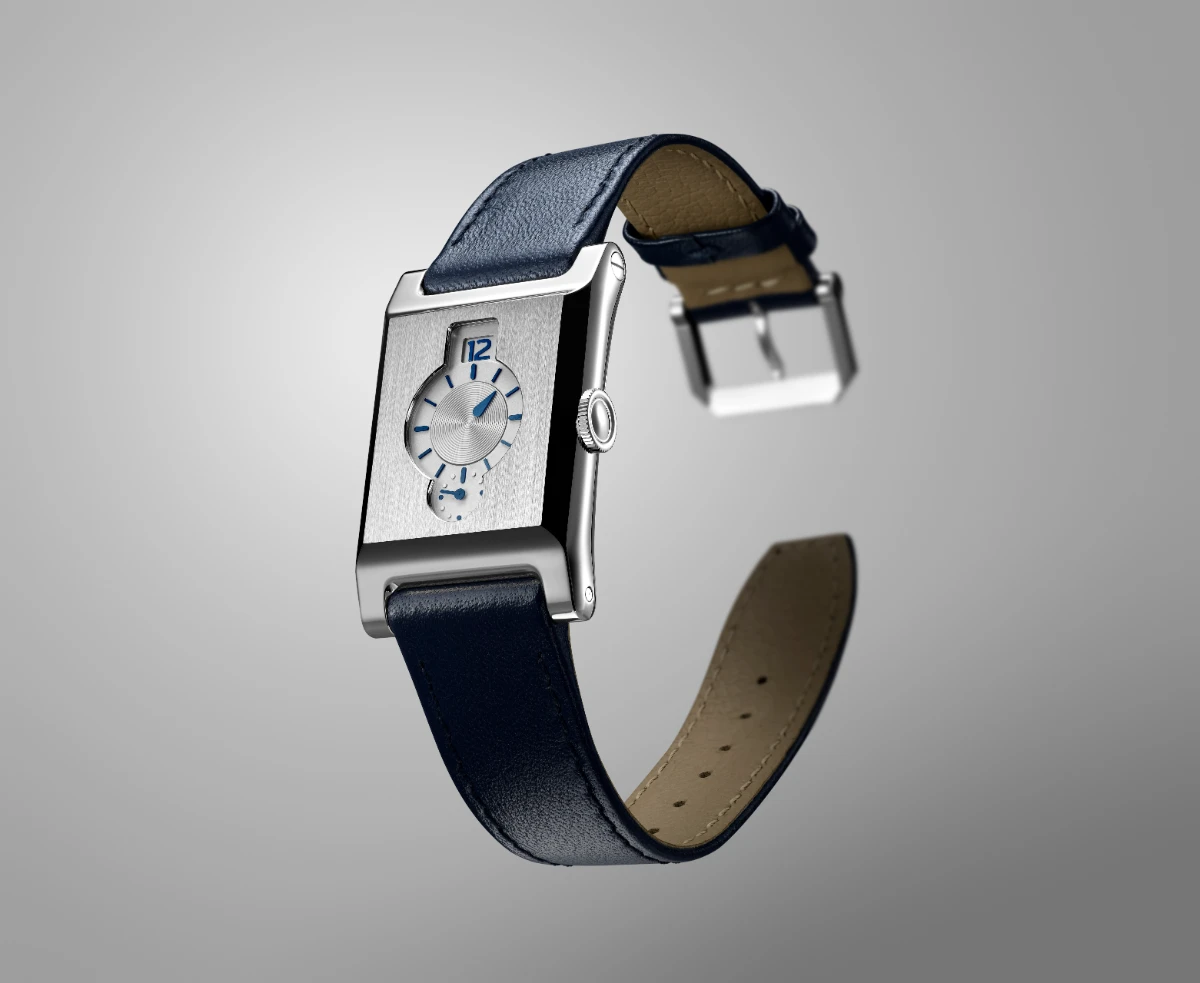
Niton was historically associated with jump hour movements, often using a clear architectural layout with the hour shown through an aperture, minutes displayed on a separate disc and running seconds placed below.
A jump hour can look visually simple, but the mechanics are demanding.
Unlike a conventional hand display, which is driven by a comparatively steady flow of torque, a jump hour movement has to store and release enough energy to advance the hour indication cleanly and precisely at the top of each hour.

That sudden impulse can disturb rate stability if it isn’t managed properly.
This is where the Prima’s certifications become more than prestige markers.
The Poinçon de Genève confirms the watch’s Geneva provenance and finishing standards, while ISO 3159 chronometer certification requires a mean daily rate within -4 to +6 seconds per day.

For a jump hour watch, meeting that standard is a substantial statement of intent.
Inside the Calibre NHS01
The Prima is powered by the Calibre NHS01, designed by Niton’s team and produced with Le Temps Manufacture.
That partnership is a practical choice as much as a technical one, allowing a revived independent brand to launch with a dedicated calibre without attempting to industrialise every component alone from day one.
Viewed through the sapphire caseback, the movement is notable for what it chooses not to show.
Only two screws are visible, securing the black-polished balance cock and escape wheel cock.
The remaining screws have been moved to the sides of the movement, leaving the bridges unusually clean and open.

The result is a movement architecture that feels deliberate rather than decorative for decoration’s sake.
Art Deco-style striping runs across the bridges, while the visible jewelling and stem release sit within a composition that feels controlled, spare and unmistakably Geneva.
A limited debut aimed at serious independent collectors
The Prima will not be a volume proposition.

Niton is producing 19 examples in platinum and 19 examples in rose gold, a tight run that immediately places the watch in front of collectors who follow independent makers, Geneva-sealed movements and historically grounded complications.
The appeal here isn’t just rarity.
It’s the combination of a revived Geneva manufacture with a legitimate backstory, a complication that demands proper engineering and a movement whose finishing choices feel considered rather than showy.

Details & Specifications
| Brand | Niton |
|---|---|
| Model | Prima |
| Case material | Platinum or rose gold |
| Movement | Calibre NHS01 |
| Complication | Jump hour |
| Certification | Poinçon de Genève and ISO 3159 chronometer certification |
| Caseback | Sapphire |
| Production | 19 pieces in platinum and 19 pieces in rose gold |
The Niton Prima is a measured return rather than a loud resurrection, and that’s precisely what makes it interesting.
For collectors drawn to Geneva watchmaking beyond the obvious names, it offers a rare mix of provenance, complication and contemporary independent execution.